One Wire, Ten Times the Power?! Building the Ultimate Coil with the Magic ‘Pascal Wire’
Science trainer Ken Kuwako here. Every day is an experiment.
At first glance, it’s just an ordinary wire. But what if that wire were secretly hiding the power of 10 wires in one? Doesn’t that sound exciting? The “Pascal Wire” is exactly that kind of magical item. Inside a single tube, 10 conductors are bundled together, so when current flows through it, it delivers 10 times the normal power — a wire that truly lives up to its name.
(You can find wire suitable for making Pascal Wire, such as the Fujikura Densen VCTF 0.3sq×10-core cable, on Amazon here.)
An Experimental Device That “Condenses” 10x the Power
Now, using this “10x power” Pascal Wire (1 meter), I built an even more powerful device. What I did was incredibly simple: I just took this wire and wound it into a coil.
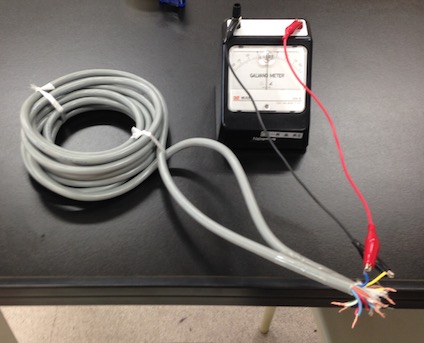
Think back to how electromagnets and motors work. The more turns a coil has, and the stronger the current flowing through it, the more powerful a magnet it becomes. This time, I wound the Pascal Wire about 20 times and secured it. On the surface, that’s just 20 turns. But remember, the true identity of Pascal Wire is a bundle of 10 conductors. So what does that actually mean in terms of power?
That’s right: 20 turns × 10 conductors = the equivalent of 200 turns!
With that, I created a powerful coil equivalent to painstakingly winding 200 turns of thin copper wire — without any of the tedious work. This idea, in fact, is a fundamental concept in the world of electricity. Massive generators at power plants and the motors that drive trains both generate huge amounts of power by increasing the number of coil turns and the current. Pascal Wire lets you experience a miniature version of that “real-world technology” right in the palm of your hand.
Awakening the Magic of “Electricity” and “Magnetism”
So what can you actually do with this “coil equivalent to 200 turns”? It reveals, in one simple device, the fascinating relationship between electricity and magnetism — the true stars of science class.
First, without connecting a battery, try moving a magnet in and out of the coil. Just doing this lets you observe the phenomenon of electromagnetic induction — in other words, generating electricity. A changing magnetic field inside the coil produces electric current. This is the same principle used in bicycle dynamo lights and even massive power plants.
Next, connect a single D battery to this coil. Now it transforms into a powerful electromagnet! Try bringing a compass close to it, and what happens?
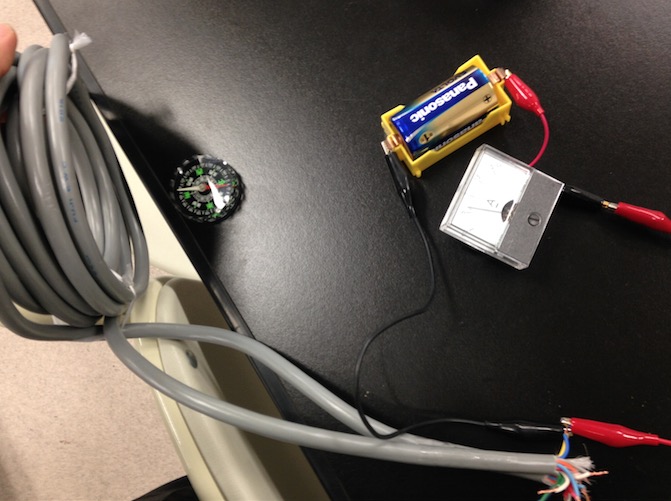
Take a look!
The compass needle jumps and swings sharply. Even with just one battery, this proves that the 200-turn-equivalent coil is generating a powerful magnetic field. By the way, did you know the Earth itself is essentially a giant magnet? The reason a compass needle points north is that the flow of iron and nickel at the Earth’s core acts like a giant coil, generating a magnetic field.
Isn’t it kind of romantic to think that this palm-sized experiment and a planet-scale phenomenon both run on the exact same principle?
A “Clever” Short Circuit You Can Safely Experiment With
If you’re thinking “wait a second” right now, your science instincts are sharp. You might be wondering: “Isn’t connecting a battery directly to a wire just a short circuit? Isn’t that dangerous?” You’re absolutely right — normally, that would be dangerous. But when you actually measure the current flowing through this device, it comes out to about 0.6 amps. That’s a perfectly safe level for a battery to handle. So why doesn’t a huge current flow?
The secret lies in the length of the wire. Wires have something called electrical resistance — a natural resistance to the flow of current. The Pascal Wire used here is only 1 meter long, but internally, it contains the equivalent of 10 separate conductors. And since it’s wound 20 times, the actual path the electricity has to travel becomes very long. The longer the path, the greater the resistance, and the smaller (and safer) the resulting current.
In other words, this device cleverly uses the wire’s own resistance to prevent a large current from flowing, even though it’s technically a short circuit. That’s also why the wire doesn’t get very hot, even when left connected for a while.
This means you could easily prepare one of these for each group in a classroom, letting students safely handle a “real electromagnet” hands-on. Why not try making your own “10x power” coil at home and experience the wonder of electricity and magnetism for yourself?
Wire suitable for making Pascal Wire: Fujikura Densen VCTF 0.3sq×10-core
Inquiries and Requests
Let’s bring the wonder and fun of science closer to everyday life! Here you’ll find easy-to-follow science experiments you can do at home, along with helpful tips and tricks. Feel free to browse around!
・The content from Science Notebook has been published as a book. Details here.
・For more about the site’s creator, Ken Kuwako, click here.
・For requests (writing, lectures, hands-on experiment workshops, TV supervision/appearances, etc.), click here.
・Follow article updates on X!
 Check out the Science Topics Channel for experiment videos!
9月のイチオシ実験!
テレビ番組監修・イベント等のお知らせ
- 9月25日(金)21:00〜 かまいたちの瞬間回答!にて、科学監修を行いました。
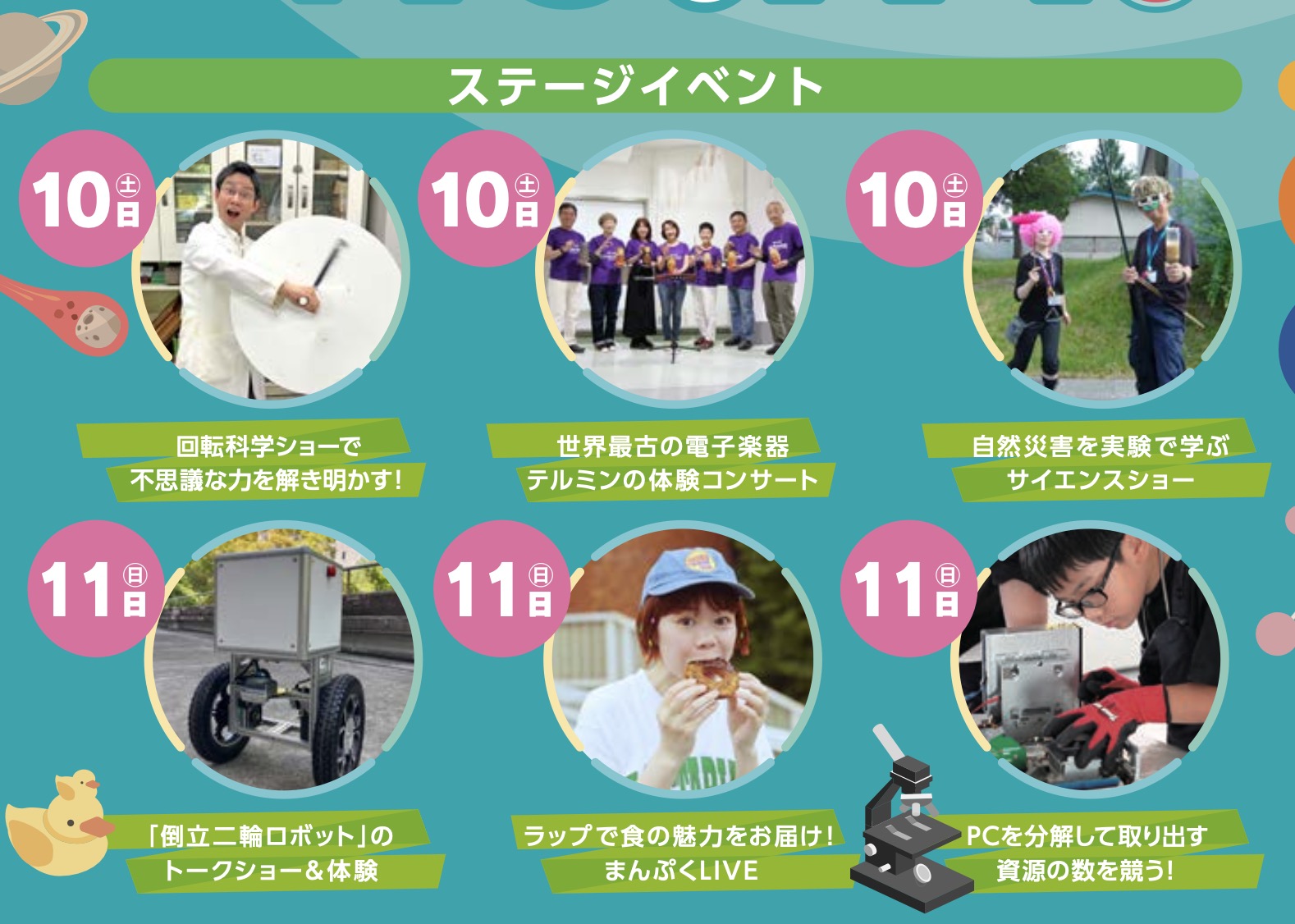
- 10月10日(土)11:15~12:00 千葉市科学フェスタ2026「桑子先生の回転科学ショー」にてサイエンスショーを行います。
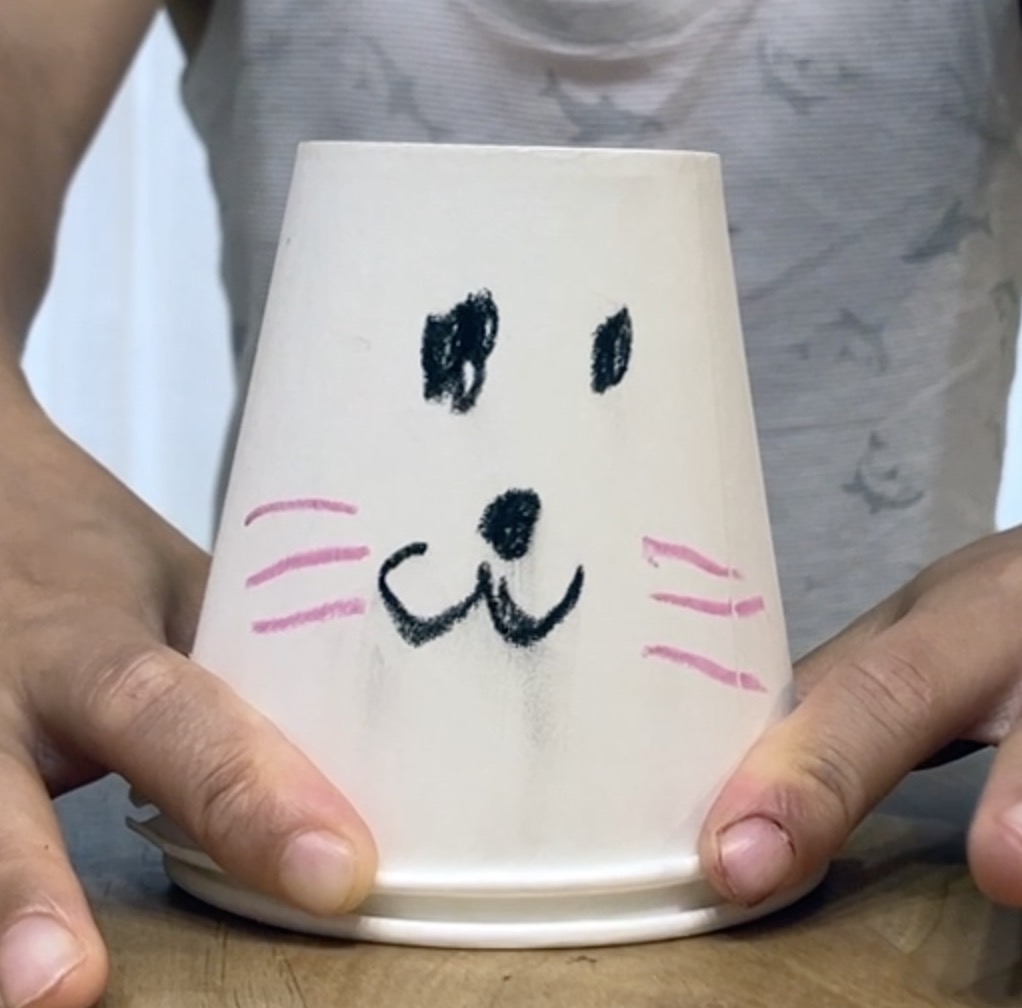
- 12月26日(土) ナリカサイエンスアカデミー(教員向け実験講習会)開催
書籍のお知らせ
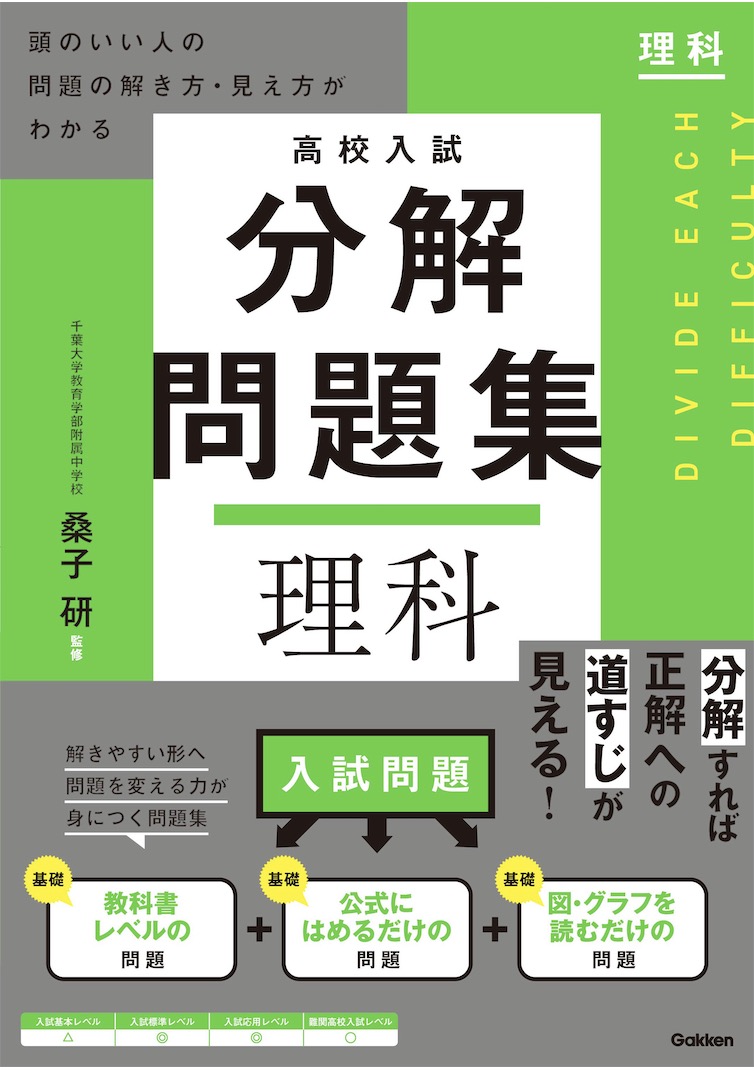
- 『高校入試 分解問題集 理科』(学研)…難しい問題も小さな問題に分解することで、問題を解くことができます。そんな分解の技術が身につくように深く関わりを持って作りました。
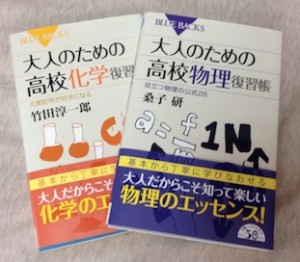
 『大人のための高校物理復習帳』(講談社)…一般向けに日常の物理について公式を元に紐解きました。特設サイトでは実験を多数紹介しています。※増刷がかかり6刷となりました(2026/02/01)
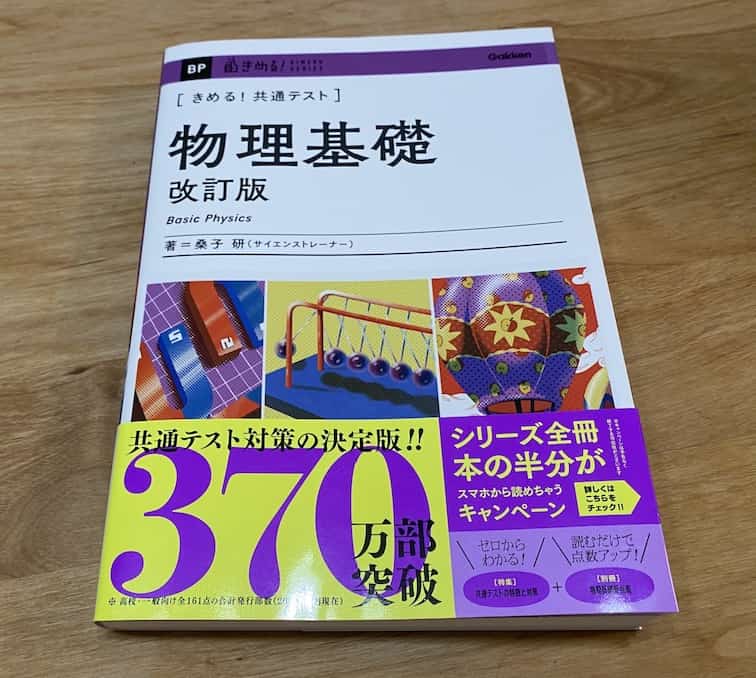
- 『きめる!共通テスト 物理基礎 改訂版』(学研)… 高校物理の参考書です。イラストを多くしてイメージが持てるように描きました。授業についていけない、物理が苦手、そんな生徒におすすめです。特設サイトはこちら。
各種SNS(更新情報をお届け!)
【日本語】X(Twitter)/instagram/Facebook 【英語】BlueSky/Threads
Explore
- 楽しい実験…お子さんと一緒に夢中になれるイチオシの科学実験を多数紹介しています。また、高校物理の理解を深めるための動画教材も用意しました。
- 理科の教材… 理科教師をバックアップ!授業の質を高め、準備を効率化するための選りすぐりの教材を紹介しています。
- Youtube…科学実験等の動画を配信しています。
- 科学ラジオ …科学トピックをほぼ毎日配信中!AI技術を駆使して作成した「耳で楽しむ科学」をお届けします。
- 講演 …全国各地で実験講習会・サイエンスショー等を行っています。
- About …「科学のネタ帳」のコンセプトや、運営者である桑子研のプロフィール・想いをまとめています。
- お問い合わせ …実験教室のご依頼、執筆・講演の相談、科学監修等はこちらのフォームからお寄せください。