Secrets of Static Electricity! Try This Cool Experiment with Styrofoam and Paper Bits (Dielectric Polarization)
I am Ken Kuwako, your science trainer. Every day is an experiment!
【This article is also available on my radio show!】
Imagine pulling objects toward you without even touching them. It sounds like a superpower straight out of a sci-fi movie, but it is actually a mysterious power we all know: static electricity! From that annoying zap when you take off a sweater in winter to your hair standing on end after rubbing a balloon, we have all felt it. Today, let’s dive into the mystery of why this everyday phenomenon becomes a magical force that attracts objects!
The Microscopic Great Migration! What is Static Electricity?
Basically, static electricity happens when objects rub against each other. Everything around us is made of tiny particles called atoms, which contain positive charges and negative charges (electrons). When things rub together, electrons pack their bags and move from one material to another. Some materials love to give away electrons, while others are eager to grab them. We call this ranking of “givers and takers” the Triboelectric Series.
Reference: The Triboelectric Series
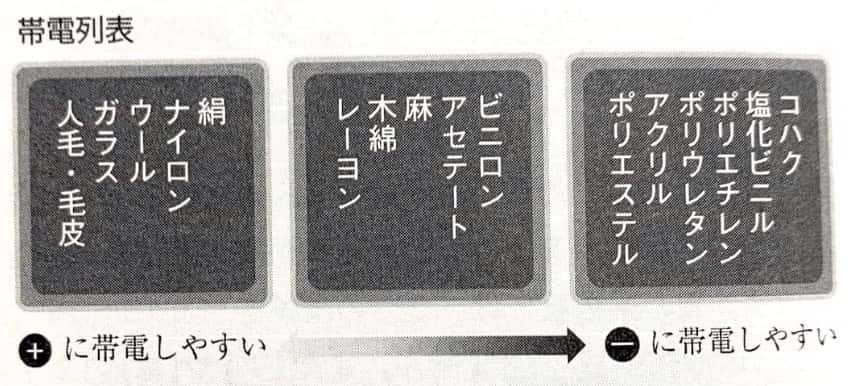
From my book, “Science Proficiency Test Official Workbook Grades 5 & 6” (Kodansha)
For example, if you rub a rubber balloon with a tissue or cloth, the Triboelectric Series tells us that electrons move from the cloth to the balloon. As a result, the balloon—now packed with extra electrons—becomes negatively charged, while the cloth that lost them becomes positively charged.
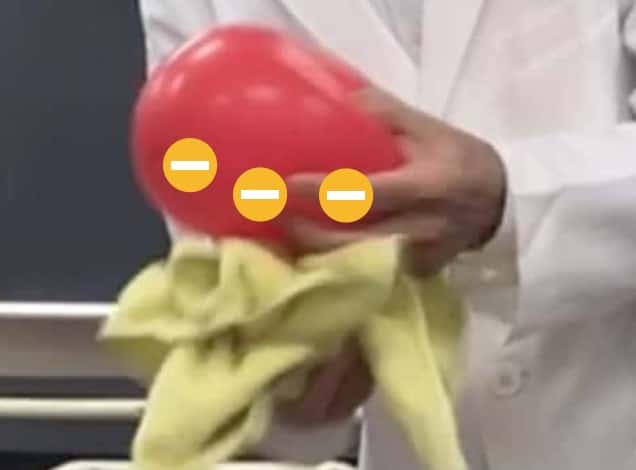
Let’s Experiment! Controlling Styrofoam with Static Power
Now, let’s bring that negatively charged balloon close to some Styrofoam, which is electrically neutral (meaning it is neither positive nor negative).
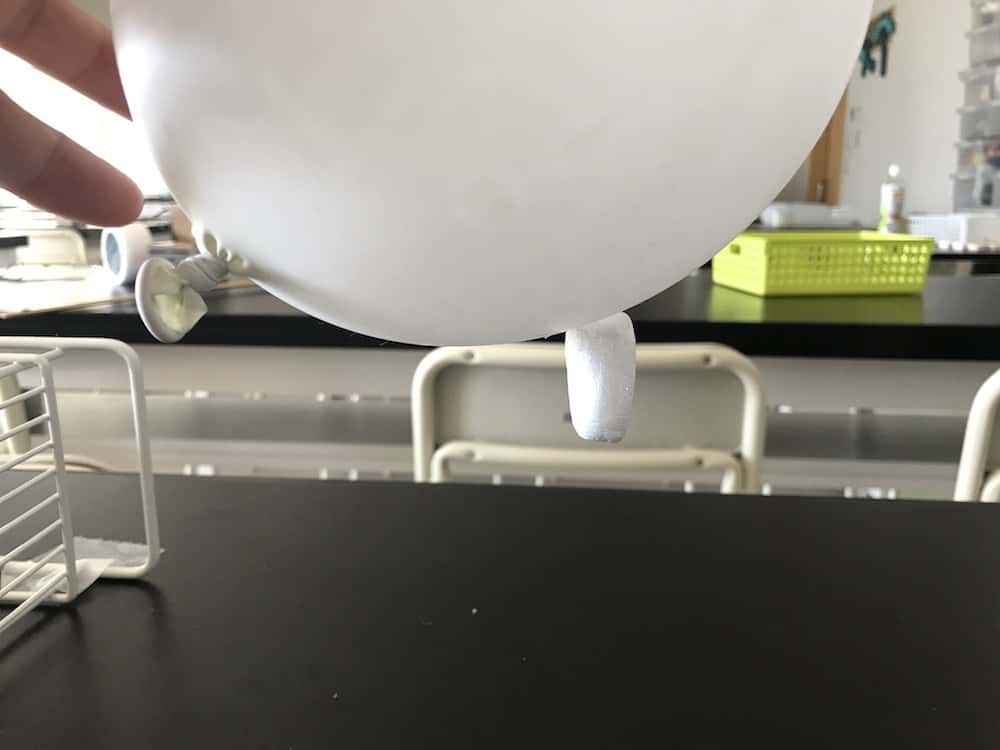
As you can see, it sticks right to it!
But here is a fun puzzle. If we take the cloth—which should be positively charged because it lost electrons to the balloon—and bring it close… look! The Styrofoam sticks to the cloth too.
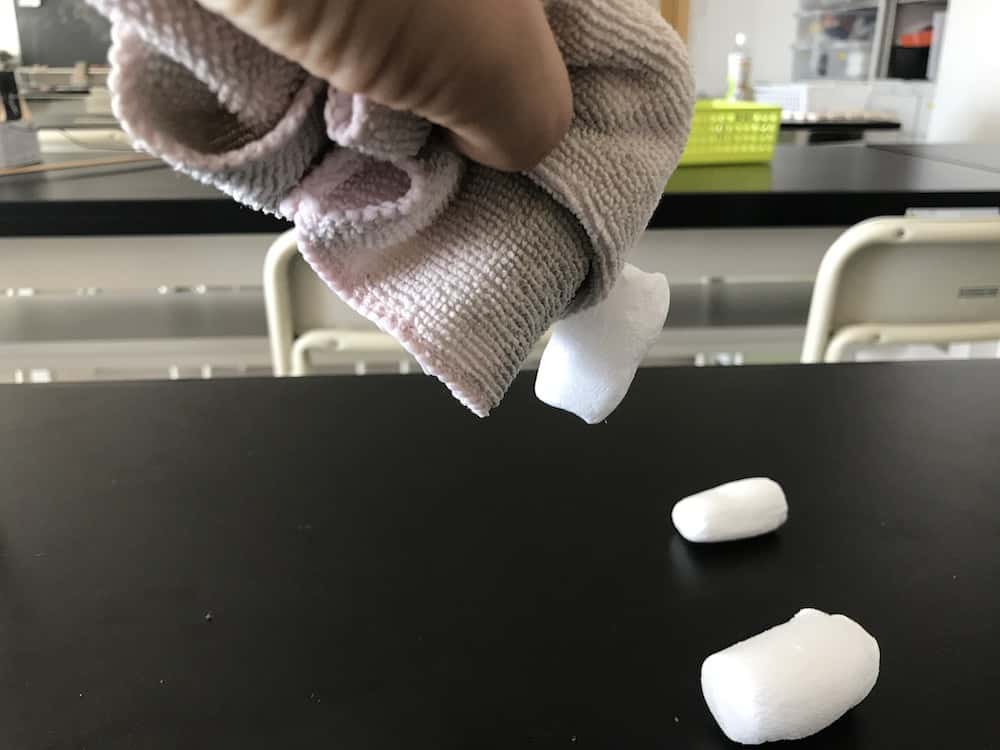
Isn’t that strange? Why does the Styrofoam get pulled toward both the negative balloon and the positive cloth?
The Key to the Mystery: Dielectric Polarization!
The secret lies in a phenomenon called Dielectric Polarization. Even though the Styrofoam is neutral, it still has positive and negative charges inside its atoms. Usually, these charges are pointing in all different directions, keeping a perfect balance.
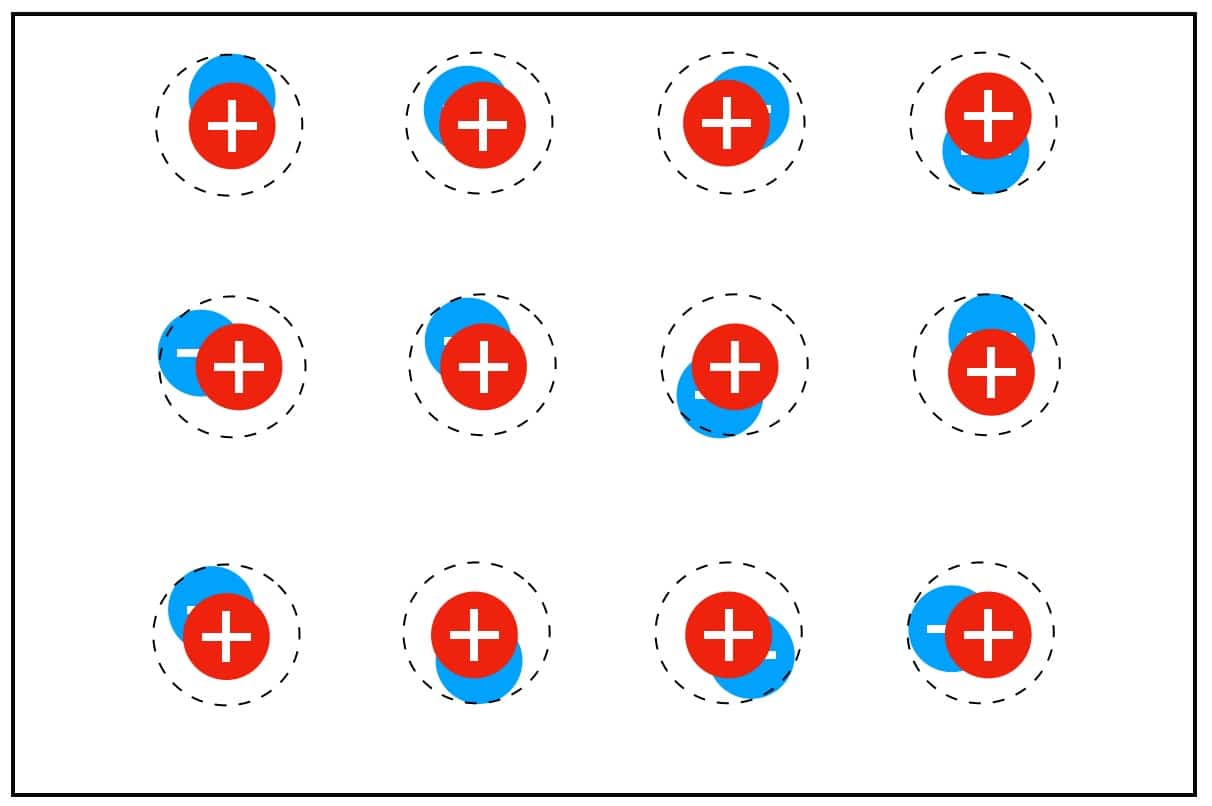
What happens when the negative balloon gets close? The negative electrons inside the Styrofoam’s atoms are repelled by the balloon’s negative charge and get pushed to the far side of the atom. This means the side of the atom closest to the balloon becomes relatively positive.
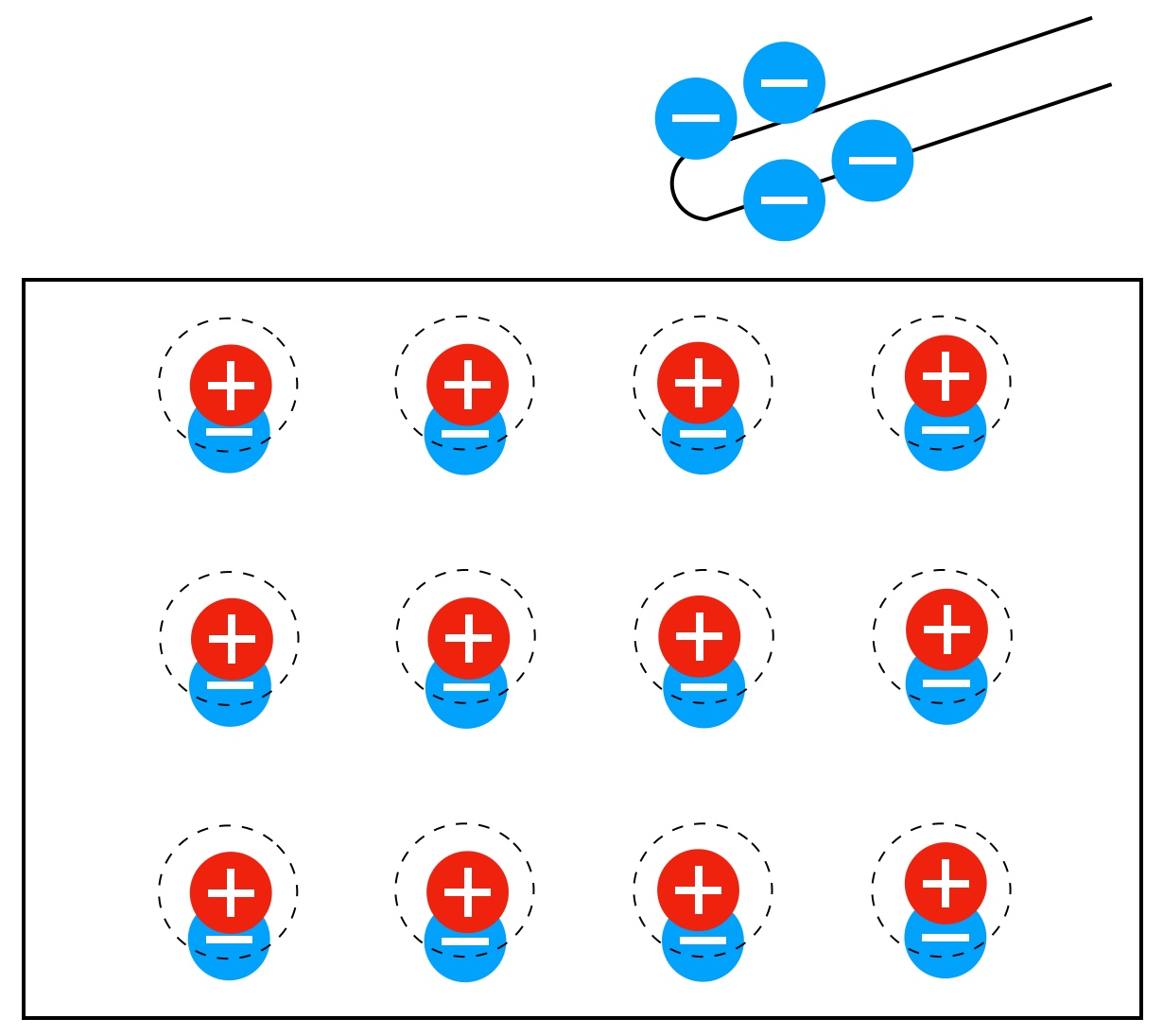
Since the “negative” balloon and the “positive” surface of the Styrofoam are attracted to each other, they stick! If you bring the positive cloth close, the opposite happens: electrons are pulled to the surface, making it negative, and they still attract. In short, Dielectric Polarization is the amazing trick that forces the charges inside a non-conductive object to line up so they always end up being attracted to you!
Dancing Scraps?! Creating Art with Paper Scraps
Using this force, we can do even cooler things. Scraps from a paper shredder or tiny bits of origami—things you’d usually call trash—instantly turn into awesome experimental tools!
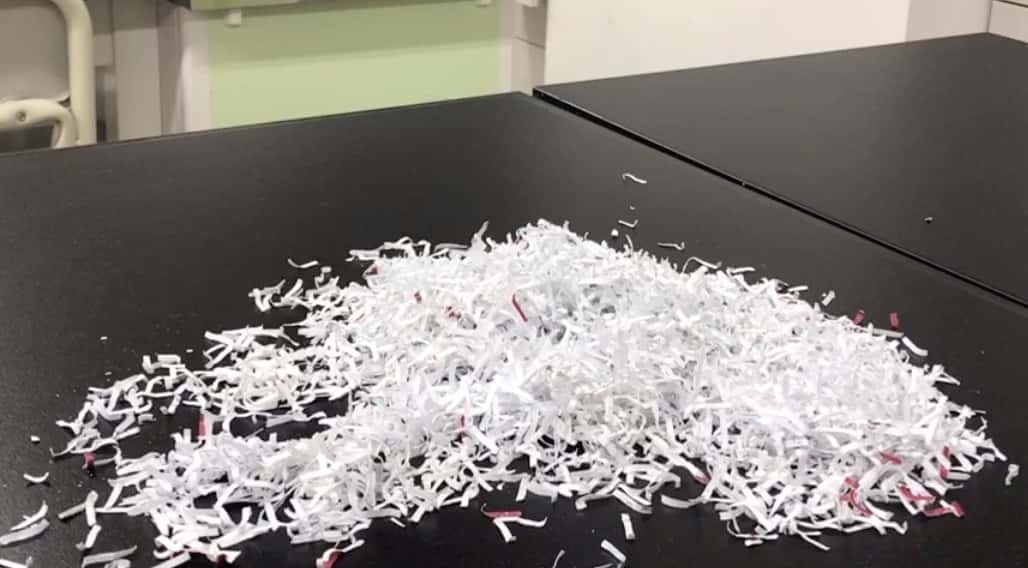
Let’s bring a charged balloon near them. Check out this video to see what happens!
What did you think? The paper scraps start rustling and standing up, being sucked toward the balloon as if they were alive. Did you notice how the scraps stand up straight in a radial pattern once they stick? This is proof that they are aligning themselves with electric field lines—the invisible flow of electric force. It’s like a work of art created by static electricity.

By the way, if you bring a magnet near the same spot, the paper scraps don’t react at all. This shows us instantly that electric force and magnetic force are two completely different things.
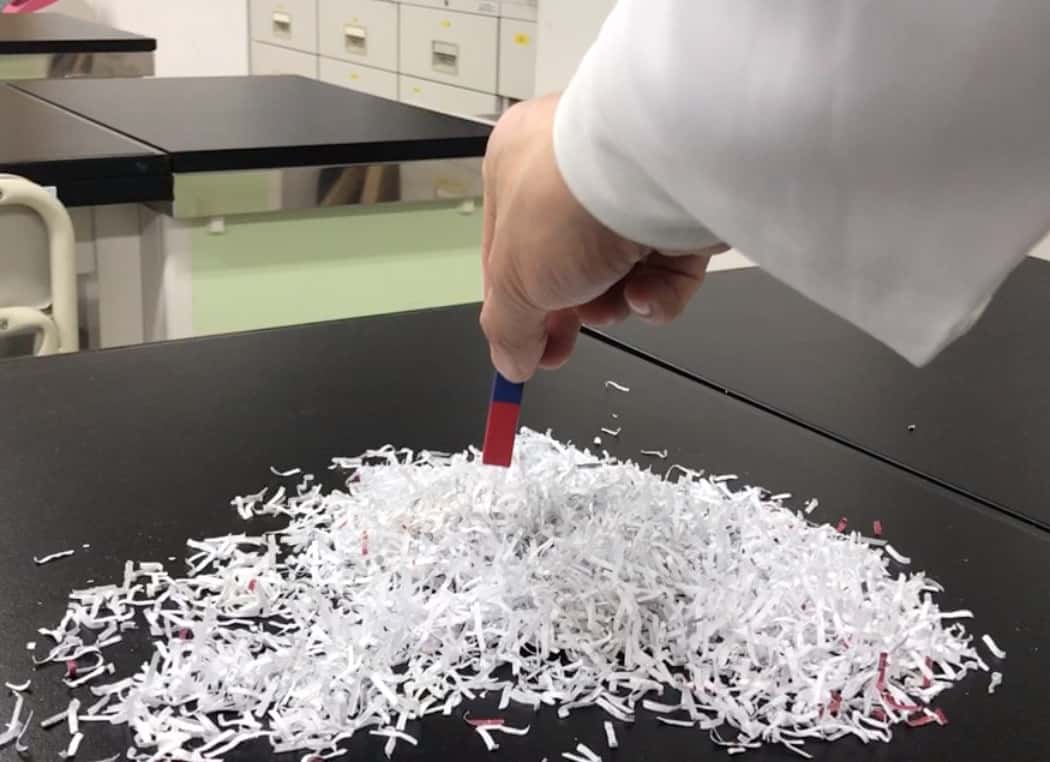
Even when you know the science, this phenomenon is fun to watch every single time. Please give it a try at home!
【Advanced Level】Even Bigger Experiments with a Static Machine!
Beyond these simple tricks, using a static electricity generator called a Van de Graaff machine allows for even more dynamic experiments—like making your hair stand straight up or making objects float in mid-air. I have performed some of these experiments on TV shows with stars like Suzu Hirose, Ryohei Suzuki, and Chocolate Planet! For more details, check out this special feature page.
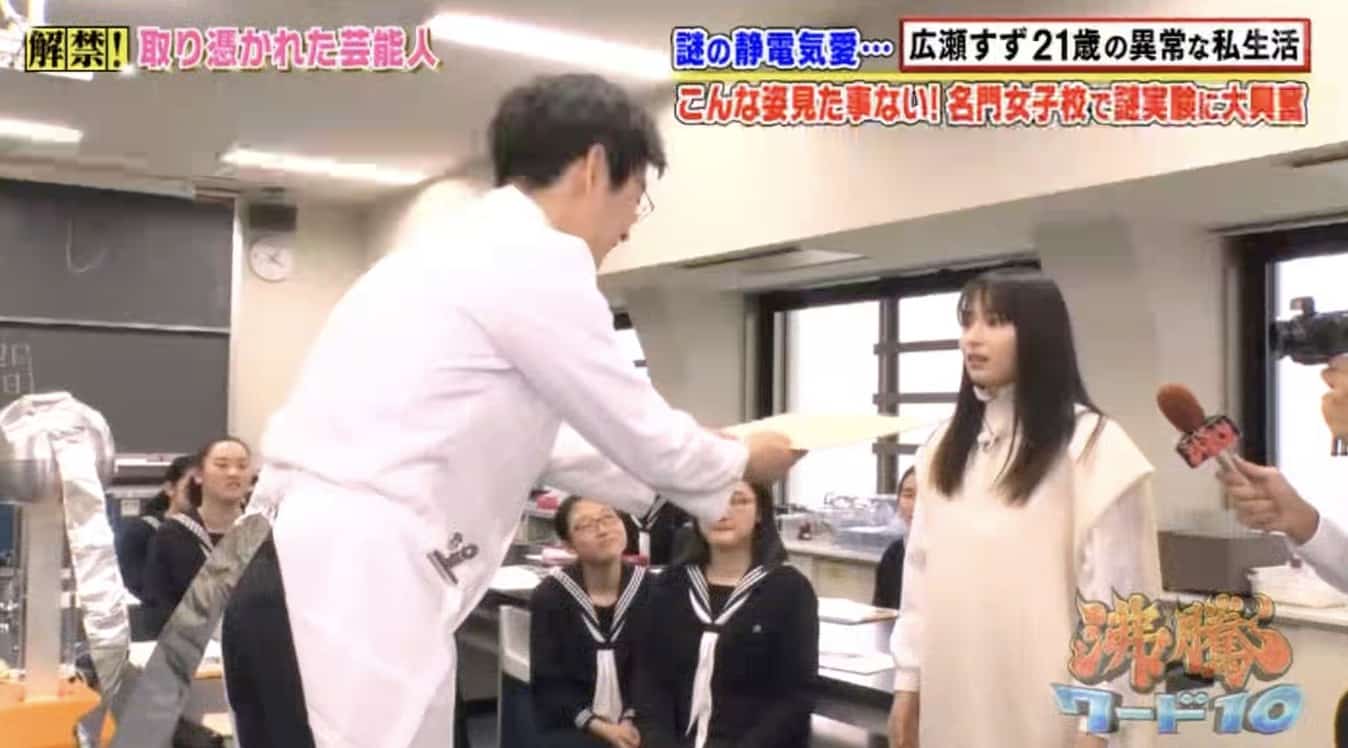
【Feature】You Can’t Stop! Static Electricity Experiments
Please note: Experiments using a static electricity generator (Van de Graaff) can be very dangerous. They must be conducted under the supervision of a specialist. For inquiries regarding static electricity experiments (workshops, TV supervision, appearances, etc.), please contact me here.
Inquiries and Requests
Making the wonders and fun of science more accessible! I have put together many fun experiments you can do at home and tips on how to make them work. Take a look around!
・My “Science Notes” have been turned into a book! Details here.
・Learn more about me, Ken Kuwako, here.
・For various requests (writing, lectures, workshops, TV supervision, etc.), click here.
・Get the latest updates on X (formerly Twitter)!
 See my experiments on the Science Lab Channel!
テレビ番組監修・イベント等のお知らせ
- 10月27日(火) 23:56〜「ネイチャーティーチャー」(TBS)に出演予定

- 11月27日(金) テレビ監修番組放送予定
- 12月26日(土) ナリカサイエンスアカデミー(教員向け実験講習会)開催
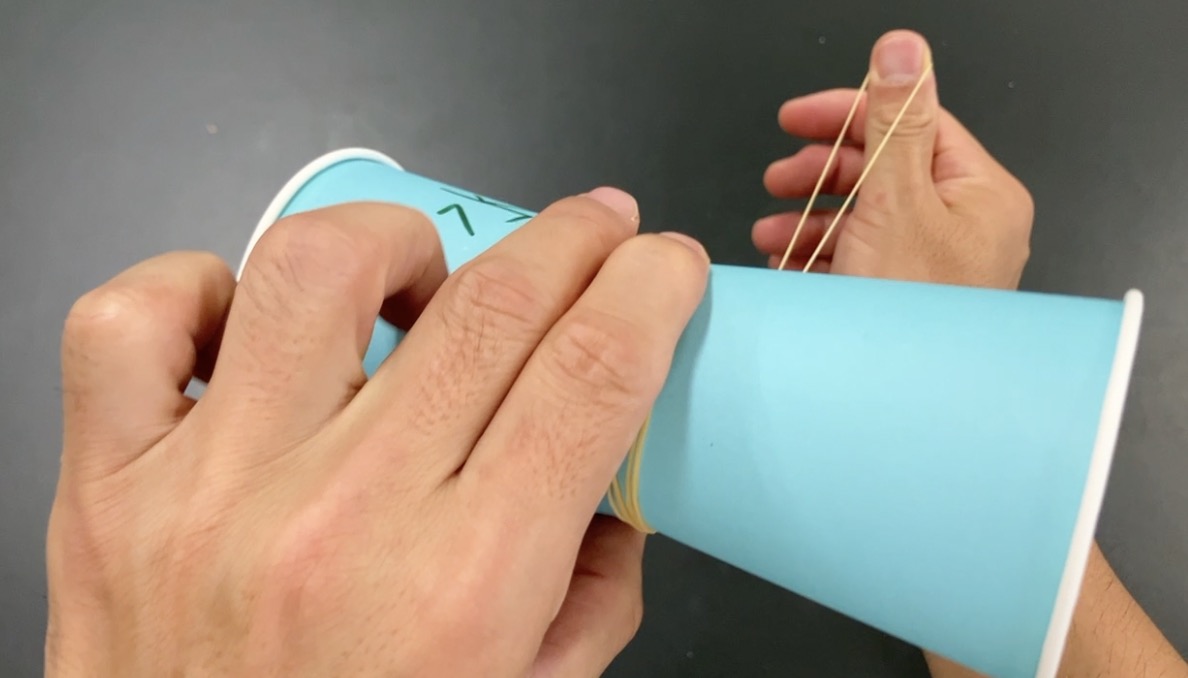
10月のイチオシ実験!
書籍のお知らせ
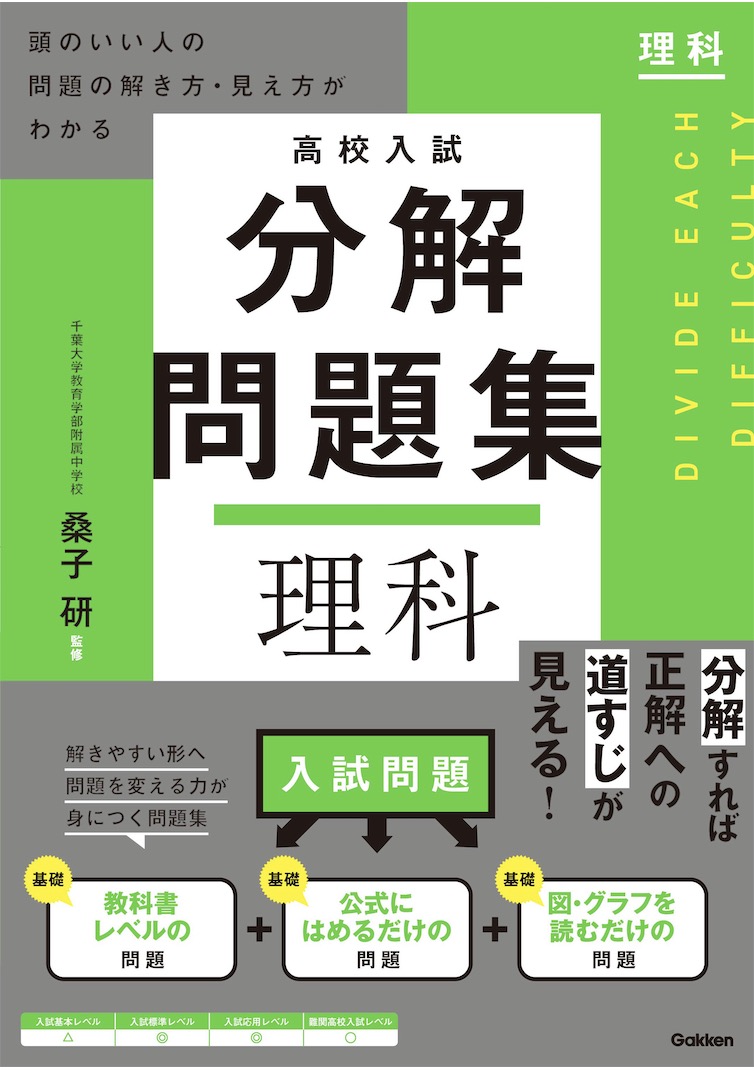
- 『高校入試 分解問題集 理科』(学研)…難しい問題も小さな問題に分解することで、問題を解くことができます。そんな分解の技術が身につくように深く関わりを持って作りました。
 『大人のための高校物理復習帳』(講談社)…一般向けに日常の物理について公式を元に紐解きました。特設サイトでは実験を多数紹介しています。※増刷がかかり6刷となりました(2026/02/01)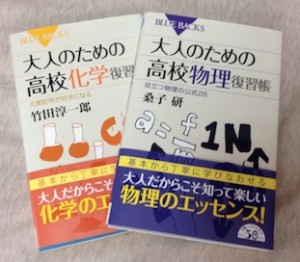
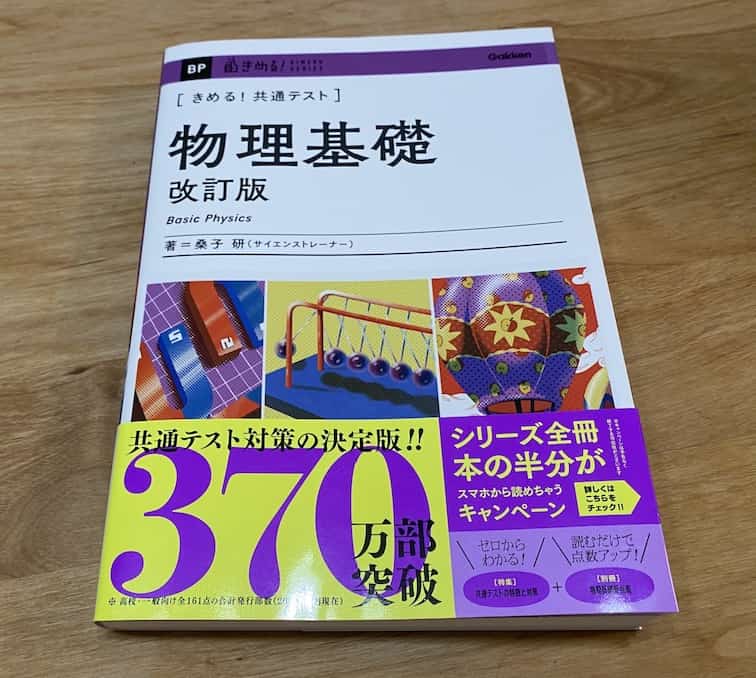
- 『きめる!共通テスト 物理基礎 改訂版』(学研)… 高校物理の参考書です。イラストを多くしてイメージが持てるように描きました。授業についていけない、物理が苦手、そんな生徒におすすめです。特設サイトはこちら。
各種SNS(更新情報をお届け!)
【日本語】X(Twitter)/instagram/Facebook 【英語】BlueSky/Threads
Explore
- 楽しい実験…お子さんと一緒に夢中になれるイチオシの科学実験を多数紹介しています。また、高校物理の理解を深めるための動画教材も用意しました。
- 理科の教材… 理科教師をバックアップ!授業の質を高め、準備を効率化するための選りすぐりの教材を紹介しています。
- Youtube…科学実験等の動画を配信しています。
- 科学ラジオ …科学トピックをほぼ毎日配信中!AI技術を駆使して作成した「耳で楽しむ科学」をお届けします。
- 講演 …全国各地で実験講習会・サイエンスショー等を行っています。
- About …「科学のネタ帳」のコンセプトや、運営者である桑子研のプロフィール・想いをまとめています。
- お問い合わせ …実験教室のご依頼、執筆・講演の相談、科学監修等はこちらのフォームからお寄せください。