No Right Answer, Just Curiosity! What a “Mystery Box” Teaches Us About the True Nature of Science
I am Ken Kuwako, your Science Trainer. Every day is an experiment.
【This article is also available on our radio show!】
Imagine a box sitting right in front of you that is impossible to open. If someone asked you to figure out exactly what was inside, what would you do? Our world is actually full of these invisible boxes. Think about the Earth’s core, the far reaches of distant galaxies, or the microscopic world of atoms. Scientists have spent centuries using their wits and tools to uncover the truth behind these mysteries without ever breaking the box open.
Today, I want to share an exciting experiment that really gets the curiosity flowing. We use a teaching tool from Narika’s SEPUP series called the Black Box.
The Mystery of the Artisan’s Unopenable Box
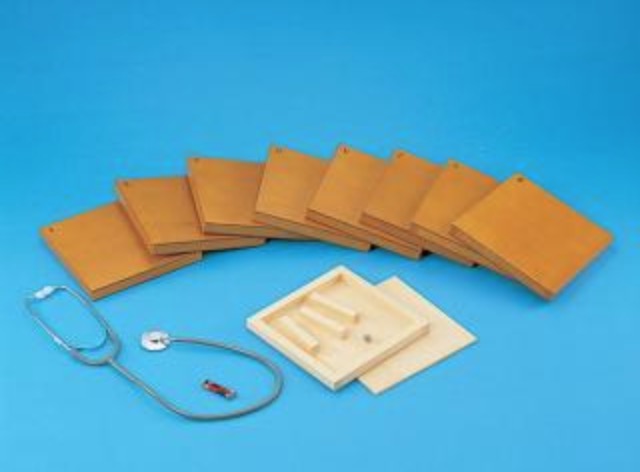
When we say black box, we aren’t talking about the flight recorders found on planes. In this context, it simply means a box with an unknown internal structure. These specific boxes are beautiful, 20-centimeter wooden cubes handcrafted by artisans in Hakone, famous for traditional parquetry. When you pick one up and give it a shake, you can hear something rolling around inside with a distinct rattle.
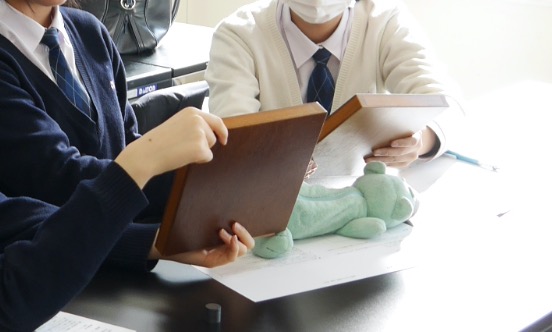
A look at the Black Box
The mission for the students is simple but challenging: investigate the internal structure of the box and present your findings. They can use any tool available in the lab, but there is one golden rule—you must not break or damage the box under any circumstances.
Visualizing the Invisible with Magnets and Stethoscopes
At the start, I provide the students with magnets, stethoscopes, and rulers. While they begin by listening cautiously to the sounds, the atmosphere in the room shifts the moment a magnet gets close. You hear a sharp click as a magnet snaps against the wooden wall from the outside. That is the “Aha!” moment when they realize, There is a steel ball in here!
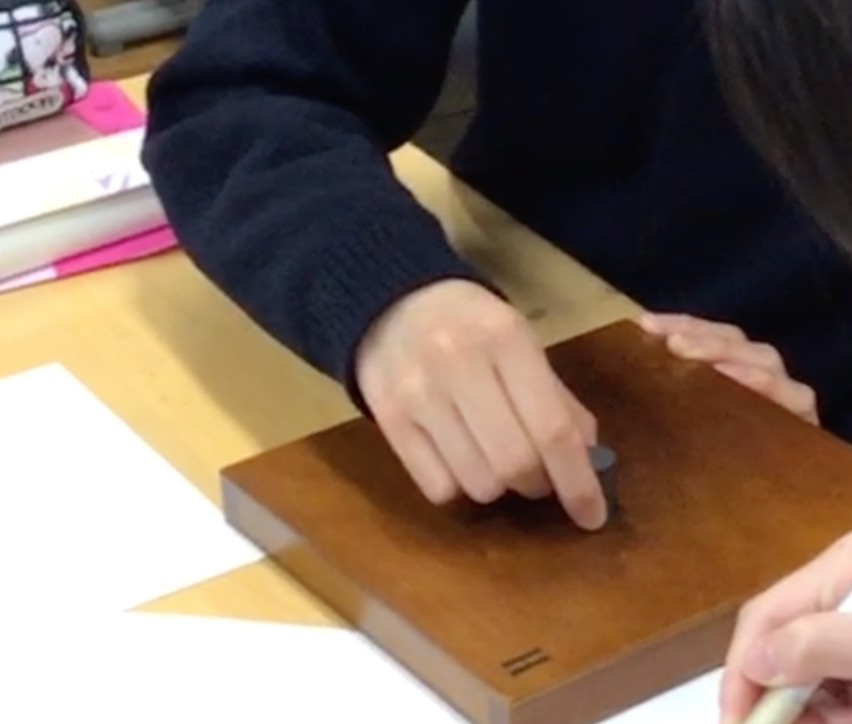
This is where the real investigation begins. As they use the magnet to lead the ball around, it might suddenly hit something with a thud and drop away from the magnet’s pull. By following these physical cues, the students begin to map out the shapes and positions of hidden walls inside the box.

Some students flip the box upside down, while others use stethoscopes to analyze the echo of the rolling ball. Watching them sharpen their senses to uncover a hidden structure makes them look exactly like explorers surveying an uncharted land.

The Art of Consensus: Replicating Real Science
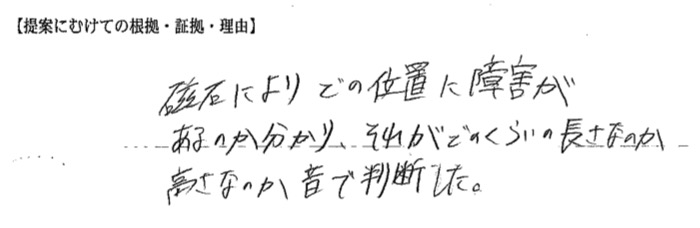
The best part of this experiment is that it isn’t a solo mission. Students work in groups of four. Initially, pairs investigate different boxes, and then the whole group comes together to compare data. This requires a process of consensus-building to reach a single unified answer. You’ll hear debates like, The sound stopped here, so there must be a wall, or Wait, based on the magnet’s pull, that wall feels much thicker.
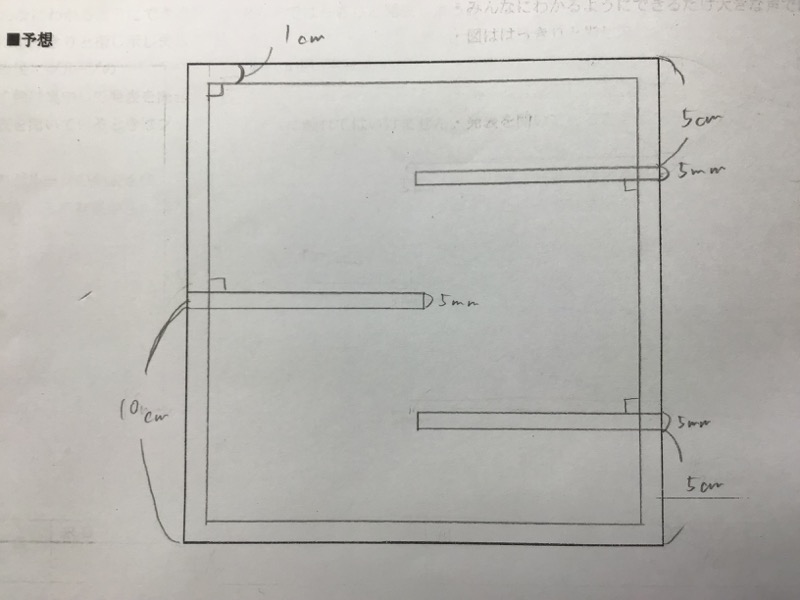
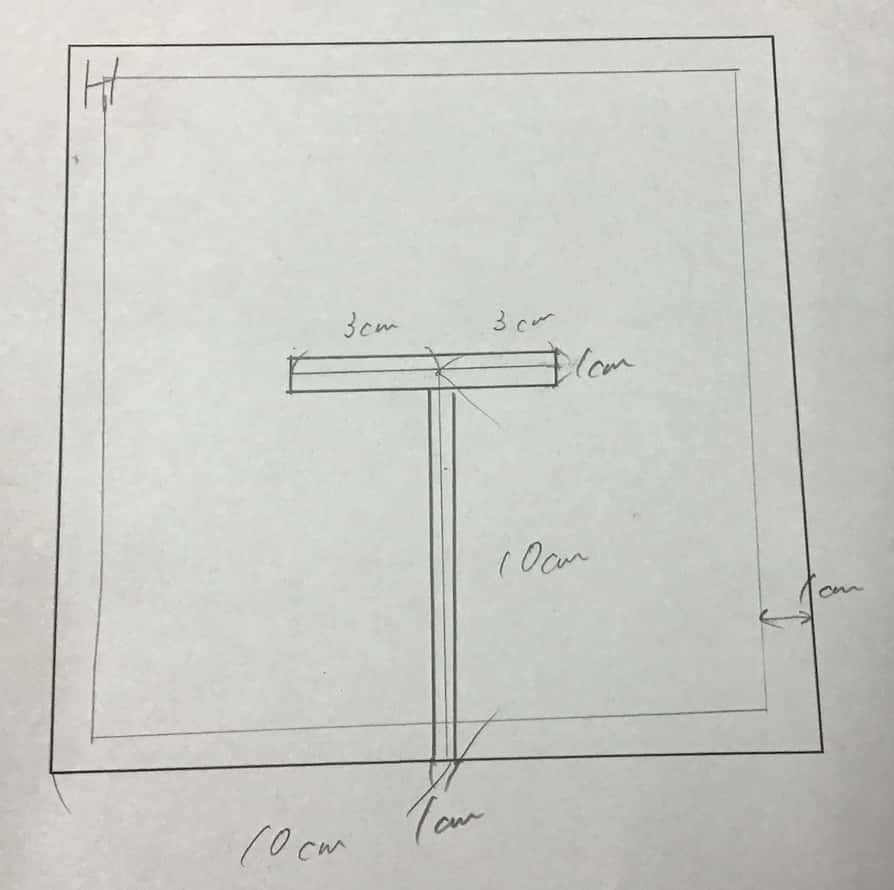
Finally, they present their structural diagrams and the evidence backing them up. In the world of research, this is exactly what it’s like to write a paper and present it at a scientific conference.
The Shocking Twist: Even the Teacher Doesn’t Know the Answer?
After the presentations, when the students look at me with faces full of anticipation, asking for the “correct” answer, I tell them this:
“This box is sealed shut, and I have never seen the inside myself. In other words, I don’t know the answer either.”
The room usually goes a bit quiet, filled with a mix of disappointment and confusion. But this is the most important lesson about the nature of science. The goal isn’t to find a pre-packaged answer. It’s about the process: making a guess, testing a hypothesis, and discussing it with others until you reach a conclusion that everyone can agree on. This allows them to experience the true Cycle of Research.
The Research Cycle
Objective → Hypothesis → Experimental Method → Experiment (Observation) → Results/Analysis → Discussion/Conclusion → New Hypothesis
I explain to them that whatever the group agreed upon is the truth for that group at that moment. This is how the knowledge in our textbooks was created. This is also why, when new observation technology is invented, yesterday’s truth can be rewritten as today’s mistake. After all, nobody has ever actually seen the internal structure of the Earth with their own eyes.
Science is Not a Jigsaw Puzzle
The feedback from the students often shows deep insight.
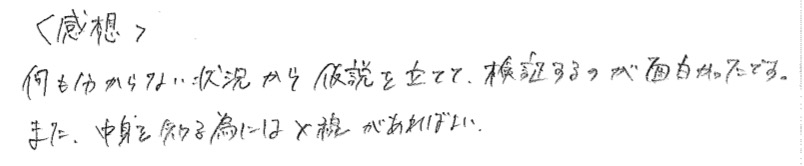
Many people mistake science experiments for jigsaw puzzles.
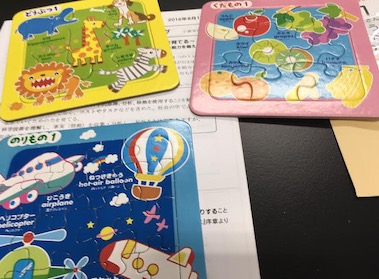
A jigsaw puzzle:
Can be completed by one person (no consensus needed).
Always has a clear, definitive correct answer.
However, in real-world research, there is no “picture on the box” to show you the right answer.
While school experiments often turn into “confirming the right answer,” true science is an adventure into the unknown. When new facts appear, theories change, and we encounter new questions. This never-ending quest is the real beauty of science. If this lesson helps students feel the depth of critical thinking and the joy of debate, I couldn’t be happier.
Reference: Click here for the official Narika Black Box website.
Also, feel free to check out these other articles related to the Black Box.
Inquiries and Requests
Bringing the wonder and fun of science closer to you! I share fun experiments you can do at home and easy-to-understand tips. Feel free to explore!
The “Science Material Box” is now a book! Details here.
Learn more about Ken Kuwako here.
For requests (writing, speaking, workshops, TV supervision, etc.), click here.
・Get the latest updates on X (formerly Twitter)!
 Watch experiment videos on the Science Material Channel!
テレビ番組監修・イベント等のお知らせ
- 10月27日(火) 23:56〜「ネイチャーティーチャー」(TBS)に出演予定
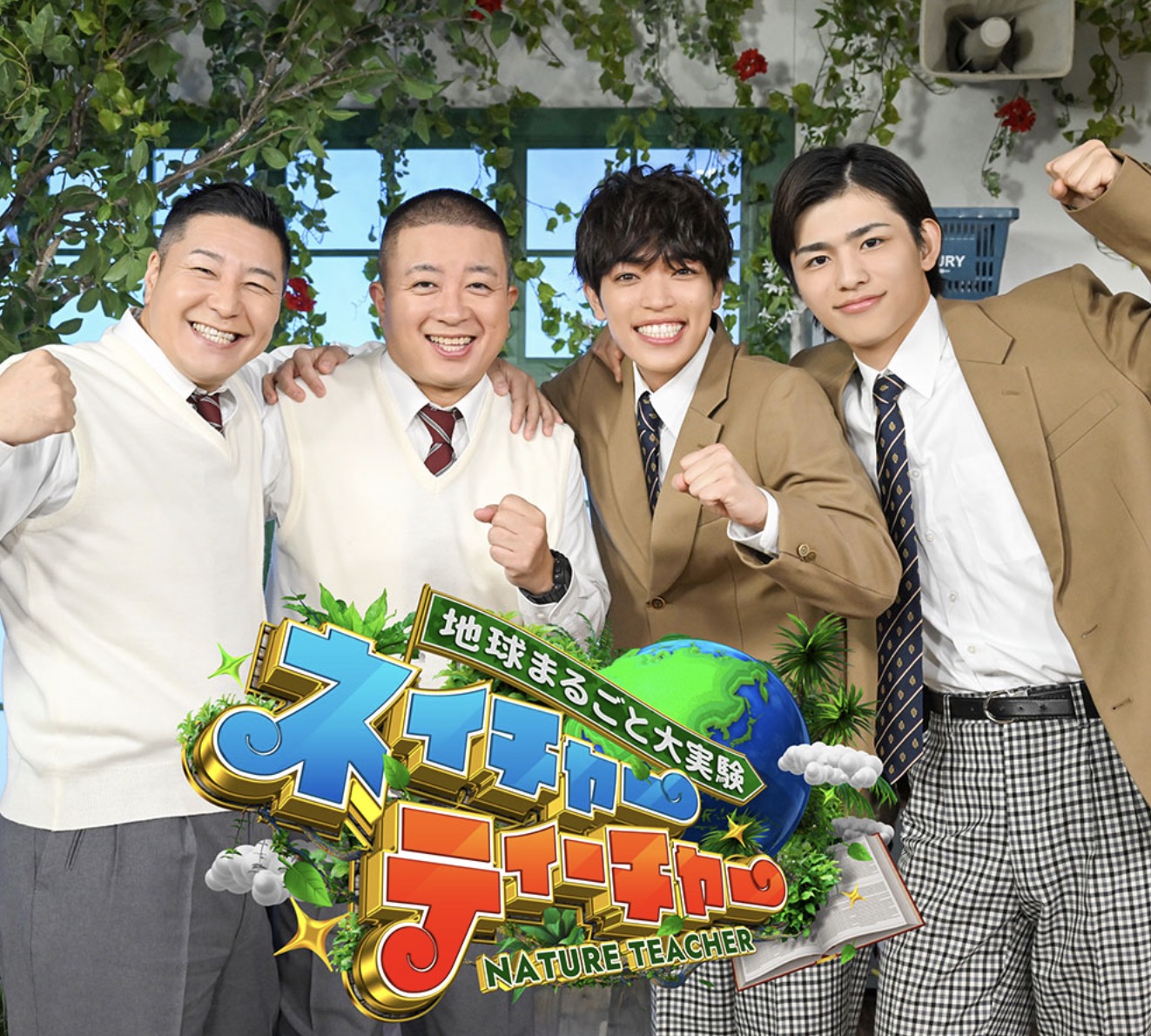
- 11月27日(金) テレビ監修番組放送予定
- 12月26日(土) ナリカサイエンスアカデミー(教員向け実験講習会)開催
10月のイチオシ実験!
書籍のお知らせ
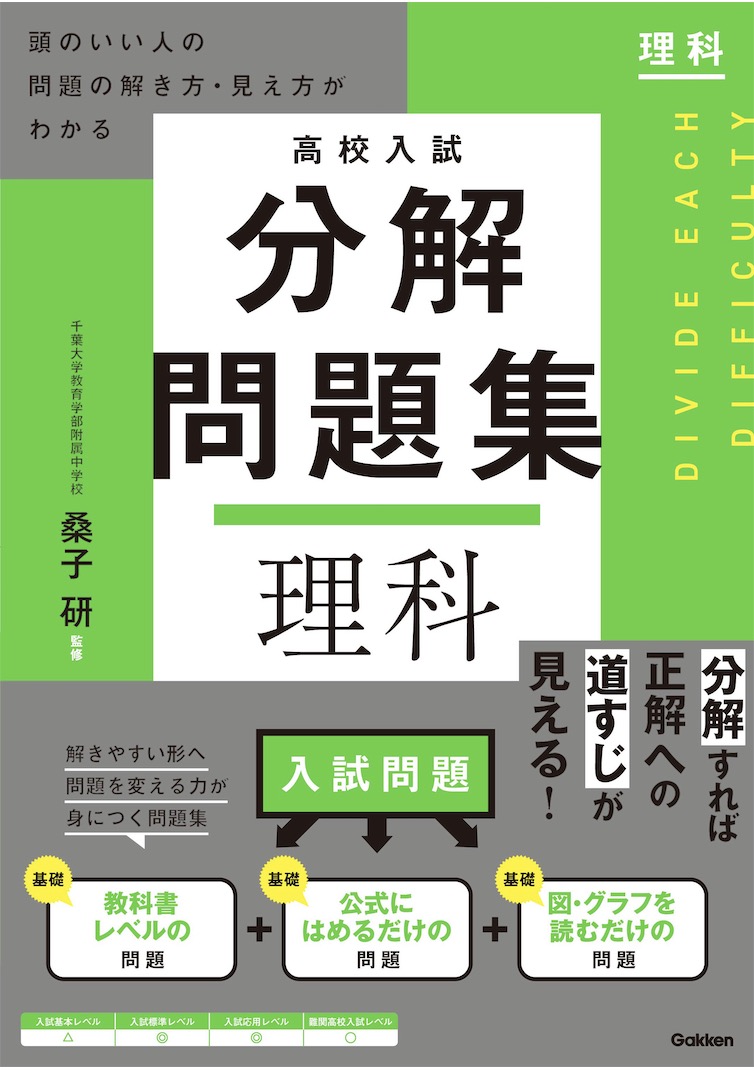
- 『高校入試 分解問題集 理科』(学研)…難しい問題も小さな問題に分解することで、問題を解くことができます。そんな分解の技術が身につくように深く関わりを持って作りました。
 『大人のための高校物理復習帳』(講談社)…一般向けに日常の物理について公式を元に紐解きました。特設サイトでは実験を多数紹介しています。※増刷がかかり6刷となりました(2026/02/01)
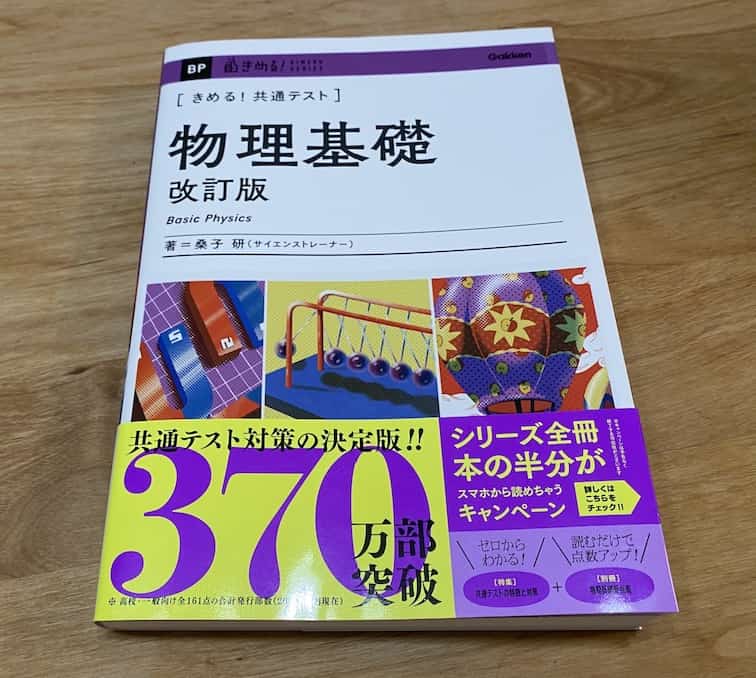
- 『きめる!共通テスト 物理基礎 改訂版』(学研)… 高校物理の参考書です。イラストを多くしてイメージが持てるように描きました。授業についていけない、物理が苦手、そんな生徒におすすめです。特設サイトはこちら。
各種SNS(更新情報をお届け!)
【日本語】X(Twitter)/instagram/Facebook 【英語】BlueSky/Threads
Explore
- 楽しい実験…お子さんと一緒に夢中になれるイチオシの科学実験を多数紹介しています。また、高校物理の理解を深めるための動画教材も用意しました。
- 理科の教材… 理科教師をバックアップ!授業の質を高め、準備を効率化するための選りすぐりの教材を紹介しています。
- Youtube…科学実験等の動画を配信しています。
- 科学ラジオ …科学トピックをほぼ毎日配信中!AI技術を駆使して作成した「耳で楽しむ科学」をお届けします。
- 講演 …全国各地で実験講習会・サイエンスショー等を行っています。
- About …「科学のネタ帳」のコンセプトや、運営者である桑子研のプロフィール・想いをまとめています。
- お問い合わせ …実験教室のご依頼、執筆・講演の相談、科学監修等はこちらのフォームからお寄せください。