Too Late Once You See It! Learn the Secret of the ‘0.2-Second Wall’ with the Banknote Catch Challenge (Reaction Speed)
Hi, I’m Ken Kuwako, your Science Trainer. Every day is an experiment!
Imagine a 1000-yen bill fluttering right in front of you. What if you could snatch it with your fingers? If you could, it’s yours! Wouldn’t you want to try a challenge like that? 😉 At first glance, it seems like a super easy game, right? But actually, this challenge hides an amazing secret about the human body and the slightly mischievous reality of the laws of physics.
The Bill Catch Challenge!
The rules are incredibly simple.
Person A gently holds the top of the bill, while Person B positions their fingers around the middle. Person A drops the bill without warning, and Person B tries to catch it. That’s it! If you catch it, you win the bill! …If someone told you that, you’d be pumped to try, wouldn’t you?
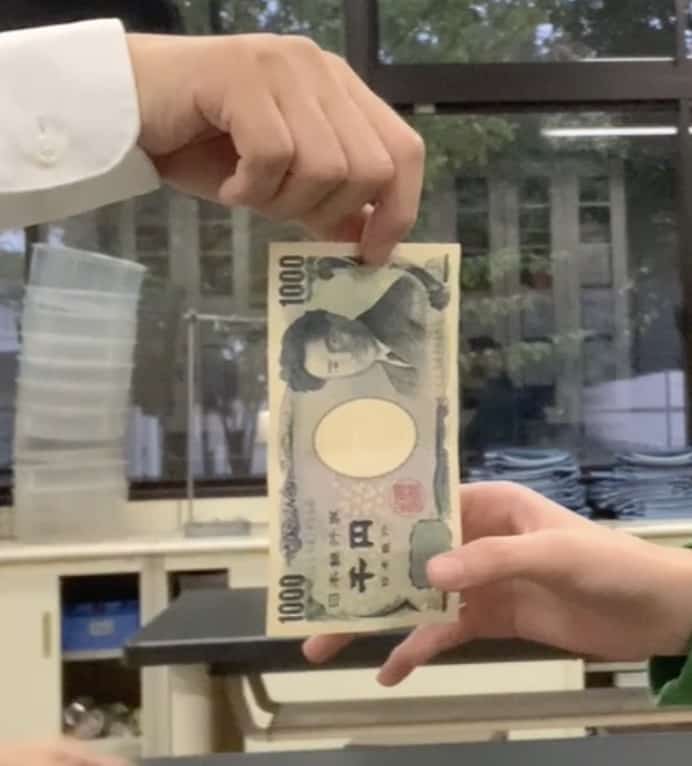

However, no matter how many times you try, you’ll likely fail. And there’s a good reason for that: this challenge is a scientifically “nearly impossible,” tricky experiment!
Why can’t you catch it? The “0.2 Second Barrier” revealed!
The secret lies in human “reaction time.” For us to react to something we see and take action, a series of processes is needed.
You see the bill fall (information input) → That information travels through your optic nerve to your brain → Your brain decides, “The bill fell! Move your fingers!” and sends a command 🧠 → The command travels through your motor nerves to your finger muscles → Your muscles contract, and finally, your fingers move (action) 💪
This entire sequence, even for the fastest reactors, is said to take about 0.2 seconds. So, in this seemingly “instant” 0.2 seconds, how far does the bill drop? This is where the law of physics, “free fall,” comes in. The distance an object falls due to gravity increases with the square of the time. In a slightly more complex formula, it’s written as y = 1/2 gt^2.
If we plug in the reaction time, t = 0.2 seconds, into this equation and calculate it…
y=1/2×9.8 m/s2×(0.2 s)2=0.196 m≈19.6 cm
Astonishingly, it drops approximately 19.6 cm! As you know, a 1000-yen bill is 15 cm long. This means that by the time your brain registers “It’s falling!” and your fingers start to move, the bill has already passed below your fingers. It’s too late once you see it with your eyes. That’s the scientific reason you can’t catch the bill!
Reaction Speed in Everyday Life
When we do this experiment in class, it’s always a huge hit! “Teacher, I almost had that one!” “Next time for sure!” Everyone’s eyes light up as they try, but the result is always the same. Seeing the students’ frustrated faces is quite enjoyable (of course, since it’s school, we can’t actually give them the bill!).
This “reaction speed” is actually involved in various aspects of our daily lives. For example, driving a car. In the brief moment it takes to detect danger and hit the brakes, the car continues to move (stopping distance). This is also due to reaction time. Also, in track and field, the starting gun (auditory) is used instead of a flash of light (visual) partly because auditory reaction time is slightly shorter.
What seems like a simple game is actually a profound science experiment that beautifully combines the mechanisms of the human body (biology) and the laws of motion (physics) . When you explore the “whys” hidden in everyday life, the world becomes even more interesting! Please also check out this article:
Inquiries and Requests
Discover the wonders and fun of science up close! We’ve compiled easy-to-understand fun science experiments you can do at home, along with tips. Feel free to search around!
・About the operator, Ken Kuwako: Click here
・For various requests (writing, lectures, experiment workshops, TV supervision, appearances, etc.): Click here
・Updates on articles are distributed on X!
 The Science Neta Channel streams experiment videos!
9月のイチオシ実験!
テレビ番組監修・イベント等のお知らせ
- 9月25日(金)21:00〜 かまいたちの瞬間回答!にて、科学監修を行いました。
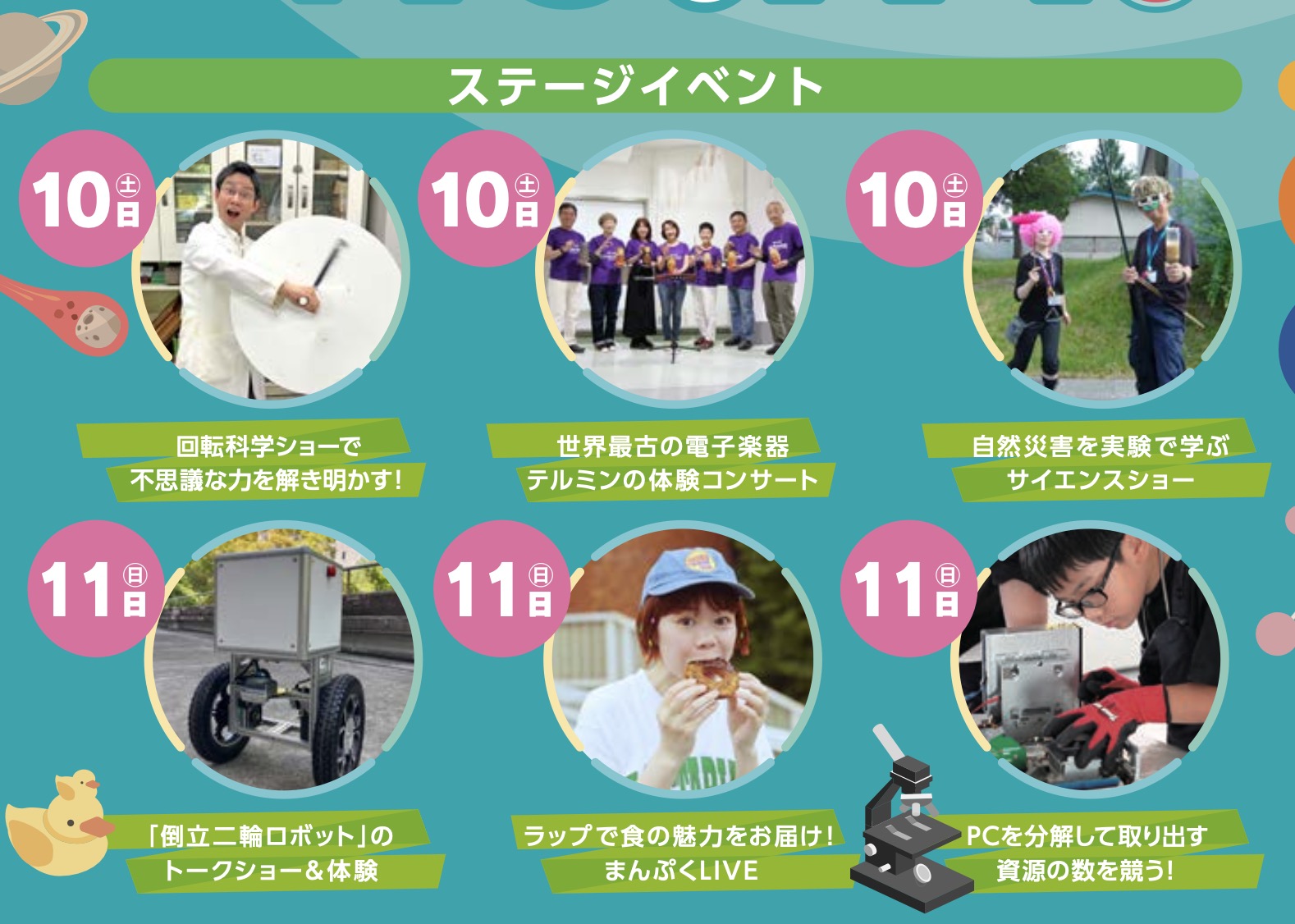
- 10月10日(土)11:15~12:00 千葉市科学フェスタ2026「桑子先生の回転科学ショー」にてサイエンスショーを行います。
- 12月26日(土) ナリカサイエンスアカデミー(教員向け実験講習会)開催
書籍のお知らせ
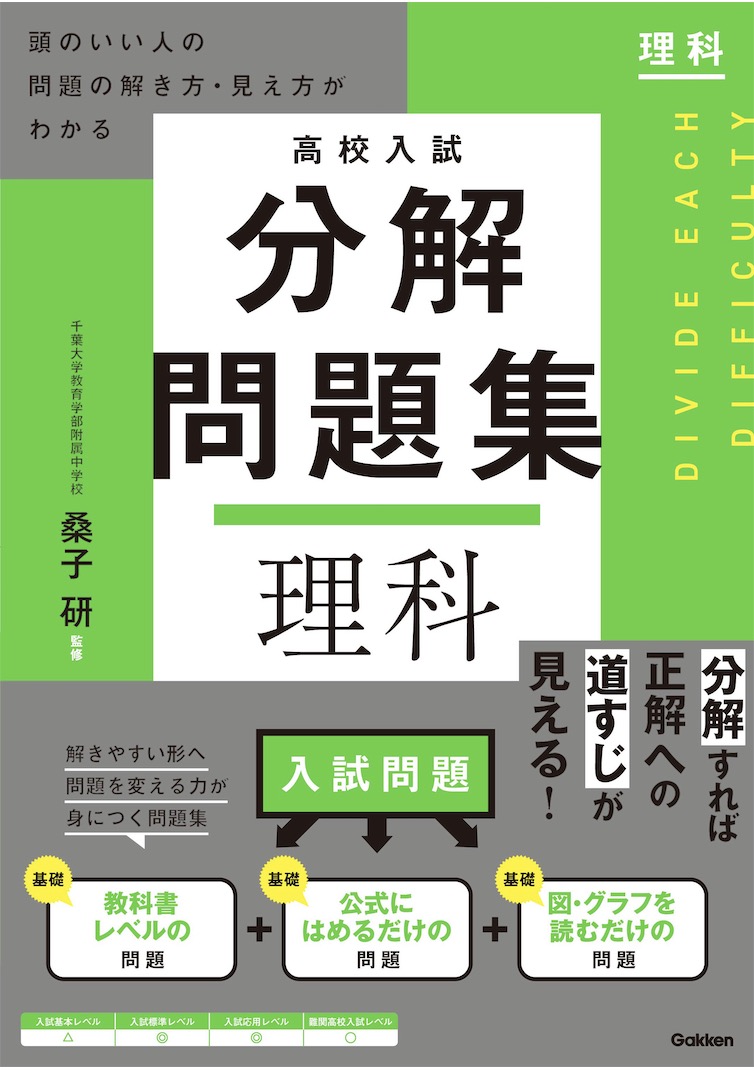
- 『高校入試 分解問題集 理科』(学研)…難しい問題も小さな問題に分解することで、問題を解くことができます。そんな分解の技術が身につくように深く関わりを持って作りました。
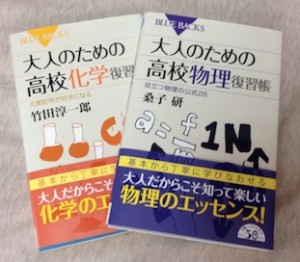
 『大人のための高校物理復習帳』(講談社)…一般向けに日常の物理について公式を元に紐解きました。特設サイトでは実験を多数紹介しています。※増刷がかかり6刷となりました(2026/02/01)
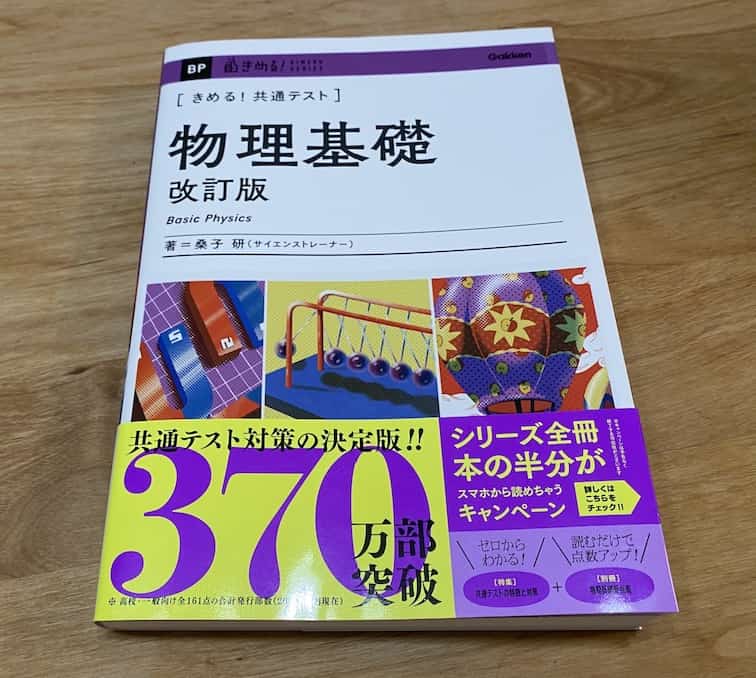
- 『きめる!共通テスト 物理基礎 改訂版』(学研)… 高校物理の参考書です。イラストを多くしてイメージが持てるように描きました。授業についていけない、物理が苦手、そんな生徒におすすめです。特設サイトはこちら。
各種SNS(更新情報をお届け!)
【日本語】X(Twitter)/instagram/Facebook 【英語】BlueSky/Threads
Explore
- 楽しい実験…お子さんと一緒に夢中になれるイチオシの科学実験を多数紹介しています。また、高校物理の理解を深めるための動画教材も用意しました。
- 理科の教材… 理科教師をバックアップ!授業の質を高め、準備を効率化するための選りすぐりの教材を紹介しています。
- Youtube…科学実験等の動画を配信しています。
- 科学ラジオ …科学トピックをほぼ毎日配信中!AI技術を駆使して作成した「耳で楽しむ科学」をお届けします。
- 講演 …全国各地で実験講習会・サイエンスショー等を行っています。
- About …「科学のネタ帳」のコンセプトや、運営者である桑子研のプロフィール・想いをまとめています。
- お問い合わせ …実験教室のご依頼、執筆・講演の相談、科学監修等はこちらのフォームからお寄せください。