What’s Really Happening Inside a Gold-Leaf Electroscope? Watch Charges Move in This Animated Reveal! (Experience the Wonders of Static Electricity)
I’m Ken Kuwako, your Science Trainer. Every day is an experiment!
Zapping your finger on a doorknob in winter, or hearing that crackle when you pull off a sweater—we’ve all experienced static electricity. It’s one of those everyday phenomena that feels a bit like temperamental magic because we can’t actually see what’s happening.
But what if you could control that invisible force and actually see it in action?
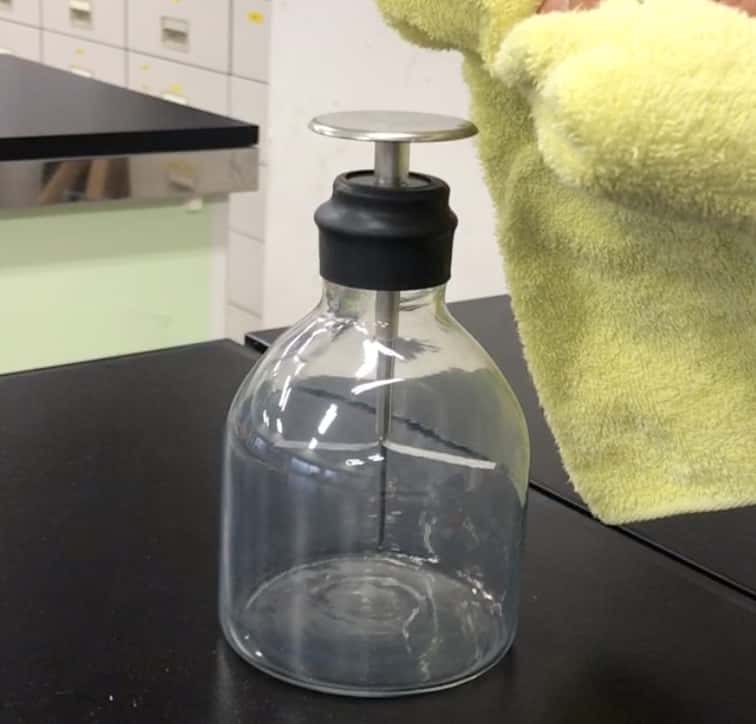
Today, I’m excited to introduce a science experiment that will spark your intellectual curiosity using a “magic box” called a leaf electroscope. All you need is a balloon or a plastic folder. Welcome to the magical world of science!
Take a look at this video!
As you can see in the video, just bringing an object close makes the metal leaves pop open! Doesn’t it look like the balloon has turned into a magic wand?
The “Why?” behind this simple phenomenon is the perfect gateway into the world of physics.
Now, let’s reveal the trick—or rather, let’s uncover the scientific secrets together!
What exactly is Static Electricity?
Before we solve the mystery of the opening leaves, let’s talk briefly about what static electricity actually is.
Everything around us is made of tiny particles called atoms. Inside these atoms are protons (which have a positive charge) and electrons (which have a negative charge). Usually, the amount of positive and negative charges is balanced, so the object is electrically neutral.
However, when you rub two things together—like a balloon against a cloth—electrons can jump from one object to the other. This surplus or deficit of electrons is the true identity of static electricity. In ancient Greece, people noticed that rubbing amber would attract feathers. The Greek word for amber is “ēlektron,” which is actually the origin of the word “electricity”!
Shutterstock
Why do the leaves open? Tracking the invisible electrons!
Now, let’s solve the riddle of the leaf electroscope.
Case 1: Bringing a positive charge close…
First, let’s take a piece of silk that has been rubbed against a balloon. This silk has lost electrons to the balloon, so it is positively charged.
When you bring this close to the metal disc of the electroscope… the “free electrons” (negative charges) inside the metal think, “Yay, a positive charge!” and rush up toward the disc. This phenomenon is called electrostatic induction.
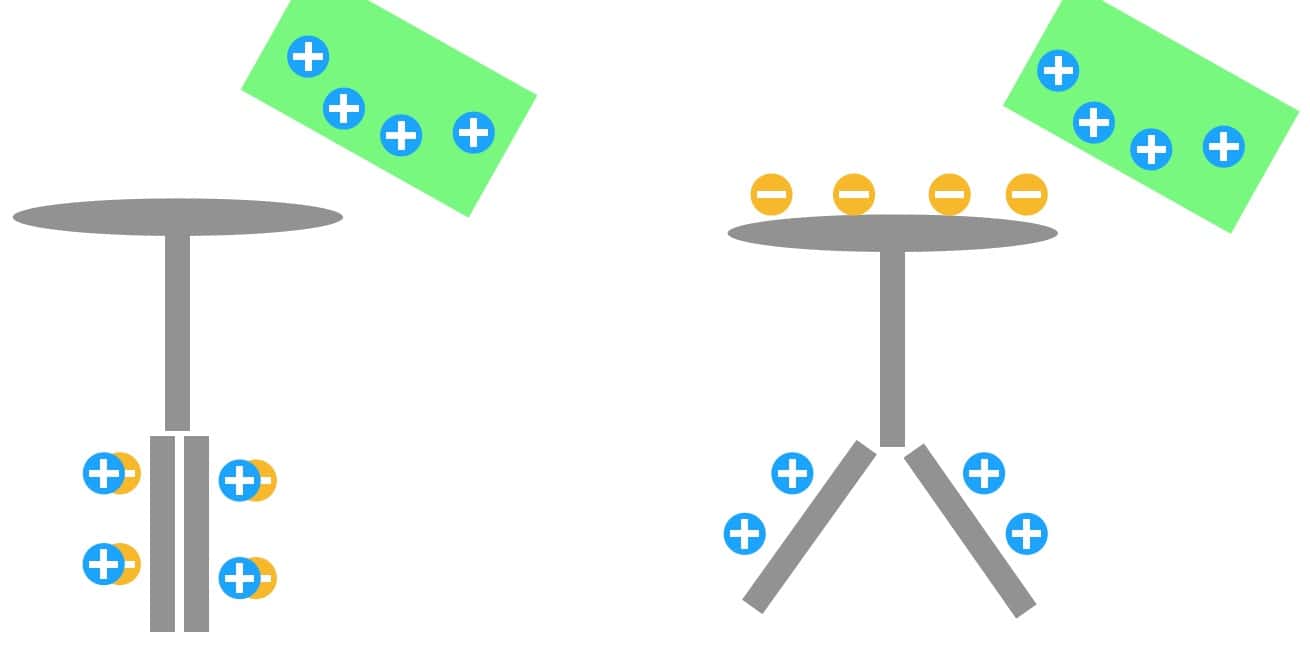
This leaves the metal leaves at the bottom with no electrons, meaning they are now positively charged. As you might know, like charges repel each other (positive hates positive, negative hates negative). So, the two leaves push each other away, saying “Get lost!”, and they swing open.
Case 2: Bringing a negative charge close…
Next, let’s try the balloon, which (unlike the silk) has gained electrons and is negatively charged.
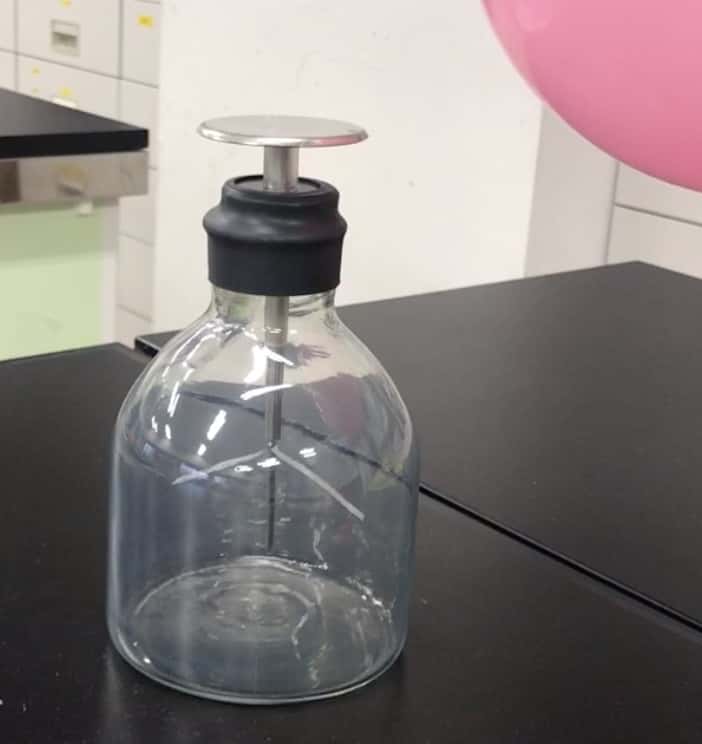
This time, the electrons in the metal are startled by the incoming negative charge and shout, “Watch out, more negatives are coming!” as they flee down toward the leaves.
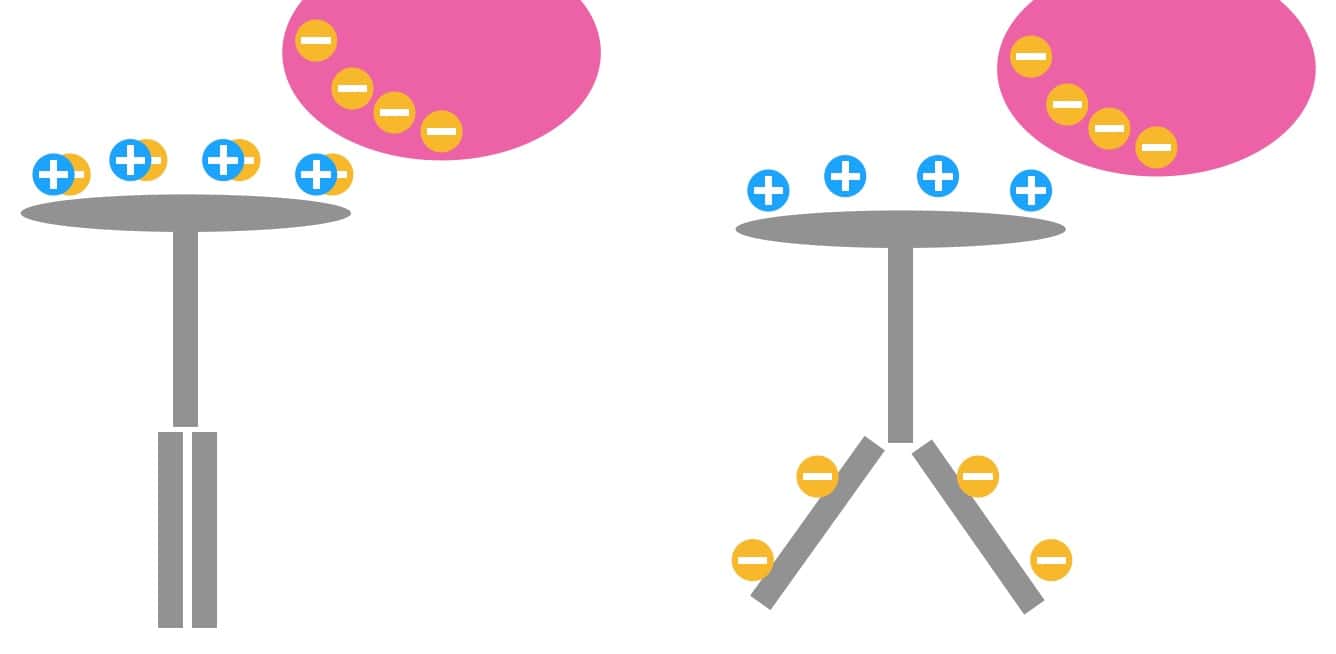
As a result, the leaves become flooded with negative charges. Since negative charges also repel each other, the leaves pop open again. Even though the result looks the same, the “drama” happening with the electrons inside is completely different!
Quick Science Fact: What happens with a magnet?
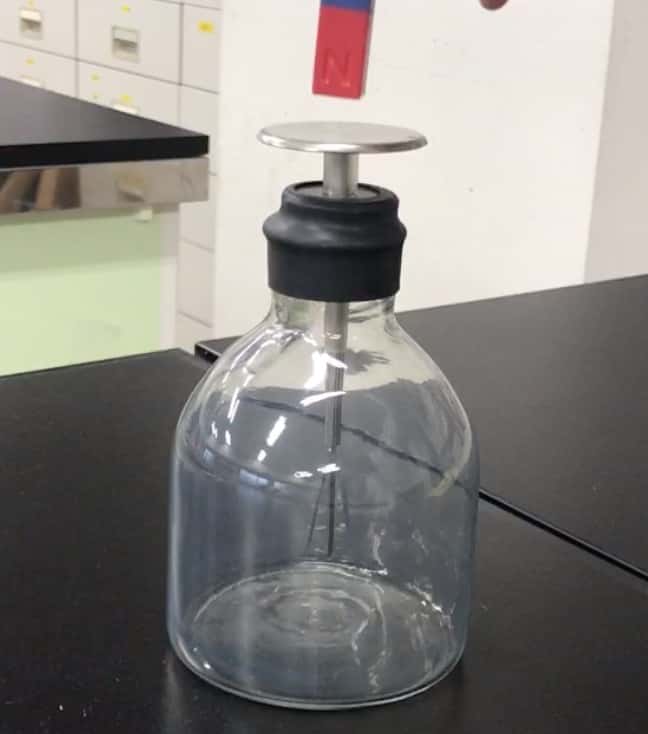
No reaction to the magnet.
By the way, if you bring a magnet close, the leaves don’t react at all. This shows that the force of static electricity (electric force) and the force of a magnet (magnetic force) have different properties. The leaf electroscope is a specialized detective that only searches for “static electricity.”
Control the leaves with a single touch! The mystery of Grounding
Now for the highlight of the experiment. While holding a negatively charged balloon near the disc so the leaves are open, gently touch the metal disc with your finger.
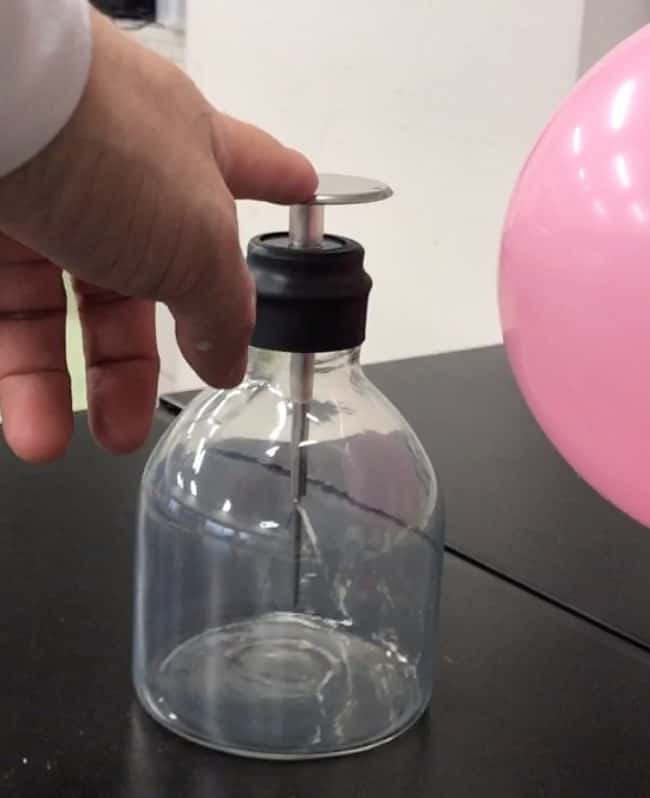
When you touch it, the leaves close.
Unbelievably, the leaves—which were repelling each other so strongly—suddenly snap shut! What happened?
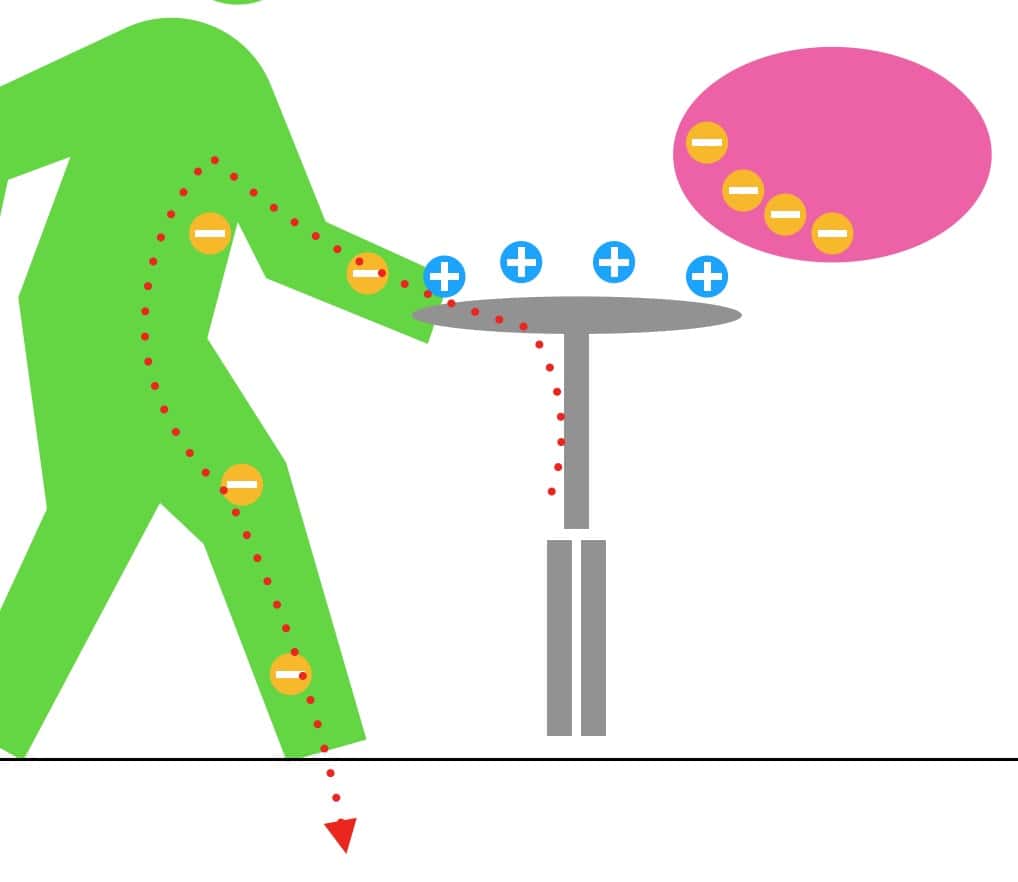
Actually, the massive crowd of electrons that had fled to the leaves took the opportunity to escape through your body and into the ground. Our bodies and the Earth act as a giant exit (or source) for electricity. This is called grounding (or earthing). Because the electrons left through your body, the leaves became electrically neutral again and closed.
And here is the climax. If you remove your finger first, and then move the balloon away…
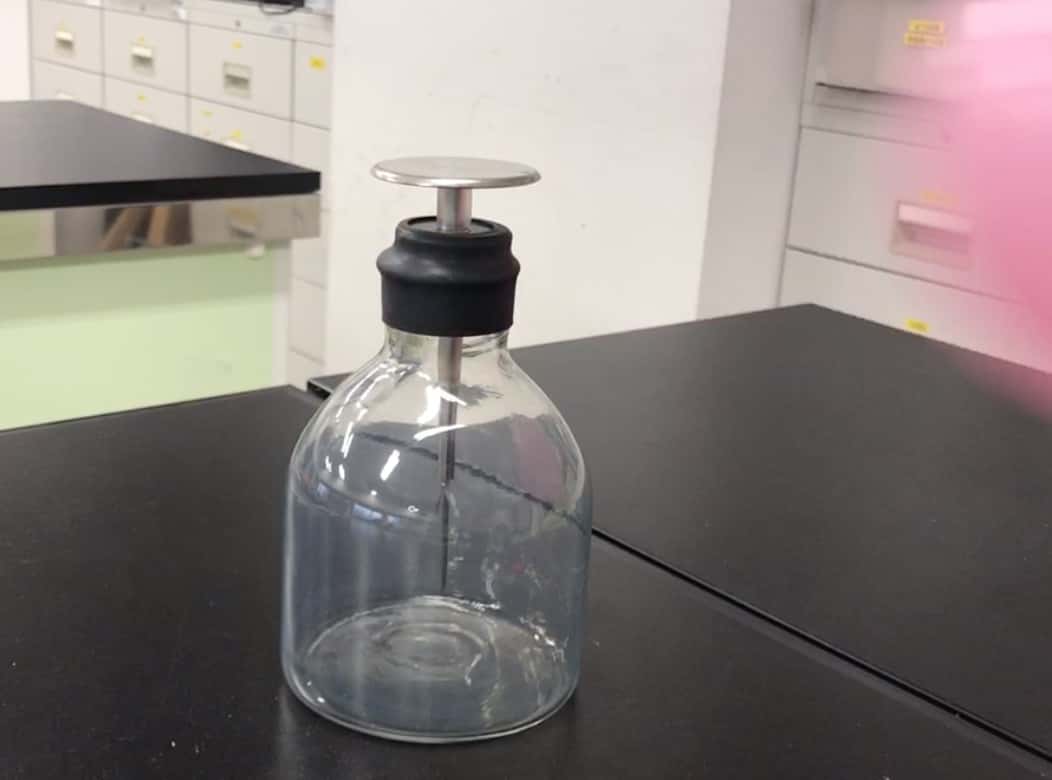
When you pull the balloon away…

The leaves pop open and stay that way!
The leaves stay open! How is this possible?
Let’s look at the model.
When you touched it and the electrons fled, the entire electroscope became electron-deficient (positively charged). However, while the negative balloon was close, the remaining electrons were still huddled near the disc.
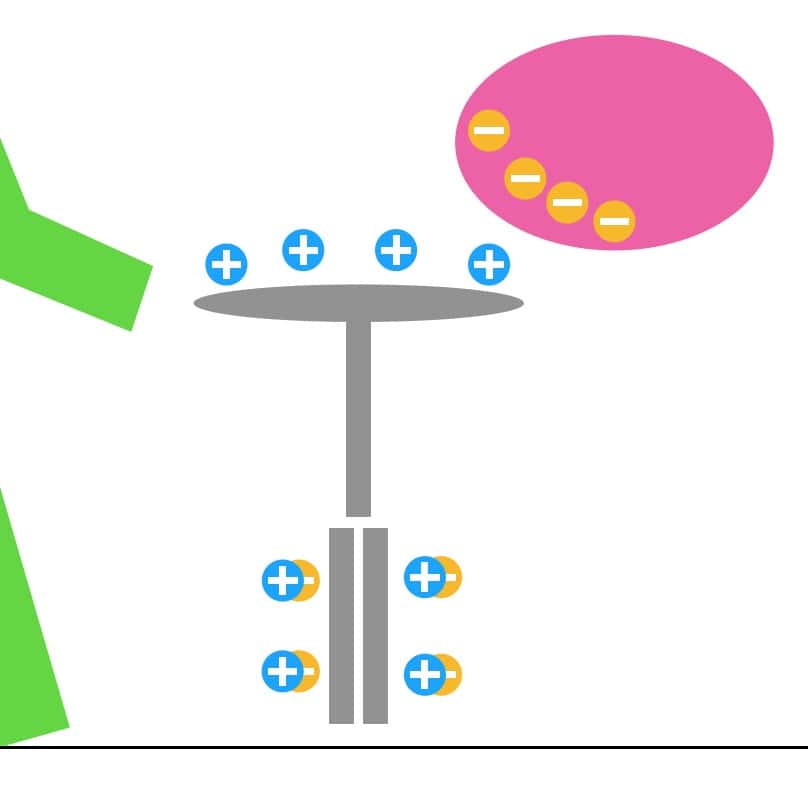
Once you move the balloon away…
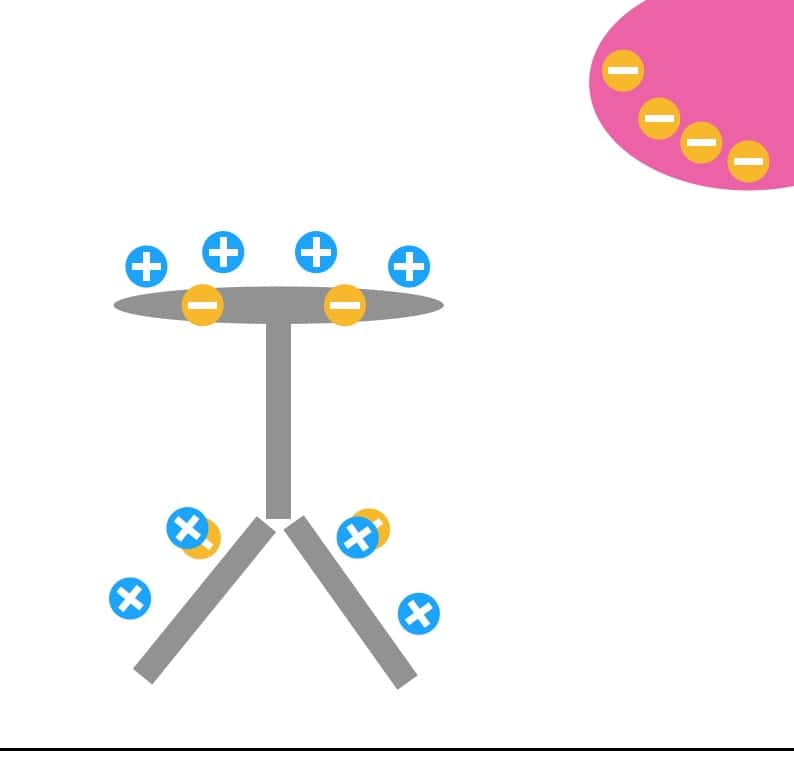
The “positive charge” that was concentrated at the top spreads out evenly across the entire device. As a result, the leaves become positively charged, repel each other, and open up again. You’ve successfully “captured” a positive charge in the electroscope! Isn’t science cool?
Now, do you think you could make the electroscope negatively charged by doing the same thing with the silk cloth? Try it out for yourself while imagining the secret dance of the electrons!
For a more detailed explanation, check out this video as well.

・Worksheet (Leaf Electroscope)
Things get even crazier with a Van de Graaff Generator!
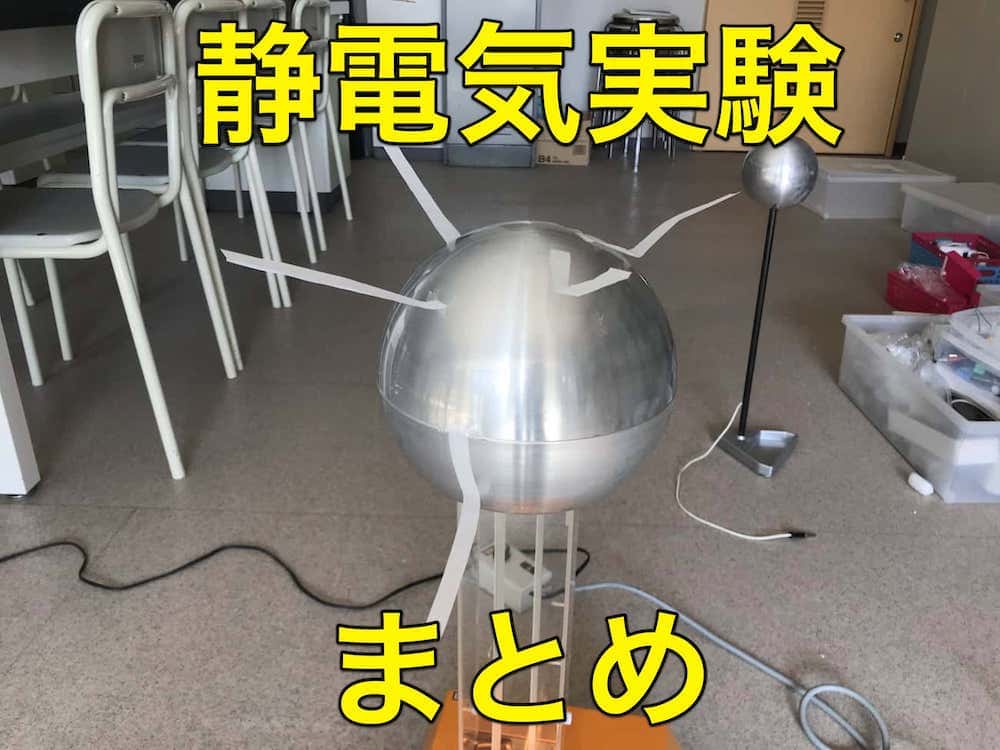
If you want to experience even more powerful static electricity, I highly recommend experiments with a “Van de Graaff generator.” This machine is actually a relative of the particle accelerators once used in nuclear research!
I’ve performed these experiments on TV with celebrities like Suzu Hirose, Ryohei Suzuki, Yasuko, and Chocolate Planet. Check out the details here.
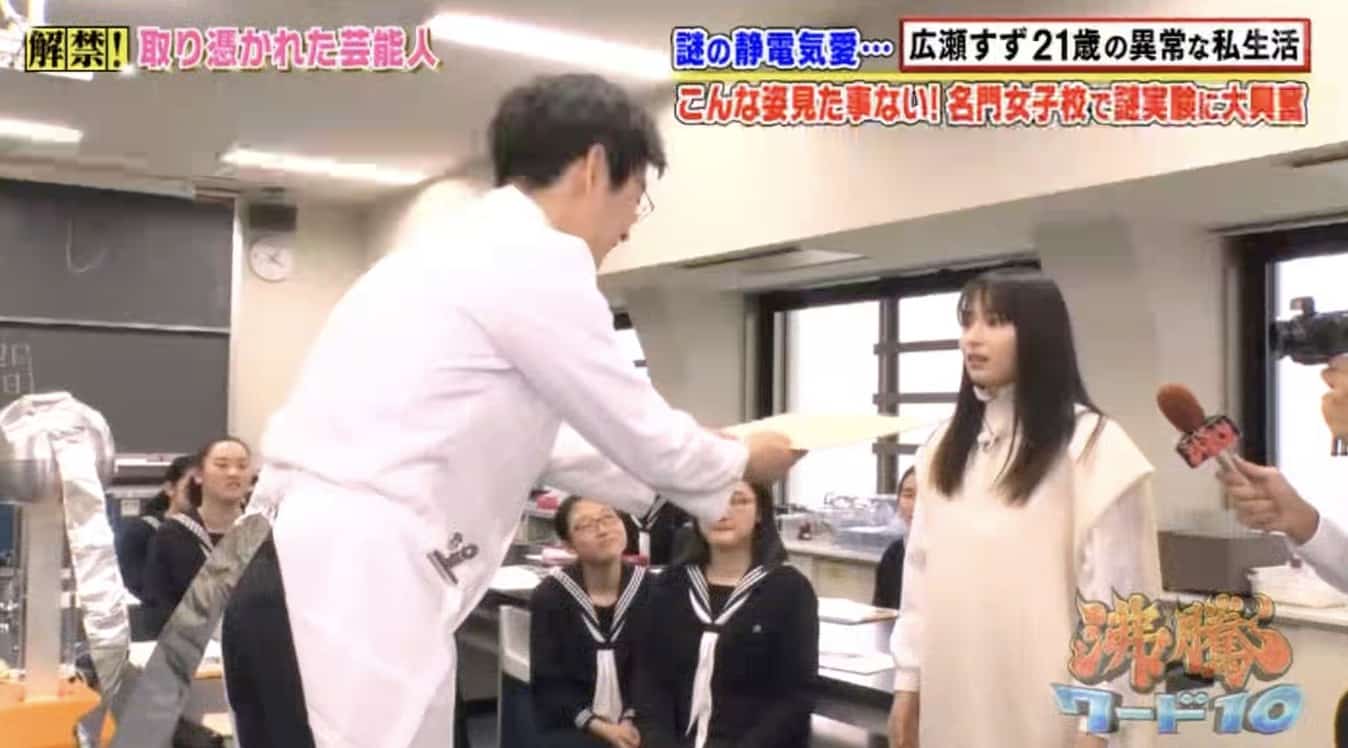
* Please note: Experiments using a Van de Graaff generator must always be conducted under the supervision of a professional. Please stay safe. For requests regarding static electricity experiments (workshops, TV supervision, appearances, etc.), please contact me here.
[Feature] Addictive! Static Electricity Experiments
Contact and Inquiries
Bringing the wonder of science closer to you! I’ve put together fun experiments you can do at home with easy-to-follow tips. Feel free to explore the site!
・About the Author, Ken Kuwako: Click here
・For various requests (writing, lectures, workshops, TV supervision/appearances, etc.): Click here
・Get the latest updates on X (formerly Twitter)!
9月のイチオシ実験!
お弁当箱をプラバンがわりにしてキーホルダーを作ろう!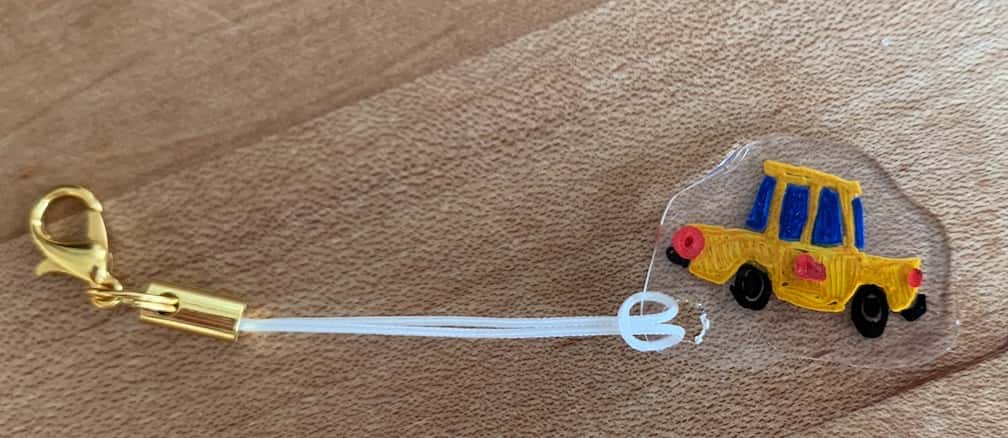
テレビ番組監修・イベント等のお知らせ
- 8月27日(木)科学監修番組放送予定
- 9月20日(日)ダビンチマスターズ出演予定
- 10月10日(土)11:15~12:00 千葉市科学フェスタ2026「桑子先生の回転科学ショー」にてサイエンスショーを行います。
- 12月26日(土) ナリカサイエンスアカデミー(教員向け実験講習会)開催
書籍のお知らせ
- 『高校入試 分解問題集 理科』(学研)…難しい問題も小さな問題に分解することで、問題を解くことができます。そんな分解の技術が身につくように深く関わりを持って作りました。
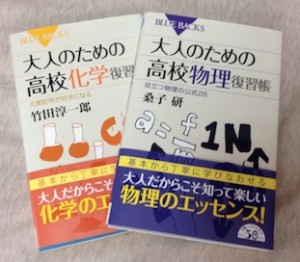
 『大人のための高校物理復習帳』(講談社)…一般向けに日常の物理について公式を元に紐解きました。特設サイトでは実験を多数紹介しています。※増刷がかかり6刷となりました(2026/02/01)
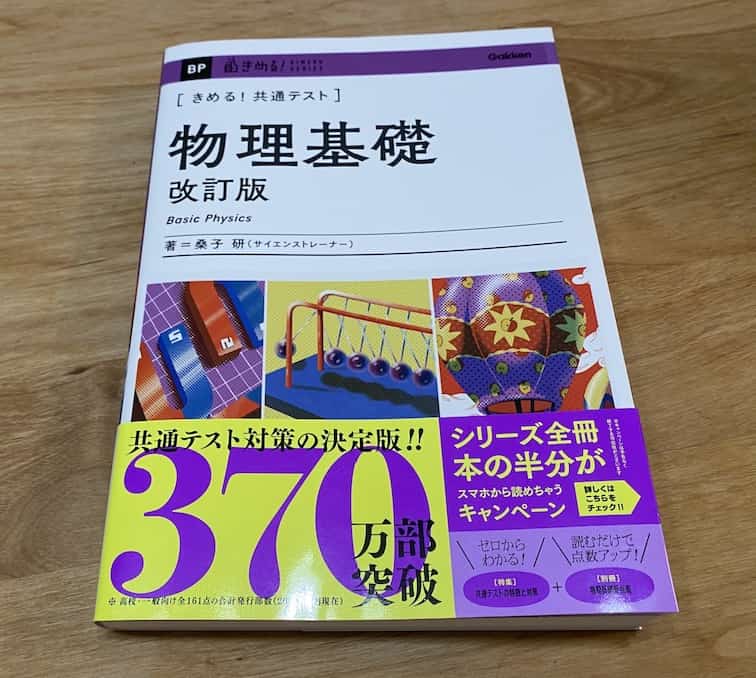
- 『きめる!共通テスト 物理基礎 改訂版』(学研)… 高校物理の参考書です。イラストを多くしてイメージが持てるように描きました。授業についていけない、物理が苦手、そんな生徒におすすめです。特設サイトはこちら。
各種SNS(更新情報をお届け!)
【日本語】X(Twitter)/instagram/Facebook 【英語】BlueSky/Threads
Explore
- 楽しい実験…お子さんと一緒に夢中になれるイチオシの科学実験を多数紹介しています。また、高校物理の理解を深めるための動画教材も用意しました。
- 理科の教材… 理科教師をバックアップ!授業の質を高め、準備を効率化するための選りすぐりの教材を紹介しています。
- Youtube…科学実験等の動画を配信しています。
- 科学ラジオ …科学トピックをほぼ毎日配信中!AI技術を駆使して作成した「耳で楽しむ科学」をお届けします。
- 講演 …全国各地で実験講習会・サイエンスショー等を行っています。
- About …「科学のネタ帳」のコンセプトや、運営者である桑子研のプロフィール・想いをまとめています。
- お問い合わせ …実験教室のご依頼、執筆・講演の相談、科学監修等はこちらのフォームからお寄せください。