Your Heart Pumps 8,000 Liters a Day! The Secret of “Valves” Revealed Through a Kerosene Pump
I’m Ken Kuwako, a Science Trainer. Every Day Is an Experiment!
“Thump, thump…” Our hearts have been working tirelessly from the moment we are born, never taking a break. You might be surprised to learn that this small organ, about the size of a clenched fist, pumps out roughly the equivalent of 40 large drums of blood every day. Textbooks tell us that “the heart has four chambers and valves that prevent blood from flowing backward,” but simply reading that explanation can leave many middle school students thinking, “I kind of get it… but not really.”
That’s exactly when experiments can make all the difference. Believe it or not, you can experience the ingenious mechanism of this life-sustaining pump using just one familiar household item. In this article, I’ll introduce a heart model experiment using a kerosene siphon pump, which I developed together with student teachers.
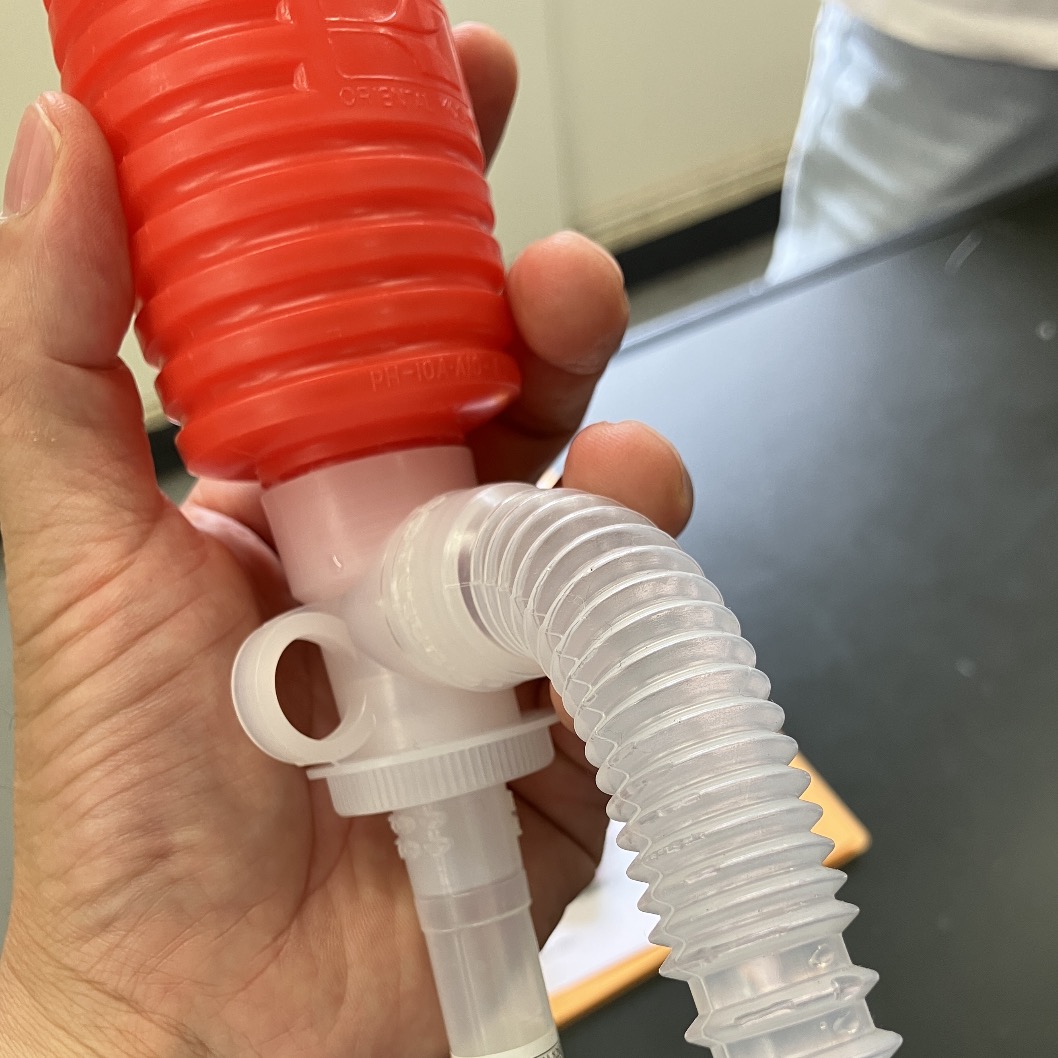
Kerosene siphon pumps are available at Seria and Daiso.
Why Does Blood Flow in Only One Direction? Solve the Mystery with an Everyday Tool!
For an adult weighing around 50 kg, the amount of blood circulating through the body is said to be about 4 liters.
By contrast, each heartbeat pumps out about 60–80 milliliters of blood in an adult. Let’s use 70 mL as an example. If the heart beats 80 times per minute (the typical range is said to be 60–100 beats per minute), we can calculate the amount of blood pumped by the heart in one day as follows.
70mL × 80 beats/min × 60 min × 24 hours
70 × 80 = 5,600 mL (per minute)
5,600 × 60 = 336,000 mL (per hour) = 336 L
336 × 24 = 8,064 L
In other words, the heart pumps around 8,000 liters of blood every day!
There are only about 4 liters of blood in the body, yet the total amount pumped in a day is about 2,000 times that much. The reason for this huge difference is the fact that the blood continuously circulates around the body again and again. The heart isn’t constantly making new blood. Instead, it keeps circulating the same limited supply of blood over and over at an astonishing rate.
When we think of a kerosene siphon pump as a model of the heart, we can clearly see the role of the tiny “valve” inside the pump. And that little valve turns out to be the key to understanding how the heart works.
Experiment Setup: Build a Life-Saving Pump with a 100-Yen-Shop Item
The materials are incredibly simple. You can easily find everything you need at home or at a 100-yen shop.
【What You’ll Need】
- Two kerosene siphon pumps:
- One with the valve removed
- One with the valve left in place
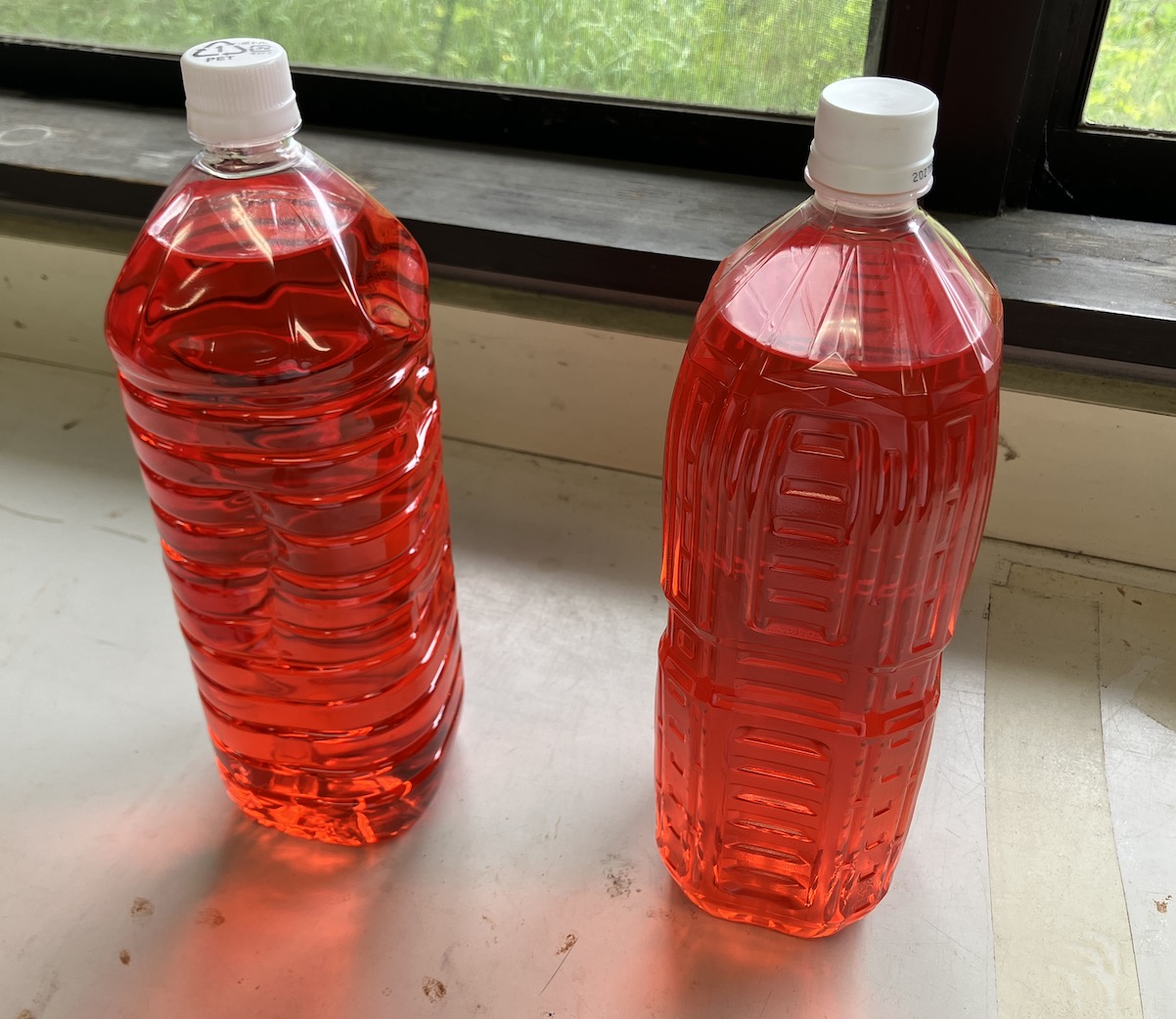
- Water and red food coloring (to create “blood”)
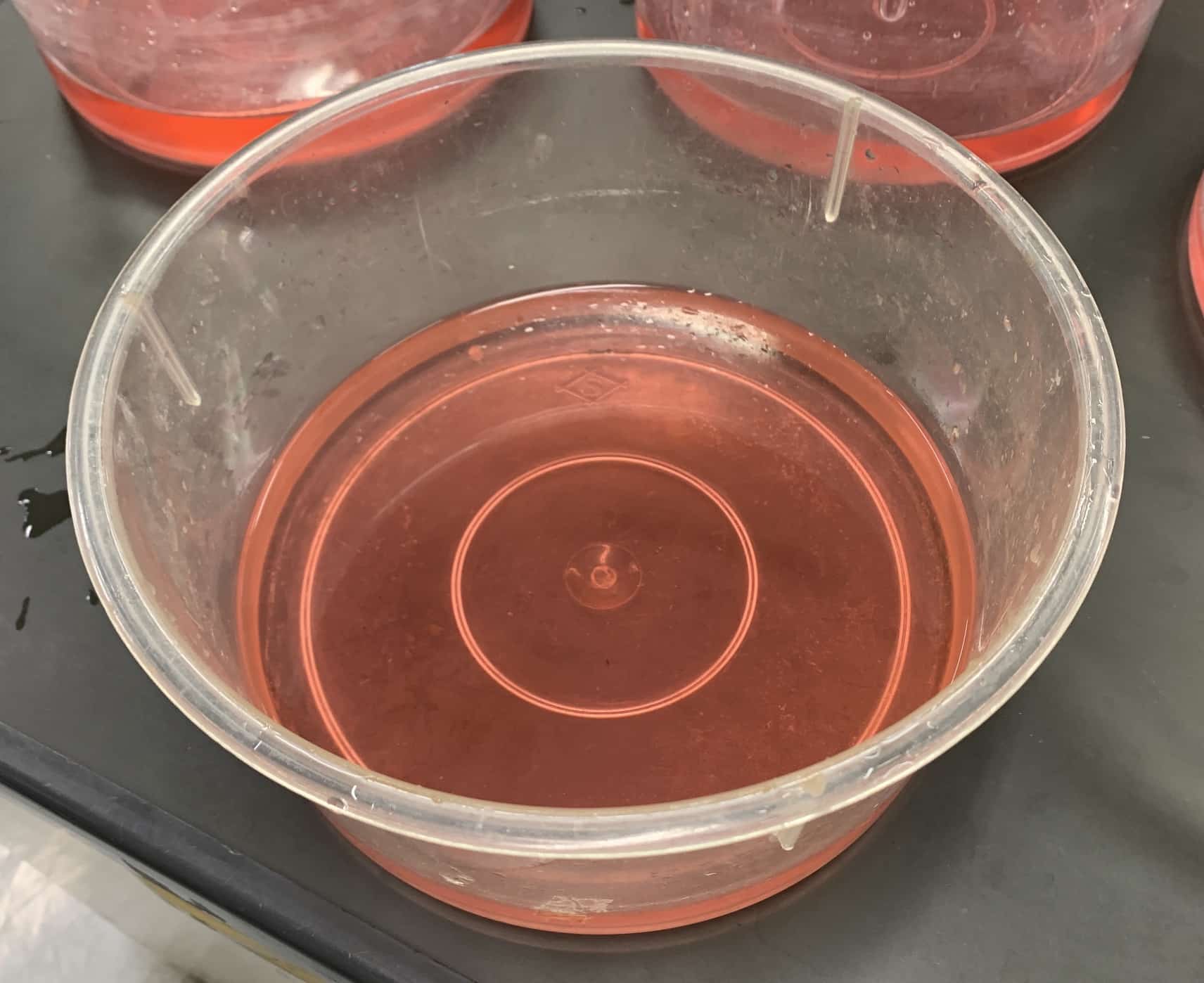
- A transparent beaker or container (so you can easily observe the flow of the “blood”)
- A tray or towel (to keep your table from getting wet)
【Experiment Procedure】
Prepare some “blood” by adding red food coloring to water. First, let’s see what happens when you operate the pump with the valve removed.
→ Whether you push or pull the pump, water flows in and out through both hoses. The result? The “blood” can’t travel around the body in a single direction. Next, try the same thing with the regular pump with its valve in place.
→ This time, something amazing happens: the water is pumped forcefully in one direction. There is no backflow at all. This is exactly what makes the flow of life possible, carrying oxygen and nutrients throughout the body!
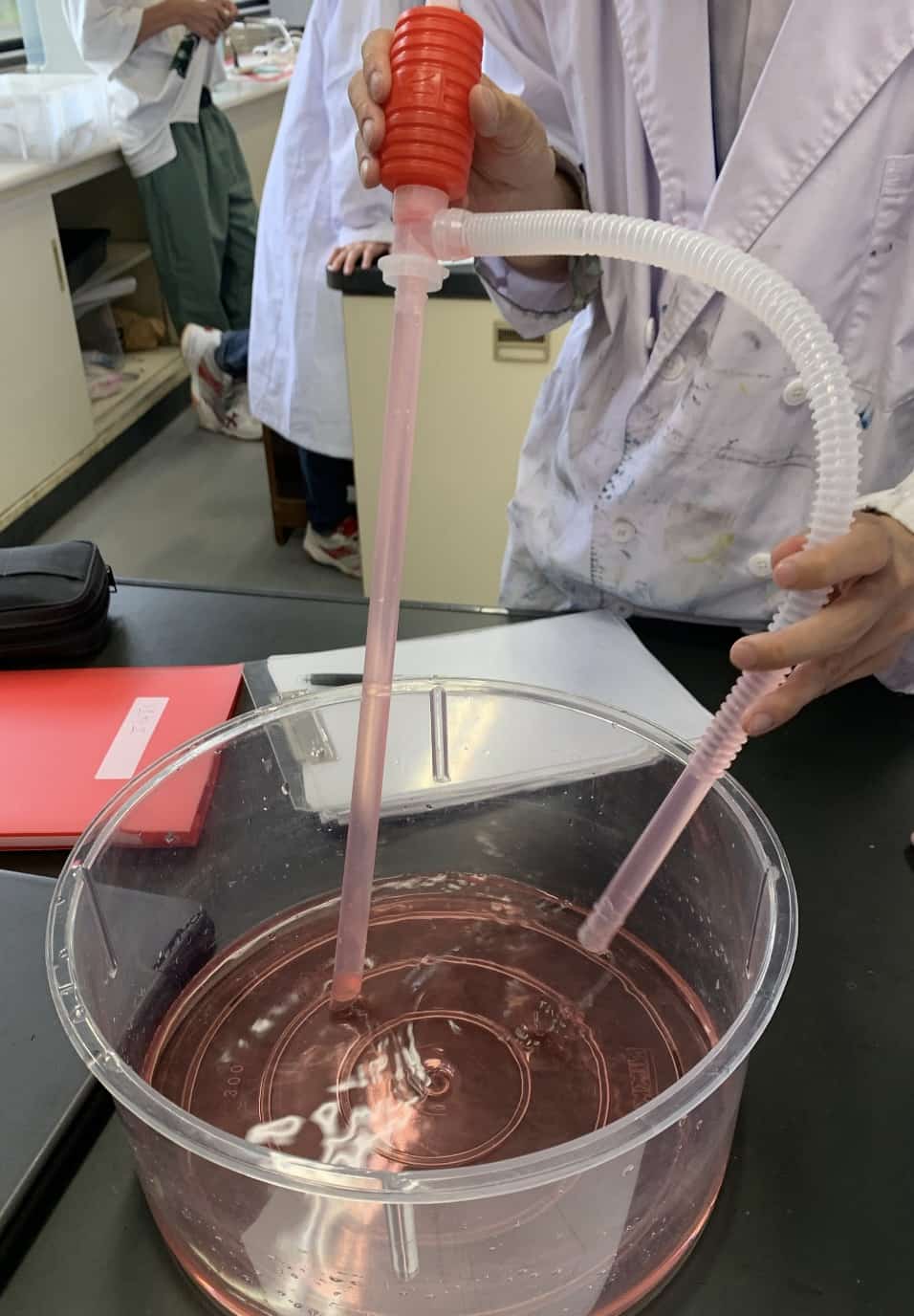
See It, Feel It, Understand It! The Valve Is the Real Hero of the Heart
The greatest appeal of this experiment is that you can actually experience the realization, “Ah, without this valve, the blood couldn’t circulate!” rather than simply learning it as a fact from a textbook.
Without the valve, the water just moves back and forth. Add the valve, and suddenly it produces a strong, one-way flow. Once you see this dramatic difference with your own eyes, it becomes completely natural to think, “So that’s why the heart needs valves!”
Inside our bodies, valves performing the same basic function open and close accurately around 100,000 times a day, keeping the rhythm of life going. Both the astonishing figure of 8,000 liters and the incredible 100,000 opening-and-closing cycles are ultimately possible because the valves are doing their job properly. It’s amazing how many opportunities for scientific wonder are hiding in such ordinary objects.
【Quick Tip】Choosing the Right Pump for a Successful Experiment
There’s actually a little trick to choosing the right pump for this experiment. Products from 100-yen shops work perfectly well, but the visibility of the valve varies depending on the manufacturer.
Seria pumps: The valve is colored red, making its movement easy to see and ideal for observation.
Daiso pumps: The valve is often transparent, so it may be a little harder to see.
If you have a chance to choose one in the store, take a peek inside the pump and check the color of the valve. The fun of science isn’t just about memorizing facts. It’s about using familiar objects to ask “Why?” and then having that wonderful “Aha!” moment when everything suddenly makes sense. I hope you’ll enjoy this experience at home or in your classroom!
Contact and Requests
Let’s bring the wonders and excitement of science a little closer to everyday life! I share fun science experiments that you can try at home, along with easy-to-understand tips and tricks. Feel free to search around and explore!
・For information about the author, Ken Kuwako, click here.
・For inquiries about writing, lectures, science workshops, TV science supervision, appearances, and more, click here.
・For updates on new articles, follow me on X!
 Science Ideas Channel features videos of science experiments!
9月のイチオシ実験!
テレビ番組監修・イベント等のお知らせ
- 9月25日(金)21:00〜 かまいたちの瞬間回答!にて、科学監修を行いました。
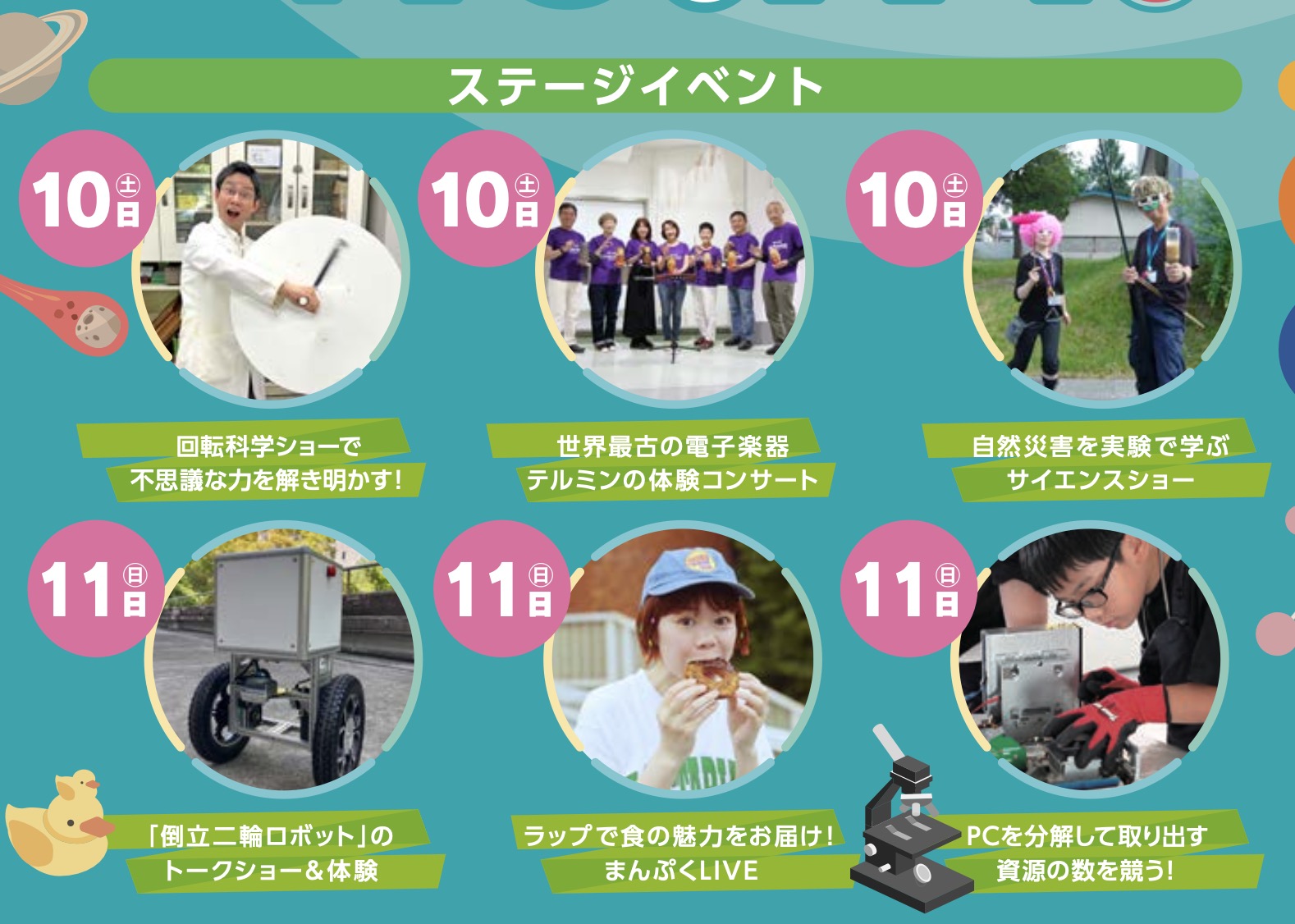
- 10月10日(土)11:15~12:00 千葉市科学フェスタ2026「桑子先生の回転科学ショー」にてサイエンスショーを行います。
- 12月26日(土) ナリカサイエンスアカデミー(教員向け実験講習会)開催
書籍のお知らせ
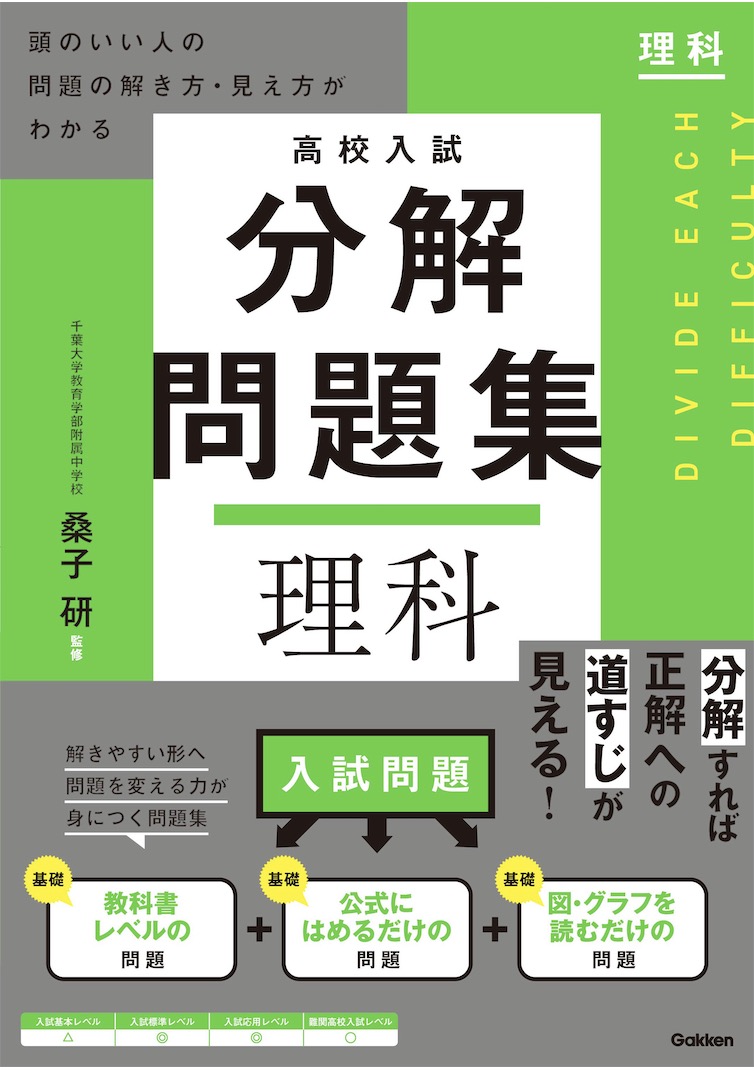
- 『高校入試 分解問題集 理科』(学研)…難しい問題も小さな問題に分解することで、問題を解くことができます。そんな分解の技術が身につくように深く関わりを持って作りました。
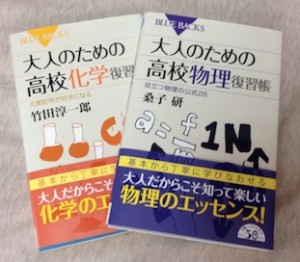
 『大人のための高校物理復習帳』(講談社)…一般向けに日常の物理について公式を元に紐解きました。特設サイトでは実験を多数紹介しています。※増刷がかかり6刷となりました(2026/02/01)
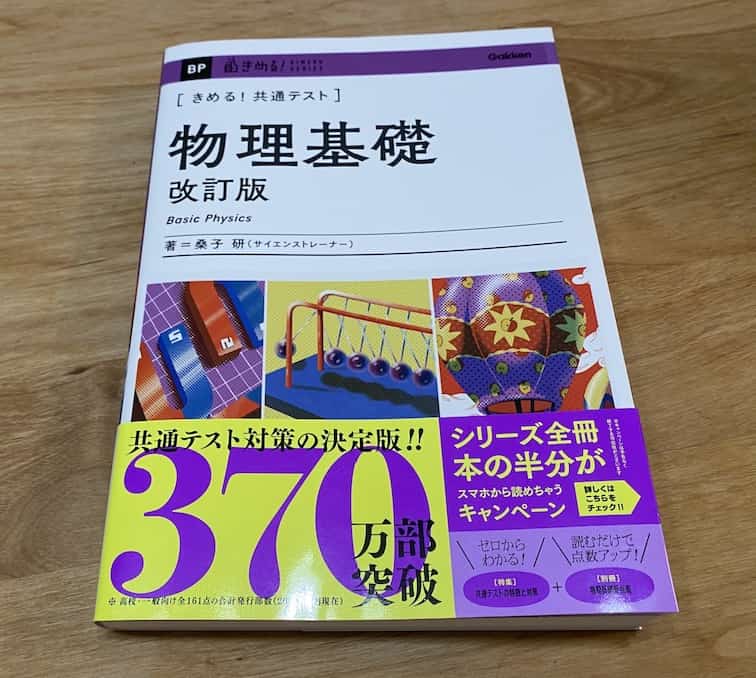
- 『きめる!共通テスト 物理基礎 改訂版』(学研)… 高校物理の参考書です。イラストを多くしてイメージが持てるように描きました。授業についていけない、物理が苦手、そんな生徒におすすめです。特設サイトはこちら。
各種SNS(更新情報をお届け!)
【日本語】X(Twitter)/instagram/Facebook 【英語】BlueSky/Threads
Explore
- 楽しい実験…お子さんと一緒に夢中になれるイチオシの科学実験を多数紹介しています。また、高校物理の理解を深めるための動画教材も用意しました。
- 理科の教材… 理科教師をバックアップ!授業の質を高め、準備を効率化するための選りすぐりの教材を紹介しています。
- Youtube…科学実験等の動画を配信しています。
- 科学ラジオ …科学トピックをほぼ毎日配信中!AI技術を駆使して作成した「耳で楽しむ科学」をお届けします。
- 講演 …全国各地で実験講習会・サイエンスショー等を行っています。
- About …「科学のネタ帳」のコンセプトや、運営者である桑子研のプロフィール・想いをまとめています。
- お問い合わせ …実験教室のご依頼、執筆・講演の相談、科学監修等はこちらのフォームからお寄せください。