Why Do Waves Bend? Master the Tough Huygens’ Principle with a Magical Simulation (Scratch)
Hi, I’m Ken Kuwako, your Science Trainer. To me, every day is an experiment!
For many physics students, the biggest hurdle in uncovering the true nature of “waves” is often Huygens’ Principle. If you’ve ever felt that reading the textbook leaves you more confused than enlightened, you’re not alone. The problem is that the essence of Huygens’ Principle isn’t found in a “still image”—it lives within continuous motion.
Today, we’re going to use interactive programming tools to visually unlock the “mechanics of wave motion” exactly as the 17th-century scientist Christiaan Huygens envisioned them in his mind!
Why is Huygens’ Principle so tricky to grasp?
Think of Huygens’ Principle as the ultimate baton relay for how waves travel. The theory states that “every point on a wavefront acts as a source for new, tiny waves (wavelets).” This is hard to visualize with just static textbook diagrams because it’s nearly impossible to track how time passes.
However, once you master this principle, questions like “Why do light and sound reflect?” or “How do waves bend around corners?” all click together under one simple, elegant rule.
That’s where my “interactive learning tools” built in Scratch come in! You can play with the parameters yourself and experiment with how waves behave.
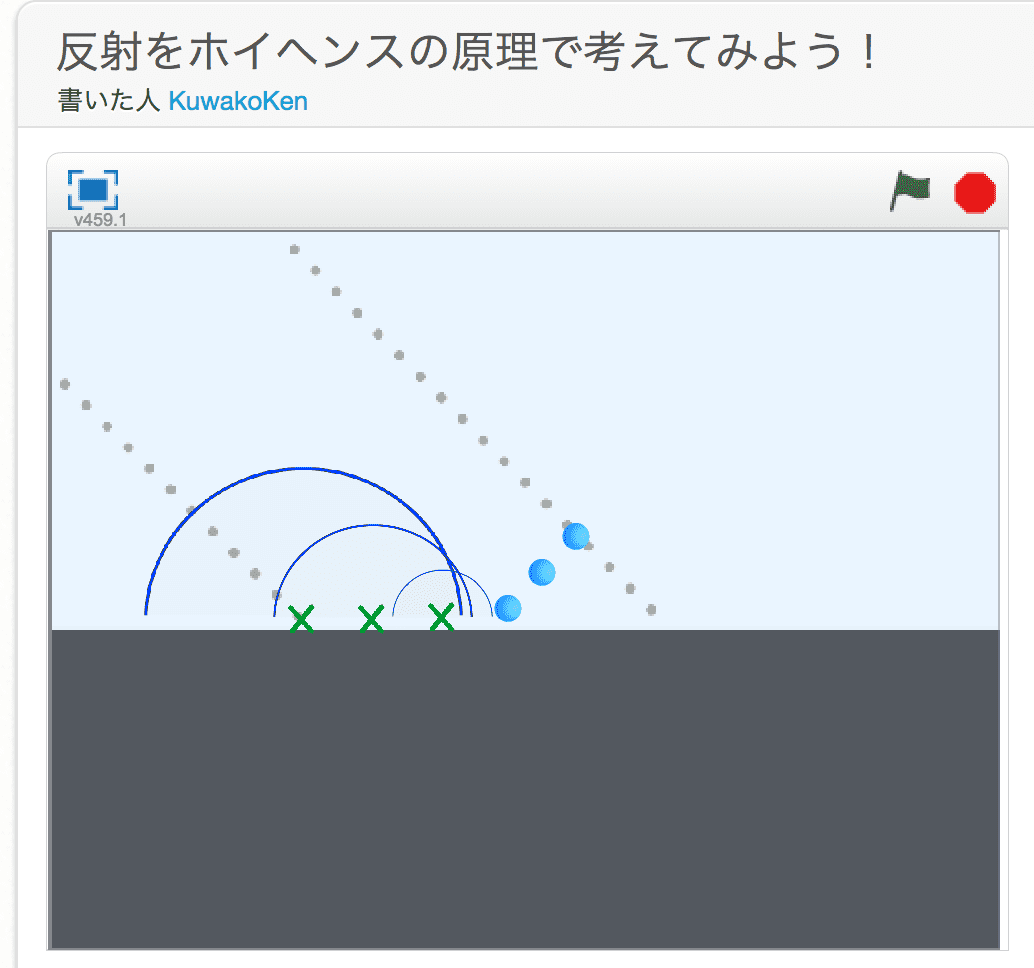
Even while I was building this simulator, I had several “Aha!” moments where everything finally clicked. I want you to have those moments too. Let’s dive into these 6 steps to level up your understanding!
Huygens’ Principle: 6 Interactive Simulations
1. Point Source: Understanding where it all begins
First, let’s start by imagining a wavelet spreading out from a single point. Every complex wave is ultimately built from these tiny, expanding circles.
https://scratch.mit.edu/projects/215885692/
2. Line Source: The “Teamwork” of Waves
When a wave moves forward as a “line,” it’s actually a collection of countless wavelets overlapping. Watch how many tiny waves join hands to create one large, unified “wavefront.”
https://scratch.mit.edu/projects/215883003/
3. Huygens and Diffraction: The Mystery of Bending Waves
Why can you hear someone talking even if they are behind a wall? It’s because waves diffract. When waves pass through a narrow gap, they bend and spread out. Compare this to the “Line Source” simulation, and the difference becomes crystal clear.
https://scratch.mit.edu/projects/216301782/
4. Huygens and Reflection: The Secret Behind Mirror Rules
“The angle of incidence equals the angle of reflection.” We often just memorize this, but Huygens’ Principle shows us why it has to be that way. Experience the beauty of waves bouncing back at the same speed when the medium doesn’t change.
https://scratch.mit.edu/projects/216301676/
5. Huygens and Refraction: When Waves Lose Their Rhythm
Whether going from water to glass or from deep to shallow water, waves bend when their speed changes. By focusing on how the wavelets expand, you can see the true nature of refraction.
https://scratch.mit.edu/projects/216301701/
6. The Geometry of Refraction: Techniques for Visualizing the Future
Drawing wave diagrams is a classic exam task. Once you understand why we draw tangents to the circular wavelets, you’ll never be confused again. By pairing the simulation with the drawing process, the physics logic lines up perfectly.
https://scratch.mit.edu/projects/216301733/
I hope these tools help those static textbook diagrams transform into vivid animations in your mind! If you’d like to try them all in one place, I’ve set up a Scratch Studio. Check it out here and give it a go. The world of waves is full of fascinating discoveries the deeper you look!
Inquiries & Bookings
Let’s make the wonders of science part of your everyday life! I share fun experiments you can do at home and easy-to-understand tips. Feel free to explore more:
My “Science Material Book” is now available! Find it here.
Learn more about the creator, Ken Kuwako, here.
For inquiries regarding writing, speaking engagements, science workshops, or media consulting, click here.
– Get the latest updates on X (formerly Twitter)!
 Watch experiment videos on the Science Material Channel!
テレビ番組監修・イベント等のお知らせ
- 10月27日(火) 23:56〜「ネイチャーティーチャー」(TBS)に出演予定

- 11月27日(金) テレビ監修番組放送予定
- 12月26日(土) ナリカサイエンスアカデミー(教員向け実験講習会)開催
10月のイチオシ実験!
書籍のお知らせ
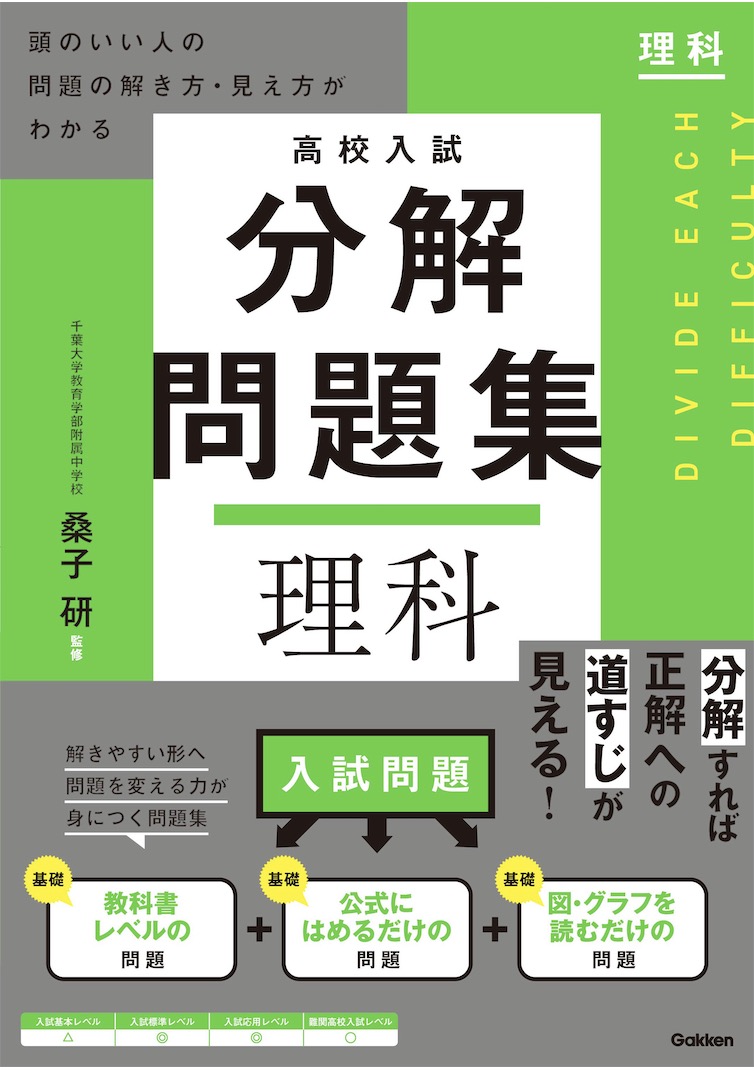
- 『高校入試 分解問題集 理科』(学研)…難しい問題も小さな問題に分解することで、問題を解くことができます。そんな分解の技術が身につくように深く関わりを持って作りました。
 『大人のための高校物理復習帳』(講談社)…一般向けに日常の物理について公式を元に紐解きました。特設サイトでは実験を多数紹介しています。※増刷がかかり6刷となりました(2026/02/01)
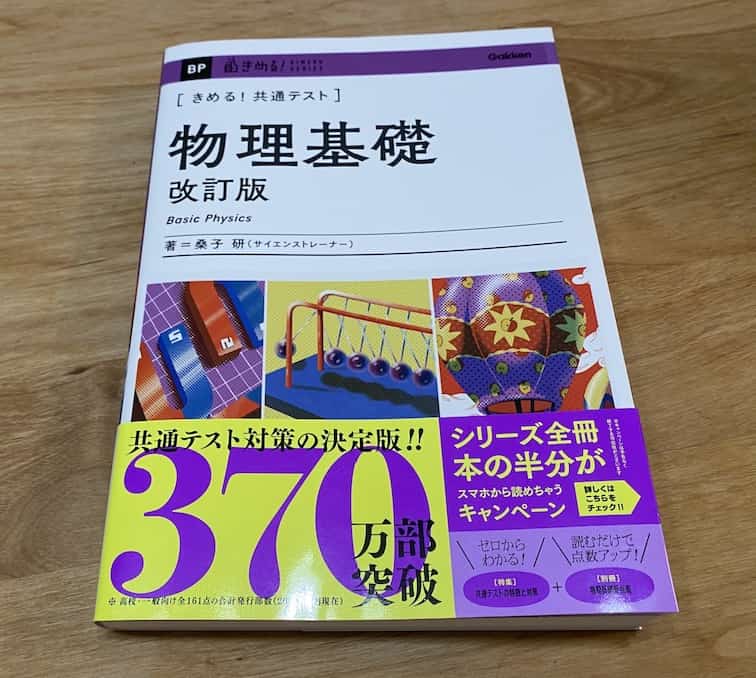
- 『きめる!共通テスト 物理基礎 改訂版』(学研)… 高校物理の参考書です。イラストを多くしてイメージが持てるように描きました。授業についていけない、物理が苦手、そんな生徒におすすめです。特設サイトはこちら。
各種SNS(更新情報をお届け!)
【日本語】X(Twitter)/instagram/Facebook 【英語】BlueSky/Threads
Explore
- 楽しい実験…お子さんと一緒に夢中になれるイチオシの科学実験を多数紹介しています。また、高校物理の理解を深めるための動画教材も用意しました。
- 理科の教材… 理科教師をバックアップ!授業の質を高め、準備を効率化するための選りすぐりの教材を紹介しています。
- Youtube…科学実験等の動画を配信しています。
- 科学ラジオ …科学トピックをほぼ毎日配信中!AI技術を駆使して作成した「耳で楽しむ科学」をお届けします。
- 講演 …全国各地で実験講習会・サイエンスショー等を行っています。
- About …「科学のネタ帳」のコンセプトや、運営者である桑子研のプロフィール・想いをまとめています。
- お問い合わせ …実験教室のご依頼、執筆・講演の相談、科学監修等はこちらのフォームからお寄せください。