What Happens When Light Passes Through a Prism? White Light Becomes a Seven-Color Puzzle — The World of Light Loved by Newton
Hi, I’m Ken Kuwako, your Science Trainer. To me, every day is an experiment!
Have you ever gazed at a rainbow shimmering in the sky after a storm, or marveled at the swirling colors on the surface of a soap bubble? We’ve all wondered at some point: “Where do all these colors come from?”
As it turns out, the ordinary “white light” all around us is actually hiding a spectacular parade of colors. Today, I’ll show you how to reveal this hidden beauty using a magical scientific tool: the prism.
Unmasking Light: The Magic of Prisms
We’re often taught that light travels in a straight line. While that’s generally true, light can actually change its path dramatically under the right conditions. This fascinating phenomenon is called dispersion.
First, take a look at this video to see how light transforms right before your eyes!
When you shine white light through a prism, it emerges on the other side as a stunning rainbow. This happens because white light is actually a blend of many different wavelengths. Each color (or wavelength) has a slightly different refractive index, meaning they bend at different angles as they pass through the glass. That tiny difference in the bend results in a beautiful spread of colors at the exit.
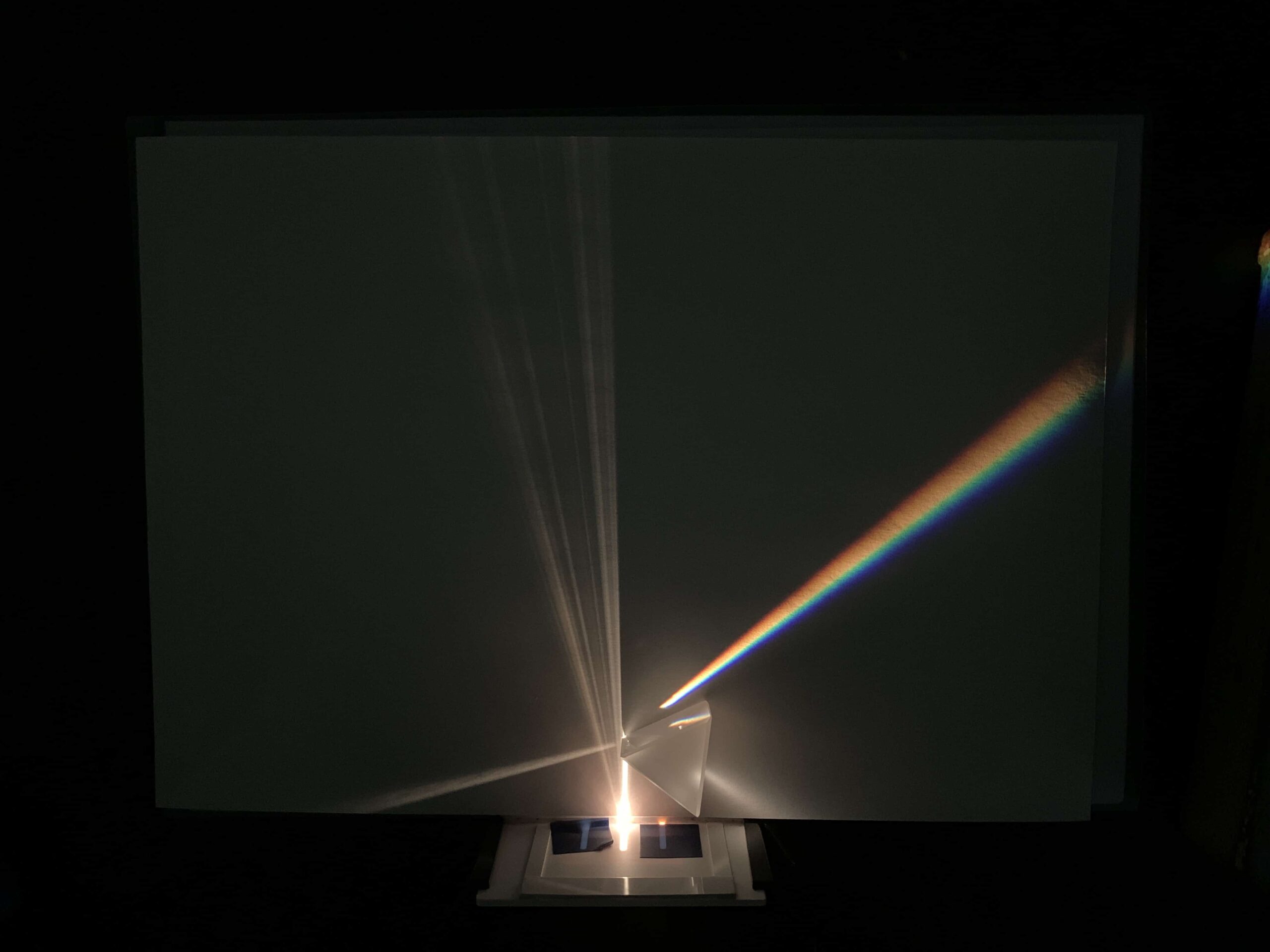
Monochromatic Light: Seeing the Bend
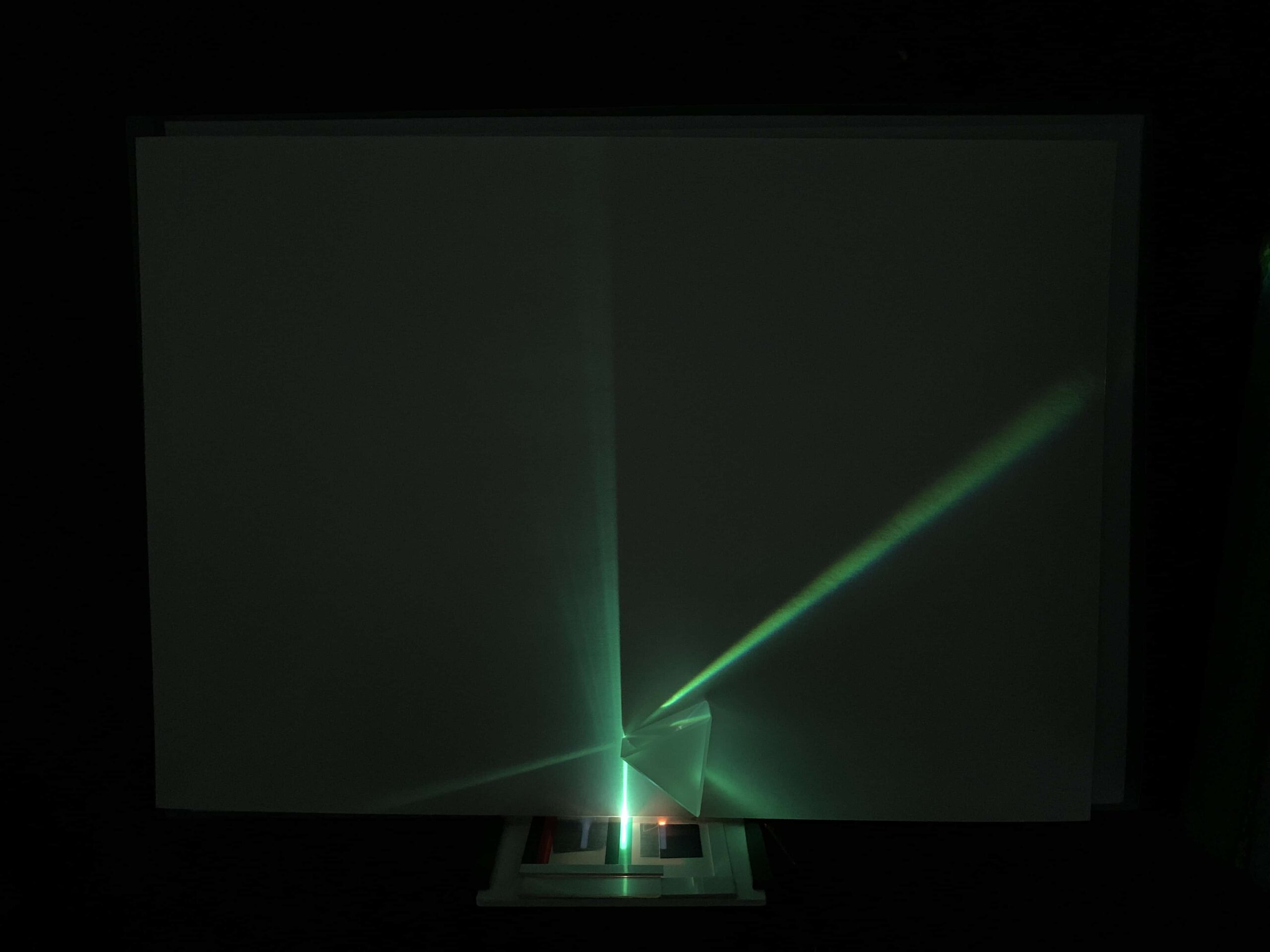
Now, what happens if we use a red or green laser instead? Since these are “monochromatic” (single-color) lights, they only have one wavelength. This means they won’t split into a rainbow; they just pass through as a single beam.
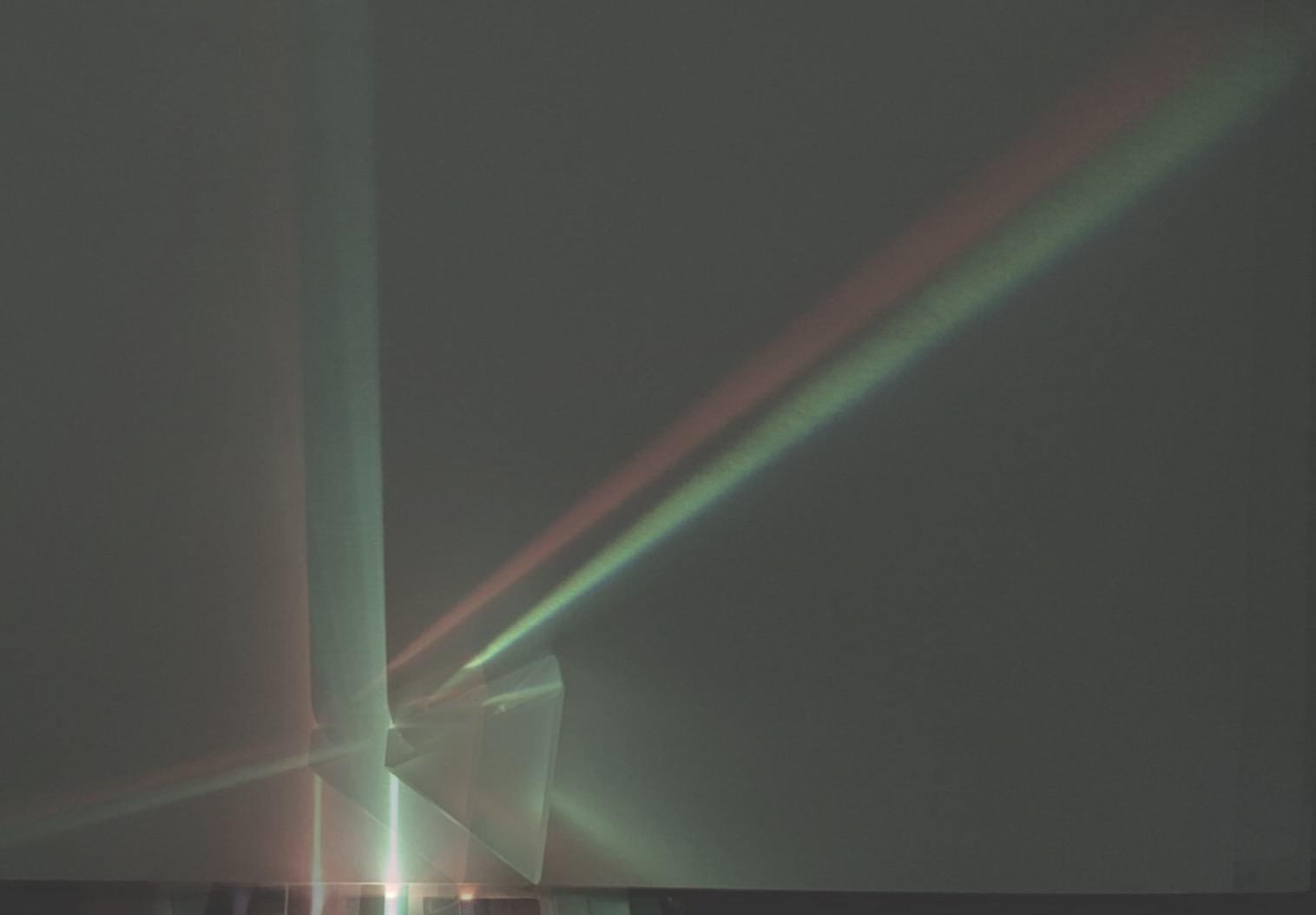
However, the real secret is in the angle of the bend. If you compare the images closely, you’ll notice that the green light bends more sharply than the red light.
This is because green light has a shorter wavelength than red light, causing it to be more affected—and thus refracted more—by materials like glass. This specific difference in how colors bend is the fundamental “recipe” for creating a rainbow.
Tips for a Successful Experiment
Whether you’re trying this in a classroom or at home, here are a few tips to make the experience even more impactful:
What You’ll Need
・Triangular Prism (Acrylic or glass works fine, but high transparency is best!) ・Light Sources (A white LED flashlight, plus red and green laser pointers) ・Black Construction Paper or a Screen (To make the light beams pop) ・A Dark Room (Just closing the curtains makes the path of light much easier to see)
Step-by-Step Guide
Darken the room, aim your white light at the edge of the prism, and project it onto your screen.
Observe the process of spectral decomposition—how the light fans out into a rainbow.
Switch to the red laser and mark where the light hits the screen.
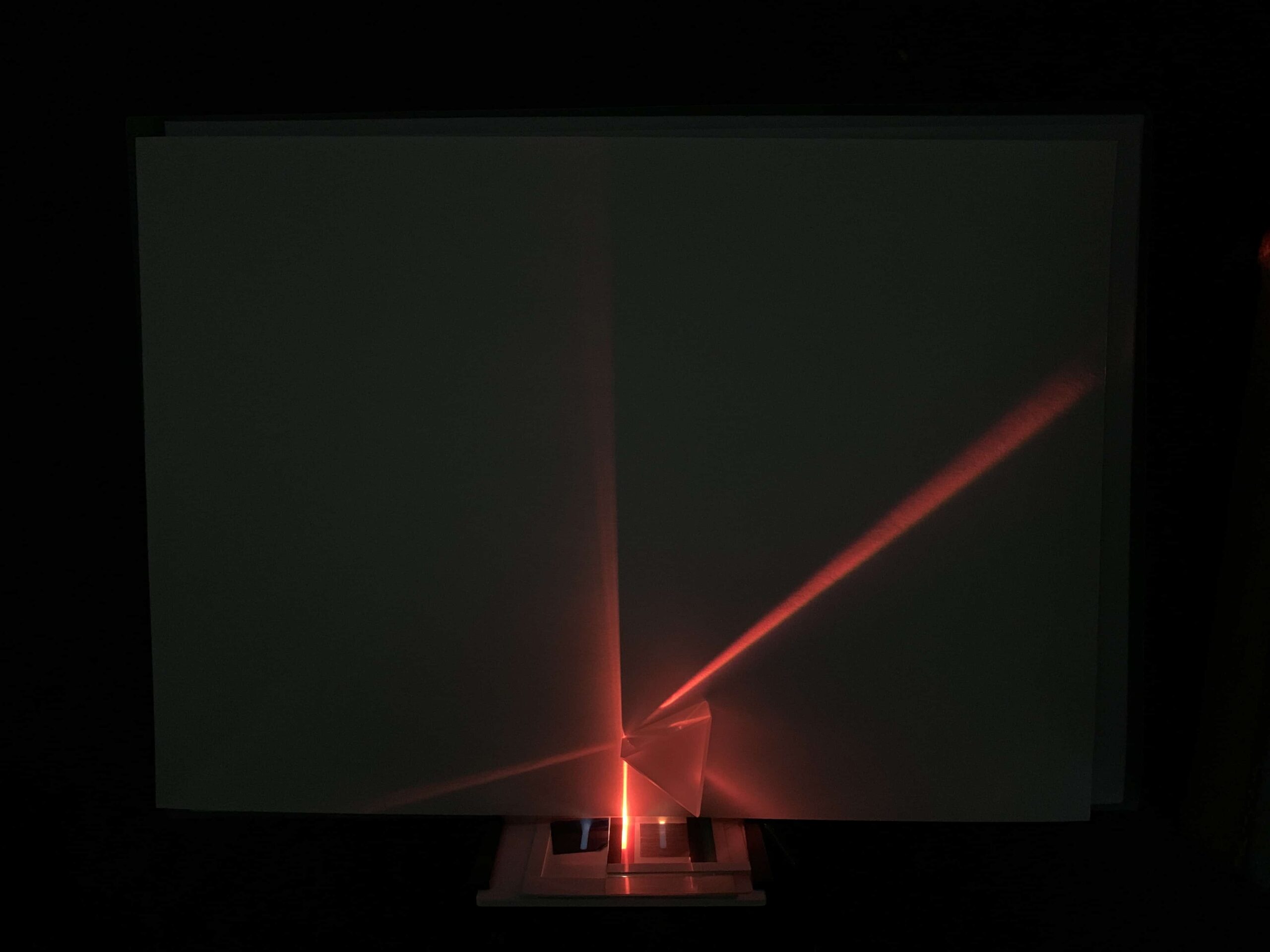
Switch to the green laser. Compare its position to the red light to see the difference in bending.
Capture photos or videos to compare them. In the composite image below, where I’ve overlapped the red and green beams, you can clearly see that the red light is more “stubborn” and resists bending.
By comparing dispersion, refraction, and the properties of different types of light, you can spark a child’s natural curiosity about the world. When it comes to the physics of light, seeing is believing—and much more effective than just reading a textbook!
The Story of Newton and the Secret of Light
We can’t talk about light without mentioning Isaac Newton. Long ago, people believed that prisms actually “stained” or colored the light. Newton proved them wrong, showing that white is actually a mixture of all colors.
At the National Museum of Nature and Science, you can find a tribute to his legacy: the Newton Color Disc.
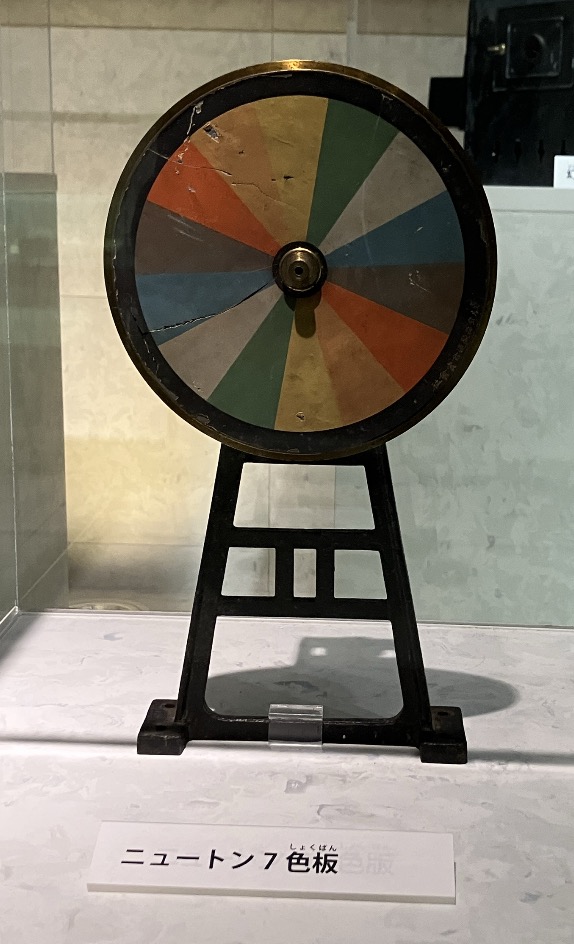
When you spin this seven-colored disc at high speed, the colors blur together and the disc appears white. It’s a brilliant way to experience the opposite of a prism: showing that “mixing colors creates white.” While Newton didn’t invent this specific device, it’s a perfect example of how his theories of light continue to inspire science education today.
Contact & Inquiries
Let’s make the wonders of science a part of your everyday life! I share plenty of tips and fun experiments you can try at home. Feel free to explore more!
・Learn more about Ken Kuwako here. ・For requests regarding writing, speaking, workshops, or TV supervision, click here. ・Follow me on X (formerly Twitter) for the latest updates!
 Check out my experiment videos on the Science Tips Channel!
10月のイチオシ実験!
https://youtube.com/shorts/jLVKYRVI1uY?feature=share
テレビ番組監修・イベント等のお知らせ
- 12月26日(土) ナリカサイエンスアカデミー(教員向け実験講習会)開催
書籍のお知らせ
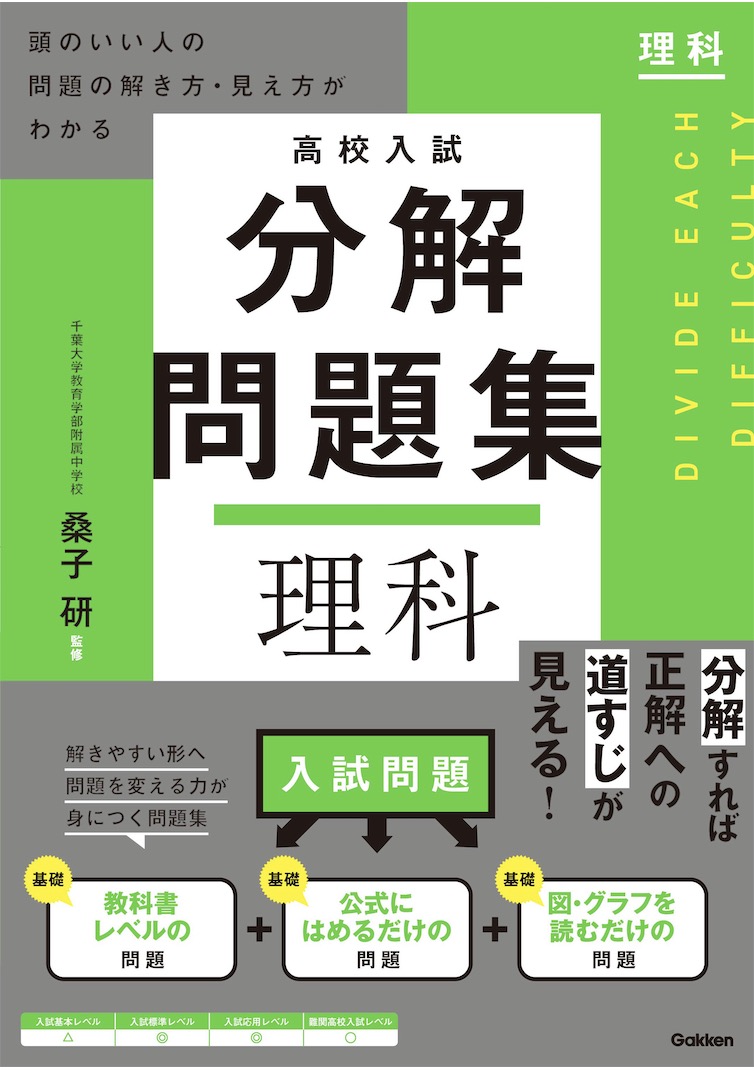
- 『高校入試 分解問題集 理科』(学研)…難しい問題も小さな問題に分解することで、問題を解くことができます。そんな分解の技術が身につくように深く関わりを持って作りました。
 『大人のための高校物理復習帳』(講談社)…一般向けに日常の物理について公式を元に紐解きました。特設サイトでは実験を多数紹介しています。※増刷がかかり6刷となりました(2026/02/01)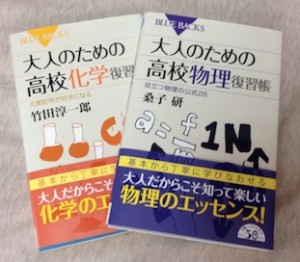
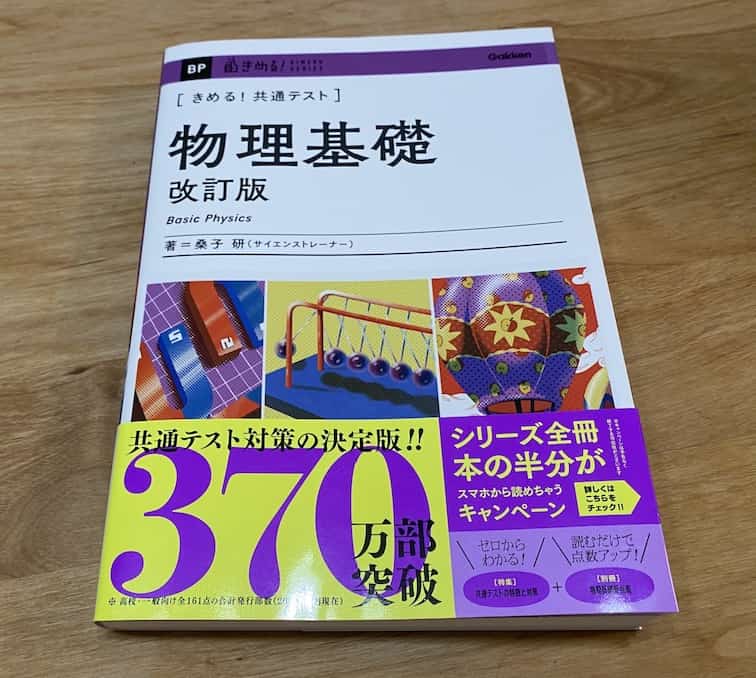
- 『きめる!共通テスト 物理基礎 改訂版』(学研)… 高校物理の参考書です。イラストを多くしてイメージが持てるように描きました。授業についていけない、物理が苦手、そんな生徒におすすめです。特設サイトはこちら。
各種SNS(更新情報をお届け!)
【日本語】X(Twitter)/instagram/Facebook 【英語】BlueSky/Threads
Explore
- 楽しい実験…お子さんと一緒に夢中になれるイチオシの科学実験を多数紹介しています。また、高校物理の理解を深めるための動画教材も用意しました。
- 理科の教材… 理科教師をバックアップ!授業の質を高め、準備を効率化するための選りすぐりの教材を紹介しています。
- Youtube…科学実験等の動画を配信しています。
- 科学ラジオ …科学トピックをほぼ毎日配信中!AI技術を駆使して作成した「耳で楽しむ科学」をお届けします。
- 講演 …全国各地で実験講習会・サイエンスショー等を行っています。
- About …「科学のネタ帳」のコンセプトや、運営者である桑子研のプロフィール・想いをまとめています。
- お問い合わせ …実験教室のご依頼、執筆・講演の相談、科学監修等はこちらのフォームからお寄せください。
- [Live] Why Are Spinning Things So Powerful? Ken Kuwako’s Spin Science Show (Chiba City Science Festa 2026 Special Stage)
- Experiment! What Happens When You Take a Bag of Potato Chips Up a Mountain? Almost Bursting at 2,237 m?! (The Mystery of Air Pressure)
- We Live at the Bottom of an Ocean of Air! A Plastic Bottle Experiment Reveals the Truth About Air Pressure (A High School Physics Refresher for Adults)
- Seeing the World Through an Insect’s Eyes? The Hidden Secrets of Dandelions and Azaleas

- Did the Chopstick Snap? Did It Move Backward? The Strange Images in a Glass of Water
- Making the Invisible Visible: A Laser and Fog Machine Light Show!

- The 1,300-View Wall! What Middle Schoolers Learned About “Reaching People” Through Short Videos (Science Communication Course)

- Is the Image on Your Retina Upside Down? Discover the Magic of Light with a Squid Eye Experiment

- We Built a Volcano—and It Was Explosively Fun! The Ultimate Experiment Recipe Using Plaster and Baking Soda!