Inside the Peanut! A Fun Dissection Exploring Seed Structure (Non-Endospermic Seeds)
Hello, I’m Ken Kuwako, your science trainer. Every day is an experiment!
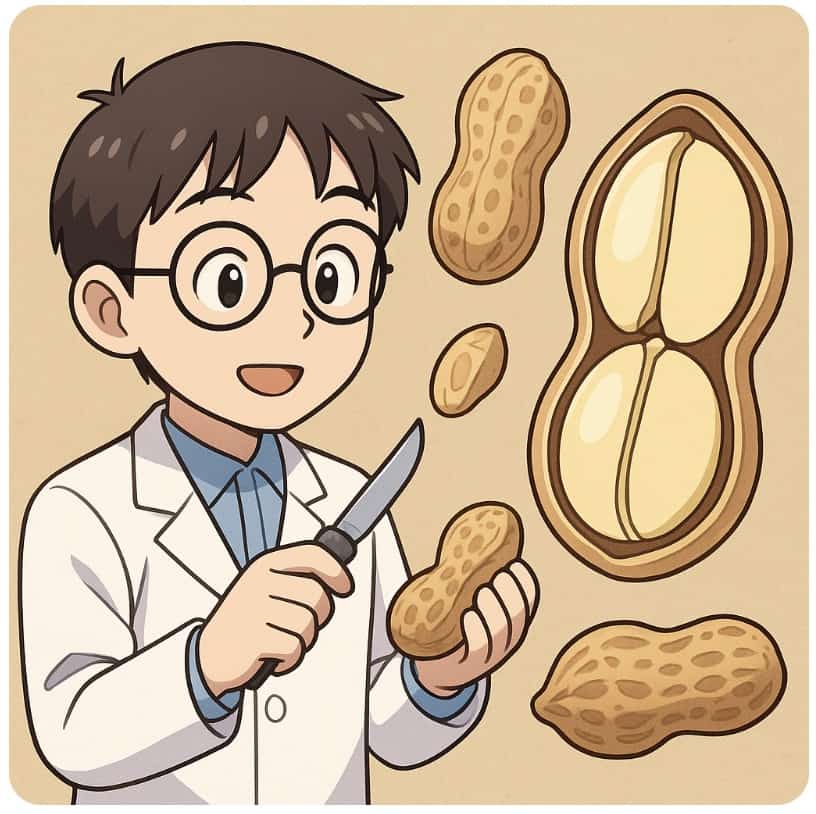
【This article is also available on radio!】
Exploring the Secret Life of a Peanut Seed
You grab a bag of peanuts from the supermarket shelf, shell them, and enjoy that satisfying crunch – a perfectly normal scene, right? But within each tiny peanut lies an incredible story of life, growth, and how plants ensure their legacy.
What many people don’t realize is that the humble peanut we casually snack on has a unique characteristic that sets it apart from many other plant seeds. It’s what we call an “exalbuminous seed,” meaning it doesn’t have an endosperm.
Let’s take a common staple like rice. Rice is an “albuminous seed,” and if you look closely, it has two main parts: the “embryo” and the “endosperm.” The endosperm is essentially a special energy reserve, like a packed lunchbox, for the plant’s “baby,” the embryo, to grow. The entire rice grain is brimming with the nutrients needed for growth. The white rice we usually eat is just this endosperm, with the husk, bran, and embryo removed. When you think about it, we’re literally eating the plant’s baby food! Doesn’t that make your meal feel a little more mystical, like you’re tapping into the very power of life itself?
The journey of a plant seed, from flower to fully formed seed, is a series of small miracles. It begins with the pistil at the center of a flower receiving pollen from outside. Inside the ovary at the base of the pistil, an ovule, fertilized by pollen, eventually develops into a seed.
Where Does a Peanut Store Its Nutrients?
Now, let’s get back to our exalbuminous friend, the peanut. Since it doesn’t have an endosperm like rice, where does it stash all the vital nutrients needed for germination?
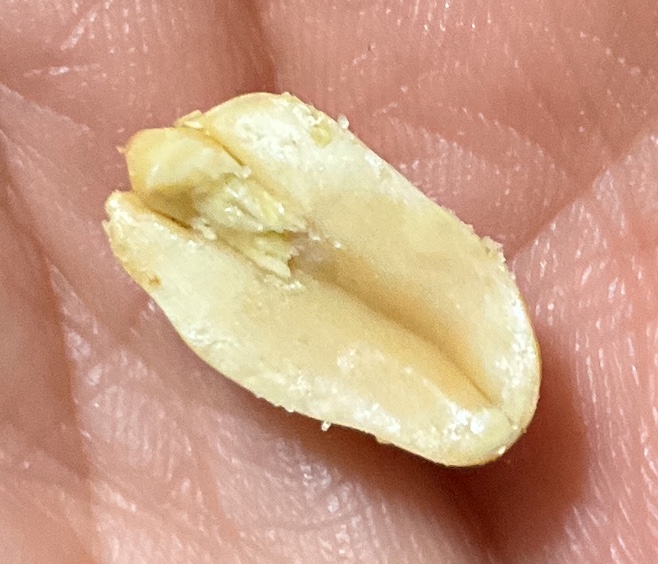
If you observe a peanut closely, the answer becomes clear. Most of the edible part of a peanut is actually made up of “cotyledons.” These cotyledons are packed with nutrients for the future sprout. So, what we’re happily munching on is essentially the embryo’s crucial food storage!
【What You’ll Need】
- Peanuts (in the shell are best)
- Hand lens or dissecting microscope
- Utility knife or tweezers
- Notebook and pen
【Observation Steps】
- Observe the exterior of the peanut
- First, pick up a shelled peanut and examine the hardness and shape of its shell.
- It’s a good idea to mention that peanuts are unique “legumes that grow underground” to pique interest.
- Break the shell and remove the seeds
- Gently crack open the shell and take out the seeds inside.
- At this point, confirm that the seed is typically split into two halves.
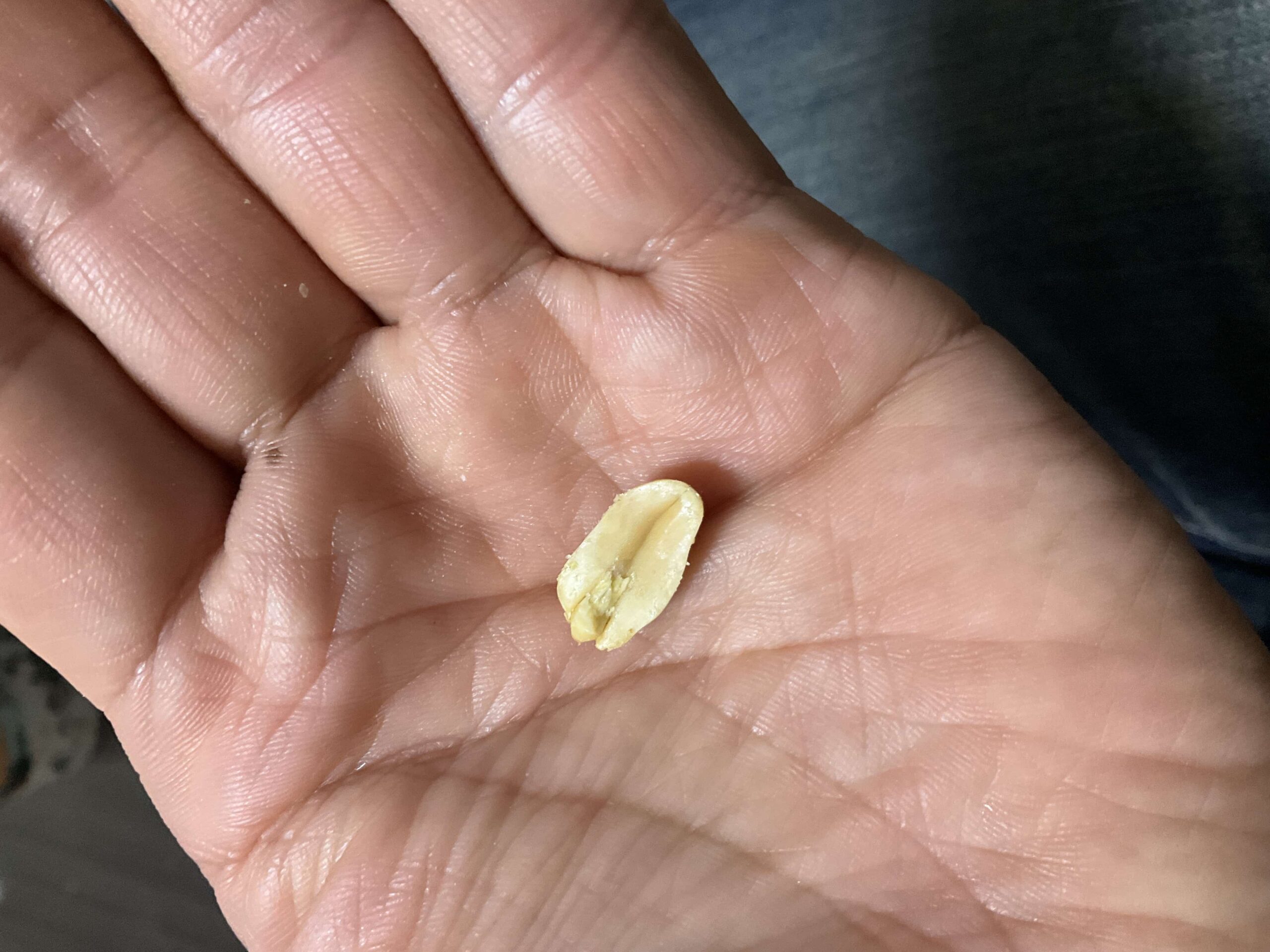
- Examine the seed structure
- Using a hand lens or dissecting microscope, observe the surface of the seed.
- Carefully peel off the seed coat to find the “embryonic shoot” (plumule) and “embryonic root” (radicle).
- The cotyledons store the nutrients needed for germination, and they are the part we eat!
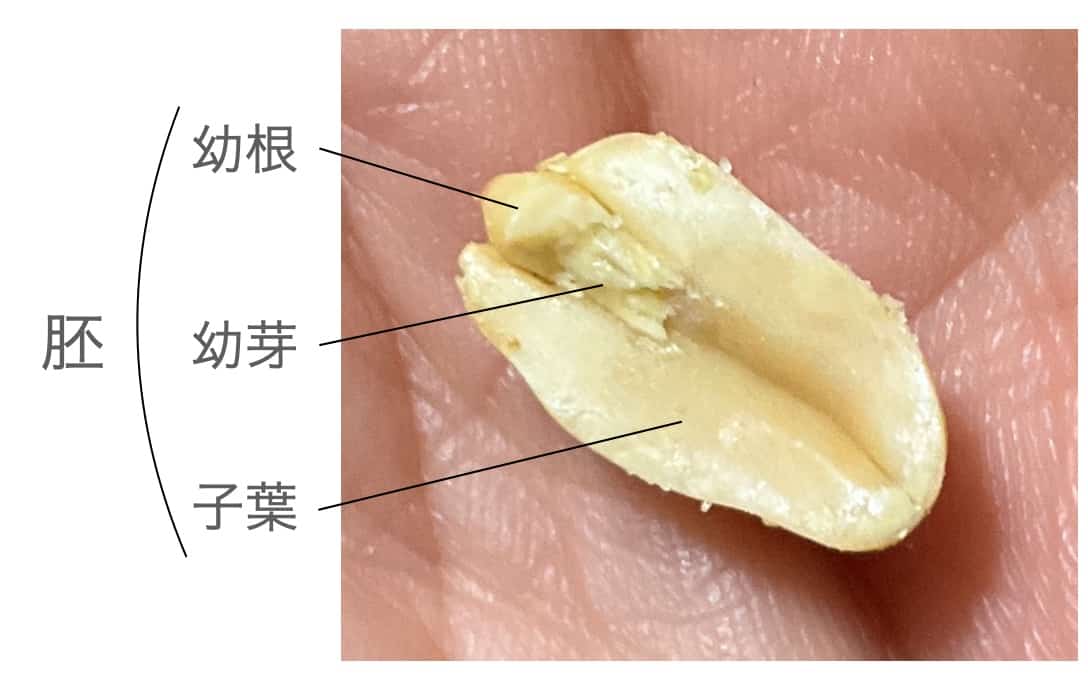
- Compare with other seeds
- Comparing peanuts with albuminous seeds (like rice or corn) will help highlight the differences.
- This makes it easier to understand the distinction between “exalbuminous” and “albuminous” seeds.
Interestingly, peanuts do have endosperm cells in their early stages. The term “exalbuminous seed” refers to seeds where the endosperm is no longer present once the seed is ready for dispersal. The endosperm cells are likely used up as the cotyledons grow.
Even the everyday foods we eat can reveal new discoveries when observed through the lens of science. The next time you enjoy a peanut, try to remember the fascinating distinction between “cotyledons,” “embryo,” and “endosperm”! You might also enjoy this article:
Contact & Requests
Dive deeper into the wonders and fun of science! We’ve compiled easy-to-understand guides on exciting science experiments you can do at home, along with helpful tips. Feel free to search around! ・About the operator, Ken Kuwako: click here ・For various requests (writing, lectures, science workshops, TV supervision, appearances, etc.): click here ・Get article updates on X!
 Our Science Fun Channel features experiment videos!
9月のイチオシ実験!
お弁当箱をプラバンがわりにしてキーホルダーを作ろう!
テレビ番組監修・イベント等のお知らせ
- 8月27日(木)科学監修番組放送予定
- 9月20日(日)ダビンチマスターズ出演予定
- 10月10日(土)11:15~12:00 千葉市科学フェスタ2026「桑子先生の回転科学ショー」にてサイエンスショーを行います。
- 12月26日(土) ナリカサイエンスアカデミー(教員向け実験講習会)開催
書籍のお知らせ
- 『高校入試 分解問題集 理科』(学研)…難しい問題も小さな問題に分解することで、問題を解くことができます。そんな分解の技術が身につくように深く関わりを持って作りました。
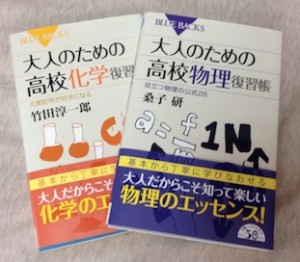
 『大人のための高校物理復習帳』(講談社)…一般向けに日常の物理について公式を元に紐解きました。特設サイトでは実験を多数紹介しています。※増刷がかかり6刷となりました(2026/02/01)
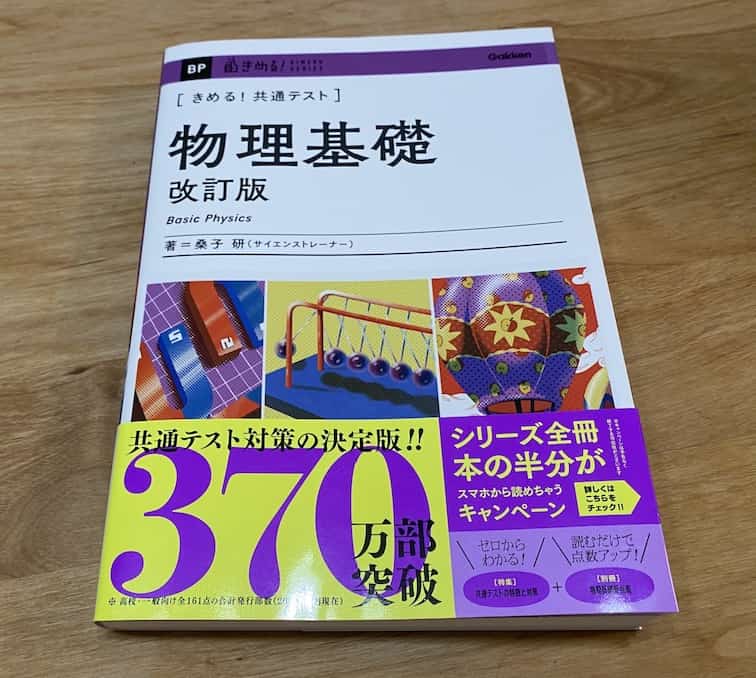
- 『きめる!共通テスト 物理基礎 改訂版』(学研)… 高校物理の参考書です。イラストを多くしてイメージが持てるように描きました。授業についていけない、物理が苦手、そんな生徒におすすめです。特設サイトはこちら。
各種SNS(更新情報をお届け!)
【日本語】X(Twitter)/instagram/Facebook 【英語】BlueSky/Threads
Explore
- 楽しい実験…お子さんと一緒に夢中になれるイチオシの科学実験を多数紹介しています。また、高校物理の理解を深めるための動画教材も用意しました。
- 理科の教材… 理科教師をバックアップ!授業の質を高め、準備を効率化するための選りすぐりの教材を紹介しています。
- Youtube…科学実験等の動画を配信しています。
- 科学ラジオ …科学トピックをほぼ毎日配信中!AI技術を駆使して作成した「耳で楽しむ科学」をお届けします。
- 講演 …全国各地で実験講習会・サイエンスショー等を行っています。
- About …「科学のネタ帳」のコンセプトや、運営者である桑子研のプロフィール・想いをまとめています。
- お問い合わせ …実験教室のご依頼、執筆・講演の相談、科学監修等はこちらのフォームからお寄せください。