Create a Rainbow! The Science Behind Double Rainbows, Refraction, and Reflection Painting the Sky
I’m Ken Kuwako, your Science Trainer. Every day is an experiment.
【This post is also available on the radio!】
“Look, a rainbow!”
There is something truly magical about that seven-colored arch appearing suddenly in the sky after a rainstorm. Most of us have probably stopped in our tracks at some point to admire one. Just the other day, I was driving down the highway and was lucky enough to encounter a spectacular one myself.
In reality, a rainbow is more than just a pretty view. It is a magnificent light experiment show where countless tiny water droplets floating in the sky carefully sort out sunlight for us to see.
If you happen to see a second, fainter rainbow on the outside of the first one with its colors reversed… well, that is one of the best surprises nature has to offer. Today, let’s dive into the secrets of the Double Rainbow.
A Sign of Good Luck! What exactly is a Double Rainbow?
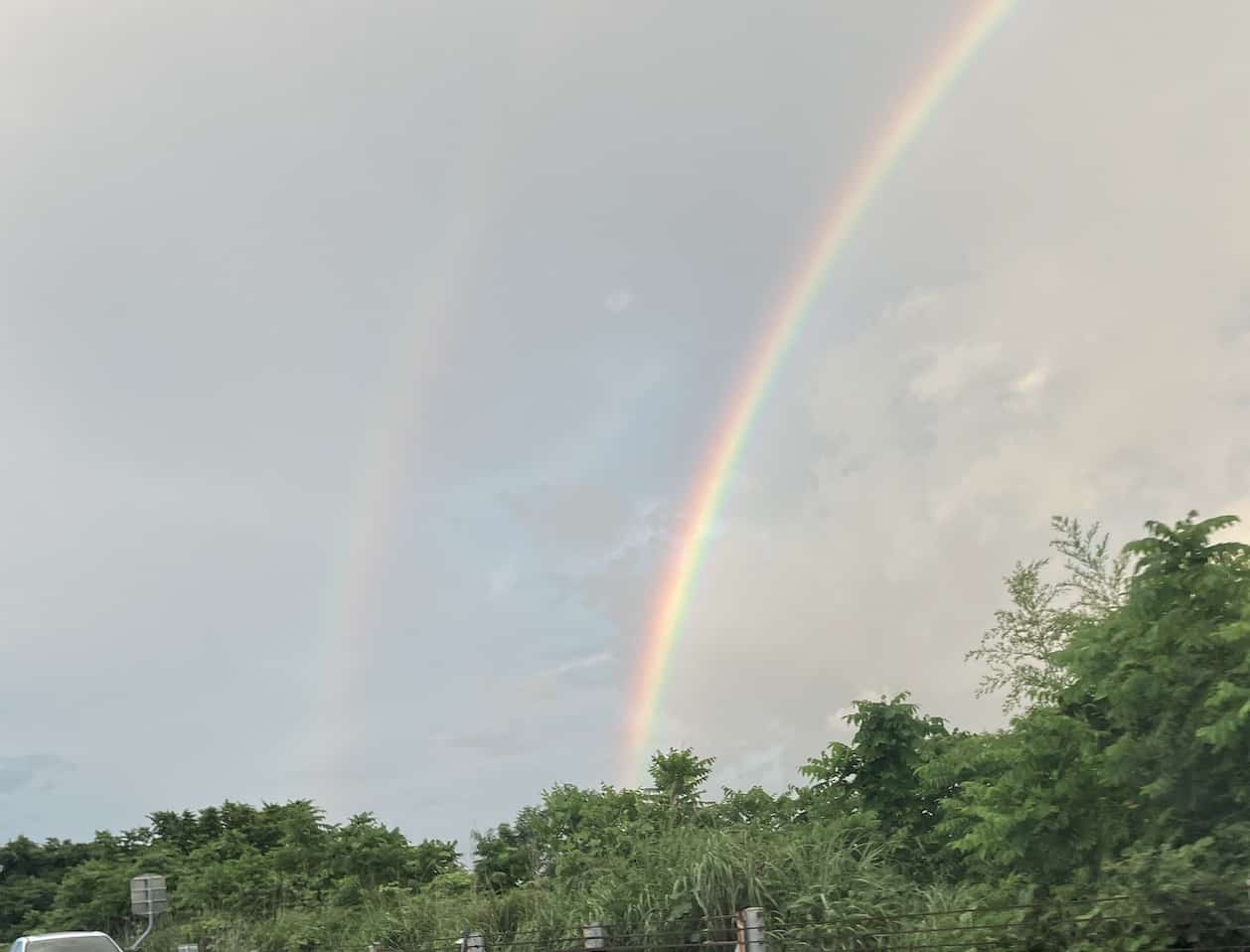
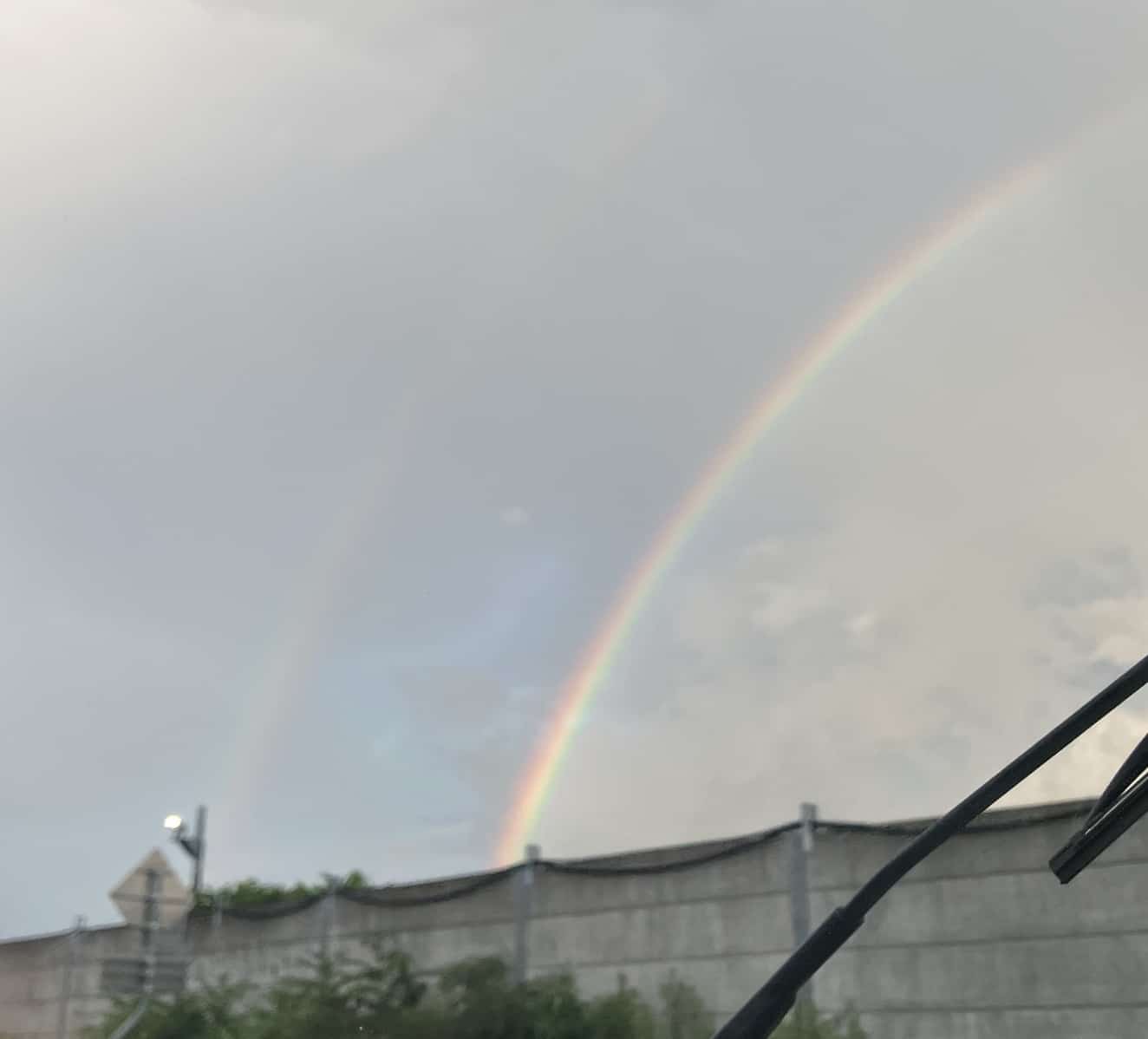
The double-layered rainbow you see in the photo is called a Double Rainbow. The bright, inner one is known as the Primary Rainbow, and the fainter outer one is the Secondary Rainbow. They aren’t just sitting there side-by-side, though. Take a closer look. Can you see how the color sequence is completely flipped? The Primary Rainbow is red on the outside and blue on the inside, but the Secondary Rainbow is blue on the outside and red on the inside. This mysterious phenomenon is actually all about how many times light reflects inside the droplets.
Water Droplets as Prisms! The Science of How Rainbows Form
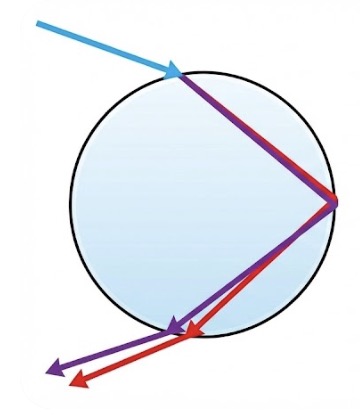
The way a rainbow arches across the sky feels like magic, but the real stars are the tiny water droplets suspended in the air. Each of these droplets acts exactly like a prism you would use in a science lab. Sunlight might look white at first glance, but it is actually a blend of every color from red to violet. As this light passes through a water droplet, a fascinating drama unfolds:
Refraction: When sunlight enters the droplet from the air, it bends (refracts). Here is the cool part: violet light bends more sharply, while red light bends less. This is where the colors begin to separate.
Reflection: When the light reaches the back of the droplet, it bounces off the inner surface like a mirror.
Second Refraction: As the reflected light exits the droplet and returns to the air, it bends one more time.
This specific process—refracting twice and reflecting once—is what creates the Primary Rainbow we usually see.
Why Are the Colors Flipped in the Secondary Rainbow?
So, why does the outer Secondary Rainbow have reversed colors and look so faint? The secret lies in the number of reflections. Believe it or not, the light inside those droplets reflects twice before coming out. This second bounce flips the path of the light, causing the colors to appear in the opposite order of the Primary Rainbow. Additionally, because light loses energy with each reflection, the Secondary Rainbow appears dimmer and more ethereal.
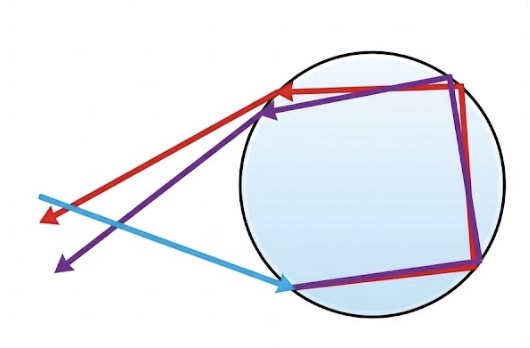
You might find the illustrations on this site helpful for a clearer visual understanding.
Between the Primary and Secondary rainbows, the sky often looks a little darker. This is known as Alexander’s Dark Band—a region where very little light is directed toward your eyes. Next time you spot a double rainbow, keep an eye out for that difference in brightness!
Let’s “Invent” Your Own Rainbow!
Now that you know how they work, why not try making one yourself?
The golden rule for finding a rainbow is to stand with your back to the sun. When the sun is low in the sky—like in the morning or evening—rainbows appear as larger, higher arches. During the middle of the day when the sun is high, rainbows are harder to see because they end up hidden below the horizon. Here are some photos I took of a rainbow previously.
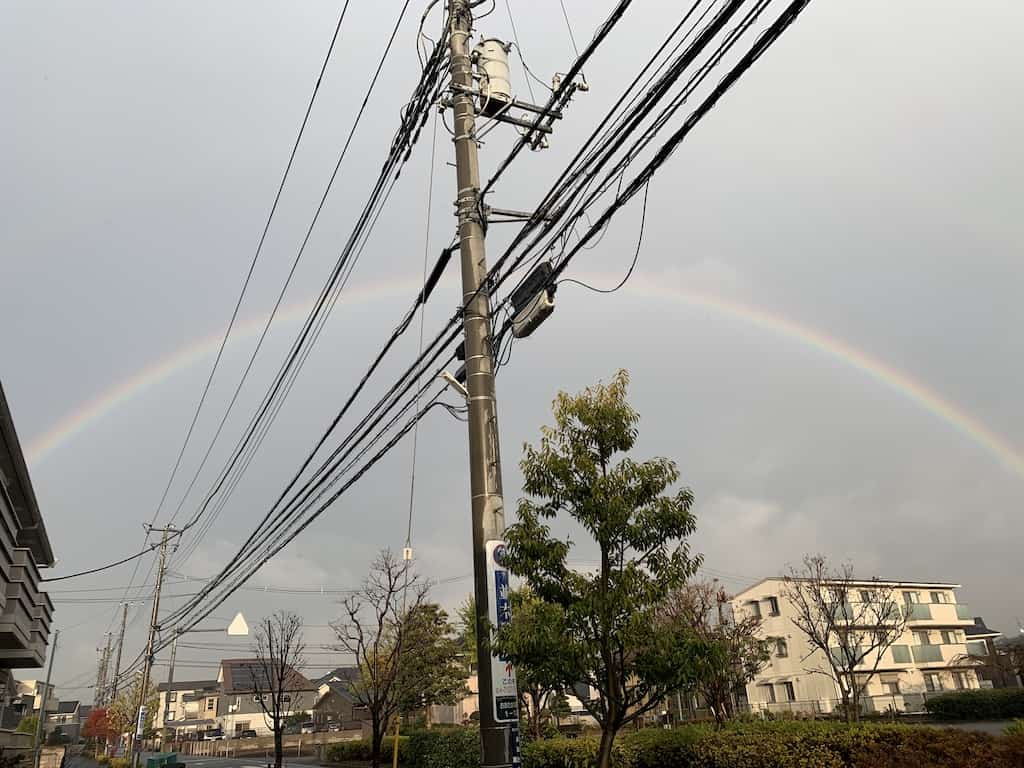

Zooming in makes the layering of light even clearer.
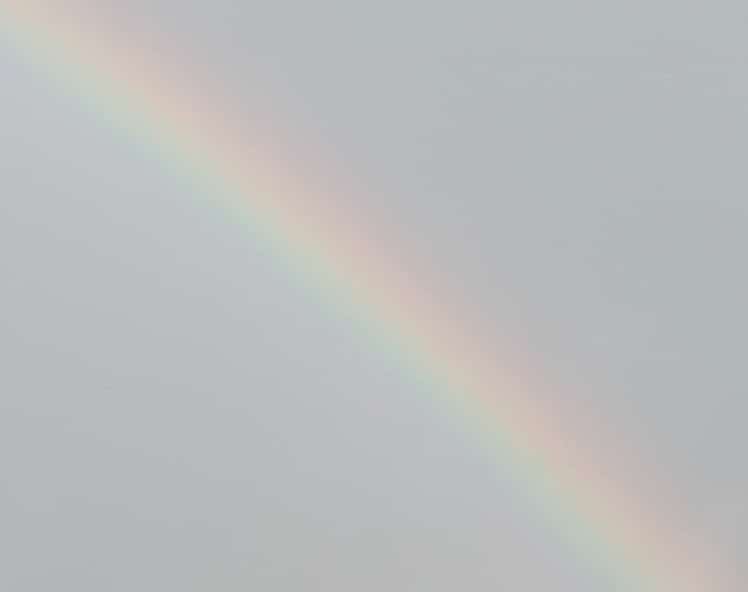
Making a rainbow at home is incredibly easy. On a sunny day, stand with your back to the sun and spray water from a hose nozzle in a fine mist toward your own shadow!
If you get it right, a tiny double rainbow will appear right in front of you. Checking the color sequence on a rainbow you made yourself is a fantastic scientific experience.
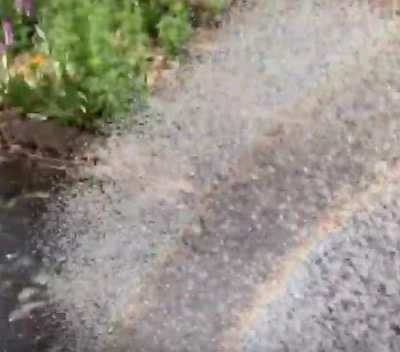
As the sunny days increase, I hope you’ll give this a try in your garden or a park to find your very own rainbow!
Inquiries and Requests
Let’s make the wonders of science more accessible together! I’ve compiled various fun experiments you can do at home along with helpful tips. Feel free to explore!
Learn more about the author, Ken Kuwako, here.
For inquiries regarding writing, lectures, workshops, or media supervision, click here.
– Follow me on X for the latest updates!
 Check out my experiment videos on the Science Neta Channel!
9月のイチオシ実験!
お弁当箱をプラバンがわりにしてキーホルダーを作ろう!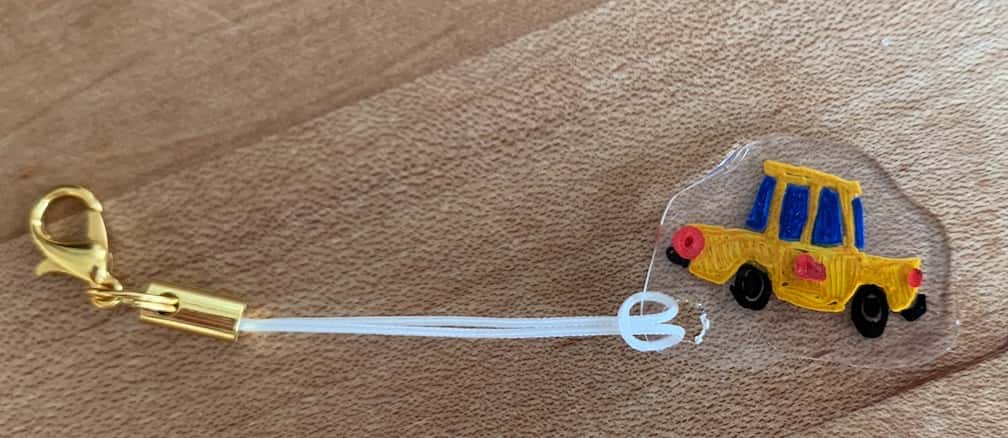
テレビ番組監修・イベント等のお知らせ
- 8月27日(木)科学監修番組放送予定
- 9月20日(日)ダビンチマスターズ出演予定
- 10月10日(土)11:15~12:00 千葉市科学フェスタ2026「桑子先生の回転科学ショー」にてサイエンスショーを行います。
- 12月26日(土) ナリカサイエンスアカデミー(教員向け実験講習会)開催
書籍のお知らせ
- 『高校入試 分解問題集 理科』(学研)…難しい問題も小さな問題に分解することで、問題を解くことができます。そんな分解の技術が身につくように深く関わりを持って作りました。
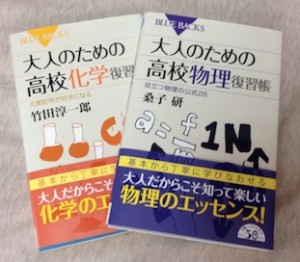
 『大人のための高校物理復習帳』(講談社)…一般向けに日常の物理について公式を元に紐解きました。特設サイトでは実験を多数紹介しています。※増刷がかかり6刷となりました(2026/02/01)
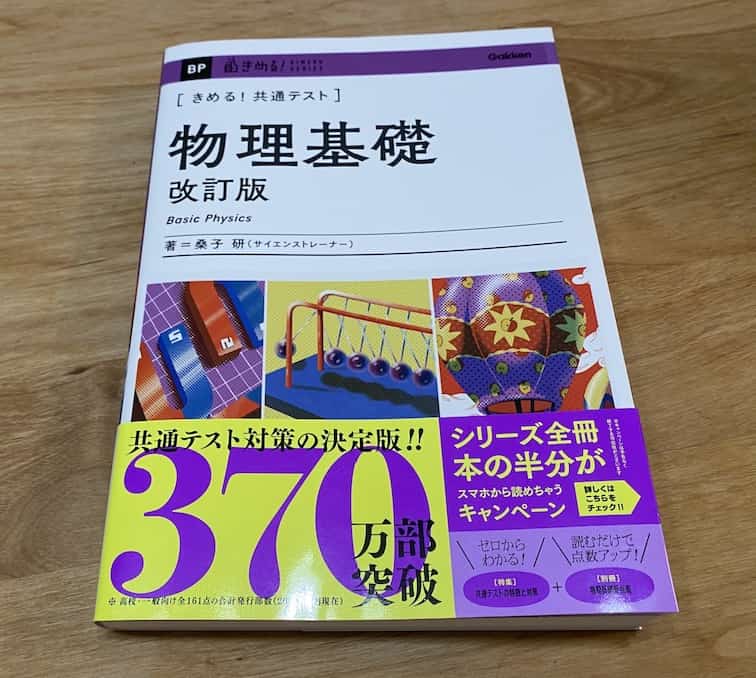
- 『きめる!共通テスト 物理基礎 改訂版』(学研)… 高校物理の参考書です。イラストを多くしてイメージが持てるように描きました。授業についていけない、物理が苦手、そんな生徒におすすめです。特設サイトはこちら。
各種SNS(更新情報をお届け!)
【日本語】X(Twitter)/instagram/Facebook 【英語】BlueSky/Threads
Explore
- 楽しい実験…お子さんと一緒に夢中になれるイチオシの科学実験を多数紹介しています。また、高校物理の理解を深めるための動画教材も用意しました。
- 理科の教材… 理科教師をバックアップ!授業の質を高め、準備を効率化するための選りすぐりの教材を紹介しています。
- Youtube…科学実験等の動画を配信しています。
- 科学ラジオ …科学トピックをほぼ毎日配信中!AI技術を駆使して作成した「耳で楽しむ科学」をお届けします。
- 講演 …全国各地で実験講習会・サイエンスショー等を行っています。
- About …「科学のネタ帳」のコンセプトや、運営者である桑子研のプロフィール・想いをまとめています。
- お問い合わせ …実験教室のご依頼、執筆・講演の相談、科学監修等はこちらのフォームからお寄せください。