Frozen in a Flash! Why Water Instantly Turns to Ice with a Tiny Shock — The Secret of Supercooling
I am Ken Kuwako, your Science Trainer. Every day is an experiment!
“What if the liquid in front of you froze instantly, like magic?”
Have you ever witnessed such a breathtaking sight? Transparent water transforming into crystals at the touch of a finger, as if time itself had stopped. In our science club, we took on the challenge of recreating this dramatic phenomenon known as supercooling.
Water is a mysterious substance that can remain liquid even when the temperature drops well below -10 degrees Celsius. The moment it snaps into ice with just a tiny nudge is so dramatic it gives me goosebumps every time. After much trial and error, we discovered a “secret recipe” using something you can find at any convenience store: sparkling water. I want you to experience the thrill of a successful experiment, so I’m sharing all the know-how right here!
Preparing for the Instant Freeze: The Science Club Method
The keys to successful supercooling are strict temperature control and total “serenity.” First, set up your experimental environment following these steps:
Put ice in a bag, crush it into small pieces, and spread it inside a highly insulated styrofoam box.
Add plenty of salt and a small amount of water to the ice, then stir. Salt lowers the melting point of ice, which allows the temperature of the mixture to drop to about -15 degrees Celsius (this is called freezing-point depression).
Gently place a bottle of sparkling water into the icy slush, being careful not to shake it.
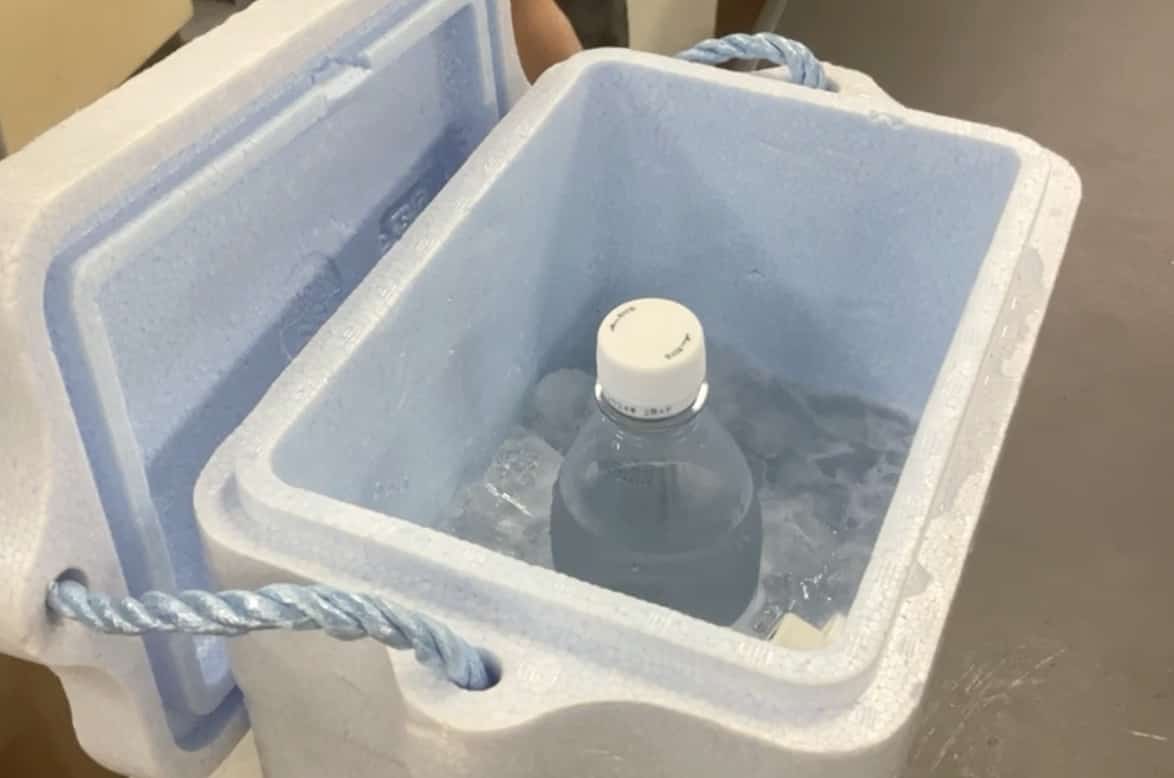
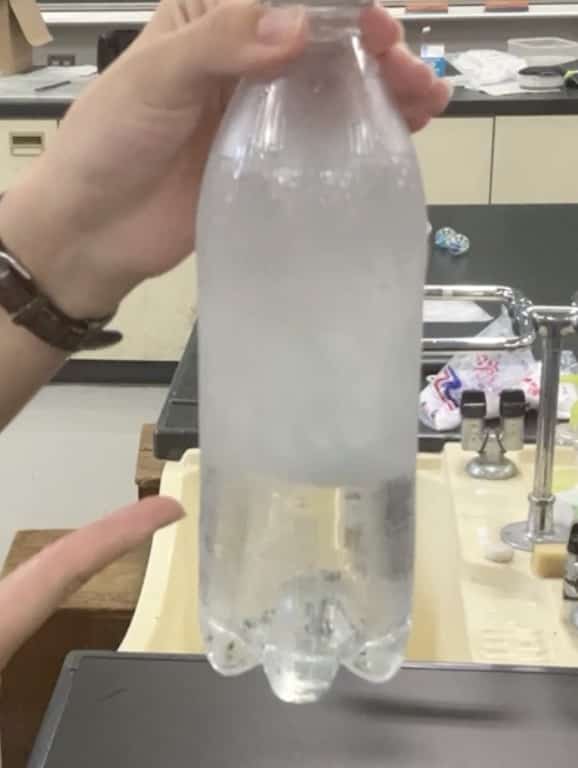
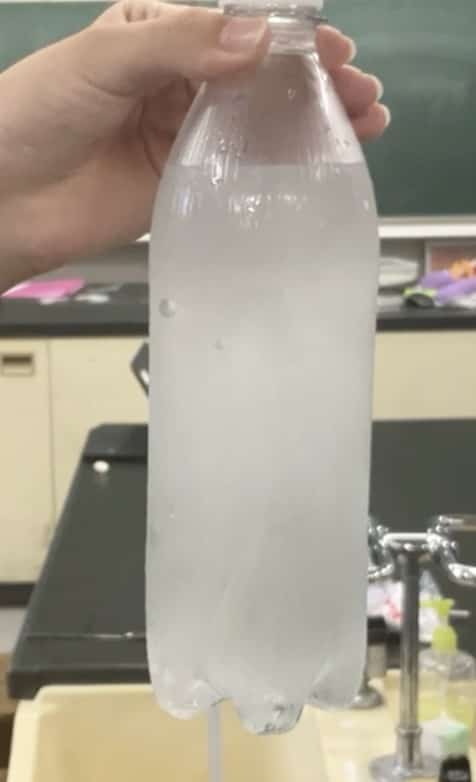
Now, leave it perfectly still for exactly 25 minutes. (If you wait 30 minutes, it usually starts freezing on its own, so 25 minutes is the golden ratio!) This “waiting time” is the crucial step where the water molecules lose their chance to freeze and continue to chill while remaining liquid. Once the time is up, take the bottle out very slowly—as if you’re holding your breath—and twist the cap. Then…?
Why Does It Freeze with a Pop?
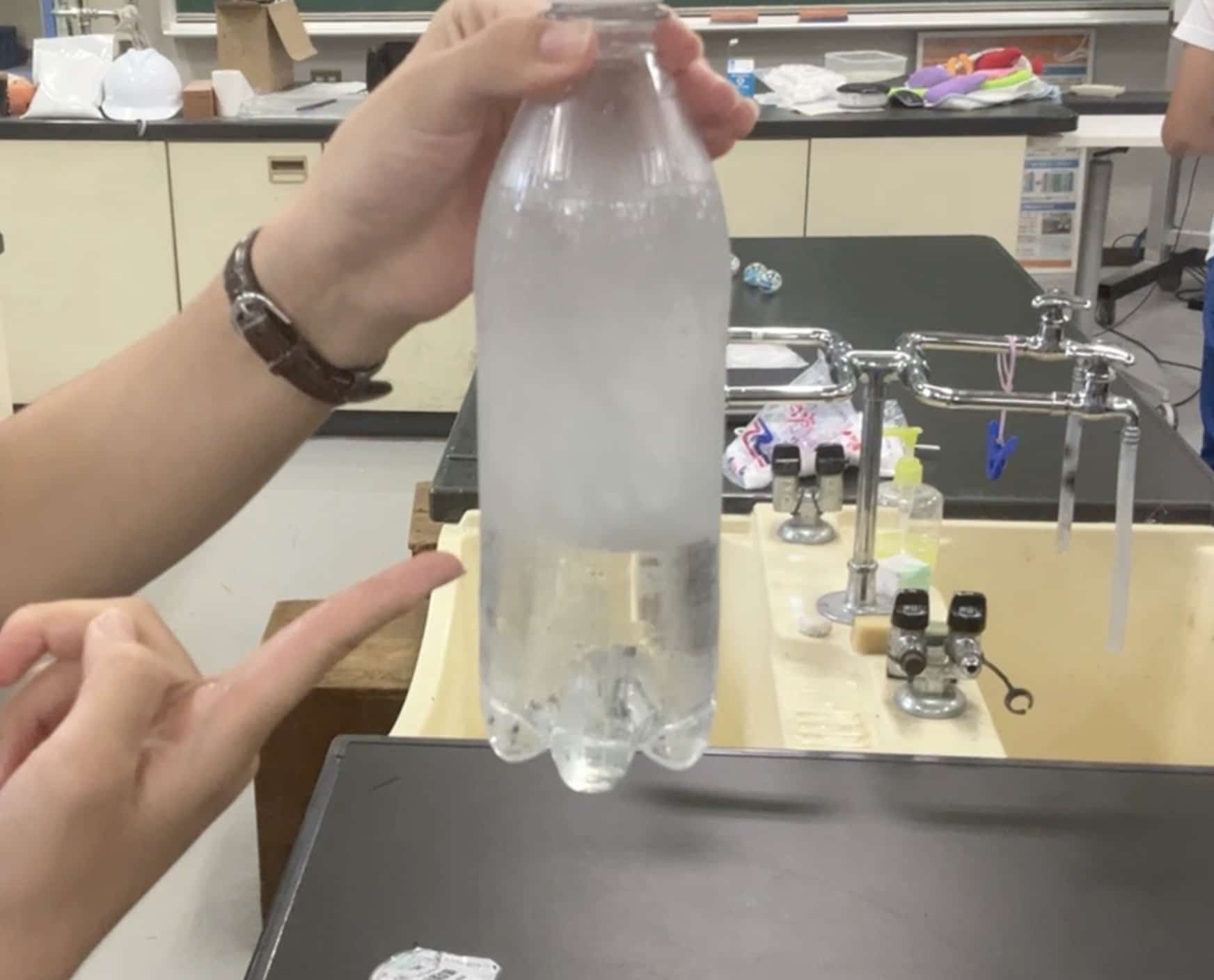
When you opened the cap, did you see a pillar of white ice racing through the bottle? In reality, supercooled water is in a state of “wanting to freeze but having no trigger to start.” It exists on a very unstable and delicate balance. While you can do this with regular water, there is a clever reason for using sparkling water. The moment you twist the cap, carbon dioxide bubbles burst forth, sending a powerful shockwave through the water molecules. This tiny vibration acts as the “trigger,” causing crystallization to spread instantly like a row of falling dominoes.
The Secret Power of Salt
We mixed salt with the ice during preparation. Why salt and not sugar? There’s a fascinating scientific connection here. When ice melts into water, it absorbs heat from its surroundings—this is called latent heat of fusion. Adding salt triggers a phenomenon called freezing-point depression, making the ice melt at high speed. As it is forced to melt, it robs a massive amount of heat from the environment, causing the temperature to plummet. If you mix salt and ice in a 1:3 ratio, the temperature can theoretically drop to -21 degrees Celsius! That’s as cold as a commercial home freezer.
Why Sugar Doesn’t Cut It: The Mystery of Particles
You might think, “Can’t I do the same with sugar?” While sugar will lower the temperature slightly, it doesn’t have the same punch as salt. The reason lies in the number of particles created when dissolved in water. When salt (sodium chloride) dissolves, it splits into two separate parts: a sodium ion and a chloride ion (this is called ionization). Sugar, on the other hand, stays as a single molecule. Even if you dissolve the same amount, salt provides more “particles that get in the way of the ice,” making it far more effective at lowering the temperature.
Survival Instincts: Why Winter Cabbage is So Sweet
The principle that “dissolving something in water makes it harder to freeze” is actually a secret hidden in our food. Do you know why winter cabbage tastes so sweet?
For vegetables like cabbage, having the water inside their cells freeze means “death,” because ice crystals would puncture and destroy the cell walls. To survive the cold, cabbage converts its stored starch into sugar and dissolves it into its cellular fluid. By turning itself into a sort of “thick sugar water,” it protects itself from freezing even in sub-zero temperatures. That sweetness we enjoy in winter vegetables is actually the taste of a plant’s desperate struggle to stay alive!
Failure is an Invitation to Science
As I mentioned at the start, our science club failed many, many times. A tiny vibration or a slight change in room temperature is enough to make the water freeze prematurely. But those failures sparked new discussions: “Let’s place it more gently next time” or “Let’s try lowering the temperature by one more degree.” There is a profound wonder in imagining invisible molecules battling the cold to align themselves into crystals. The beauty of a successful bottle is something you can only truly appreciate by trying it yourself. I hope you’ll get out there and feel the joy of science firsthand!
Check out this video of a perfect success we had another time. Pay close attention to the incredible speed!
Inquiries and Requests
Bringing the wonders of science closer to you! I’ve put together many fun experiments and tips you can try at home. Feel free to explore! ・The “Science Notes” are now a book! Details here ・About the creator, Ken Kuwako here ・For requests (writing, lectures, workshops, TV supervision, etc.) here ・Updates available on X (Twitter)!
 Experiment videos available on the Science Material Channel!
9月のイチオシ実験!
テレビ番組監修・イベント等のお知らせ
- 9月25日(金)21:00〜 かまいたちの瞬間回答!にて、科学監修を行いました。
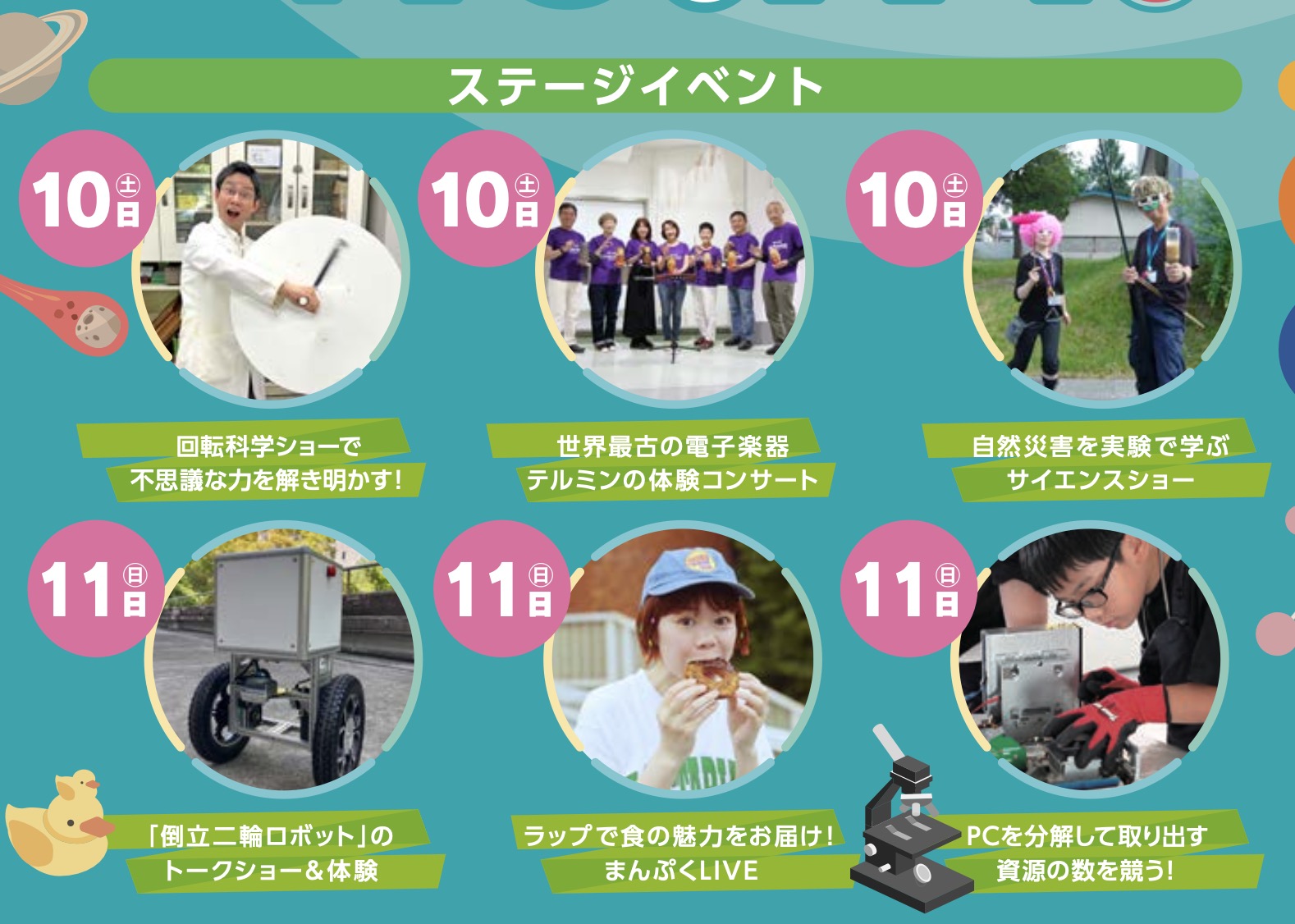
- 10月10日(土)11:15~12:00 千葉市科学フェスタ2026「桑子先生の回転科学ショー」にてサイエンスショーを行います。
- 12月26日(土) ナリカサイエンスアカデミー(教員向け実験講習会)開催
書籍のお知らせ
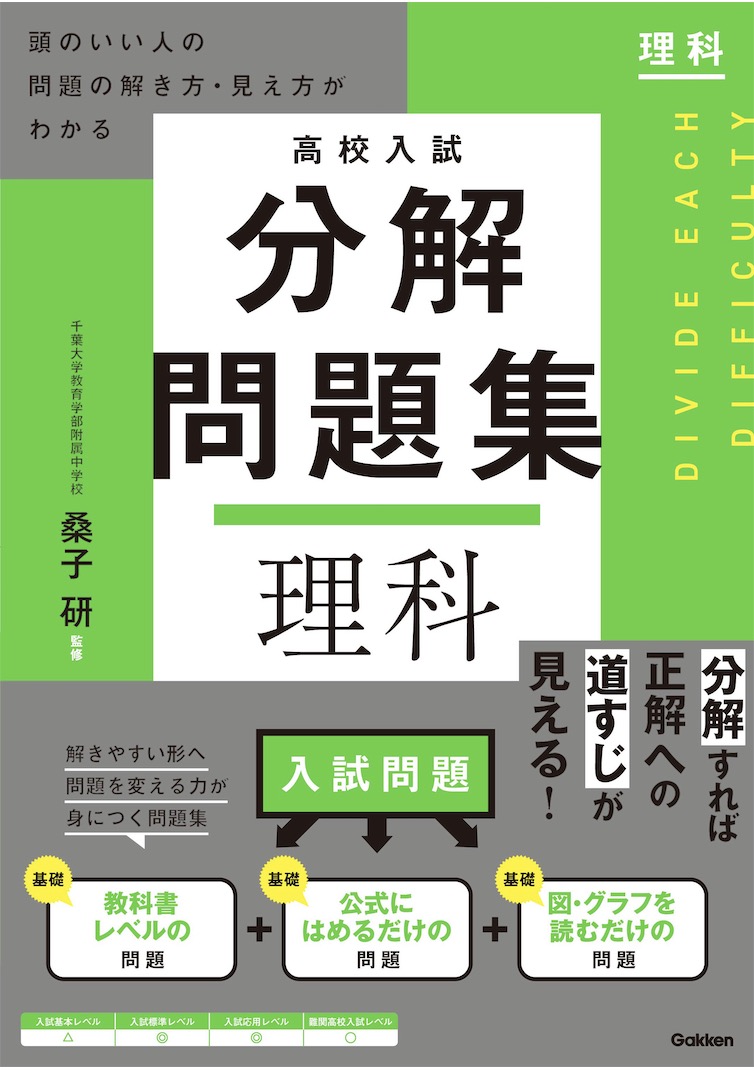
- 『高校入試 分解問題集 理科』(学研)…難しい問題も小さな問題に分解することで、問題を解くことができます。そんな分解の技術が身につくように深く関わりを持って作りました。
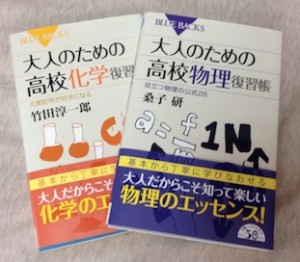
 『大人のための高校物理復習帳』(講談社)…一般向けに日常の物理について公式を元に紐解きました。特設サイトでは実験を多数紹介しています。※増刷がかかり6刷となりました(2026/02/01)
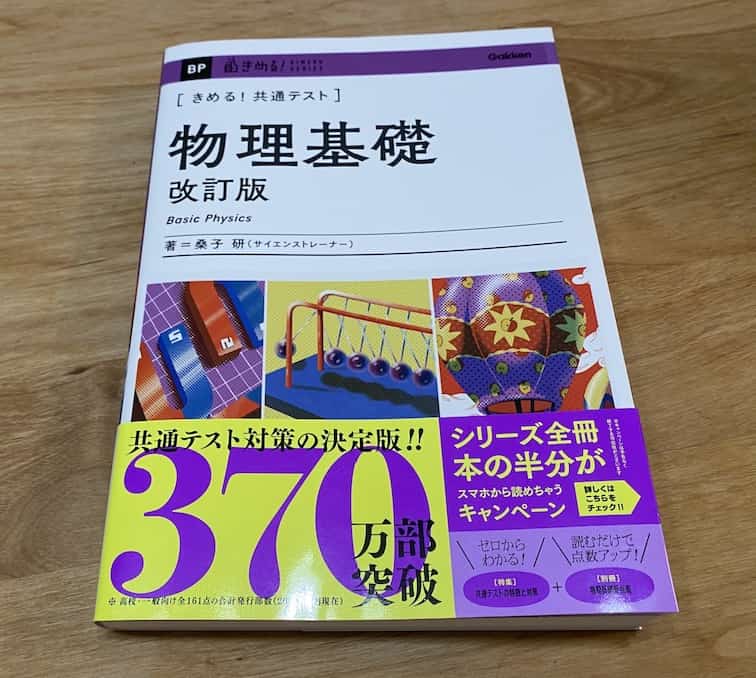
- 『きめる!共通テスト 物理基礎 改訂版』(学研)… 高校物理の参考書です。イラストを多くしてイメージが持てるように描きました。授業についていけない、物理が苦手、そんな生徒におすすめです。特設サイトはこちら。
各種SNS(更新情報をお届け!)
【日本語】X(Twitter)/instagram/Facebook 【英語】BlueSky/Threads
Explore
- 楽しい実験…お子さんと一緒に夢中になれるイチオシの科学実験を多数紹介しています。また、高校物理の理解を深めるための動画教材も用意しました。
- 理科の教材… 理科教師をバックアップ!授業の質を高め、準備を効率化するための選りすぐりの教材を紹介しています。
- Youtube…科学実験等の動画を配信しています。
- 科学ラジオ …科学トピックをほぼ毎日配信中!AI技術を駆使して作成した「耳で楽しむ科学」をお届けします。
- 講演 …全国各地で実験講習会・サイエンスショー等を行っています。
- About …「科学のネタ帳」のコンセプトや、運営者である桑子研のプロフィール・想いをまとめています。
- お問い合わせ …実験教室のご依頼、執筆・講演の相談、科学監修等はこちらのフォームからお寄せください。