Made by a Science Teacher! An Interactive Scratch Tool That Finally Makes Longitudinal & Transverse Waves Click
I am Ken Kuwako, your science trainer. Every day is an experiment!
Our world is absolutely flooded with waves—sound, light, earthquakes, and even the signals for your smartphone. However, it is a well-known fact that many students find physics suddenly difficult when they transition from studying mechanics to the world of waves.
This happens because you have to completely flip your perspective. You have to move away from the idea of an object physically traveling to a new location and instead embrace the concept that only the vibration (energy) is moving forward, while the material itself stays put.
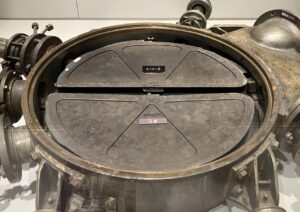
Today, I want to introduce some exhibits from the National Museum of Nature and Science and my own digital teaching tools that will help you intuitively grasp this world of waves. First, let’s observe the dynamic movement of actual waves.
The Secret of Transverse Waves: Dancing Bees
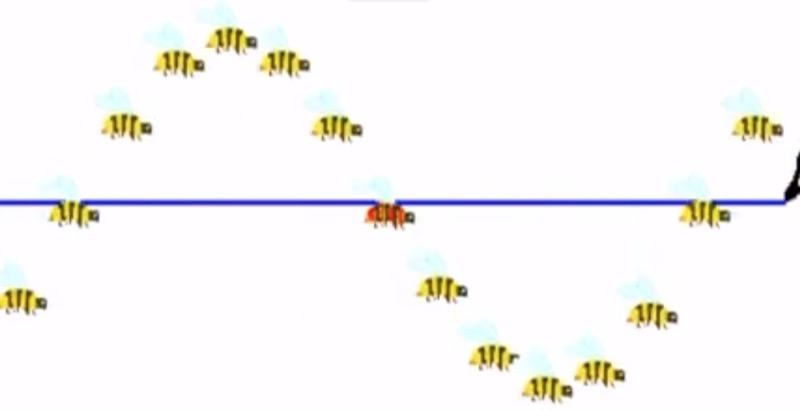
To help students visualize wave motion, I have been developing interactive tools using the programming language Scratch. I have published about 40 projects so far, and you can try them all for free on this site. Today, I want to show you one featuring bees that is perfect for beginners.
First, check out this tool for transverse waves.
The Transverse Wave Journey of the Bees
My favorite feature of this tool is the slow-motion button. When the wave travels to the right, you can clearly see that each individual bee is only moving up and down. Through the dance of these bees, you can really feel how the matter stays in place while only the energy is passed along to the next neighbor.
Solving the Mystery of Longitudinal Waves with Bee Faces
Next, let’s look at longitudinal waves (also known as compression waves), which often confuse students. Sound waves are a prime example. The struggle usually starts because we have a rule where we redraw these waves to look like transverse waves to make them easier to graph, which can be very disorienting.
Understanding Longitudinal Waves through Bee Directions
In this tool, I used the direction the bees are facing—left or right—to express the wave’s motion. By seeing which way the bees shift, you can instantly see where the air is compressed (crowded with bees) and where it is rarefied (the bees are sparse).
Mastering Graphs: Waves as Photos vs. Videos
The biggest hurdle in learning about waves is reading the graphs. It is essential to understand the difference between a snapshot of the wave’s shape at one moment (the y-x graph) and the recording of the vibration at a single point over time (the y-t graph).
Conquering Two Graphs Simultaneously
I am also preparing new tools for an even deeper understanding.
Drawing Waves One Stroke at a Time
Currently, I am planning to build a new slow-motion tool where a single pulse is released at the touch of a button. My goal is to create a way for students to perfectly grasp the relationship between wave speed, the movement of the medium (the bees), and wavelength by operating the simulation with their own hands.
Inquiries and Requests
Let’s make the wonders of science even more accessible! I have put together many fun experiments you can do at home and easy-to-understand tips for mastering them. Feel free to explore!
The Science Material Book is now available in print. See more here.
Learn more about the author, Ken Kuwako, here.
For requests regarding writing, lectures, workshops, or TV supervision/appearances, click here. – Follow me on X (formerly Twitter) for updates!
 Check out my experiment videos on the Science Material Channel!
9月のイチオシ実験!
お弁当箱をプラバンがわりにしてキーホルダーを作ろう!
テレビ番組監修・イベント等のお知らせ
- 8月27日(木)科学監修番組放送予定
- 9月20日(日)ダビンチマスターズ出演予定
- 10月10日(土)11:15~12:00 千葉市科学フェスタ2026「桑子先生の回転科学ショー」にてサイエンスショーを行います。
- 12月26日(土) ナリカサイエンスアカデミー(教員向け実験講習会)開催
書籍のお知らせ
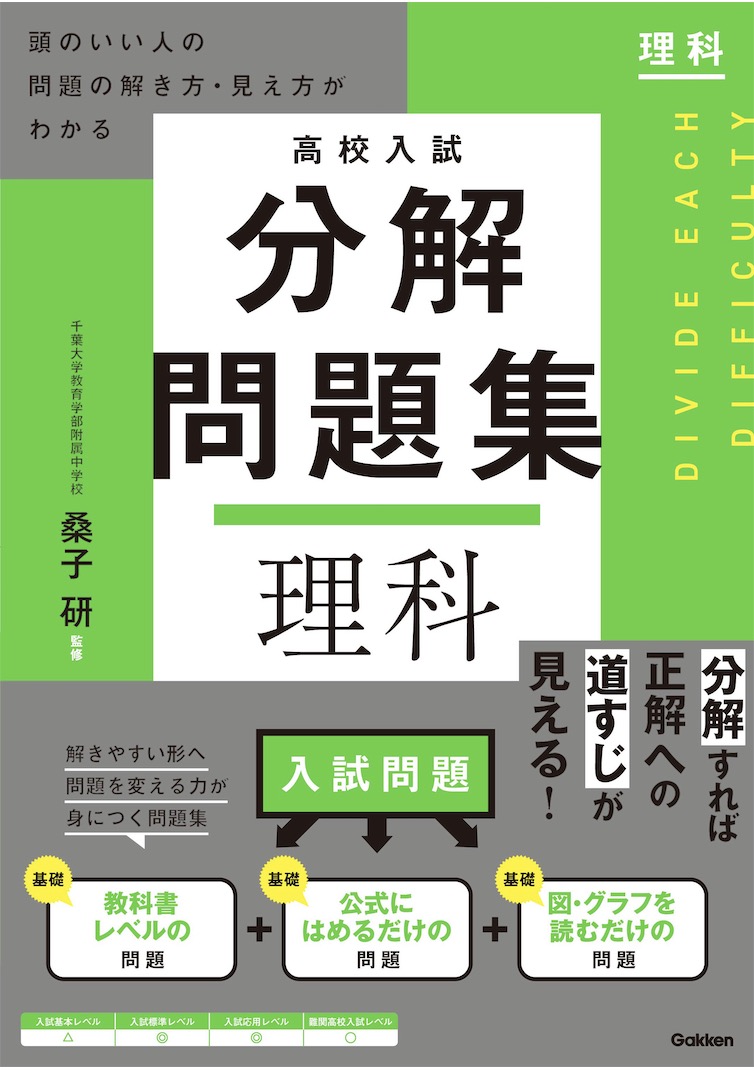
- 『高校入試 分解問題集 理科』(学研)…難しい問題も小さな問題に分解することで、問題を解くことができます。そんな分解の技術が身につくように深く関わりを持って作りました。
 『大人のための高校物理復習帳』(講談社)…一般向けに日常の物理について公式を元に紐解きました。特設サイトでは実験を多数紹介しています。※増刷がかかり6刷となりました(2026/02/01)

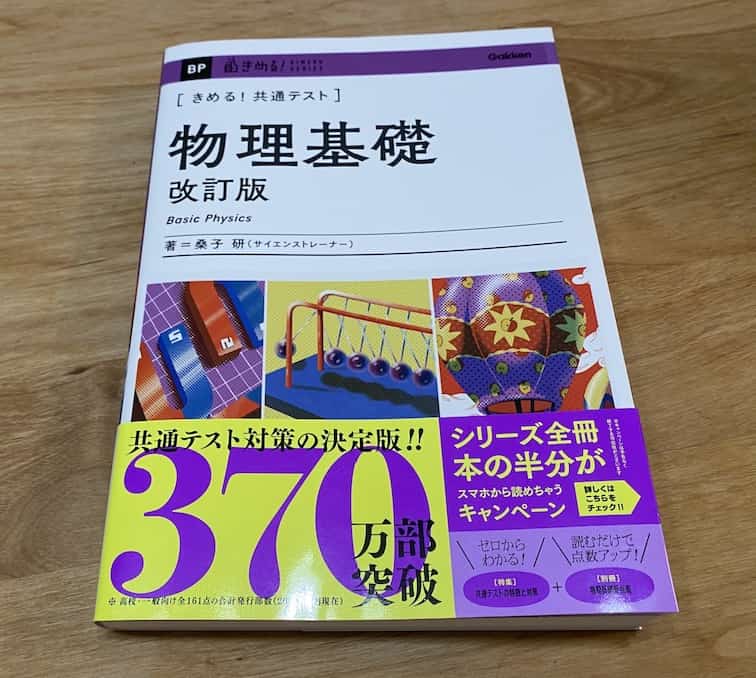
- 『きめる!共通テスト 物理基礎 改訂版』(学研)… 高校物理の参考書です。イラストを多くしてイメージが持てるように描きました。授業についていけない、物理が苦手、そんな生徒におすすめです。特設サイトはこちら。
各種SNS(更新情報をお届け!)
【日本語】X(Twitter)/instagram/Facebook 【英語】BlueSky/Threads
Explore
- 楽しい実験…お子さんと一緒に夢中になれるイチオシの科学実験を多数紹介しています。また、高校物理の理解を深めるための動画教材も用意しました。
- 理科の教材… 理科教師をバックアップ!授業の質を高め、準備を効率化するための選りすぐりの教材を紹介しています。
- Youtube…科学実験等の動画を配信しています。
- 科学ラジオ …科学トピックをほぼ毎日配信中!AI技術を駆使して作成した「耳で楽しむ科学」をお届けします。
- 講演 …全国各地で実験講習会・サイエンスショー等を行っています。
- About …「科学のネタ帳」のコンセプトや、運営者である桑子研のプロフィール・想いをまとめています。
- お問い合わせ …実験教室のご依頼、執筆・講演の相談、科学監修等はこちらのフォームからお寄せください。