A Secret Line on the Water! Discover Wave Magic Circles by Tossing Two Stones (Observing Wave Interference Patterns)
I am Ken Kuwako, your Science Trainer. To me, every day is an experiment.
Think about a shimmering river surface or a puddle after a rainstorm. Would you be surprised if I told you that distinct geometric patterns are hidden within those everyday sights? Our world is beautifully designed according to invisible “mathematical rules.” Today, I want to introduce an amazing experiment that reveals the “mischief of waves” hidden in our daily lives.
Observing Nature’s Canvas
Let’s take a look at how waves actually behave. In the ocean, waves are actually quite complex; as they approach the shore, the water becomes shallower, causing the waves in the back to catch up with those in the front, which makes them lose their shape.
To see a “pure” wave, let’s look at this wave-making machine at the National Museum of Nature and Science. You can see how waves created at a steady rhythm spread out with perfect regularity.
You can see the wave traveling smoothly and reflecting back from the edge. This is what a wave looks like in one dimension.
Nature’s Geometry: Wave Interference
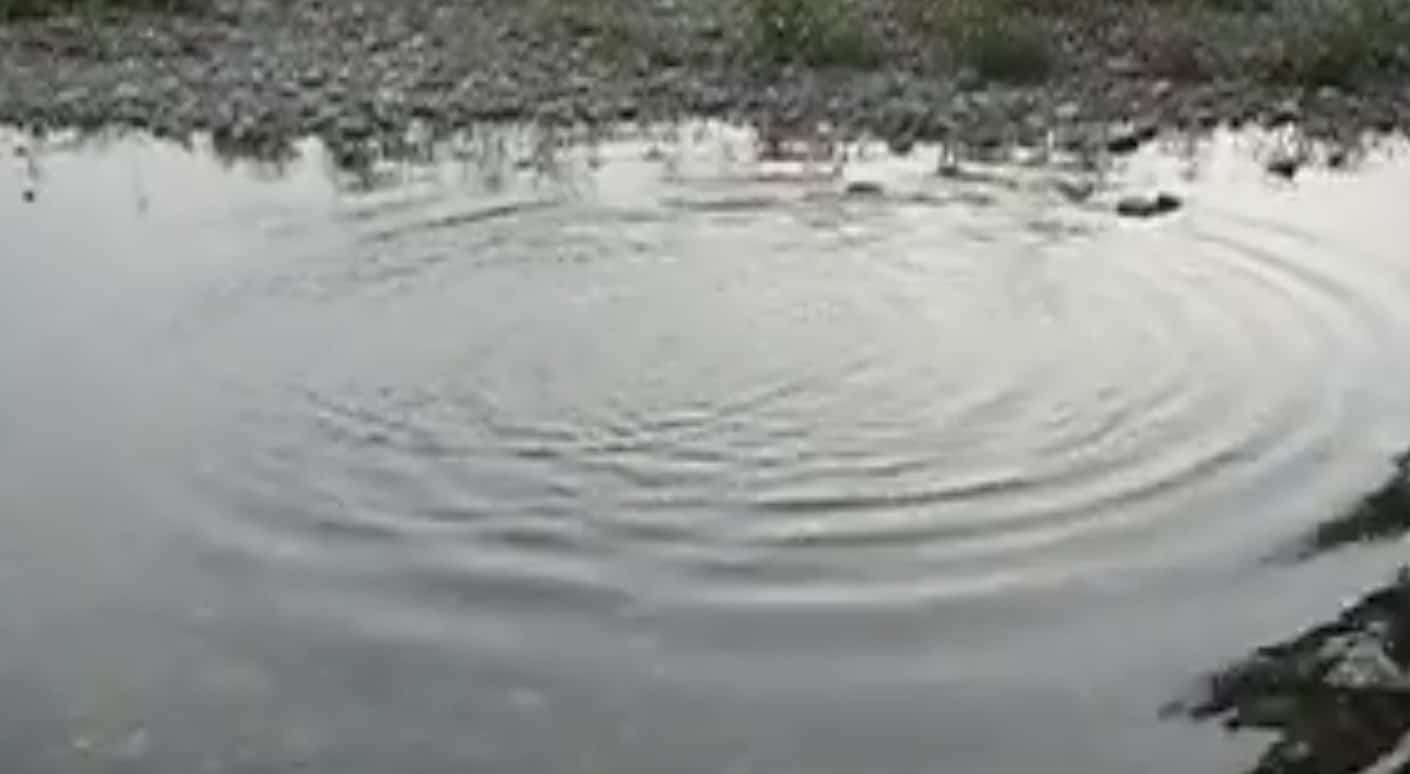
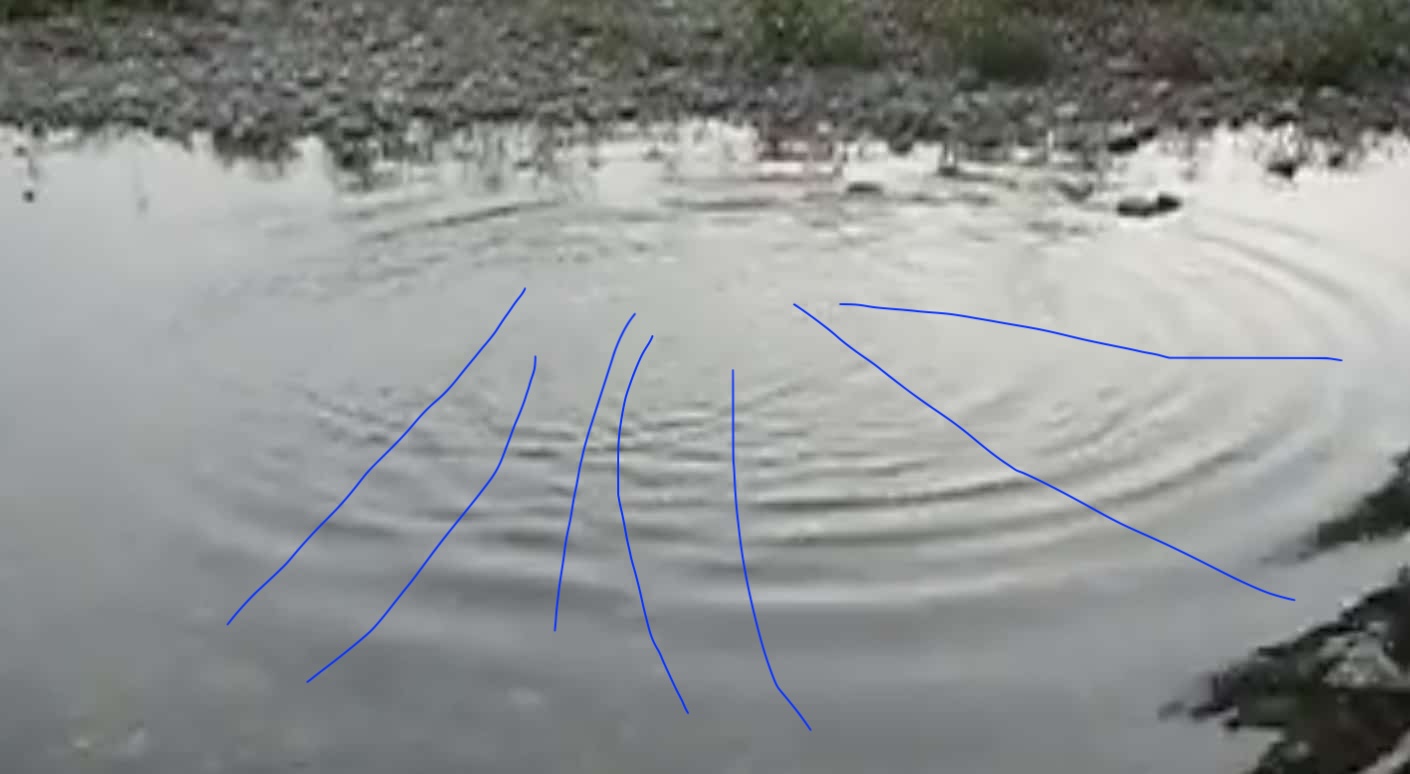
Next, let’s look at waves spreading across a surface—the two-dimensional view. When waves overlap, we can find something called interference patterns. Watch this video closely. It might be a little hard to see at first, but try staring at the water’s surface. Do you see “streaks” where the waves seem to cancel each other out and the water remains calm?
In physics, these lines are called hyperbolas of destructive interference. When two waves meet, if a “crest” and a “trough” overlap perfectly, they cancel each other out, and the water stops moving. When you connect those stationary points, they trace out these beautiful curves.
Gaining “Science Eyes” with a Dollar Store Find
I wanted to see these mysterious patterns even more clearly! So, I decided to build my own experimental device using a common household item.
I used this head massager.
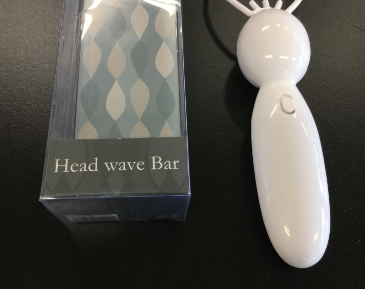
A product called the “Head Wave Bar” (I found it at a 300-yen shop).
When you turn it on, the motor vibrates five “fingers” rapidly. I had a sudden inspiration: “Could I use this to create multiple waves at once?” I rushed home and used a pair of nippers to cut off three of the fingers, leaving only two wave sources.
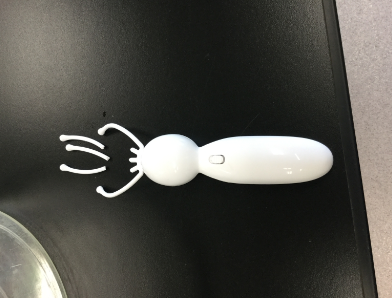
Then, I gently touched the vibrating tips to the surface of the water…
“Whoa, this is incredible!!”
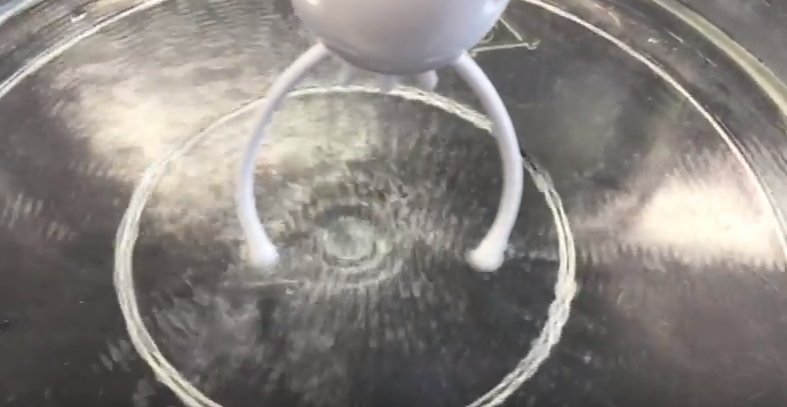
Take a look at this video. You can clearly see the perfect interference pattern created by the modified massager.
When people hear the word “physics,” they often tense up, imagining textbooks filled with intimidating formulas. But the core concept is actually very simple: “When two waves collide, they either grow larger by boosting each other or disappear by canceling each other out.” That is all there is to it.
I remember filming waves at a riverbank with my students. When the phenomenon they thought only existed in textbooks suddenly appeared right before their eyes in nature, I saw their eyes light up.
I encourage you to try this the next time you go to a river or a pond. It is simple: just toss two stones into the water at the same time. When the circular waves from the two spots meet, a mysterious striped pattern will emerge. To be honest, children are often better at finding these hidden mathematical wonders of daily life than adults are. Perhaps the rules that shape our world are most visible to those with curious, unbiased eyes.
Want to learn more? The World of Mathematical Curves
If this phenomenon excites you and you want to find more hidden wonders, I highly recommend this “Mathematical Curves in Daily Life DVD-Book.”
It is packed with the secrets of science hidden in nature, from the arrangement of sunflower seeds to the curves of a water fountain. You will be amazed to see how beautifully the world is “calculated.” If you are interested, please check it out!
Mathematical Curves in Daily Life (Amazon)
Inquiries and Requests
Bringing the wonder and fun of science closer to you! I have compiled many fun science experiments you can do at home, along with easy-to-understand tips. Feel free to explore!
My “Science Notebook” content is now a book! Details here
Learn more about the operator, Ken Kuwako, here
For various requests (writing, lectures, science workshops, TV supervision, etc.), click here – Follow me on X (Twitter) for updates!
 Check out experiment videos on the Science Material Channel!
9月のイチオシ実験!
お弁当箱をプラバンがわりにしてキーホルダーを作ろう!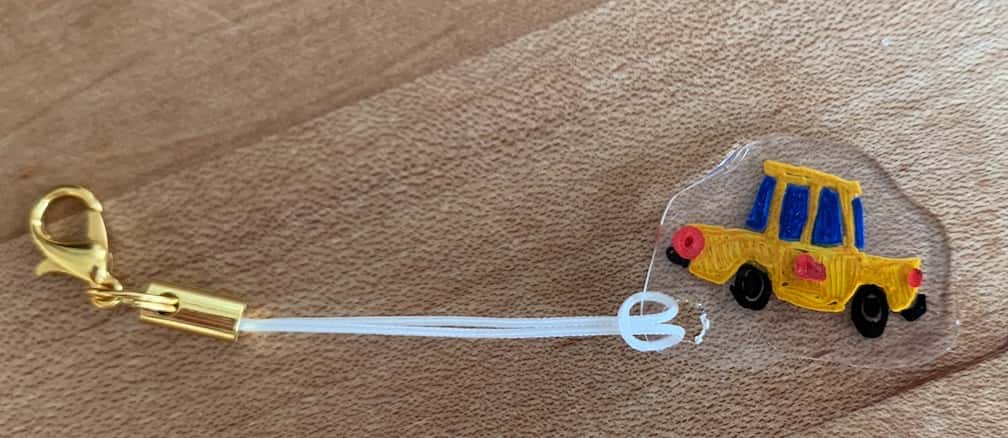
テレビ番組監修・イベント等のお知らせ
- 8月27日(木)科学監修番組放送予定
- 9月20日(日)ダビンチマスターズ出演予定
- 10月10日(土)11:15~12:00 千葉市科学フェスタ2026「桑子先生の回転科学ショー」にてサイエンスショーを行います。
- 12月26日(土) ナリカサイエンスアカデミー(教員向け実験講習会)開催
書籍のお知らせ
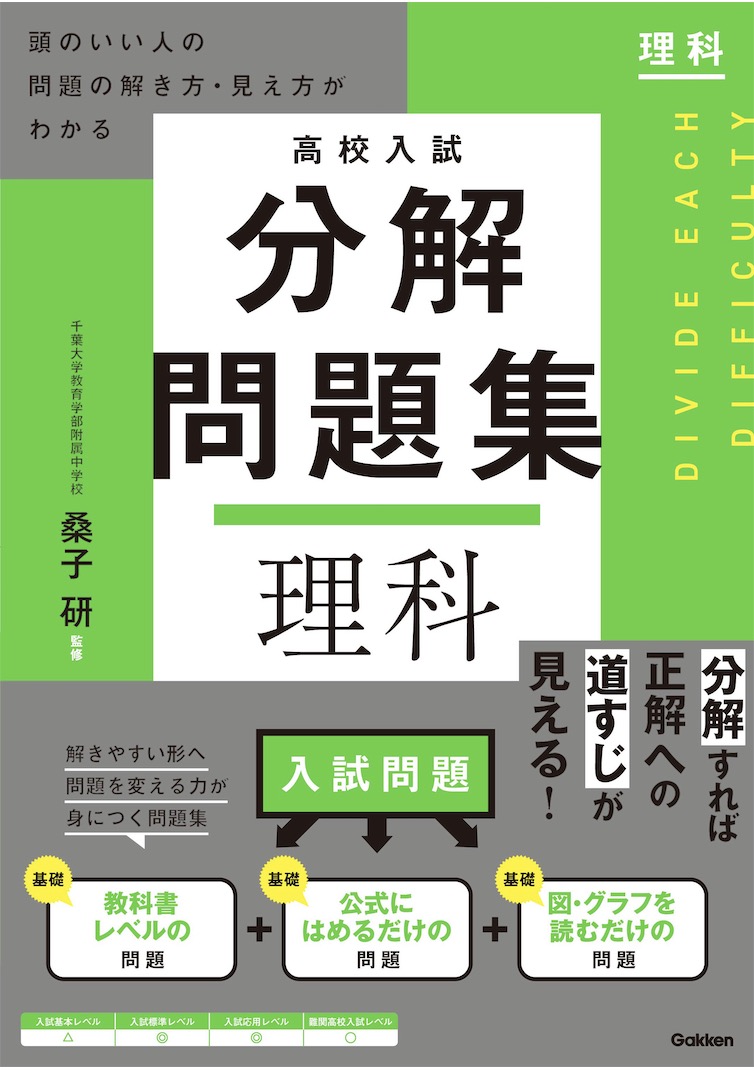
- 『高校入試 分解問題集 理科』(学研)…難しい問題も小さな問題に分解することで、問題を解くことができます。そんな分解の技術が身につくように深く関わりを持って作りました。
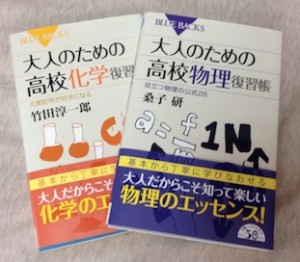
 『大人のための高校物理復習帳』(講談社)…一般向けに日常の物理について公式を元に紐解きました。特設サイトでは実験を多数紹介しています。※増刷がかかり6刷となりました(2026/02/01)
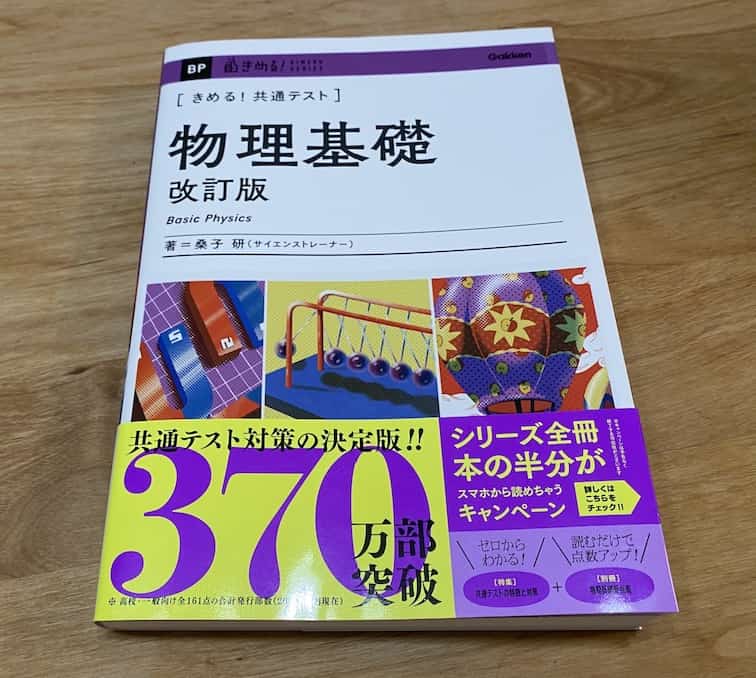
- 『きめる!共通テスト 物理基礎 改訂版』(学研)… 高校物理の参考書です。イラストを多くしてイメージが持てるように描きました。授業についていけない、物理が苦手、そんな生徒におすすめです。特設サイトはこちら。
各種SNS(更新情報をお届け!)
【日本語】X(Twitter)/instagram/Facebook 【英語】BlueSky/Threads
Explore
- 楽しい実験…お子さんと一緒に夢中になれるイチオシの科学実験を多数紹介しています。また、高校物理の理解を深めるための動画教材も用意しました。
- 理科の教材… 理科教師をバックアップ!授業の質を高め、準備を効率化するための選りすぐりの教材を紹介しています。
- Youtube…科学実験等の動画を配信しています。
- 科学ラジオ …科学トピックをほぼ毎日配信中!AI技術を駆使して作成した「耳で楽しむ科学」をお届けします。
- 講演 …全国各地で実験講習会・サイエンスショー等を行っています。
- About …「科学のネタ帳」のコンセプトや、運営者である桑子研のプロフィール・想いをまとめています。
- お問い合わせ …実験教室のご依頼、執筆・講演の相談、科学監修等はこちらのフォームからお寄せください。