Can’t See It in the Textbook? A Circular Motion Tool That Makes Velocity and Acceleration Directions Instantly Clear
I’m Ken Kuwako, your Science Trainer. To me, every day is an experiment.
Think about the spinning teacups at an amusement park, the moon drifting through the night sky, or even your clothes tumbling in the washing machine. Our world is absolutely full of circular motion—things going round and round. However, as soon as we try to study this common movement in a physics classroom, it suddenly feels incredibly complicated, doesn’t it?
Angular velocity, frequency, periods… trying to grasp the essence of such dynamic movement using only the static diagrams and equations in a textbook is a tough challenge. To bridge that gap, I’ve developed a special teaching tool designed to unlock the mysteries of circular motion for students and teachers alike.
Why is Circular Motion So Hard to Teach?
When teaching “uniform circular motion,” the biggest hurdle for both teachers and students is visualization. Because the direction of travel is constantly changing, explaining the orientation of velocity and acceleration using only a chalkboard or verbal descriptions often leaves people feeling lost.
To solve this, I created a simulation that is simple yet hits all the essential points. First, take a look at this video to see it in action:
A System for Intuitively Understanding Vectors
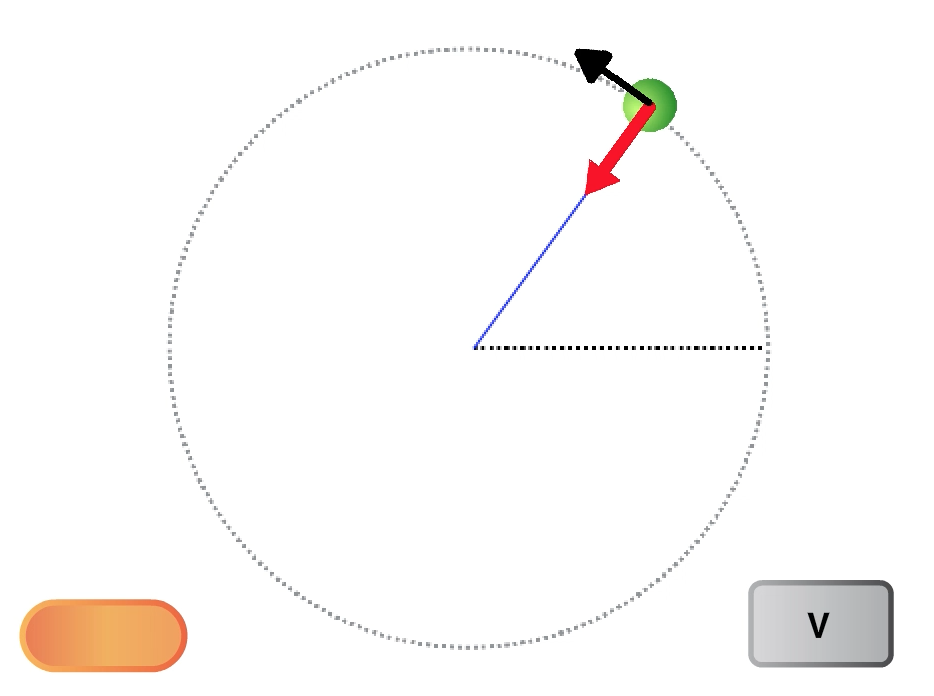
With this tool, you can observe a ball moving in a circle in real-time. The key feature isn’t just the rotation—it’s the display of two crucial arrows that represent the physics at play.
The black arrow represents the ball’s velocity, which always points along the tangent of the circle. Meanwhile, the red arrow represents acceleration (centripetal force), which consistently points directly toward the center of the circle.
One of the biggest “stumbling blocks” in physics is the question: “If the speed is constant, why is there acceleration?” By using this simulator, you can see for yourself that because the direction is constantly changing, acceleration is occurring. It makes the abstract concept visually undeniable.
Features Designed for the Classroom
I specifically kept the design minimal to ensure it’s practical for actual lessons. Here are the main functions:
・ Speed Toggle: You can speed up the ball’s rotation with a single click. ・ Pause/Stop Button: Use the button in the bottom left to freeze the action instantly.
For example, when explaining angular velocity (ω), it is incredibly effective to stop the ball at a specific point and ask the students, “At this exact moment, which way is the ball trying to go?”
The Joy of Connecting the Scientific Dots
Mastering circular motion is a vital stepping stone toward understanding simple harmonic motion and the universal gravitation that governs the stars and planets. Seeing how an invisible “centripetal force” keeps an object tethered to its orbit helps us appreciate the hidden order of our universe.
I hope you find this tool useful in your daily studies or classroom lessons. Next time, I’m planning to take on the challenge of creating a tool for “simple harmonic motion,” which is closely related to this topic. Stay tuned!
Inquiries and Requests
Let’s make the wonders of science more accessible! I’ve put together a collection of fun experiments you can try at home and tips on how to make them work. Feel free to explore!
・ My “Science Notebook” content is now a book! Details here. ・ Learn more about Ken Kuwako here. ・ For various requests (writing, lectures, science workshops, TV supervision/appearances, etc.), click here. ・ Follow me on X (Twitter) for updates!
 Check out my experiment videos on the Science Material Channel!
9月のイチオシ実験!
お弁当箱をプラバンがわりにしてキーホルダーを作ろう!
テレビ番組監修・イベント等のお知らせ
- 8月27日(木)科学監修番組放送予定
- 9月20日(日)ダビンチマスターズ出演予定
- 10月10日(土)11:15~12:00 千葉市科学フェスタ2026「桑子先生の回転科学ショー」にてサイエンスショーを行います。
- 12月26日(土) ナリカサイエンスアカデミー(教員向け実験講習会)開催
書籍のお知らせ
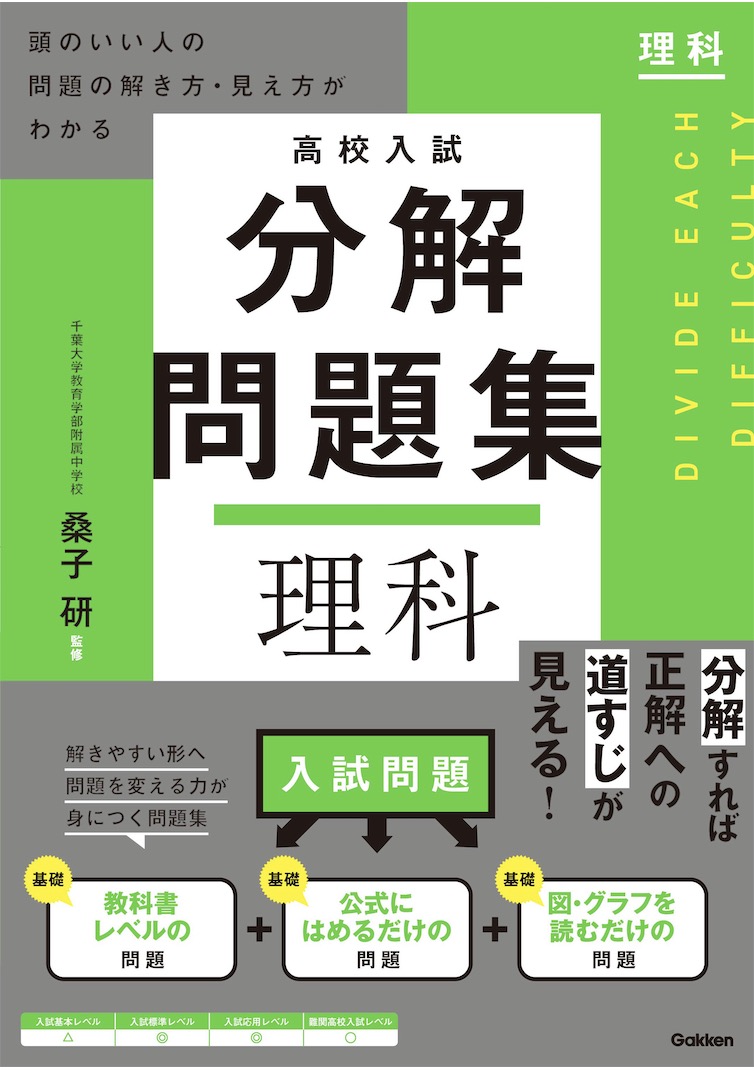
- 『高校入試 分解問題集 理科』(学研)…難しい問題も小さな問題に分解することで、問題を解くことができます。そんな分解の技術が身につくように深く関わりを持って作りました。
 『大人のための高校物理復習帳』(講談社)…一般向けに日常の物理について公式を元に紐解きました。特設サイトでは実験を多数紹介しています。※増刷がかかり6刷となりました(2026/02/01)

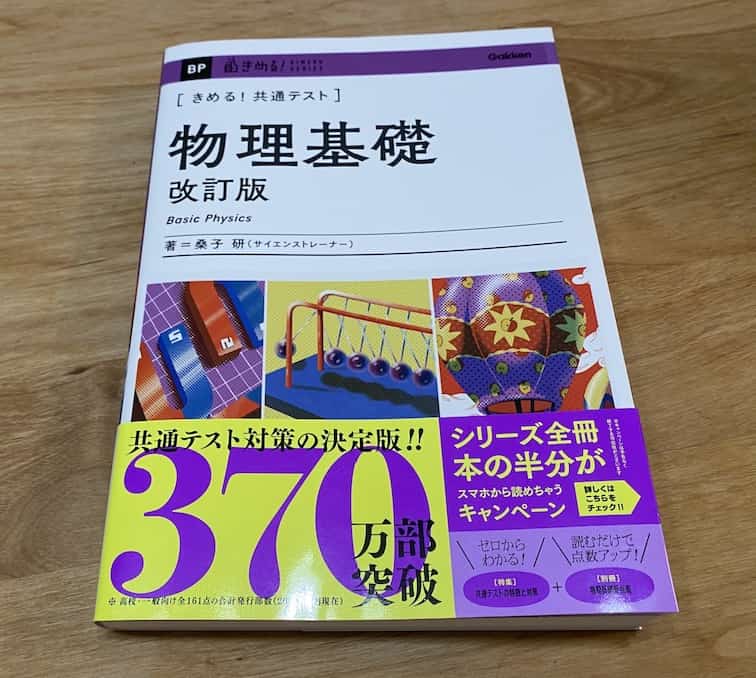
- 『きめる!共通テスト 物理基礎 改訂版』(学研)… 高校物理の参考書です。イラストを多くしてイメージが持てるように描きました。授業についていけない、物理が苦手、そんな生徒におすすめです。特設サイトはこちら。
各種SNS(更新情報をお届け!)
【日本語】X(Twitter)/instagram/Facebook 【英語】BlueSky/Threads
Explore
- 楽しい実験…お子さんと一緒に夢中になれるイチオシの科学実験を多数紹介しています。また、高校物理の理解を深めるための動画教材も用意しました。
- 理科の教材… 理科教師をバックアップ!授業の質を高め、準備を効率化するための選りすぐりの教材を紹介しています。
- Youtube…科学実験等の動画を配信しています。
- 科学ラジオ …科学トピックをほぼ毎日配信中!AI技術を駆使して作成した「耳で楽しむ科学」をお届けします。
- 講演 …全国各地で実験講習会・サイエンスショー等を行っています。
- About …「科学のネタ帳」のコンセプトや、運営者である桑子研のプロフィール・想いをまとめています。
- お問い合わせ …実験教室のご依頼、執筆・講演の相談、科学監修等はこちらのフォームからお寄せください。