Why Do Ships Float? Explore the World of Buoyancy with a Simple Water-Pressure Experiment Device
Science Trainer Ken Kuwako here. Every day is an experiment.
Have you ever experienced that ringing in your ears or that feeling of being squeezed when you dive deep into a pool? That’s the force of water pushing against an object—what we call “water pressure.” But since this force is invisible, it’s surprisingly hard to grasp just by looking at diagrams and arrows in a textbook. Today, I’m going to introduce a super cost-effective piece of equipment that will “visualize” this unseen pressure and even uncover the secret behind “buoyancy.”
Cheap and Highly Effective! The Secret Tool to Visualize Water Pressure
The secret weapon I’m sharing with you today is a hidden gem from the science classroom: the “Simple Water Pressure Demonstrator.”
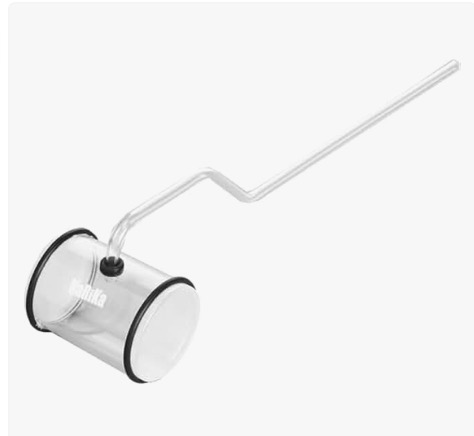
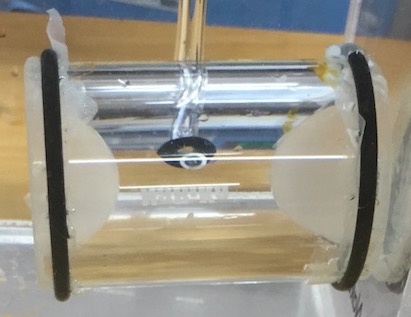
It’s featured on science material sites like Narika, but its design is extremely straightforward: a clear plastic cylinder with a soft rubber membrane stretched over each side. You might wonder, “That’s it?” Yet, its very simplicity allows us to see the laws of nature with perfect clarity.
Using it is a breeze. Just fill a container with water and slowly lower the device in.
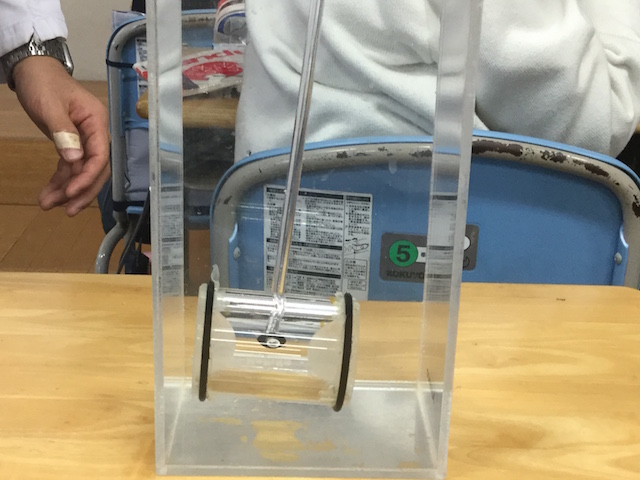
As you submerge it, the water pressure on both sides pushes the rubber membranes inward, causing a noticeable dent. This instantly makes it clear to everyone that “objects underwater are subjected to pressure acting horizontally.”
The Fun Part: Rotate It to Uncover the Secret of Buoyancy
Next, this is where this simple device truly excels: let’s rotate the cylinder 90 degrees while it’s submerged.
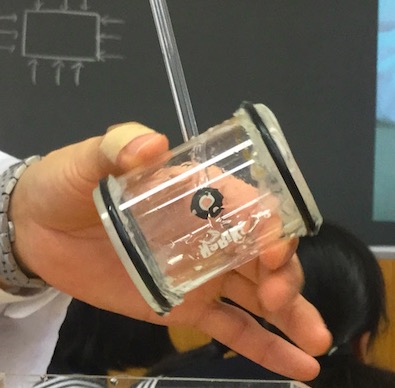
This allows us to observe pressure acting not just horizontally, but vertically as well.
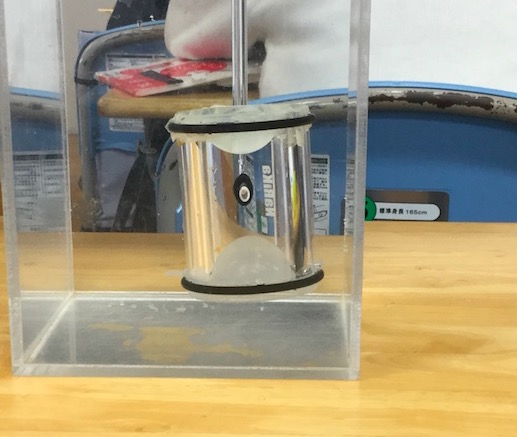
As you can see, pressure is acting both up and down. This confirms that objects underwater are subjected to water pressure from all sides. Now, compare the indentation of the top and bottom membranes very carefully. You should notice that the bottom rubber membrane is dented more significantly than the top one.
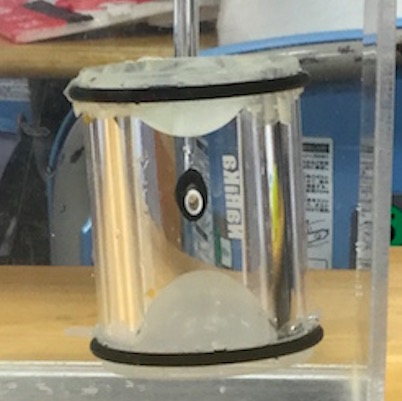
This happens because water pressure increases proportionally with “depth.” The bottom face, being deeper in the water, is being pushed by a much stronger force. This very phenomenon leads us to a key law of physics. What is the result when you combine the weaker downward push from the top with the stronger upward push from the bottom? Exactly! You are left with a net “upward force.”
This, my friends, is the true nature of buoyancy! “Buoyancy equals the net force of water pressure.” Explaining it this way makes the concept instantly intuitive, even for middle schoolers. The big mystery of “Why do massive ships float?” can be solved by this one simple device.
Contact and Booking
My goal is to bring the fun and wonder of science closer to everyone! I’ve put together easy-to-follow guides on fun science experiments you can do at home, along with useful tips. Feel free to explore!
・The content of my science blog, Kagaku no Netacho, is now available in a book. Find out more here ・Meet the blog administrator, Ken Kuwako: Click here ・For all requests (writing, lectures, workshops, TV consulting, appearances, etc.): Click here ・Article updates are posted on X!
 Check out my experiment videos on the Science Net Channel!
9月のイチオシ実験!
お弁当箱をプラバンがわりにしてキーホルダーを作ろう!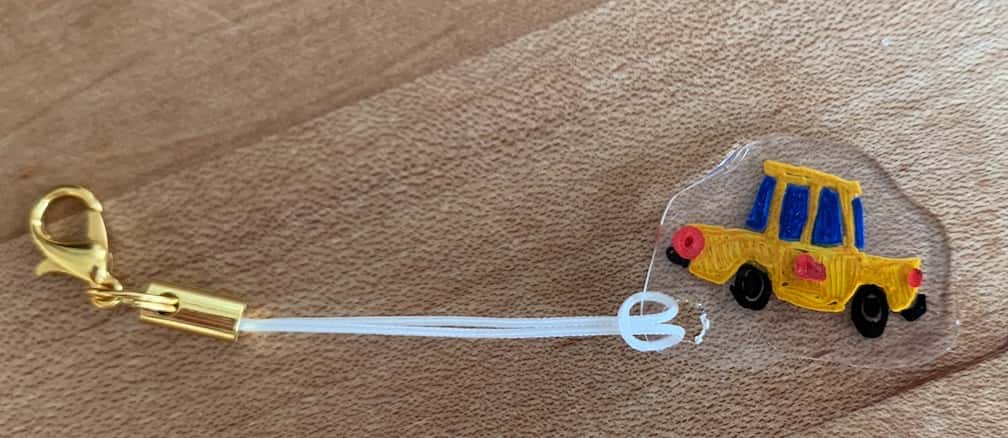
テレビ番組監修・イベント等のお知らせ
- 8月27日(木)科学監修番組放送予定
- 9月20日(日)ダビンチマスターズ出演予定
- 10月10日(土)11:15~12:00 千葉市科学フェスタ2026「桑子先生の回転科学ショー」にてサイエンスショーを行います。
- 12月26日(土) ナリカサイエンスアカデミー(教員向け実験講習会)開催
書籍のお知らせ
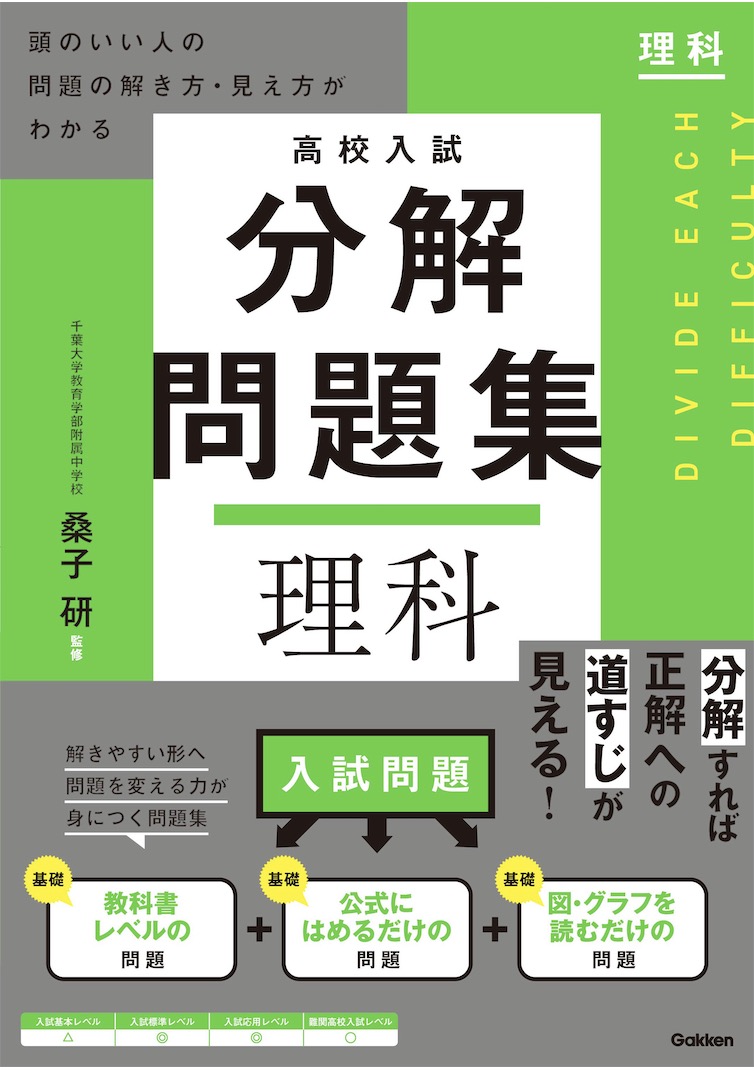
- 『高校入試 分解問題集 理科』(学研)…難しい問題も小さな問題に分解することで、問題を解くことができます。そんな分解の技術が身につくように深く関わりを持って作りました。
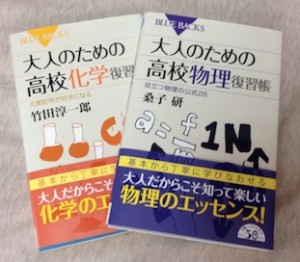
 『大人のための高校物理復習帳』(講談社)…一般向けに日常の物理について公式を元に紐解きました。特設サイトでは実験を多数紹介しています。※増刷がかかり6刷となりました(2026/02/01)
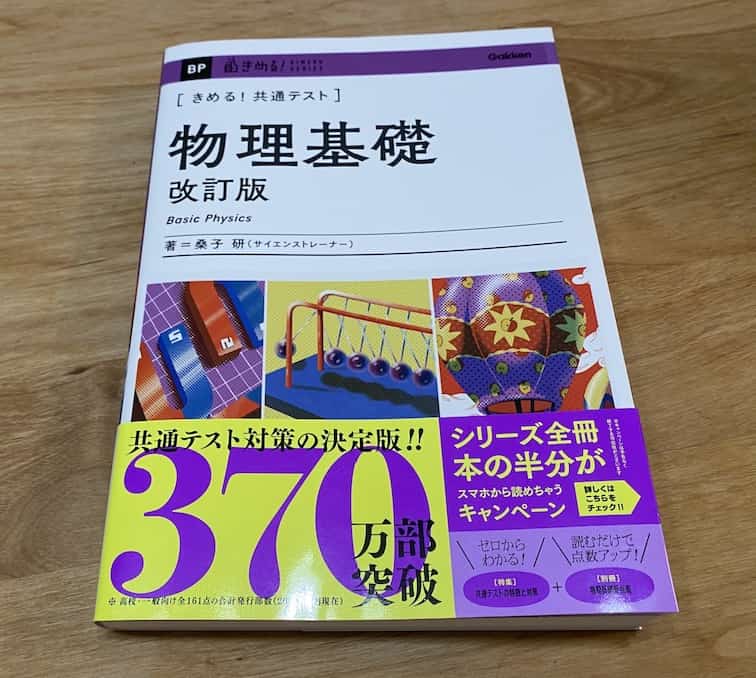
- 『きめる!共通テスト 物理基礎 改訂版』(学研)… 高校物理の参考書です。イラストを多くしてイメージが持てるように描きました。授業についていけない、物理が苦手、そんな生徒におすすめです。特設サイトはこちら。
各種SNS(更新情報をお届け!)
【日本語】X(Twitter)/instagram/Facebook 【英語】BlueSky/Threads
Explore
- 楽しい実験…お子さんと一緒に夢中になれるイチオシの科学実験を多数紹介しています。また、高校物理の理解を深めるための動画教材も用意しました。
- 理科の教材… 理科教師をバックアップ!授業の質を高め、準備を効率化するための選りすぐりの教材を紹介しています。
- Youtube…科学実験等の動画を配信しています。
- 科学ラジオ …科学トピックをほぼ毎日配信中!AI技術を駆使して作成した「耳で楽しむ科学」をお届けします。
- 講演 …全国各地で実験講習会・サイエンスショー等を行っています。
- About …「科学のネタ帳」のコンセプトや、運営者である桑子研のプロフィール・想いをまとめています。
- お問い合わせ …実験教室のご依頼、執筆・講演の相談、科学監修等はこちらのフォームからお寄せください。