Marbles Are High-Performance Lenses! Discover How Light and the Eye Really Work with a Simple Marble
I’m Ken Kuwako, your Science Trainer. Every day is an experiment!
The Marble Lens Experiment
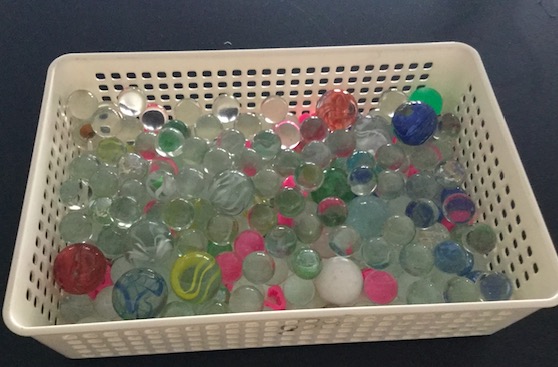
All you need for this experiment is a clear, transparent marble (one per person is best). In school settings, I buy them in bulk for students. The fact that it’s so inexpensive is part of what makes this experiment great!
Experiment 1: Focusing Light to Create a “Real Image”
First, place the marble on a white piece of paper and then lift it up just slightly. If you do this under a bright light source, like a fluorescent ceiling fixture, you’ll find a spot where the light passing through the marble is projected onto the paper.
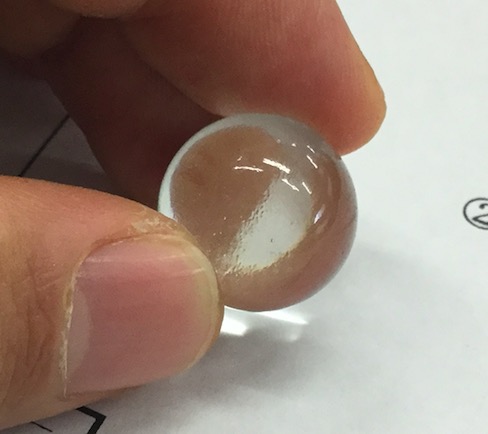
It’s a little hard to tell from this photo, but the fluorescent light is projected onto the paper.
While it was tricky to photograph, if you look closely with your eye, you can clearly see the shape of the light fixture floating on the paper. This is what we call a real image. Because the marble is a sphere, it acts like a very powerful convex lens. By concentrating the light to a single point, it brings the image of the distant light fixture into focus on the paper. This is the exact same principle that allows our eyes and cameras to capture images.
Experiment 2: The Magnifying Glass Effect
Next, press the marble flat onto some printed text. This time, the marble transforms into a magnifying glass (or loupe).
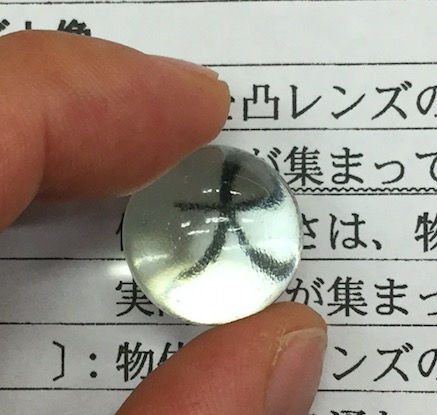
Look at that! The character dai (大) is magnified about four times! When we view an object up close through a lens, we see what is called a virtual image, which is an enlarged version of the object. Reading glasses and microscopes use this very same property.
Experiment 3: The World Turns Upside Down – The “Inverted Real Image”
Finally, slowly lift the marble straight up, keeping it over the text. The moment you cross a certain height, something strange happens.
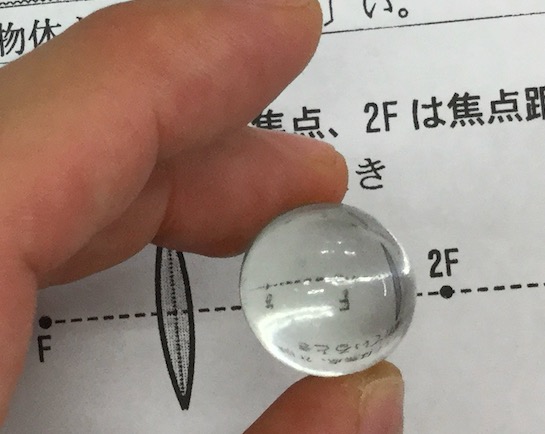
Did you notice? The text is now flipped both vertically and horizontally! The letter “F” in the image is completely inverted. When the lens (the marble) is moved a certain distance away from the object, the light rays cross paths, causing the image to appear flipped.
In fact, the images projected onto the retina in our own eyes are naturally upside-down as well. Our brain instantly corrects this, which is why we perceive the world as upright. It’s amazing that a single marble can demonstrate the mechanics of the human eye! When I hand these out to students, they all get engrossed in peering through them and playing. I truly believe that this kind of “play” is the doorway to an interest in science. Marbles are affordable when bought in bulk, so please try this out in your classrooms or at home!
Contact and Requests
Explore the wonders and fun of science right at your fingertips! I’ve put together easy-to-understand explanations of fun science experiments you can do at home, along with tips and tricks. Feel free to search around!
The content of the Science Notebook has been turned into a book. Learn more here
To learn about the operator, Ken Kuwako, click here
For various requests (writing, lectures, experiment workshops, TV supervision, appearances, etc.), click here * Updates are available on X!
 We stream experiment videos on the Science Neta Channel!
9月のイチオシ実験!
お弁当箱をプラバンがわりにしてキーホルダーを作ろう!
テレビ番組監修・イベント等のお知らせ
- 8月27日(木)科学監修番組放送予定
- 9月20日(日)ダビンチマスターズ出演予定
- 10月10日(土)11:15~12:00 千葉市科学フェスタ2026「桑子先生の回転科学ショー」にてサイエンスショーを行います。
- 12月26日(土) ナリカサイエンスアカデミー(教員向け実験講習会)開催
書籍のお知らせ
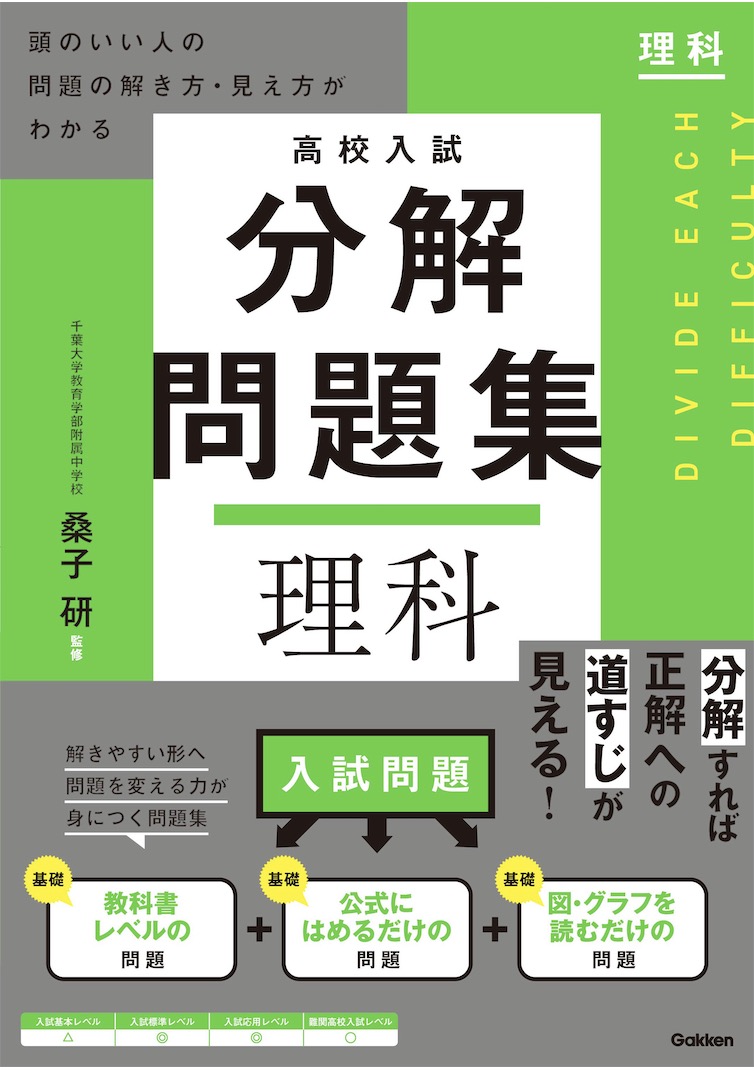
- 『高校入試 分解問題集 理科』(学研)…難しい問題も小さな問題に分解することで、問題を解くことができます。そんな分解の技術が身につくように深く関わりを持って作りました。
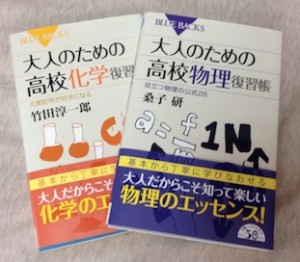
 『大人のための高校物理復習帳』(講談社)…一般向けに日常の物理について公式を元に紐解きました。特設サイトでは実験を多数紹介しています。※増刷がかかり6刷となりました(2026/02/01)
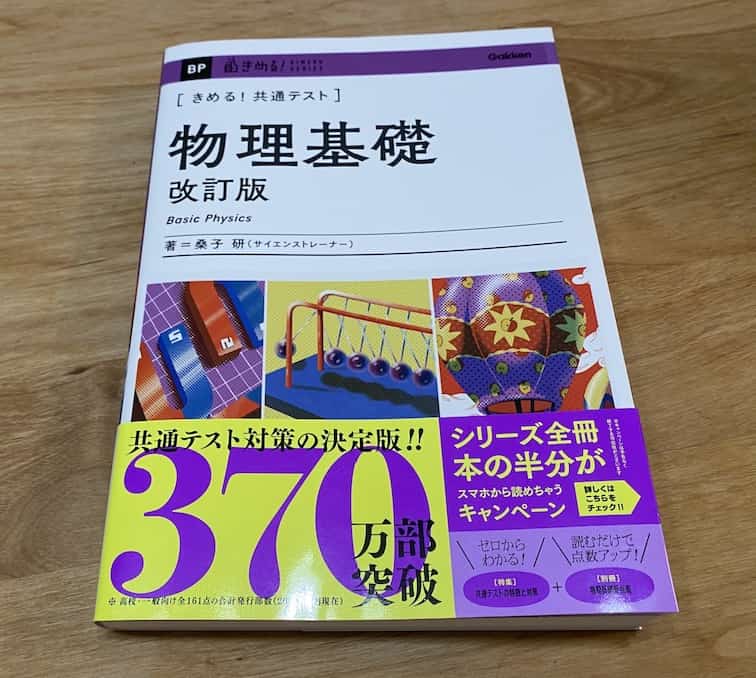
- 『きめる!共通テスト 物理基礎 改訂版』(学研)… 高校物理の参考書です。イラストを多くしてイメージが持てるように描きました。授業についていけない、物理が苦手、そんな生徒におすすめです。特設サイトはこちら。
各種SNS(更新情報をお届け!)
【日本語】X(Twitter)/instagram/Facebook 【英語】BlueSky/Threads
Explore
- 楽しい実験…お子さんと一緒に夢中になれるイチオシの科学実験を多数紹介しています。また、高校物理の理解を深めるための動画教材も用意しました。
- 理科の教材… 理科教師をバックアップ!授業の質を高め、準備を効率化するための選りすぐりの教材を紹介しています。
- Youtube…科学実験等の動画を配信しています。
- 科学ラジオ …科学トピックをほぼ毎日配信中!AI技術を駆使して作成した「耳で楽しむ科学」をお届けします。
- 講演 …全国各地で実験講習会・サイエンスショー等を行っています。
- About …「科学のネタ帳」のコンセプトや、運営者である桑子研のプロフィール・想いをまとめています。
- お問い合わせ …実験教室のご依頼、執筆・講演の相談、科学監修等はこちらのフォームからお寄せください。