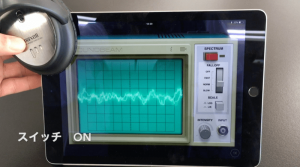
Can Leftover BBQ Charcoal Generate Electricity? Try the Amazing “Charcoal Battery” Experiment!
I’m Ken Kuwako, your Science Trainer. Remember, every day is an experiment!
【This post is also available on my radio show!】
Smartphones, gaming consoles, and remote controls—our modern lives are powered by batteries. We use them every day, but how many of us have actually seen what’s happening inside one?
What if I told you that you could generate electricity using nothing but some leftover charcoal from your last BBQ and a bit of aluminum foil from your kitchen? Today, I’m excited to introduce the Charcoal Battery. It’s a simple setup, but the “Aha!” moment when you hear that first musical note never gets old.
Experience the Drama of Chemical Reactions!
The beauty of this experiment is feeling the sheer dynamism of chemistry—seeing (and hearing!) energy being born from a combination of everyday household items. When the invisible phenomenon of an oxidation-reduction reaction transforms into the melody of an electronic music box, it feels like pure scientific magic.
1. Watch the Experiment in Action!
First, check out this video to see exactly how the charcoal battery comes to life.
2. The Shopping List: Simple Materials Only
You can find almost all of these items at home or your local hardware store.
- Charcoal: BBQ charcoal works great. Pieces with a rough, craggy surface react better because they have more surface area.
- Saltwater: Water with salt dissolved in it. The more concentrated the solution, the easier the electricity flows!
- Paper Towels: These act as a “separator” to keep the charcoal and foil from touching directly.
- Aluminum Foil: This serves as your electrode. Heavy-duty foil is less likely to tear and easier to handle.
- Binder Clips: Perfect for securely connecting your lead wires to the charcoal.
- Electronic Music Box: Make sure to choose one that triggers at a low voltage (easily found on Amazon).
3. Step-by-Step Guide: Building Your Power Circuit
Let’s get building!
- Soak the paper towel in saltwater: Get it nice and damp, then give it a light squeeze. This acts as the “electrolyte,” the medium that carries the charge.
- Wrap the charcoal: Wrap the damp paper towel tightly around the charcoal.
- Wrap the foil: Wrap a layer of aluminum foil tightly over the paper towel. Crucial Tip: If the foil touches the charcoal directly, it will short-circuit and no electricity will flow. Make sure that paper towel is doing its job as a barrier!
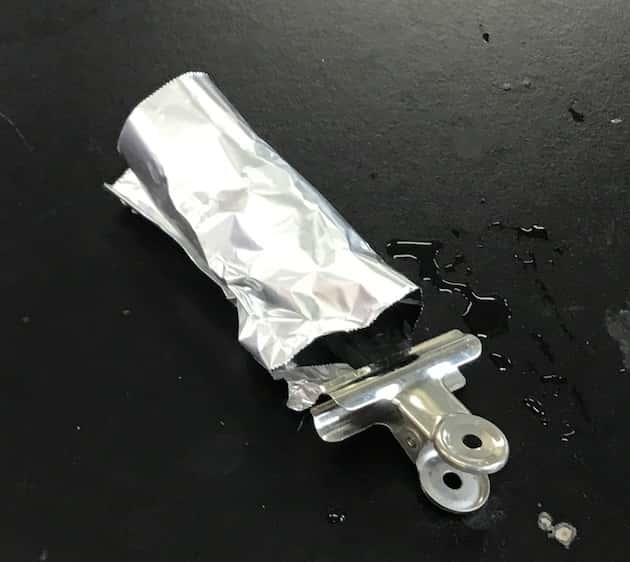
- Attach the clip: Clip a binder clip onto the exposed end of the charcoal. This will be your positive terminal.
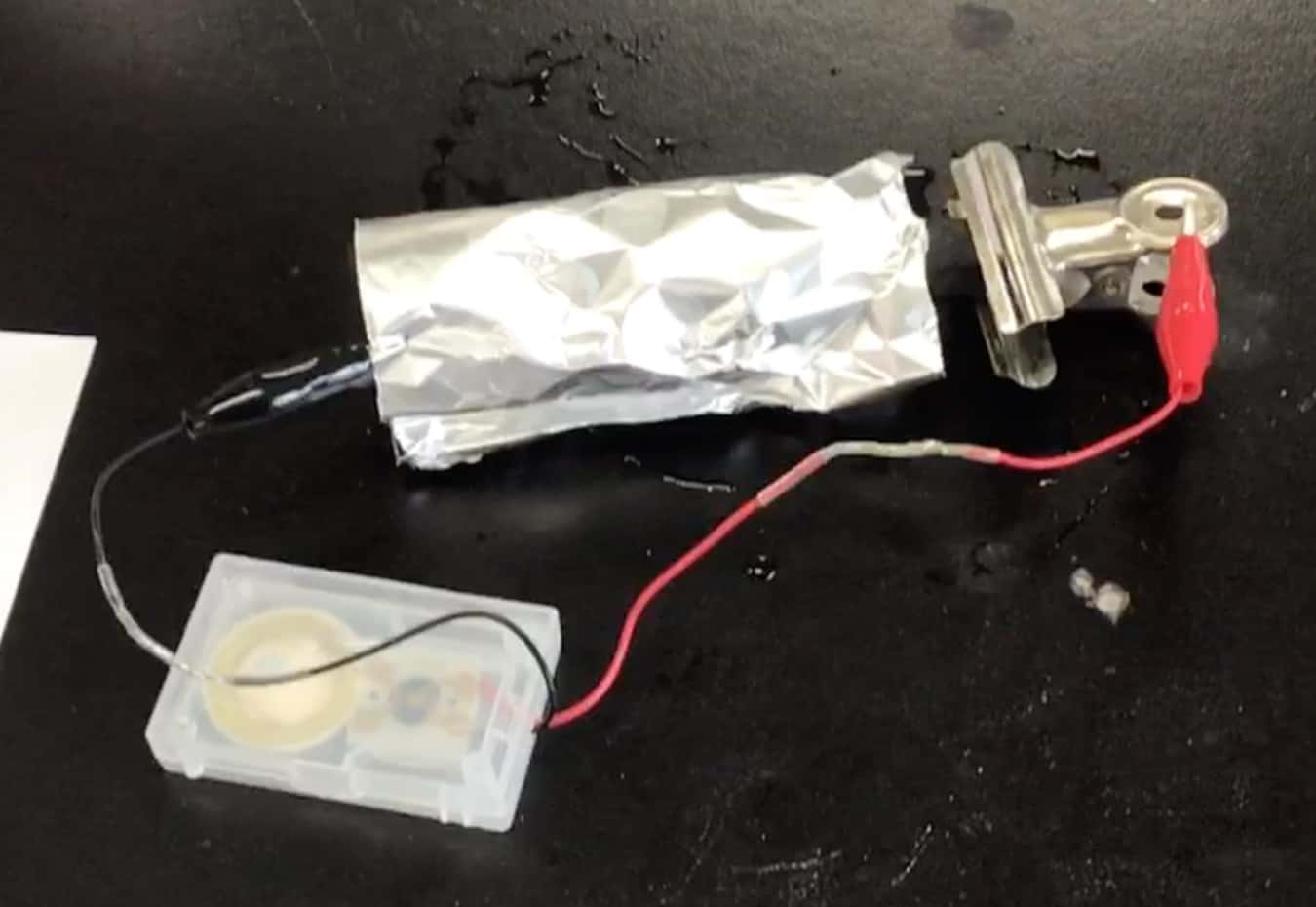
- Connect the music box:
- Connect the black wire (negative) to the aluminum foil.
- Connect the red wire (positive) to the clip on the charcoal.
If everything is set up correctly, you’ll hear a faint, magical melody start to play!
4. The Science: Why Does It Work?
Inside your charcoal battery, an invisible game of “electronic catch” (an oxidation-reduction reaction) is taking place.
- The Negative Terminal (Anode): Aluminum Foil. The aluminum dissolves into the saltwater, releasing electrons in the process. Reaction: Al → Al³⁺ + 3e⁻
- The Positive Terminal (Cathode): Charcoal. The charcoal itself doesn’t change, but it’s full of tiny pores that hold oxygen from the air. This oxygen catches the electrons coming from the aluminum and turns into hydroxide ions. Reaction: O₂ + 2H₂O + 4e⁻ → 4OH⁻
This flow of electrons is what we call an electric current, and it’s what powers the music box. Charcoal is a superstar material here because it doesn’t just conduct electricity; it acts like a catalyst by storing plenty of oxygen to fuel the reaction.
The Aftermath: Look Closely at the Foil!
Once you’re done, unwrap the aluminum foil and hold it up to a light.
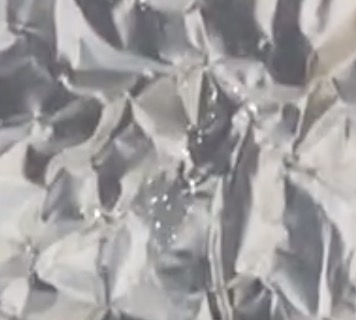
You’ll be amazed to see tiny, microscopic holes scattered across the foil. This is the “proof of hard work”—the physical evidence that the aluminum sacrificed itself by dissolving to create electricity. Seeing this always makes students’ eyes light up as they realize a real chemical reaction just happened right in their hands.
Bring the Wonder of Science Home!
The charcoal battery experiment is a fantastic way to experience the thrill of “I made this!” without needing a PhD.
Science becomes infinitely more interesting when it moves out of the textbook and into your hands. When you see the holes in the foil and hear the music play, you’re witnessing the drama of chemistry firsthand. Give it a try at home or in the classroom. And remember, when adults show genuine excitement, it’s the best way to spark a child’s curiosity!
Inquiries and Bookings
I’m on a mission to make the wonders of science accessible to everyone! You can find more fun experiments and tips on this site. ・About Ken Kuwako: Click here ・Requests for writing, speaking, workshops, or media consulting: Click here ・Follow me on X for updates: @kuwako
 Check out my experiment videos on the Science Neta Channel!
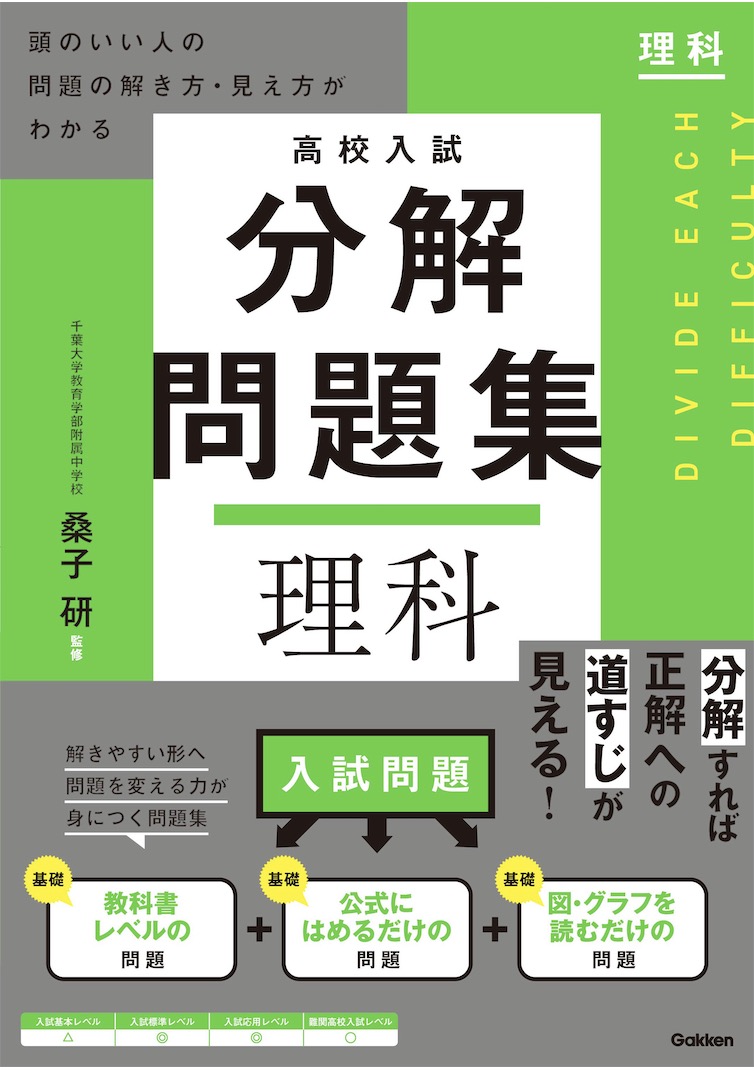
NEW 分解問題集 理科
- 7月21日発売!『高校入試 分解問題集 理科』(学研)…難しい問題も小さな問題に分解することで、問題を解くことができます。そんな分解の技術が身につくように深く関わりを持って作りました。
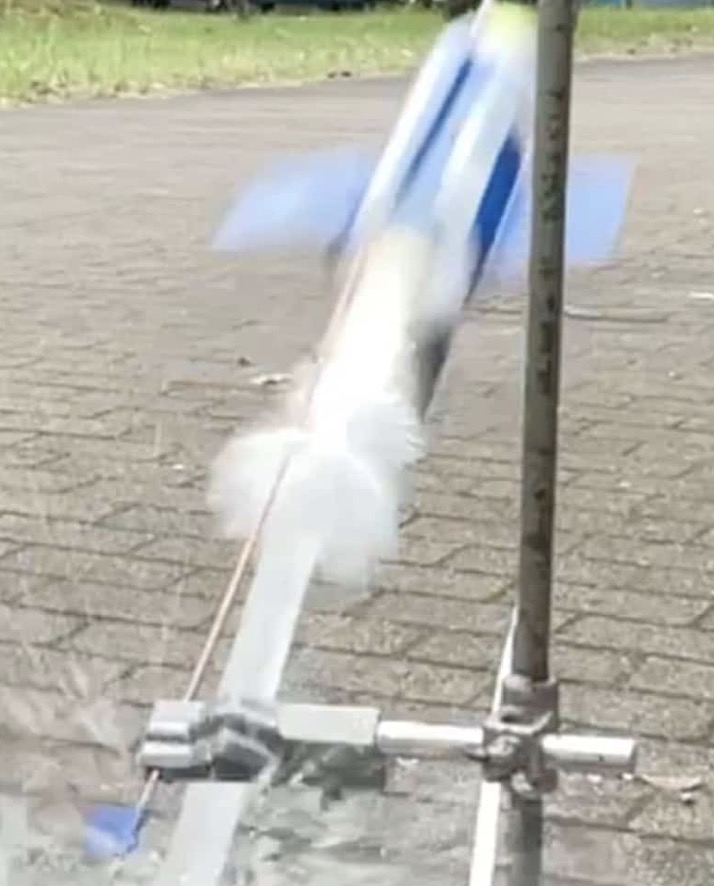
7・8月のイチオシ実験!
夏でプシュッと爽やか実験!
テレビ番組監修・イベント等のお知らせ
- 7月30日(水)科学監修「TIF presents ONE SONG FES」(フジテレビ) 26:15~27:15
- 12月26日(土) ナリカサイエンスアカデミー(教員向け実験講習会)開催
書籍のお知らせ
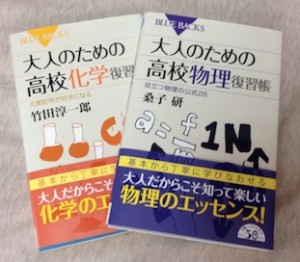
- 『大人のための高校物理復習帳』(講談社)…一般向けに日常の物理について公式を元に紐解きました。特設サイトでは実験を多数紹介しています。※増刷がかかり6刷となりました(2026/02/01)
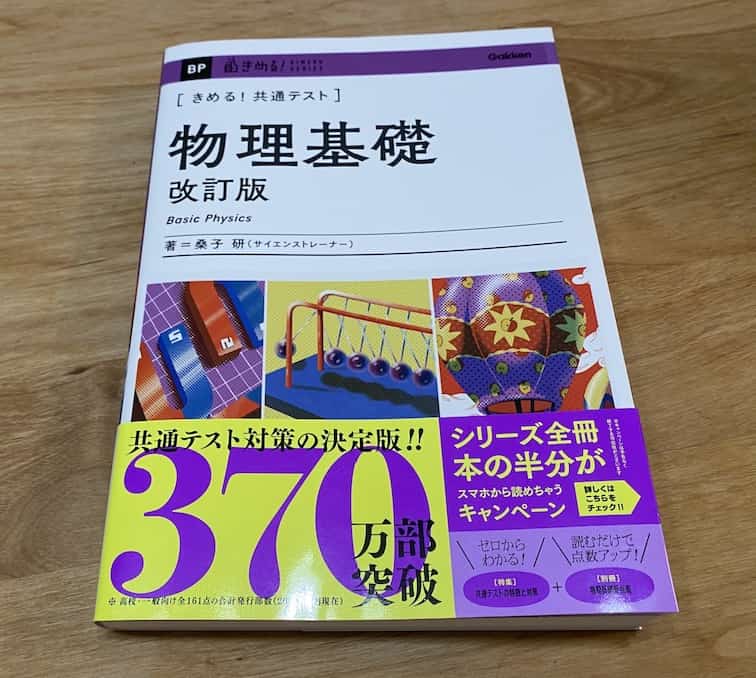
- 『きめる!共通テスト 物理基礎 改訂版』(学研)… 高校物理の参考書です。イラストを多くしてイメージが持てるように描きました。授業についていけない、物理が苦手、そんな生徒におすすめです。特設サイトはこちら。
各種SNS(更新情報をお届け!)
【日本語】X(Twitter)/instagram/Facebook 【英語】BlueSky/Threads
Explore
- 楽しい実験…お子さんと一緒に夢中になれるイチオシの科学実験を多数紹介しています。また、高校物理の理解を深めるための動画教材も用意しました。
- 理科の教材… 理科教師をバックアップ!授業の質を高め、準備を効率化するための選りすぐりの教材を紹介しています。
- Youtube…科学実験等の動画を配信しています。
- 科学ラジオ …科学トピックをほぼ毎日配信中!AI技術を駆使して作成した「耳で楽しむ科学」をお届けします。
- 講演 …全国各地で実験講習会・サイエンスショー等を行っています。
- About …「科学のネタ帳」のコンセプトや、運営者である桑子研のプロフィール・想いをまとめています。
- お問い合わせ …実験教室のご依頼、執筆・講演の相談、科学監修等はこちらのフォームからお寄せください。