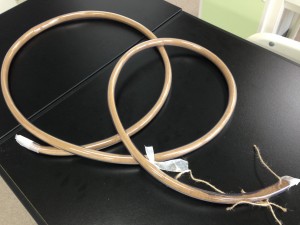
From Pasta to Ramen!? The Delicious Chemistry Behind Baking Soda’s Magic
I’m Ken Kuwako, your Science Trainer. Every day is an experiment!
“Ugh, I’m dying for a bowl of ramen!” But the only thing in the pantry is pasta… Have you ever heard of the “magical hack” that saves you from such a desperate situation? By simply adding a bit of baking soda—a staple in any kitchen—to your boiling water, your Italian pasta instantly transforms into the texture of authentic Chinese ramen noodles. Today, I’ll explain the secret behind this “delicious chemical reaction” in the kitchen, along with some behind-the-scenes stories from a TV show where I served as the science supervisor!
Science Supervision for Fuji TV’s “Chan House”
I recently had the pleasure of providing science supervision and commentary for Fuji TV’s “Chan House.” It’s a popular variety show where the three “Chans”—Kiyotaka Nanbara, Tetsuro Degawa, and Teruyoshi Uchimura—introduce fascinating trivia that you’ll want to share with everyone the next day.
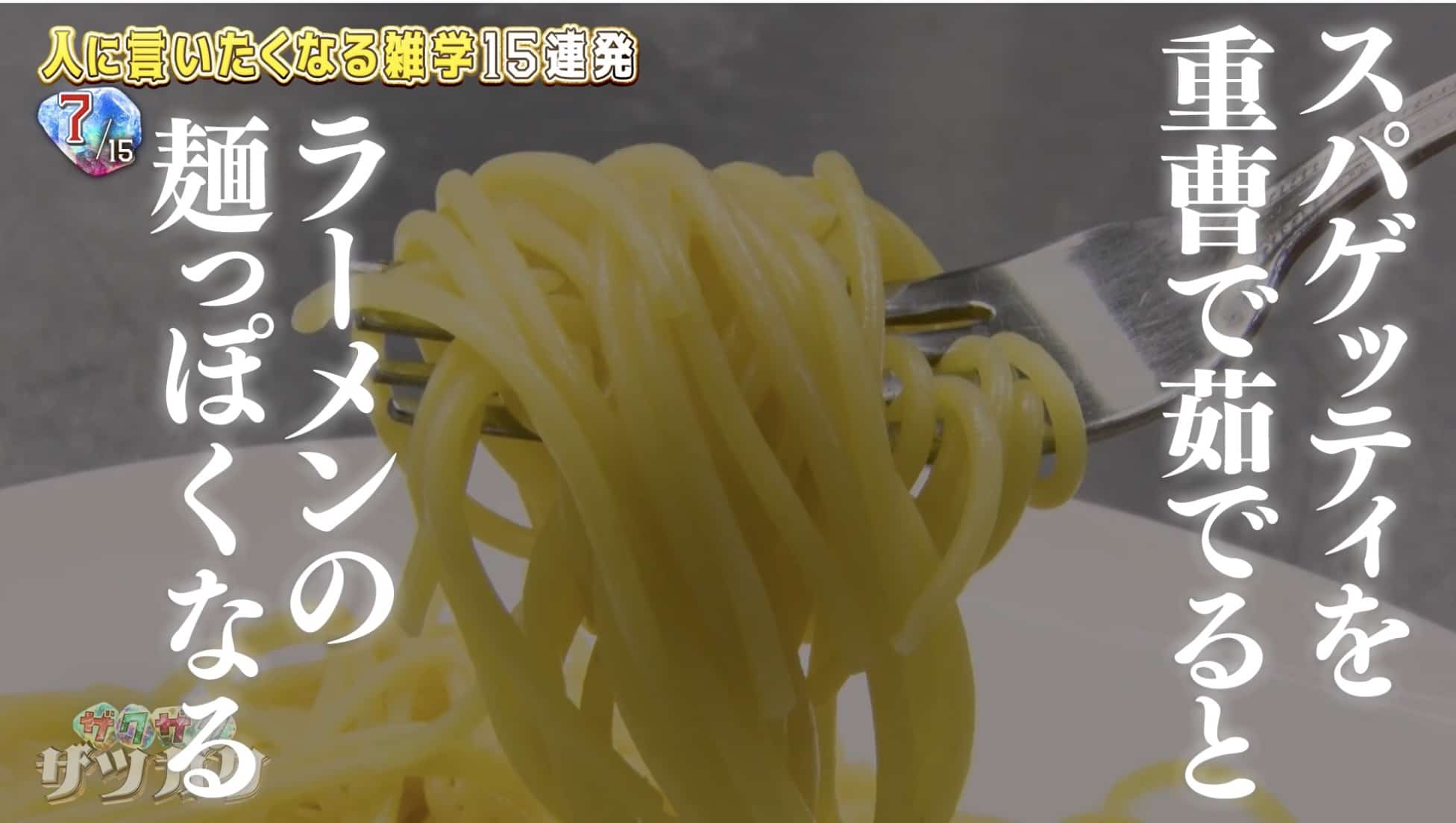
The amazing “science magic” I explained on the show was: “Just add one secret ingredient to your pasta water to turn it into ramen.”
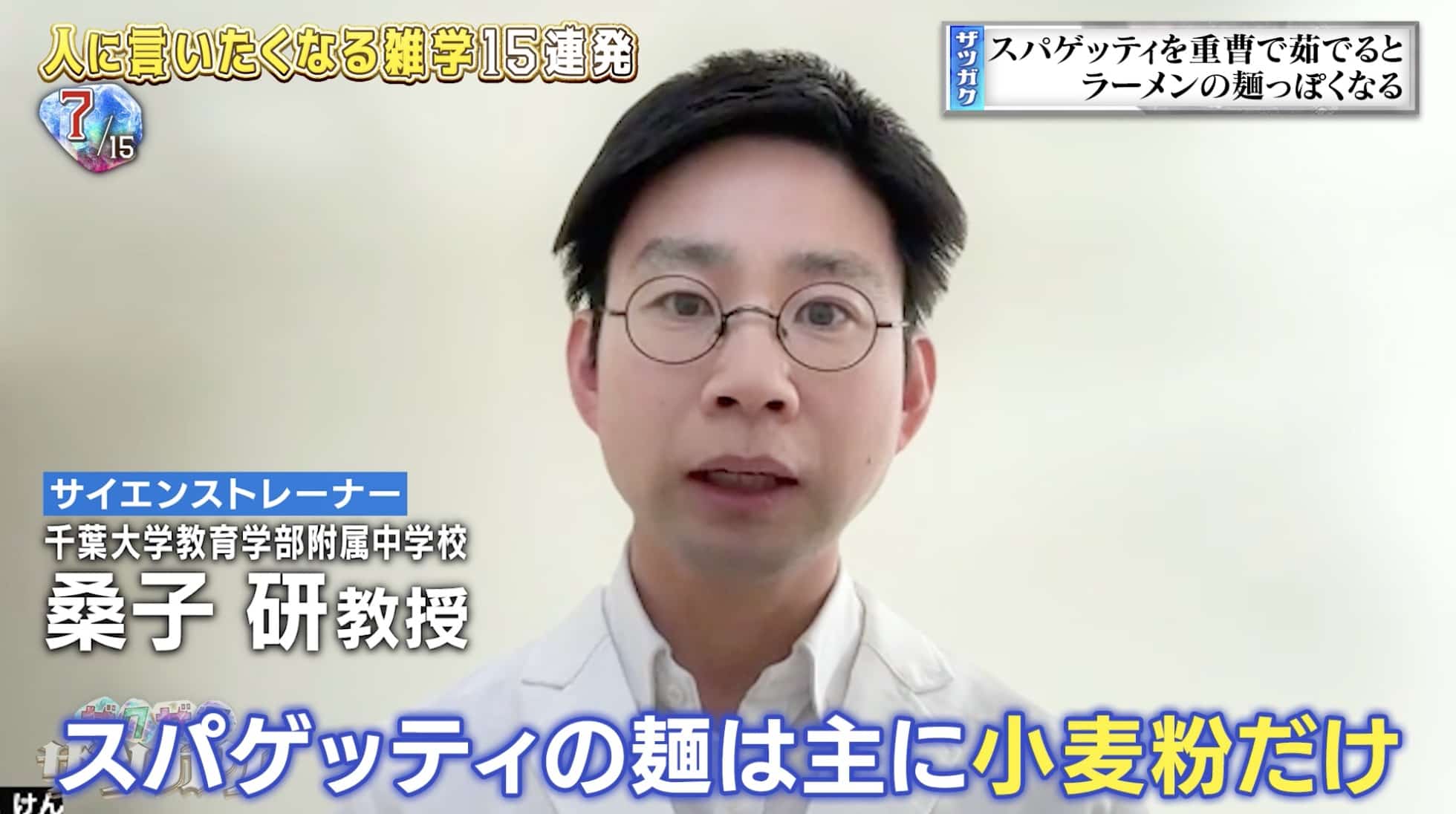
By the way, I am not a professor! The TV captions introduced me as one, but I’m actually a Science Trainer. I’d like to set the record straight here (haha).
The Secret of the Transformation: The Power of “Alkali”
So, why does pasta turn into ramen? The secret lies in an additive called “Kansui” (alkaline salts), which gives ramen its unique chewiness and aroma. The main components of Kansui are alkaline substances like sodium carbonate. When gluten, the protein in wheat flour, reacts with alkali, the bonds become stronger, resulting in that signature springy texture and a yellowish tint. In other words, you just need to make your pasta water alkaline, just like Kansui!
That’s where our friend “Baking Soda (Sodium Bicarbonate)” comes in. Since baking soda becomes weakly alkaline when dissolved in water, adding it to the pot allows the pasta to “morph” into ramen.
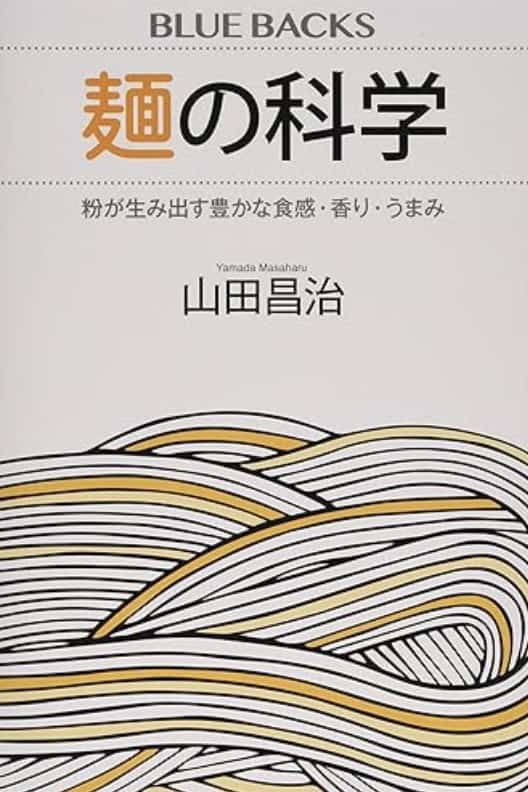
The Science of Noodles: Rich Texture, Aroma, and Umami Born from Flour (Blue Backs 2105)
According to this book, several surprising changes occur when you boil noodles in baking soda water:
1. High Alkalization through Heating When baking soda (sodium bicarbonate) is heated in water, it starts to decompose at around 65°C, releasing carbon dioxide and transforming into “sodium carbonate.”

This sodium carbonate becomes strongly alkaline (pH 11 or higher!) when dissolved.
2. Protein Transformation (Deamidation) In a strongly alkaline environment, the wheat proteins undergo a reaction that releases ammonia. The trace amounts of ammonia produced here are what create that distinctive ramen smell.
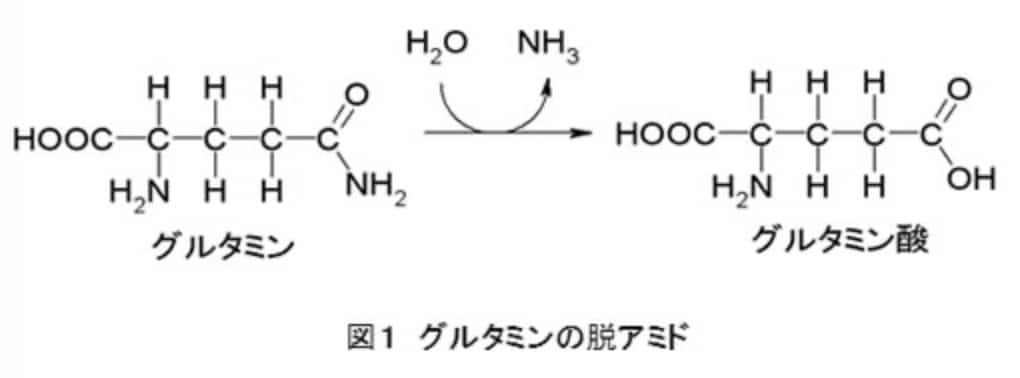
Reference site: Kogakuin University – Boosting Somen Texture!
3. Enhanced Chewiness through Ionic Bonding The alkaline power strengthens the bonds between protein molecules, creating a tightly-knit mesh structure. This gives the noodles the “ramen bounce” that regular pasta lacks.
Let’s Try It! The Baking Soda Pasta Experiment
Let’s take a look at the actual experiment in action.
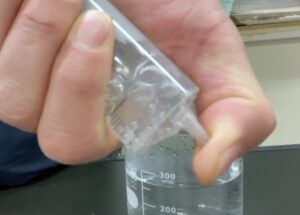
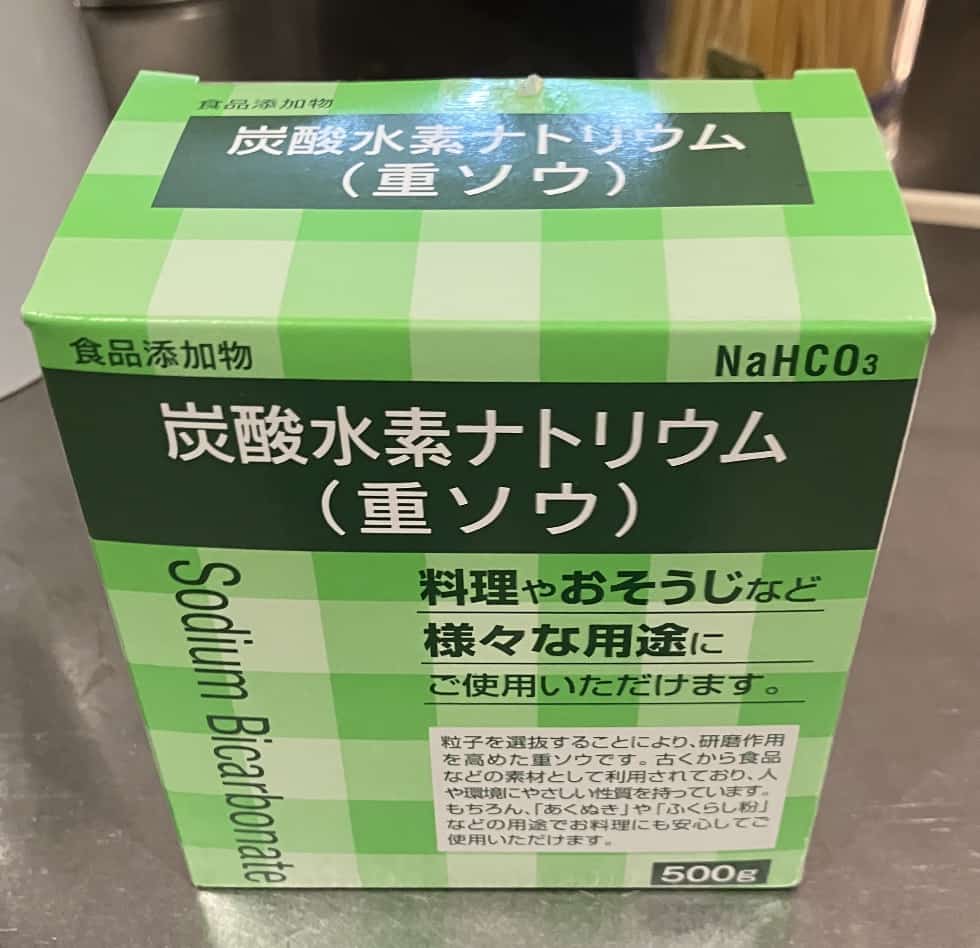 Add 1.5 tablespoons of baking soda to 1.5 liters of water.
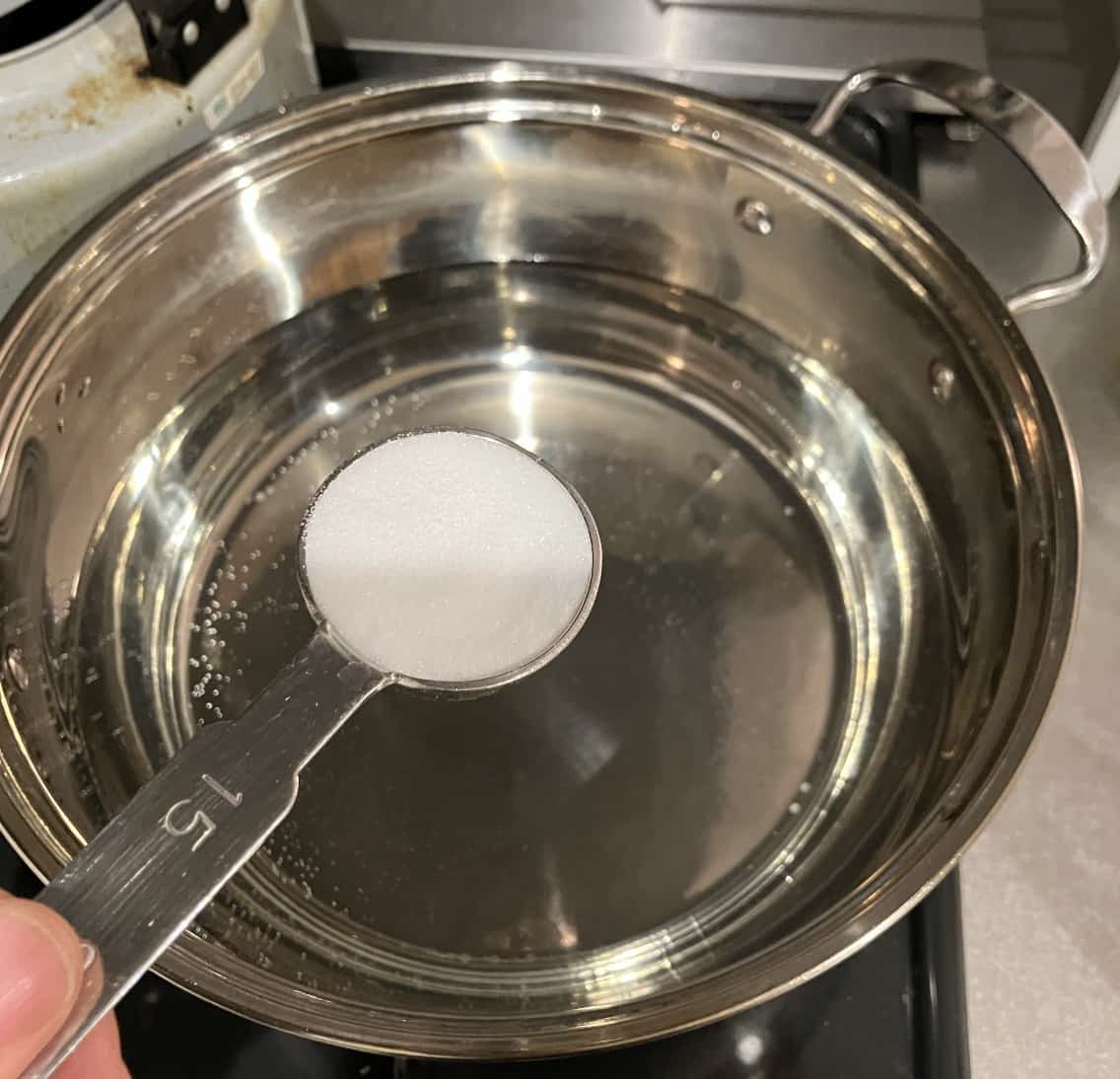 As it heats up, you’ll see fizzy carbon dioxide bubbles. That’s the evidence of a chemical reaction!
For comparison, I boiled noodles in “plain water” and “baking soda water.”
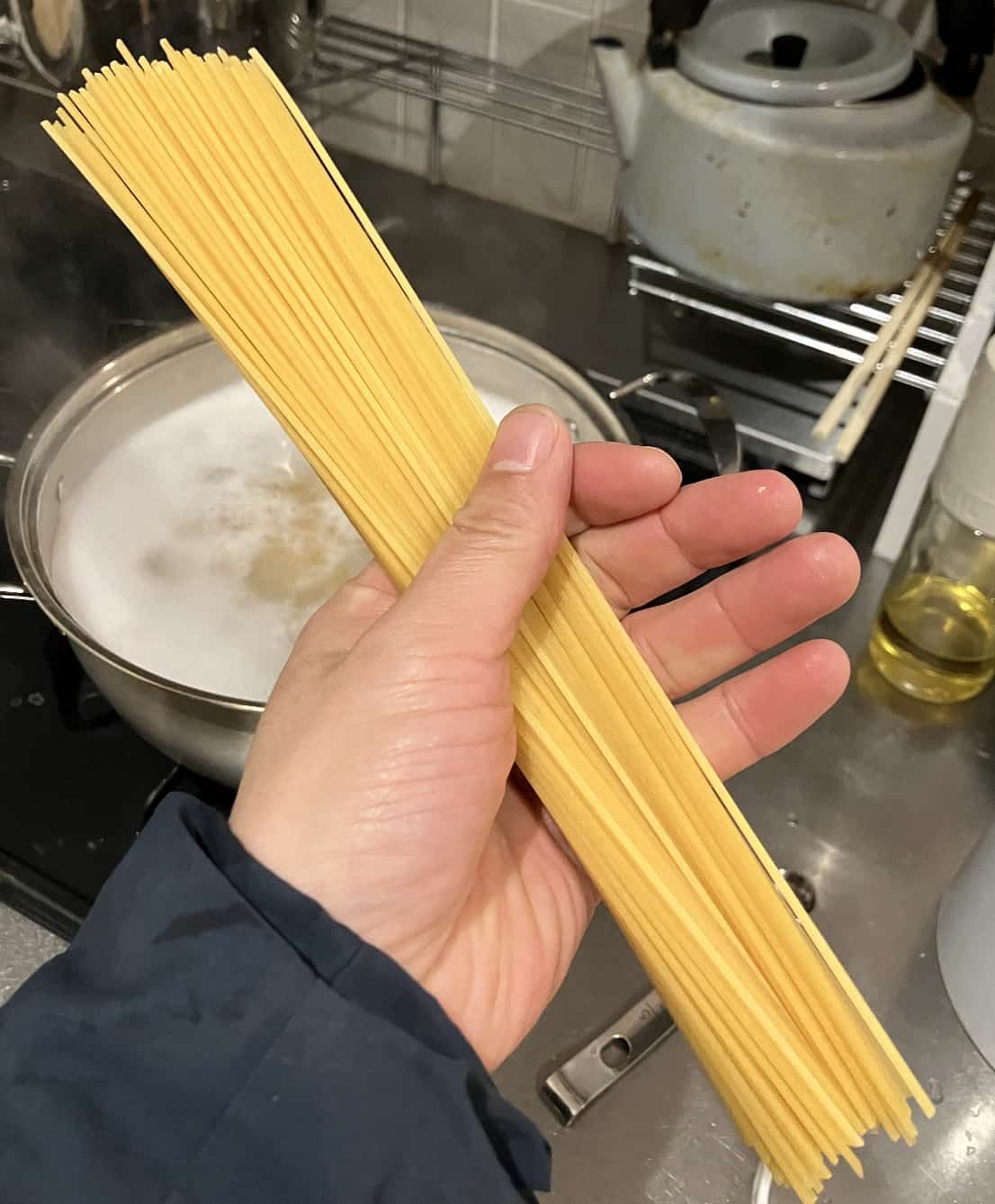
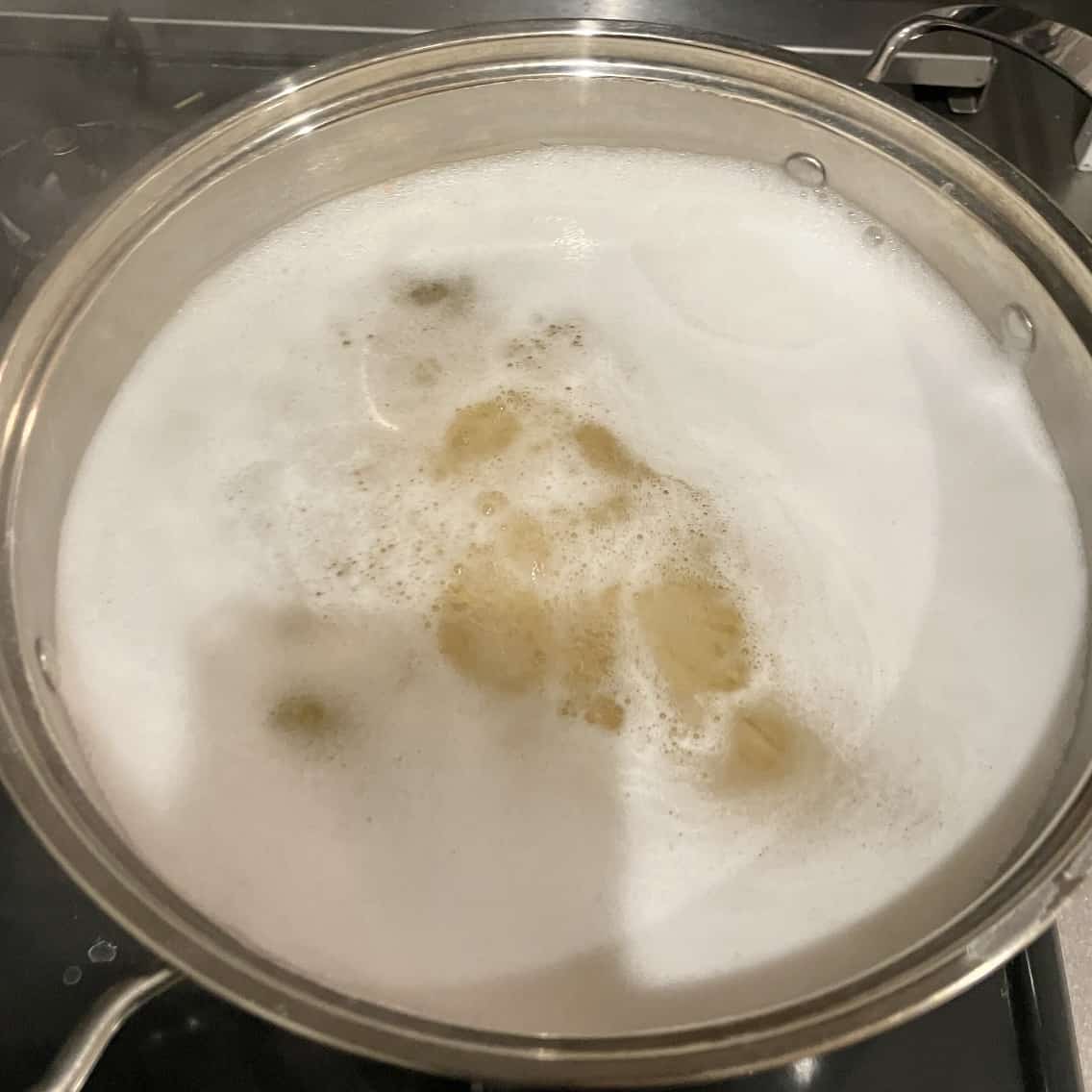 The baking soda batch starts to smell just like a real ramen shop kitchen.
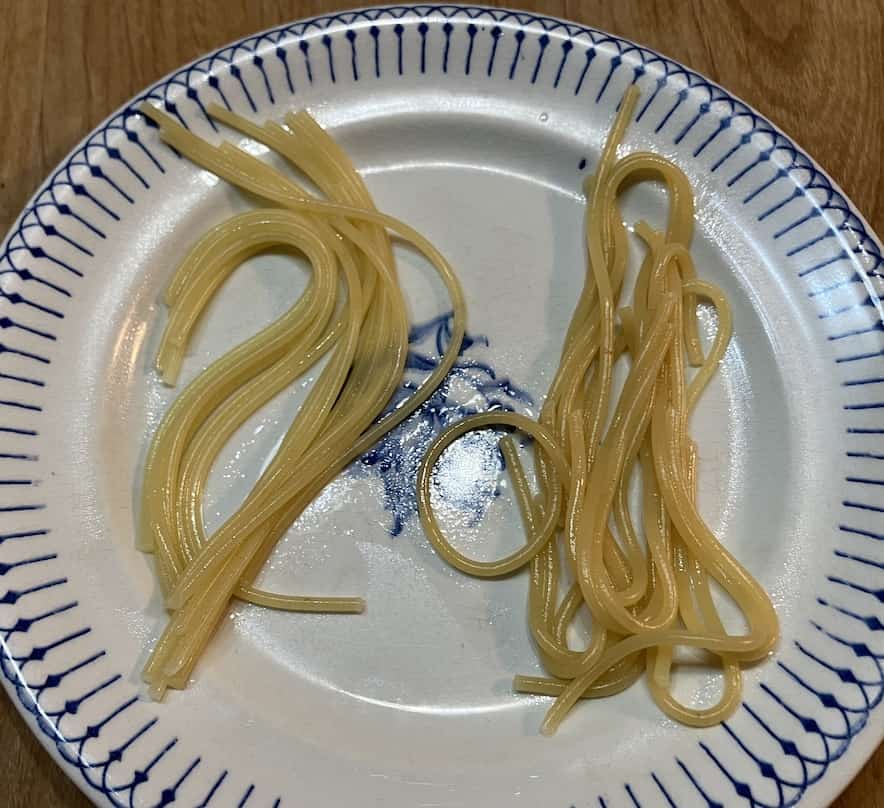 Comparing the results (Left: Plain water, Right: Baking soda water), the noodles on the right are darker and noticeably more yellow.
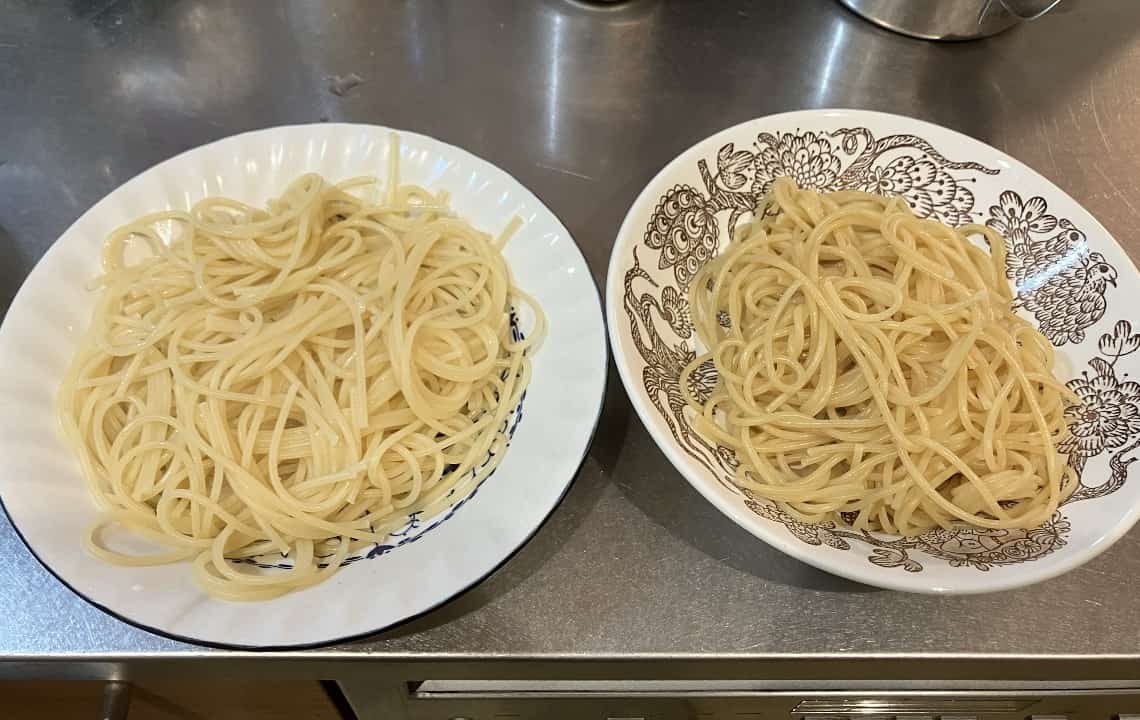
The taste? Pure ramen! The springy texture is worlds apart from regular pasta. Note: If you add too much baking soda, it might taste a bit bitter, so watch your measurements!
Bonus Experiment: Color Changing with Turmeric!
Finally, here’s a “color change” experiment that’s perfect for a science project. We’ll use turmeric, the spice commonly found in curry.
📖 From “Out of this World! Science Classroom” (Kagaku-Dojin) 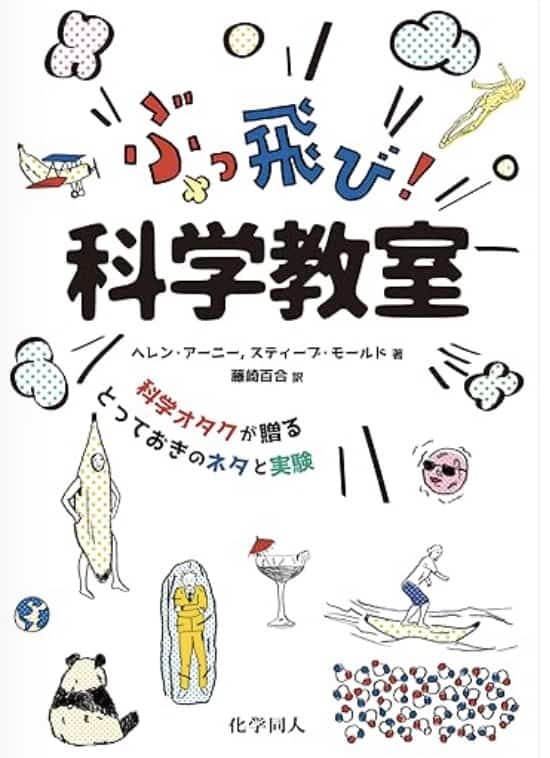 The compounds in turmeric have the property of turning red when they react with alkali.
- Boiling Pasta (Neutral) results in… Orange
- Boiling Ramen (Alkaline) results in… Red!
With just a pinch of turmeric in the water, the noodles act like pH test paper. This is science you can learn and eat! Your kitchen is the most accessible “chemistry lab” in the world. Next time you boil pasta, grab the baking soda. It’s sure to make your dinner much more exciting!
Inquiries and Requests
Bringing the wonder and fun of science closer to you! I share easy science experiments you can do at home and tips to make them successful. Feel free to explore more!
About the author, Ken Kuwako: Click here
For requests (writing, lectures, workshops, TV supervision, appearances, etc.): Click here
Get the latest updates on X (Twitter)!
 Check out experiment videos on my Science Material Channel!
9月のイチオシ実験!
お弁当箱をプラバンがわりにしてキーホルダーを作ろう!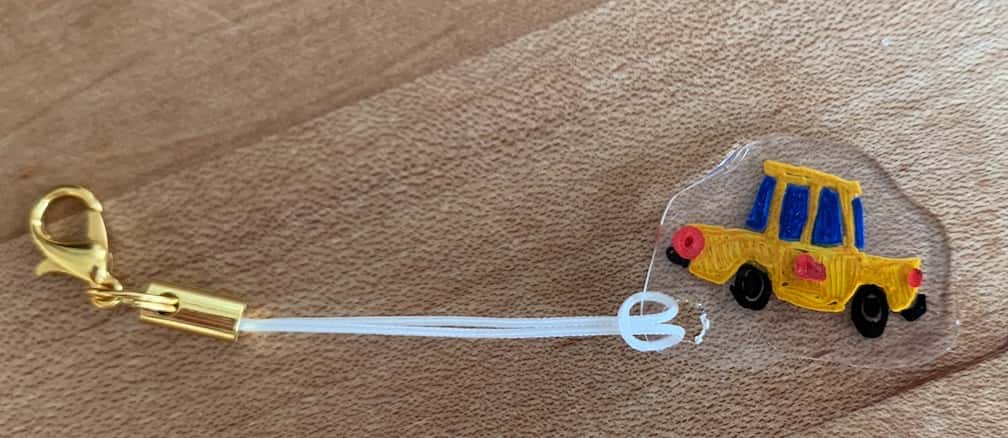
テレビ番組監修・イベント等のお知らせ
- 8月27日(木)科学監修番組放送予定
- 9月20日(日)ダビンチマスターズ出演予定
- 10月10日(土)11:15~12:00 千葉市科学フェスタ2026「桑子先生の回転科学ショー」にてサイエンスショーを行います。
- 12月26日(土) ナリカサイエンスアカデミー(教員向け実験講習会)開催
書籍のお知らせ
- 『高校入試 分解問題集 理科』(学研)…難しい問題も小さな問題に分解することで、問題を解くことができます。そんな分解の技術が身につくように深く関わりを持って作りました。
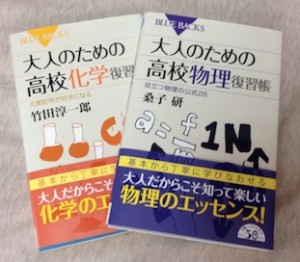
 『大人のための高校物理復習帳』(講談社)…一般向けに日常の物理について公式を元に紐解きました。特設サイトでは実験を多数紹介しています。※増刷がかかり6刷となりました(2026/02/01)
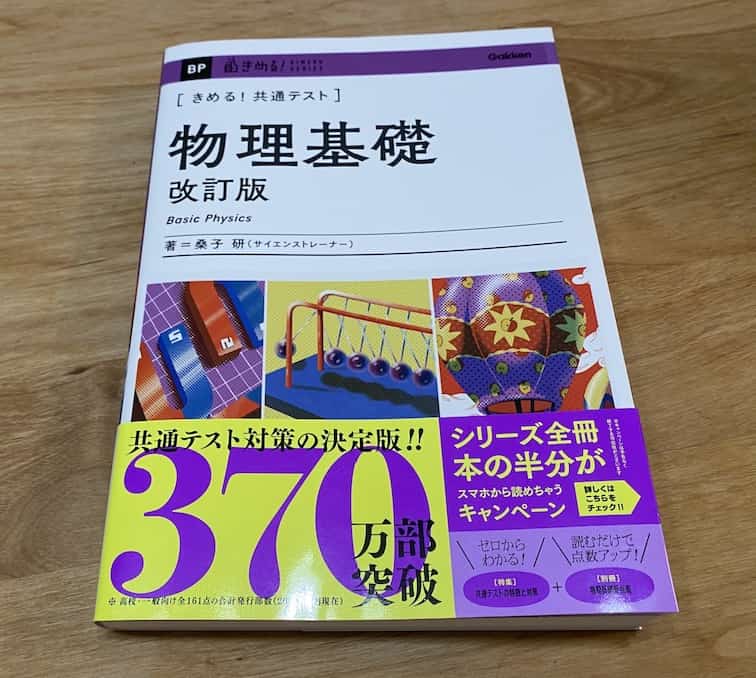
- 『きめる!共通テスト 物理基礎 改訂版』(学研)… 高校物理の参考書です。イラストを多くしてイメージが持てるように描きました。授業についていけない、物理が苦手、そんな生徒におすすめです。特設サイトはこちら。
各種SNS(更新情報をお届け!)
【日本語】X(Twitter)/instagram/Facebook 【英語】BlueSky/Threads
Explore
- 楽しい実験…お子さんと一緒に夢中になれるイチオシの科学実験を多数紹介しています。また、高校物理の理解を深めるための動画教材も用意しました。
- 理科の教材… 理科教師をバックアップ!授業の質を高め、準備を効率化するための選りすぐりの教材を紹介しています。
- Youtube…科学実験等の動画を配信しています。
- 科学ラジオ …科学トピックをほぼ毎日配信中!AI技術を駆使して作成した「耳で楽しむ科学」をお届けします。
- 講演 …全国各地で実験講習会・サイエンスショー等を行っています。
- About …「科学のネタ帳」のコンセプトや、運営者である桑子研のプロフィール・想いをまとめています。
- お問い合わせ …実験教室のご依頼、執筆・講演の相談、科学監修等はこちらのフォームからお寄せください。