Two Sides of the Same Coin! Can a Motor Light a Bulb? A Fun Science Experiment for Parents and Kids
I’m Ken Kuwako, Science Trainer. Every day is an experiment.
When you think of “generating electricity,” do you imagine massive dams or giant power plants? In reality, the same mechanism used in the heart of a power plant is hidden inside tiny toys that fit in the palm of your hand. Today, I’m going to introduce a surprising experiment that uses a simple motor—the kind found in Mini 4WD cars and hobby kits—to generate electricity in an instant. The moment that small light bulb flickers to life like magic, you will witness the scientific truth of energy transformation!
Are Motors and Generators Twins?
I previously visited an exhibit on generators at the National Museum of Nature and Science. The internal structure was clearly visible: when you turn the handle, a magnet in the center spins rapidly. Surrounding it are tightly wound coils. As the magnet moves, the magnetic flux passing through the coils changes, and you can see exactly how much electricity is being produced.
If you look at this and think, “Wait, isn’t that just like a motor?” you have a very sharp eye!
The mechanism that makes a motor spin when you apply electricity and the mechanism that generates electricity when you spin a motor’s shaft are actually two sides of the same coin. This means that even a small motor from your house can become a legitimate generator if you spin it correctly. Today, I’m sharing the Kuwako-style Motor Generation recipe, which is far easier and more reliable for lighting a bulb than the old method of winding string around the shaft!
Parent-Child Challenge: The Motor Generation Experiment
The secret to this experiment lies in the perfect friction created by a wooden stick and cloth tape.
Scientific Recipe: What You’ll Need
A motor (A small hobby motor works perfectly)
Lead wires and a light bulb (or an LED)
A long wooden stick (about 20cm)
Cloth tape
Experimental Steps
Connect the motor terminals to the light bulb using the lead wires.
Wrap the cloth tape around the wooden stick.
Gently place the taped stick onto the motor’s rotation shaft and apply light pressure.
Pull the stick quickly to spin the shaft at high speed!
The Result: An Inspiring Light in the Dark!
What happens with just this simple setup? Take a look at this video!
The moment the stick is pulled, the light bulb connected to the motor flashes bright!
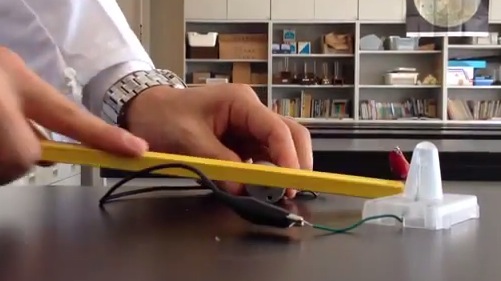
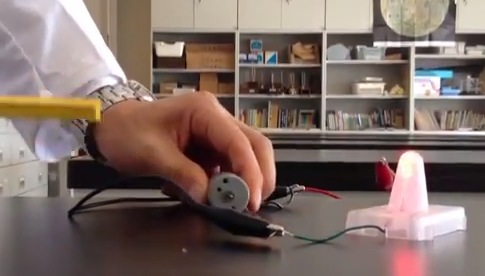
The kinetic energy from your own hand is converted into light energy through the motor. Feeling this transformation firsthand is moving no matter how many times you see it.
How Does It Generate Power? The Mystery of Electromagnetic Induction
Why did a motor with no batteries connected to it produce light? The answer lies in the magnets and coils hidden inside.
1. Functioning as a Motor (Electricity → Motion) When you apply electricity, a magnetic field is generated in the coil, creating a force between it and the surrounding magnets. This makes the shaft spin, moving your models.
2. Functioning as a Generator (Motion → Electricity) Conversely, when you apply external force to spin the shaft, the coil moves inside the magnetic field. This change in the magnetic field within the coil causes electricity to flow as the system tries to counteract the change. This is called electromagnetic induction.
Most of the electricity we use every day is created using this exact principle within massive generators. Whether it’s thermal power using steam or wind power using the wind, they are all essentially spinning a shaft to create power, just like this experiment.
If you take apart a common toy, you’ll always find small magnets and coils inside. If you have an old motor that no longer works, try taking it apart to see the true form of the generator for yourself.
A simple everyday scene can turn into a grand scientific laboratory just by looking at it through the lens of science. This is the ultimate joy of learning physics!
Inquiries and Requests
Making the wonders and fun of science more accessible! I’ve put together simple science experiments you can do at home and tips for success. Please take a look around! ・About the operator, Ken Kuwako: here ・For various requests (writing, lectures, science workshops, TV supervision/appearances, etc.): here ・Updates are available on X (Twitter)!
 Experiments are being streamed on the Science Material Channel!
9月のイチオシ実験!
お弁当箱をプラバンがわりにしてキーホルダーを作ろう!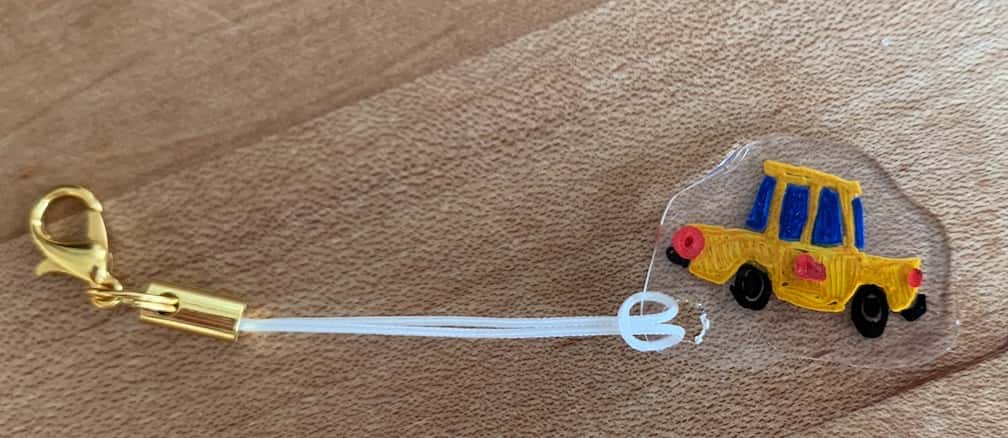
テレビ番組監修・イベント等のお知らせ
- 8月27日(木)科学監修番組放送予定
- 9月20日(日)ダビンチマスターズ出演予定
- 10月10日(土)11:15~12:00 千葉市科学フェスタ2026「桑子先生の回転科学ショー」にてサイエンスショーを行います。
- 12月26日(土) ナリカサイエンスアカデミー(教員向け実験講習会)開催
書籍のお知らせ
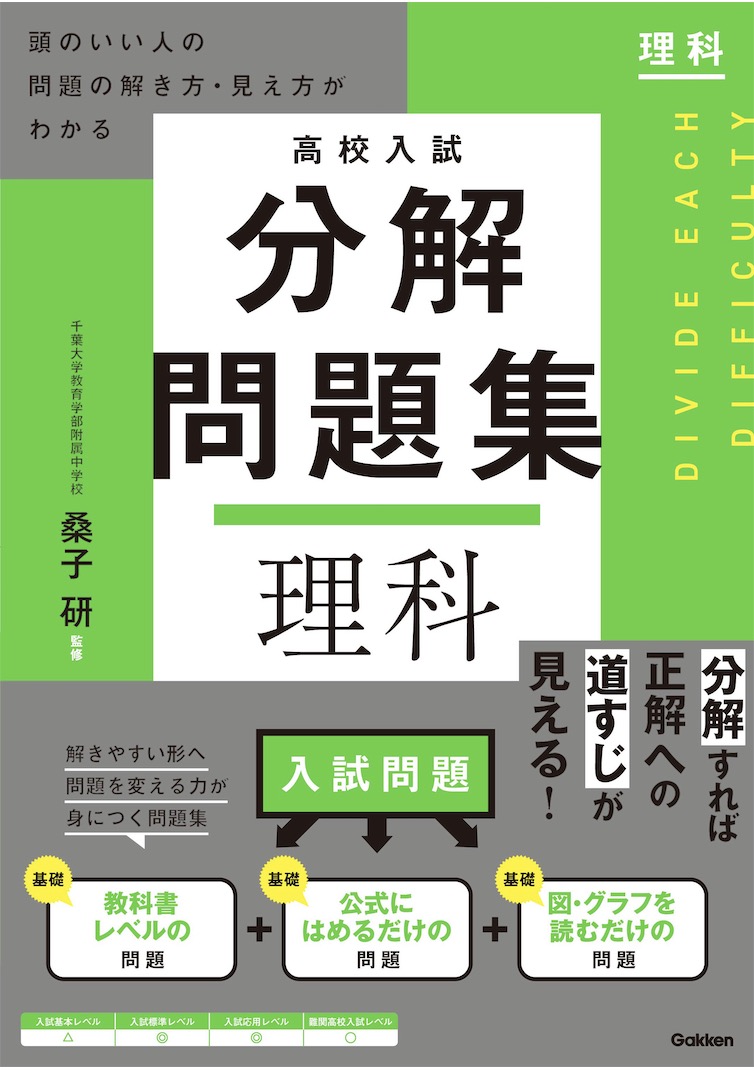
- 『高校入試 分解問題集 理科』(学研)…難しい問題も小さな問題に分解することで、問題を解くことができます。そんな分解の技術が身につくように深く関わりを持って作りました。
 『大人のための高校物理復習帳』(講談社)…一般向けに日常の物理について公式を元に紐解きました。特設サイトでは実験を多数紹介しています。※増刷がかかり6刷となりました(2026/02/01)
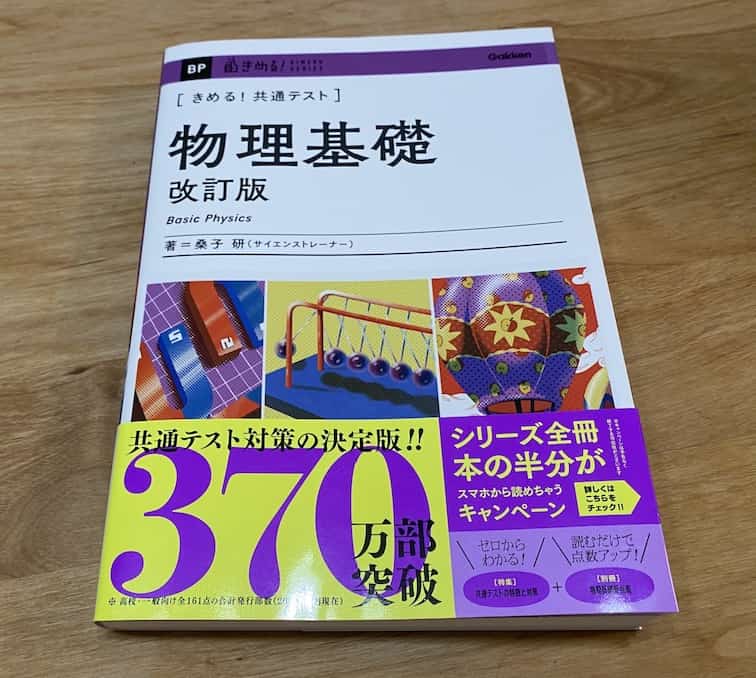
- 『きめる!共通テスト 物理基礎 改訂版』(学研)… 高校物理の参考書です。イラストを多くしてイメージが持てるように描きました。授業についていけない、物理が苦手、そんな生徒におすすめです。特設サイトはこちら。
各種SNS(更新情報をお届け!)
【日本語】X(Twitter)/instagram/Facebook 【英語】BlueSky/Threads
Explore
- 楽しい実験…お子さんと一緒に夢中になれるイチオシの科学実験を多数紹介しています。また、高校物理の理解を深めるための動画教材も用意しました。
- 理科の教材… 理科教師をバックアップ!授業の質を高め、準備を効率化するための選りすぐりの教材を紹介しています。
- Youtube…科学実験等の動画を配信しています。
- 科学ラジオ …科学トピックをほぼ毎日配信中!AI技術を駆使して作成した「耳で楽しむ科学」をお届けします。
- 講演 …全国各地で実験講習会・サイエンスショー等を行っています。
- About …「科学のネタ帳」のコンセプトや、運営者である桑子研のプロフィール・想いをまとめています。
- お問い合わせ …実験教室のご依頼、執筆・講演の相談、科学監修等はこちらのフォームからお寄せください。