The Kitchen Is a Laboratory! The Strange Drama of Water and Oil Caused by Hydrogen Bonds
I’m Ken Kuwako, your Science Trainer. For me, every day is an experiment!
Your kitchen is actually a science lab full of surprises! Think about making salad dressing—no matter how hard you shake the bottle, the oil and water always end up parting ways. It’s a sight we take for granted, but did you know there is a high-stakes drama happening between the molecules behind the scenes? Today, let’s dive into the science of this everyday mystery.
Experiment: Let’s Try Mixing Water and Oil
First, let’s start with a simple observation. Grab a clear glass and follow these steps:
- Fill the glass with water.
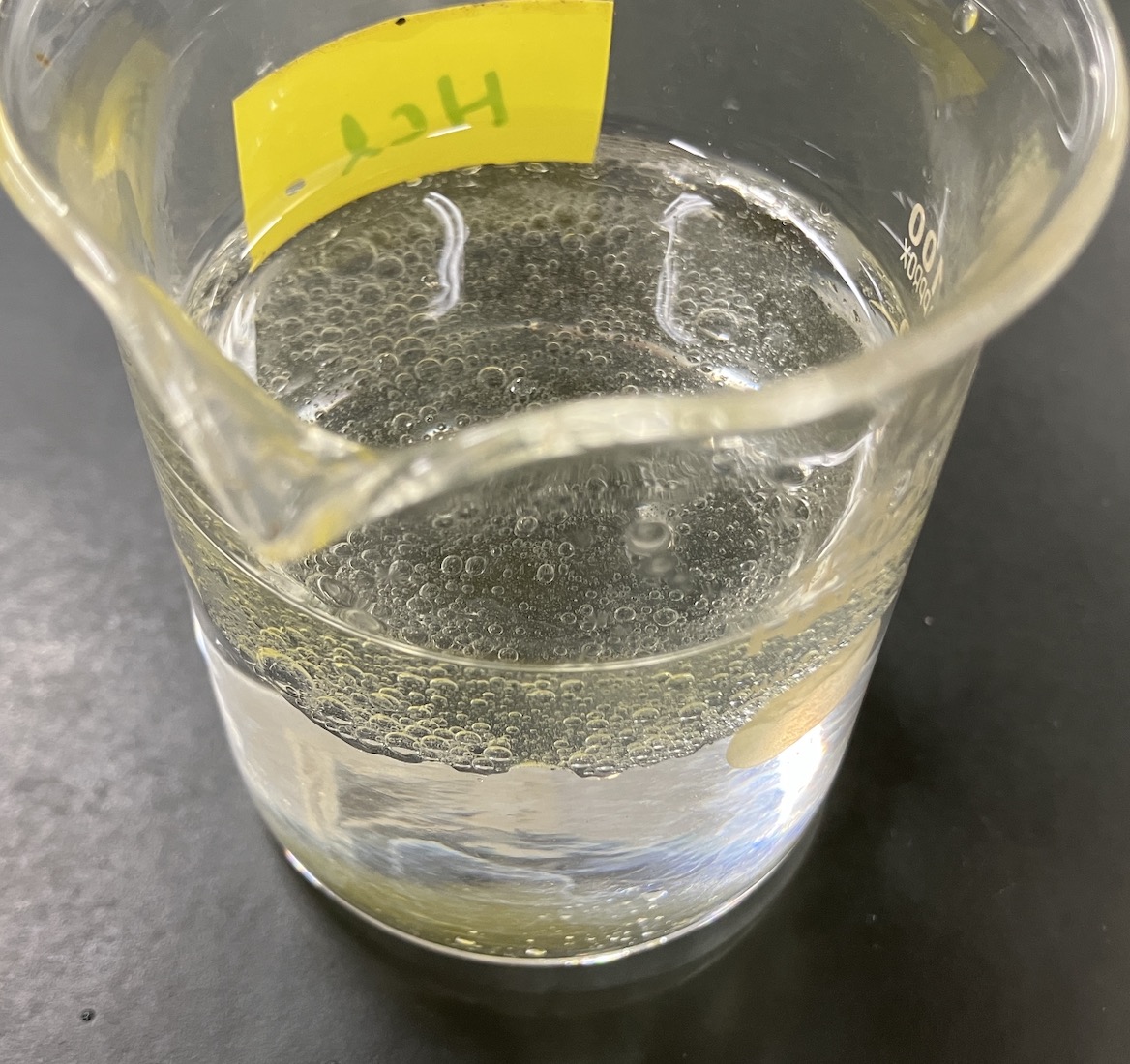
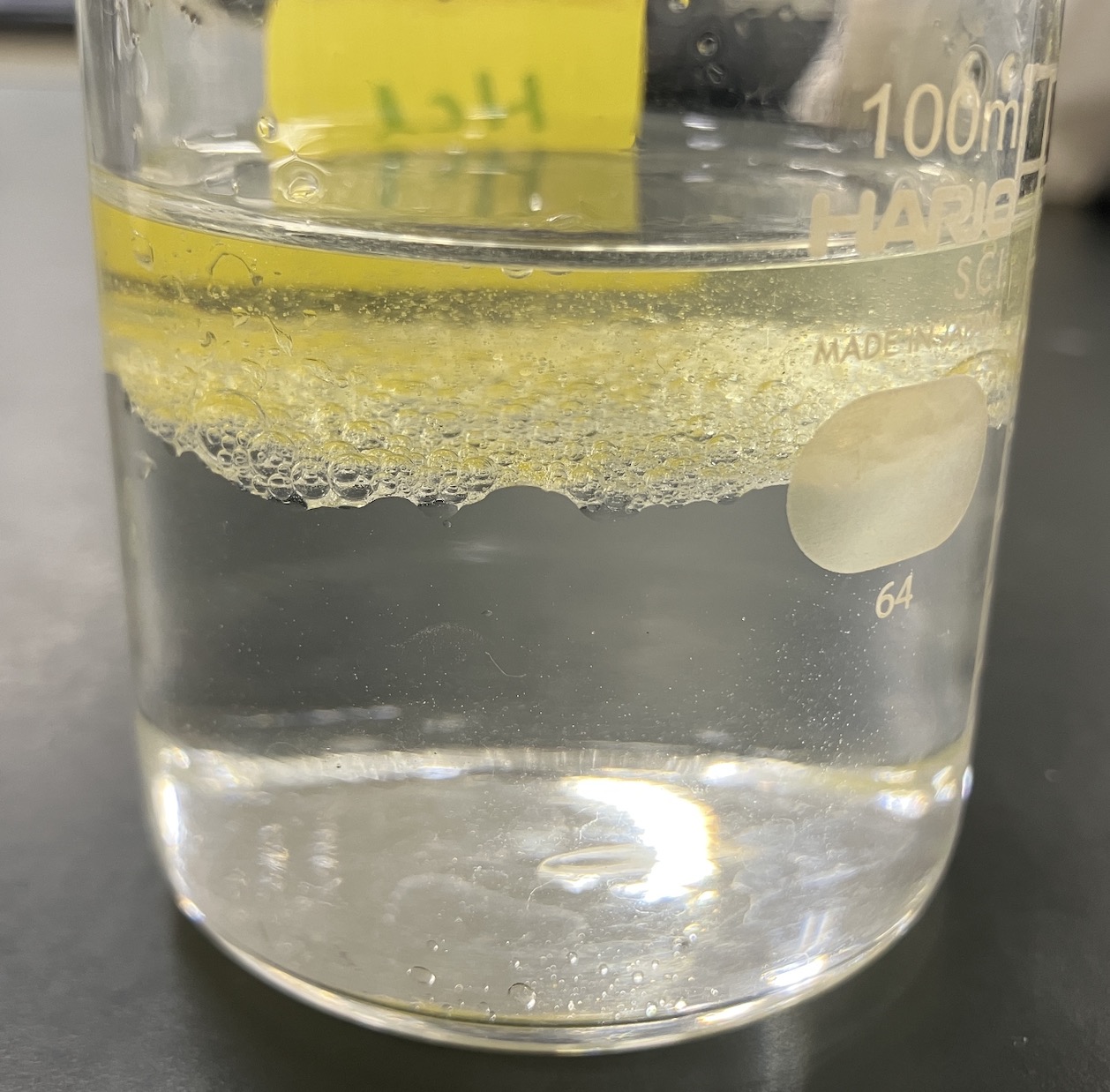
- Gently pour some salad oil on top.
As you’ll see, the oil immediately floats to the surface, creating two distinct layers: water on the bottom and oil on top. Even if you grab a spoon and stir with all your might, after a few moments… the oil goes back to the top and the water back to the bottom. No matter how many times you try, they just refuse to hold hands.
What is the “Invisible Wall” Between Them?
Why are water and oil so stubborn about staying apart? The answer lies in a molecular property called polarity.
Water Molecules are Like Tiny Magnets
Water molecules have an electrical imbalance. One side has a positive charge and the other has a negative charge, making them act just like tiny magnets. This is what we mean when we say water is polar. Because of this, water molecules are incredibly attracted to one another, forming powerful bonds known as hydrogen bonds. They huddle together tightly, like a team in a rugby scrum, keeping their circle closed.
Oil is Electrically Neutral
On the other hand, molecules in salad oil don’t have this electrical charge. They are non-polar, or electrically “flat.”
In the world of chemistry, there is a golden rule: Like dissolves like.
- Polar substances (like water) love hanging out with other polar substances.
- Non-polar substances (like oil) prefer to stick with their own kind.
Because the hydrogen bonds between water molecules are so strong, they don’t want to let the uncharged oil molecules into their group. Effectively, the water molecules snub the oil and push it away. Since oil is less dense (lighter) than water, it gets shoved upward, forming that layer on top.
When we say something dissolves in water, it’s not just mixing; it’s a matter of molecular compatibility. The reason soap is so good at cleaning is that it actually possesses both a water-loving side and an oil-loving side, allowing it to bridge the gap between these two rivals!
Inquiries and Requests
I’m on a mission to bring the wonder of science closer to you! I share fun home experiments and easy-to-understand tips right here. Feel free to explore!
・My science blog has been turned into a book! Find more details here. ・Learn more about the author, Ken Kuwako, here. ・For business inquiries (writing, lectures, workshops, TV supervision, etc.), please click here. ・Get the latest updates on X (formerly Twitter)!
 Watch experiment videos on my Science Material Channel!
9月のイチオシ実験!
お弁当箱をプラバンがわりにしてキーホルダーを作ろう!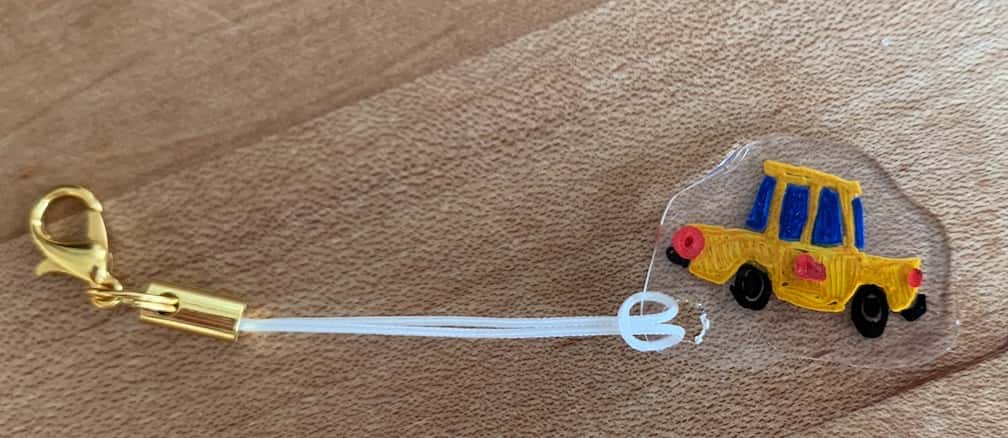
テレビ番組監修・イベント等のお知らせ
- 8月27日(木)科学監修番組放送予定
- 9月20日(日)ダビンチマスターズ出演予定
- 10月10日(土)11:15~12:00 千葉市科学フェスタ2026「桑子先生の回転科学ショー」にてサイエンスショーを行います。
- 12月26日(土) ナリカサイエンスアカデミー(教員向け実験講習会)開催
書籍のお知らせ
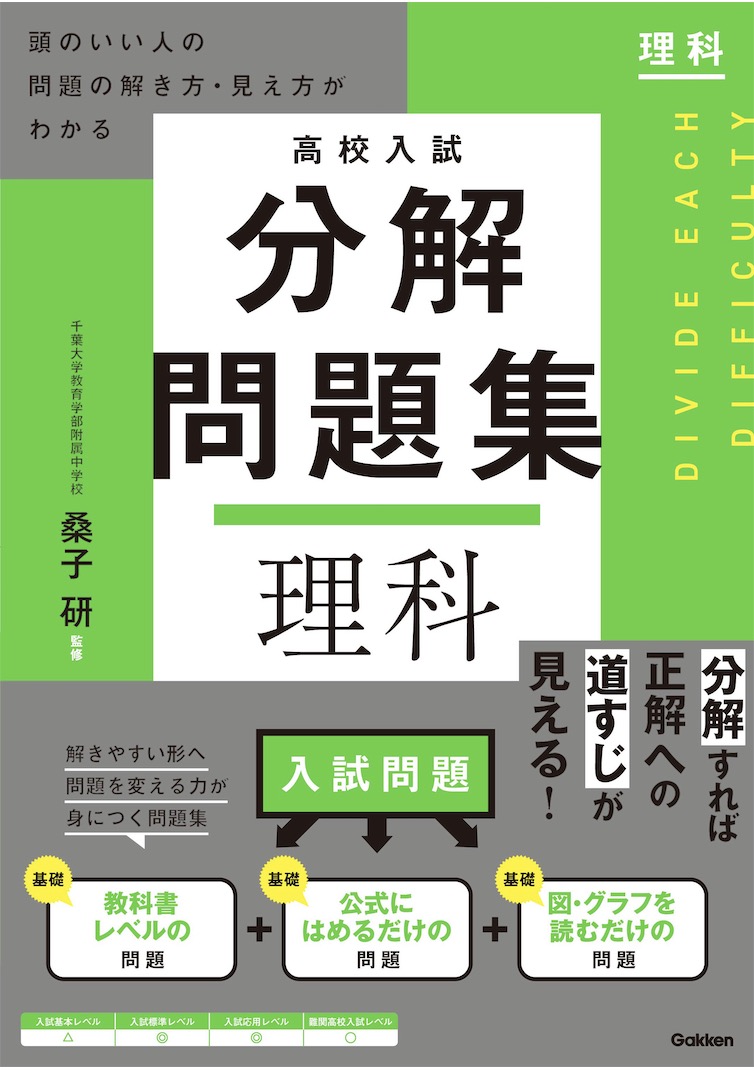
- 『高校入試 分解問題集 理科』(学研)…難しい問題も小さな問題に分解することで、問題を解くことができます。そんな分解の技術が身につくように深く関わりを持って作りました。
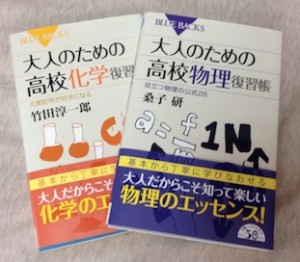
 『大人のための高校物理復習帳』(講談社)…一般向けに日常の物理について公式を元に紐解きました。特設サイトでは実験を多数紹介しています。※増刷がかかり6刷となりました(2026/02/01)
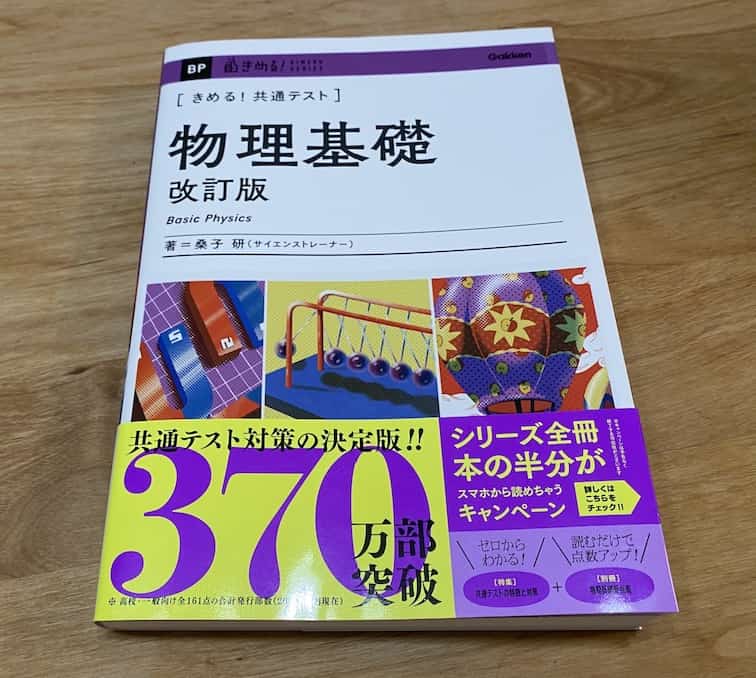
- 『きめる!共通テスト 物理基礎 改訂版』(学研)… 高校物理の参考書です。イラストを多くしてイメージが持てるように描きました。授業についていけない、物理が苦手、そんな生徒におすすめです。特設サイトはこちら。
各種SNS(更新情報をお届け!)
【日本語】X(Twitter)/instagram/Facebook 【英語】BlueSky/Threads
Explore
- 楽しい実験…お子さんと一緒に夢中になれるイチオシの科学実験を多数紹介しています。また、高校物理の理解を深めるための動画教材も用意しました。
- 理科の教材… 理科教師をバックアップ!授業の質を高め、準備を効率化するための選りすぐりの教材を紹介しています。
- Youtube…科学実験等の動画を配信しています。
- 科学ラジオ …科学トピックをほぼ毎日配信中!AI技術を駆使して作成した「耳で楽しむ科学」をお届けします。
- 講演 …全国各地で実験講習会・サイエンスショー等を行っています。
- About …「科学のネタ帳」のコンセプトや、運営者である桑子研のプロフィール・想いをまとめています。
- お問い合わせ …実験教室のご依頼、執筆・講演の相談、科学監修等はこちらのフォームからお寄せください。