Capturing the Winter’s Giant Full Moon with the Smart Telescope “Seestar” — When the Cold Moon Meets the Supermoon
I’m Ken Kuwako, your science trainer. Every day is an experiment.
The season has arrived when our breath turns white and the stars shine with an even sharper intensity. If you happen to glance up at the night sky, don’t you notice the moon glowing with an overwhelming presence? Actually, the Full Moon gracing the night sky on December 5, 2025, is no ordinary spectacle. It is the last Full Moon of the year and a special celestial show announcing the arrival of winter.
The “Cold Moon” Announcing Winter’s Arrival
The December Full Moon has a beautifully evocative name: the “Cold Moon.” This name is said to originate from the culture of the Mohawk people, a Native American tribe in North America. They used to name each monthly Full Moon based on the characteristics of the season, effectively using them as a calendar.
The Cold Moon, photographed with a smart telescope at 10:16 PM on December 27, 2023.
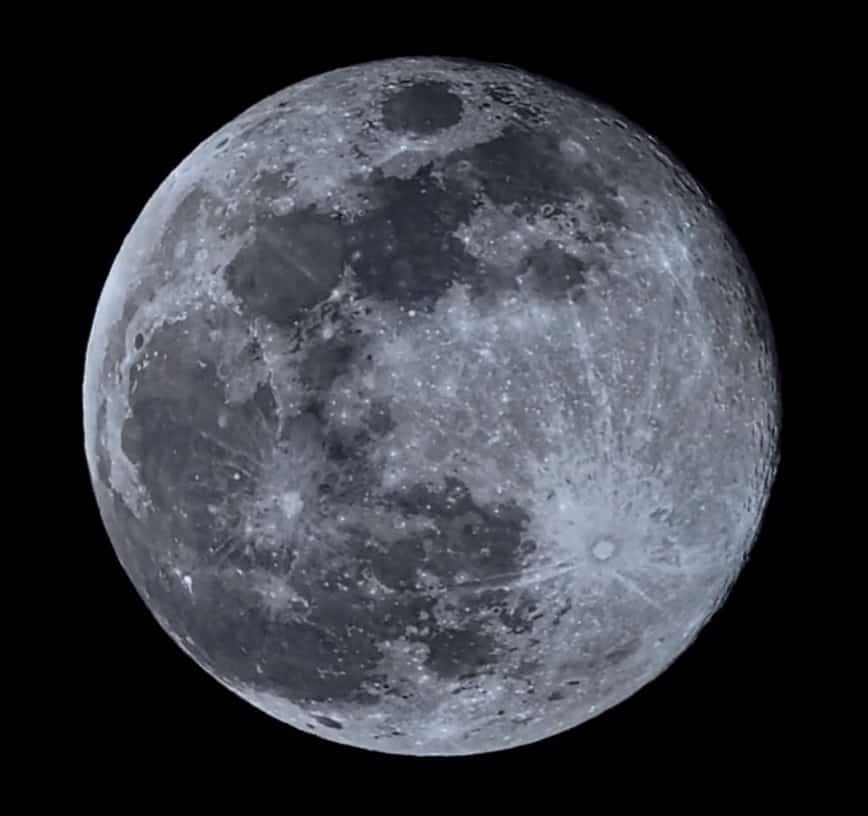
December marks the true beginning of winter in the Northern Hemisphere. The temperature drops sharply, and the cold grips everything, which is why this name was chosen. Viewed through the clear, crisp winter air, the moon shines with a truly majestic, cold, and beautiful brilliance, living up to its name.
The Mechanism Behind the Year’s Last Supermoon
And here is another major feature of this particular Full Moon: it is the last Supermoon of 2025.
Many of you may have noticed with the naked eye: “It seems brighter than usual!” or “I feel like it’s bigger.” This feeling is entirely correct, as a Supermoon is a phenomenon that occurs when the distance between the Earth and the Moon is at its closest.
As you may have learned in science class, the Moon’s orbit is not a perfect circle, but a slightly flattened ellipse. Therefore, the distance between the Earth and the Moon is constantly changing. When a Full Moon coincides with the Moon being particularly close to Earth, as is the case now, it is said to appear about 14% larger and up to 30% brighter compared to the moon at its farthest point.
The Power of the Seestar Smart Telescope
With such a beautiful moon on display, it’s only natural to want to capture it in a photo. But have you ever been disappointed when pointing your smartphone camera at it? The picture often comes out overexposed and white, or the moon appears tiny…
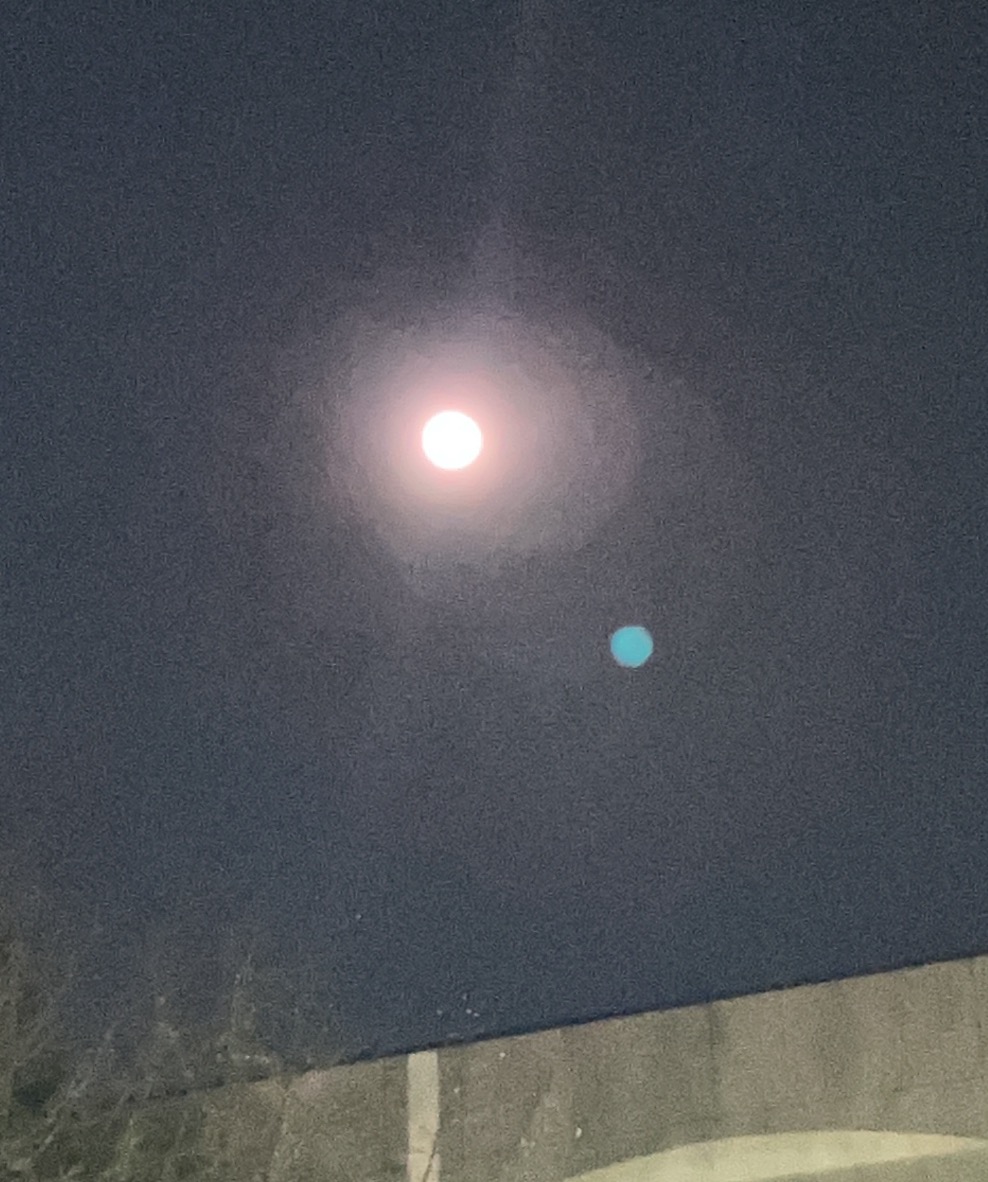
I took this with my smartphone without using any app, but it’s not great.
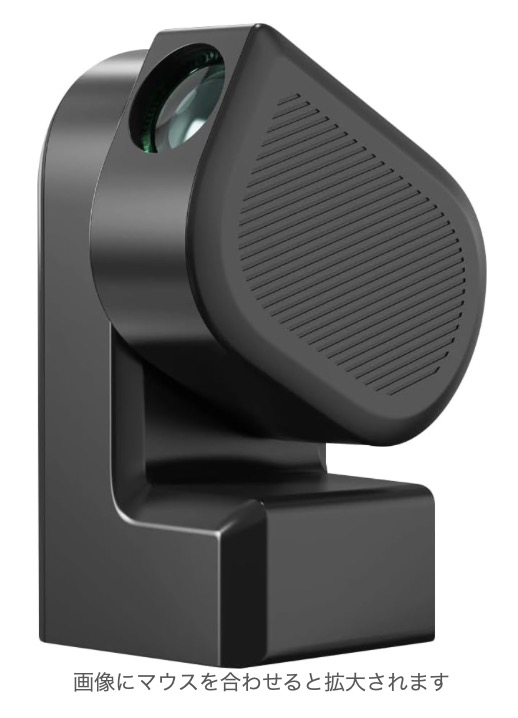
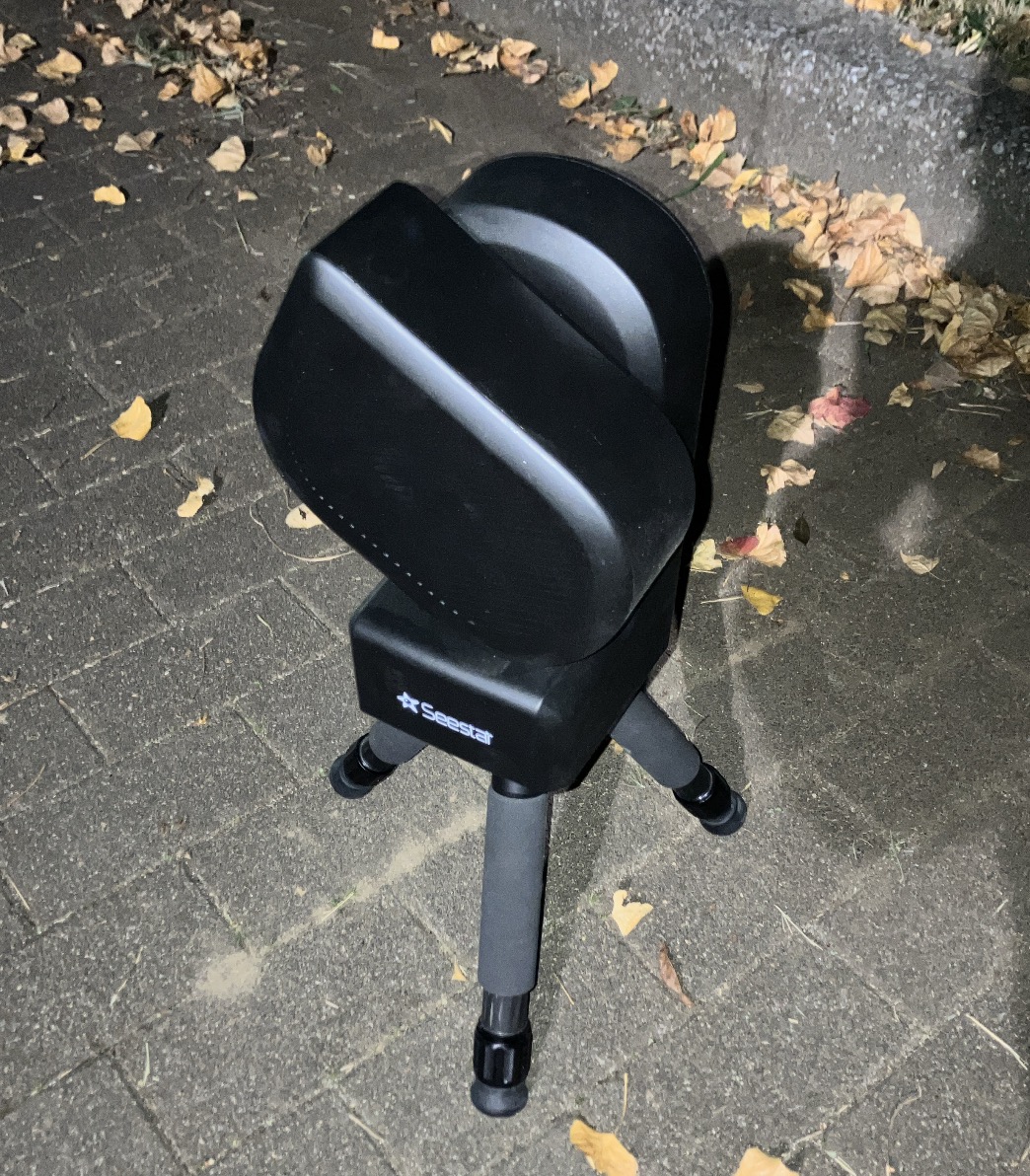
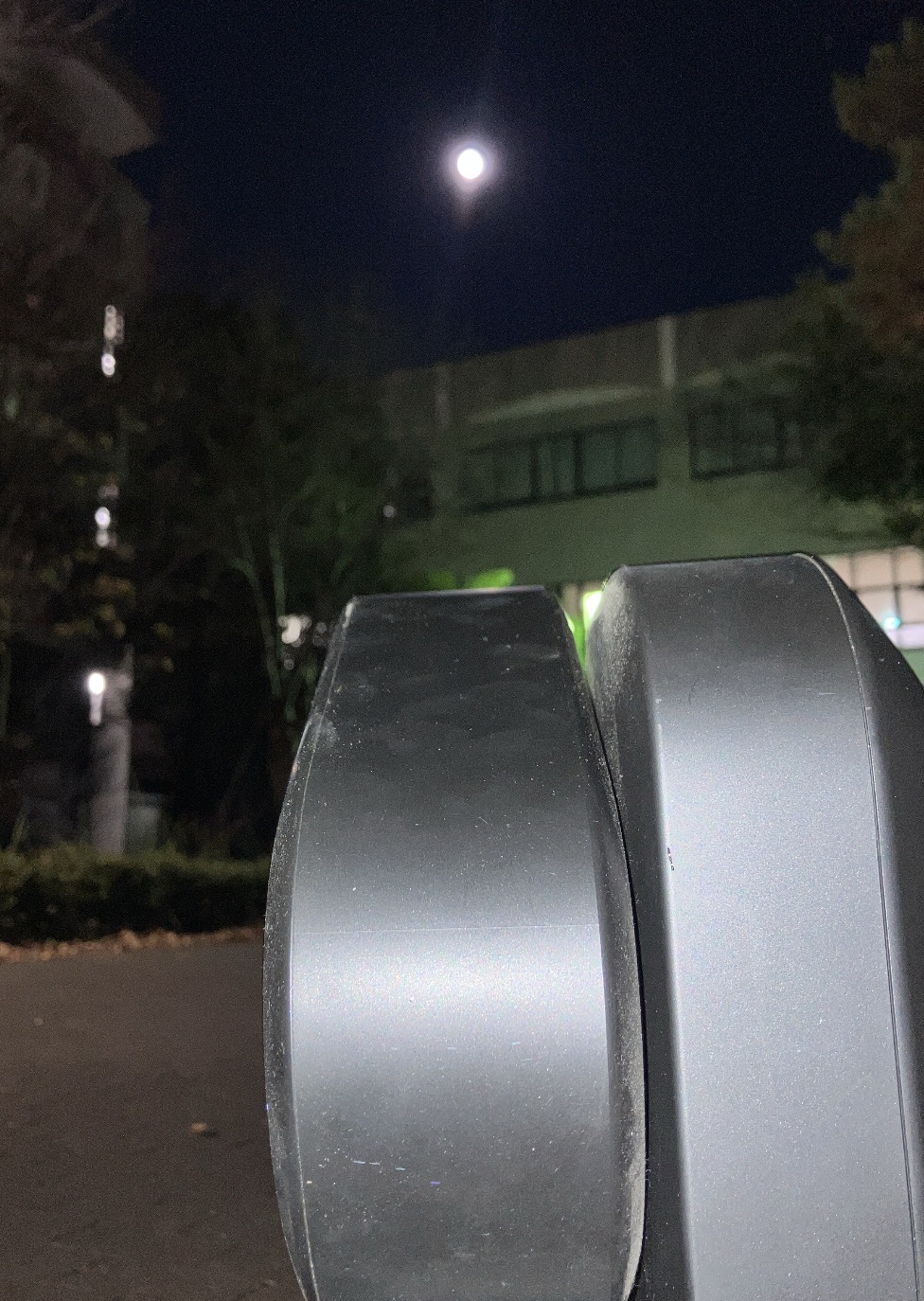
This is where the trendy smart telescope, the SeeStar, comes in! I actually used the Seestar to photograph this special Full Moon, and this is how it turned out:
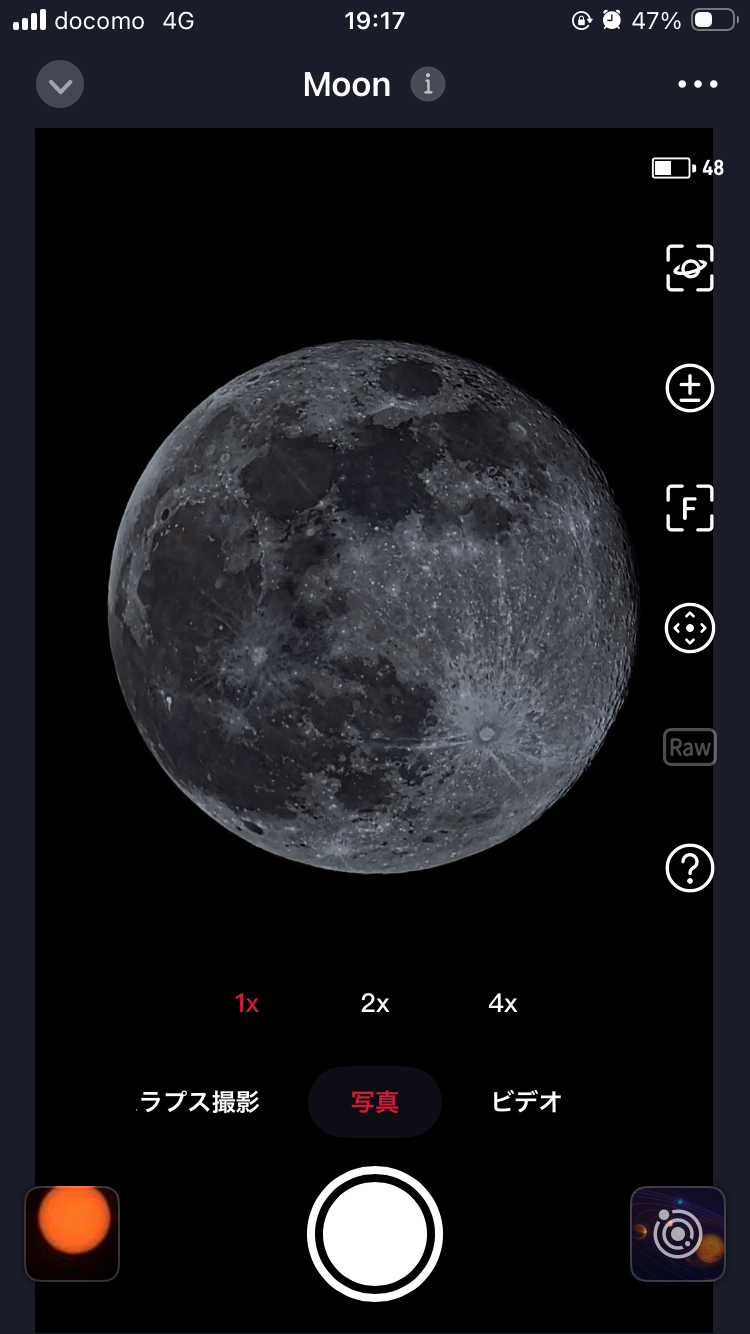
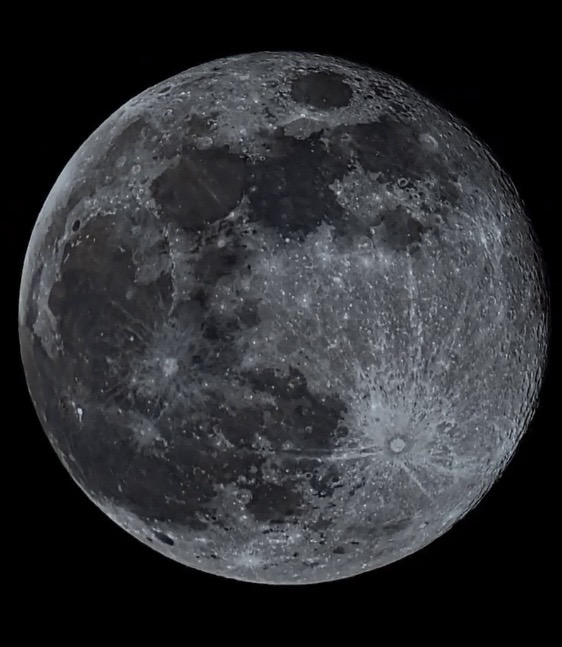
After adjusting the image quality, it became even clearer and sharper.
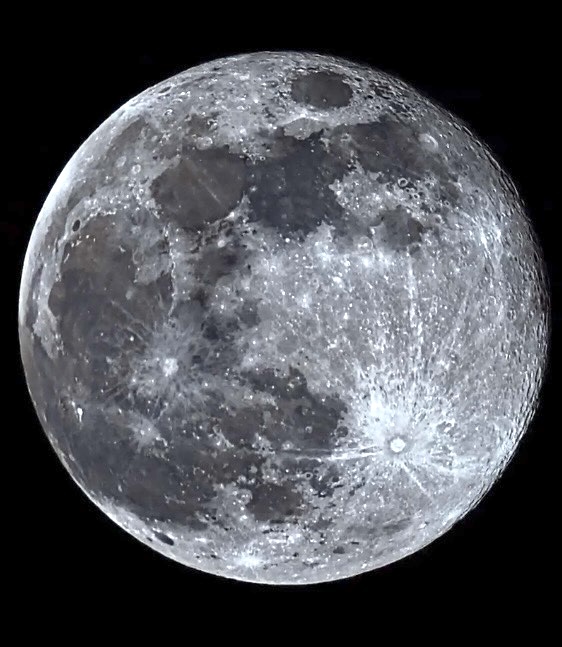
What do you think? The shadows of the craters are clearly captured, and you can certainly feel a greater sense of power than with a typical view of the moon. You can even clearly see the pattern that looks like the rabbit pounding mochi! This “texture” and “brilliance” are difficult to replicate with a smartphone. As expected, a smart telescope designed specifically for astronomical observation can easily and vividly record the celestial body.
Contact and Requests
Bring the wonder and fun of science closer to you! We’ve put together simple, easy-to-understand tips and exciting science experiments you can do at home. Feel free to search for more!
The content from our “Science Idea Notebook” is now available as a book. Find out more here.
About the site administrator, Ken Kuwako, here.
For various requests (writing, lectures, experiment workshops, TV supervision, appearances, etc.), here. ・Article updates are posted on X!
 We post experiment videos on our Science Idea Channel!
9月のイチオシ実験!
お弁当箱をプラバンがわりにしてキーホルダーを作ろう!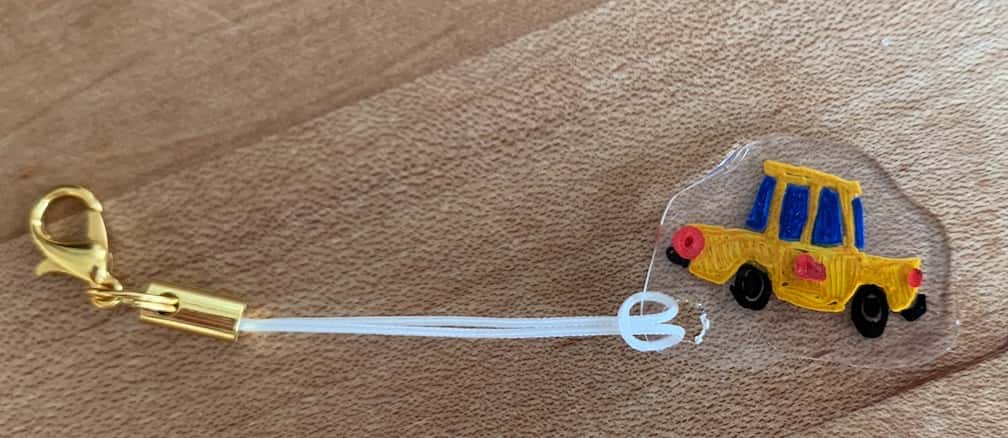
テレビ番組監修・イベント等のお知らせ
- 8月27日(木)科学監修番組放送予定
- 9月20日(日)ダビンチマスターズ出演予定
- 10月10日(土)11:15~12:00 千葉市科学フェスタ2026「桑子先生の回転科学ショー」にてサイエンスショーを行います。
- 12月26日(土) ナリカサイエンスアカデミー(教員向け実験講習会)開催
書籍のお知らせ
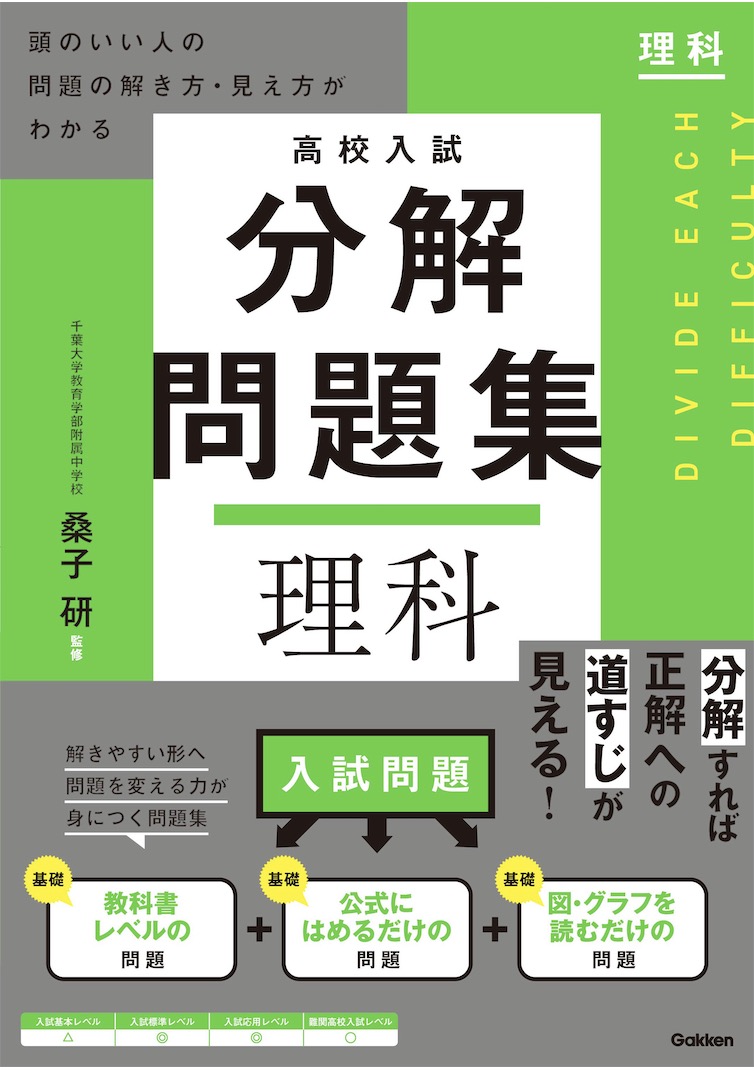
- 『高校入試 分解問題集 理科』(学研)…難しい問題も小さな問題に分解することで、問題を解くことができます。そんな分解の技術が身につくように深く関わりを持って作りました。
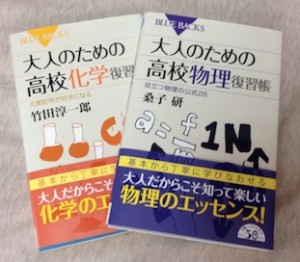
 『大人のための高校物理復習帳』(講談社)…一般向けに日常の物理について公式を元に紐解きました。特設サイトでは実験を多数紹介しています。※増刷がかかり6刷となりました(2026/02/01)
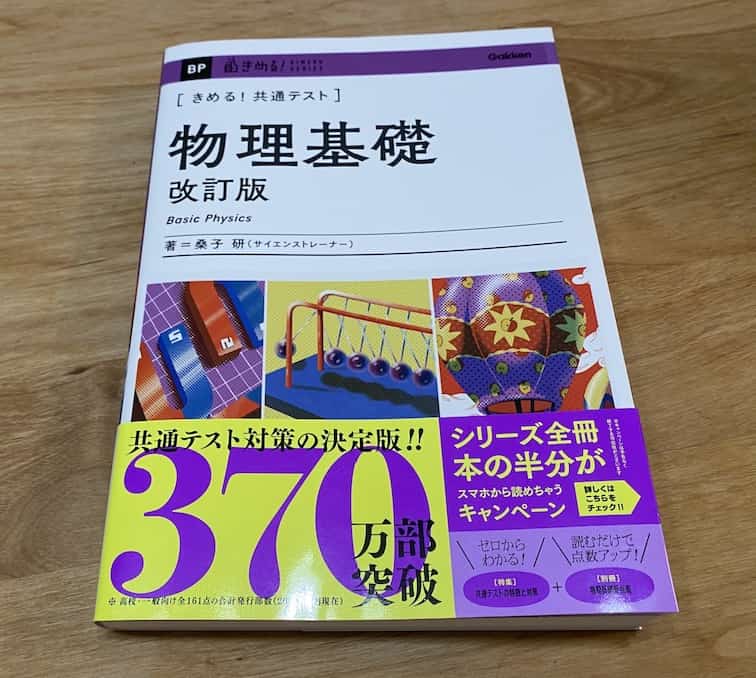
- 『きめる!共通テスト 物理基礎 改訂版』(学研)… 高校物理の参考書です。イラストを多くしてイメージが持てるように描きました。授業についていけない、物理が苦手、そんな生徒におすすめです。特設サイトはこちら。
各種SNS(更新情報をお届け!)
【日本語】X(Twitter)/instagram/Facebook 【英語】BlueSky/Threads
Explore
- 楽しい実験…お子さんと一緒に夢中になれるイチオシの科学実験を多数紹介しています。また、高校物理の理解を深めるための動画教材も用意しました。
- 理科の教材… 理科教師をバックアップ!授業の質を高め、準備を効率化するための選りすぐりの教材を紹介しています。
- Youtube…科学実験等の動画を配信しています。
- 科学ラジオ …科学トピックをほぼ毎日配信中!AI技術を駆使して作成した「耳で楽しむ科学」をお届けします。
- 講演 …全国各地で実験講習会・サイエンスショー等を行っています。
- About …「科学のネタ帳」のコンセプトや、運営者である桑子研のプロフィール・想いをまとめています。
- お問い合わせ …実験教室のご依頼、執筆・講演の相談、科学監修等はこちらのフォームからお寄せください。