Gravity? No Problem! Meet the “Micro Mountaineers” Inside Your Sponge
I’m Ken Kuwako, your Science Trainer. Every day is an experiment.
Wiping up spilled water in the kitchen with a cloth, or soaking up water with a sponge after taking a bath—these everyday actions actually involve something rather surprising: water moving against gravity. Try dipping a piece of kitchen paper into a cup of tea, for example, and you’ll see the liquid mysteriously creeping upward. Why does this happen?
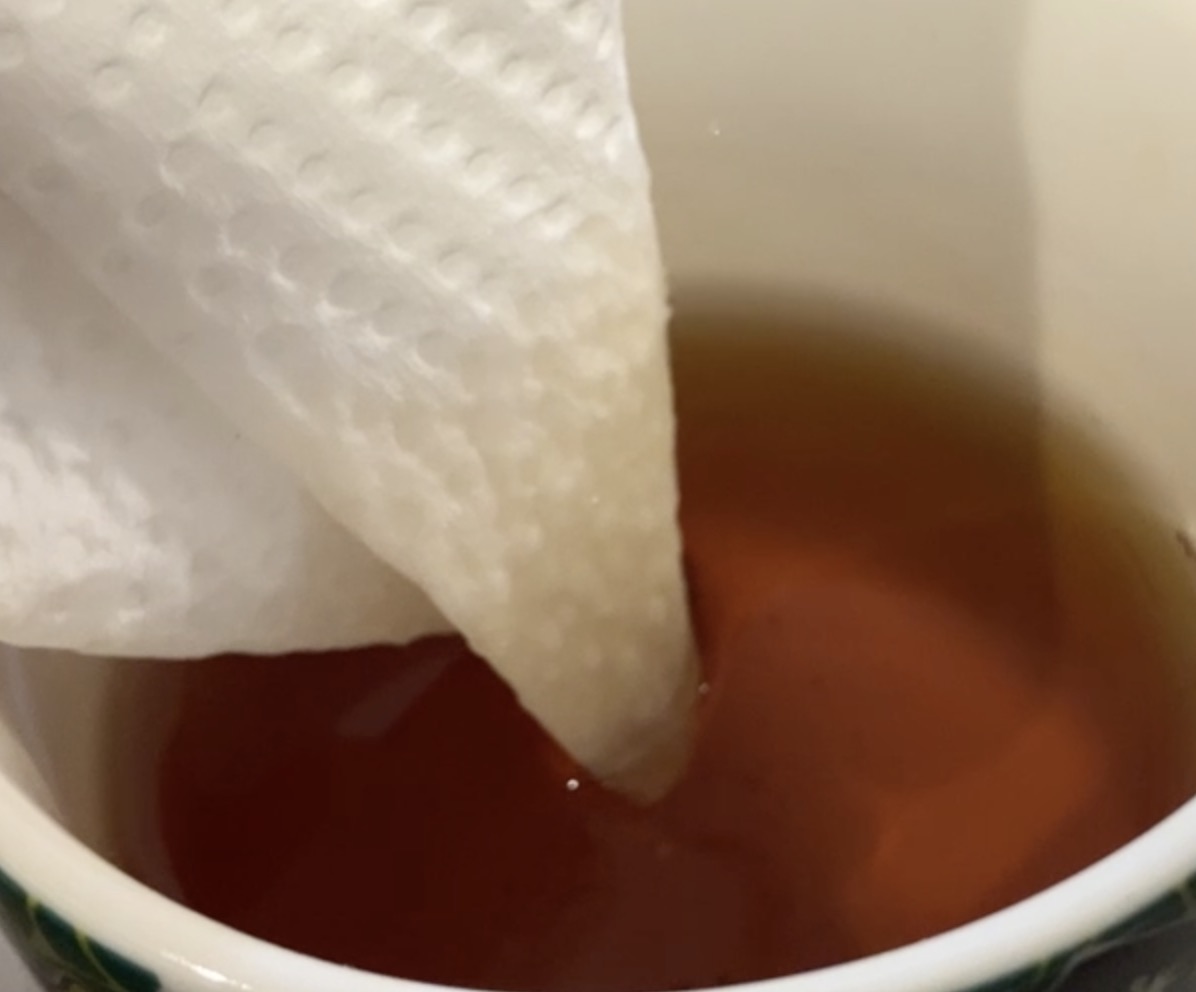
Let’s take a closer look at the amazing mechanism that allows sponges and cloths to soak up water.
A Porous Structure That Draws in Water
Take a close look at a sponge and you’ll see that it’s filled with countless tiny holes. A structure like this is called “porous.” Inside a sponge is a tangled maze of tiny channels and gaps, almost like a miniature jungle. These countless “tiny spaces” are the key to its ability to draw water upward.
Capillary Action
The main reason kitchen paper, cloths, and even sponges can pull water upward is a phenomenon called “capillary action.” When a narrow tube or passage comes into contact with a liquid, the liquid can creep upward, seemingly defying gravity.
Two forces play a major role here.
- Adhesion: The force that causes water molecules to stick to the walls of the sponge.
- Surface tension (cohesion): The force that makes water molecules hold tightly onto one another and stay together as a group.
When these two forces work together, water naturally makes its way deeper and deeper into narrow spaces. In fact, the narrower the gap, the stronger the capillary force becomes.
Adhesion and Surface Tension
So how can water actually “climb” the walls of a sponge or a glass tube? The secret lies in a structure called the “-OH (hydroxyl group)” found on the surface of molecules. Cellulose, the main component of cloth and natural sponges, contains countless -OH groups. These -OH groups have a strong electrical polarity, which means they effectively beckon to polar water molecules, saying, “Come on over!”
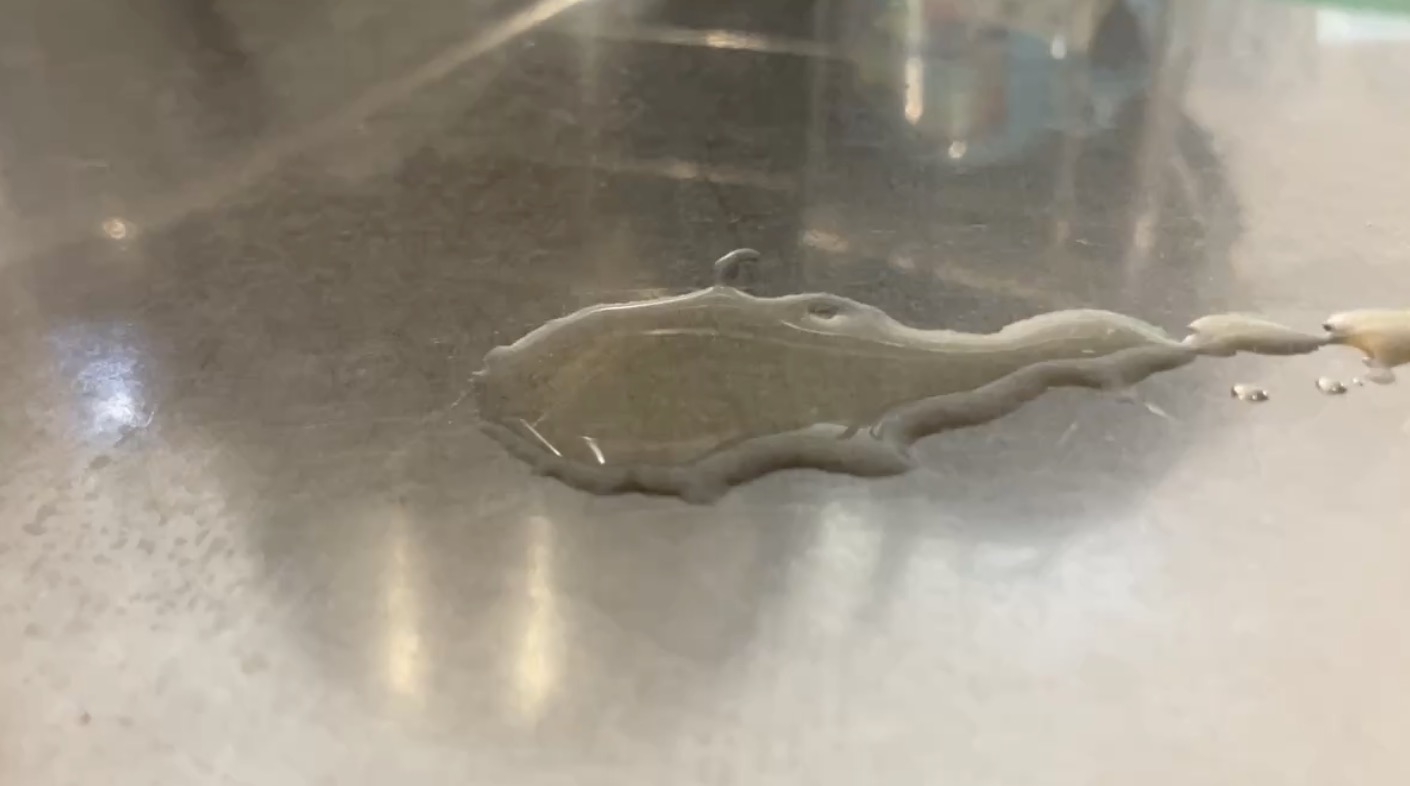
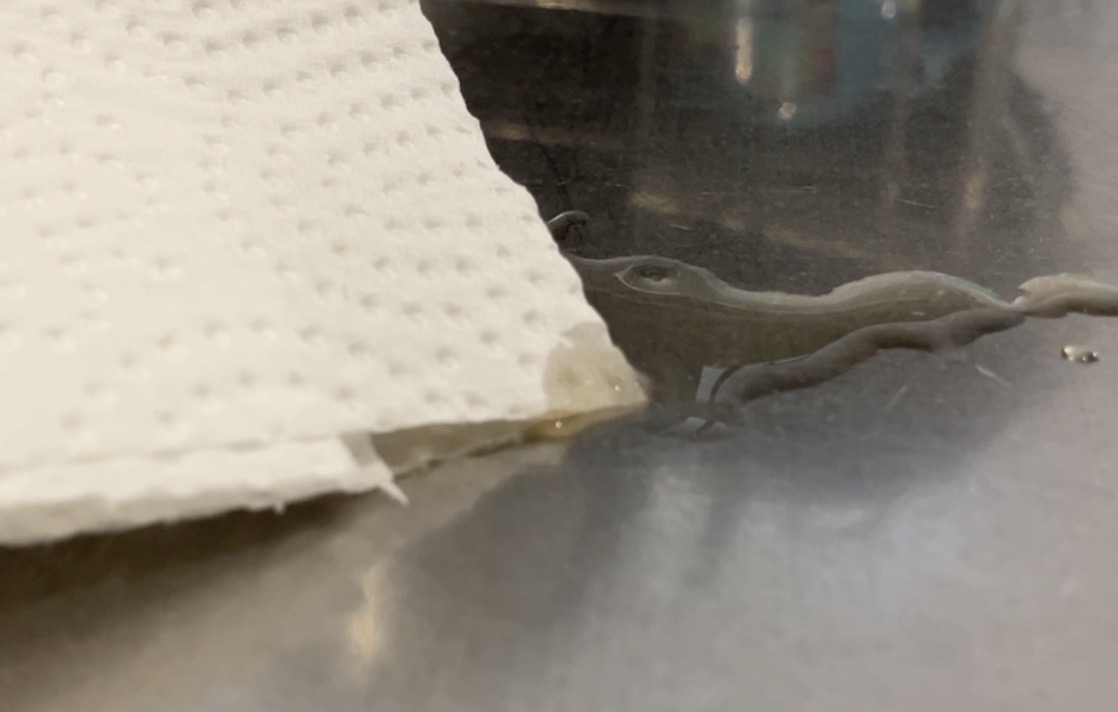
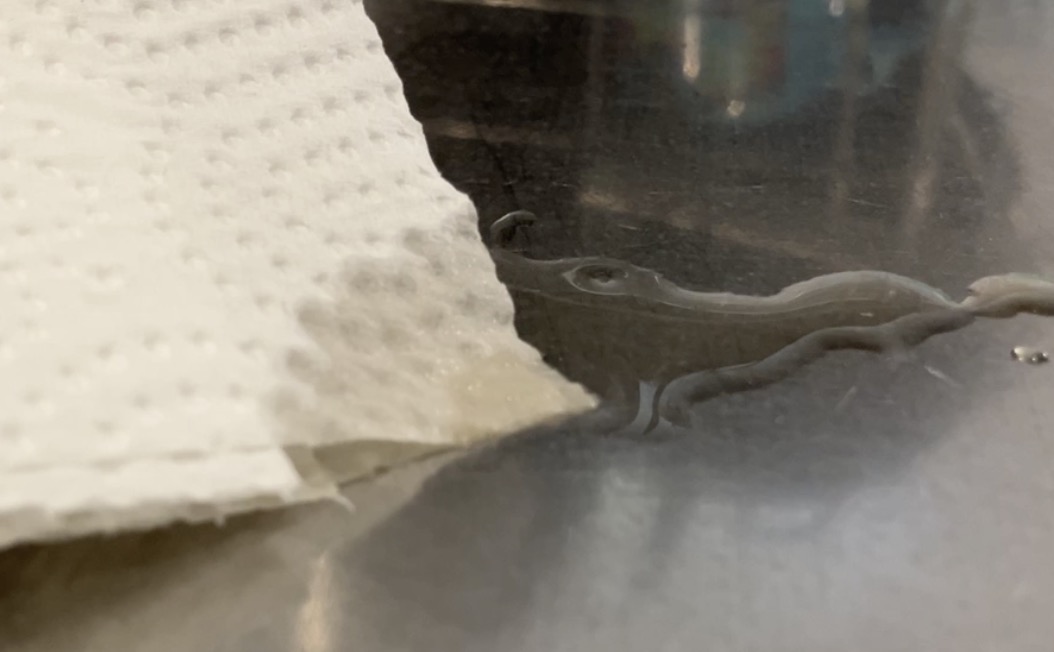
When people hear “capillary action,” they often picture water rising through a narrow glass tube rather than a paper towel. Why does that happen? Surprisingly, even the seemingly smooth surface of glass contains structures called “silanol groups (Si-OH)”, which form when the glass surface interacts with moisture in the air. When a glass tube is placed in water, the water level rises because the following steps are repeated incredibly quickly:
- Climbing the wall (adhesion): The -OH groups on the wall attract water molecules, causing the water to climb upward along the surface.
- Surface tension pulls the water upward (cohesion): Water molecules attached to the wall pull their neighbors upward, as if saying, “Come along with me!”
The water keeps climbing until the upward force is balanced by the weight of the water.
The “Hidden Force” That Makes Oil Climb Paper
But here’s an interesting question: If oil doesn’t have the same kind of polarity as water, why can it still be absorbed by kitchen paper? How can we wipe up oil in much the same way as we wipe up water?
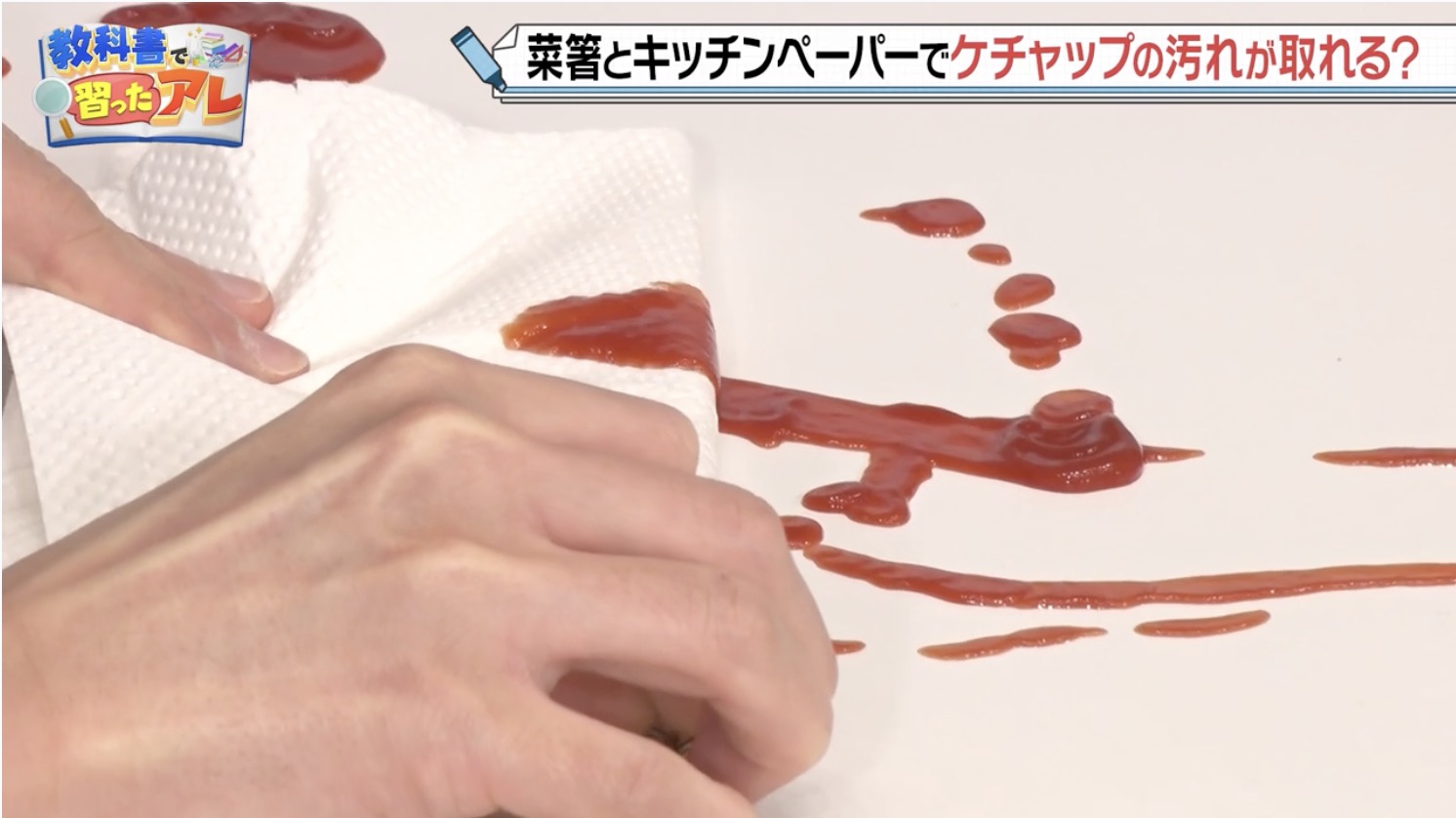
Oil doesn’t have water’s powerful hydrogen bonds, but the molecular world has another, much more subtle attractive force: van der Waals forces. These are essentially a “gentle tendency for neighboring molecules to snuggle up together” that acts between all kinds of molecules. Cellulose, the main component of kitchen paper, is made largely of carbon and hydrogen, while oil molecules are also largely made of carbon and hydrogen. Thanks to van der Waals forces, the two can actually stick together reasonably well.
In the case of oil, its surface tension is much weaker than that of water. As a result, oil has a strong tendency to spread out rather than stick together with its fellow molecules. This eagerness to spread means that when oil encounters the fibers of kitchen paper, it readily slips into the tiny spaces between them.
Still, if you compare oil with water, you’ll notice that oil is harder to wipe up after a spill. Because it lacks water’s strong polarity, it tends to feel greasy and sticky, and its ability to be drawn upward by capillary action is much weaker.
Once an oil molecule gets its foot into the tiny spaces between the fibers, however, the “capillary action” we’ve been learning about takes over. Kitchen paper is an “ultra-fine jungle” made of extremely thin fibers tangled together in a complex network. Because the gaps are so incredibly narrow, even relatively weak adhesive forces such as van der Waals forces can provide enough pull to draw liquid into these confined spaces.
Capillary action in water can even create frost columns! Check out this article as well.
Contact & Requests
Bringing the wonders and fun of science a little closer to everyday life! I share fun science experiments you can do at home, along with easy-to-understand explanations and useful tips. Take a look around and explore!
・The content from Science Notebook has been turned into a book. Learn more here.
・Learn more about Ken Kuwako, the site’s creator, here.
・For inquiries and requests, including writing, lectures, science workshops, TV science supervision, and appearances, click here.
・Get updates whenever new articles are published on X!
 Science Notebook Channel features videos of science experiments!
9月のイチオシ実験!
お弁当箱をプラバンがわりにしてキーホルダーを作ろう!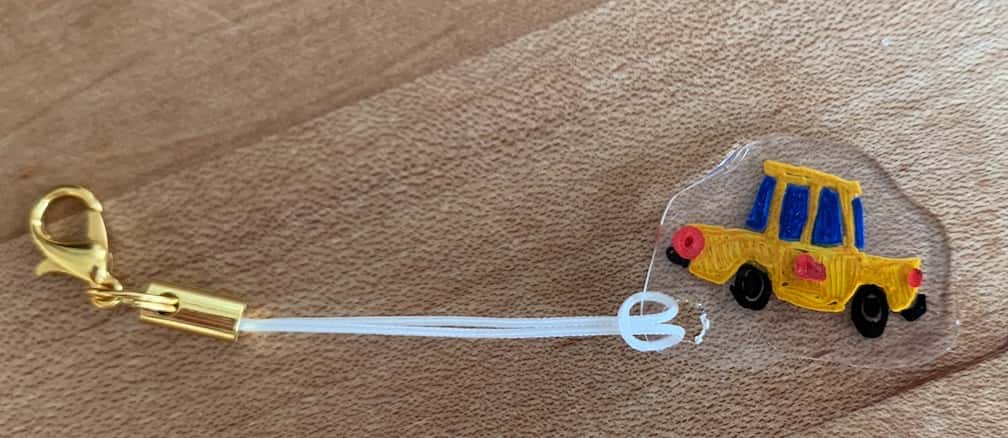
テレビ番組監修・イベント等のお知らせ
- 8月27日(木)科学監修番組放送予定
- 9月20日(日)ダビンチマスターズ出演予定
- 10月10日(土)11:15~12:00 千葉市科学フェスタ2026「桑子先生の回転科学ショー」にてサイエンスショーを行います。
- 12月26日(土) ナリカサイエンスアカデミー(教員向け実験講習会)開催
書籍のお知らせ
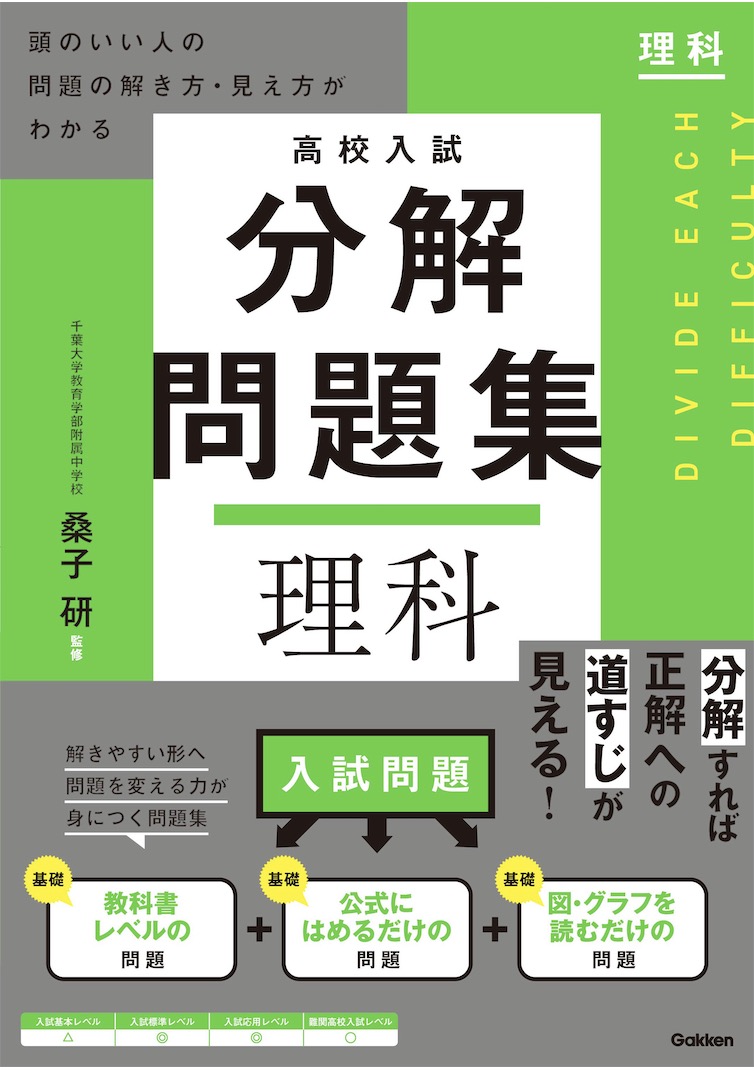
- 『高校入試 分解問題集 理科』(学研)…難しい問題も小さな問題に分解することで、問題を解くことができます。そんな分解の技術が身につくように深く関わりを持って作りました。
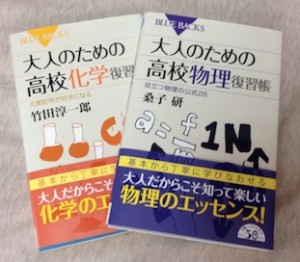
 『大人のための高校物理復習帳』(講談社)…一般向けに日常の物理について公式を元に紐解きました。特設サイトでは実験を多数紹介しています。※増刷がかかり6刷となりました(2026/02/01)
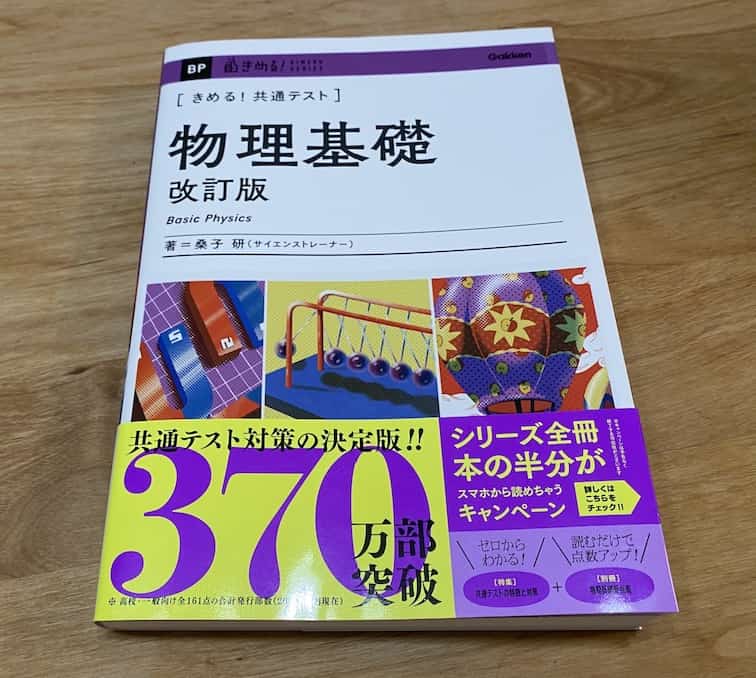
- 『きめる!共通テスト 物理基礎 改訂版』(学研)… 高校物理の参考書です。イラストを多くしてイメージが持てるように描きました。授業についていけない、物理が苦手、そんな生徒におすすめです。特設サイトはこちら。
各種SNS(更新情報をお届け!)
【日本語】X(Twitter)/instagram/Facebook 【英語】BlueSky/Threads
Explore
- 楽しい実験…お子さんと一緒に夢中になれるイチオシの科学実験を多数紹介しています。また、高校物理の理解を深めるための動画教材も用意しました。
- 理科の教材… 理科教師をバックアップ!授業の質を高め、準備を効率化するための選りすぐりの教材を紹介しています。
- Youtube…科学実験等の動画を配信しています。
- 科学ラジオ …科学トピックをほぼ毎日配信中!AI技術を駆使して作成した「耳で楽しむ科学」をお届けします。
- 講演 …全国各地で実験講習会・サイエンスショー等を行っています。
- About …「科学のネタ帳」のコンセプトや、運営者である桑子研のプロフィール・想いをまとめています。
- お問い合わせ …実験教室のご依頼、執筆・講演の相談、科学監修等はこちらのフォームからお寄せください。