Do Cherry Trees Hire Guards with “Nectar”? The Secret Survival Strategy Hidden in Jagged Leaves and Tiny Red Dots
Hi, I’m Ken Kuwako, your Science Trainer. Life is one big experiment!
【This article is also available on my radio channel!】
The Surprising Side of Sakura
Let’s take a quick look at the “profile” of the cherry blossom tree, or Sakura. Scientifically, it belongs to the Rosaceae (Rose) family and is a deciduous broad-leaved tree. Did you know that the cherries we love to eat also come from trees in this same family? It is a very familiar presence in our lives, providing beautiful flowers and delicious fruit enjoyed all over the world.
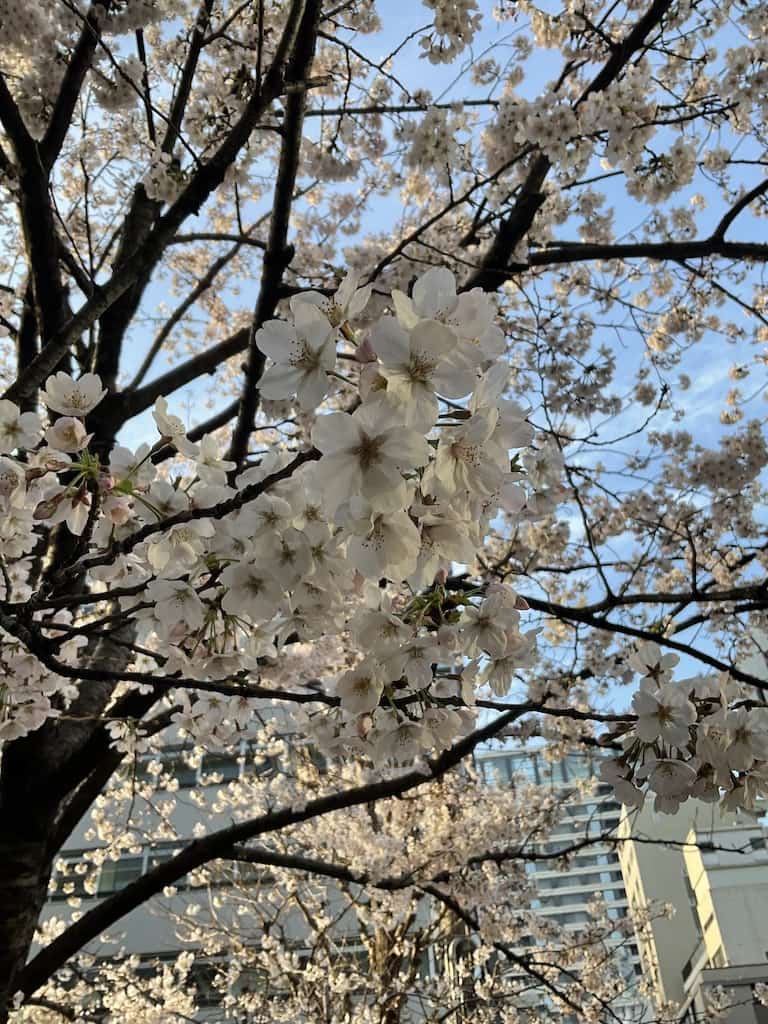
Sakura trees are monoecious, meaning a single tree produces both male and female reproductive parts. Depending on the species, they can grow to be massive towering trees or remain as smaller shrubs perfect for garden landscaping.
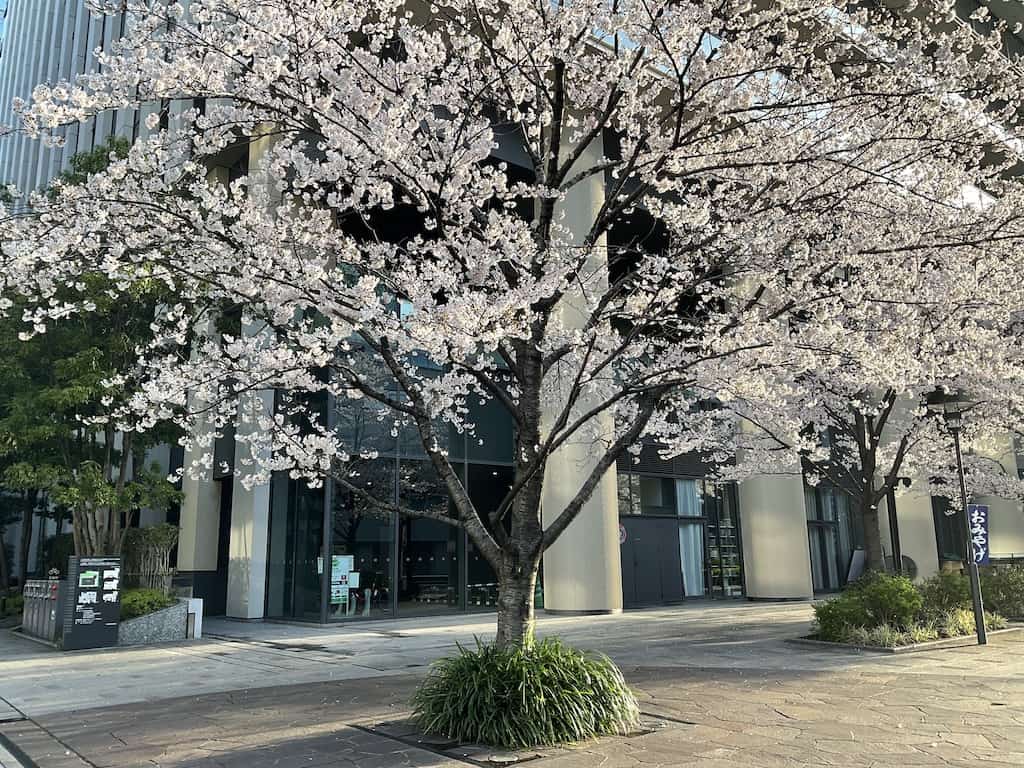
“Breathing Marks” Hidden in the Bark
Have you ever looked closely at the trunk of a Sakura tree? The bark of a young tree is often glossy and features distinct horizontal lines. You can find similar patterns on Birch trees as well. These lines are called lenticels. They aren’t just decorations; they are actually tiny gaps between cells that act as breathing pores. It is living proof that the tree, just like us, is taking in air to survive!
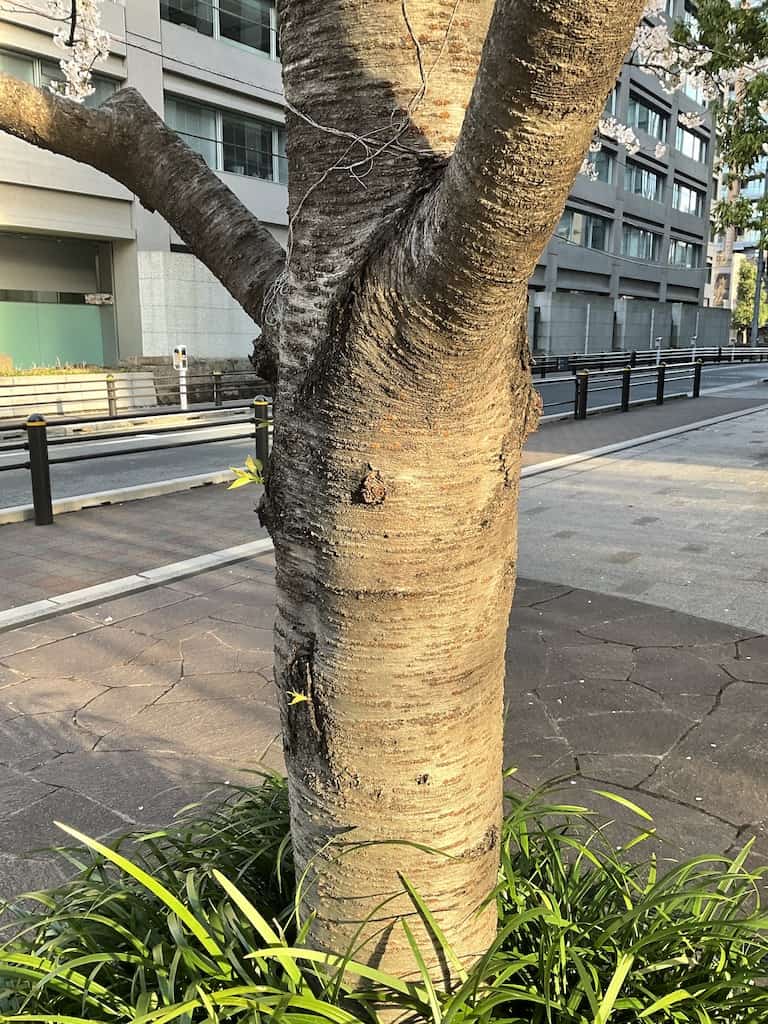
The roots of a Sakura tree tend to be shallow and spread out horizontally. Because of this, you will often see suckers (new shoots growing from the base) or adventitious roots popping up in unexpected places. In the fall, the leaves turn into vibrant autumn colors, giving us one last show before dropping for the winter.
A World of Petals: From “Single” to “Double”
The number of petals on a cherry blossom can vary wildly depending on the variety.
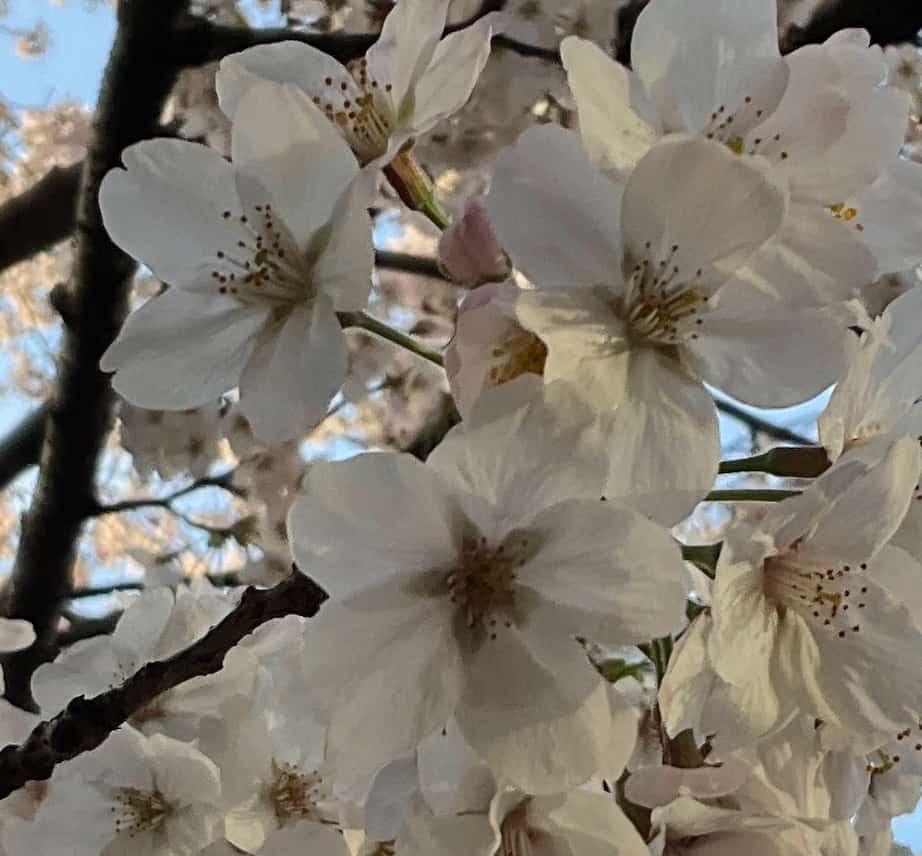
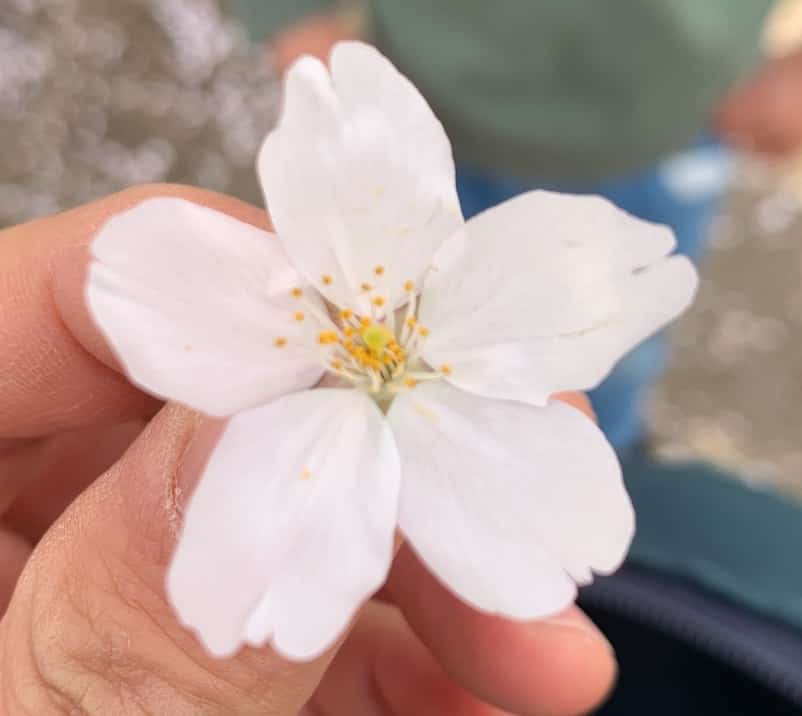
Generally, flowers with up to 5 petals are called single. Those with 5 to 10 are semi-double, and anything with more than 10 is known as a double blossom (or Yaezakura in Japanese). Some incredible varieties can even have over a hundred petals on a single flower!
Nature’s Artwork: The “Net” Pattern on the Leaves
Did you know that the true brilliance of the Sakura tree is hidden in the “season of green” that begins right after the flowers fall? It is truly awe-inspiring to watch the leaves, which were hiding while the flowers were in full bloom, suddenly burst forth with such life. If you look closely at the surface of a leaf, you will see a delicate network of veins. This is called reticulate venation, a feature common in dicots like broad-leaved trees.
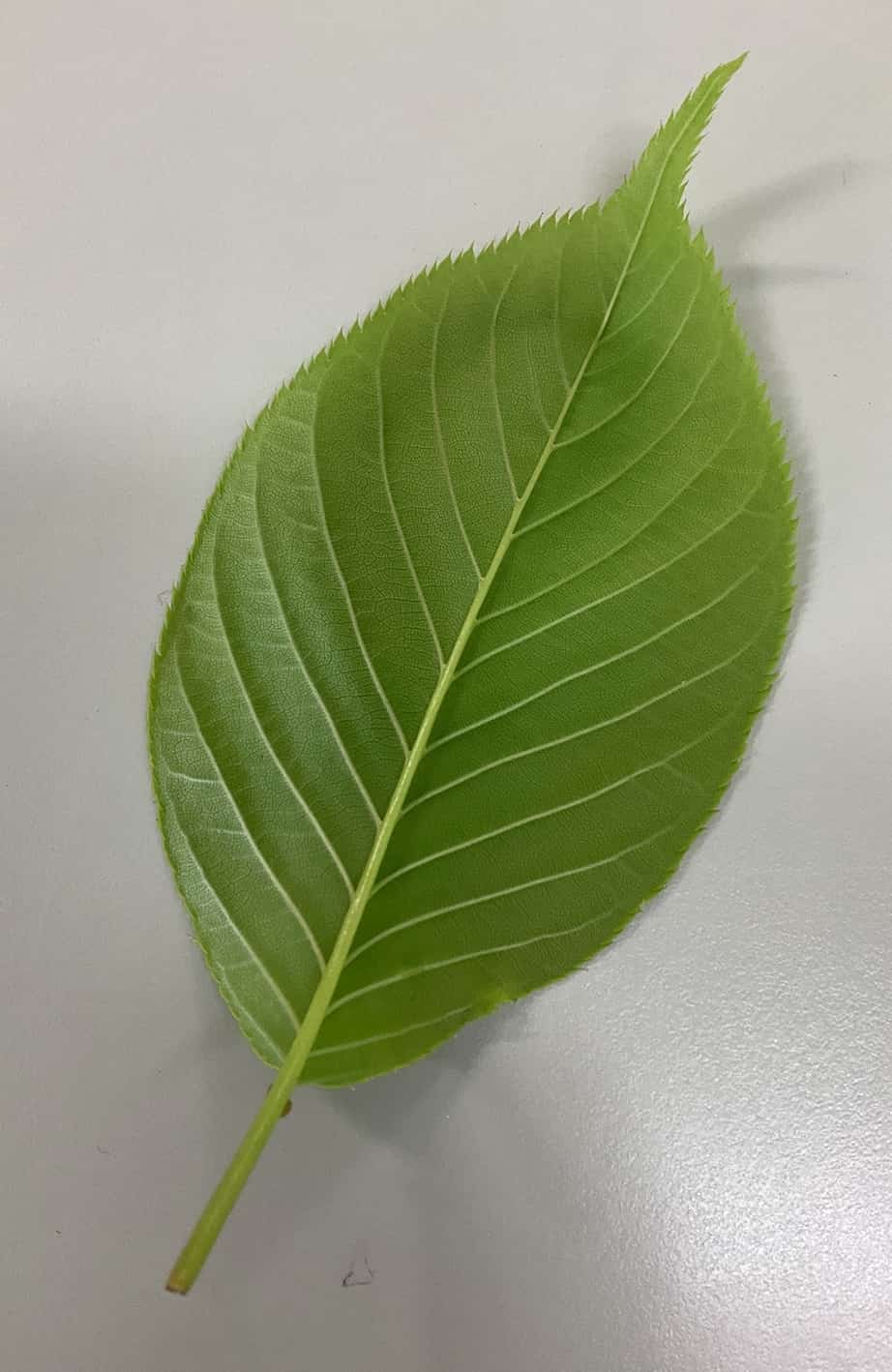
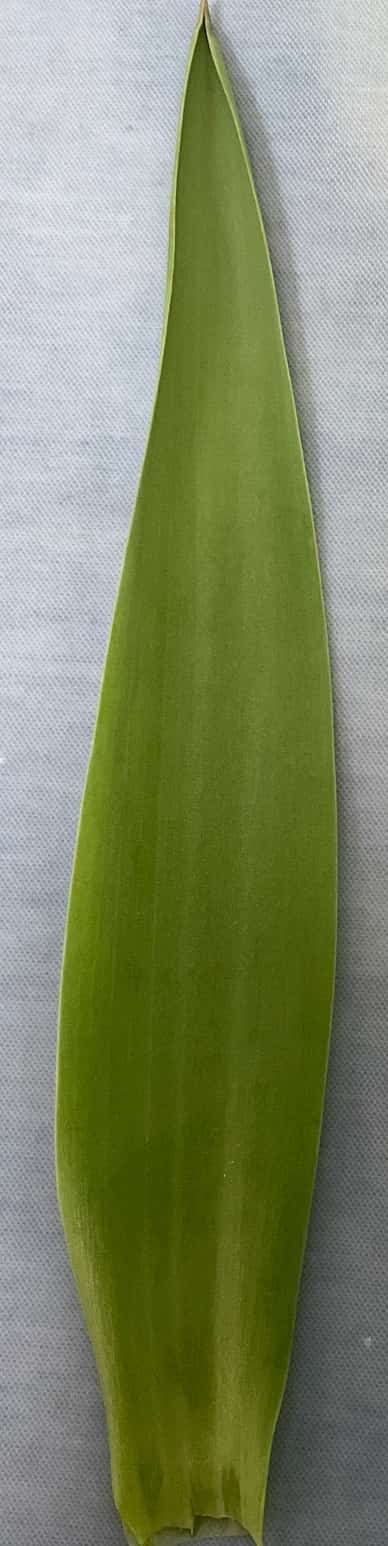
On the other hand, monocots like tulips have parallel venation, where the veins run in straight lines. Just asking yourself, “Is this a net pattern or a parallel pattern?” can turn a simple walk into a fun scientific discovery! Here is a photo of a tulip leaf for comparison.
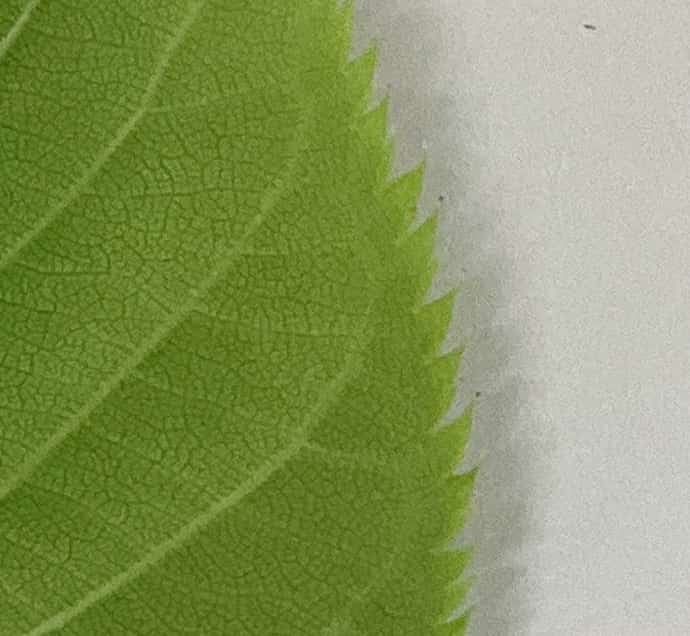
Also, take a look at the “serrated” edges of the Sakura leaf. In science, we call these serrations. Sakura leaves are unique because they often have “double serrations”—tiny teeth tucked inside larger ones. This complex shape is likely the result of millions of years of evolution, designed to improve photosynthesis and adapt to the environment.
The Mystery of the “Red Dots”
Finally, let’s talk about the most fascinating secret of all. Look at the very base of the leaf where it meets the stem. Do you see those two tiny red dots?
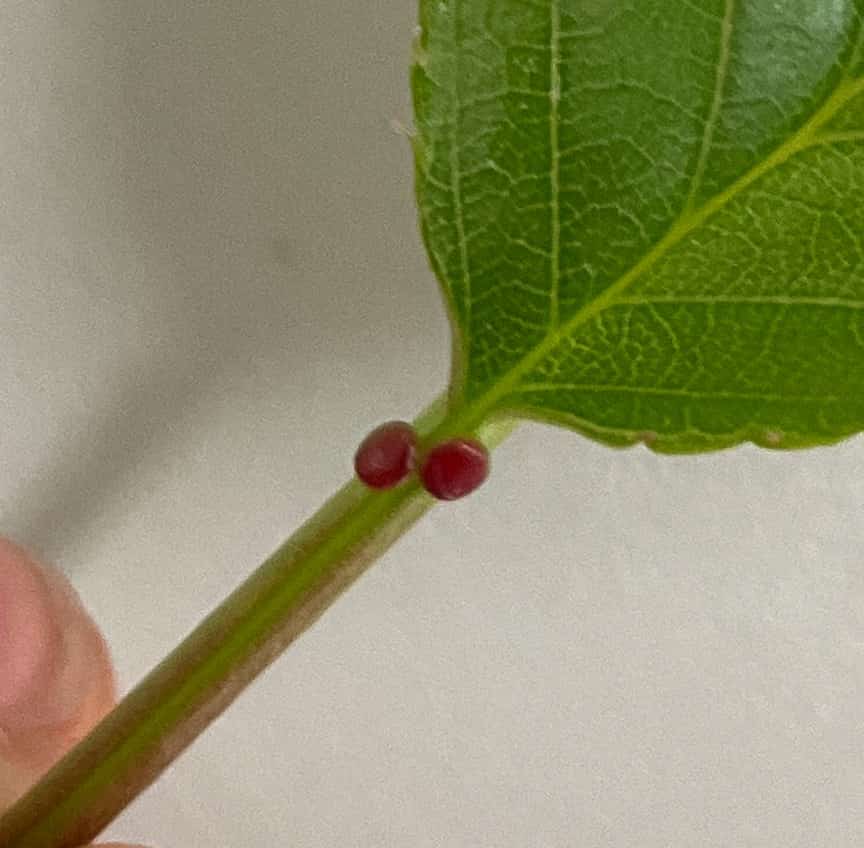
These organs are called extrafloral nectaries. Isn’t it strange that a tree would produce nectar somewhere other than its flowers? These dots actually secrete a sweet liquid. Out of curiosity, I once tried to taste it, but unfortunately, my human tongue couldn’t pick up the sweetness (haha)! (If you try it, please be careful and do so at your own risk!)
So, why does the tree have nectar glands on its leaves? It turns out this is a brilliant strategy to hire “bodyguards.” For a tree, having its leaves eaten by moth larvae or caterpillars is a major problem. To solve this, the Sakura tree produces nectar to lure in ants!
The ants, drawn by the sweet treat, begin to patrol the leaves. If they find moth eggs or hungry caterpillars along the way, they chase them off or carry them back to their colony as food. In short, the Sakura tree pays the ants a “nectar salary” in exchange for their protection.
While I was out taking photos, I happened to capture this rare shot of an ant actually visiting a nectary!
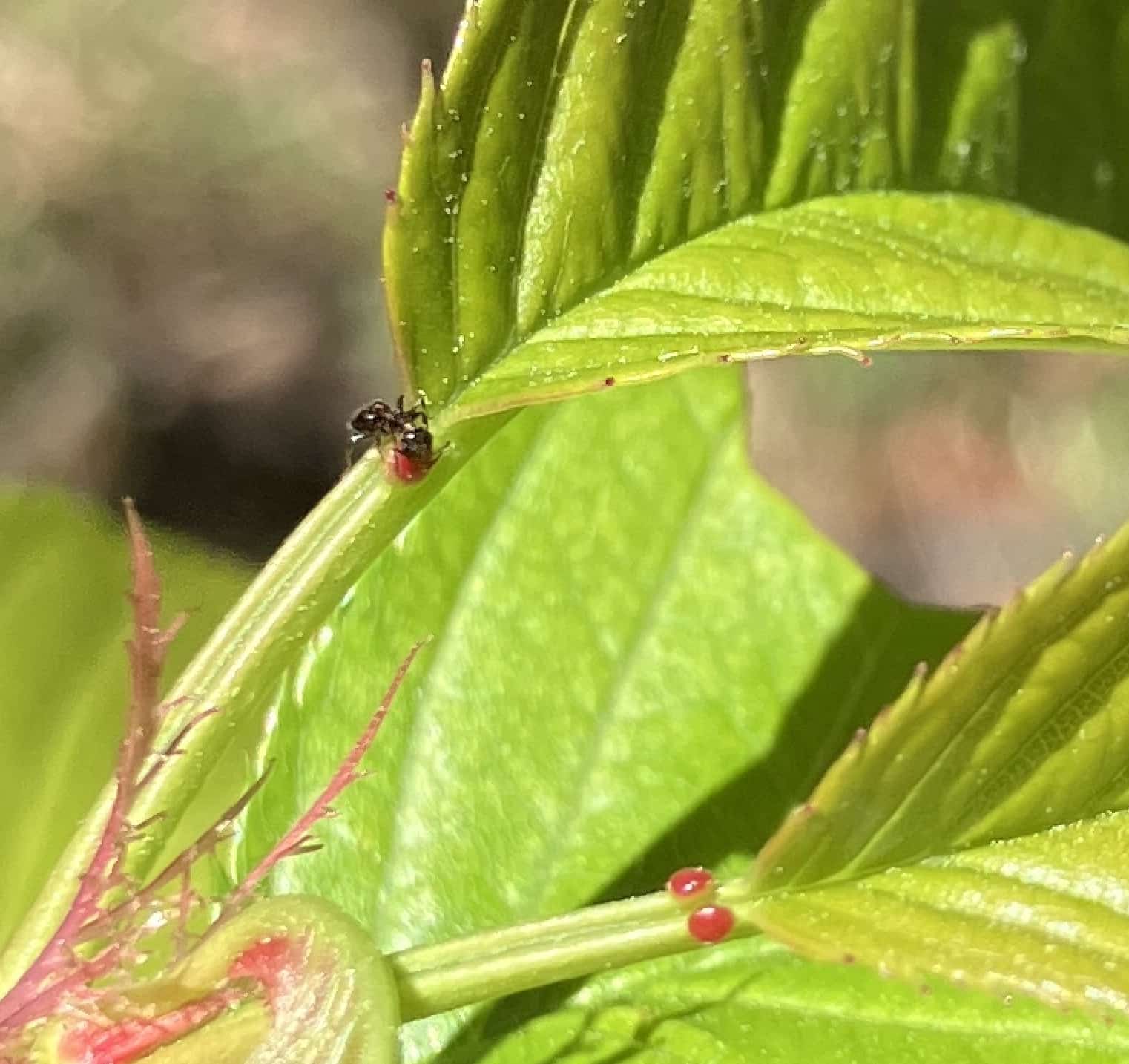
It is amazing to think that a single tiny red dot represents such a complex symbiotic relationship between a tree and an insect. Next time you see a cherry tree after its petals have fallen, take a moment to look at the leaves. You will find a quiet but dynamic “survival drama” unfolding right before your eyes.
As a bonus, I’ve created a smartphone wallpaper so you can carry the beauty of the Sakura with you. Feel free to download and use it!

If you’d like to use this in a classroom setting, please check here:
Contact & Inquiries
Let’s make the wonders of science a part of your everyday life! I share easy-to-follow science experiments you can do at home and plenty of tips. Feel free to explore!
・Learn more about me, Ken Kuwako, here.
・For inquiries (writing, lectures, workshops, TV supervision, etc.), click here.
・Get the latest updates on X (formerly Twitter)!
 Watch experiment videos on my Science Channel!
9月のイチオシ実験!
お弁当箱をプラバンがわりにしてキーホルダーを作ろう!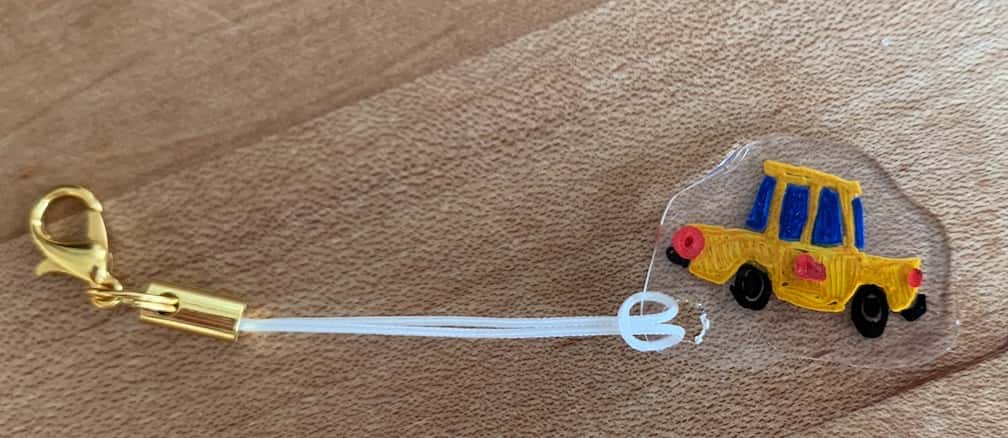
テレビ番組監修・イベント等のお知らせ
- 8月27日(木)科学監修番組放送予定
- 9月20日(日)ダビンチマスターズ出演予定
- 10月10日(土)11:15~12:00 千葉市科学フェスタ2026「桑子先生の回転科学ショー」にてサイエンスショーを行います。
- 12月26日(土) ナリカサイエンスアカデミー(教員向け実験講習会)開催
書籍のお知らせ
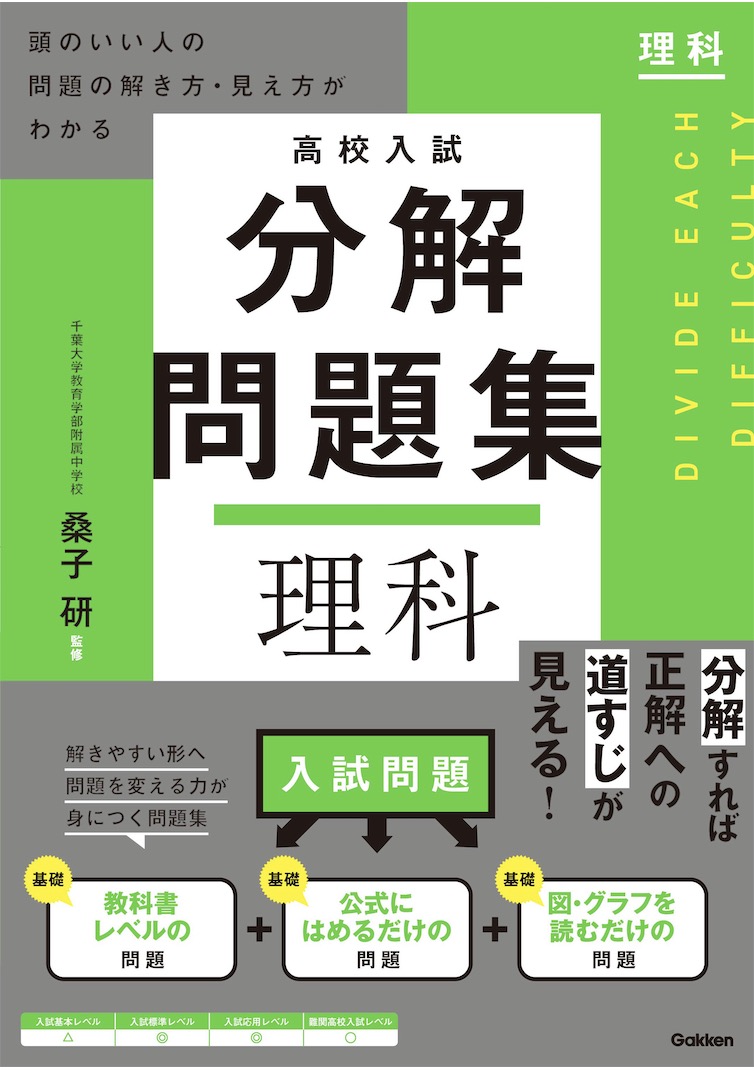
- 『高校入試 分解問題集 理科』(学研)…難しい問題も小さな問題に分解することで、問題を解くことができます。そんな分解の技術が身につくように深く関わりを持って作りました。
 『大人のための高校物理復習帳』(講談社)…一般向けに日常の物理について公式を元に紐解きました。特設サイトでは実験を多数紹介しています。※増刷がかかり6刷となりました(2026/02/01)
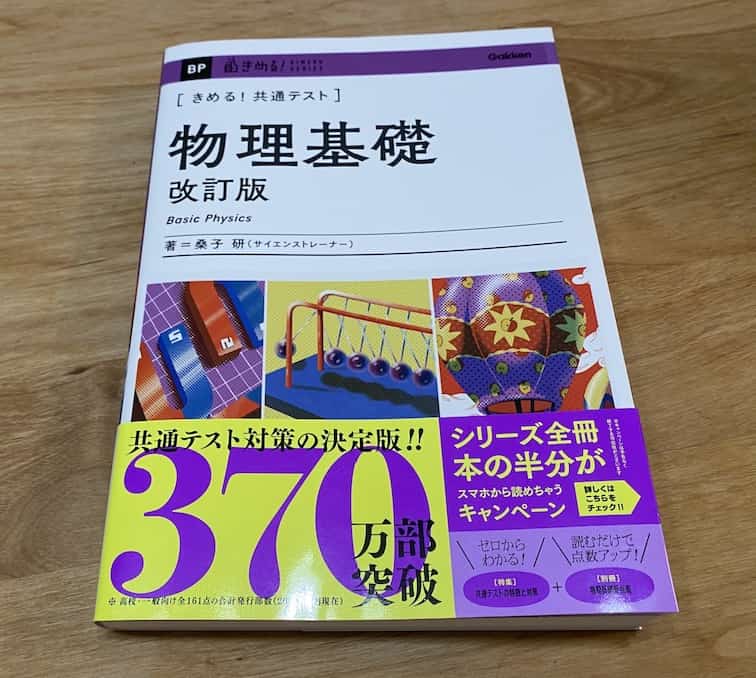
- 『きめる!共通テスト 物理基礎 改訂版』(学研)… 高校物理の参考書です。イラストを多くしてイメージが持てるように描きました。授業についていけない、物理が苦手、そんな生徒におすすめです。特設サイトはこちら。
各種SNS(更新情報をお届け!)
【日本語】X(Twitter)/instagram/Facebook 【英語】BlueSky/Threads
Explore
- 楽しい実験…お子さんと一緒に夢中になれるイチオシの科学実験を多数紹介しています。また、高校物理の理解を深めるための動画教材も用意しました。
- 理科の教材… 理科教師をバックアップ!授業の質を高め、準備を効率化するための選りすぐりの教材を紹介しています。
- Youtube…科学実験等の動画を配信しています。
- 科学ラジオ …科学トピックをほぼ毎日配信中!AI技術を駆使して作成した「耳で楽しむ科学」をお届けします。
- 講演 …全国各地で実験講習会・サイエンスショー等を行っています。
- About …「科学のネタ帳」のコンセプトや、運営者である桑子研のプロフィール・想いをまとめています。
- お問い合わせ …実験教室のご依頼、執筆・講演の相談、科学監修等はこちらのフォームからお寄せください。