How Are Iron and Aluminum Different? Discover the “Personality” of Materials with 100°C Metal! (Specific Heat Experiment)
I’m Ken Kuwako, your Science Trainer. Every day is an experiment!
Have you ever noticed how an iron frying pan heats up in a flash, while a pot of water seems to take forever to boil? This isn’t just your imagination—it’s all thanks to a unique “personality trait” every substance possesses. In science class, we call this Specific Heat. Today, I’m excited to share an experiment report that makes learning about this concept incredibly efficient, safe, and surprisingly fun.
An Oden Pot in the Science Lab?! A Revolutionary Heating Method
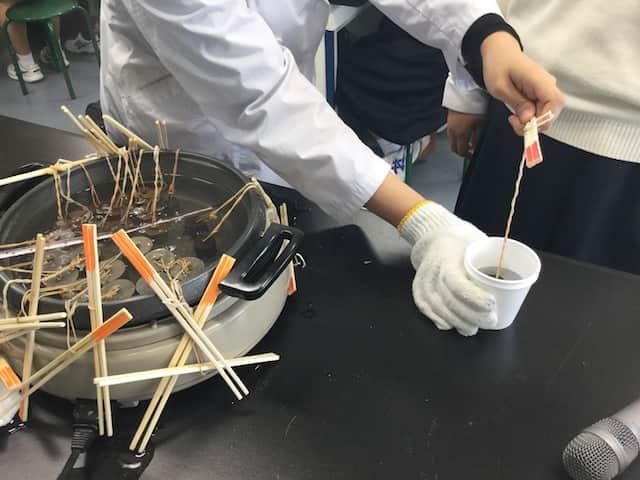
We recently conducted an experiment to measure the specific heat of various metals. The mission: heat 100g samples of three different metals to 100°C, drop them into a set amount of water, and calculate their specific heat based on how much the water temperature rises. To get them hot, we used strings to suspend the metals in an electric pot. Believe it or not, this electric pot was the secret MVP of the day.
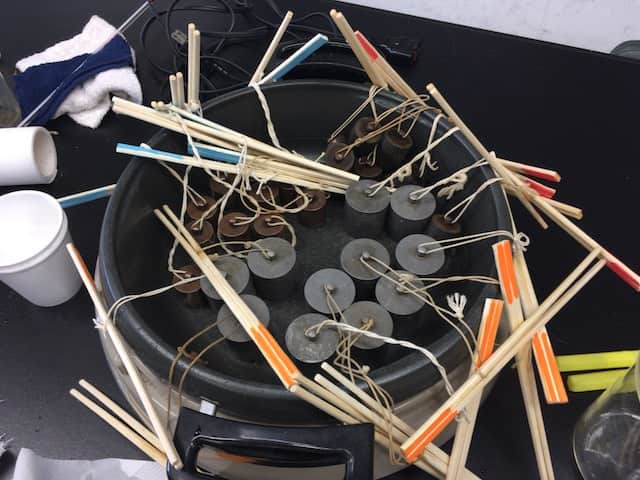
In school settings, electric rice cookers and multi-pots are absolute game-changers. They can keep water at a steady temperature, they’re stable so there’s less risk of spills, and they provide a safe way to warm up test tubes or metal samples. While I usually use them for chemistry, bringing them into a physics lesson on specific heat made the whole process incredibly smooth and secure.
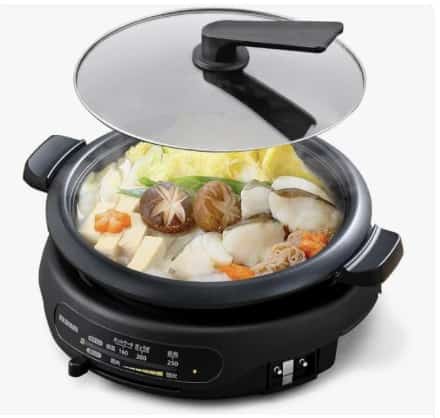
Why Electric Pots Beat Gas Burners Every Time
Traditionally, we’d use gas burners and beakers to heat metals. However, beakers can be tippy, and waiting for water to boil over a flame takes ages.
With an electric pot, you just flick the switch before class, and it keeps all the metals at a uniform temperature. Watching the metal pieces bobbing in the hot water looks just like ingredients in a simmered Oden stew. This setup allows students to come and grab their samples whenever they are ready, significantly reducing the stress on the teacher.
Measurement Time! Watching the Thermal Baton Pass
Once the metals reach a solid 100°C, they are quickly moved into a thermo-cup (an insulated container) filled with water. We then measure exactly how much the water temperature climbs.
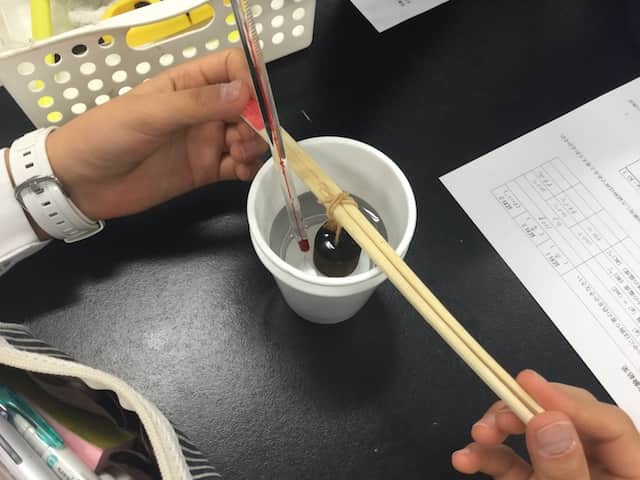
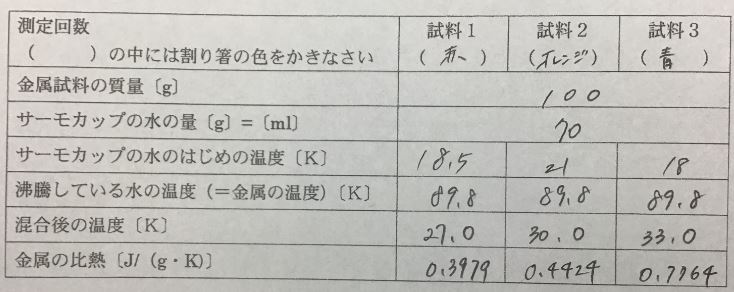
The key concept here is the Conservation of Energy. The thermal energy lost by the hot metal is handed off directly to the cool water—it’s like a thermal relay race! By recording the temperature difference before and after the “baton pass” in a table or graph, students can plug the numbers into a formula to reveal the metal’s specific heat.
Specific Heat: The ID Card of Matter
While you might be able to guess what a metal is just by looking at it, calculating its specific heat allows you to identify its “true identity” scientifically.
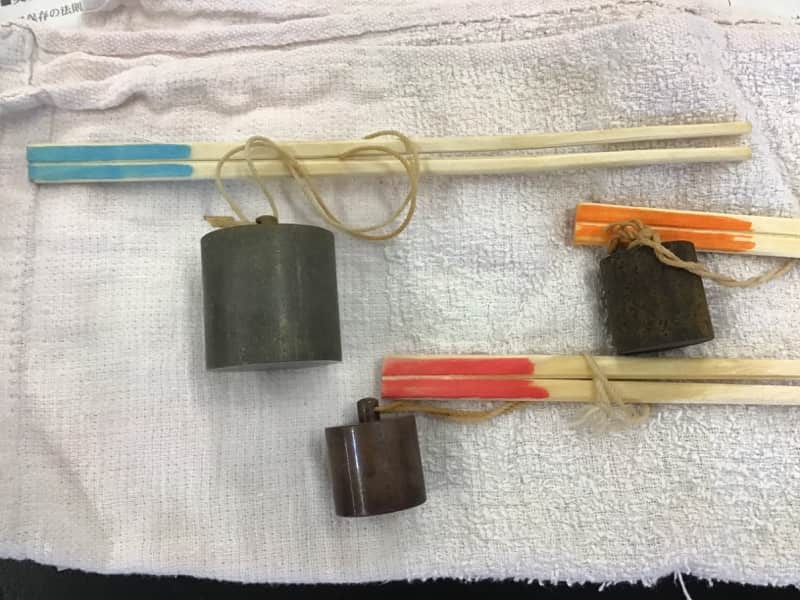
For instance, the specific heat of aluminum is about 0.90 J/(g·K), while iron is roughly 0.45 J/(g·K). This means aluminum requires twice as much energy as iron to heat up! Understanding specific heat is like getting to know the unique personality of every substance you encounter.
A Few Pro-Tips for Teachers
If you’re planning to run this experiment in your classroom, here are a few tricks. First, start your prep about 20 minutes before class. If you fill the electric pot with hot water from a dispenser rather than cold tap water, you’ll reach boiling point much faster.
The experiment itself takes about 30 minutes, leaving plenty of time for data analysis within a single period. Most importantly: don’t forget the cleanup! Once finished, remove the metals immediately and dry them thoroughly with paper towels or a cloth.
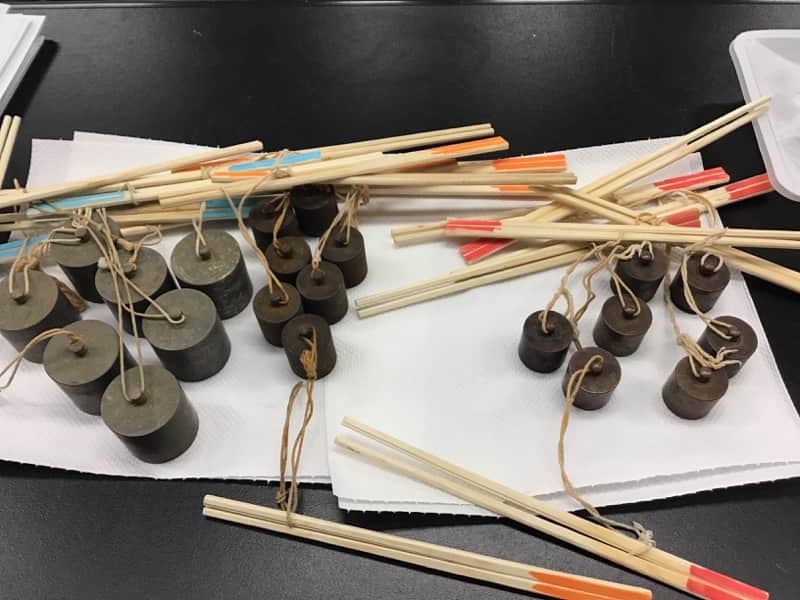
Tidying up
Iron rusts incredibly fast, so leaving it wet means it might be useless for the next class. Taking care of your tools is just as much a part of being a scientist as the experiment itself. I hope this experiment helps you feel the excitement of capturing the invisible movement of “heat” through numbers!
Check out this other experiment using electric pots too:
Inquiries and Requests
Let’s make the wonders of science a part of your everyday life! I share easy-to-follow guides and tips for fun science experiments you can try at home. Feel free to explore more!
My “Science Notebook” series is now available as a book! Check it out here.
Learn more about Ken Kuwako here.
For requests regarding writing, speaking engagements, science workshops, or TV supervision, click here.
– Follow me on X (Twitter) for the latest updates!
 Watch experiment videos on my Science Tips YouTube Channel!
9月のイチオシ実験!
お弁当箱をプラバンがわりにしてキーホルダーを作ろう!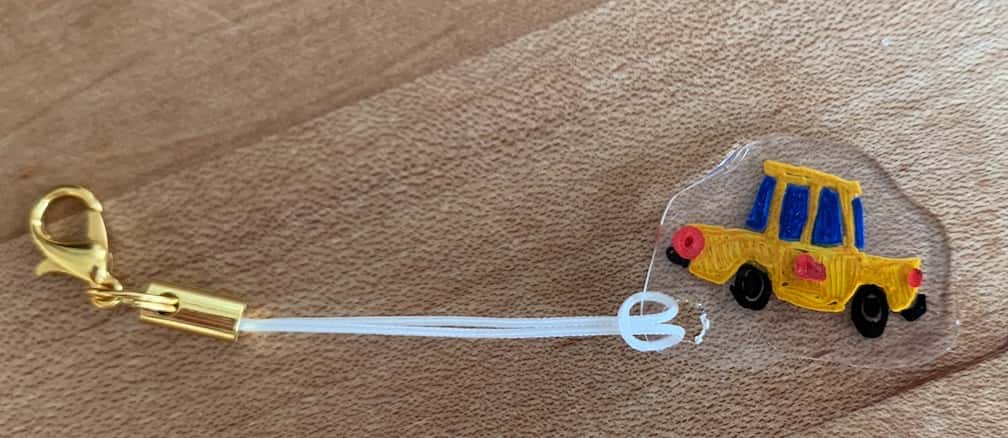
テレビ番組監修・イベント等のお知らせ
- 8月27日(木)科学監修番組放送予定
- 9月20日(日)ダビンチマスターズ出演予定
- 10月10日(土)11:15~12:00 千葉市科学フェスタ2026「桑子先生の回転科学ショー」にてサイエンスショーを行います。
- 12月26日(土) ナリカサイエンスアカデミー(教員向け実験講習会)開催
書籍のお知らせ
- 『高校入試 分解問題集 理科』(学研)…難しい問題も小さな問題に分解することで、問題を解くことができます。そんな分解の技術が身につくように深く関わりを持って作りました。
 『大人のための高校物理復習帳』(講談社)…一般向けに日常の物理について公式を元に紐解きました。特設サイトでは実験を多数紹介しています。※増刷がかかり6刷となりました(2026/02/01)
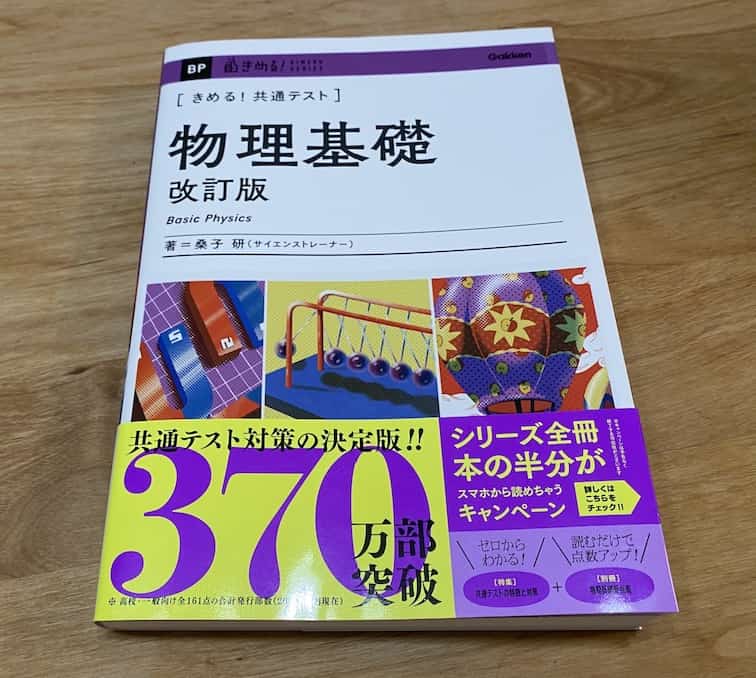
- 『きめる!共通テスト 物理基礎 改訂版』(学研)… 高校物理の参考書です。イラストを多くしてイメージが持てるように描きました。授業についていけない、物理が苦手、そんな生徒におすすめです。特設サイトはこちら。
各種SNS(更新情報をお届け!)
【日本語】X(Twitter)/instagram/Facebook 【英語】BlueSky/Threads
Explore
- 楽しい実験…お子さんと一緒に夢中になれるイチオシの科学実験を多数紹介しています。また、高校物理の理解を深めるための動画教材も用意しました。
- 理科の教材… 理科教師をバックアップ!授業の質を高め、準備を効率化するための選りすぐりの教材を紹介しています。
- Youtube…科学実験等の動画を配信しています。
- 科学ラジオ …科学トピックをほぼ毎日配信中!AI技術を駆使して作成した「耳で楽しむ科学」をお届けします。
- 講演 …全国各地で実験講習会・サイエンスショー等を行っています。
- About …「科学のネタ帳」のコンセプトや、運営者である桑子研のプロフィール・想いをまとめています。
- お問い合わせ …実験教室のご依頼、執筆・講演の相談、科学監修等はこちらのフォームからお寄せください。