The 100-Yen Toy That Makes Invisible Sound and Earthquakes Visible
Science Trainer, Ken Kuwako. Every Day is an Experiment.
Have you ever actually seen sound? Of course, sound itself is invisible. However, in science classes, we put a lot of effort into finding ways to make this unseen world of sound “visible.” This time, I’d like to introduce a surprising secret weapon that plays a major role in a middle school first-year lesson on the “nature of sound.” It’s an everyday toy that almost everyone has played with at least once.
Physics is Built on “Things” and “Events”
The field of physics can be broadly divided into two aspects. One is “Things” (Mono), which deals with the movement of particles. This includes the area of “Mechanics,” such as throwing a ball or a car driving. Since these have shape and are visible, they are easy for students to visualize and are familiar topics.
The other is “Events” (Koto), or phenomena. The main actor here is the “Wave.” This phenomenon is not about matter itself moving, but about “the transfer of energy or vibration.” This concept isn’t covered in much depth before middle school, so when students first encounter the idea of a “wave,” many struggle to form a mental picture of it.
That’s why, a few years ago, I introduced an experiment using a toy spring (a Slinky) to help students grasp these “invisible waves.”
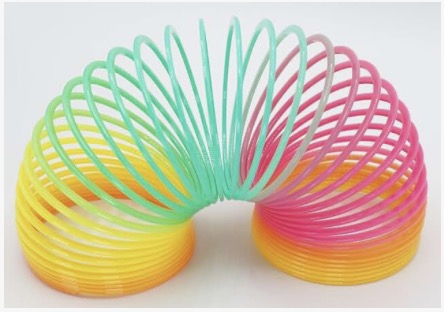
A 100-Yen Toy Over 5,000-Yen Lab Equipment
This toy spring is actually one of the most powerful tools in science education. Because you can get it at a cheap candy store or a 100-yen shop, it’s very inexpensive. School budgets can afford to purchase one for every student, or at least one for every two students.
Of course, the science lab has impressive “educational springs” that cost around 5,000 yen each. These are good because they have a decent weight, and the waves travel slowly, making them easy to observe. However, because they are expensive, we can’t buy many, and the lesson often ends up as a simple demonstration experiment shown by the teacher at the front of the room.
The learning effect is far greater when “each student gets to hold the spring in their own hands and create the waves themselves.”
Experiencing “Transverse Waves” and “Longitudinal Waves”
When students hold the spring, they naturally start learning about the nature of waves just by playing with them.
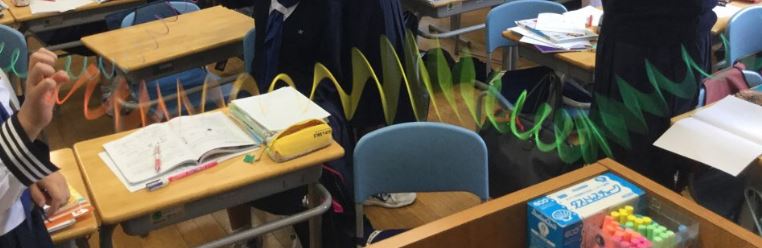
Transverse Waves: When you shake the spring side-to-side, it creates a wave that undulates like a snake. This is a “transverse wave.”
Longitudinal Waves: When you push the spring back and forth, the gaps in the spring move forward by becoming “dense” (compressed) and then “sparse” (stretched). This is a “longitudinal wave.” It resembles the movement of an inchworm crawling.
The truth is, sound is fundamentally this “longitudinal wave” (a compression wave). Explanations using only textbook diagrams or a chalkboard often don’t click, but by feeling the movement of the spring in their own hands, students intuitively grasp, “Oh, so this is how air is pushed to transmit sound!”
The Slinky Even Explains Earthquakes
Furthermore, this spring experiment is directly applicable to the middle school earth science topic of “earthquakes.” The shaking from an earthquake has the P-wave (Primary Wave), which is the initial, minor shaking, and the S-wave (Secondary Wave), which is the large, strong shaking.
P-wave (Primary Wave): The fastest wave, arriving first. This is a longitudinal wave. Because it travels by pushing in the direction of motion, it moves quickly.
S-wave (Secondary Wave): The destructive wave that arrives later. This is a transverse wave. Because it shakes the ground significantly, it causes greater damage to buildings.
The toy spring allows you to recreate the difference between these two types of waves right before their eyes. Instead of the saying, “Seeing is believing,” we might say, “An experience is worth a hundred explanations.” Moving your hands and having fun is the fastest way to grow a love for science, more so than any lecture.
Inquiries and Requests
Bring the wonder and fun of science closer to you! I’ve put together easy-to-understand tips and fun science experiments you can do at home. Feel free to search around!
The content of the Science Notebook has been published as a book. Details here
About the operator, Ken Kuwako, here
For various requests (writing, lectures, experiment classes, TV supervision/appearances, etc.), click here * Article updates are distributed on X!
 Experimental videos are distributed on The Science Idea Channel!
9月のイチオシ実験!
お弁当箱をプラバンがわりにしてキーホルダーを作ろう!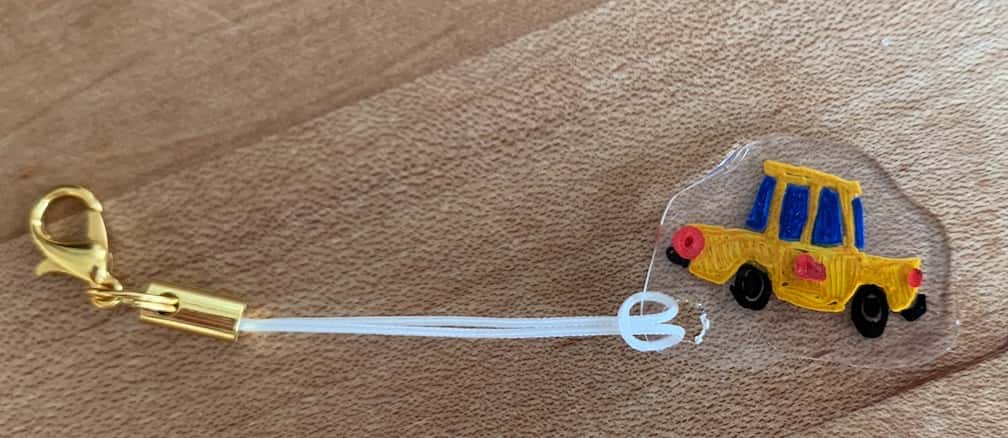
テレビ番組監修・イベント等のお知らせ
- 8月27日(木)科学監修番組放送予定
- 9月20日(日)ダビンチマスターズ出演予定
- 10月10日(土)11:15~12:00 千葉市科学フェスタ2026「桑子先生の回転科学ショー」にてサイエンスショーを行います。
- 12月26日(土) ナリカサイエンスアカデミー(教員向け実験講習会)開催
書籍のお知らせ
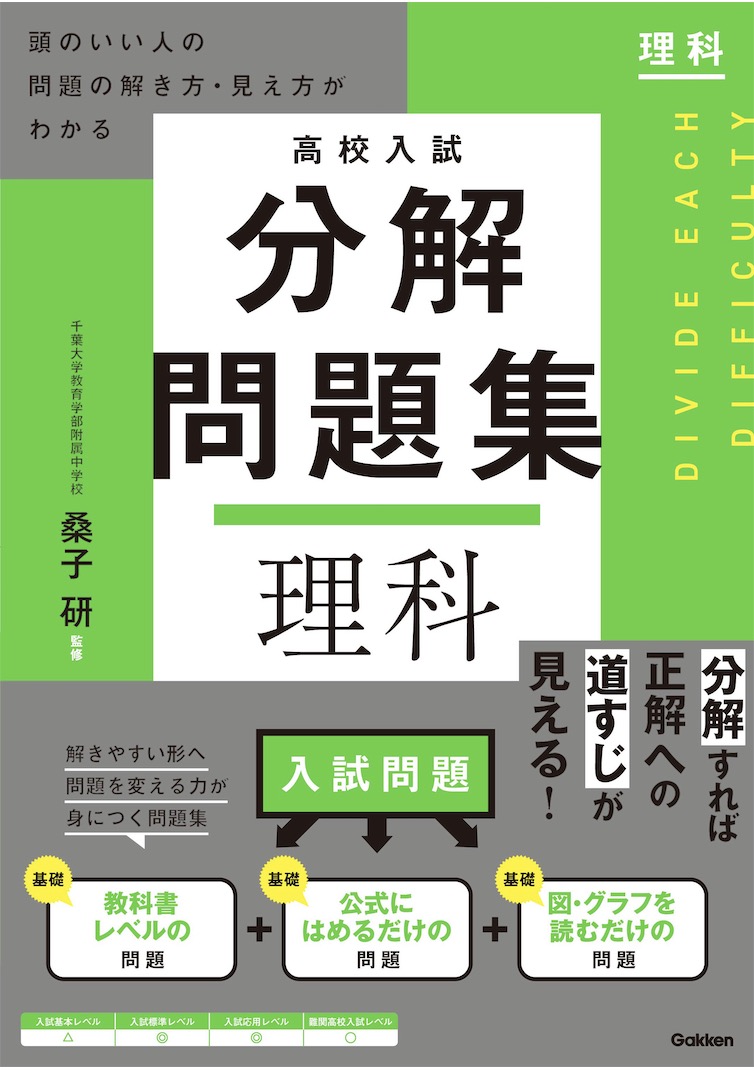
- 『高校入試 分解問題集 理科』(学研)…難しい問題も小さな問題に分解することで、問題を解くことができます。そんな分解の技術が身につくように深く関わりを持って作りました。
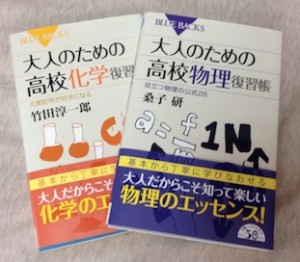
 『大人のための高校物理復習帳』(講談社)…一般向けに日常の物理について公式を元に紐解きました。特設サイトでは実験を多数紹介しています。※増刷がかかり6刷となりました(2026/02/01)
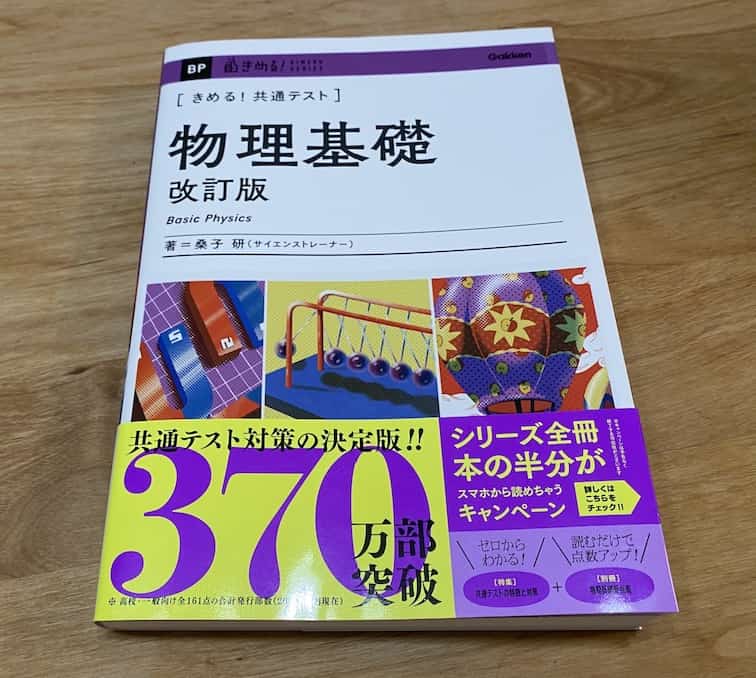
- 『きめる!共通テスト 物理基礎 改訂版』(学研)… 高校物理の参考書です。イラストを多くしてイメージが持てるように描きました。授業についていけない、物理が苦手、そんな生徒におすすめです。特設サイトはこちら。
各種SNS(更新情報をお届け!)
【日本語】X(Twitter)/instagram/Facebook 【英語】BlueSky/Threads
Explore
- 楽しい実験…お子さんと一緒に夢中になれるイチオシの科学実験を多数紹介しています。また、高校物理の理解を深めるための動画教材も用意しました。
- 理科の教材… 理科教師をバックアップ!授業の質を高め、準備を効率化するための選りすぐりの教材を紹介しています。
- Youtube…科学実験等の動画を配信しています。
- 科学ラジオ …科学トピックをほぼ毎日配信中!AI技術を駆使して作成した「耳で楽しむ科学」をお届けします。
- 講演 …全国各地で実験講習会・サイエンスショー等を行っています。
- About …「科学のネタ帳」のコンセプトや、運営者である桑子研のプロフィール・想いをまとめています。
- お問い合わせ …実験教室のご依頼、執筆・講演の相談、科学監修等はこちらのフォームからお寄せください。