The Magic of “Sound Cancelling Sound”! Visualizing Noise Cancellation with an iPad
I’m Ken Kuwako, your Science Trainer. Every day is an experiment!
Imagine the hustle and bustle of the city or the deafening roar of a jet engine vanishing in an instant, leaving you in a world of pure silence where only your music remains. Are you using “Noise-Canceling” technology? While it’s now a standard feature in our smartphones and earbuds, there is actually an amazing application of wave physics hidden behind the scenes. Today, I want to share a unique way to let an entire classroom witness this invisible power to silence sound!
The Science of Creating Nothingness by Colliding Waves
At its core, “sound” is simply a vibration of air that travels as a wave. In a nutshell, noise-canceling technology works by using sound to cancel out sound.
A microphone picks up the surrounding ambient noise, and the system instantaneously creates an identical wave but in reverse (this is called an inverted phase). When these two waves collide, the peaks of one meet the valleys of the other, flattening the wave and causing the sound to disappear. In physics, we call this the Principle of Superposition. Here is what it looks like when demonstrated with a spring:
In my classes, I often have a student put on my favorite pair of headphones. The moment I flip the switch, the “hum” of the air conditioning vanishes. The student’s eyes go wide in surprise at the sudden silence. Since it blocks out distractions, it’s also the perfect tool for when you really need to focus on your studies!
Scaling the “Wow” Moment from One Person to the Whole Class
The only problem is that headphones are a solitary experience. While one student is amazed, the rest of the class is just watching, making it hard to share that “magic” moment. Buying headphones for everyone is also way too expensive! So, I wondered, “How can I visualize this magic for everyone at once?” That’s when I came up with an experiment using a tablet’s microphone. It was a huge hit, so here is the recipe!
The Science Recipe
What you need: Noise-canceling headphones, iPad
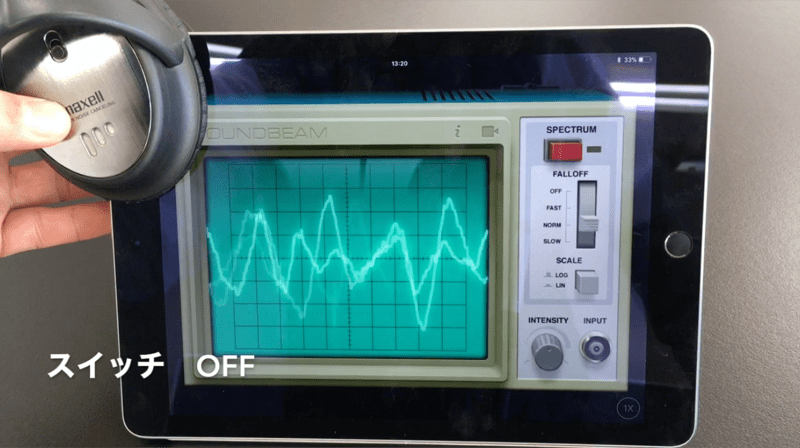
The Method: First, take a look at the dramatic change in this video.
When we use an app to observe the sound waves, the results are crystal clear. When the function is OFF, the wave jumps wildly as it picks up the surrounding noise.
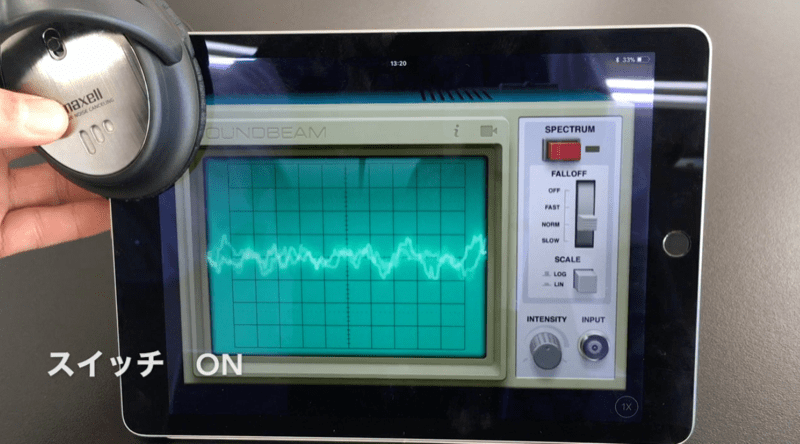
But the moment we switch it ON, you can see the waveform shrink significantly.
Tips for Turning a Tablet into a Scientific Instrument
For this experiment, I used an app called “Soundbeam,” which visualizes sound as waves. Tablets like the iPad usually have their microphones located near the camera…
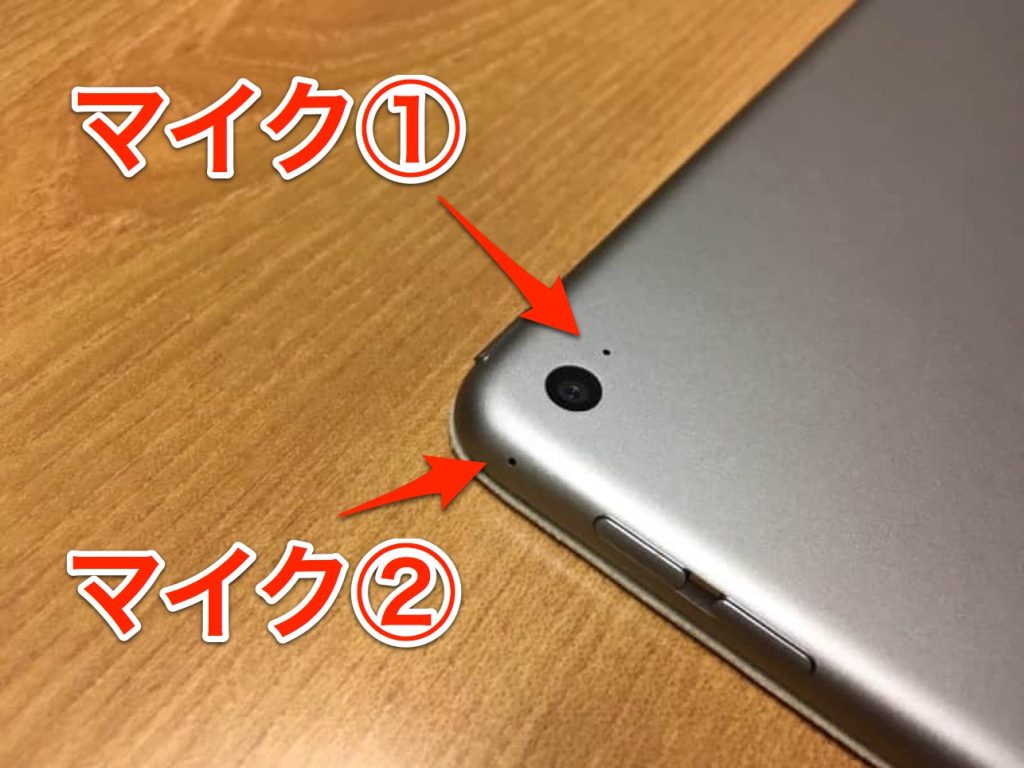
The trick is to cover that specific area with the ear cup of the headphones. By toggling the switch and projecting the changing waveform onto a screen, the entire class can share the moment sound is literally cancelled out. By the way, smartphones often have microphones in multiple locations, which can make this tricky, so I highly recommend using a tablet like an iPad for the best results.
The laws of physics are hidden inside the technology we use every day. With just one tablet, your classroom can transform into an exciting laboratory. Why not try observing the “waveform of silence” for yourself?
Reference: Other examples of wave reflection
Reflection at a free end
Reflection at a fixed end
Longitudinal and Transverse waves
Inquiries and Bookings
Bringing the wonders of science closer to you! I’ve compiled many fun science experiments you can do at home, along with easy-to-follow tips. Feel free to explore more!
The “Science Notes” content is now a book! Find more details here
Learn more about the creator, Ken Kuwako, here
For requests (writing, lectures, workshops, TV supervision, appearances, etc.), click here – Get the latest updates on X (formerly Twitter)!
 Watch experiment videos on the Science Notes Channel!
NEW 分解問題集 理科
- 7月21日発売!『高校入試 分解問題集 理科』(学研)…難しい問題も小さな問題に分解することで、問題を解くことができます。そんな分解の技術が身につくように深く関わりを持って作りました。
7・8月のイチオシ実験!
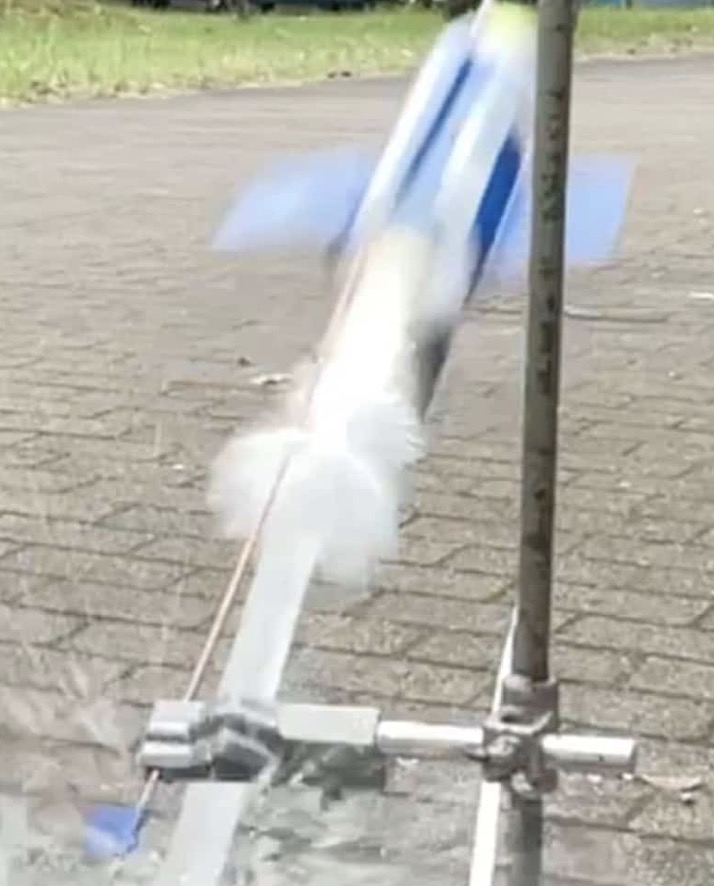
夏でプシュッと爽やか実験!
テレビ番組監修・イベント等のお知らせ
- 7月30日(水)科学監修「TIF presents ONE SONG FES」(フジテレビ) 26:15~27:15
- 12月26日(土) ナリカサイエンスアカデミー(教員向け実験講習会)開催
書籍のお知らせ
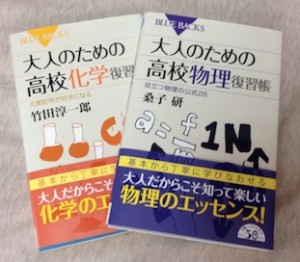
- 『大人のための高校物理復習帳』(講談社)…一般向けに日常の物理について公式を元に紐解きました。特設サイトでは実験を多数紹介しています。※増刷がかかり6刷となりました(2026/02/01)
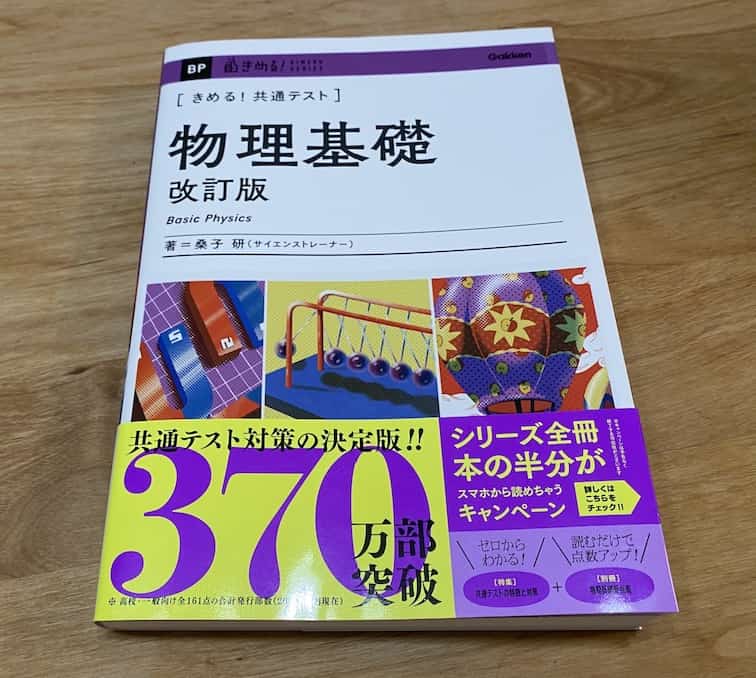
- 『きめる!共通テスト 物理基礎 改訂版』(学研)… 高校物理の参考書です。イラストを多くしてイメージが持てるように描きました。授業についていけない、物理が苦手、そんな生徒におすすめです。特設サイトはこちら。
各種SNS(更新情報をお届け!)
【日本語】X(Twitter)/instagram/Facebook 【英語】BlueSky/Threads
Explore
- 楽しい実験…お子さんと一緒に夢中になれるイチオシの科学実験を多数紹介しています。また、高校物理の理解を深めるための動画教材も用意しました。
- 理科の教材… 理科教師をバックアップ!授業の質を高め、準備を効率化するための選りすぐりの教材を紹介しています。
- Youtube…科学実験等の動画を配信しています。
- 科学ラジオ …科学トピックをほぼ毎日配信中!AI技術を駆使して作成した「耳で楽しむ科学」をお届けします。
- 講演 …全国各地で実験講習会・サイエンスショー等を行っています。
- About …「科学のネタ帳」のコンセプトや、運営者である桑子研のプロフィール・想いをまとめています。
- お問い合わせ …実験教室のご依頼、執筆・講演の相談、科学監修等はこちらのフォームからお寄せください。