Is the Playground Slide a Giant Generator? Exploring Static Electricity with Kids Through Play
I’m Ken Kuwako, Science Trainer. To me, every day is a laboratory.
January has arrived, bringing with it those crisp, bone-dry winter days. This is the season when we’re often startled by that “zap!” the moment we touch a doorknob. But did you know that the rounded plastic slides at your local park are actually incredible, hands-on science labs?
I recently visited the park with my children, and it was fascinating to watch. Every time they zipped down the slide, they emerged practically cloaked in static electricity like little wizards. I couldn’t help but observe the whole thing from a scientific perspective.
Generating “Power” Just by Sliding? The Mystery of Triboelectric Charging
Why does a simple trip down a slide result in all those sparks and crackles? The secret lies in a phenomenon called triboelectric charging (friction-induced charging).
As the plastic of the slide and the fabric of the children’s clothes rub together vigorously, “electrons” jump from one material to the other. This causes parts of the body to become charged with either positive or negative electricity.
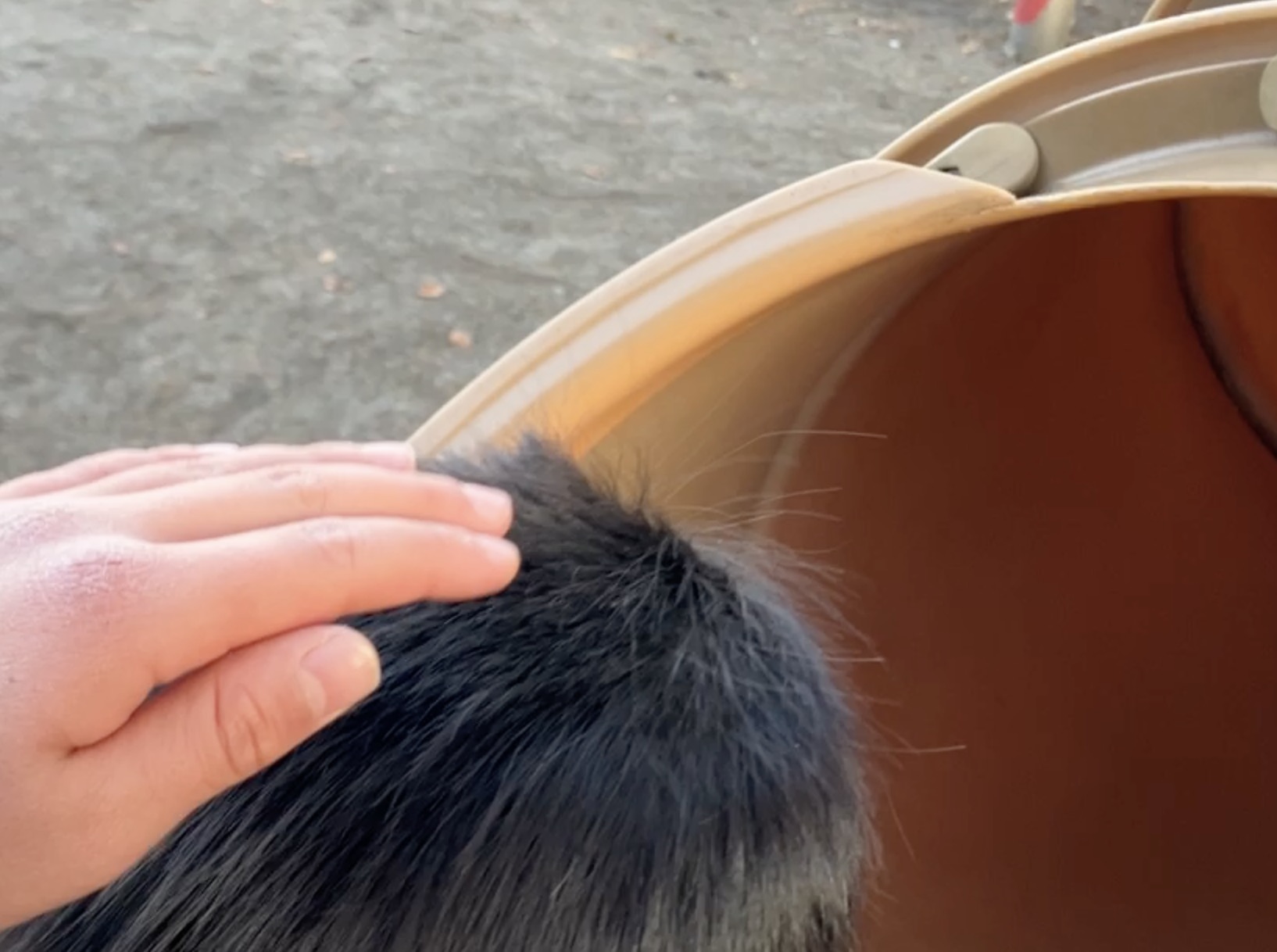
You can really see this with children who have long hair—it often stands completely on end the moment they reach the bottom! This happens because every single strand of hair becomes charged with the same type of electricity. Just like the identical poles of two magnets, the hairs repel each other. Watching the invisible force of electricity lift hair up against the pull of gravity is a true “magic of science” moment.
Catching the Moment Electricity “Escapes”
The fun continues when you touch your child right after they land. The moment your fingertip gets close—ZAP! You feel that sharp shock as the electricity stored in the child’s body surges through you and into the ground. This is what we call electrostatic discharge.
As you can see in the video, static electricity isn’t just a random event; it is the actual movement of energy. Since electricity has a harder time escaping into the air when it’s dry, these phenomena become much easier to observe in the winter.
The Slide Itself Becomes an “Electricity Piggy Bank”
Even just walking past the slide after someone has used it, you might feel the hair on your arms tingle or “crawl.” This is proof that the slide itself has become heavily charged.
While metals like iron are “conductors” that let electricity flow away easily, the plastic used in most slides is an insulator. Insulators have a very strong ability to hold onto static electricity once it’s generated, turning the entire slide into a giant “piggy bank” for electric charge.
A winter park is a fantastic place to experience the physics found in textbooks with all five senses. I highly recommend heading out with your kids to explore the “Science of the Slide” for yourselves!
Inquiries and Requests
Bringing the wonder and excitement of science closer to you! I put together fun science experiments you can try at home, along with easy-to-understand tips. Feel free to explore!
My “Science Field Notes” are now a book! Details here (Amazon Japan).
Learn more about me, Ken Kuwako, here.
For inquiries (writing, speaking, workshops, TV supervision, etc.), click here.
Follow me on X (Twitter) for updates!
 Check out experiment videos on the Science Material Channel!
9月のイチオシ実験!
お弁当箱をプラバンがわりにしてキーホルダーを作ろう!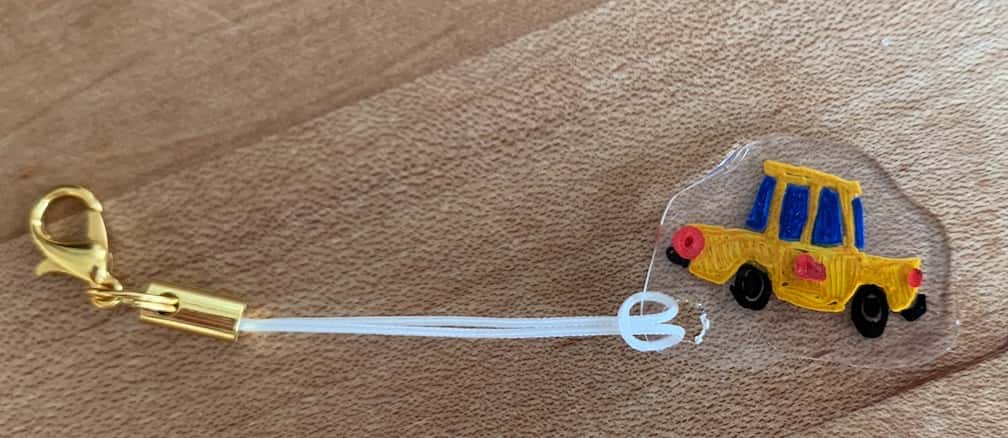
テレビ番組監修・イベント等のお知らせ
- 8月27日(木)科学監修番組放送予定
- 9月20日(日)ダビンチマスターズ出演予定
- 10月10日(土)11:15~12:00 千葉市科学フェスタ2026「桑子先生の回転科学ショー」にてサイエンスショーを行います。
- 12月26日(土) ナリカサイエンスアカデミー(教員向け実験講習会)開催
書籍のお知らせ
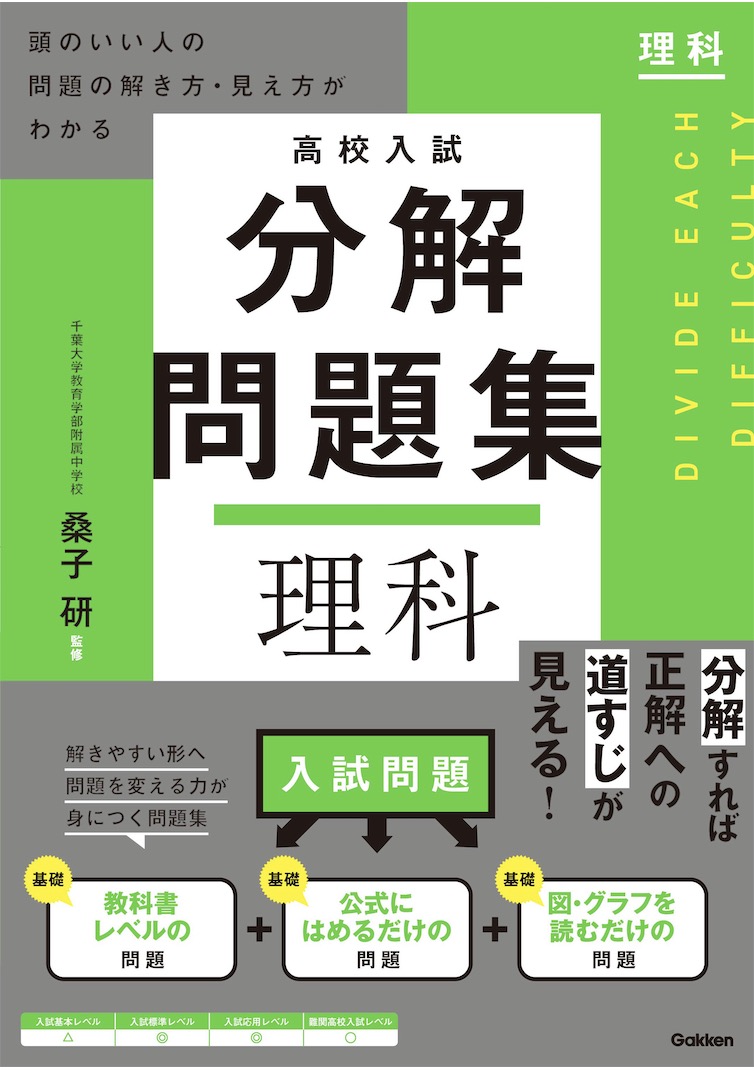
- 『高校入試 分解問題集 理科』(学研)…難しい問題も小さな問題に分解することで、問題を解くことができます。そんな分解の技術が身につくように深く関わりを持って作りました。
 『大人のための高校物理復習帳』(講談社)…一般向けに日常の物理について公式を元に紐解きました。特設サイトでは実験を多数紹介しています。※増刷がかかり6刷となりました(2026/02/01)
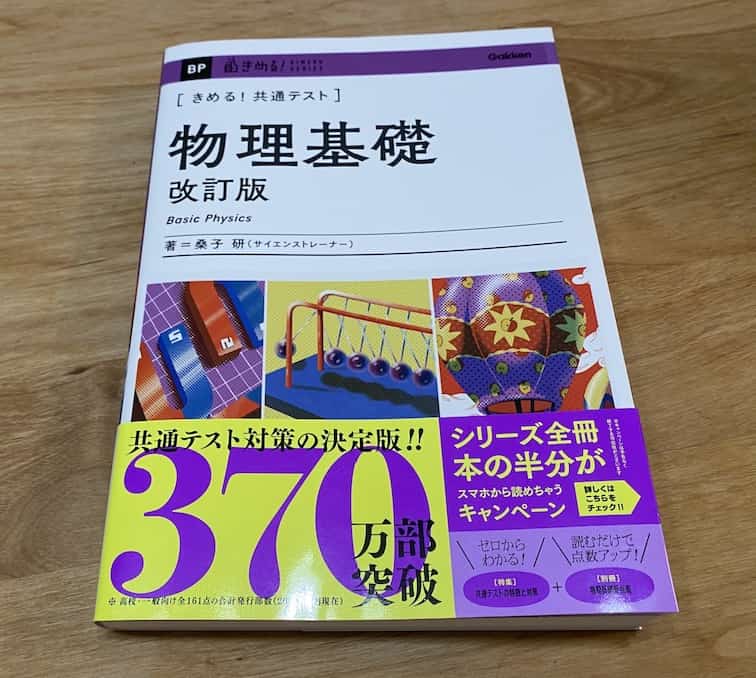
- 『きめる!共通テスト 物理基礎 改訂版』(学研)… 高校物理の参考書です。イラストを多くしてイメージが持てるように描きました。授業についていけない、物理が苦手、そんな生徒におすすめです。特設サイトはこちら。
各種SNS(更新情報をお届け!)
【日本語】X(Twitter)/instagram/Facebook 【英語】BlueSky/Threads
Explore
- 楽しい実験…お子さんと一緒に夢中になれるイチオシの科学実験を多数紹介しています。また、高校物理の理解を深めるための動画教材も用意しました。
- 理科の教材… 理科教師をバックアップ!授業の質を高め、準備を効率化するための選りすぐりの教材を紹介しています。
- Youtube…科学実験等の動画を配信しています。
- 科学ラジオ …科学トピックをほぼ毎日配信中!AI技術を駆使して作成した「耳で楽しむ科学」をお届けします。
- 講演 …全国各地で実験講習会・サイエンスショー等を行っています。
- About …「科学のネタ帳」のコンセプトや、運営者である桑子研のプロフィール・想いをまとめています。
- お問い合わせ …実験教室のご依頼、執筆・講演の相談、科学監修等はこちらのフォームからお寄せください。