Kitchen Science Magic! When a Stirrer Becomes a Wand — The Mysterious Lens That Flips Up and Down
I’m Ken Kuwako, your Science Trainer. Every day is an experiment.
Do you have a glass swizzle stick or a clear pen lying around in your kitchen or on your desk? What looks like a simple rod might actually be a magic wand that flips the world upside down. When we learn about how lenses work in science class, we often use the structure of a camera as an example. However, the lenses that are truly closer to our daily lives are hidden in the perfectly round water droplets glistening like jewels on a leaf after the rain, or in the marbles you might find at a festival stall.
If you peer at a leaf through a water droplet, the veins look dramatically magnified. If you look at your finger through a marble, your fingerprints look gigantic, like a maze. These “everyday discoveries” are the gateway to science. When I talk to my students, they are much more excited by the real-life experience of “My fingerprint looked huge through the water!” than by precise camera diagrams, and they report back with shining eyes, “Teacher, I saw it!”
Today, let’s explore the surprising lens power held by a glass rod (or a glass swizzle stick) —items you can find right in your school science lab or home kitchen.
The Science Recipe: An Experiment to Invert the World
What you need: A glass rod (or a transparent cylindrical swizzle stick), and text printed upside down.
The Experiment and the Surprising Result
First, prepare an image with arrows or text like the one below, and place the glass rod horizontally on top of it. A phenomenon that is slightly different from a regular lens will occur.
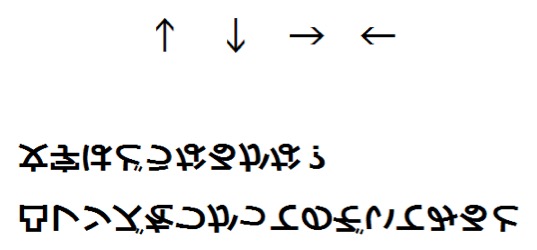
Let’s place the glass rod horizontally over the arrows pointing in four directions. What do you see?
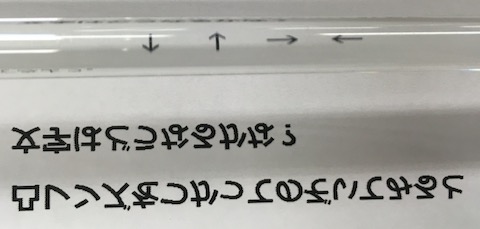
Take a look. Of the arrows that were originally pointing “Up, Down, Right, and Left,” which ones changed direction? That’s right—only the vertical directions were flipped, resulting in Down, Up, Right, and Left. The horizontal directions (right and left) remain the same, but the vertical direction is inverted. This is the work of a cylindrical lens.
Next, try placing it over this “weird text” that looks unreadable at first glance.
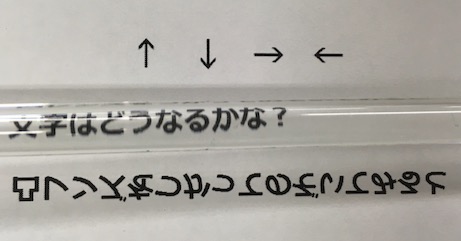
What happens to the text?
Strangely, the lines that looked jumbled overlap, and the text becomes clearly readable. The letters, which were intentionally written “vertically inverted” beforehand, are flipped back again by the lens effect of the glass rod, allowing our eyes to see them correctly. The key here is the vertical inversion, which is different from a mirror image. There is a real sense of satisfaction, like solving a visual trick.
The Magic of Magnification Created by the Focal Point
Here is where it gets even more interesting. If you bring the glass rod into tight contact with the paper, the visual effect changes completely.
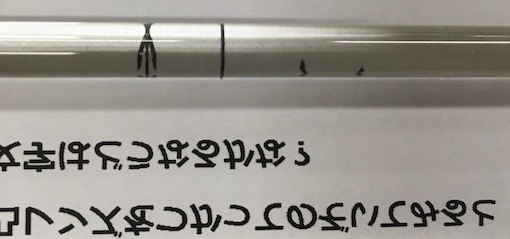
The change might be subtle in the picture, so please watch the smooth transition in the video:
Did you see it? As you bring the glass rod closer to the paper, the text no longer flips but is simply greatly magnified. This happens because the text has entered inside the focal point (the point where light rays converge) of the glass rod. At this distance, our eyes are viewing a virtual image—the same kind of image you see through a magnifying glass—rather than a real image.
Isn’t it amazing that you can dynamically experience the mechanism of light refraction and focal points with a single glass rod found in your everyday life? By asking “why?” and actually trying it out, your view of the world will gradually change. Grab a swizzle stick from your kitchen and try to decode a secret message! (By the way, you can easily create vertically inverted text using software like Windows Paint by writing the text and then using the “Flip Vertical” function.)
Inquiries and Requests
Make the wonders and fun of science more accessible! We provide easy-to-understand tips and fun science experiments you can do at home. Feel free to search around! ・The content of our Science Notes has been published in a book. Find out more here ・About the operator, Ken Kuwako: here ・For various requests (writing, lectures, science classes, TV supervision, appearances, etc.): here ・Article updates are distributed on X!
 Our Science Tricks Channel posts experiment videos!
9月のイチオシ実験!
お弁当箱をプラバンがわりにしてキーホルダーを作ろう!
テレビ番組監修・イベント等のお知らせ
- 8月27日(木)科学監修番組放送予定
- 9月20日(日)ダビンチマスターズ出演予定
- 10月10日(土)11:15~12:00 千葉市科学フェスタ2026「桑子先生の回転科学ショー」にてサイエンスショーを行います。
- 12月26日(土) ナリカサイエンスアカデミー(教員向け実験講習会)開催
書籍のお知らせ
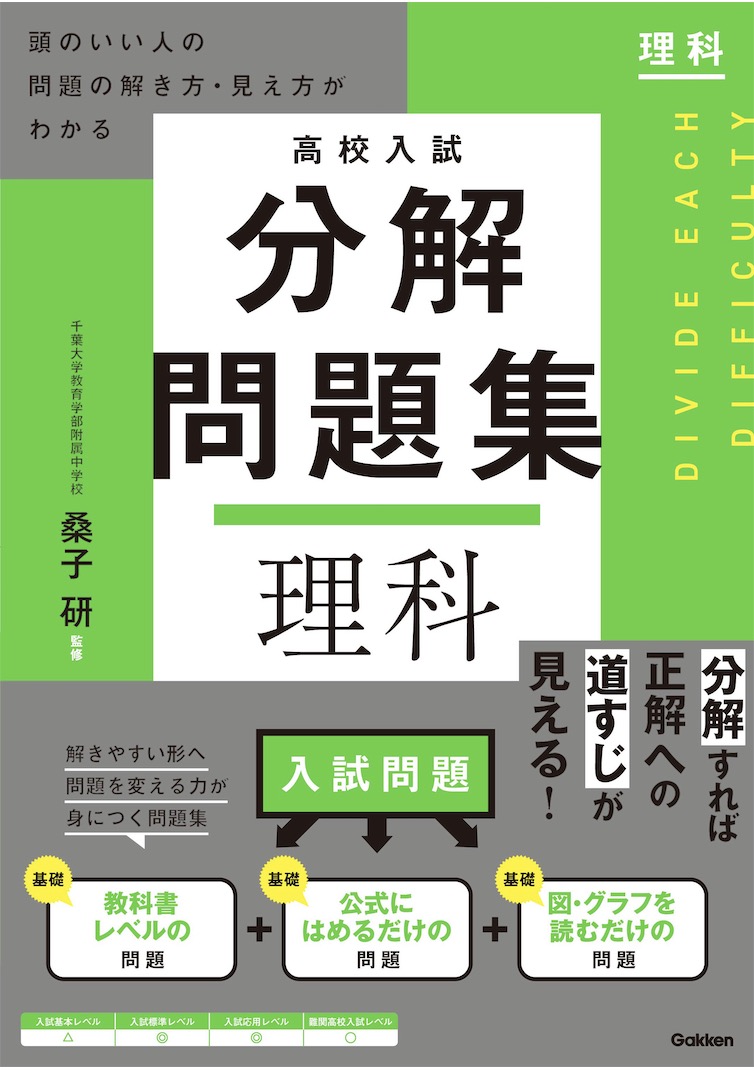
- 『高校入試 分解問題集 理科』(学研)…難しい問題も小さな問題に分解することで、問題を解くことができます。そんな分解の技術が身につくように深く関わりを持って作りました。
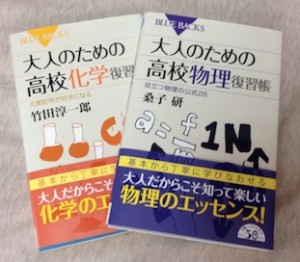
 『大人のための高校物理復習帳』(講談社)…一般向けに日常の物理について公式を元に紐解きました。特設サイトでは実験を多数紹介しています。※増刷がかかり6刷となりました(2026/02/01)
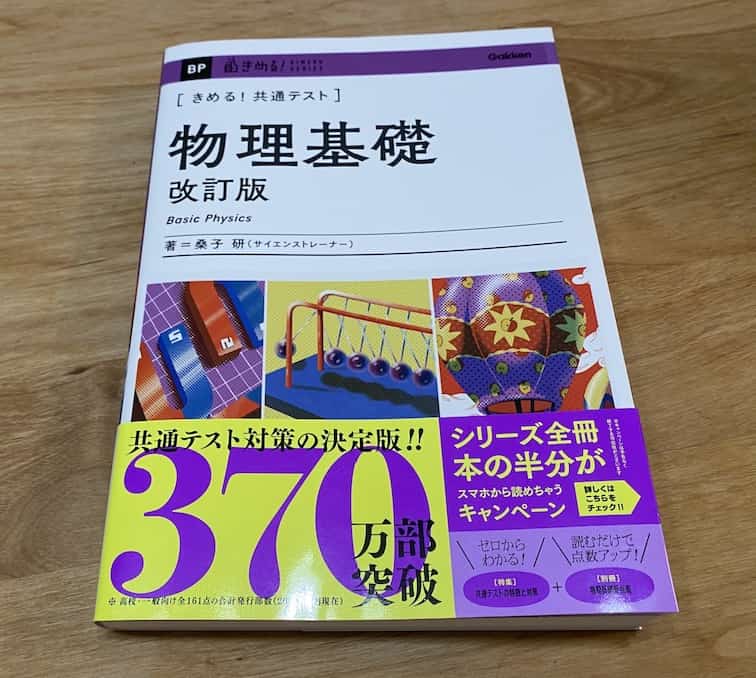
- 『きめる!共通テスト 物理基礎 改訂版』(学研)… 高校物理の参考書です。イラストを多くしてイメージが持てるように描きました。授業についていけない、物理が苦手、そんな生徒におすすめです。特設サイトはこちら。
各種SNS(更新情報をお届け!)
【日本語】X(Twitter)/instagram/Facebook 【英語】BlueSky/Threads
Explore
- 楽しい実験…お子さんと一緒に夢中になれるイチオシの科学実験を多数紹介しています。また、高校物理の理解を深めるための動画教材も用意しました。
- 理科の教材… 理科教師をバックアップ!授業の質を高め、準備を効率化するための選りすぐりの教材を紹介しています。
- Youtube…科学実験等の動画を配信しています。
- 科学ラジオ …科学トピックをほぼ毎日配信中!AI技術を駆使して作成した「耳で楽しむ科学」をお届けします。
- 講演 …全国各地で実験講習会・サイエンスショー等を行っています。
- About …「科学のネタ帳」のコンセプトや、運営者である桑子研のプロフィール・想いをまとめています。
- お問い合わせ …実験教室のご依頼、執筆・講演の相談、科学監修等はこちらのフォームからお寄せください。