It’s Not Magic! The Science Behind the Balloon That Bends Water (Static Electricity Experiment)
Hi, I’m Ken Kuwako, your Science Trainer. Every day is an experiment.
Static electricity is everywhere—that invisible yet definitely present mysterious force: the crackle when you take off a sweater in winter, the shock when you touch a doorknob! But did you know this static electricity has the power to manipulate water, almost like magic? Today, I’ll introduce a super mysterious and fun science experiment you can do with just a balloon and tap water. Come on, let’s step into the magical world of science together!
Let’s Get Ready for the Magic!
What You’ll Need
- A balloon
- A handkerchief, towel, or tissue paper (make sure it’s dry!)
- A running tap/faucet
Experiment Instructions
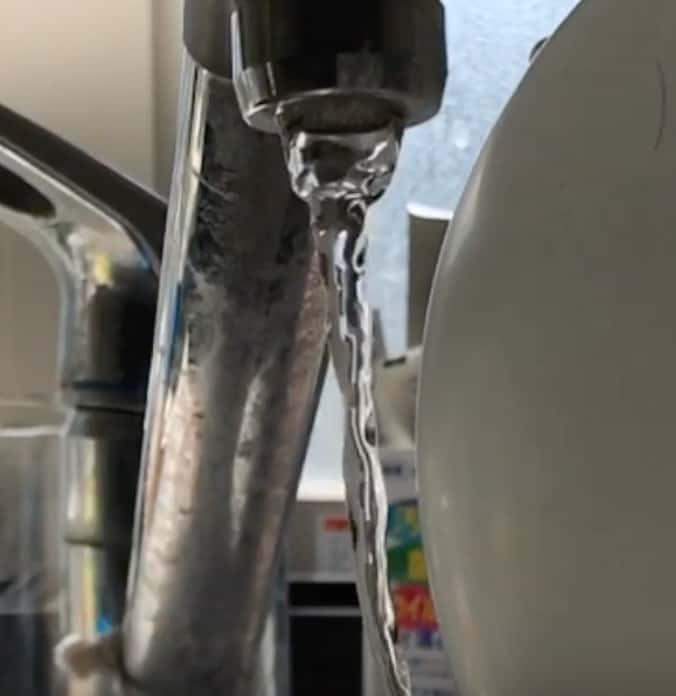
- First, adjust your tap/faucet so a thin, thread-like stream of water is running out. Slowly bring the uncharged balloon closer to the stream. …Nothing happens, right? Perfect!
- Next, rub the balloon vigorously with the handkerchief or tissue. Rubbing it on your hair works great too! This is the magic spell!
- Now, slowly bring the rubbed balloon close to the thin stream of water again. What do you see? The water stream should bend and be pulled toward the balloon, almost like it’s alive! Check out this video:
Unmasking the Magic: The Science Behind the Phenomenon!
Why does this strange phenomenon occur? The secret is hidden in the world of tiny particles that make up all matter.
Step 1: How the Balloon Gets an Electric Charge
Everything around us is made of particles called “atoms.” Inside an atom, there are equal numbers of positive (+) and negative (-) electric charges, which normally keep things balanced. However, when you rub the balloon with a cloth, the friction causes the cloth’s negative charges (electrons) to move over to the balloon. As a result, the balloon becomes negatively charged (electrified), holding a surplus of negative electricity. That is the true nature of static electricity.
Step 2: The Secret of Water Molecules
Water, on the other hand, is made of “water molecules (H₂O).” These molecules have a unique personality. A water molecule has one Oxygen atom (O) and two Hydrogen atoms (H) attached, forming a shape similar to Mickey Mouse’s ears. Because different atoms have different strengths of electric pull, the molecule as a whole has a property called “polarity.” The oxygen side carries a slight negative charge, and the hydrogen side carries a slight positive charge.  In short, each water molecule acts like a tiny magnet.
Step 3: The Attractive Force
Now the stage is set. When the negatively charged balloon, representing a “huge negative force,” approaches, what happens to the water molecules—our tiny magnets? That’s right! All the water molecules instantly swivel around, pointing their positive sides (the Hydrogen atoms) toward the balloon’s negative charge. This collective “re-orientation” of countless water molecules causes the entire stream of water to be pulled toward the balloon, as if by an invisible thread.
Step Into the Bigger World of Static Electricity!
If this small experiment sparked your interest in static electricity, why not peek into a more powerful world?
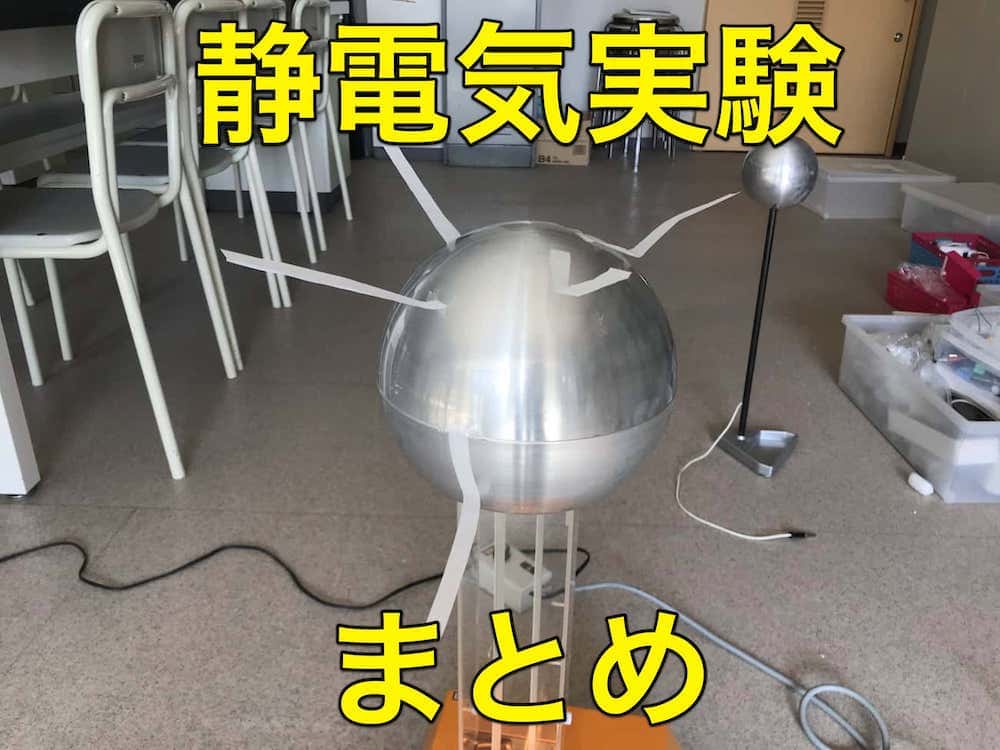
In the world of science, there is a giant static electricity generator called a Van de Graaff generator. With it, you can perform experiments straight out of a sci-fi movie, like making hair stand on end or lighting up a fluorescent tube without touching it! These experiments include those performed on TV shows with celebrities like Suzu Hirose, Ryohei Suzuki, Yasuko, and Chocolate Planet’s Osada and Matsuo.Click here for more details.
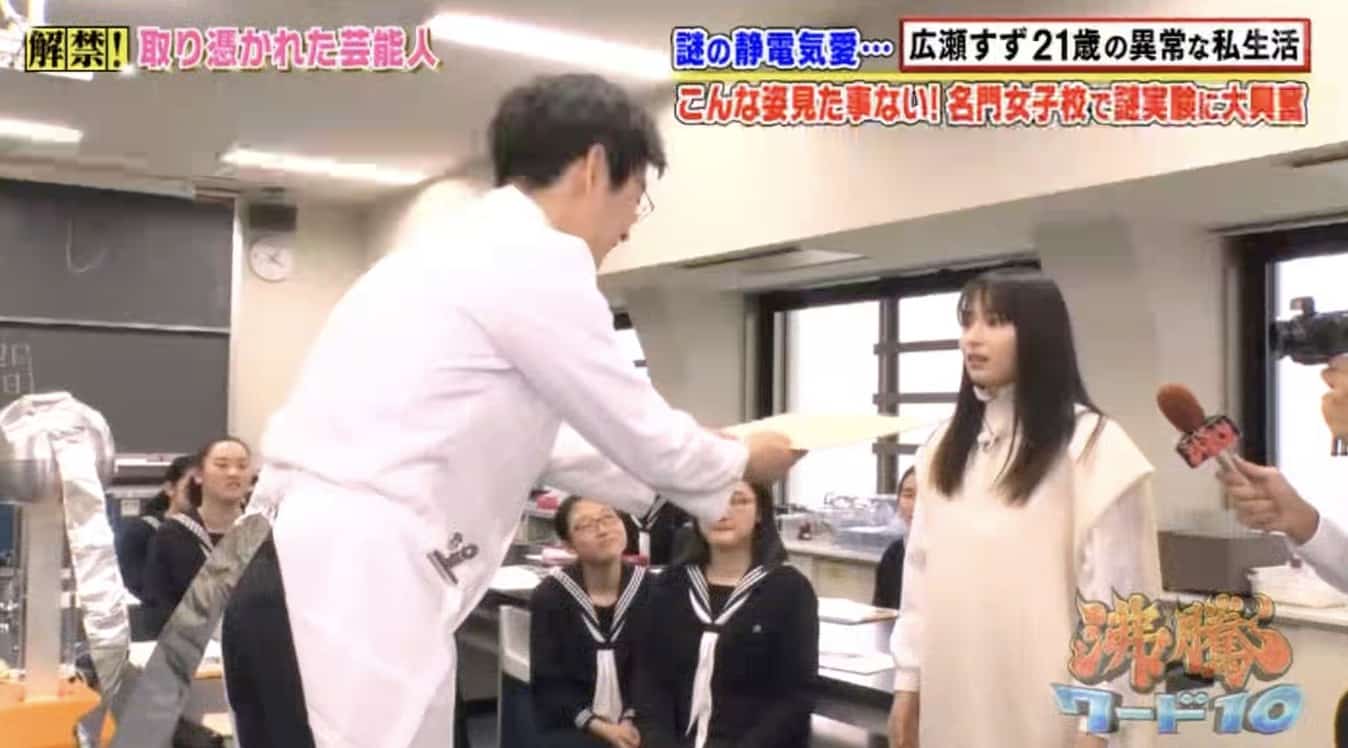
*Note: Experiments using a Van de Graaff generator must always be conducted under the supervision of a specialist. Please proceed with caution. For requests regarding static electricity experiments (science classes, TV supervision/appearances, etc.), please contact us here.
【Feature】You won’t be able to stop! Static Electricity Experiments
Contact and Requests
Let the wonder and fun of science become more familiar! We compile easy-to-understand fun science experiments you can do at home and provide helpful tips. Feel free to search around!
- ・Our science notes have been compiled into a book. Find out more here
- ・Learn about the blog’s operator, Ken Kuwako, here
- ・For various requests (writing, lectures, science classes, TV supervision/appearances, etc.), contact us here
- ・Updates on articles are available on X!
 The Science Neta Channel is posting experiment videos!
9月のイチオシ実験!
お弁当箱をプラバンがわりにしてキーホルダーを作ろう!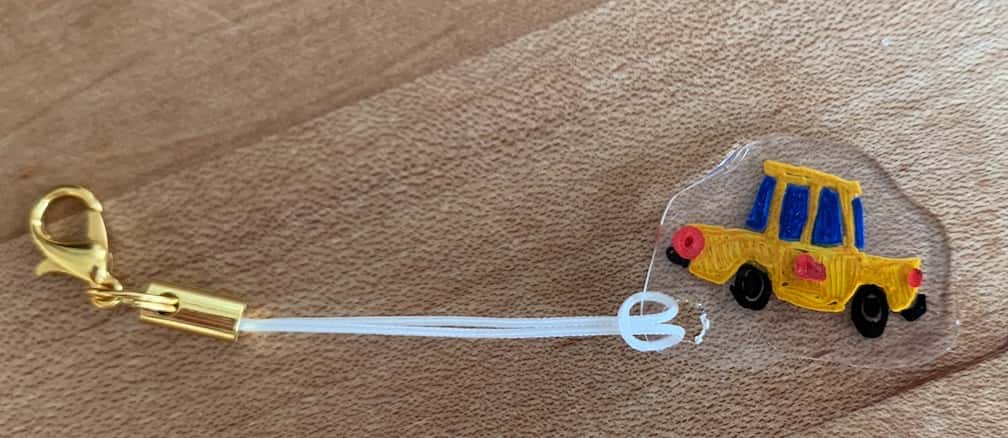
テレビ番組監修・イベント等のお知らせ
- 8月27日(木)科学監修番組放送予定
- 9月20日(日)ダビンチマスターズ出演予定
- 10月10日(土)11:15~12:00 千葉市科学フェスタ2026「桑子先生の回転科学ショー」にてサイエンスショーを行います。
- 12月26日(土) ナリカサイエンスアカデミー(教員向け実験講習会)開催
書籍のお知らせ
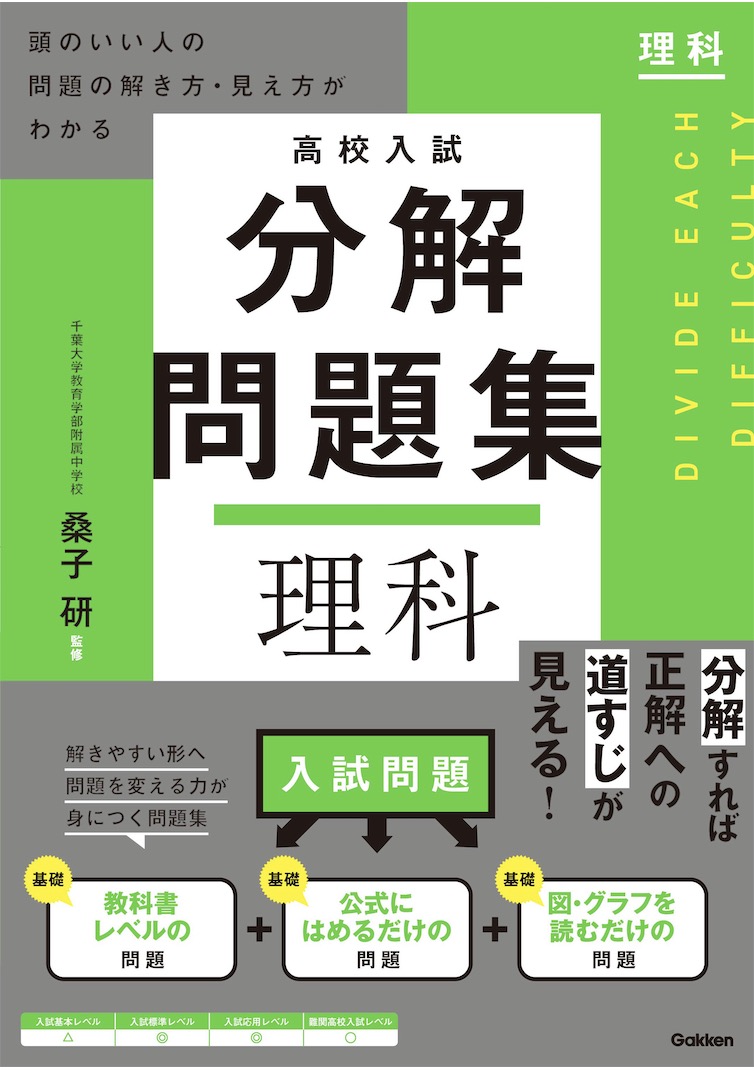
- 『高校入試 分解問題集 理科』(学研)…難しい問題も小さな問題に分解することで、問題を解くことができます。そんな分解の技術が身につくように深く関わりを持って作りました。
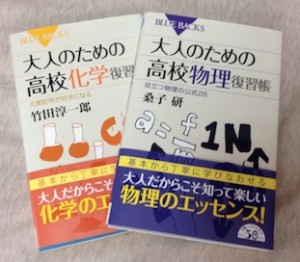
 『大人のための高校物理復習帳』(講談社)…一般向けに日常の物理について公式を元に紐解きました。特設サイトでは実験を多数紹介しています。※増刷がかかり6刷となりました(2026/02/01)
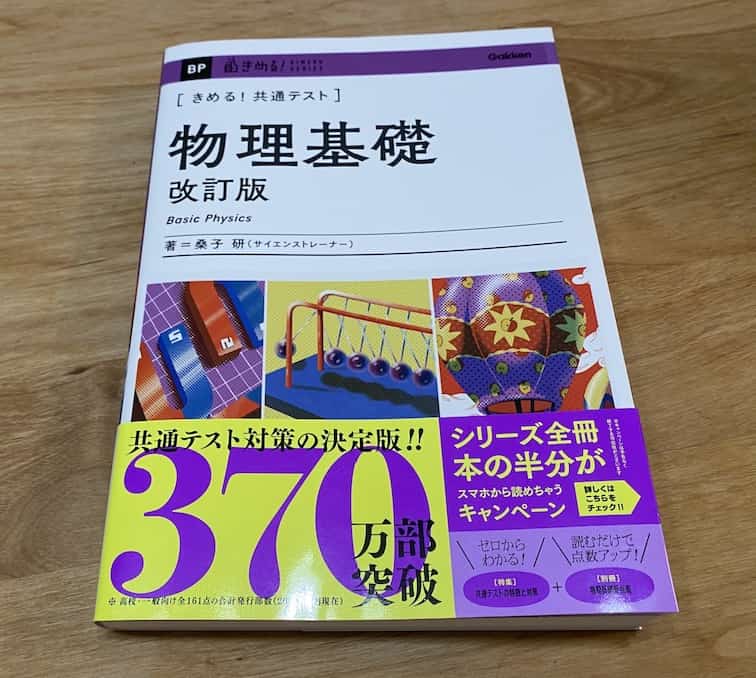
- 『きめる!共通テスト 物理基礎 改訂版』(学研)… 高校物理の参考書です。イラストを多くしてイメージが持てるように描きました。授業についていけない、物理が苦手、そんな生徒におすすめです。特設サイトはこちら。
各種SNS(更新情報をお届け!)
【日本語】X(Twitter)/instagram/Facebook 【英語】BlueSky/Threads
Explore
- 楽しい実験…お子さんと一緒に夢中になれるイチオシの科学実験を多数紹介しています。また、高校物理の理解を深めるための動画教材も用意しました。
- 理科の教材… 理科教師をバックアップ!授業の質を高め、準備を効率化するための選りすぐりの教材を紹介しています。
- Youtube…科学実験等の動画を配信しています。
- 科学ラジオ …科学トピックをほぼ毎日配信中!AI技術を駆使して作成した「耳で楽しむ科学」をお届けします。
- 講演 …全国各地で実験講習会・サイエンスショー等を行っています。
- About …「科学のネタ帳」のコンセプトや、運営者である桑子研のプロフィール・想いをまとめています。
- お問い合わせ …実験教室のご依頼、執筆・講演の相談、科学監修等はこちらのフォームからお寄せください。