The Magical White Cloud Born from “Neutralization”: The Surprising Chemistry Between Limewater and Carbon Dioxide
I’m Ken Kuwako, a science communicator. Every day is an experiment!
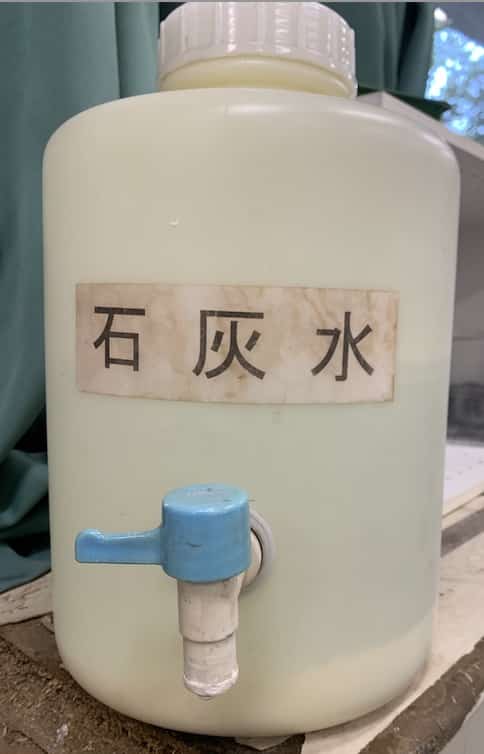
Do you remember blowing into a straw filled with limewater during science class? Watching the clear liquid suddenly turn milky white felt almost like performing a magic trick.
But why does simply adding carbon dioxide make the liquid cloudy? The answer is surprisingly interesting. In chemistry, this reaction is actually considered a type of neutralization reaction in the broad sense. Let’s take a closer look at the fascinating exchange of substances happening behind that mysterious white cloudiness.
When students first learn about neutralization, it’s usually introduced as:
“Acid (H⁺) + Base (OH⁻) → Salt + Water”
The limewater experiment is a little different. There’s one important “culprit” hiding behind the scenes.
The Culprit: Tiny Rocks That Won’t Dissolve
Limewater is an alkaline solution containing dissolved calcium hydroxide. When carbon dioxide, which behaves like an acid after dissolving in water, is bubbled through it, the following reaction takes place.

The newly formed calcium carbonate is exactly what causes the white cloudiness.
Calcium carbonate is the same substance that makes up seashells, coral, classroom chalk, and even marble. Its most important property is that it is almost insoluble in water.
Imagine countless microscopic grains of stone suddenly appearing and floating throughout the previously clear water. As light strikes these tiny particles, it scatters in every direction, making the liquid appear white and cloudy.
- Base: Calcium hydroxide (limewater)
- Acid: Carbon dioxide (acts as an acid after dissolving in water)
- Salt: Calcium carbonate (the tiny “rock” responsible for the cloudiness)
- Water
The alkaline limewater meets acidic carbon dioxide, their chemical properties neutralize each other, and salt plus water are produced. It perfectly fits the definition of neutralization.
A Surprising Twist: Keep Blowing… and It Turns Clear Again!
The story doesn’t end there.
Continue bubbling carbon dioxide through the already cloudy limewater, and something unexpected happens—the liquid gradually becomes clear once again.
That’s because the insoluble calcium carbonate reacts with excess carbon dioxide to form calcium bicarbonate, which dissolves readily in water.

This repeated cycle of dissolving and solidifying is actually the same process responsible for creating magnificent limestone caves filled with stalactites and stalagmites. It’s amazing to think that the same chemistry happening with your breath also shapes entire cave systems over tens of thousands of years.
Why Doesn’t Hydrochloric Acid Make It Cloudy?
You might be wondering, “If neutralization causes the cloudiness, wouldn’t hydrochloric acid do the same thing?”
That’s an excellent question—but the answer is no. This is where chemistry gets especially interesting.
When hydrochloric acid is added to limewater, a neutralization reaction certainly occurs.
The product is calcium chloride.
Unlike calcium carbonate, calcium chloride is highly soluble in water. Once dissolved, it separates into invisible ions, so the solution remains perfectly clear.
The Secret Requirement for a Cloudy Solution
The key takeaway is simple:
For a chemical reaction to produce a cloudy white appearance, the newly formed substance must be insoluble in water, creating a precipitate.
- Carbon dioxide + Limewater: Produces insoluble calcium carbonate, so the solution turns cloudy!
- Hydrochloric acid + Limewater: Produces highly soluble calcium chloride, so the solution stays clear!
That’s exactly why limewater is such an effective “detective” for identifying carbon dioxide.
Interestingly, the calcium chloride that stays invisible is far from useless. It’s commonly used as a road de-icer during winter and as the active ingredient in many household moisture absorbers.
If you’d like to see another spectacular white precipitate formed by neutralization, try combining sulfuric acid with barium hydroxide.
The product, barium sulfate, is also completely insoluble in water. In fact, it’s the same white substance used in the “barium swallow” examination during medical X-ray imaging.
Chemistry is full of hidden substances that simply refuse to dissolve!
Contact & Collaboration
I love making science fun and accessible for everyone! On this website you’ll find easy science experiments you can try at home, along with clear explanations of the science behind them. Feel free to explore!
- My science blog has been turned into a book. Learn more here.
- Read more about me, Ken Kuwako, here.
- For writing, lectures, science workshops, TV consulting, media appearances, and other collaborations, click here.
- Follow me on X for the latest article updates!
 Science Notes Channel features exciting science experiment videos!
10月のイチオシ実験!
テレビ番組監修・イベント等のお知らせ
- 10月27日(火) テレビ監修番組放送予定
- 11月27日(金) テレビ監修番組放送予定
- 12月26日(土) ナリカサイエンスアカデミー(教員向け実験講習会)開催
書籍のお知らせ
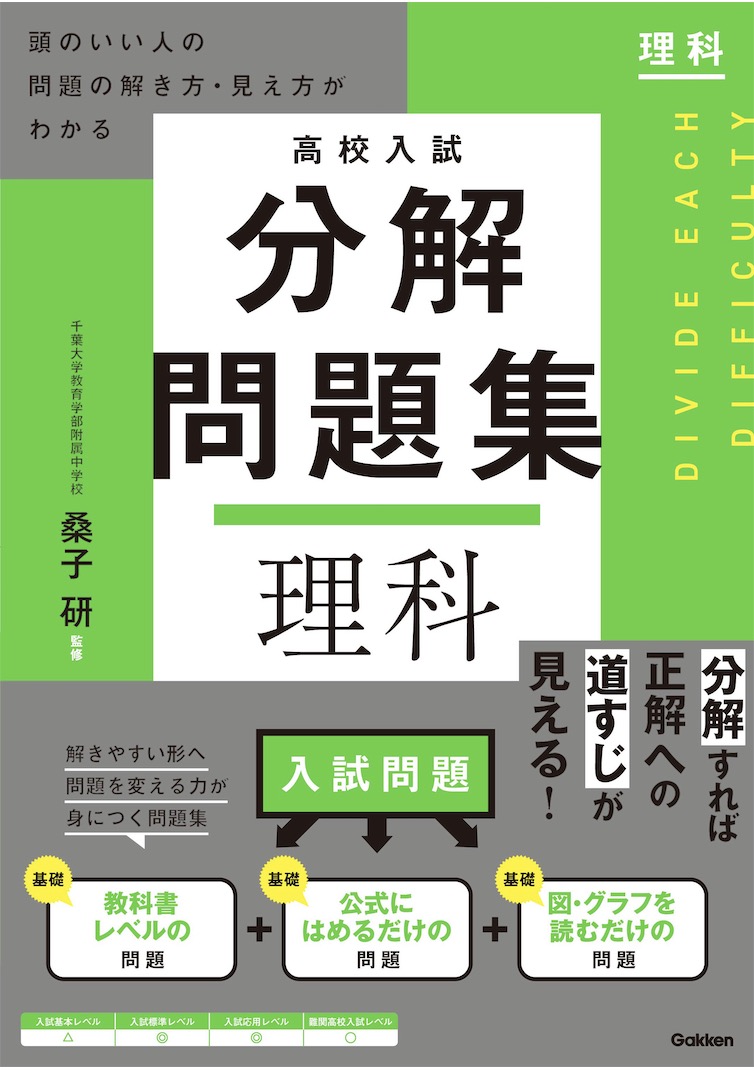
- 『高校入試 分解問題集 理科』(学研)…難しい問題も小さな問題に分解することで、問題を解くことができます。そんな分解の技術が身につくように深く関わりを持って作りました。
 『大人のための高校物理復習帳』(講談社)…一般向けに日常の物理について公式を元に紐解きました。特設サイトでは実験を多数紹介しています。※増刷がかかり6刷となりました(2026/02/01)
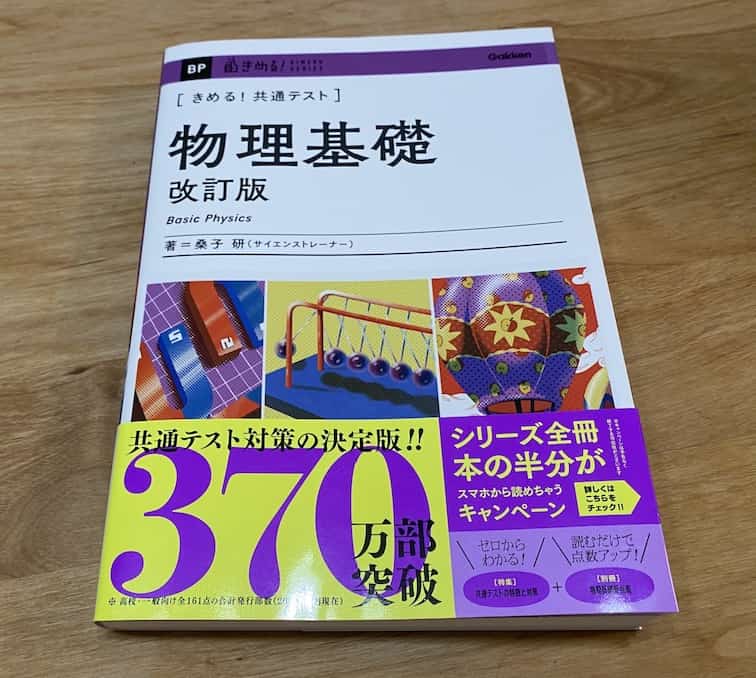
- 『きめる!共通テスト 物理基礎 改訂版』(学研)… 高校物理の参考書です。イラストを多くしてイメージが持てるように描きました。授業についていけない、物理が苦手、そんな生徒におすすめです。特設サイトはこちら。
各種SNS(更新情報をお届け!)
【日本語】X(Twitter)/instagram/Facebook 【英語】BlueSky/Threads
Explore
- 楽しい実験…お子さんと一緒に夢中になれるイチオシの科学実験を多数紹介しています。また、高校物理の理解を深めるための動画教材も用意しました。
- 理科の教材… 理科教師をバックアップ!授業の質を高め、準備を効率化するための選りすぐりの教材を紹介しています。
- Youtube…科学実験等の動画を配信しています。
- 科学ラジオ …科学トピックをほぼ毎日配信中!AI技術を駆使して作成した「耳で楽しむ科学」をお届けします。
- 講演 …全国各地で実験講習会・サイエンスショー等を行っています。
- About …「科学のネタ帳」のコンセプトや、運営者である桑子研のプロフィール・想いをまとめています。
- お問い合わせ …実験教室のご依頼、執筆・講演の相談、科学監修等はこちらのフォームからお寄せください。