
Why Does the Magnolia Bloom Before Its Leaves? The 100-Million-Year Secret of the Hakumokuren
I’m Ken Kuwako, your Science Trainer. Every day is an experiment!
【This article is also available on my radio show!】
“It looks like pure white tulips are blooming right toward the sky!” Have you ever encountered these eye-catching, massive blossoms? This harbinger of spring is known as the Hakumokuren, or White Magnolia. These mysterious plants are often called living fossils because they have remained largely unchanged since the era when dinosaurs roamed the Earth.
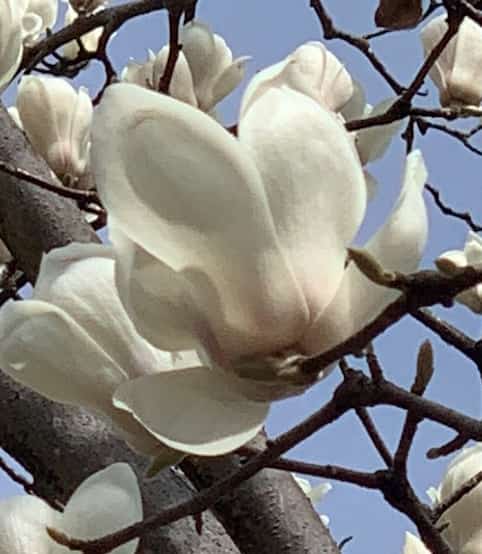
The Secret of the “White Paper Flowers” in the Spring Sky
The other day, while taking my children to the park, I spotted the Hakumokuren in full, glorious bloom. They are members of the Magnolia family. Their peak is incredibly fleeting—they scatter to the wind in what feels like the blink of an eye—so catching them in full bloom is a truly special moment.
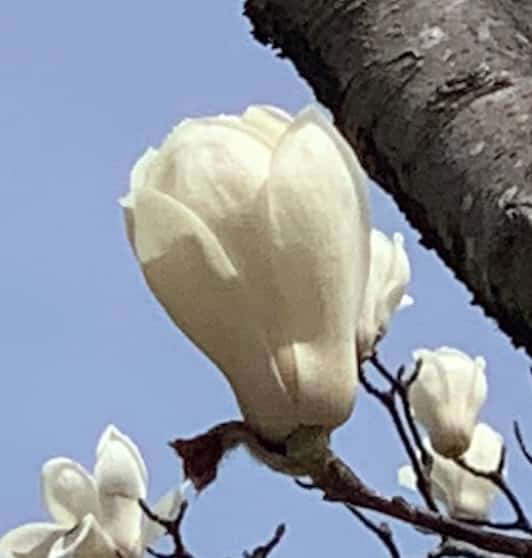
Don’t these petals look familiar? They have a delicate, soft texture, almost as if someone carefully crafted “paper flowers” out of tissue paper and pointed them toward the sun. While I enjoyed the pristine white of the Hakumokuren, you can also find variations like the Shimokuren (Purple Magnolia) in shades of pink and deep wine, adding a rich palette to our local parks.
Why Do Flowers Bloom Before the Leaves?
This brings up a fascinating scientific question: Why do Magnolias, much like cherry and plum trees, bloom before their leaves even appear? This is actually a clever survival strategy. By putting out large, bold flowers before the foliage gets thick, the tree makes a loud-and-clear announcement to distant insects: “Hey! Nectar and pollen are right here!” (It’s the same tactic used by Sakura). It is a high-stakes moment for the tree, pouring all its stored energy into the blossoms before it even begins the process of photosynthesis.
A Message from 100 Million Years Ago: The Magnolia’s Secret
According to Wikipedia and botanical records, here are some intriguing facts about Magnolias:
– The reddish-purple flowers bloom upward in spring, around the same time the leaves begin to develop.
The leaves are arranged alternately, with an obovate to elliptic-ovate shape, 6–15 cm long and 6–10 cm wide. They have a slightly wavy margin and a pointed tip. The texture is somewhat thick and paper-like, with a glossy green surface and fine hairs on the underside.
The blooming season is from February to April. Large, bisexual flowers (10–16 cm in diameter) open upward before the leaves fully expand.
They have numerous stamens arranged in a spiral, and the pistils are also numerous and spirally arranged.
While they do not produce nectar, they are highly fragrant and are pollinated by pollen-eating insects like beetles. The primary scent component is pentadecane.
From August to October, the fruit matures into a bumpy, cone-like aggregate (12-15 cm long). When it splits, seeds covered in a fleshy red coat hang by thin white threads.
They thrive in sunny spots with well-drained, fertile soil.
They are relatively resistant to pests, though some damage from longhorn beetles and scale insects has been noted.
The most remarkable point is that Magnolias rely on beetles for pollination. Magnolia ancestors existed over 100 million years ago—long before bees or butterflies even evolved! Because of this, the petals and pistils are built to be incredibly tough, ensuring they don’t get damaged when heavy beetles crawl around inside the flower.
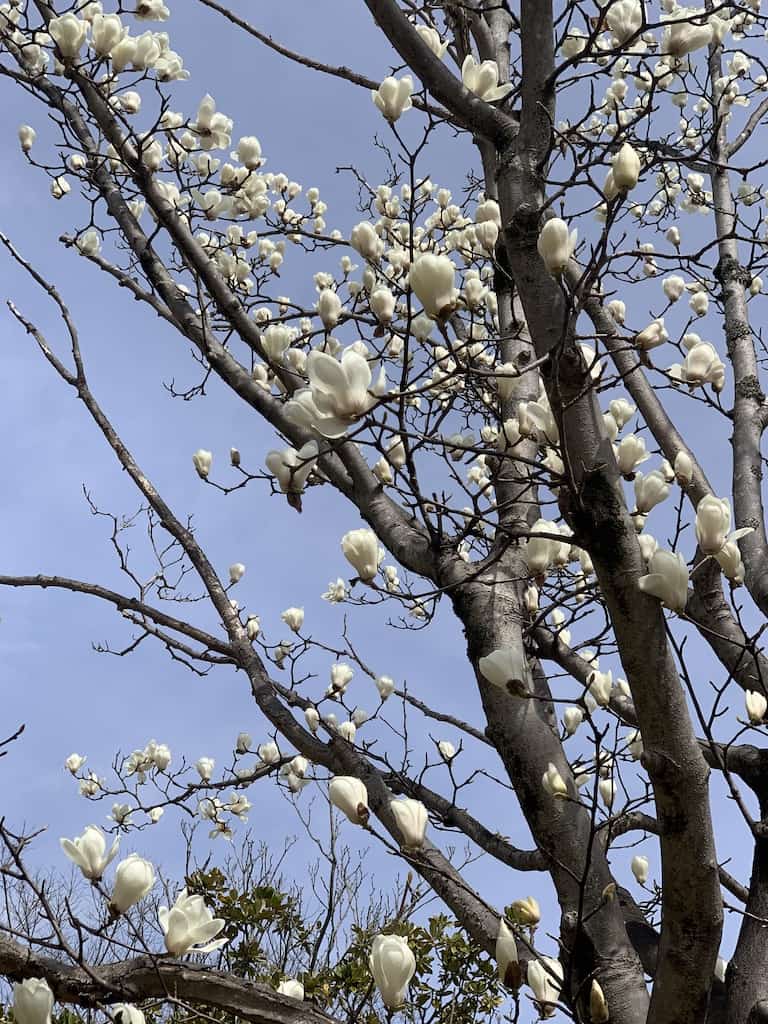
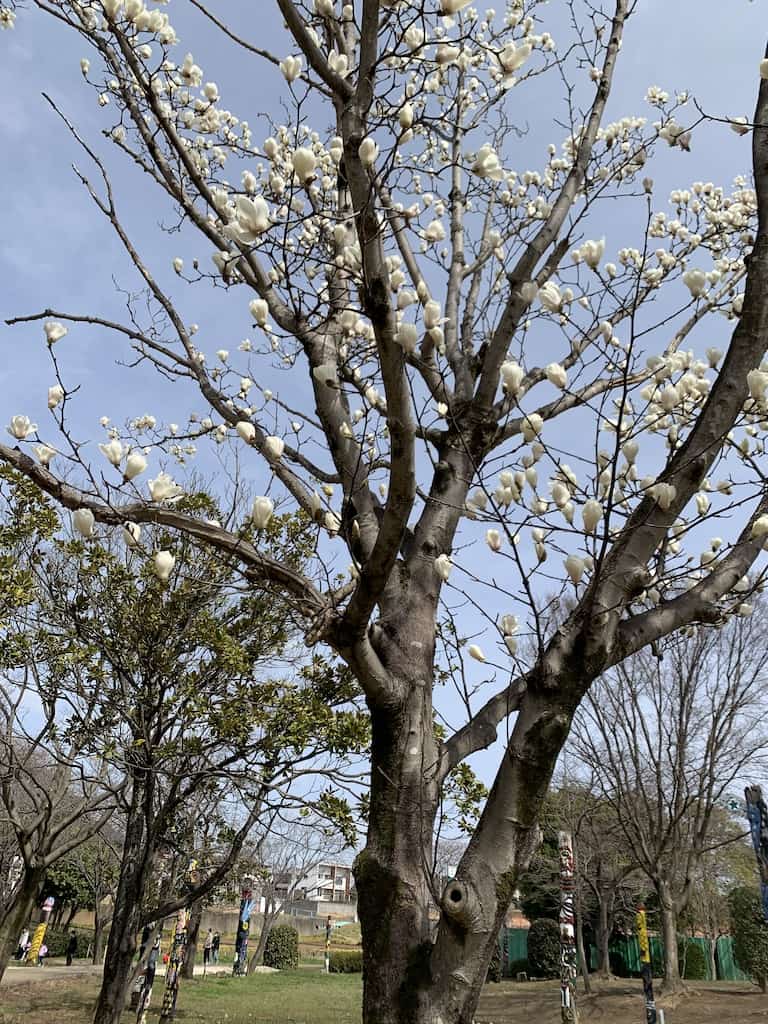
Photos taken: March 21, 2022, at Kikkoman Arena.
History Carved into the Bark
Beyond the flowers, take a moment to look at the trunk of the tree.
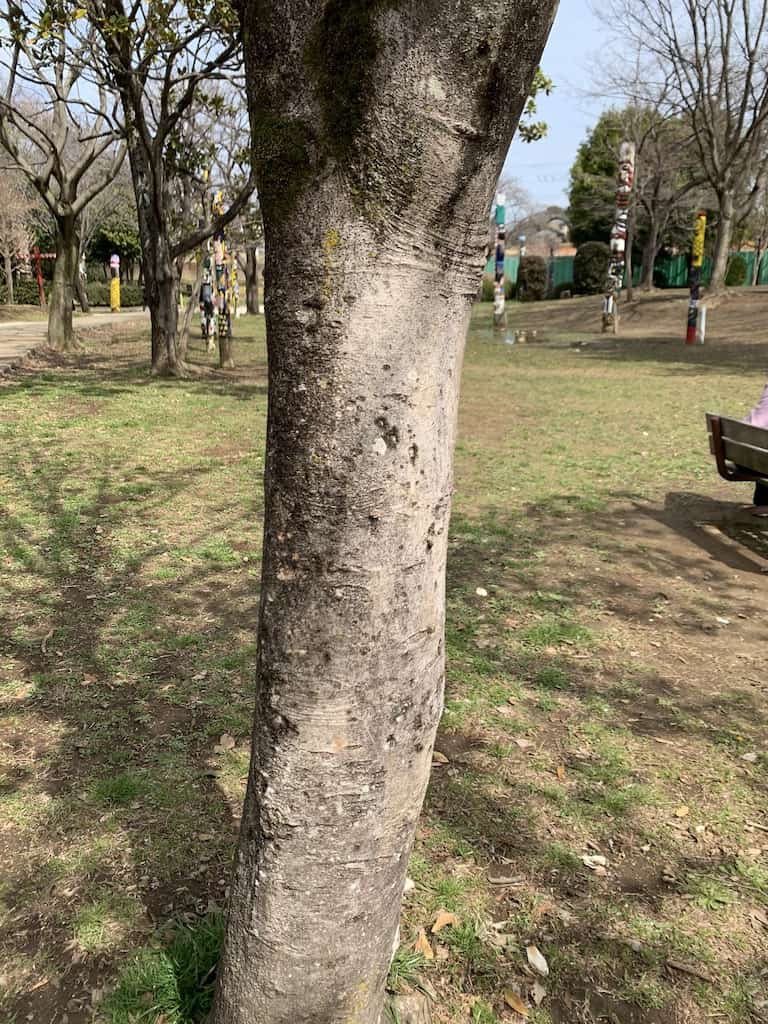
That rugged, textured bark is a testament to the harsh winters the tree has endured. Thinking about how water and nutrients surged through this trunk with the arrival of spring to produce those massive blooms makes you appreciate the sheer vitality of plants.
Spring is a season of hellos and goodbyes, but even the grass at your feet and the trees above carry a history spanning millions of years. Next time you take a stroll, why not stop and listen to the “stories” these plants have to tell?
Inquiries and Bookings
Bringing the wonders of science closer to you! I share fun experiments you can try at home and easy-to-understand tips. Feel free to explore my site!
My “Science Note” series is now a book! Details here.
Learn more about me, Ken Kuwako, here.
For work requests (writing, speaking, workshops, TV supervision, etc.), click here.
Follow me on X (Twitter) for updates!
 Check out my Science Experiments Channel for more videos!
NEW 分解問題集 理科
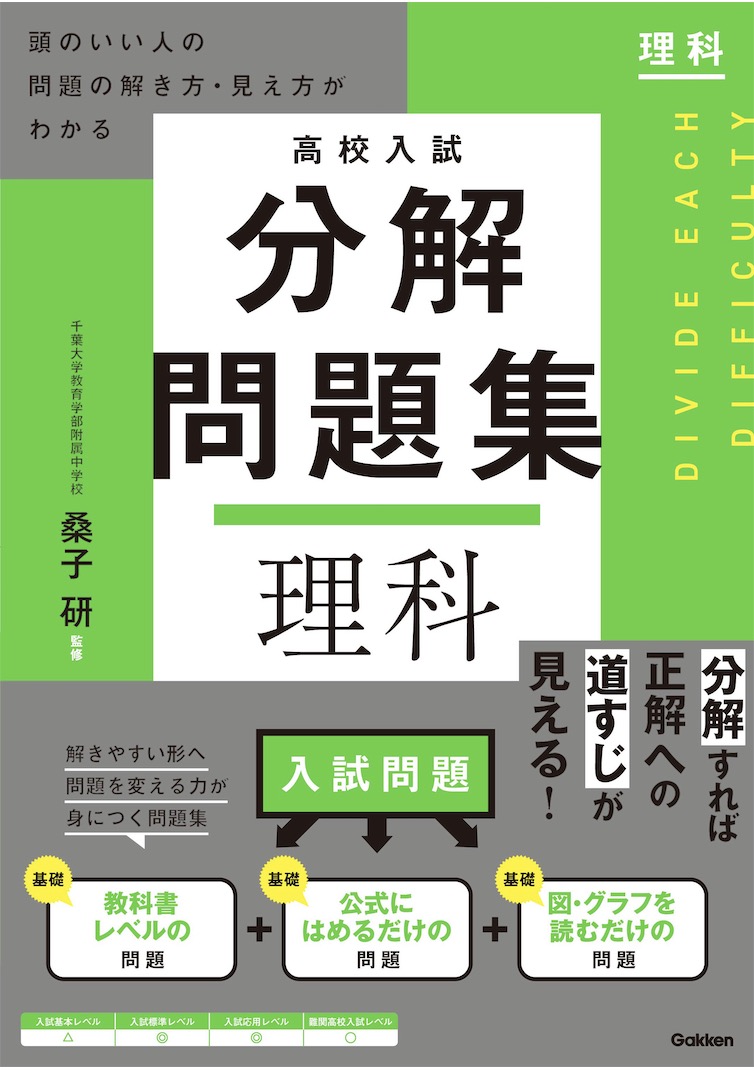
- 7月21日発売!『高校入試 分解問題集 理科』(学研)…難しい問題も小さな問題に分解することで、問題を解くことができます。そんな分解の技術が身につくように深く関わりを持って作りました。
7・8月のイチオシ実験!
夏でプシュッと爽やか実験!

テレビ番組監修・イベント等のお知らせ
- 7月30日(水)科学監修「TIF presents ONE SONG FES」(フジテレビ) 26:15~27:15
- 12月26日(土) ナリカサイエンスアカデミー(教員向け実験講習会)開催
書籍のお知らせ
- 『大人のための高校物理復習帳』(講談社)…一般向けに日常の物理について公式を元に紐解きました。特設サイトでは実験を多数紹介しています。※増刷がかかり6刷となりました(2026/02/01)

- 『きめる!共通テスト 物理基礎 改訂版』(学研)… 高校物理の参考書です。イラストを多くしてイメージが持てるように描きました。授業についていけない、物理が苦手、そんな生徒におすすめです。特設サイトはこちら。

各種SNS(更新情報をお届け!)
【日本語】X(Twitter)/instagram/Facebook 【英語】BlueSky/Threads
Explore
- 楽しい実験…お子さんと一緒に夢中になれるイチオシの科学実験を多数紹介しています。また、高校物理の理解を深めるための動画教材も用意しました。
- 理科の教材… 理科教師をバックアップ!授業の質を高め、準備を効率化するための選りすぐりの教材を紹介しています。
- Youtube…科学実験等の動画を配信しています。
- 科学ラジオ …科学トピックをほぼ毎日配信中!AI技術を駆使して作成した「耳で楽しむ科学」をお届けします。
- 講演 …全国各地で実験講習会・サイエンスショー等を行っています。
- About …「科学のネタ帳」のコンセプトや、運営者である桑子研のプロフィール・想いをまとめています。
- お問い合わせ …実験教室のご依頼、執筆・講演の相談、科学監修等はこちらのフォームからお寄せください。