The Magic Board: Build Electronics Like LEGO—No Soldering, No Fear!
I’m Ken Kuwako, your Science Trainer. Every Day is an Experiment!
“Electronics… it sounds so difficult.” “I’m worried I’ll burn myself with a soldering iron.”Do those thoughts sound familiar? Well, guess what? There’s a “Magic Board” that lets you build electronic circuits like assembling building blocks, without ever touching a hot iron or melting solder!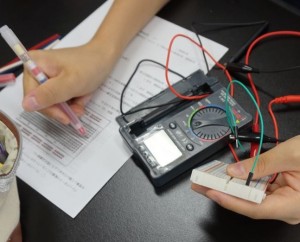 Have you heard of a “Breadboard”? The breadboard is a dream component that lets you connect electronic parts (like LEDs and resistors) just by plugging them into the holes, with no soldering required.By the way, why the funny name “Breadboard”? Legend has it that back in the early days of electronics, engineers used to prototype circuits by hammering nails into actual wooden boards used for slicing bread, and then mounting components onto those nails. It gives you a real sense of history, doesn’t it?The first time I saw one, I was thrilled! I thought, “Wow, I can wire up circuits quickly enough to do hands-on experiments with my students right in class!”I now regularly use breadboards in my lessons for building circuits and measuring things like voltage. With soldering, one mistake can mean a lot of rework, but with this, you can plug and unplug freely. Students can experiment again and again without fear of failure. That’s why I felt it was a perfect fit for science experiments.To kick off our breadboard lesson, we start with an experiment to explore the “Magic Board’s” inner workings. After all, you can’t build a circuit successfully if you don’t know how the inside is wired! It’s excellent training.
The Science Recipe: Map the “Secret Connections” of the Magic Board
[What You Need]
- A Breadboard
- Jumper Wires (short wires for breadboards)
- A Digital Multimeter (or continuity checker)
[Instructions]Use the digital multimeter to test continuity (whether electricity flows) between various holes on the breadboard. If you set your meter to “Resistance ($\Omega$)” mode, a connection (meaning the holes are linked internally) will show a value close to zero. (If your meter has a “Continuity Mode,” it will let out a handy “beep” sound!)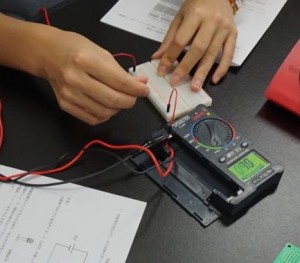 On a paper diagram of the breadboard, use a red pen to draw lines connecting the holes that show continuity (that are connected).
 What kind of “Secret Map” did you uncover? You should find that the lines on the edges (called the power rails) are connected vertically along the entire length, while the central component area is connected in short segments of five holes horizontally. This unique structure is the secret to efficient component wiring!It’s a simple activity, but many students are touching a meter and a breadboard for the first time, and they all get completely absorbed in the trial-and-error process. The quiz-like nature—”Is this connected?” “How about the neighbor?”—makes it fun. I encourage you to try this at home!
Unlimited Failure is Why Science is Fun
The truly wonderful thing about the breadboard is that it’s reusable.With soldering, a circuit board is generally a one-time use, and removing components is a struggle. But with a breadboard, you can just pull out the parts and start a new circuit from scratch. This means you have unlimited chances to fail and try again!This isn’t just economical; it’s a huge educational advantage. It removes the fear of making a mistake and encourages trial and error, which is the most essential process in science.Right now, I’m using the breadboard to train my students. I think it would be great fun if they eventually become the teachers and host “Electric Circuit Experience Workshops” for elementary school kids!
Inquiries and Requests
Bring the wonder and fun of science closer to you! We’ve compiled easy-to-understand fun science experiments you can do at home and tips for them. Feel free to browse around!The content of this Science Idea Book has been published. Find out more here.About the administrator, Ken Kuwako: hereFor various requests (writing, lectures, experiment classes, TV supervision/appearances, etc.): here– Article updates are posted on X!
 We post experiment videos on the Science Idea Channel!
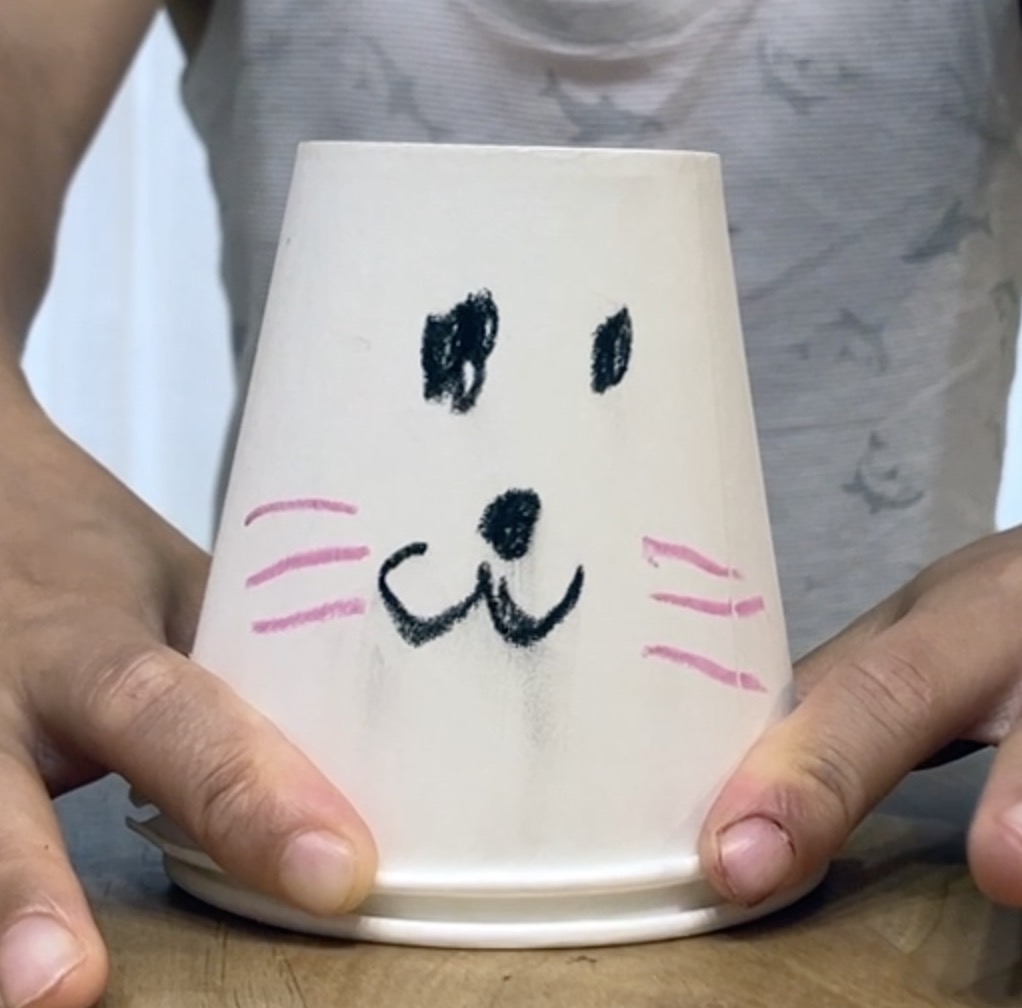
9月のイチオシ実験!
テレビ番組監修・イベント等のお知らせ
- 9月25日(金)21:00〜 かまいたちの瞬間回答!にて、科学監修を行いました。
- 10月10日(土)11:15~12:00 千葉市科学フェスタ2026「桑子先生の回転科学ショー」にてサイエンスショーを行います。
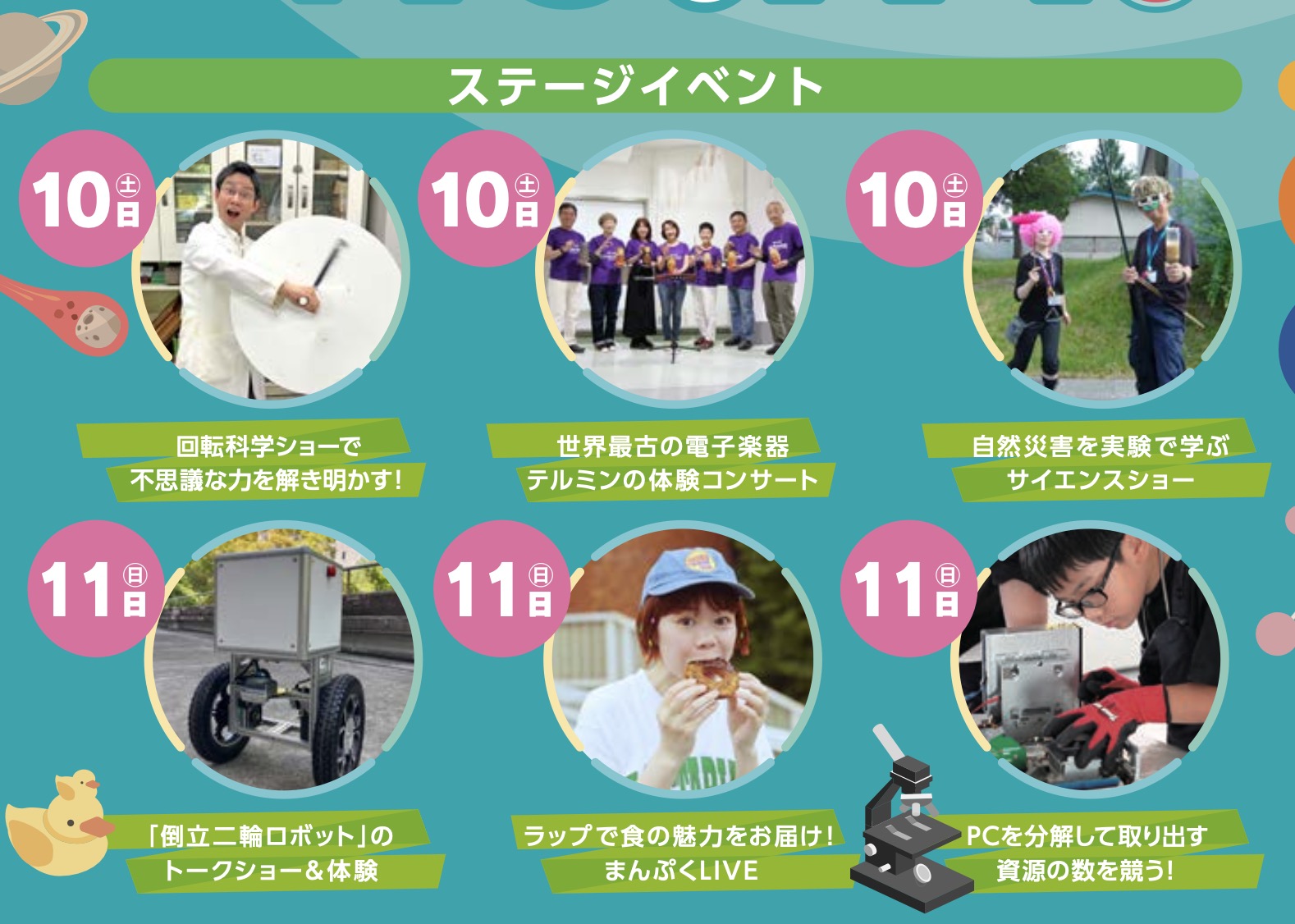
- 12月26日(土) ナリカサイエンスアカデミー(教員向け実験講習会)開催
書籍のお知らせ
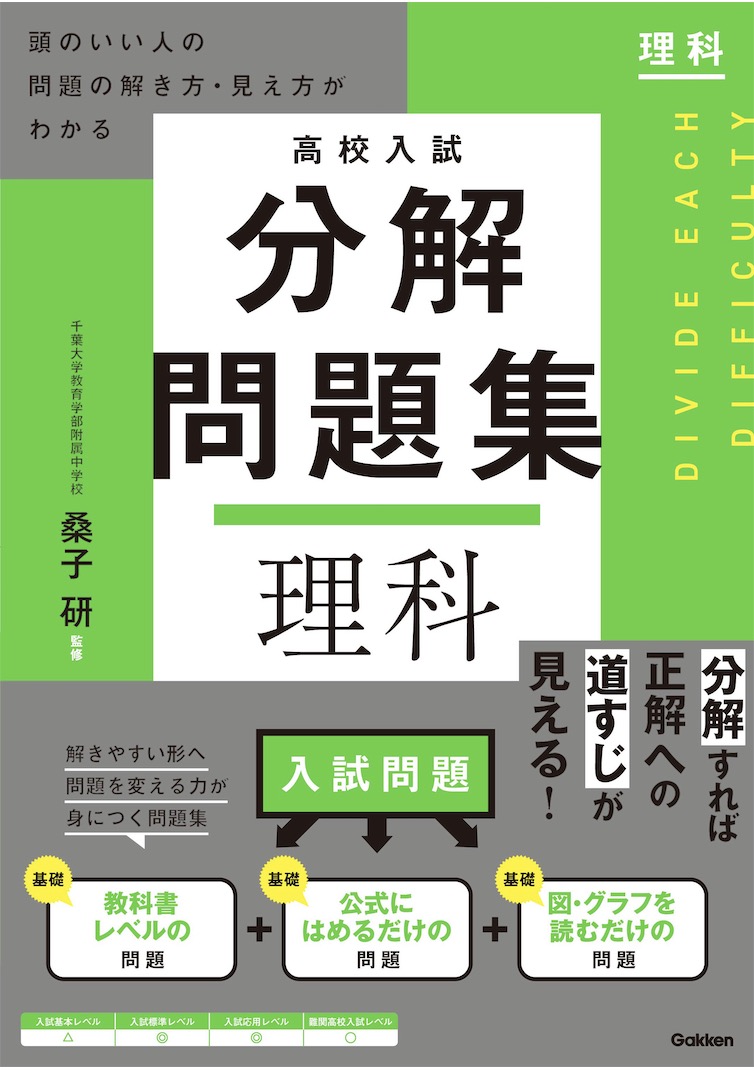
- 『高校入試 分解問題集 理科』(学研)…難しい問題も小さな問題に分解することで、問題を解くことができます。そんな分解の技術が身につくように深く関わりを持って作りました。
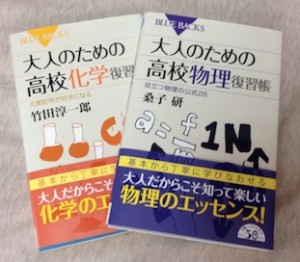
 『大人のための高校物理復習帳』(講談社)…一般向けに日常の物理について公式を元に紐解きました。特設サイトでは実験を多数紹介しています。※増刷がかかり6刷となりました(2026/02/01)
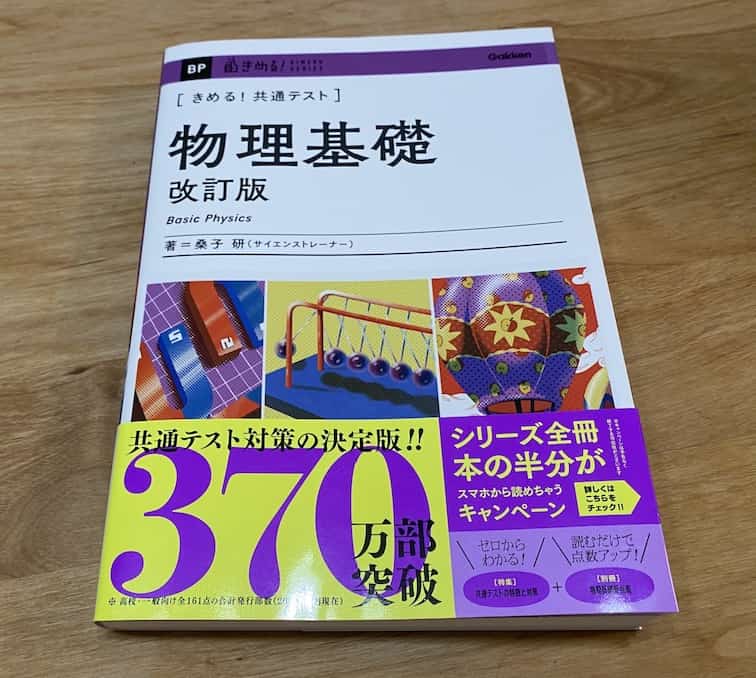
- 『きめる!共通テスト 物理基礎 改訂版』(学研)… 高校物理の参考書です。イラストを多くしてイメージが持てるように描きました。授業についていけない、物理が苦手、そんな生徒におすすめです。特設サイトはこちら。
各種SNS(更新情報をお届け!)
【日本語】X(Twitter)/instagram/Facebook 【英語】BlueSky/Threads
Explore
- 楽しい実験…お子さんと一緒に夢中になれるイチオシの科学実験を多数紹介しています。また、高校物理の理解を深めるための動画教材も用意しました。
- 理科の教材… 理科教師をバックアップ!授業の質を高め、準備を効率化するための選りすぐりの教材を紹介しています。
- Youtube…科学実験等の動画を配信しています。
- 科学ラジオ …科学トピックをほぼ毎日配信中!AI技術を駆使して作成した「耳で楽しむ科学」をお届けします。
- 講演 …全国各地で実験講習会・サイエンスショー等を行っています。
- About …「科学のネタ帳」のコンセプトや、運営者である桑子研のプロフィール・想いをまとめています。
- お問い合わせ …実験教室のご依頼、執筆・講演の相談、科学監修等はこちらのフォームからお寄せください。