Uncovering the Physics of Mermaid Lagoon: A DisneySea Adventure
I’m Ken Kuwako, your Science Trainer. Every day is an experiment.
Have you ever been to an amusement park and noticed the scientific secrets hidden in plain sight? The acceleration of a roller coaster, the graceful arc of a fountain’s water, the countless magical illusions—all of them are precisely crafted using the laws of physics.
I once tried to teach science to my students by talking about something they were familiar with: Gundam. But it was a complete failure. Their eyes just glazed over. I was baffled! Then I realized they just weren’t into Gundam.
So I wondered, “What do my students like?” and found out it was Disneyland and aquariums.
This was a surprising discovery. I knew I had to find topics that resonated with my students to draw them into the world of science!
That’s how I started going to Disneyland to find material, like the physics of Splash Mountain’s potential energy, and visiting the Sumida Aquarium to find fun facts about the refraction of light in a penguin tank.
As I researched Disneyland, I started picking up more interesting tidbits from guidebooks and Walt Disney’s biography, like the use of forced perspective to make buildings look bigger than they are. That’s why I started going to Disneyland regularly, looking for new teaching material.
To be honest, I wasn’t a huge fan of Disneyland. But for a certain reason, I started making an effort to visit whenever I had a chance, maybe about once a year. It’s not because I love the rides, or I want to meet the characters, or I’m just into the happy atmosphere.
That’s when I realized the need to talk about Disneyland for my physics lessons. I was talking about the rotation of a space colony and centrifugal force, when the classroom fell silent. Their eyes looked dead. “Why?!” I wondered, and realized they just weren’t into Gundam.
So I wondered, “What do my students like?” and found out it was Disneyland and aquariums.
I was surprised. I had to find topics that resonated with my students to draw them into the world of science!
That’s how I started going to Disneyland to find material, like the physics of Splash Mountain’s potential energy, and visiting the Sumida Aquarium to find fun facts about the refraction of light in a penguin tank.
As I researched Disneyland, I started picking up more interesting tidbits from guidebooks and Walt Disney’s biography, like the use of forced perspective to make buildings look bigger than they are. That’s why I started going to Disneyland regularly, looking for new teaching material.
[amazonjs asin=”4478001812″ locale=”JP” title=”創造の狂気 ウォルト・ディズニー”]
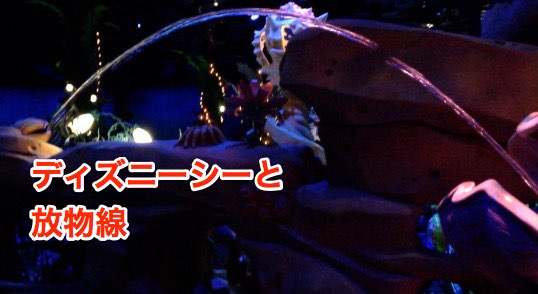
I recently went to DisneySea during a break. There, I was particularly intrigued by the water spouting from a fish at Mermaid Lagoon (where Ariel lives). This is what it looked like.
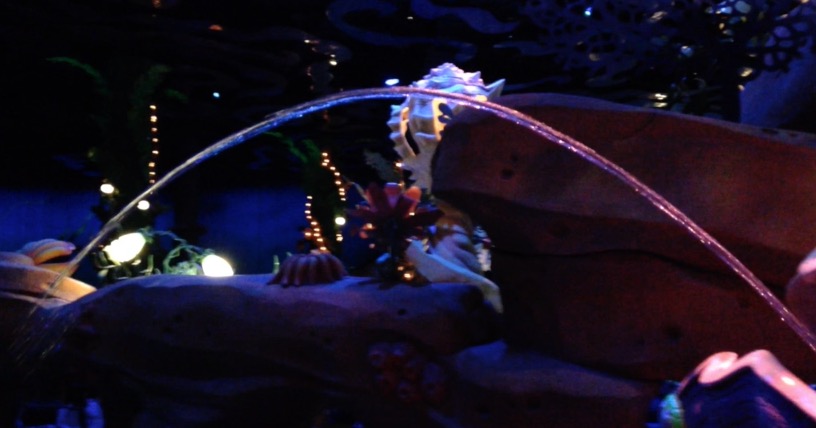
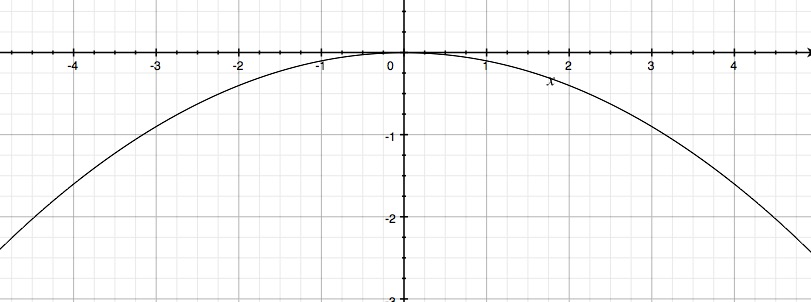
I compared it to a parabola.
It’s a beautiful parabola. Water is launched with an initial velocity, and in the absence of wind, it creates such a perfect arc. You can watch the video here.
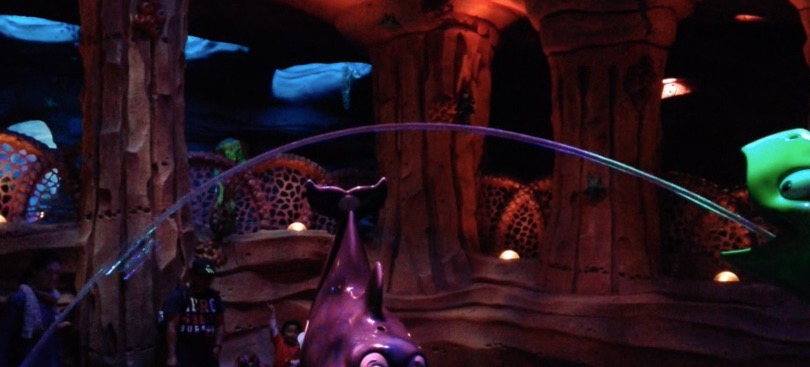
This is very similar to a projectile motion experiment using a hose. It’s an easy experiment you can try at home.
Science Recipe: Creating a Parabola with Things You Have at Home!
The beautiful arc of the fountain at Mermaid Lagoon is called a parabola in the world of physics. This curve is created by an object under the influence of gravity, and you can see it in the trajectory of a thrown baseball or a cannonball. This principle can be easily reproduced with things you have nearby.
What you’ll need: a hose with a nozzle.
Steps:
Go to a schoolyard and turn on a hose with a nozzle.
Change the angle of the hose to find the one that gives the maximum distance (it’s about 45 degrees).
Calculate the theoretical value.
For the theoretical calculation, you’ll use the double-angle formula. I think if I show this video to my students after or before doing this experiment, they will definitely be hooked. I’d like to try this sometime. What kind of Disneyland science fun facts/topics do you have?
Contact and Requests
Want to feel the wonder and fun of science more closely? I’ve compiled a list of fun, easy-to-do science experiments at home and tips for doing them. Feel free to browse through!
・About the administrator, Ken Kuwako: click here
・For various requests (writing, lectures, science workshops, TV supervision, appearances, etc.): click here
・Updates on new articles are available on X!
 My “Science Fun Facts” YouTube channel features experiment videos!
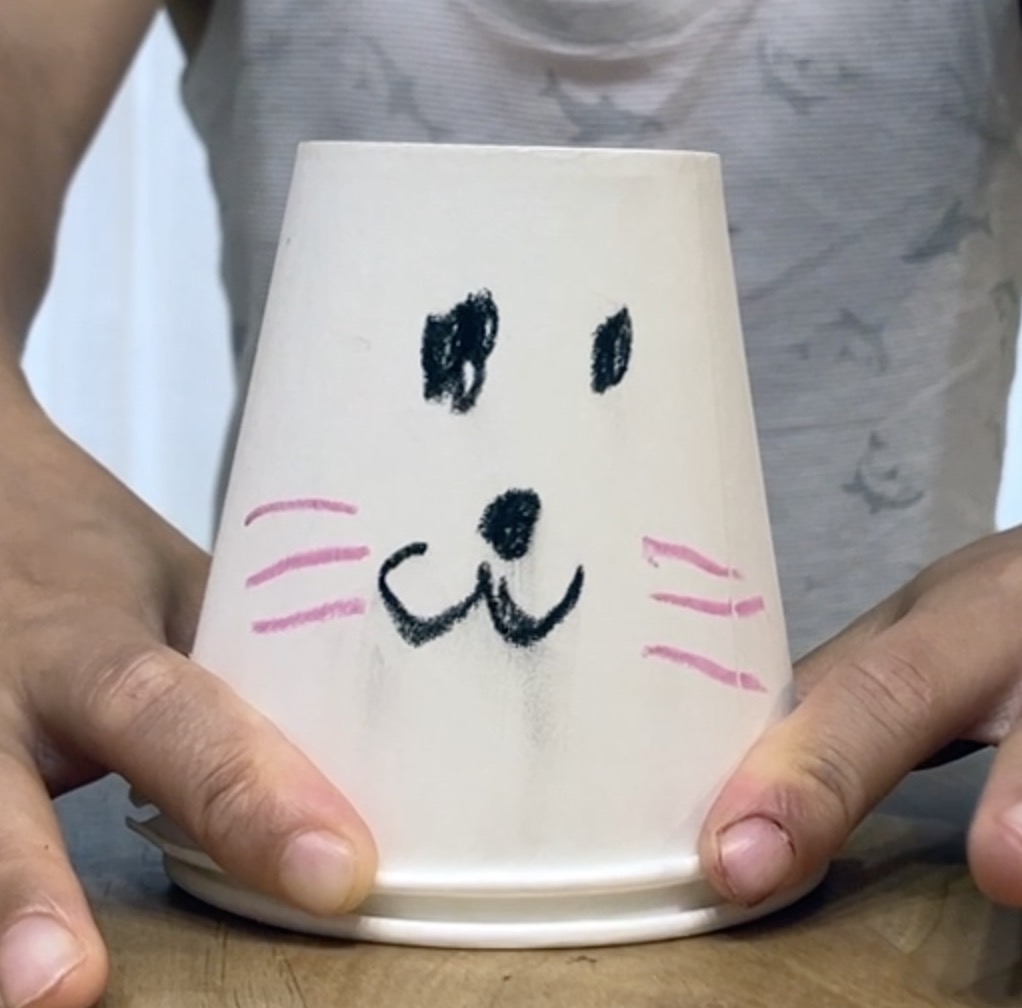
9月のイチオシ実験!
テレビ番組監修・イベント等のお知らせ
- 9月25日(金)21:00〜 かまいたちの瞬間回答!にて、科学監修を行いました。
- 10月10日(土)11:15~12:00 千葉市科学フェスタ2026「桑子先生の回転科学ショー」にてサイエンスショーを行います。
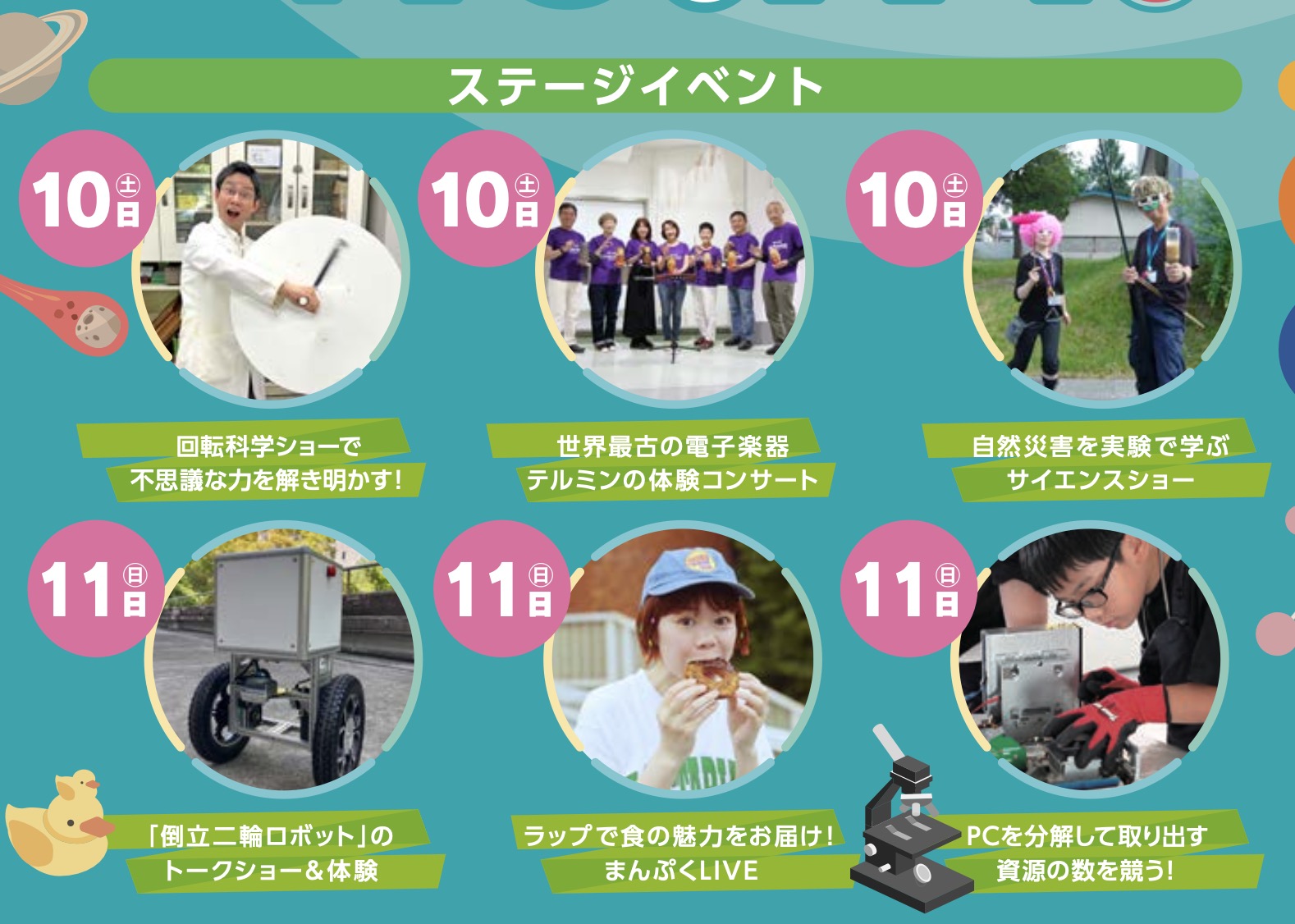
- 12月26日(土) ナリカサイエンスアカデミー(教員向け実験講習会)開催
書籍のお知らせ
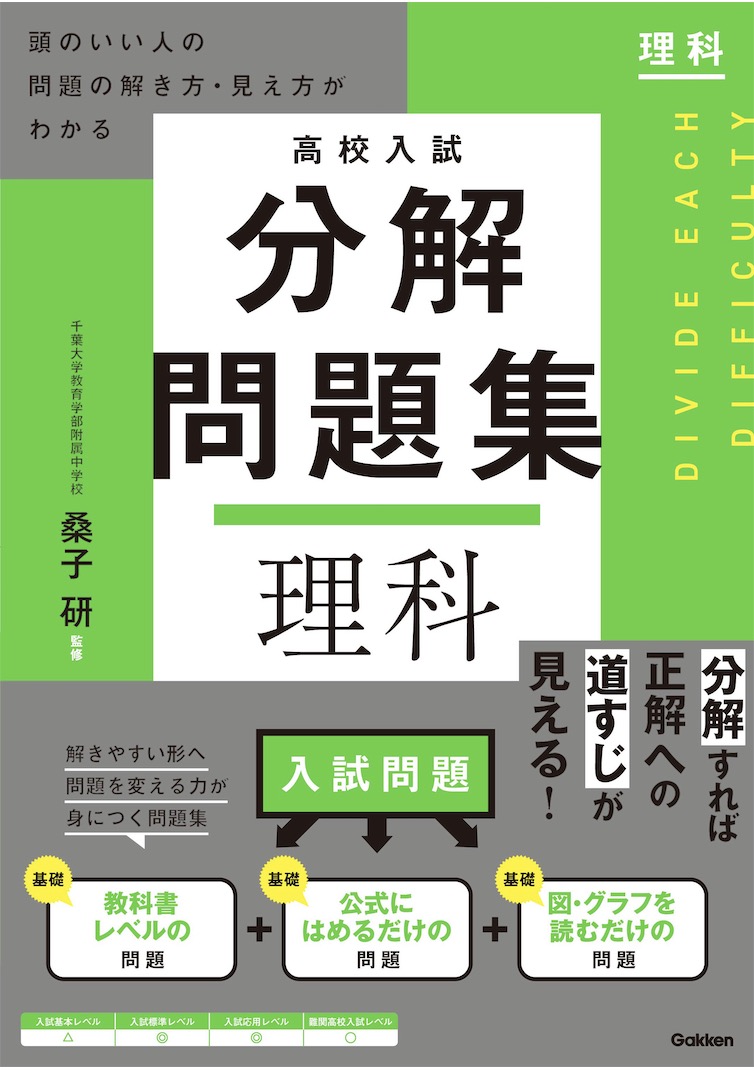
- 『高校入試 分解問題集 理科』(学研)…難しい問題も小さな問題に分解することで、問題を解くことができます。そんな分解の技術が身につくように深く関わりを持って作りました。
 『大人のための高校物理復習帳』(講談社)…一般向けに日常の物理について公式を元に紐解きました。特設サイトでは実験を多数紹介しています。※増刷がかかり6刷となりました(2026/02/01)
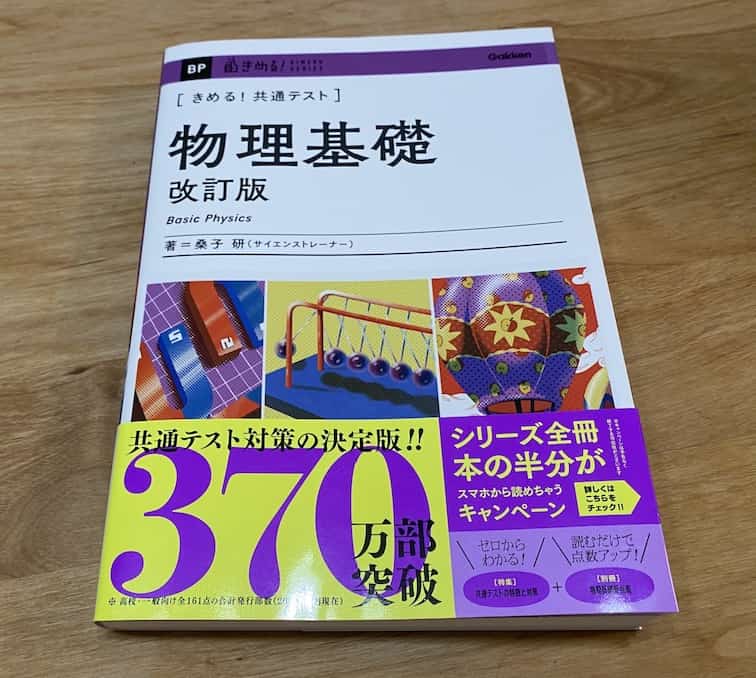
- 『きめる!共通テスト 物理基礎 改訂版』(学研)… 高校物理の参考書です。イラストを多くしてイメージが持てるように描きました。授業についていけない、物理が苦手、そんな生徒におすすめです。特設サイトはこちら。
各種SNS(更新情報をお届け!)
【日本語】X(Twitter)/instagram/Facebook 【英語】BlueSky/Threads
Explore
- 楽しい実験…お子さんと一緒に夢中になれるイチオシの科学実験を多数紹介しています。また、高校物理の理解を深めるための動画教材も用意しました。
- 理科の教材… 理科教師をバックアップ!授業の質を高め、準備を効率化するための選りすぐりの教材を紹介しています。
- Youtube…科学実験等の動画を配信しています。
- 科学ラジオ …科学トピックをほぼ毎日配信中!AI技術を駆使して作成した「耳で楽しむ科学」をお届けします。
- 講演 …全国各地で実験講習会・サイエンスショー等を行っています。
- About …「科学のネタ帳」のコンセプトや、運営者である桑子研のプロフィール・想いをまとめています。
- お問い合わせ …実験教室のご依頼、執筆・講演の相談、科学監修等はこちらのフォームからお寄せください。