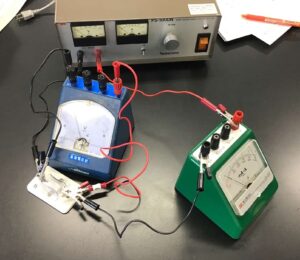
Can Water Explain Electricity? 4 Limits of the Water Flow Model Every Science Teacher Should Know
I’m Ken Kuwako, the Science Trainer. Every day is an experiment.
“I taught electricity using the water-flow model, and my students told me they finally understood it.”
I suspect many teachers have had a similar experience. But let’s pause for a moment and ask an important question: Does that model really explain Ohm’s Law correctly?
The water-flow model is an excellent teaching tool, but it also contains several physical inconsistencies. In this article, I’d like to organize some of those limitations so that educators can use the model effectively while understanding exactly where its strengths—and weaknesses—lie.
What Is the Water-Flow Model?
The water-flow model (sometimes called the height-difference model) compares an electric circuit to flowing water.
Current is represented by the flow rate of water, while voltage is represented by the height difference in the water channel. The idea is simple: the greater the drop, the faster the water flows. Likewise, a higher voltage leads to a larger current.
As a tool for qualitative understanding—helping students grasp concepts such as “larger” and “smaller”—it is extremely effective. That’s why it appears in many textbooks and serves as a practical introduction to electricity for middle school students.
However, a model that makes students feel like they understand something is not necessarily a model that explains it accurately.
When science curriculum specialists or researchers observe a lesson, one of the key things they look for is whether the teacher understands the limitations of the model being used. That awareness often says a great deal about the depth of the lesson itself.
Today, I’d like to focus on four major inconsistencies. There are certainly others, but these are among the most significant.
Inconsistency #1: It Cannot Properly Explain the Proportional Relationship Between Voltage and Current
At the heart of Ohm’s Law is the idea that voltage and current are directly proportional (V ∝ I).
But if we examine the relationship between water height and flow rate from a physics perspective, the analogy breaks down.
According to Torricelli’s theorem, the speed of water flowing from an opening is proportional to the square root of the height difference. In other words:
Flow rate ∝ √(height difference)
That means the relationship becomes closer to:
V ∝ I²
rather than the linear relationship described by Ohm’s Law.
As a result, when students try to explain why doubling the voltage should double the current, the water model doesn’t naturally lead them to that conclusion. That uneasy feeling of “something doesn’t quite add up” often comes from this hidden inconsistency.
Personally, I find that a hose-pressure analogy provides a more intuitive explanation of Ohm’s Law. In fact, this approach frequently appears in electrical engineering textbooks and circuit-design references.
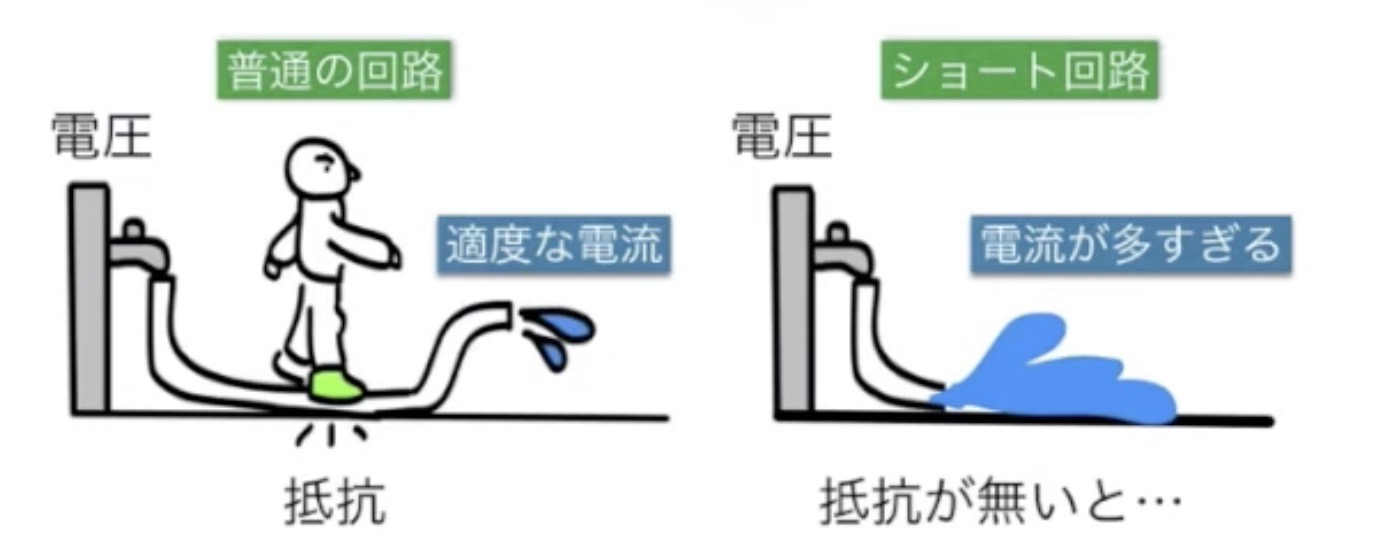
Inconsistency #2: It Cannot Accurately Describe What Happens When a Switch Is Opened
When a switch is opened, the current throughout the entire circuit drops to zero almost instantly.
In the water model, this is usually represented by lowering a gate somewhere in the channel to stop the flow.
Here’s where the problem begins.
Even after closing the gate, water still exists upstream of it, and it still retains its height and gravitational potential energy. In reality, water would simply pile up behind the closed gate.
Electricity behaves differently.
The moment a switch is opened, the electric field throughout the entire circuit changes, and charge movement stops everywhere at nearly the same time.
There is no phenomenon in which charge simply accumulates in front of the switch while the rest of the circuit remains unchanged.
The water-gate analogy cannot adequately explain this uniquely electrical behavior, where the entire circuit responds as a system.
A similar issue arises if you cut a wire with scissors. In a real circuit, the current simply stops. In a water channel, however, cutting the channel would cause water to spill out. The analogy would imply that current leaks away into the surroundings, which is not what happens electrically.
Inconsistency #3: It Cannot Fully Explain Merging and Circulation in Parallel Circuits
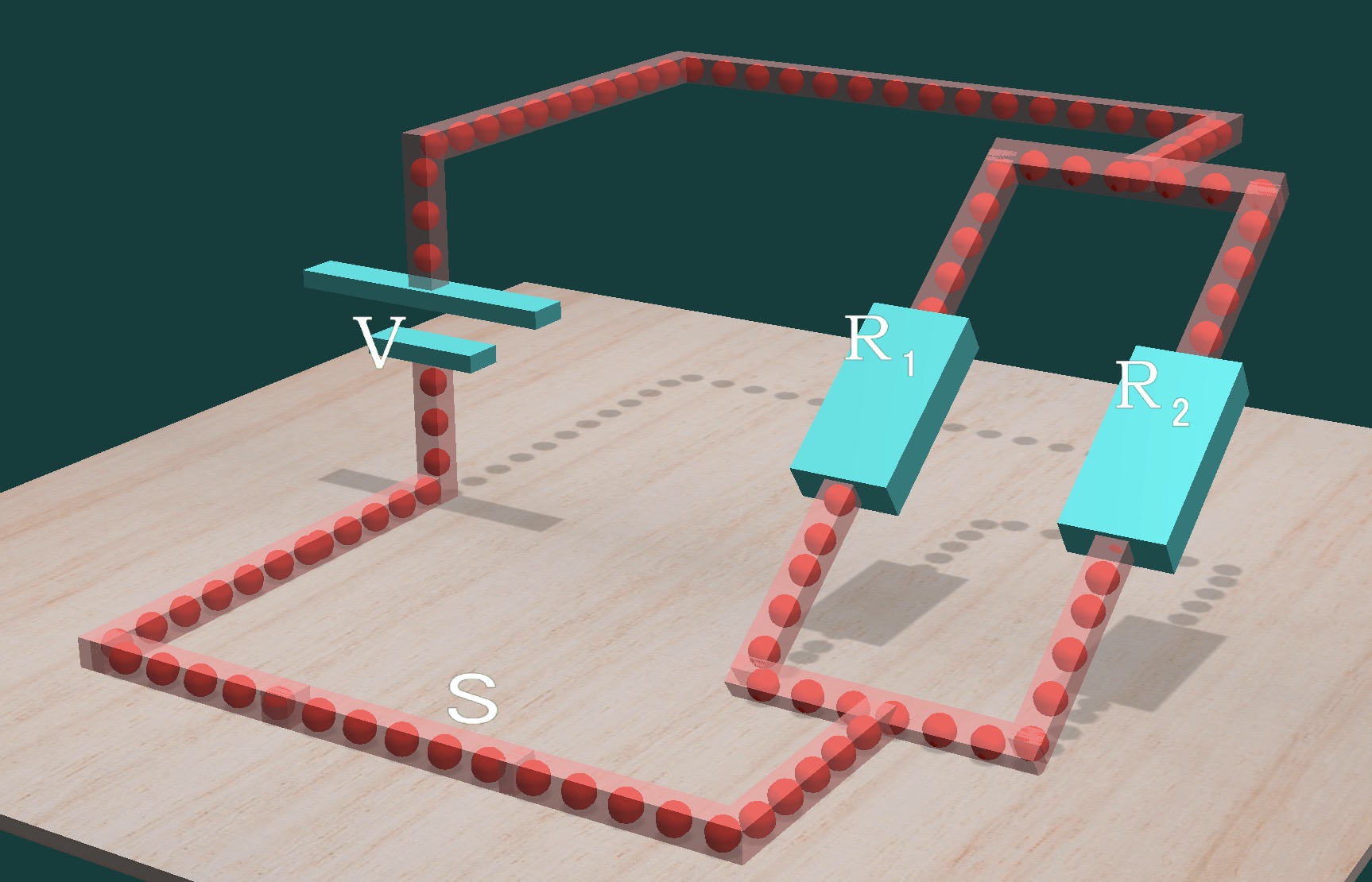
In a parallel circuit, every branch experiences the same voltage.
In the water analogy, this resembles water splitting into two slides from the same elevated point.
The problem comes after the water reaches the bottom.
In an electric circuit, current always returns to the negative terminal of the battery and continues circulating. In the water model, however, the water has already reached the lowest possible point.
How do two streams at the same height merge together and travel back to the starting point without any remaining height difference?
The model provides no convincing physical explanation.
You can introduce a pump to lift the water back up, representing the battery. But once you do that, it becomes obvious that the “height difference” model alone is no longer sufficient to explain the system.
Inconsistency #4: It Struggles to Explain Differences Between Materials
A thick resistor and a thin resistor will carry different amounts of current even when connected to the same voltage source.
The water model explains this reasonably well: narrow channels are harder for water to flow through, so they represent higher resistance.
However, it cannot answer a deeper question:
Why does resistance change simply because the material changes?
For example, why do nichrome wire and copper wire have different resistances?
To answer that, we need a microscopic model involving collisions between electrons and atoms.
The water-flow model can illustrate whether something is easier or harder to flow through, but it cannot explain the underlying cause.
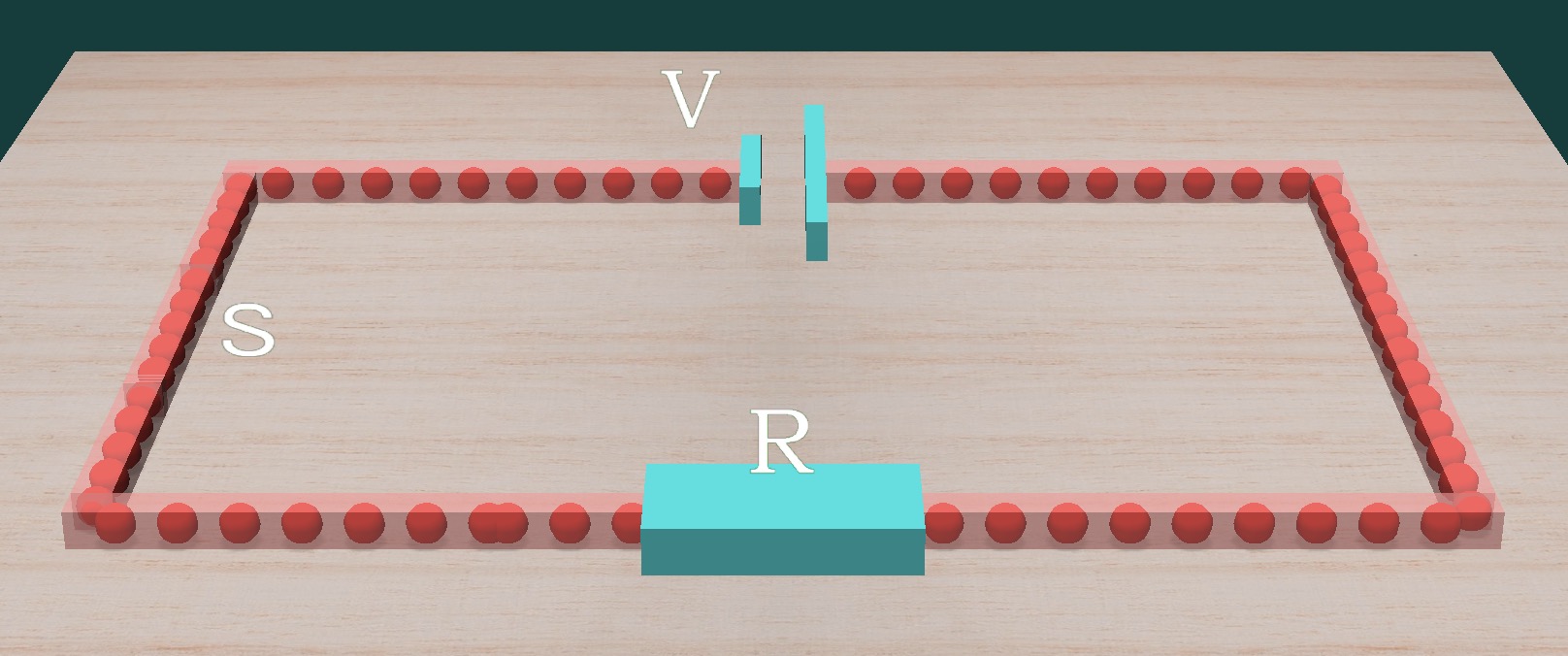
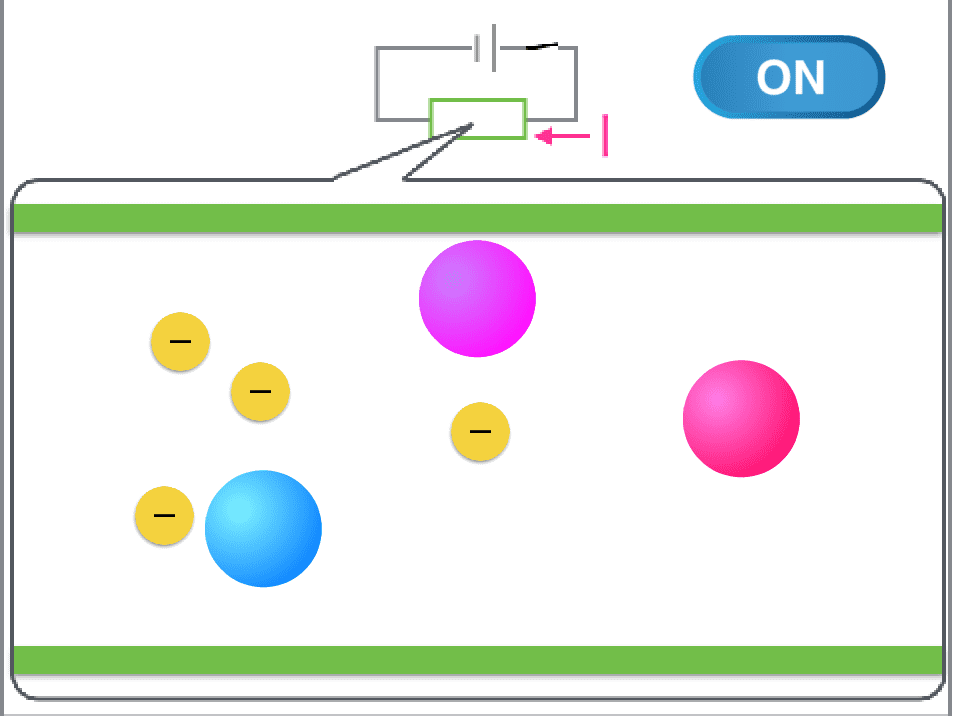
Several years ago, I created a Scratch simulation to model Joule heating from this microscopic perspective. It looked something like this:
Understanding a Model’s Limits Adds Depth to Teaching
Recognizing where a model works—and where it stops working—can dramatically improve the quality of a lesson.
Even a simple note in a lesson plan such as:
“The water-flow model is used as an introductory tool for qualitative understanding. Quantitative proportional relationships are developed inductively through experimental data.”
can make the lesson’s intent much clearer to observers.
Being honest about the imperfections of a model is not a weakness. In fact, it creates a powerful motivation for scientific inquiry:
If the model isn’t perfect, that’s exactly why experiments matter.
Science is fascinating precisely because no model captures reality perfectly. As educators, we should strive to share that perspective not only with our students but also with those who observe our teaching.
Contact & Collaboration
Bringing the wonder and excitement of science closer to everyday life!
This site is packed with fun science experiments you can try at home, along with practical tips for making them work. Feel free to explore and discover something new.
• The Science Notebook has been published as a book. Learn more here.
• Learn more about Ken Kuwako, the site administrator, here.
• For writing, lectures, science workshops, TV consulting, appearances, and other projects, click here.
• Follow updates on new articles via X!
 The Science Ideas Channel features experiment videos and demonstrations!
9月のイチオシ実験!
お弁当箱をプラバンがわりにしてキーホルダーを作ろう!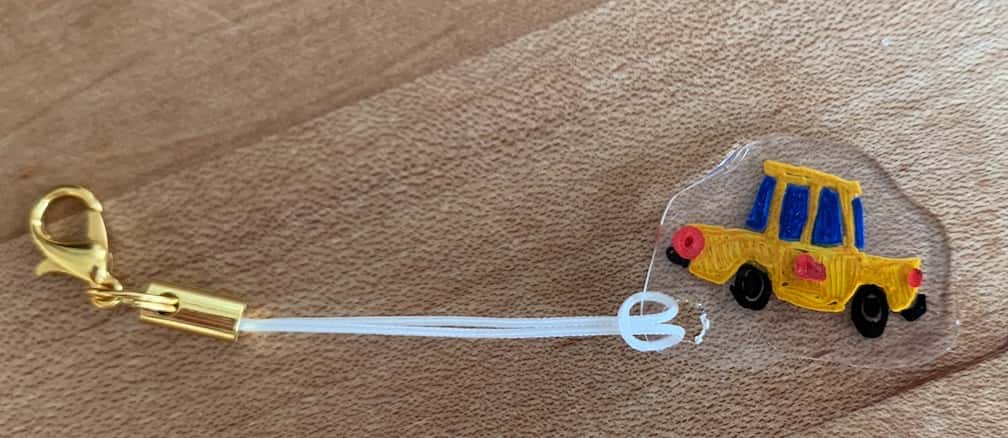
テレビ番組監修・イベント等のお知らせ
- 8月27日(木)科学監修番組放送予定
- 9月20日(日)ダビンチマスターズ出演予定
- 10月10日(土)11:15~12:00 千葉市科学フェスタ2026「桑子先生の回転科学ショー」にてサイエンスショーを行います。
- 12月26日(土) ナリカサイエンスアカデミー(教員向け実験講習会)開催
書籍のお知らせ
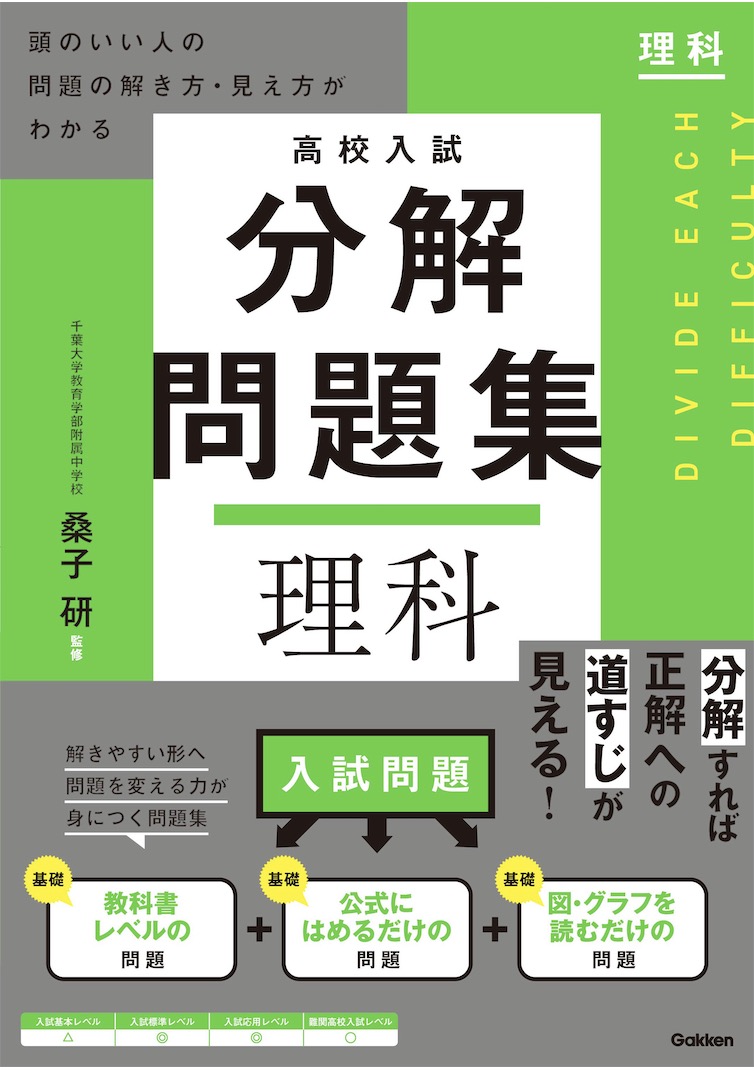
- 『高校入試 分解問題集 理科』(学研)…難しい問題も小さな問題に分解することで、問題を解くことができます。そんな分解の技術が身につくように深く関わりを持って作りました。
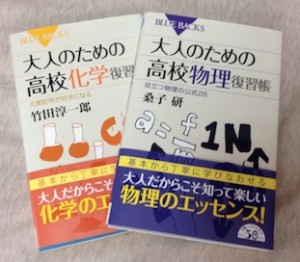
 『大人のための高校物理復習帳』(講談社)…一般向けに日常の物理について公式を元に紐解きました。特設サイトでは実験を多数紹介しています。※増刷がかかり6刷となりました(2026/02/01)
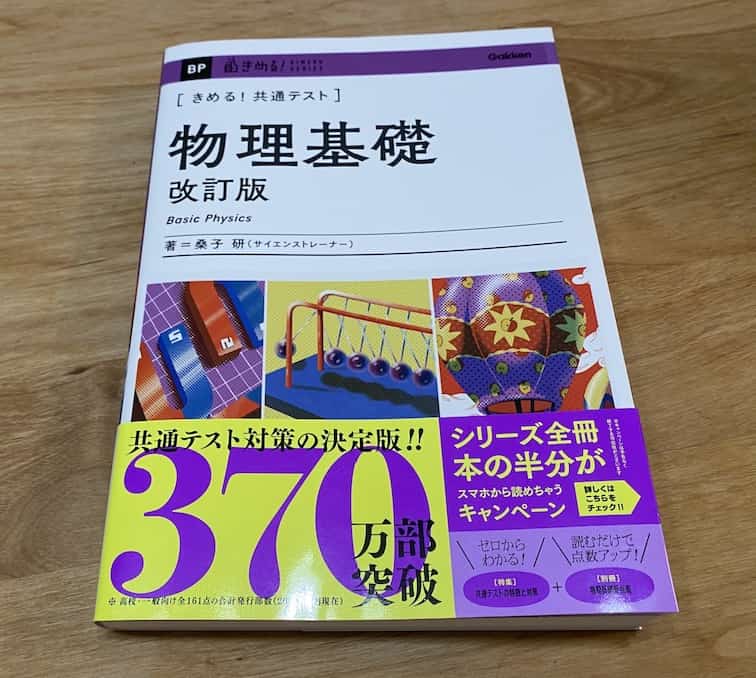
- 『きめる!共通テスト 物理基礎 改訂版』(学研)… 高校物理の参考書です。イラストを多くしてイメージが持てるように描きました。授業についていけない、物理が苦手、そんな生徒におすすめです。特設サイトはこちら。
各種SNS(更新情報をお届け!)
【日本語】X(Twitter)/instagram/Facebook 【英語】BlueSky/Threads
Explore
- 楽しい実験…お子さんと一緒に夢中になれるイチオシの科学実験を多数紹介しています。また、高校物理の理解を深めるための動画教材も用意しました。
- 理科の教材… 理科教師をバックアップ!授業の質を高め、準備を効率化するための選りすぐりの教材を紹介しています。
- Youtube…科学実験等の動画を配信しています。
- 科学ラジオ …科学トピックをほぼ毎日配信中!AI技術を駆使して作成した「耳で楽しむ科学」をお届けします。
- 講演 …全国各地で実験講習会・サイエンスショー等を行っています。
- About …「科学のネタ帳」のコンセプトや、運営者である桑子研のプロフィール・想いをまとめています。
- お問い合わせ …実験教室のご依頼、執筆・講演の相談、科学監修等はこちらのフォームからお寄せください。