Electric Man, Delivery Guy & Run, Melos! — Middle Schoolers Get Serious About Modeling Current and Voltage
I’m Ken Kuwako, the Science Trainer. Every day is an experiment.
“What exactly is flowing when we talk about electric current?” How would you answer that question?
It’s easy to repeat the definition from a textbook. But the moment you can explain it in your own words, using your own model, that’s when true understanding begins.
In this lesson, a group of middle school students took on exactly that challenge.

What Is Modeling? The Power of Analogies Used by Scientists
At the start of class, I told the students:
“A model is a tool that helps us understand something complicated by making it simpler. There isn’t just one correct model.”
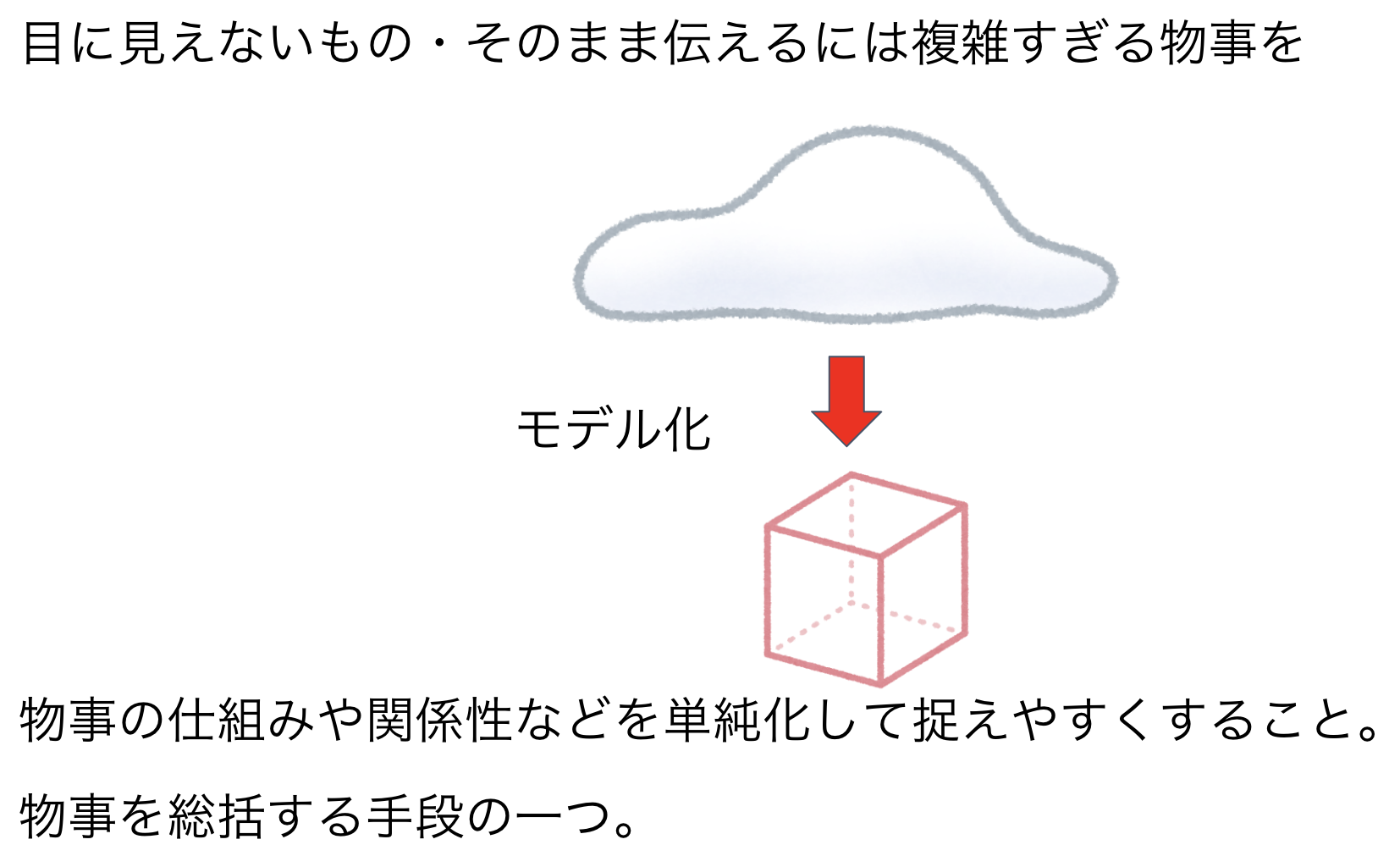
Scientists themselves have relied on models throughout history to understand nature. Even our picture of the atom has changed over time—from the “plum pudding model” to the “solar system model” and beyond.
Models are meant to evolve. In science, the important thing isn’t perfection—it’s whether a model successfully explains what we observe.
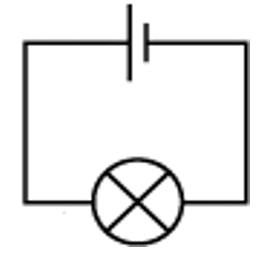
The challenge for today’s class was to create a personal model that explains the relationship between batteries, current, voltage, and light bulbs.
Here’s what the students had learned so far:
• Something called electric current flows through a circuit.
• When current flows through a light bulb, the bulb emits light.
• Electrical devices convert electrical energy into other forms of energy, such as light, heat, or motion.
• The amount of current remains the same before and after passing through a light bulb.
• The force that pushes current through a circuit is called voltage.
Challenge 1 Create Your Own Model for Current and Voltage
The “Electric Man” Toll Gate Model
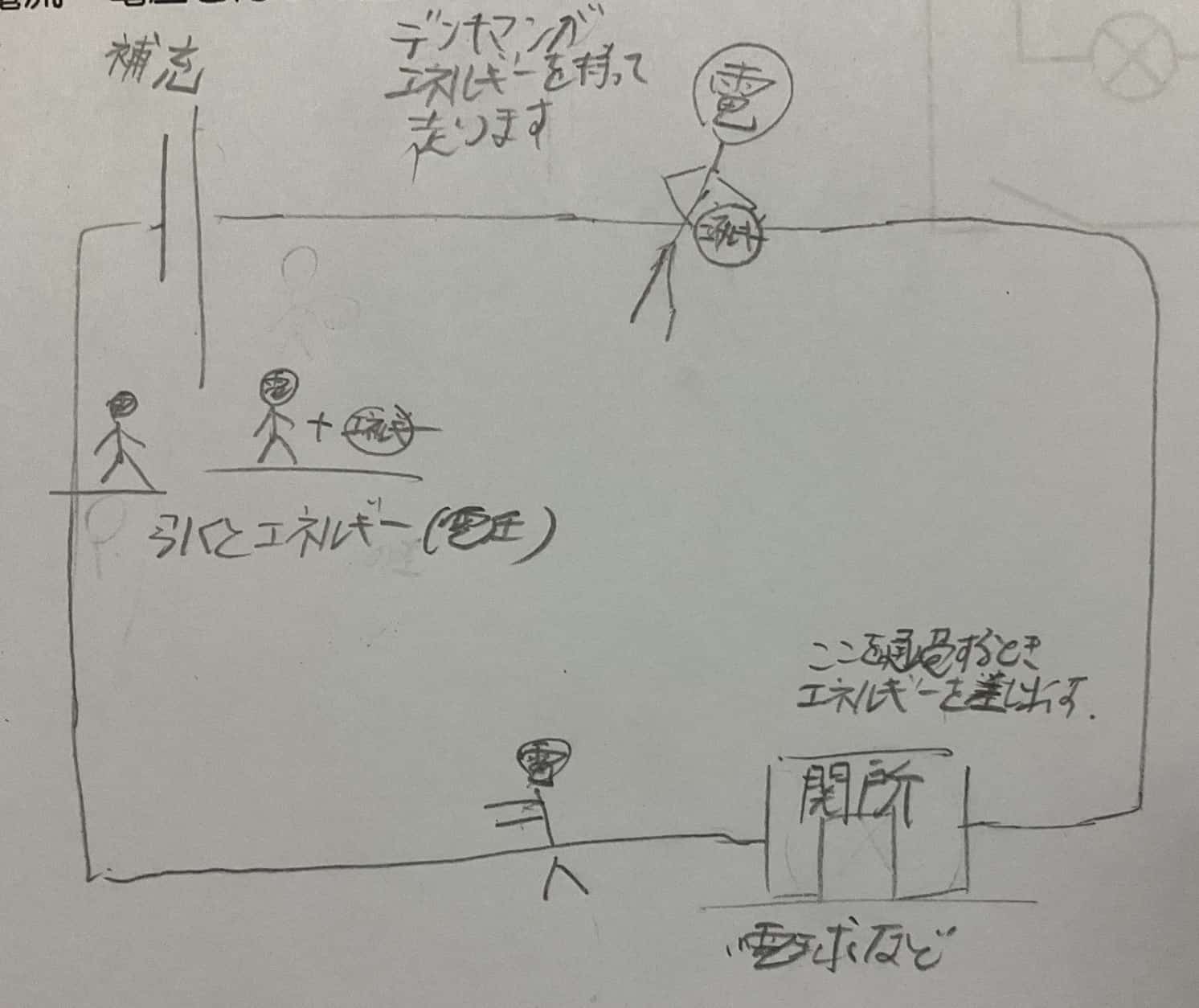
One student imagined an “Electric Man” who receives money (= energy) from the battery and delivers it to a toll gate (= light bulb).
The clever part is that Electric Man doesn’t disappear after passing through the toll gate.
This captures an important property of electric current: the amount of current stays the same before and after the bulb.
It’s simple, but surprisingly effective.
The Blood Circulation Model: Biology Meets Physics
Another student used the human body as a model.
In this analogy:
• Blood pressure from the heart = voltage
• Red blood cells = electric current
• Oxygen = energy
This is actually a remarkably insightful comparison.
Both blood circulation and electric circuits involve a pump (heart or battery) supplying energy and a network (blood vessels or wires) transporting that energy to where it’s needed (organs or light bulbs).
Of course, new questions emerge. If oxygen represents energy, then what role do the lungs play?
But that’s exactly what makes modeling valuable—it generates deeper questions.

The Water Flow Model: A Classic for Good Reason
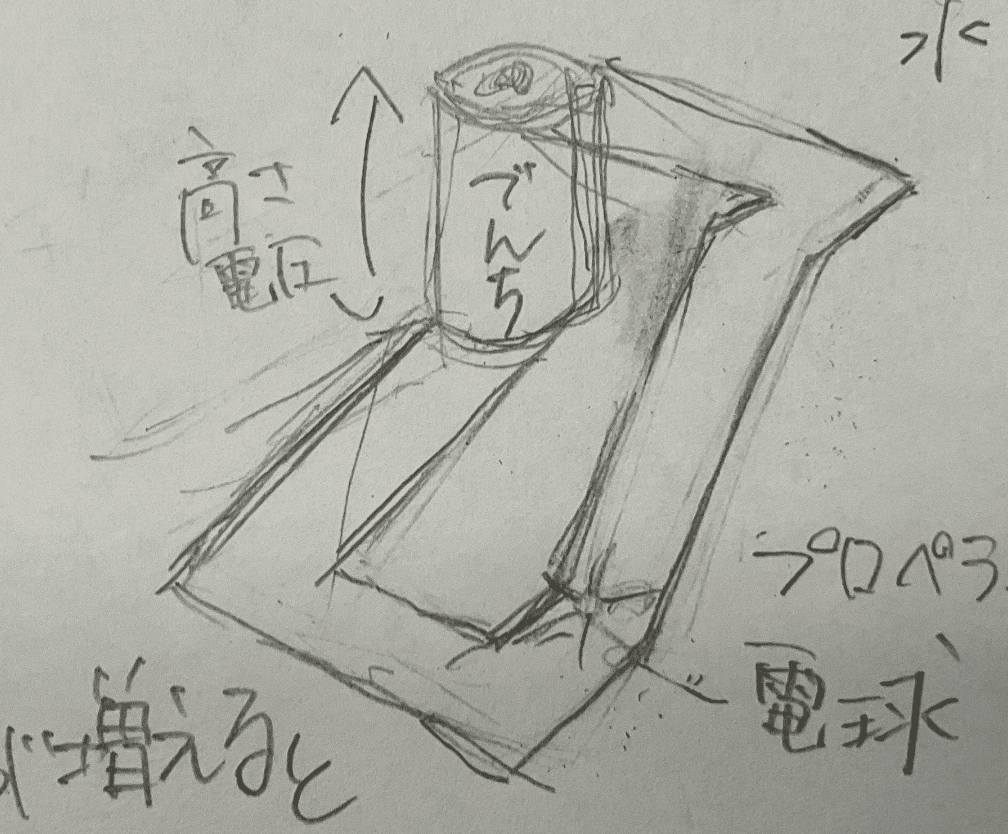
This is the familiar water-flow model often found in textbooks.
The flow of water represents electric current, while differences in water height (water pressure) represent voltage.
Just as water naturally flows from higher to lower levels, current flows due to differences in electric potential.
No model is perfect, but this one does an excellent job of helping students visualize the relationship between current and voltage.
Lots of Electric Men: A Model Close to Real Electrons
In this version, countless Electric Men live inside the wire. They receive energy V from the battery and deliver it to the light bulb.
Those many Electric Men are essentially acting like electrons.
Since electric current is actually the collective movement of huge numbers of electrons, this model may be closer to reality than students realize.

The Commuter Train Model
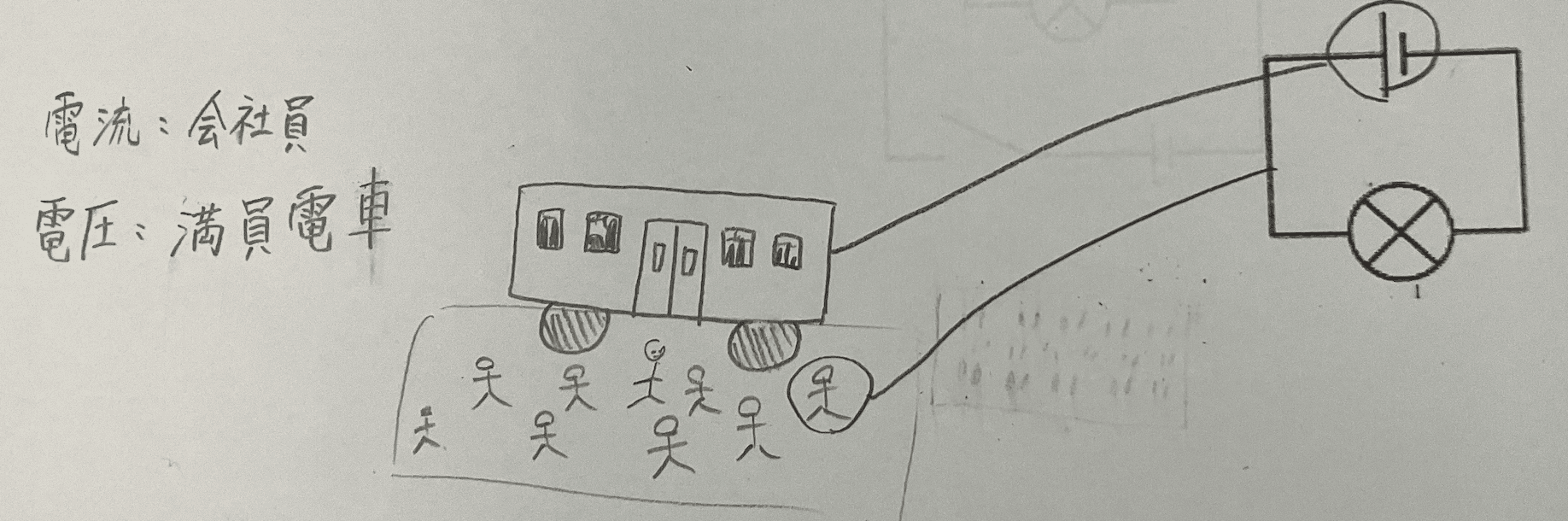
One particularly creative student compared current to office workers and voltage to a train.
When the workers reach the light bulb, some get off the train. This nicely conveys the idea that energy is being used.
However, there’s a problem.
If people get off, then the number of people decreases. That would mean the current decreases too.
Since current should remain constant before and after the bulb, this model reveals its own weakness.
And discovering weaknesses in a model is an important part of scientific thinking.
Challenge 2: One Battery, Two Resistors Understanding Series and Parallel Circuits
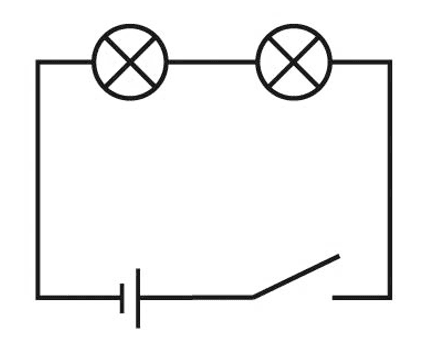
Students were now asked to use their own models to explain series and parallel circuits.
This is where the real test begins.
A good model must continue to work when situations become more complicated.
Series Circuit Models
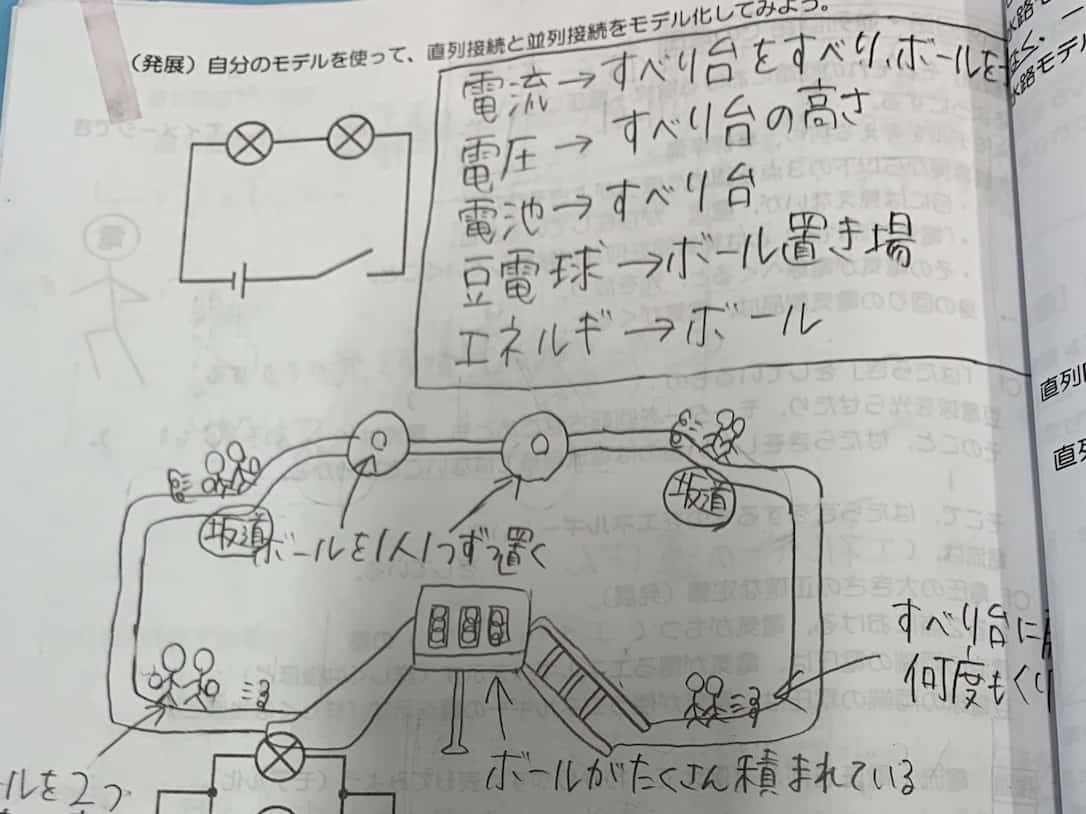
A student using a slide-and-ball model ran into a problem.
The number of balls, which represented voltage, no longer matched what should happen in a series circuit.
In a series circuit, the sum of the voltage drops across each resistor equals the battery’s voltage.
Representing that accurately turned out to be much harder than expected.
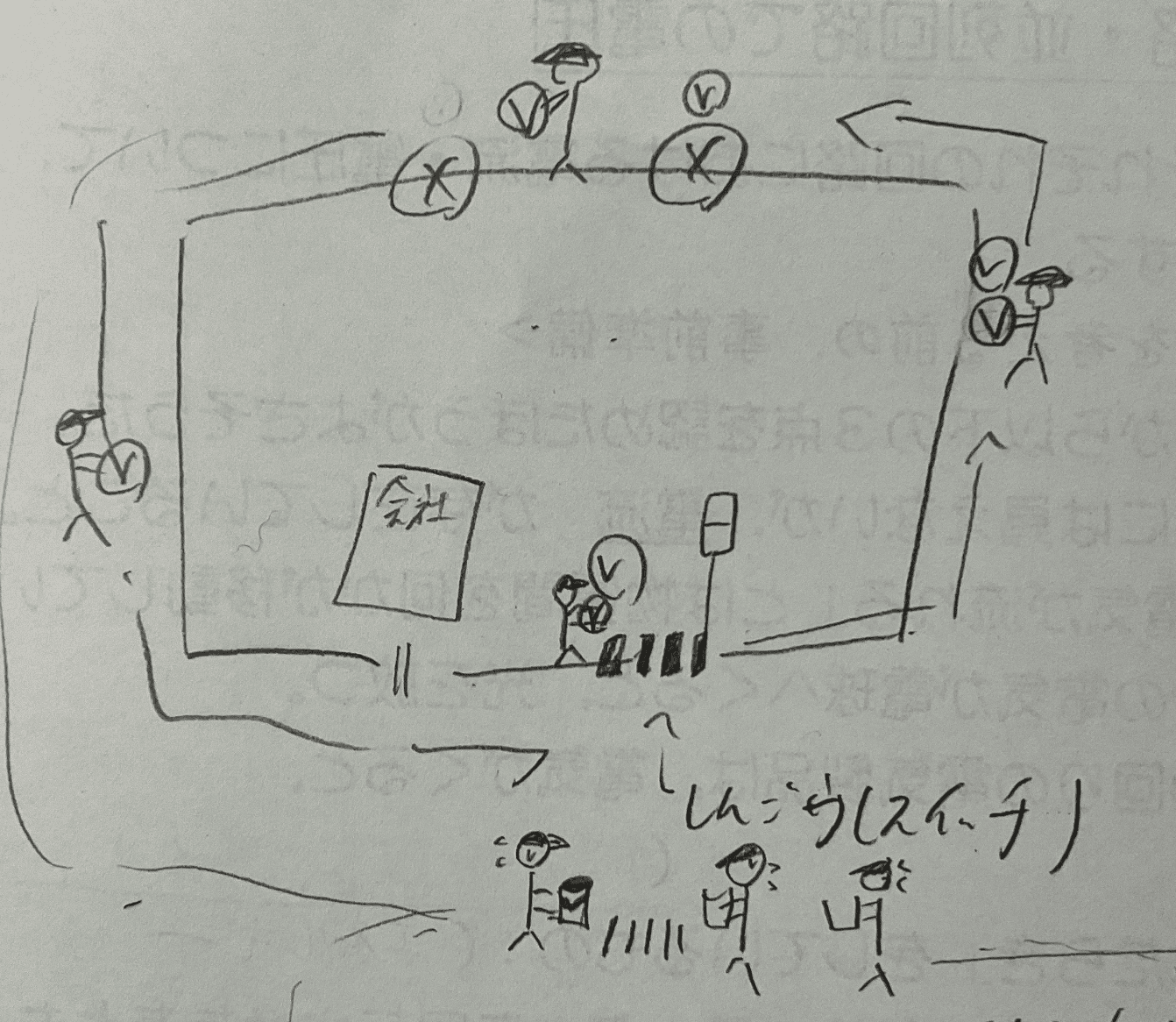
Another student created a delivery-company model.
At the battery, delivery workers receive packages (= energy) and distribute them to each resistor.
The idea that traffic lights represent switches was particularly clever.
Still, questions remained about whether the amount of energy being distributed actually matched the battery’s voltage.
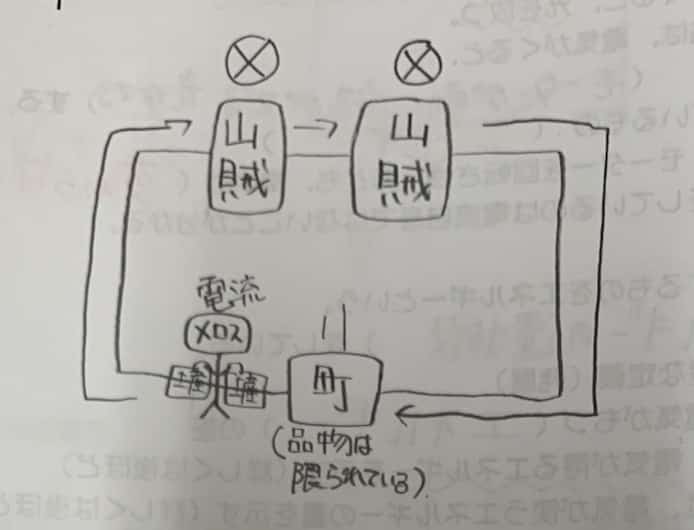
One student even based a model on the famous Japanese story “Run, Melos!”
Melos delivers souvenirs (= energy) to bandits (= resistors) along his journey.
It’s wonderfully imaginative, but again raises the question:
How many souvenirs did the town (= battery) originally provide?
The issue of voltage distribution keeps resurfacing.
Meanwhile, one student proposed a model in which a single delivery person carries two units of energy and gives one to each light bulb.
This model neatly explains why bulbs in a series circuit appear dimmer.
The energy is shared, so each bulb receives less.
Simple, intuitive, and convincing.
Parallel Circuit Models: Everyone Hits the “Voltage Wall”

Parallel circuits introduced a major challenge.
Each bulb receives the full battery voltage.
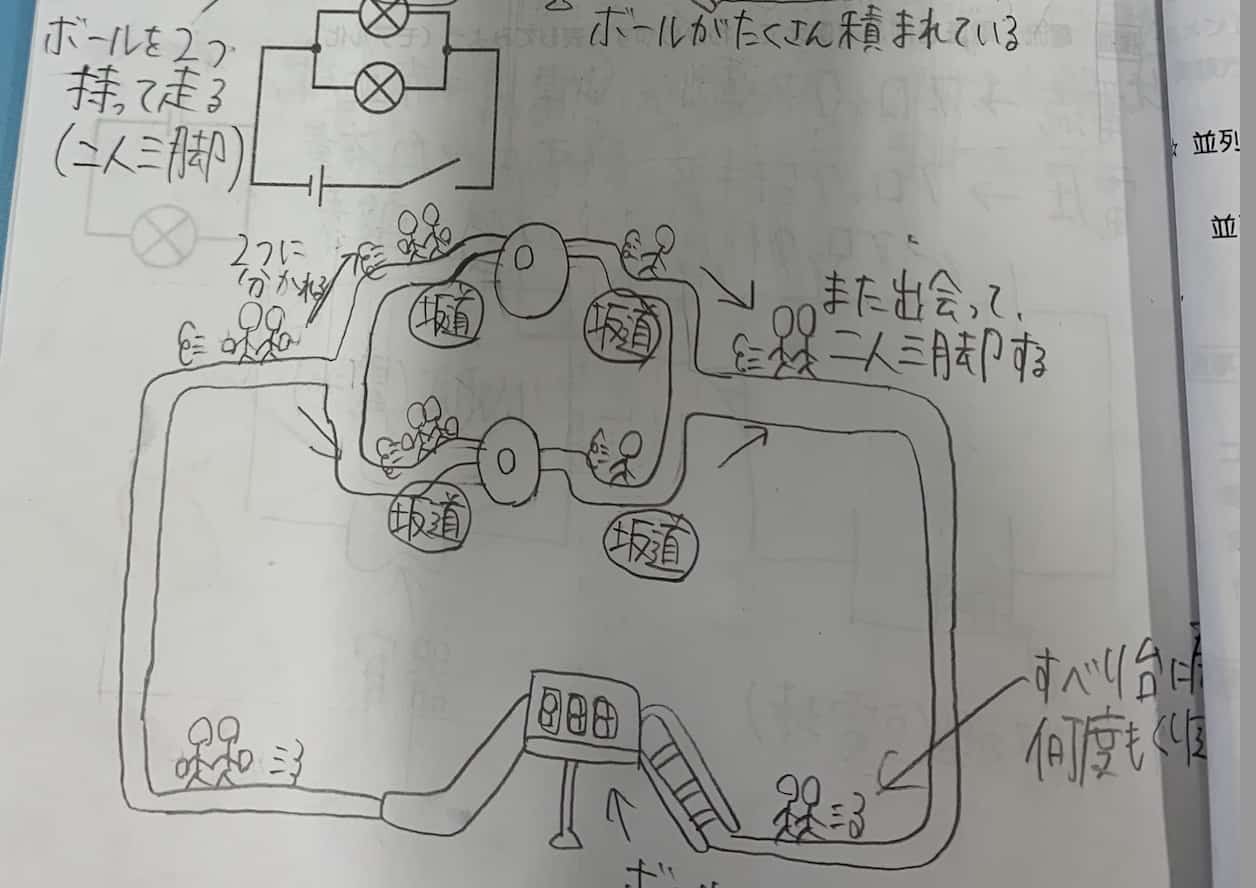
In model terms, it’s like splitting delivery workers into two groups while somehow ensuring that each group still carries the same amount of cargo as the original source.
This turned out to be the hardest concept of the entire lesson.
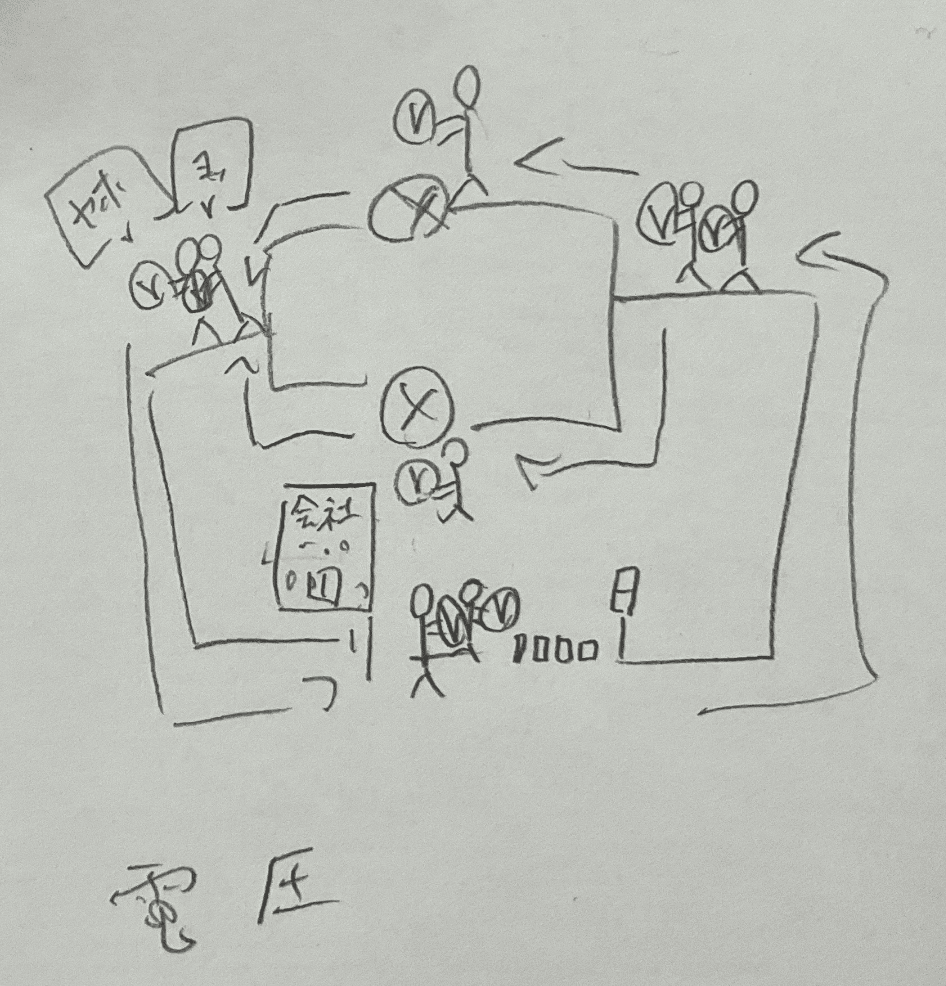
Even after modifying the delivery model so that two workers carried packages separately, the “voltage problem” remained.
The amount of cargo coming from the battery still didn’t seem to match what each bulb was receiving.
Students using the slide model ran into exactly the same obstacle.
The Limits of a Model Are Where Real Learning Begins
“I can’t explain it.”
“My model creates contradictions.”
These frustrations are actually signs of deep thinking.
Even the models used by professional physicists cannot perfectly explain every phenomenon.
Recognizing a model’s limitations is often the first step toward creating a better one.
Many students successfully explained electric current, only to get stuck when trying to explain voltage.
Ironically, that obstacle may have been the most valuable lesson of all.
And once the concept of resistance enters the picture, the models become even richer and more sophisticated.
For the next chapter of the story, check out the article below.
Contact & Collaboration
I hope to make the wonder and excitement of science more accessible to everyone. This site is filled with fun experiments you can try at home, along with practical tips and explanations. Feel free to explore!
• The content from Science Notebook has been published as a book. Learn more here.
• Learn more about Ken Kuwako here.
• For writing projects, lectures, science workshops, TV consulting, appearances, and other collaborations, click here.
• Follow updates on new articles on X!
 Science Notebook Channel features videos of exciting science experiments!
9月のイチオシ実験!
お弁当箱をプラバンがわりにしてキーホルダーを作ろう!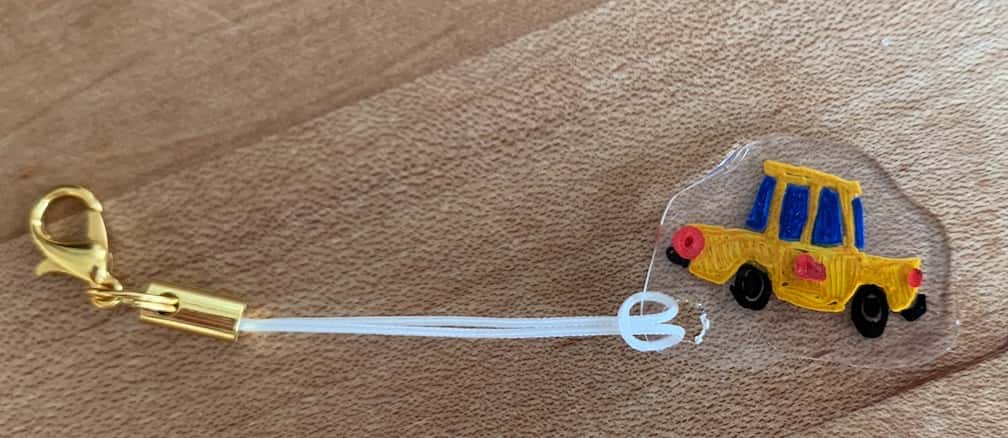
テレビ番組監修・イベント等のお知らせ
- 8月27日(木)科学監修番組放送予定
- 9月20日(日)ダビンチマスターズ出演予定
- 10月10日(土)11:15~12:00 千葉市科学フェスタ2026「桑子先生の回転科学ショー」にてサイエンスショーを行います。
- 12月26日(土) ナリカサイエンスアカデミー(教員向け実験講習会)開催
書籍のお知らせ
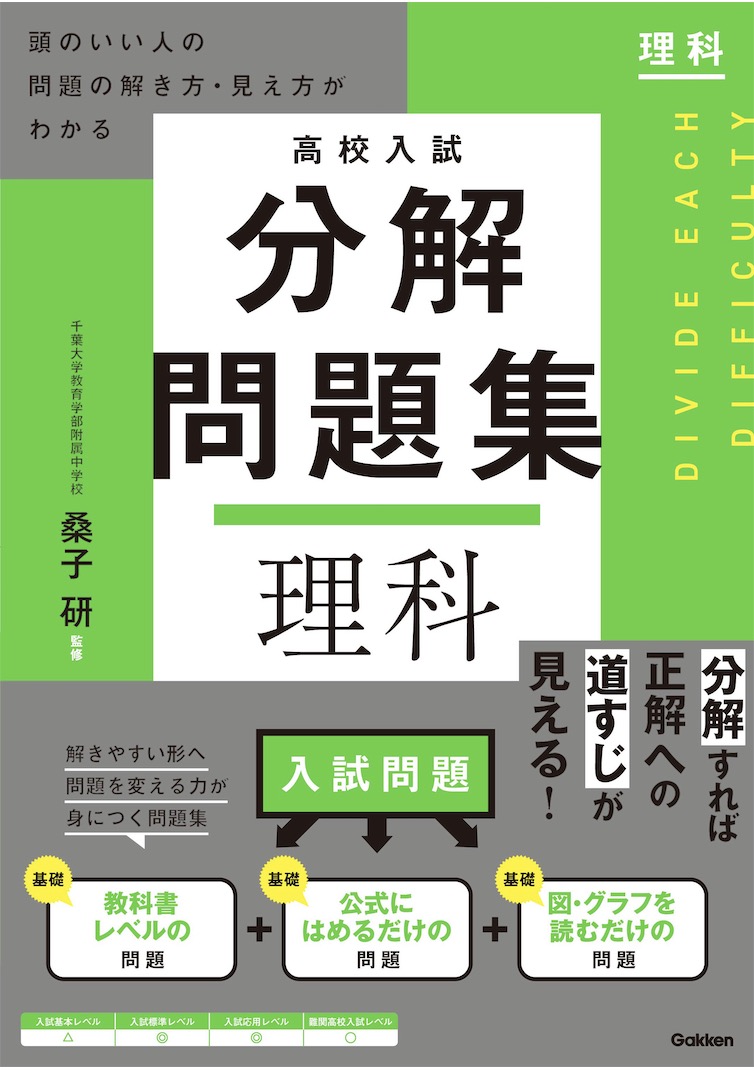
- 『高校入試 分解問題集 理科』(学研)…難しい問題も小さな問題に分解することで、問題を解くことができます。そんな分解の技術が身につくように深く関わりを持って作りました。
 『大人のための高校物理復習帳』(講談社)…一般向けに日常の物理について公式を元に紐解きました。特設サイトでは実験を多数紹介しています。※増刷がかかり6刷となりました(2026/02/01)
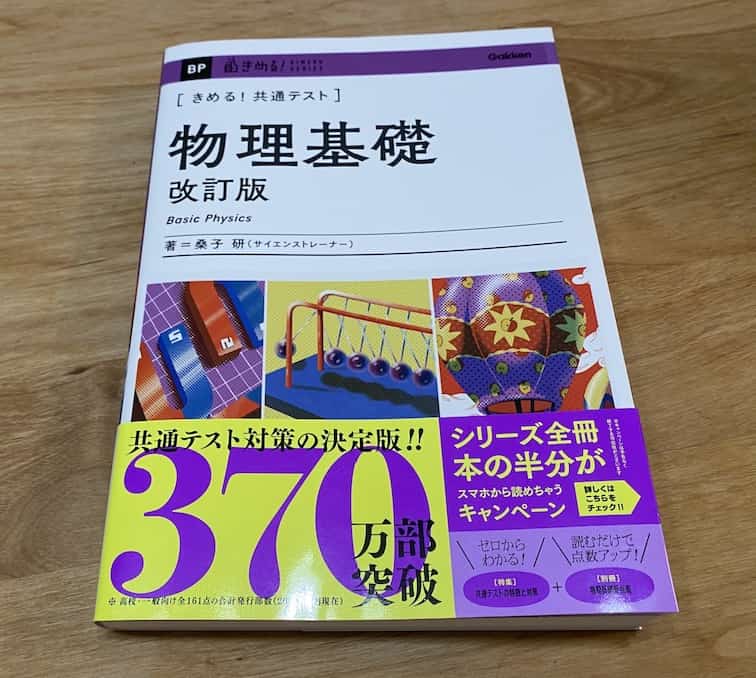
- 『きめる!共通テスト 物理基礎 改訂版』(学研)… 高校物理の参考書です。イラストを多くしてイメージが持てるように描きました。授業についていけない、物理が苦手、そんな生徒におすすめです。特設サイトはこちら。
各種SNS(更新情報をお届け!)
【日本語】X(Twitter)/instagram/Facebook 【英語】BlueSky/Threads
Explore
- 楽しい実験…お子さんと一緒に夢中になれるイチオシの科学実験を多数紹介しています。また、高校物理の理解を深めるための動画教材も用意しました。
- 理科の教材… 理科教師をバックアップ!授業の質を高め、準備を効率化するための選りすぐりの教材を紹介しています。
- Youtube…科学実験等の動画を配信しています。
- 科学ラジオ …科学トピックをほぼ毎日配信中!AI技術を駆使して作成した「耳で楽しむ科学」をお届けします。
- 講演 …全国各地で実験講習会・サイエンスショー等を行っています。
- About …「科学のネタ帳」のコンセプトや、運営者である桑子研のプロフィール・想いをまとめています。
- お問い合わせ …実験教室のご依頼、執筆・講演の相談、科学監修等はこちらのフォームからお寄せください。