Cut Static by 90% Just by Changing Your Comb: The Science of Perfect Hair and the Triboelectric Series.
I’m Ken Kuwako, a science trainer. Every day is an experiment.
On a cold winter morning, you run a comb through your hair—only to have it puff up and refuse to settle. Ever sighed, “Static again”? That everyday annoyance actually has a lot to do with the material of your comb. And interestingly, the answer was already hidden in tools people used back in the Edo period.
Why plastic combs cause static electricity
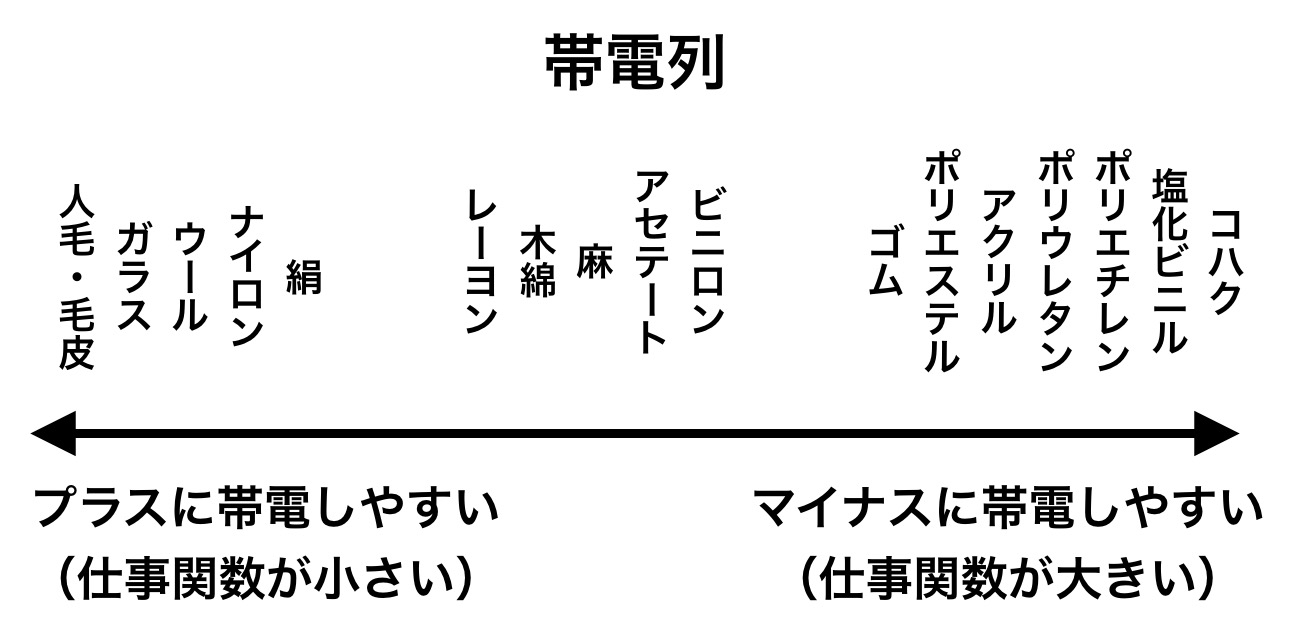
When you run a plastic comb (like polyethylene) through your hair, static electricity builds up and your hair won’t stay in place. The key lies in something called the triboelectric series. This is essentially a ranking of materials based on how easily they gain a positive or negative charge when rubbed together.
According to this series, human hair tends to become positively charged, while polyethylene tends to become negatively charged. So when the two come into contact, electrons transfer easily, leaving your hair positively charged.
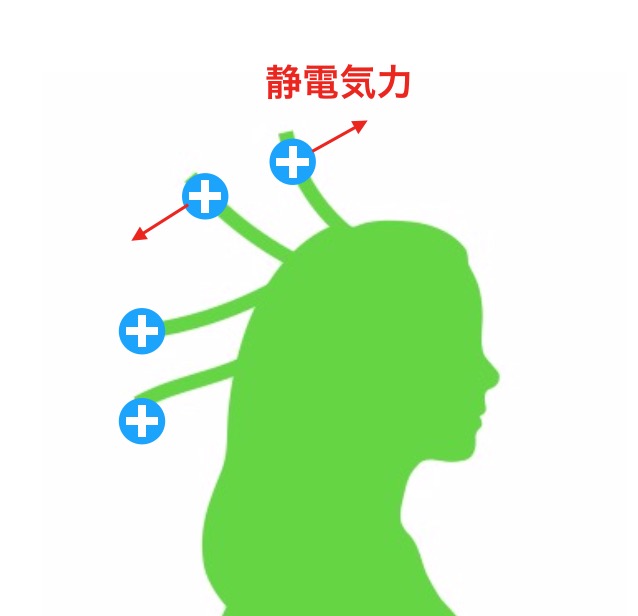
Since strands of hair now carry the same positive charge, they repel each other—because like charges push each other away. That’s what makes your hair spread out and go fluffy.
Edo-period wisdom helped prevent static
So how can we reduce static? The answer turns out to be something people have used since the Edo period: natural bristle brushes (such as boar hair).
Natural bristles sit close to human hair in the triboelectric series. In other words, they have similar charging tendencies, so there’s less electron transfer when they rub together—meaning less static. Even without knowing the physics, people in the Edo period discovered through experience that natural brushes were gentler on hair. It’s a fascinating case where traditional wisdom aligns perfectly with modern science.
A TV experiment shows over 10× difference
A Japanese TV program, “Tokoro-san no Megaten!” (Nippon TV), compared static electricity generated by brushing hair about 20 times with three different types of brushes. Here are the results:
- Natural bristle brush: +0.45 kV
- Anti-static brush: +0.82 kV
- Plastic brush: +5.28 kV
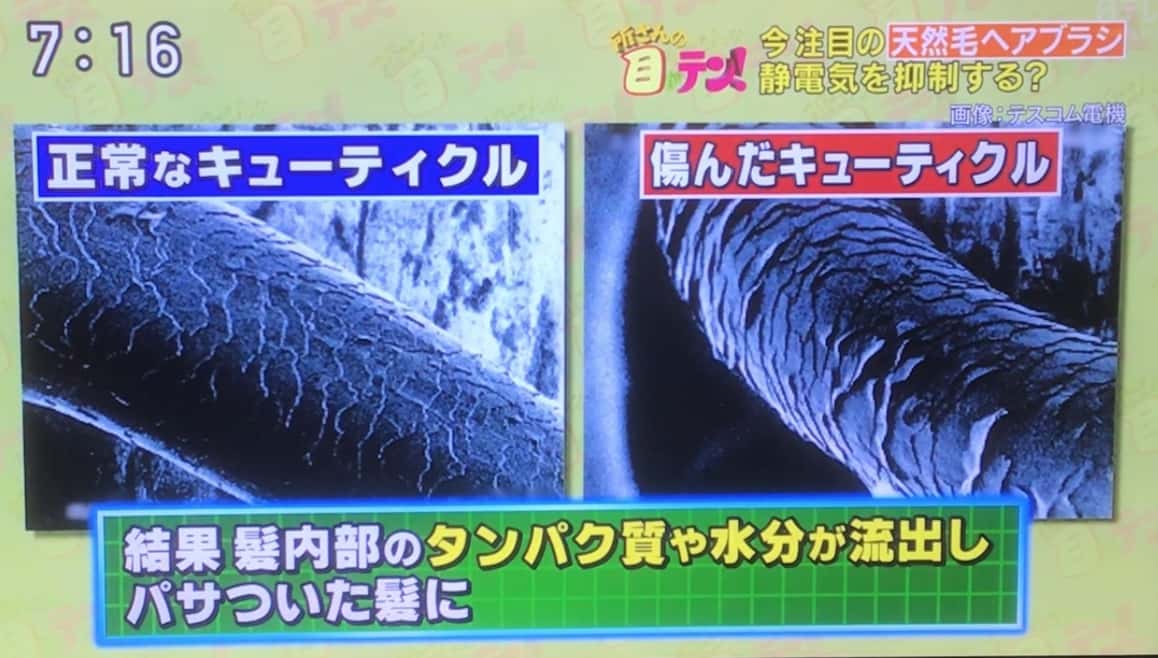
Tokoro-san no Megaten! (Nippon TV)
That’s more than a tenfold difference between natural and plastic brushes. For reference, the familiar “zap” of static discharge in air starts at around 3 kV. That means plastic brushes can build up charges close to that threshold—no wonder winter shocks are so common.
Static electricity can also damage your hair
Static doesn’t just make your hair look messy. It may also affect its health. The cuticle—the protective outer layer of each strand—can become damaged more easily, leading to dryness and loss of shine (the exact mechanism isn’t fully clear to me, so if you know more, I’d love to hear it).
Considering how often we brush our hair, the material of your brush is more important than it might seem.
Static electricity is often dismissed as just a winter nuisance, but behind it are real physical principles: the triboelectric series, charge repulsion, and electrical discharge. When you start seeing everyday inconveniences through the lens of science, the world becomes a little more interesting.
I actually bought a static electricity meter myself and ran some experiments. Here are the results comparing different types of brushes:
Contact & Requests
Let’s bring the wonder of science closer to everyday life! I share easy, fun experiments you can try at home, along with practical tips. Feel free to explore and search around!
・The content from “Science Notes” is now available as a book. Learn more here
・About the author, Ken Kuwako: here
・For inquiries (writing, lectures, workshops, TV supervision/appearances, etc.): here
・Updates are shared on X!
 Science Notes Channel features experiment videos!
9月のイチオシ実験!
お弁当箱をプラバンがわりにしてキーホルダーを作ろう!
テレビ番組監修・イベント等のお知らせ
- 8月27日(木)科学監修番組放送予定
- 9月20日(日)ダビンチマスターズ出演予定
- 10月10日(土)11:15~12:00 千葉市科学フェスタ2026「桑子先生の回転科学ショー」にてサイエンスショーを行います。
- 12月26日(土) ナリカサイエンスアカデミー(教員向け実験講習会)開催
書籍のお知らせ
- 『高校入試 分解問題集 理科』(学研)…難しい問題も小さな問題に分解することで、問題を解くことができます。そんな分解の技術が身につくように深く関わりを持って作りました。
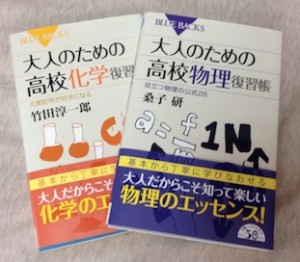
 『大人のための高校物理復習帳』(講談社)…一般向けに日常の物理について公式を元に紐解きました。特設サイトでは実験を多数紹介しています。※増刷がかかり6刷となりました(2026/02/01)
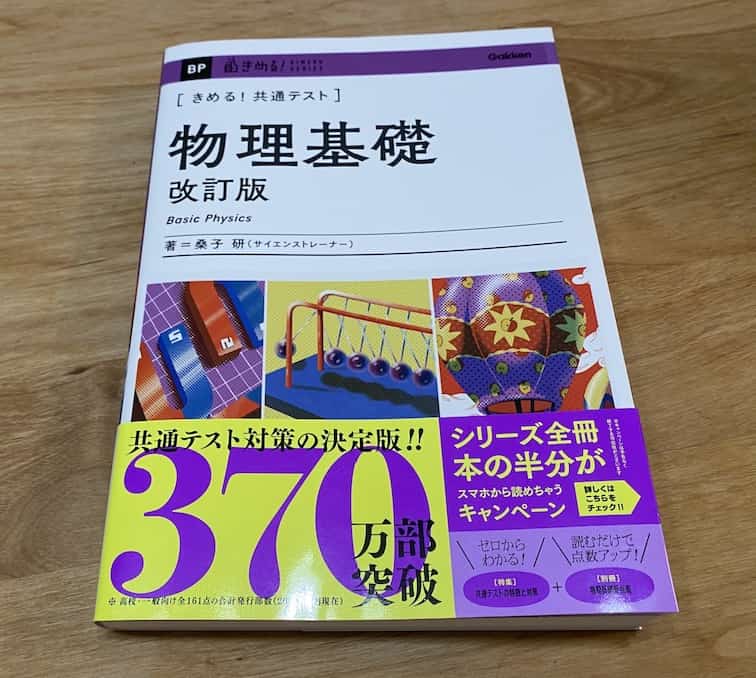
- 『きめる!共通テスト 物理基礎 改訂版』(学研)… 高校物理の参考書です。イラストを多くしてイメージが持てるように描きました。授業についていけない、物理が苦手、そんな生徒におすすめです。特設サイトはこちら。
各種SNS(更新情報をお届け!)
【日本語】X(Twitter)/instagram/Facebook 【英語】BlueSky/Threads
Explore
- 楽しい実験…お子さんと一緒に夢中になれるイチオシの科学実験を多数紹介しています。また、高校物理の理解を深めるための動画教材も用意しました。
- 理科の教材… 理科教師をバックアップ!授業の質を高め、準備を効率化するための選りすぐりの教材を紹介しています。
- Youtube…科学実験等の動画を配信しています。
- 科学ラジオ …科学トピックをほぼ毎日配信中!AI技術を駆使して作成した「耳で楽しむ科学」をお届けします。
- 講演 …全国各地で実験講習会・サイエンスショー等を行っています。
- About …「科学のネタ帳」のコンセプトや、運営者である桑子研のプロフィール・想いをまとめています。
- お問い合わせ …実験教室のご依頼、執筆・講演の相談、科学監修等はこちらのフォームからお寄せください。