Spot the Invisible Force! 3 Rules of Equilibrium: Why the Action Line is Everything.
This is Kuwako Lab, your science trainer. Every day is an experiment.
Exploring the Balance of Forces — Experience the “Aha!” Moment
Have you ever stopped to wonder why the things around you stay perfectly still? Books, desks, swings, signboards—they all just sit there as if it’s obvious. But behind the scenes, invisible forces are working together in perfect balance. In this article, I’ll introduce an experiment we did with first-year middle school students to investigate the “conditions for force equilibrium.” Once you try it, the idea that “the lines of action must lie along the same straight line” suddenly becomes much clearer!
The experiment itself is very simple. You take rigid objects of various shapes and pull them from both sides. 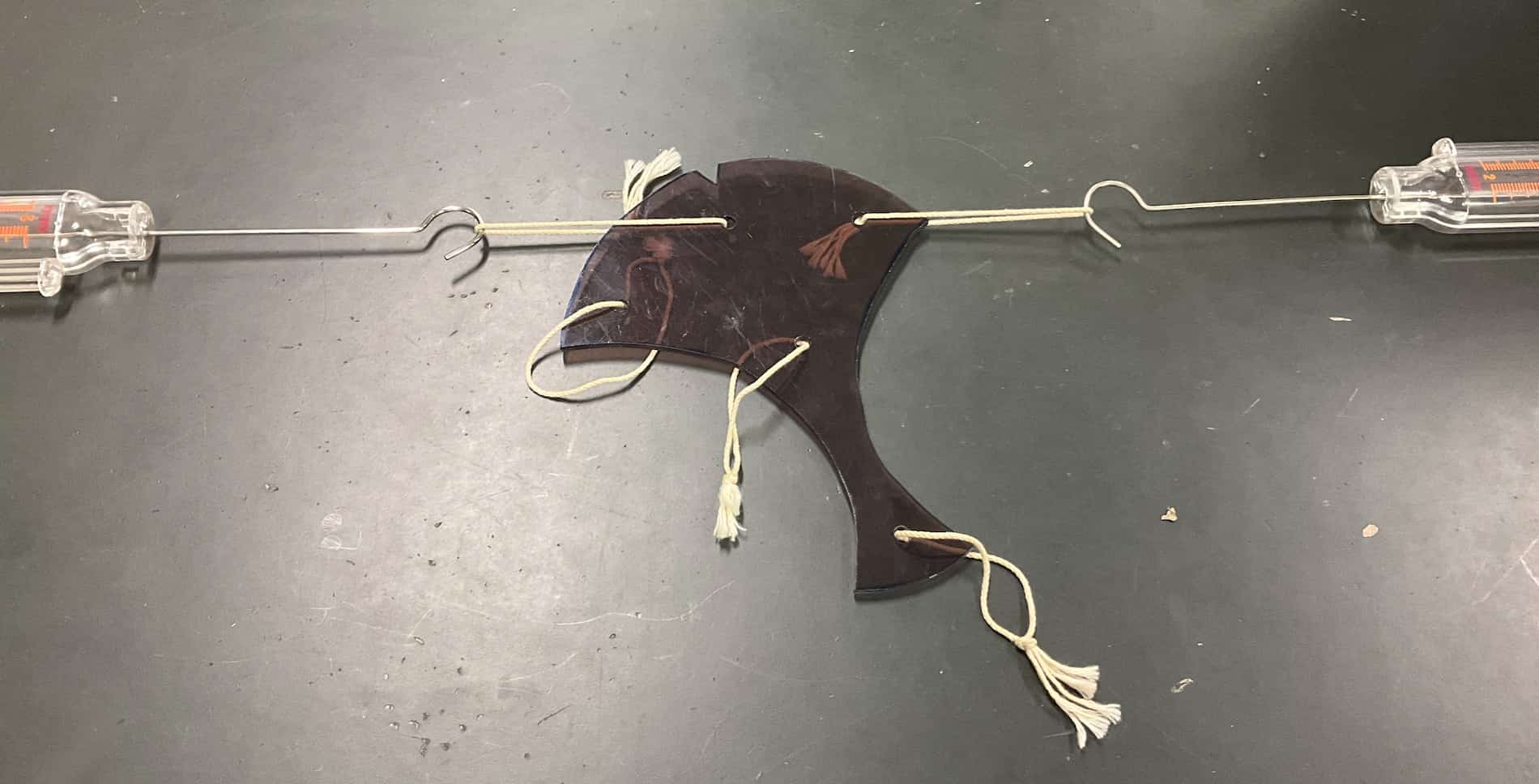
In that state, you read the values on the spring scales to check how large the forces are, which directions they act in, and how their lines of action are arranged.
From this, you can see that the conditions for forces to balance are:
① The two forces have equal magnitude
② The two forces act in opposite directions
③ They lie along the same line of action
So what does it really mean for forces to be balanced? It turns out to be a surprisingly deep topic. One of the trickiest parts to picture is the idea that “the lines of action must align in a straight line.” It can feel abstract when explained in words, but once you try it yourself, everything clicks into place.
In this experiment, we used cute weights shaped like chicks and flowers. It’s easy to get distracted by how they look, but what really matters is the position and direction of the forces. When forces are balanced, the object stays perfectly still. Understanding the conditions that make this happen is the heart of the experiment.
You can also explore this idea using something called the “Michael Jackson can.”
An empty can won’t stand at an angle, but once you add water inside, it suddenly can.
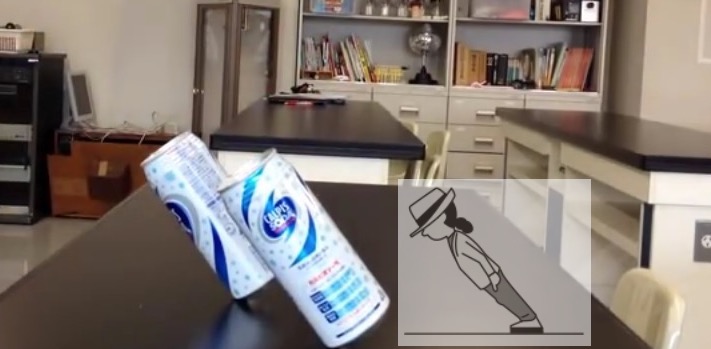
Thinking about this in terms of force balance makes it a great learning example.
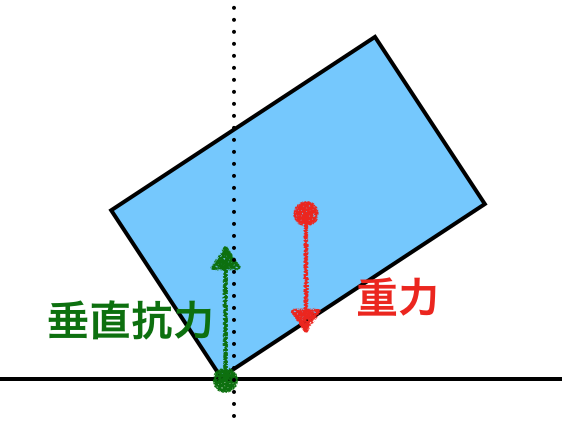
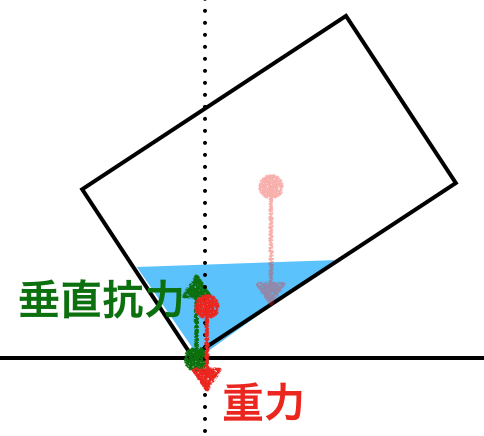
This topic actually connects to what students learn in high school about the equilibrium of rigid bodies. There, the concept of “moment of force” (rotational effect) is introduced, and the question shifts to “why doesn’t it rotate?” While rotation isn’t explored deeply at the first-year level, students can still build a strong foundation in drawing force diagrams. This experience becomes a stepping stone for deeper understanding later on.
The Hidden Benefits of This Experiment
Through this activity, students gain more than just knowledge. They naturally develop important skills like these:
Improving force diagrams
→ By paying attention to the direction and magnitude of forces, students build skills that connect smoothly to topics like drawing friction forces on inclined planes in later grades. They also become more aware of details like where forces act.
Gaining a sense of rotation
→ When they later study rigid body equilibrium, they may realize, “Hey, I’ve seen this before!”—a powerful moment where knowledge connects.
Seeing the world differently
→ Everyday objects like swings, seesaws, and signboards suddenly reveal themselves as examples of balanced forces. It’s a small shift in perspective that changes how you see the world.
Conclusion
“Balance of forces” might sound difficult at first, but once you experience it hands-on, it becomes a familiar and fascinating phenomenon. Let this experiment be your starting point for noticing the invisible forces at work in your daily life. You may begin to see the world in a completely new way.
And that awareness doesn’t just help in science—it nurtures your ability to think. Questioning the “obvious” around you is the very first step into the world of science.
Contact & Requests
Bringing the wonders of science closer to you! We share fun, easy-to-understand experiments you can try at home, along with helpful tips. Feel free to explore! ・Learn more about Kuwako Lab here ・For inquiries (writing, lectures, workshops, TV supervision/appearances, etc.), click here ・Get the latest updates on X!
 Science Idea Channel shares experiment videos!
9月のイチオシ実験!
お弁当箱をプラバンがわりにしてキーホルダーを作ろう!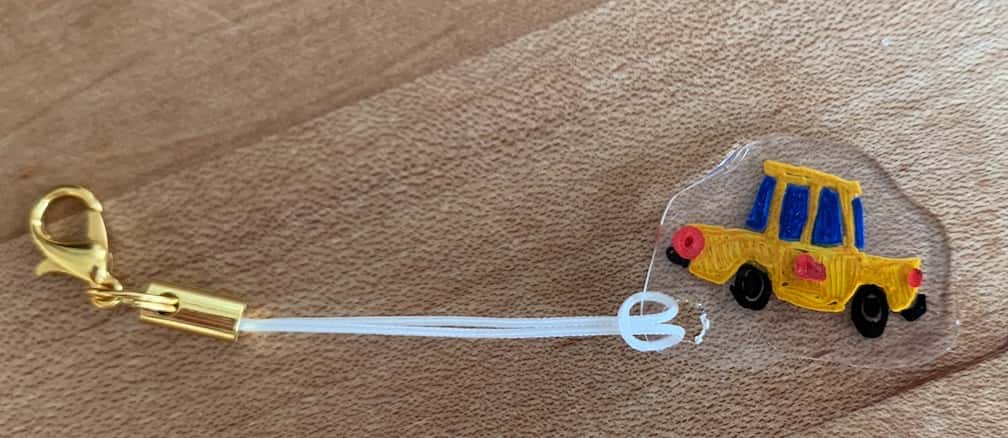
テレビ番組監修・イベント等のお知らせ
- 8月27日(木)科学監修番組放送予定
- 9月20日(日)ダビンチマスターズ出演予定
- 10月10日(土)11:15~12:00 千葉市科学フェスタ2026「桑子先生の回転科学ショー」にてサイエンスショーを行います。
- 12月26日(土) ナリカサイエンスアカデミー(教員向け実験講習会)開催
書籍のお知らせ
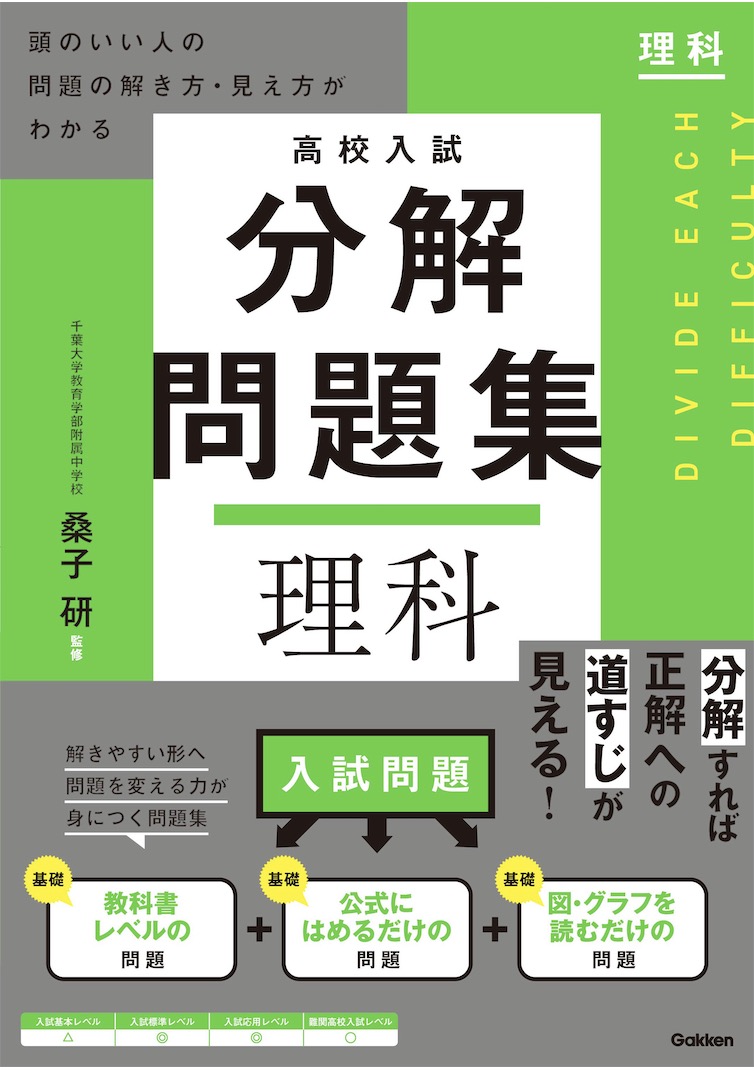
- 『高校入試 分解問題集 理科』(学研)…難しい問題も小さな問題に分解することで、問題を解くことができます。そんな分解の技術が身につくように深く関わりを持って作りました。
 『大人のための高校物理復習帳』(講談社)…一般向けに日常の物理について公式を元に紐解きました。特設サイトでは実験を多数紹介しています。※増刷がかかり6刷となりました(2026/02/01)

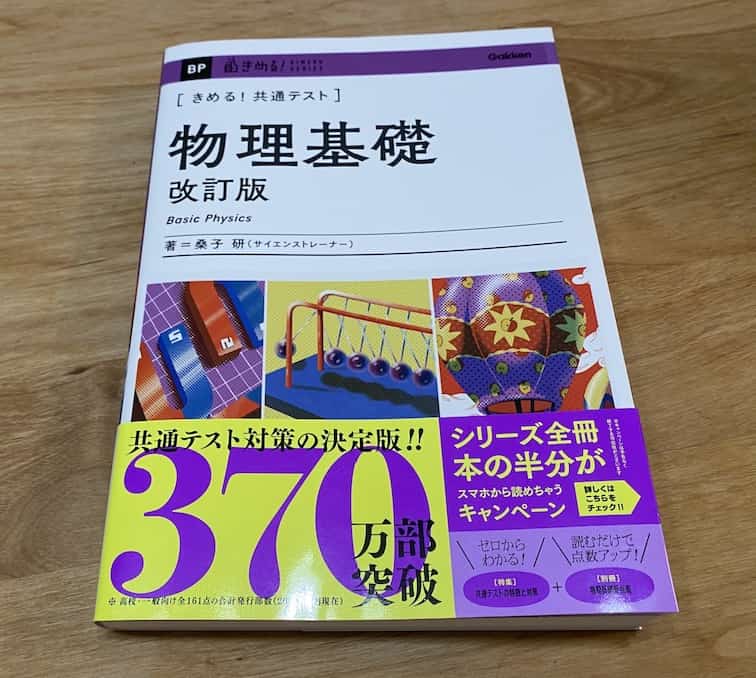
- 『きめる!共通テスト 物理基礎 改訂版』(学研)… 高校物理の参考書です。イラストを多くしてイメージが持てるように描きました。授業についていけない、物理が苦手、そんな生徒におすすめです。特設サイトはこちら。
各種SNS(更新情報をお届け!)
【日本語】X(Twitter)/instagram/Facebook 【英語】BlueSky/Threads
Explore
- 楽しい実験…お子さんと一緒に夢中になれるイチオシの科学実験を多数紹介しています。また、高校物理の理解を深めるための動画教材も用意しました。
- 理科の教材… 理科教師をバックアップ!授業の質を高め、準備を効率化するための選りすぐりの教材を紹介しています。
- Youtube…科学実験等の動画を配信しています。
- 科学ラジオ …科学トピックをほぼ毎日配信中!AI技術を駆使して作成した「耳で楽しむ科学」をお届けします。
- 講演 …全国各地で実験講習会・サイエンスショー等を行っています。
- About …「科学のネタ帳」のコンセプトや、運営者である桑子研のプロフィール・想いをまとめています。
- お問い合わせ …実験教室のご依頼、執筆・講演の相談、科学監修等はこちらのフォームからお寄せください。