The Lunch Box Mystery: The Moment Scientific Laws Are Born.
I’m Kuwako Ken, a science trainer—every day is an experiment.
As “active, collaborative, and deep learning” becomes increasingly emphasized in education, one core mission stands out for us as teachers: how do we ignite that natural “I want to know!” curiosity in our students? The way we spark motivation at the start of a lesson can dramatically shape how deeply students engage afterward.
Today, I’d like to introduce an inquiry-based lesson using a “bento box black box.” It’s an exciting activity where students transform into scientific detectives.
What Is a Bento-Style Black Box?
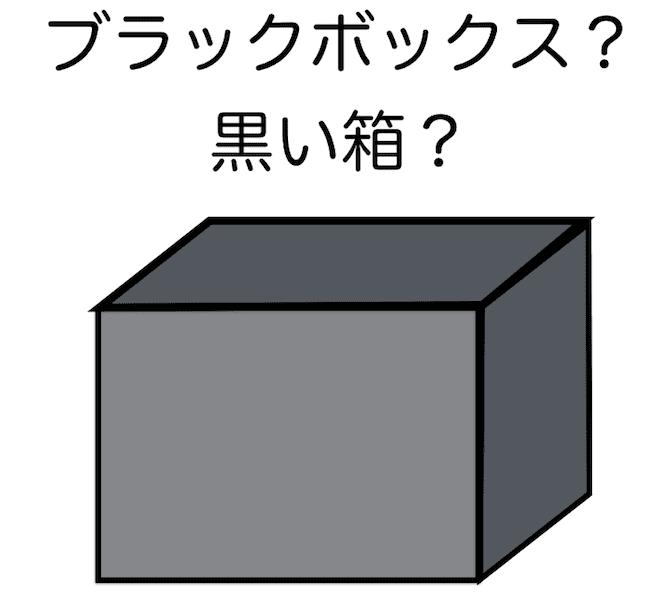
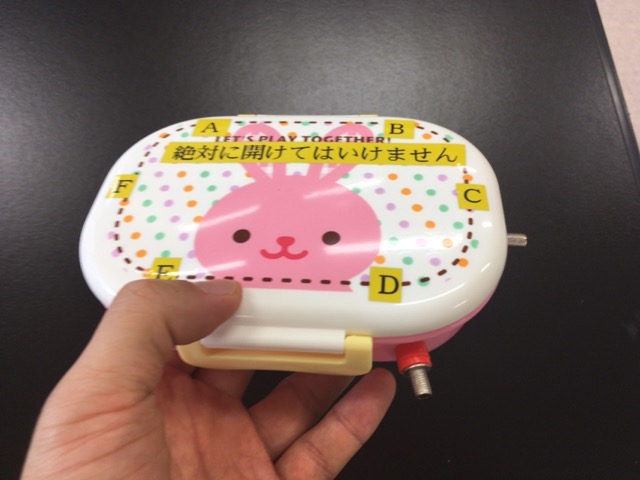
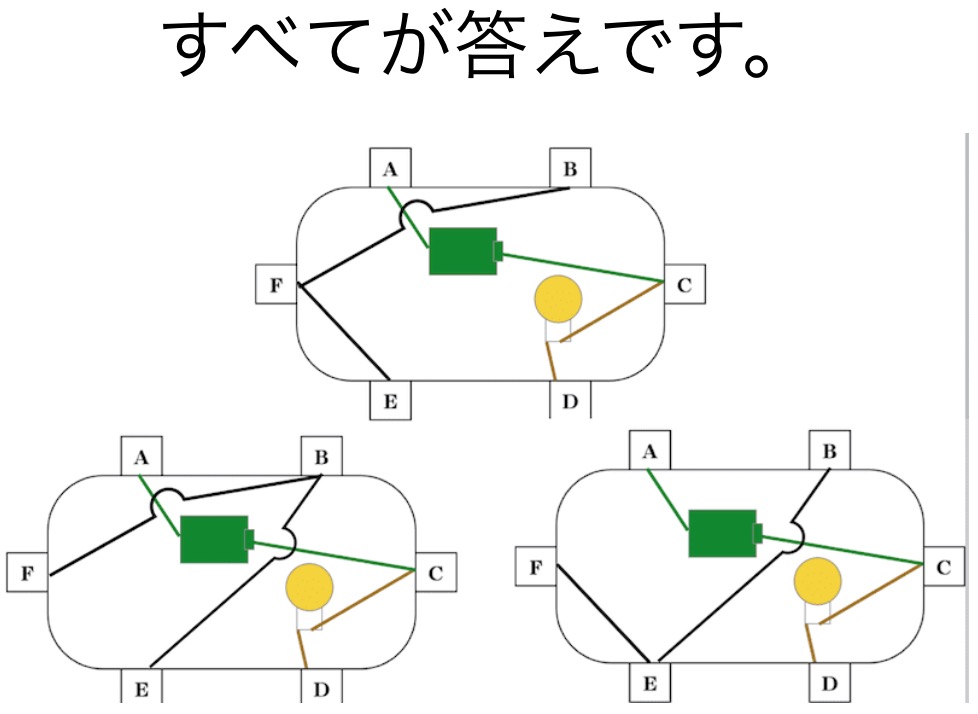
Despite the name, a “black box” isn’t literally black. In science, it refers to a system whose internal structure is unknown, but which produces observable outputs in response to inputs. Inside this particular bento box is a hidden electrical circuit. Six terminals labeled A through F stick out from the sides, and students must deduce the internal wiring without ever opening the lid.
Gathering Evidence to Solve the Circuit Mystery
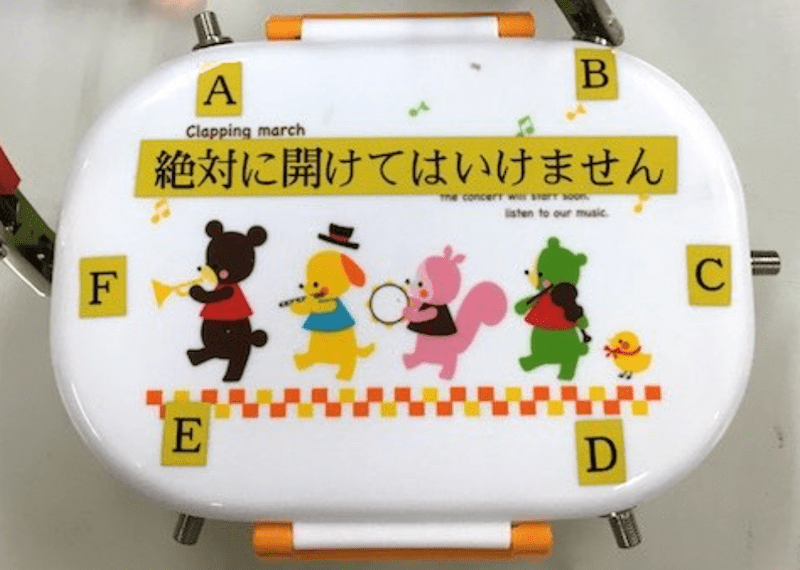
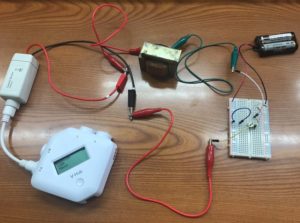
Inside the box are batteries, small bulbs, and a network of wires connecting them.
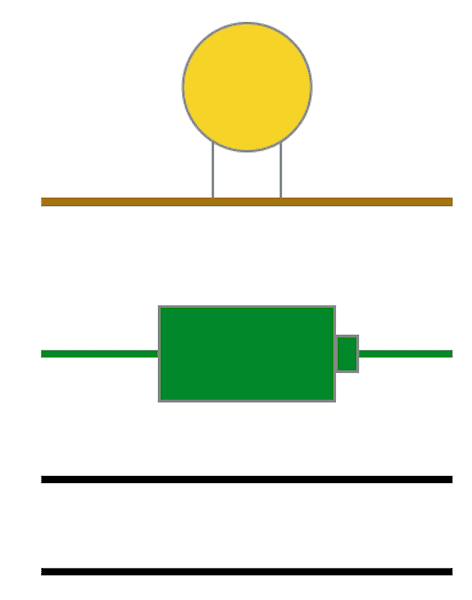
For example, certain terminals are connected through components like this:
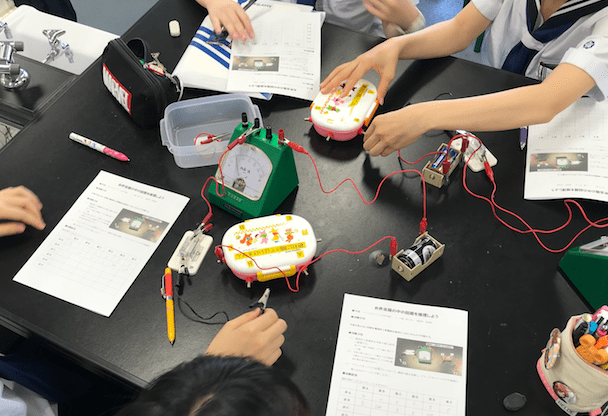
Students are given a simple testing tool—a battery paired with a small bulb (or an ammeter).
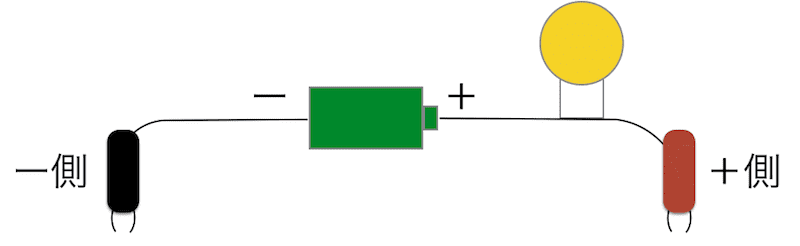
Using this, they test combinations: “What happens if we connect A and B?” “How about C and F?” It’s a process of systematic trial and observation.
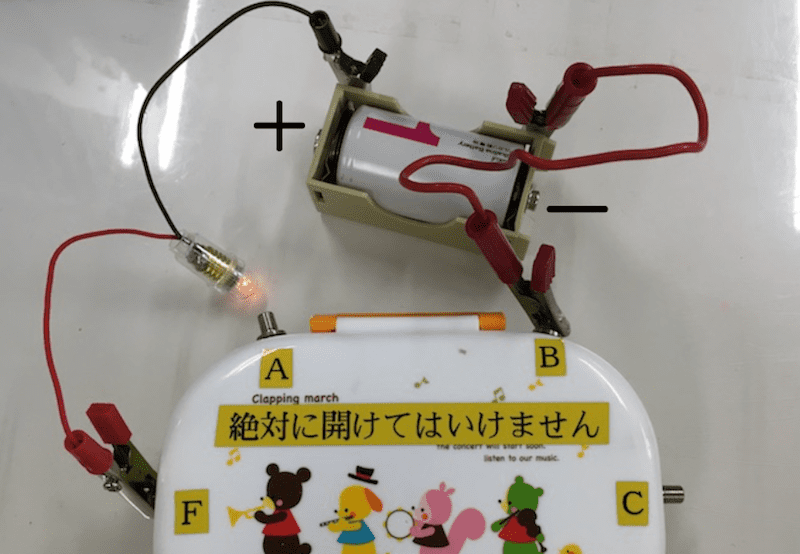
As they investigate, intriguing patterns emerge:
• The bulb lights brightly (are they directly connected?)
• It doesn’t light at all (is the circuit broken, or opposing a battery inside?)
• It glows faintly (is there resistance somewhere?)
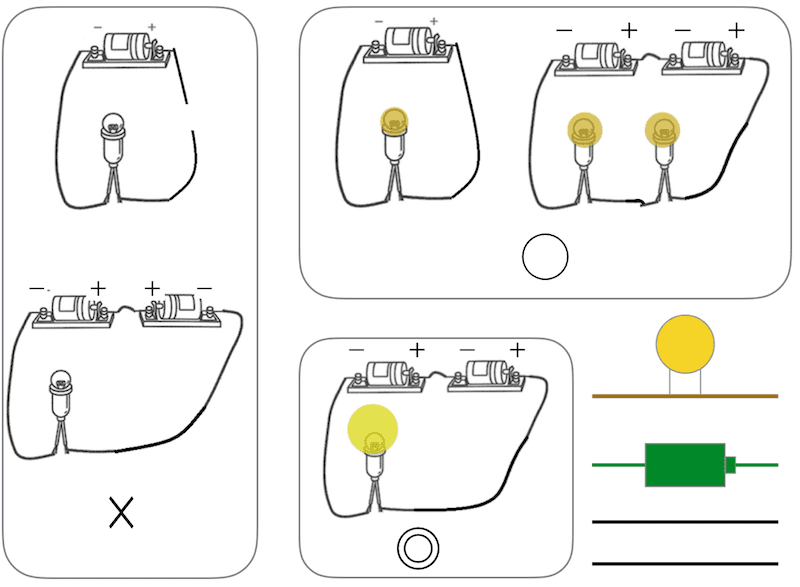
From these light patterns, students begin to “see” inside the invisible.
When Numbers Start Telling the Story
To encourage more precise reasoning, we now use an ammeter instead of a bulb. With numerical data, discussions become even more animated.
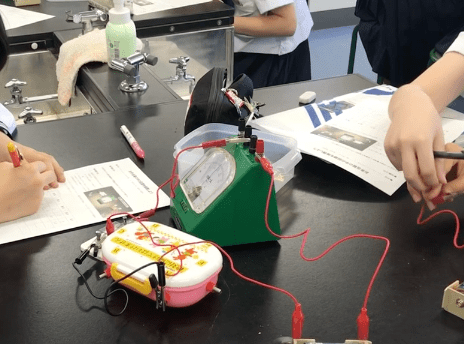
Recording the measured current (in mA) in tables feels like collecting scattered puzzle pieces.
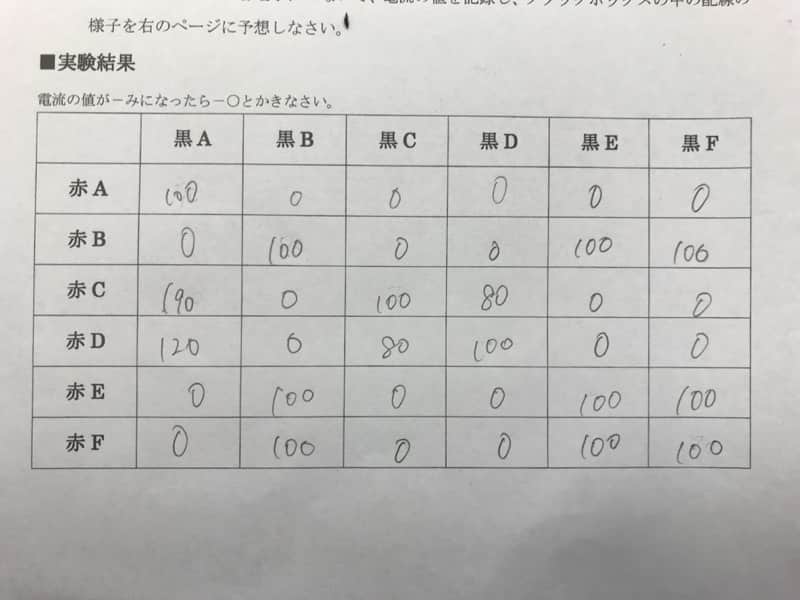
Using this data, each group constructs a circuit diagram representing what they believe is inside the box.
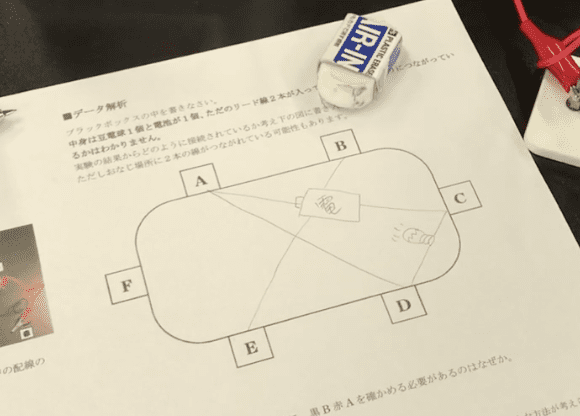
The Twist: There Isn’t Just One Answer?
Here’s where things get really interesting—and profound. Many groups confidently present their solutions. But when you compare them, multiple plausible circuit patterns often emerge.
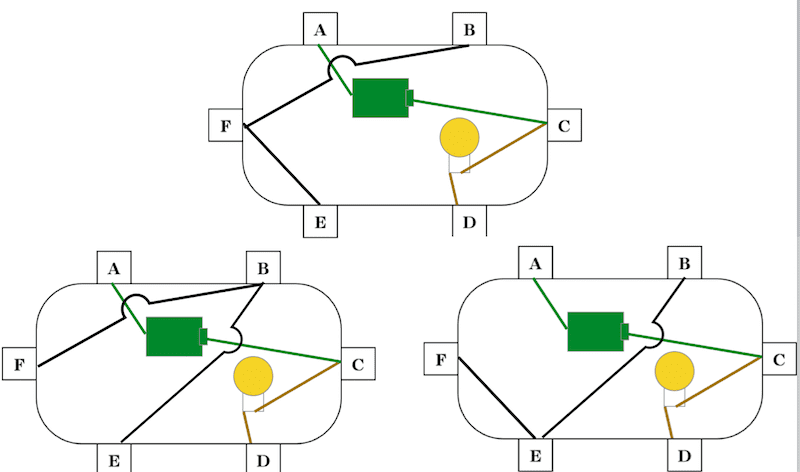
Then comes the big moment: opening the box.
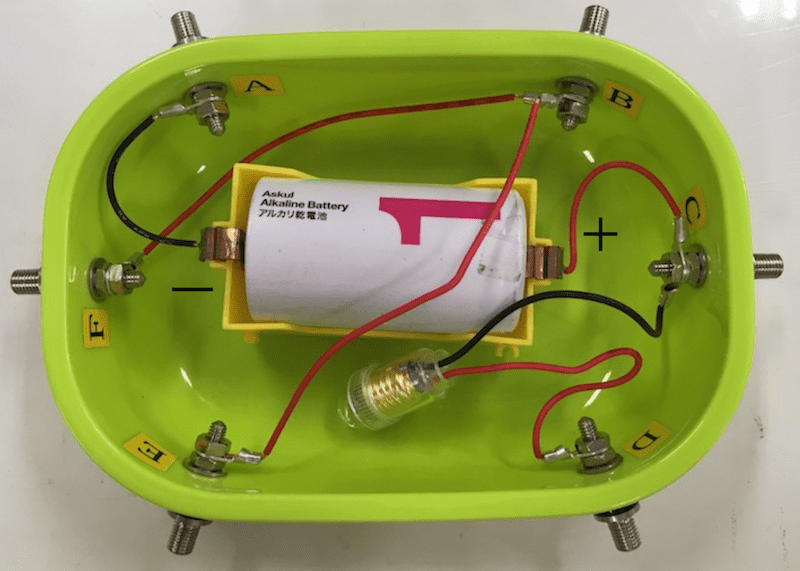
Cheers erupt: “We got it!” “Wait—that’s not what we had!”
Here’s the key insight: even if the experimental results match perfectly, there can still be multiple internal configurations that explain them. Until the box is opened, every model that fits the data is a valid hypothesis.
This experience conveys an essential lesson: the world is full of “black boxes” we cannot directly observe. For example, doctors don’t immediately open up a patient to see inside. Instead, they interpret data—blood pressure, temperature, X-rays—to infer what’s happening and decide on the best treatment.
Science works the same way. From the origin of the universe to Earth’s core, scientists build models based on observational data. And when new evidence contradicts existing ideas, those models are revised and updated.
This bento box black box goes far beyond a lesson on circuits—it teaches how to confront the unknown. Instead of chasing a single predetermined answer, students actively construct their own models of reality. It’s a powerful and exhilarating learning experience—one worth bringing into your classroom.
Inquiries and Requests
Let’s bring the wonder of science closer to everyday life! This site offers easy-to-follow experiments you can try at home, along with helpful tips. Feel free to explore!
・The “Science Idea Notebook” is now available as a book. Learn more here
・About the author, Kuwako Ken, click here
・For requests (writing, lectures, workshops, TV supervision, appearances), click here
・Get updates on new articles via X
 Science Idea Channel features experiment videos!
9月のイチオシ実験!
お弁当箱をプラバンがわりにしてキーホルダーを作ろう!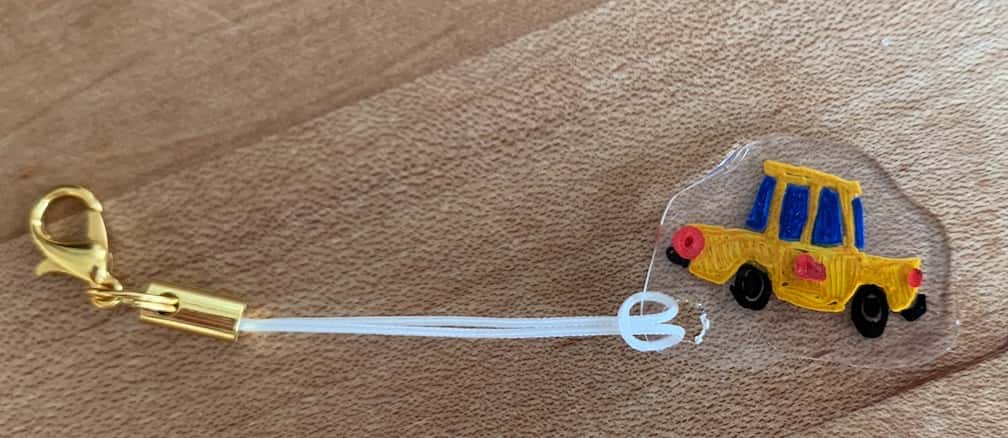
テレビ番組監修・イベント等のお知らせ
- 8月27日(木)科学監修番組放送予定
- 9月20日(日)ダビンチマスターズ出演予定
- 10月10日(土)11:15~12:00 千葉市科学フェスタ2026「桑子先生の回転科学ショー」にてサイエンスショーを行います。
- 12月26日(土) ナリカサイエンスアカデミー(教員向け実験講習会)開催
書籍のお知らせ
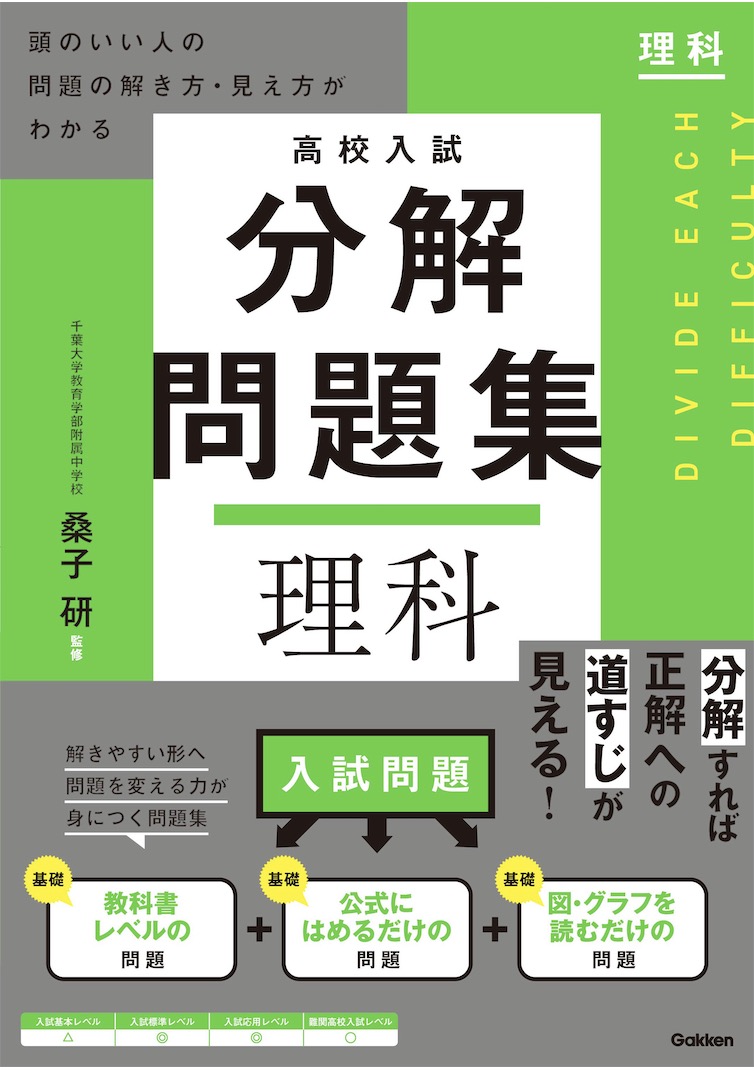
- 『高校入試 分解問題集 理科』(学研)…難しい問題も小さな問題に分解することで、問題を解くことができます。そんな分解の技術が身につくように深く関わりを持って作りました。
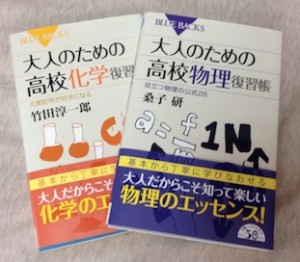
 『大人のための高校物理復習帳』(講談社)…一般向けに日常の物理について公式を元に紐解きました。特設サイトでは実験を多数紹介しています。※増刷がかかり6刷となりました(2026/02/01)
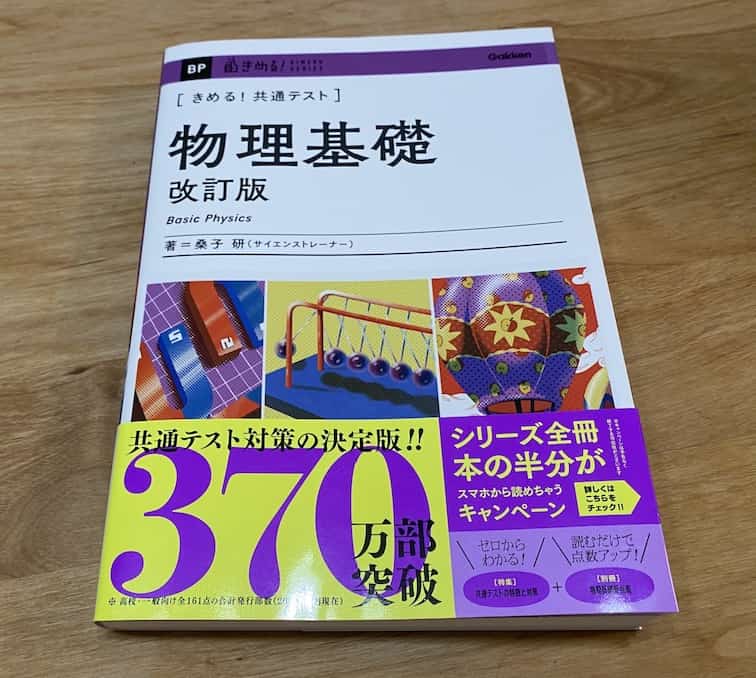
- 『きめる!共通テスト 物理基礎 改訂版』(学研)… 高校物理の参考書です。イラストを多くしてイメージが持てるように描きました。授業についていけない、物理が苦手、そんな生徒におすすめです。特設サイトはこちら。
各種SNS(更新情報をお届け!)
【日本語】X(Twitter)/instagram/Facebook 【英語】BlueSky/Threads
Explore
- 楽しい実験…お子さんと一緒に夢中になれるイチオシの科学実験を多数紹介しています。また、高校物理の理解を深めるための動画教材も用意しました。
- 理科の教材… 理科教師をバックアップ!授業の質を高め、準備を効率化するための選りすぐりの教材を紹介しています。
- Youtube…科学実験等の動画を配信しています。
- 科学ラジオ …科学トピックをほぼ毎日配信中!AI技術を駆使して作成した「耳で楽しむ科学」をお届けします。
- 講演 …全国各地で実験講習会・サイエンスショー等を行っています。
- About …「科学のネタ帳」のコンセプトや、運営者である桑子研のプロフィール・想いをまとめています。
- お問い合わせ …実験教室のご依頼、執筆・講演の相談、科学監修等はこちらのフォームからお寄せください。