The Mystery of “Caloric”: From Middle School Myths to the Truth of Heat
I’m Ken Kuwako, your Science Trainer. Every day is an experiment!
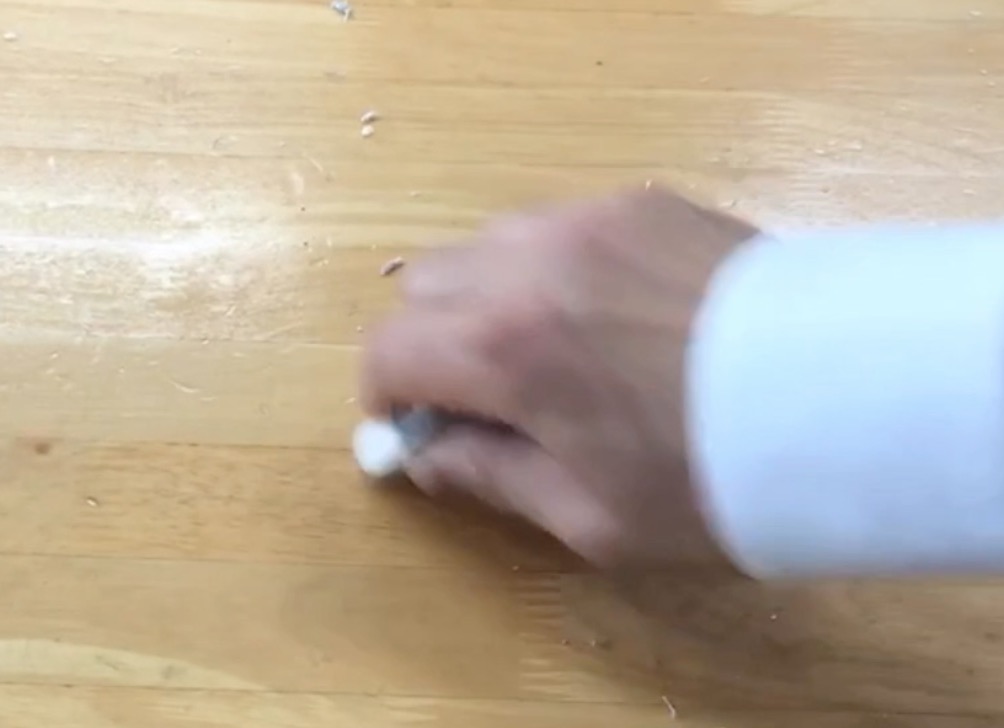
Try rubbing an eraser against your desk. Now, let’s take a look at that through a thermography camera.
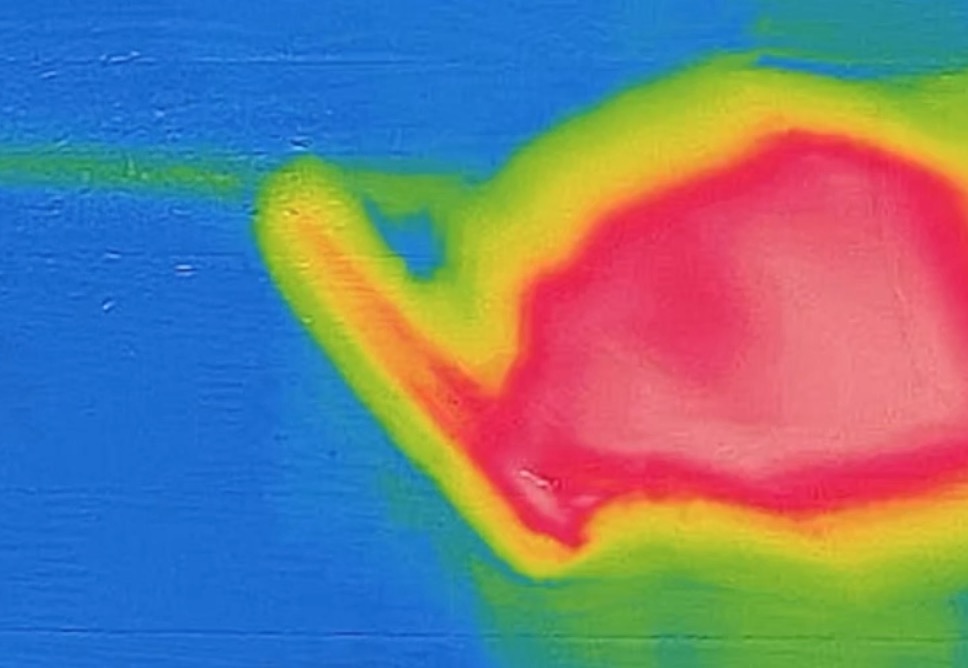
As you can see, the temperature rises. But why?
How would you answer such a simple question? Believe it or not, this inquiry is the gateway to a grand mystery that humanity pursued for thousands of years: the true nature of heat. Today, let’s unravel a story that moved the history of science, starting with a rather adorable misunderstanding I had back in middle school.
My 14-Year-Old Self’s “Discovery of the Century”
I remember my second year of junior high like it was yesterday. My science teacher asked the class, “Why does a hot object gradually cool down over time?” As the room fell silent, I raised my hand and confidently declared:
“I think it’s because a substance that causes ‘coldness’ moves into the hot object!”
There was a brief pause in the classroom. My teacher looked surprised, yet also a bit delighted, and said, “That’s a very interesting way of thinking.” At the time, I felt embarrassed, thinking I had given an answer they didn’t expect. Looking back now, though, I want to give my younger self a round of applause.
That’s because my simple question followed the exact same path once taken by history’s greatest scientific minds.
The “Caloric Theory” Even Geniuses Believed
In fact, until the early 19th century, the world’s most brilliant scientists thought just like I did. Back then, people didn’t know that heat is actually the vigorous vibration of atoms and molecules. Instead, they believed in something called Caloric.
The sensations of “hot” and “cold” were explained by an invisible, weightless, mysterious fluid living inside matter. This was known as the Caloric Theory.
According to this theory, a freshly brewed cup of tea cools down because the caloric packed inside it slowly leaks out into the cup and the surrounding air. While my middle school guess about “cold substances” moving was technically backwards in direction, I was incredibly close to historical scientific thought by treating heat as a physical substance.
Truth Found in the Boring of Cannons
However, the Caloric Theory had a major flaw. If heat were a physical substance, it would eventually have to run out. The man who noticed this contradiction was Benjamin Thompson, also known as Count Rumford. While observing the process of boring out cannon barrels, he realized something profound.
“As long as we keep grinding the metal, heat keeps coming out infinitely! If heat were a substance like caloric, the supply should eventually go empty.”
This sparked a massive leap forward for science. We eventually reached the conclusion that heat isn’t a flowing fluid, but rather the kinetic energy of invisible, tiny particles.
Take another look at that first thermography image. It looks like “caloric” is springing forth, doesn’t it?
Actually, this very phenomenon is what ended up disproving the Caloric Theory.
The Seeds of Science Live in Curiosity
Modern textbooks teach us that heat is the transfer of energy. When a cold object and a warm object touch, the fast-moving particles in the warm object collide with the particles in the cold one, sharing their energy. Temperature changes as the overall movement becomes uniform.
By modern standards, my middle school answer was “wrong.” However, the ability to look at a phenomenon and build a model—thinking, “Is something moving here?”—is the most exciting part of science.
The next time you wonder “Why?” during a science lesson, try to come up with your own hypothesis before looking for the answer in a textbook. You might just find that your idea is connected to a “Great Discovery” that the geniuses of the past spent their entire lives trying to prove.
Inquiries & Requests
Bringing the wonders of science closer to you! I’ve put together fun experiments you can do at home and easy-to-understand tips. Feel free to explore!
My “Science Notebook” content is now a book! Details here
Learn more about me, Ken Kuwako, here
For requests (writing, lectures, workshops, TV supervision, etc.), click here
Get the latest updates on X (formerly Twitter)!
 Watch experiment videos on the Science Tips Channel!
9月のイチオシ実験!
お弁当箱をプラバンがわりにしてキーホルダーを作ろう!
テレビ番組監修・イベント等のお知らせ
- 8月27日(木)科学監修番組放送予定
- 9月20日(日)ダビンチマスターズ出演予定
- 10月10日(土)11:15~12:00 千葉市科学フェスタ2026「桑子先生の回転科学ショー」にてサイエンスショーを行います。
- 12月26日(土) ナリカサイエンスアカデミー(教員向け実験講習会)開催
書籍のお知らせ
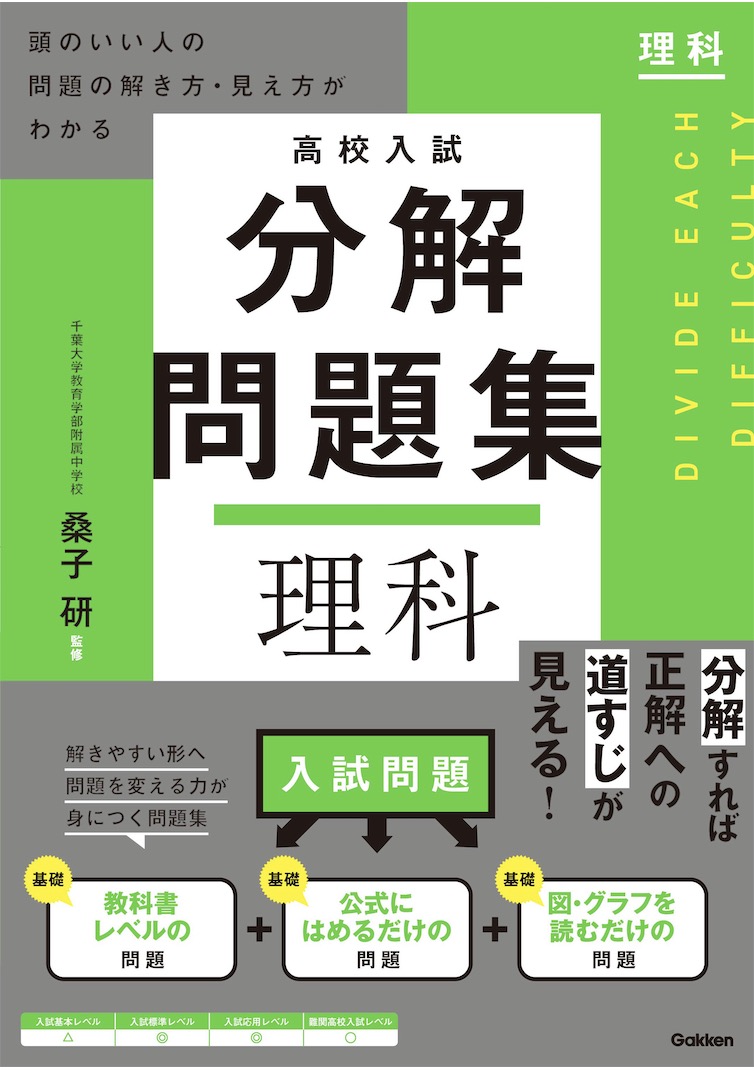
- 『高校入試 分解問題集 理科』(学研)…難しい問題も小さな問題に分解することで、問題を解くことができます。そんな分解の技術が身につくように深く関わりを持って作りました。
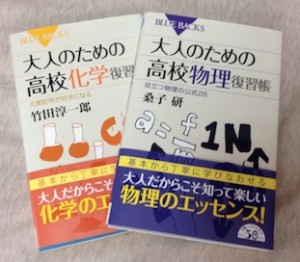
 『大人のための高校物理復習帳』(講談社)…一般向けに日常の物理について公式を元に紐解きました。特設サイトでは実験を多数紹介しています。※増刷がかかり6刷となりました(2026/02/01)
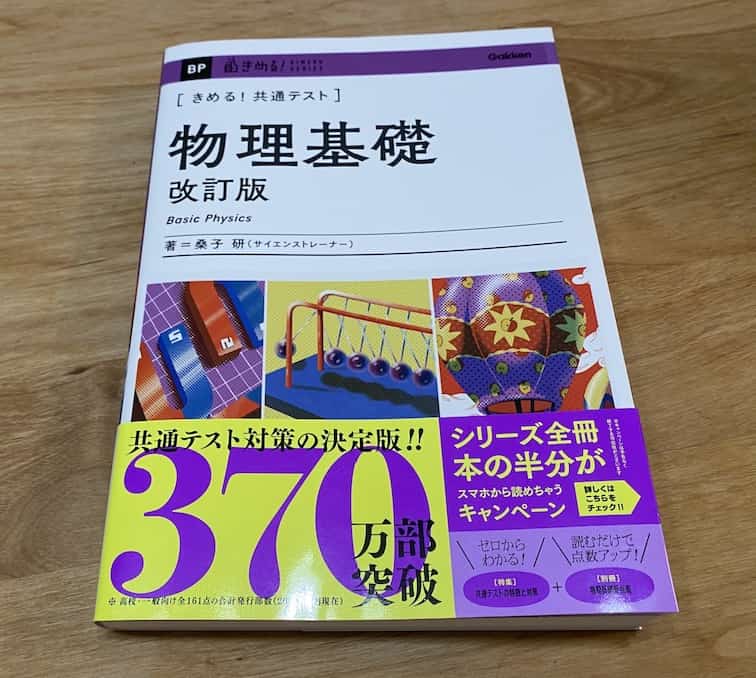
- 『きめる!共通テスト 物理基礎 改訂版』(学研)… 高校物理の参考書です。イラストを多くしてイメージが持てるように描きました。授業についていけない、物理が苦手、そんな生徒におすすめです。特設サイトはこちら。
各種SNS(更新情報をお届け!)
【日本語】X(Twitter)/instagram/Facebook 【英語】BlueSky/Threads
Explore
- 楽しい実験…お子さんと一緒に夢中になれるイチオシの科学実験を多数紹介しています。また、高校物理の理解を深めるための動画教材も用意しました。
- 理科の教材… 理科教師をバックアップ!授業の質を高め、準備を効率化するための選りすぐりの教材を紹介しています。
- Youtube…科学実験等の動画を配信しています。
- 科学ラジオ …科学トピックをほぼ毎日配信中!AI技術を駆使して作成した「耳で楽しむ科学」をお届けします。
- 講演 …全国各地で実験講習会・サイエンスショー等を行っています。
- About …「科学のネタ帳」のコンセプトや、運営者である桑子研のプロフィール・想いをまとめています。
- お問い合わせ …実験教室のご依頼、執筆・講演の相談、科学監修等はこちらのフォームからお寄せください。