Secret Mouths Hidden Beneath Leaves? Capture Stunning Stomata with Your Smartphone (Tradescantia Observation Guide)
I’m Ken Kuwako, your Science Trainer. Every day is an experiment!
Have you ever stopped to wonder how plants breathe? Even the most ordinary grass growing beneath your feet is hidden with countless “tiny mouths.”
Peering into the Breath of Life Through a Microscope
Microscope observation is always one of the most exciting highlights for middle school students in science class. Today, I’ll show you how to lead a captivating lesson observing the stomata—those tiny “mouths”—on Spiderwort leaves using the Tomeco (by Narika) microscope clip. You don’t need fancy prep or difficult techniques! With just a smartphone, a clip, and a little bit of ingenuity, you can turn a classroom into a world where individual cells pop out in high definition. I’ve put together a guide covering everything from prep to the final, art-like view of cellular patterns.
Supplies Needed
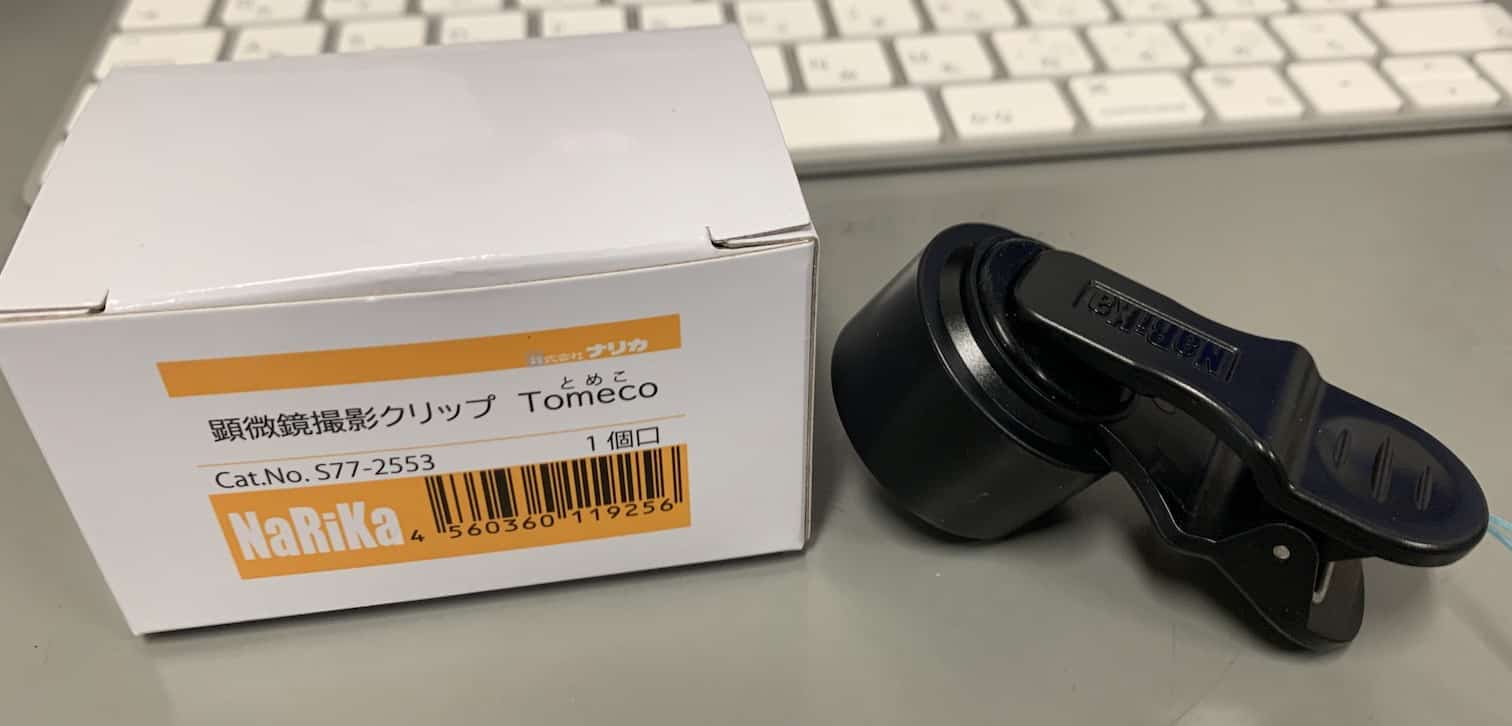
• “Tomeco” Microscope Smartphone Clip
 • Spiderwort (Tradescantia) leaves (The gold standard for easy viewing!)
• Microscope (10x eyepiece, 10x–40x objective lenses)
• Smartphone
• Penlight (Small, handheld ones work best)
• Scissors
Lesson Prep: The “No-Cutter” Secret Hack
1. Prepping the Spiderwort Leaves
Prepare enough Spiderwort leaves for each group. These leaves are wonderfully thick and easy to handle. I simply cut the leaves in half with scissors and then into quarters to distribute to the students.
Diagram showing schematic stomata
2. Attaching the Tomeco Clip
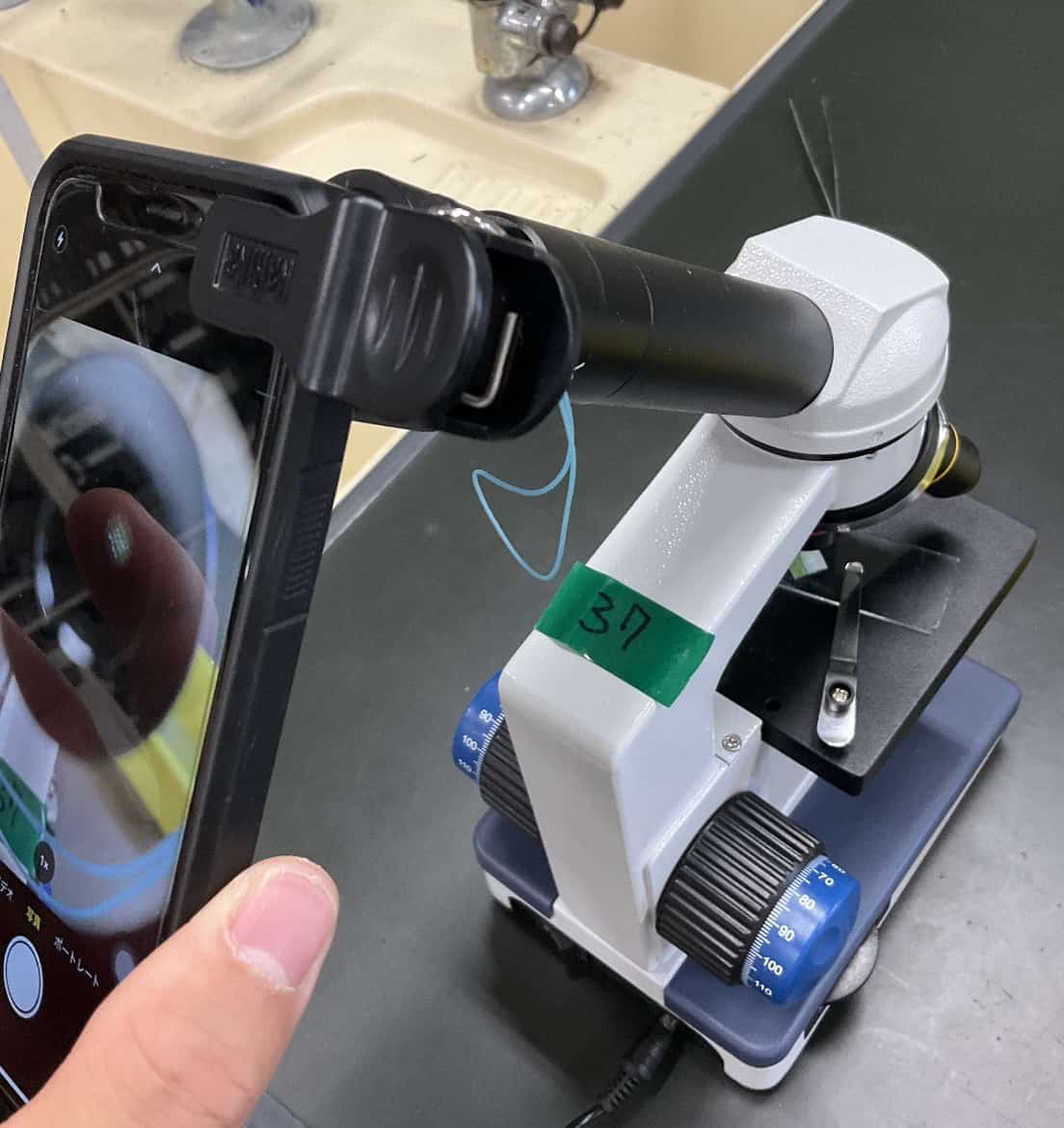
Attach the Tomeco clip to your smartphone’s camera lens. This tool stabilizes the shot and eliminates camera shake, making it easy for anyone to snap professional-looking microscope photos.
 Notice the vibrant purple on the underside. Since the leaves are thick, a simple snip with scissors is all the prep you need. I divided them into four sections so every student had a piece to work with.
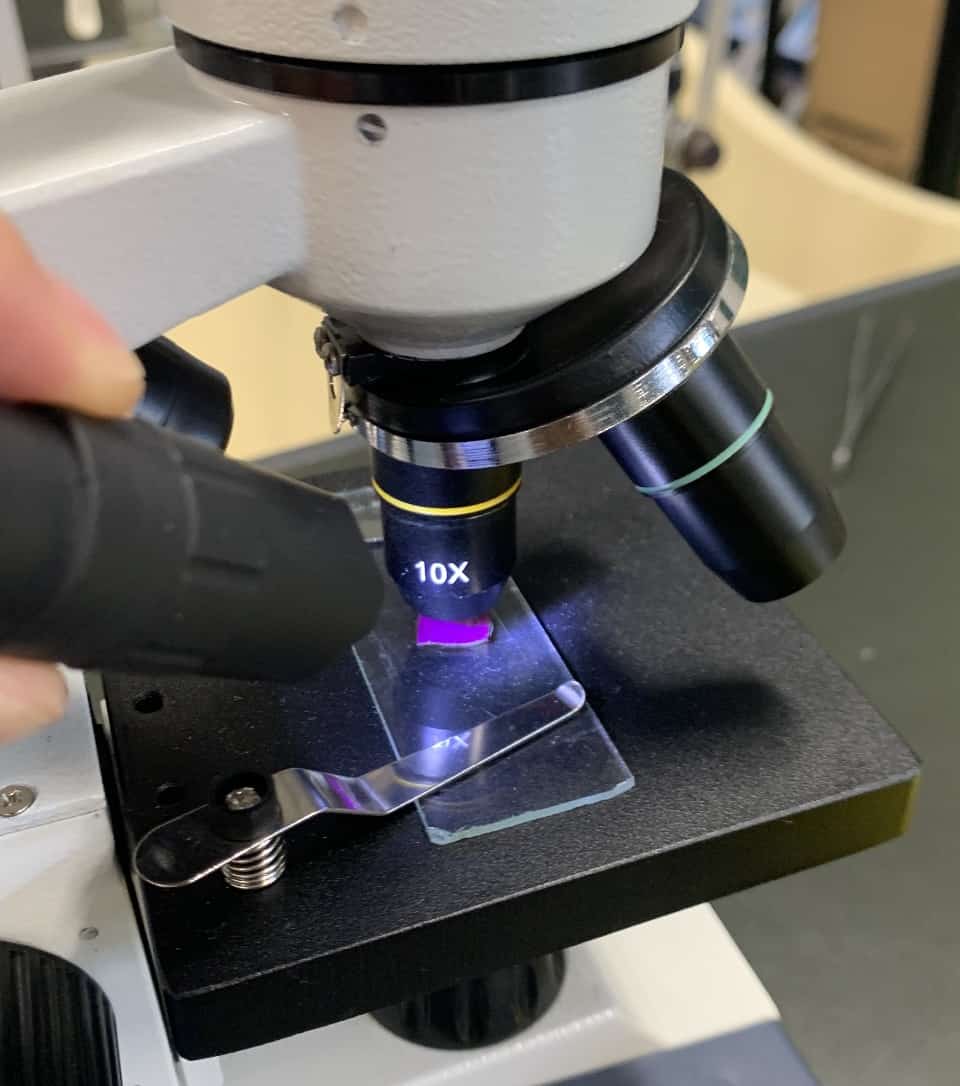
Most textbooks tell you to “carefully peel the epidermis with a blade,” but here is the secret: you can see everything perfectly just as it is by shining a penlight from the side. Start by looking at the surface. Adjust the magnification, set your smartphone with the Tomeco clip, and watch as the cells snap into focus with incredible ease.
Observation Steps: How to See the Magic
1. The Leaf Surface: A Living Jigsaw Puzzle
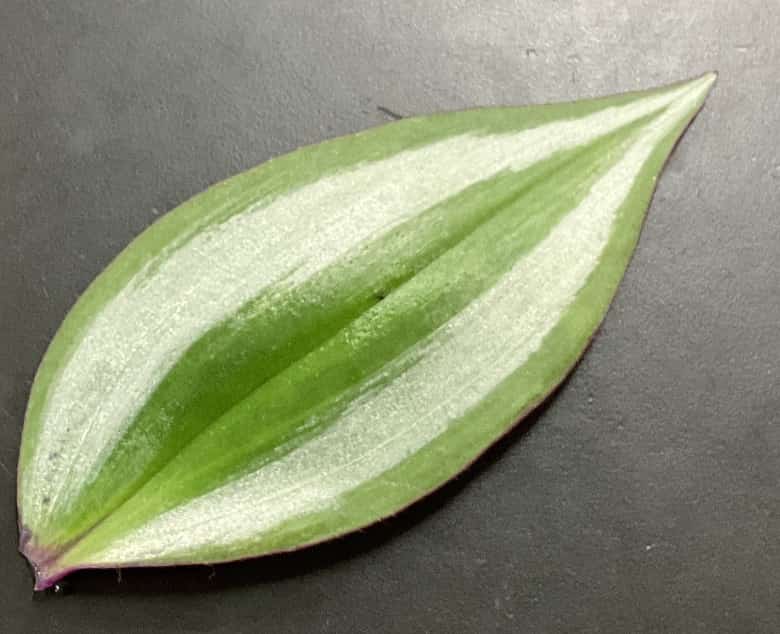
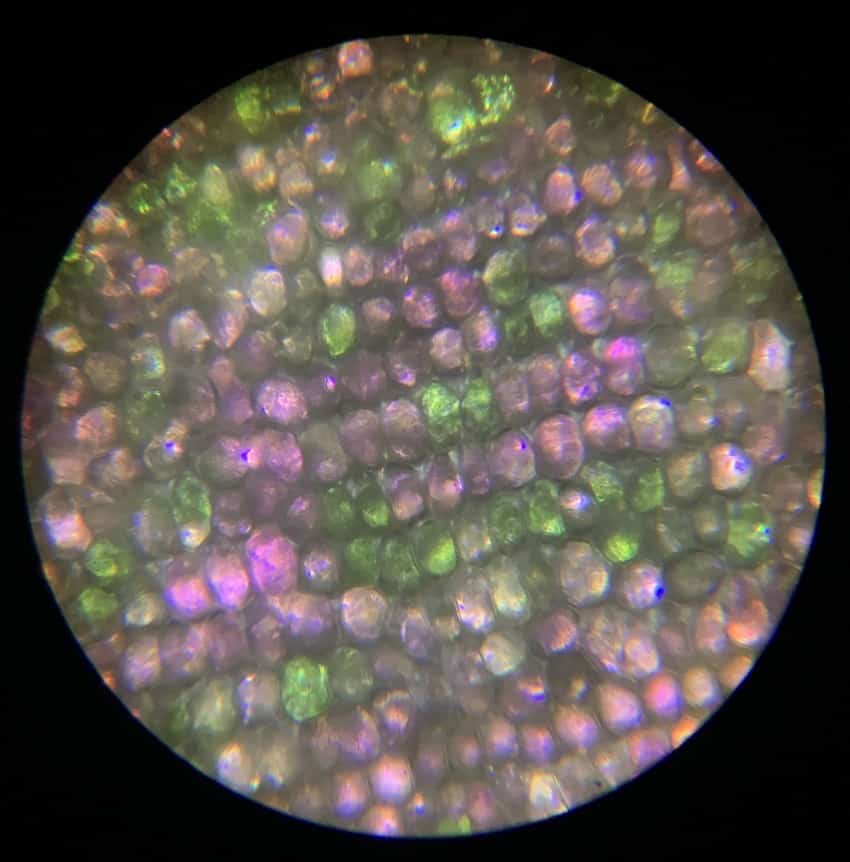
First, observe the top surface. Set your microscope to 400x (10x eyepiece × 40x objective). When you angle the penlight from the side, the outlines of the cells pop up in 3D.
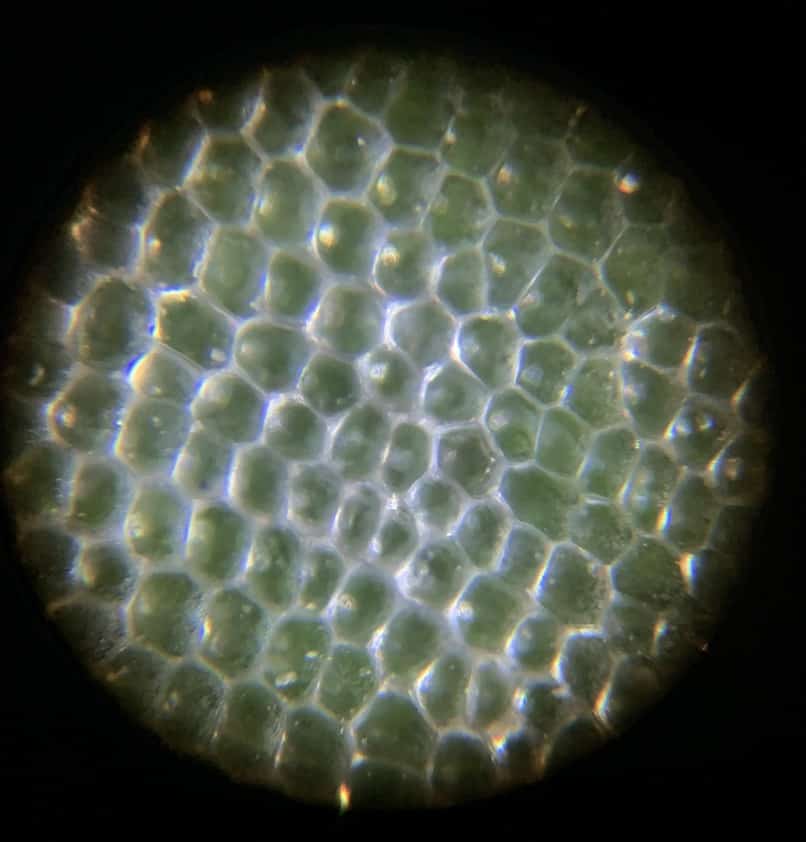
By skipping the tedious “peeling” step, students get much more time for actual discovery. You can clearly see how each cell fits together like a beautifully arranged jigsaw puzzle.
2. The Underside: Finding the “Stomata”
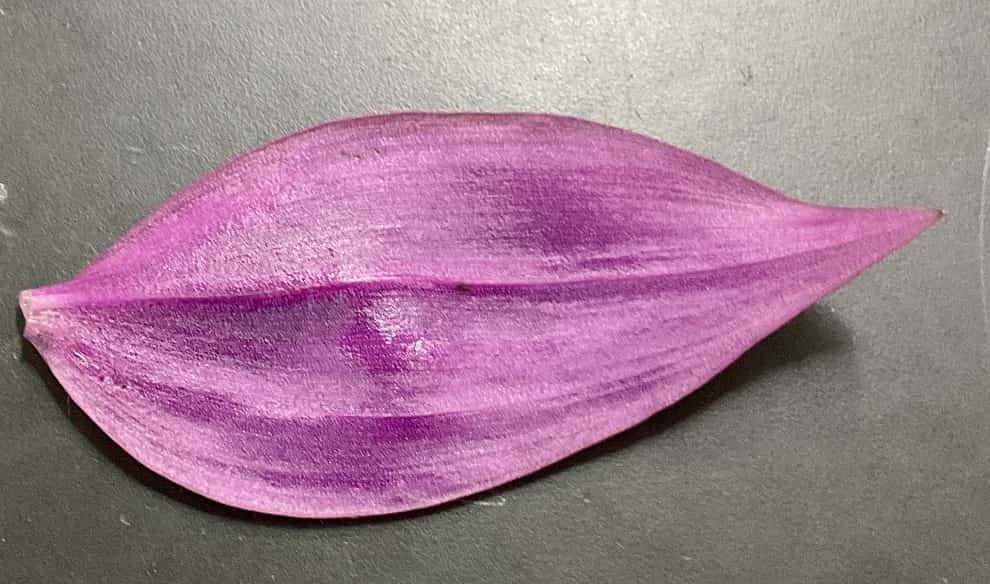
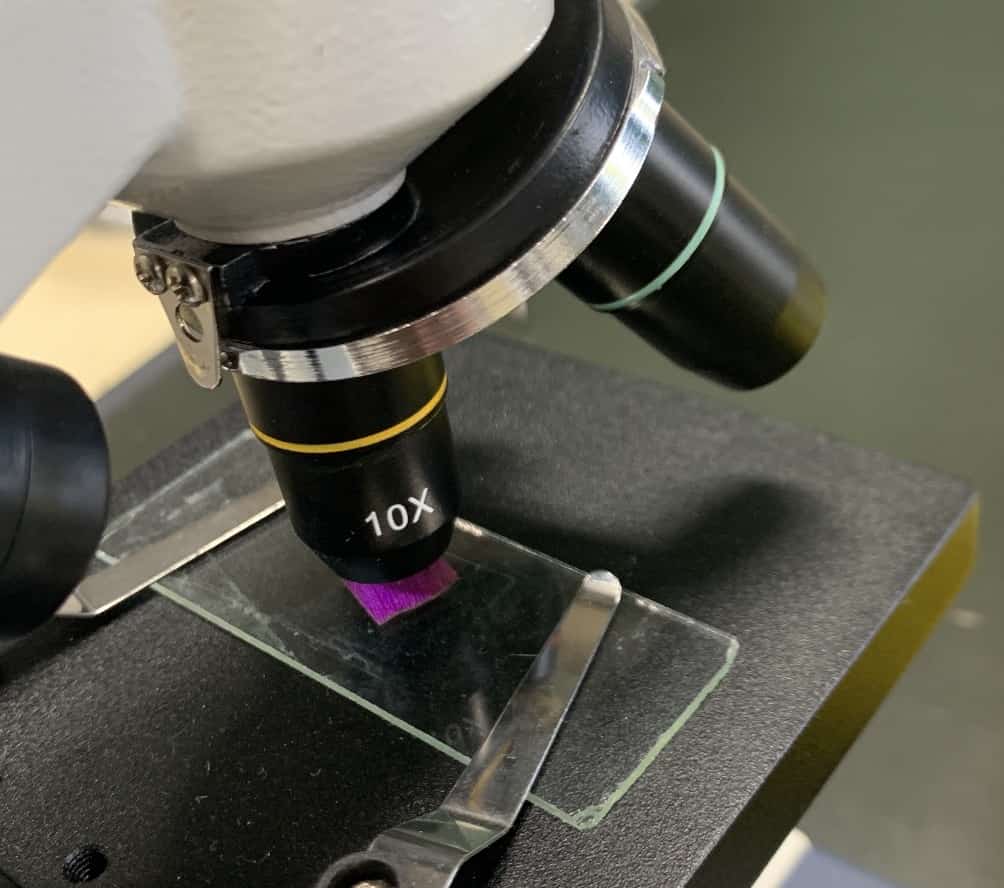 Now for the main event: searching for the stomata. The underside is purple and a bit dark, but if you shine your penlight from below, it becomes translucent and easy to see.
 If you add a second light source from the top, the contrast increases even further, revealing the stomata hiding among the cells with stunning clarity.
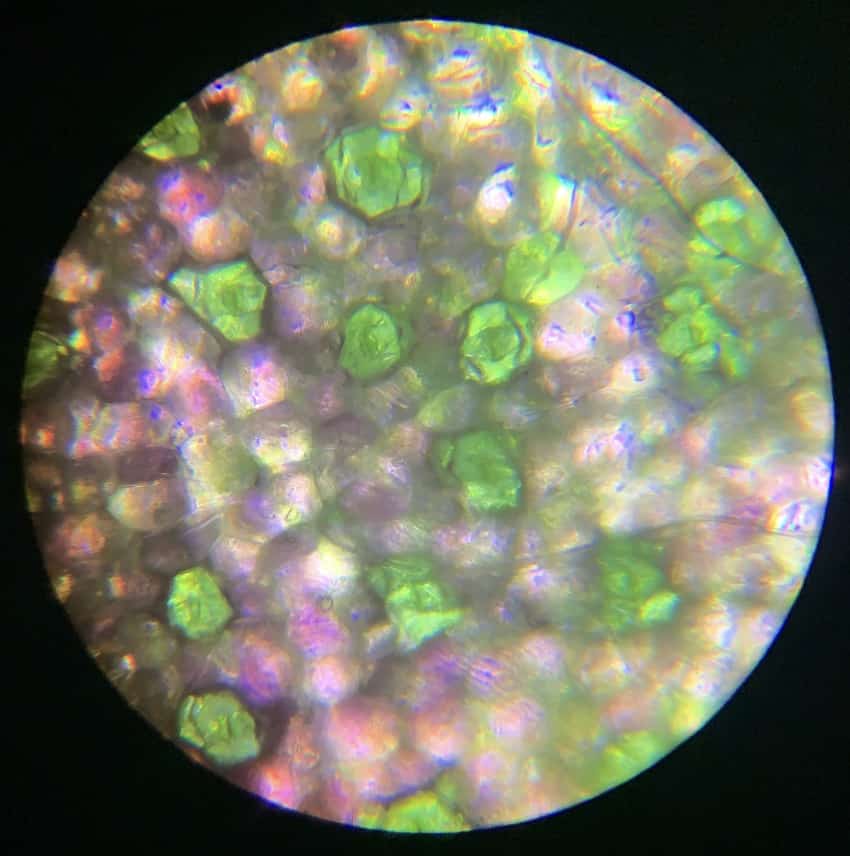
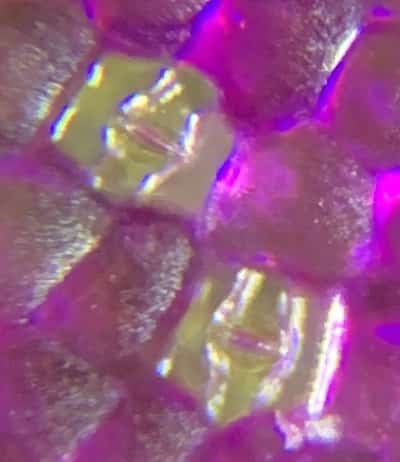
Turning the Science Lab into a Field of Discovery
Spiderwort is a gift to science teachers because it allows for crystal-clear observation in its raw state, no processing required. Plus, by using the Tomeco clip, students can capture their discoveries as photos to share with classmates. There’s a special kind of magic when a student sees the “evidence of life” right on their own phone screen—it never fails to get a “Wow!” from the class. Give it a try in your next lesson!
By the way, if you can’t find Spiderwort, Fish Mint (Houttuynia cordata) leaves—which often grow along roadsides—work just as well and are highly recommended.
Inquiries & Collaborations
I’m on a mission to bring the wonders of science closer to home! I share fun experiments you can do at home and easy-to-understand tips. Feel free to explore my other posts!
• About the Author, Ken Kuwako: Click Here
• For project inquiries (writing, lectures, workshops, TV supervision, etc.): Click Here
• Get the latest updates on X (formerly Twitter)!
 Check out my experiment videos on the Science Material Channel!
9月のイチオシ実験!
お弁当箱をプラバンがわりにしてキーホルダーを作ろう!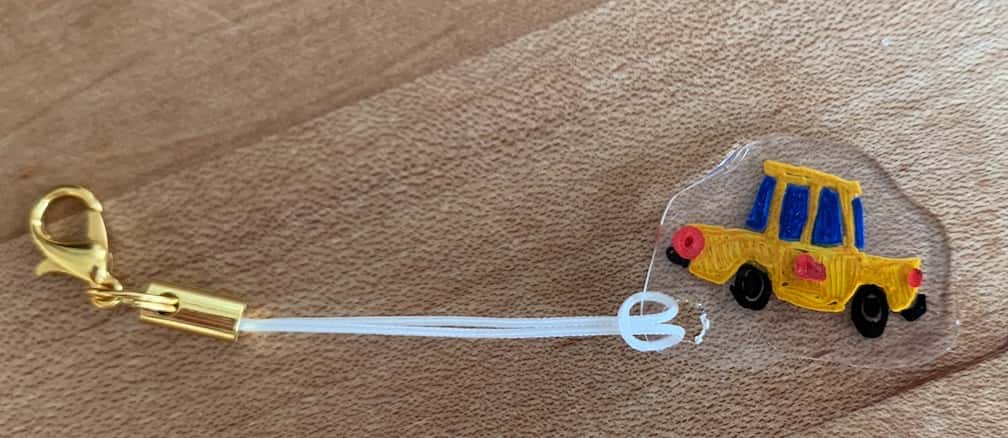
テレビ番組監修・イベント等のお知らせ
- 8月27日(木)科学監修番組放送予定
- 9月20日(日)ダビンチマスターズ出演予定
- 10月10日(土)11:15~12:00 千葉市科学フェスタ2026「桑子先生の回転科学ショー」にてサイエンスショーを行います。
- 12月26日(土) ナリカサイエンスアカデミー(教員向け実験講習会)開催
書籍のお知らせ
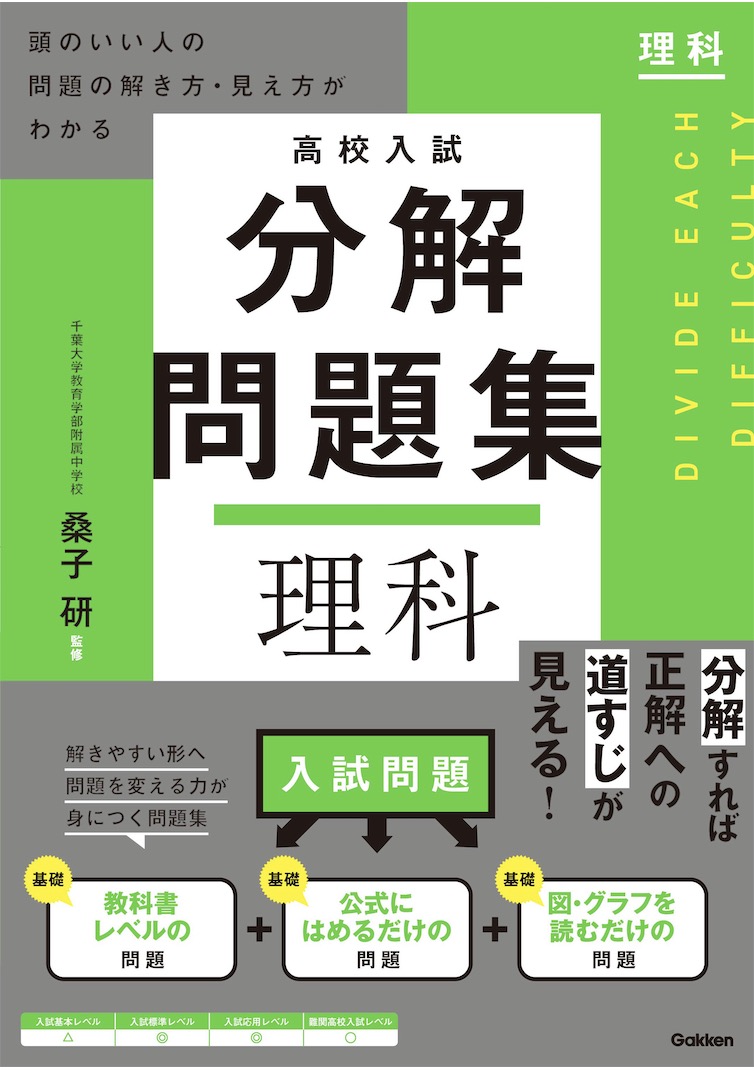
- 『高校入試 分解問題集 理科』(学研)…難しい問題も小さな問題に分解することで、問題を解くことができます。そんな分解の技術が身につくように深く関わりを持って作りました。
 『大人のための高校物理復習帳』(講談社)…一般向けに日常の物理について公式を元に紐解きました。特設サイトでは実験を多数紹介しています。※増刷がかかり6刷となりました(2026/02/01)

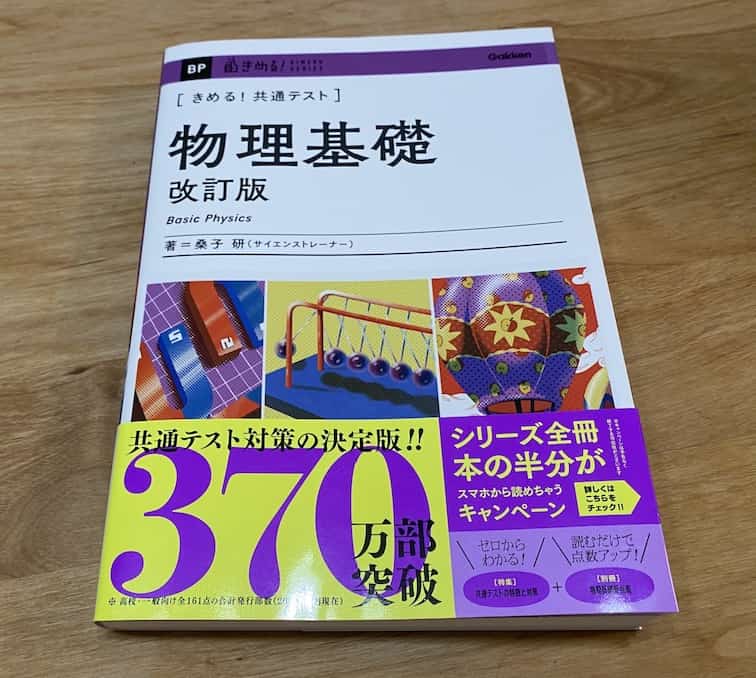
- 『きめる!共通テスト 物理基礎 改訂版』(学研)… 高校物理の参考書です。イラストを多くしてイメージが持てるように描きました。授業についていけない、物理が苦手、そんな生徒におすすめです。特設サイトはこちら。
各種SNS(更新情報をお届け!)
【日本語】X(Twitter)/instagram/Facebook 【英語】BlueSky/Threads
Explore
- 楽しい実験…お子さんと一緒に夢中になれるイチオシの科学実験を多数紹介しています。また、高校物理の理解を深めるための動画教材も用意しました。
- 理科の教材… 理科教師をバックアップ!授業の質を高め、準備を効率化するための選りすぐりの教材を紹介しています。
- Youtube…科学実験等の動画を配信しています。
- 科学ラジオ …科学トピックをほぼ毎日配信中!AI技術を駆使して作成した「耳で楽しむ科学」をお届けします。
- 講演 …全国各地で実験講習会・サイエンスショー等を行っています。
- About …「科学のネタ帳」のコンセプトや、運営者である桑子研のプロフィール・想いをまとめています。
- お問い合わせ …実験教室のご依頼、執筆・講演の相談、科学監修等はこちらのフォームからお寄せください。