Was Clover the Bubble Wrap of Edo Japan? The Surprising History Hidden in the Name “Shirotsumekusa”
I am Ken Kuwako, your Science Trainer. Remember: every day is an experiment.
When the soft sunlight of spring arrives, white clover begins to paint our parks and riverbanks in shades of white. Many of you probably have fond memories of hunting for that elusive four-leaf clover or weaving delicate flower crowns as a child. Yet, this humble plant beneath our feet holds stories far richer than you might imagine—stretching from the legends of the hero Hercules to the clever trade secrets of the Edo period.
Today, let’s peel back the layers of the “common” white clover and discover its hidden wonders through the lens of science.
Floral Unity: The Secret Strength of Tiny Flowers
Here is a photo of some white clover I captured this spring. While it looks like a single round flower at first glance, a closer look reveals it is actually a cluster of many tiny flowers. This structure is known as a “capitulum” (or flower head), and it shares this clever design with plants like dandelions.
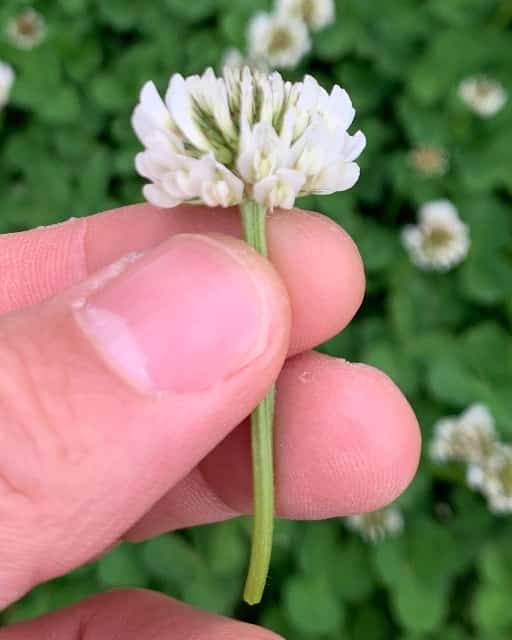
White clover (scientific name: Trifolium repens) belongs to the legume family. While we commonly call it “clover,” there is a fascinating theory regarding its English name. It is said to be derived from the three-knobbed club carried by the Greek hero Hercules. The Latin word for club, “clava,” eventually transformed into the word “clover.” It’s quite a surprise to learn that this dainty flower is linked to the weapon of a legendary powerhouse! Reference: Wikipedia
Why “Packing Grass”? A Clever Hack from the Edo Period
The Japanese name for this plant, “Shirotsumekusa” (White Packing Grass), hides a brilliant piece of history. During the Edo period, glassware was imported from the Netherlands to Nagasaki. Since these items traveled by ship, they needed protection from the rough seas. To prevent breakage, dried clover was packed into the crates as a cushion.
In essence, it served the same purpose as modern-day bubble wrap! Because it was the “grass used for packing (tsumeru),” it became known as “Tsumekusa.” It is a rare example of a plant named after its industrial function rather than its botanical traits.
The Ultimate Ground Cover: Rising Above the Rest
The leaves are the familiar three-leaf clovers we all know. Of course, four-leaf clovers appear on rare occasions, and I’m sure many of you have spent time searching for one.

While clover leaves look soft, they are incredibly resilient to being stepped on or mowed. Because they regenerate so quickly, they are highly valued as a “green mulch” or ground cover to prevent weeds and soil erosion.
Furthermore, as a member of the legume family, clover has a special superpower. It hosts bacteria called rhizobia in its roots, which take nitrogen from the air and convert it into a form that enriches the soil. It is essentially a savior of the earth, producing its own “natural fertilizer.”
A “Job Well Done” Signal for Bees?
If you observe the flowers closely, you will notice bees and other insects visiting them one after another. White clover is an “entomophilous” (insect-pollinated) flower. What is truly fascinating is that once a tiny flower has been pollinated, it begins to point downward and turn brown. This is believed to be a strategy to make it easier for insects to find the flowers that still need pollinating. It is as if the plant is signaling, “This one is finished; move on to the next!”
A Surprising Culinary Side!
It might surprise you, but white clover is actually known as an edible wild plant. The young leaves and flowers from spring to autumn can be lightly boiled for salads or even fried as tempura.
A plant we often dismiss as “just a weed” suddenly feels magical when viewed through the eyes of history and science. The next time you go searching for a four-leaf clover, I hope you remember the incredible strength and history living right beneath your shoes.
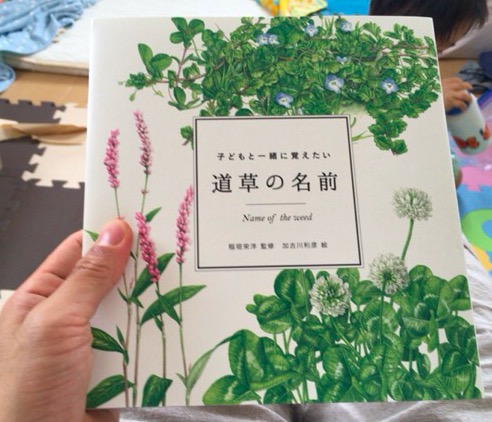
My wife mentioned she wanted a book titled “Names of Roadside Weeds to Learn with Your Children,” so I picked it up on Amazon. It is a wonderful read that completely changes how you look at the common greenery around you. Names of Roadside Weeds to Learn with Your Children (Amazon)
Inquiries and Requests
Bringing the wonders and fun of science closer to you! I have compiled many fun science experiments you can try at home, along with easy-to-understand tips. Feel free to explore!
・The “Science Notes” series is now available as a book. Find more details here.
・Learn more about the creator, Ken Kuwako, here.
・For requests regarding writing, lectures, science workshops, TV supervision, or appearances, please click here.
・Get the latest updates on X (formerly Twitter)!
 Check out my experiment videos on the Science Material Channel!
9月のイチオシ実験!
お弁当箱をプラバンがわりにしてキーホルダーを作ろう!
テレビ番組監修・イベント等のお知らせ
- 8月27日(木)科学監修番組放送予定
- 9月20日(日)ダビンチマスターズ出演予定
- 10月10日(土)11:15~12:00 千葉市科学フェスタ2026「桑子先生の回転科学ショー」にてサイエンスショーを行います。
- 12月26日(土) ナリカサイエンスアカデミー(教員向け実験講習会)開催
書籍のお知らせ
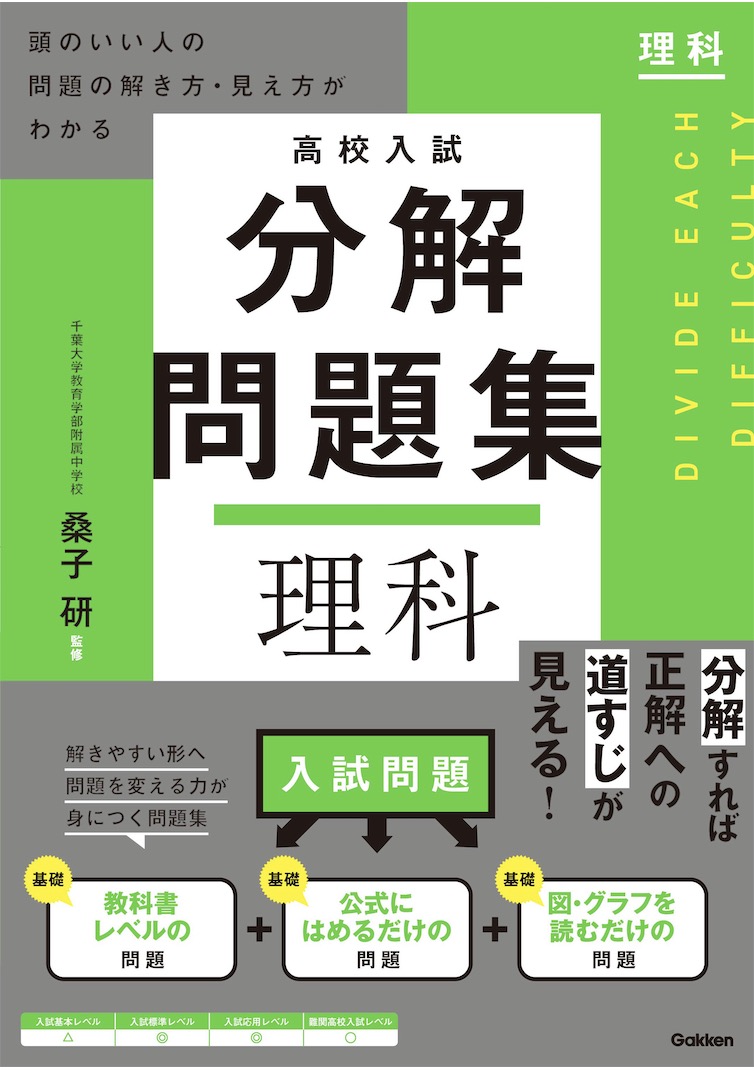
- 『高校入試 分解問題集 理科』(学研)…難しい問題も小さな問題に分解することで、問題を解くことができます。そんな分解の技術が身につくように深く関わりを持って作りました。
 『大人のための高校物理復習帳』(講談社)…一般向けに日常の物理について公式を元に紐解きました。特設サイトでは実験を多数紹介しています。※増刷がかかり6刷となりました(2026/02/01)

- 『きめる!共通テスト 物理基礎 改訂版』(学研)… 高校物理の参考書です。イラストを多くしてイメージが持てるように描きました。授業についていけない、物理が苦手、そんな生徒におすすめです。特設サイトはこちら。

各種SNS(更新情報をお届け!)
【日本語】X(Twitter)/instagram/Facebook 【英語】BlueSky/Threads
Explore
- 楽しい実験…お子さんと一緒に夢中になれるイチオシの科学実験を多数紹介しています。また、高校物理の理解を深めるための動画教材も用意しました。
- 理科の教材… 理科教師をバックアップ!授業の質を高め、準備を効率化するための選りすぐりの教材を紹介しています。
- Youtube…科学実験等の動画を配信しています。
- 科学ラジオ …科学トピックをほぼ毎日配信中!AI技術を駆使して作成した「耳で楽しむ科学」をお届けします。
- 講演 …全国各地で実験講習会・サイエンスショー等を行っています。
- About …「科学のネタ帳」のコンセプトや、運営者である桑子研のプロフィール・想いをまとめています。
- お問い合わせ …実験教室のご依頼、執筆・講演の相談、科学監修等はこちらのフォームからお寄せください。