The Classroom Becomes the Cosmos! A DIY Cardboard Planetarium Dome (The Day the Room Filled with Stars)
I’m Ken Kuwako, the Science Trainer. Every day is an experiment.
How a Cardboard Box Turned an Entire Classroom into a Planetarium
Have you ever imagined switching off the classroom lights and suddenly finding yourself beneath a sky filled with thousands of stars? It sounds like magic—but with a few sheets of cardboard and a little creativity, it’s surprisingly achievable. In this article, I’ll share the story of a cardboard planetarium dome that our school’s science club built from scratch.
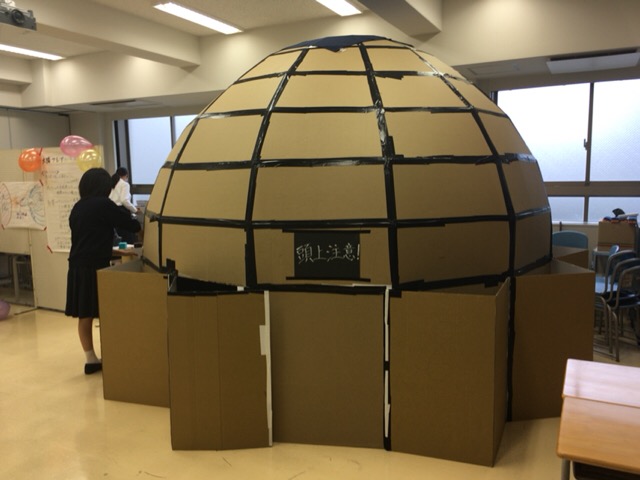
The previous year, our school festival featured an interactive earthquake exhibit. When it came time to brainstorm the next project, someone excitedly shouted, “Let’s build a planetarium!” Everyone immediately loved the idea. It reminded me that, no matter the generation, there’s something timeless about looking up at the stars.
Learning from the Real Thing
Our first step was to visit a real planetarium in Shibuya, where we studied not only the projection system but also the atmosphere that made the experience so immersive.
Back at school, the students began researching how to build one themselves—and made an exciting discovery. JAXA, Japan’s space agency, actually provides official plans for building a cardboard planetarium dome.
The fact that an organization leading space exploration openly shares templates for homemade educational projects says a lot about the spirit of science. We immediately downloaded the templates and adjusted the scale to fit our classroom’s ceiling height.
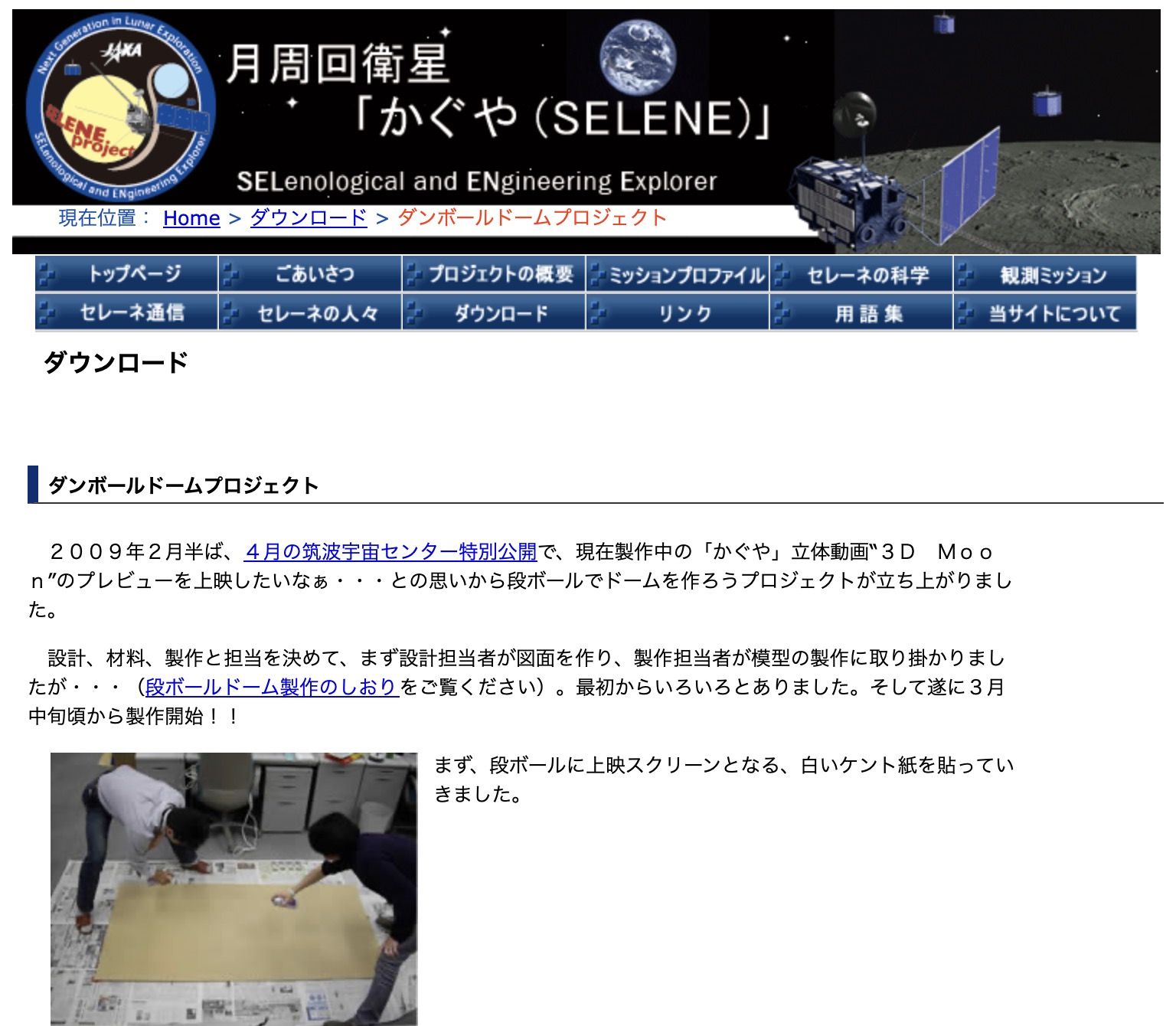
https://www.kaguya.jaxa.jp/ja/document/DomeProject.htm
The website even includes miniature models and printable templates.
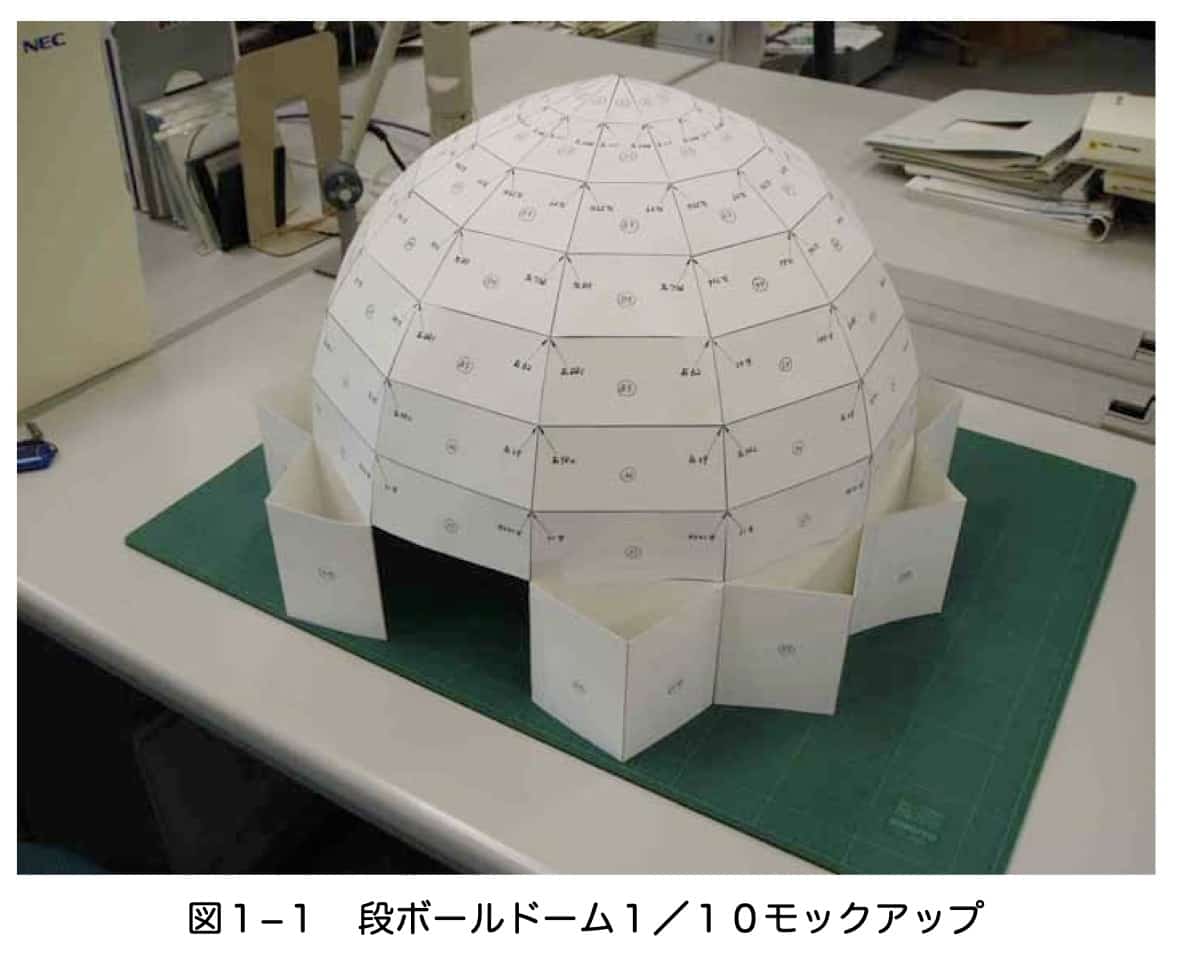
How generous is that?
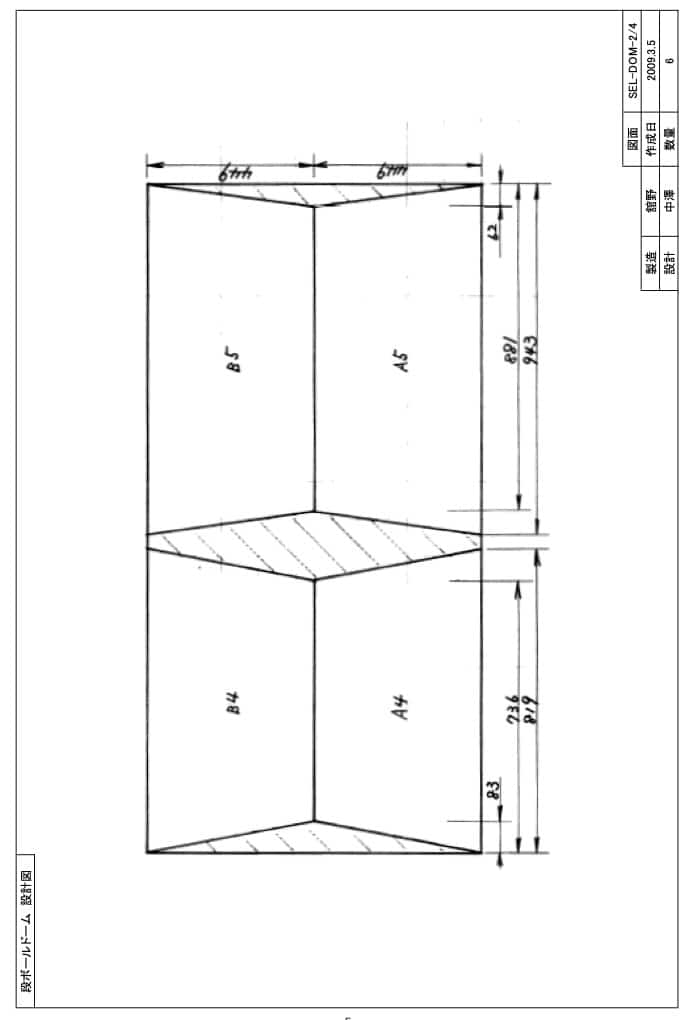
Designed and Built by the Students
This is where the students really took the lead.
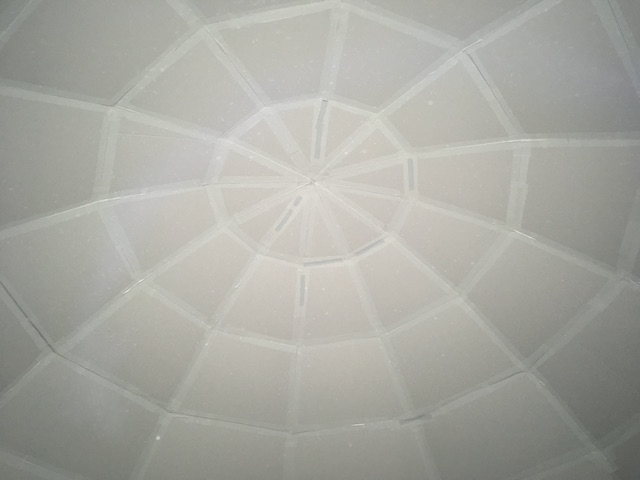
Using calculators, they worked out the correct scaling, then ordered custom-cut cardboard with white interiors. The white surface reflects light much better, allowing projected stars to appear brighter and sharper inside the dark dome.
It’s a perfect example of how even something as simple as choosing cardboard involves understanding the science of light.
The cardboard cost roughly ¥15,000, but having every piece pre-cut dramatically reduced assembly time.
From planning and purchasing materials to construction, the students handled almost everything themselves. My role was simply to offer occasional advice. Before long, we had completed a full-sized planetarium dome large enough to cover nearly half of the classroom.
Materials and Equipment
- Custom-cut cardboard (white interior)
- Utility knife, tape, and adhesive
- Planetarium projector (such as HOMESTAR)
- Laser pointer
- Calculator or computer for scaling calculations
- Constellation guide (winter constellations work especially well)
- Estimated Preparation Time
Preparation schedule
Design and ordering: About 2 days
Assembly: Around 1 week (after-school sessions)
Presentation preparation: About 1 week or more (script writing and practice)
Finished!
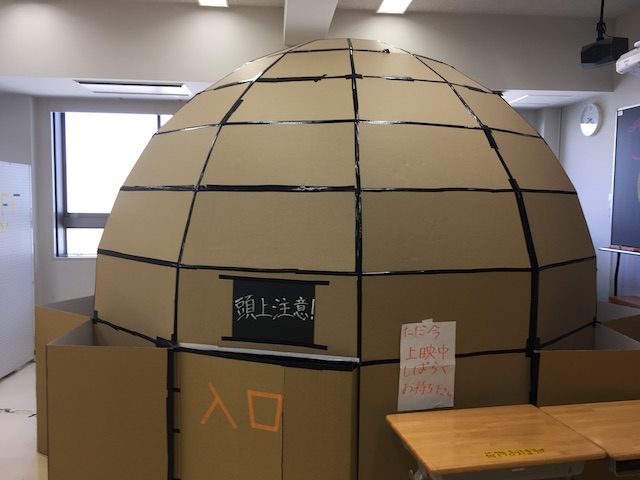
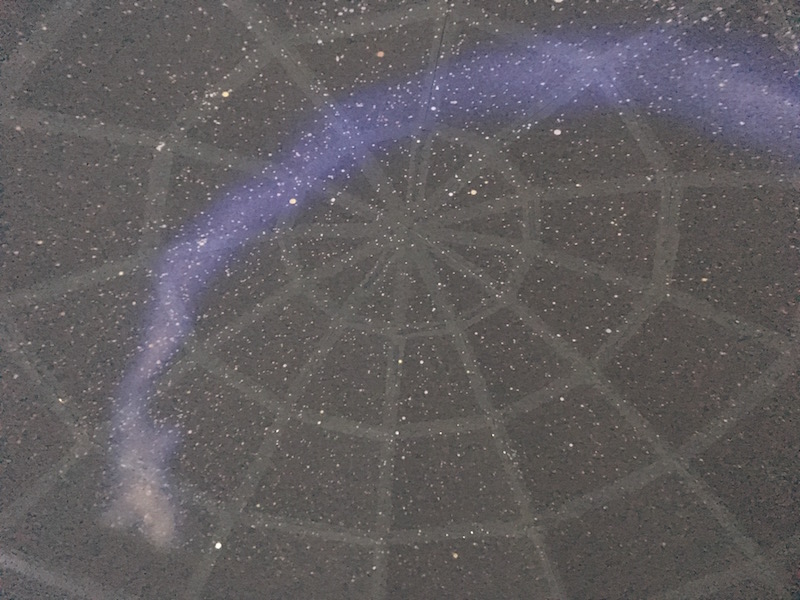
Here’s what it looks like inside.
From DIY Projector to a Commercial One
Originally, we planned to build a pinhole projector ourselves. The principle is beautifully simple: tiny holes allow light to pass through and create individual stars.
However, as the school festival approached, time became our biggest challenge. We decided to use a commercially available home planetarium projector instead—the HOMESTAR series.
With a single press of a button, the classroom transformed into a breathtaking night sky. The projector is available on Amazon and other online stores for around ¥15,000.
Watching thousands of stars appear overhead left both children and adults speechless.
Sometimes the smartest approach to making something is combining handmade creativity with high-quality commercial tools.
If you’re interested, the projector is available on Amazon here.
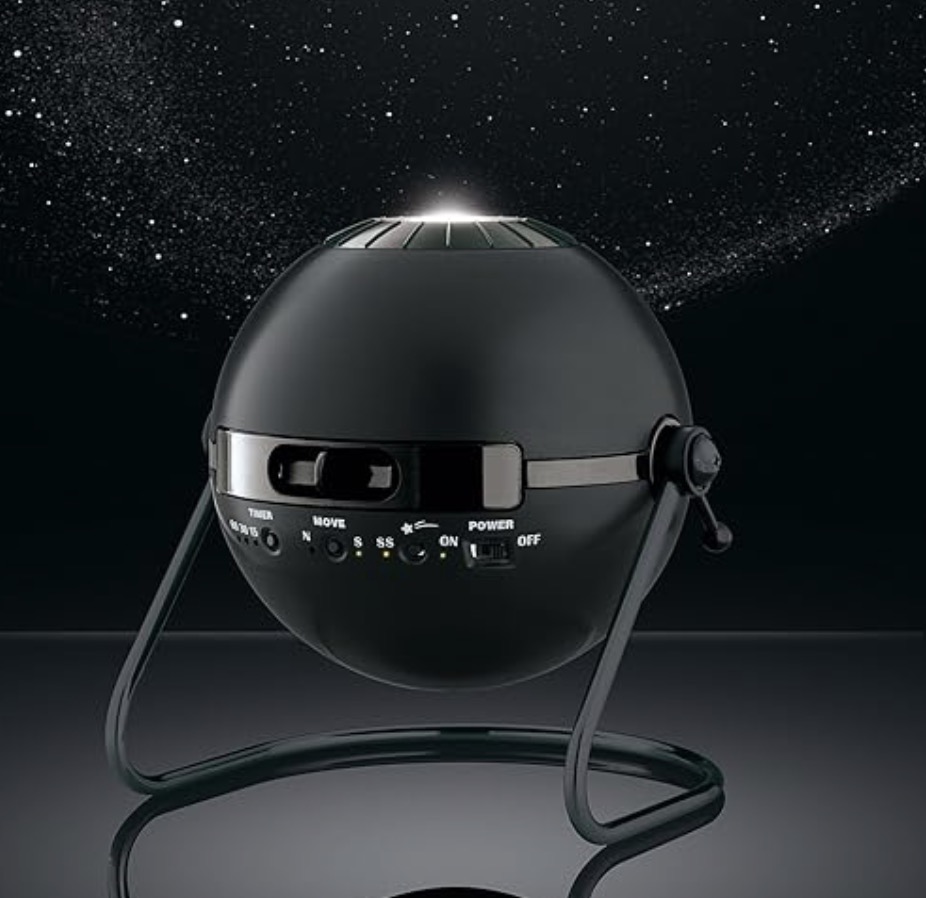
Once everything was assembled and the projector switched on, the classroom disappeared into darkness—and an incredibly realistic star-filled sky appeared overhead.
Students Became the Planetarium Guides
The students also hosted five-minute presentations introducing the winter constellations.
Each student prepared their own script and used a laser pointer to trace the constellations across the dome. The presentation style was inspired by a stargazing tour I once attended in Okinawa.
The same techniques used under the real night sky worked perfectly inside our handmade dome.
Even though the dome was built from cardboard, the excitement of exploring the stars felt completely authentic.
Why It Was Such a Memorable Exhibit
Parents and elementary school visitors absolutely loved the experience.
Many commented, “I never imagined you could see a sky like this inside a classroom!”
Another advantage is that once the dome is built, it can be reused year after year. With a little practice, assembly and storage become quick and easy.
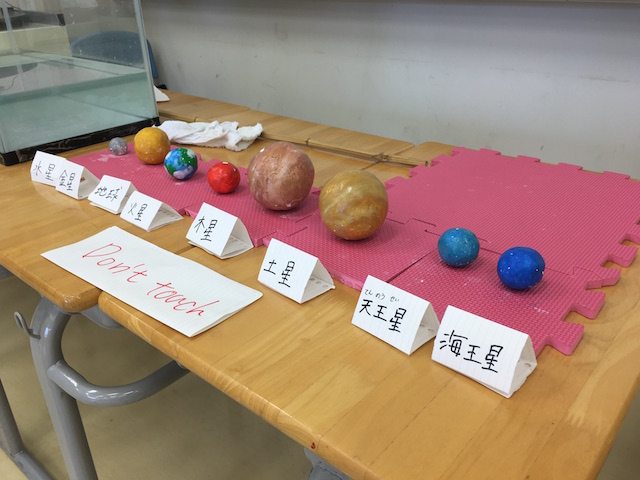
We also included an interactive science activity called “Which Planet Floats on Water?”
Visitors tested model planets by placing them into water. Since Jupiter and Saturn consist mostly of hydrogen and helium, their average densities are actually lower than water’s. In theory, if you had an impossibly large ocean, they would float.
It’s a fun way to introduce the relationship between a planet’s size, mass, and density through hands-on exploration.
With nothing more than cardboard and a projector, an ordinary classroom became a gateway to the universe.
Humans have gazed at the stars for thousands of years. Being able to recreate that sense of wonder with your own hands is an unforgettable experience every single time.
Why not take the next step and try building your own planetarium projector?
Contact & Collaboration
Science is full of surprises, and discovering them doesn’t require a laboratory. This website is packed with fun science experiments you can try at home, along with clear explanations of the science behind them. Feel free to explore!
• Learn more about Ken Kuwako here.
• For writing projects, lectures, science workshops, TV supervision, or media appearances, click here.
• Follow the latest articles on X.
 Science Idea Channel features videos of fun science experiments!
9月のイチオシ実験!
お弁当箱をプラバンがわりにしてキーホルダーを作ろう!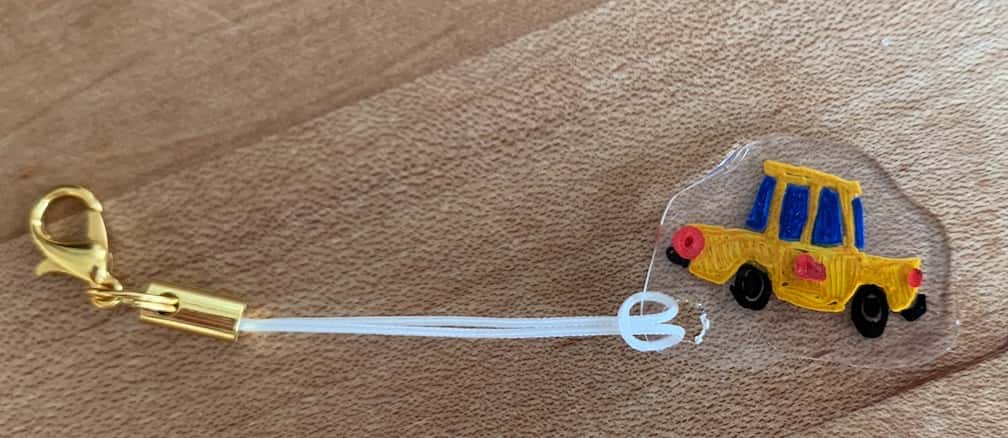
テレビ番組監修・イベント等のお知らせ
- 8月27日(木)科学監修番組放送予定
- 9月20日(日)ダビンチマスターズ出演予定
- 10月10日(土)11:15~12:00 千葉市科学フェスタ2026「桑子先生の回転科学ショー」にてサイエンスショーを行います。
- 12月26日(土) ナリカサイエンスアカデミー(教員向け実験講習会)開催
書籍のお知らせ
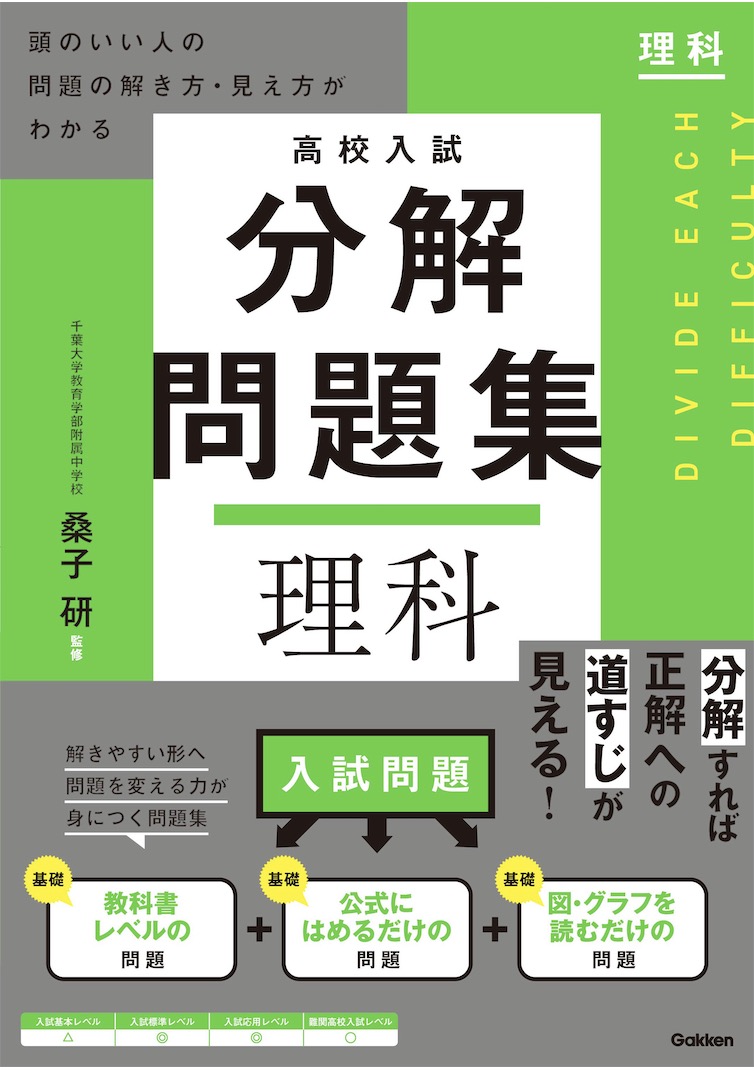
- 『高校入試 分解問題集 理科』(学研)…難しい問題も小さな問題に分解することで、問題を解くことができます。そんな分解の技術が身につくように深く関わりを持って作りました。
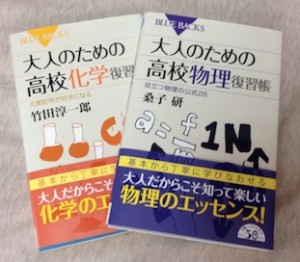
 『大人のための高校物理復習帳』(講談社)…一般向けに日常の物理について公式を元に紐解きました。特設サイトでは実験を多数紹介しています。※増刷がかかり6刷となりました(2026/02/01)
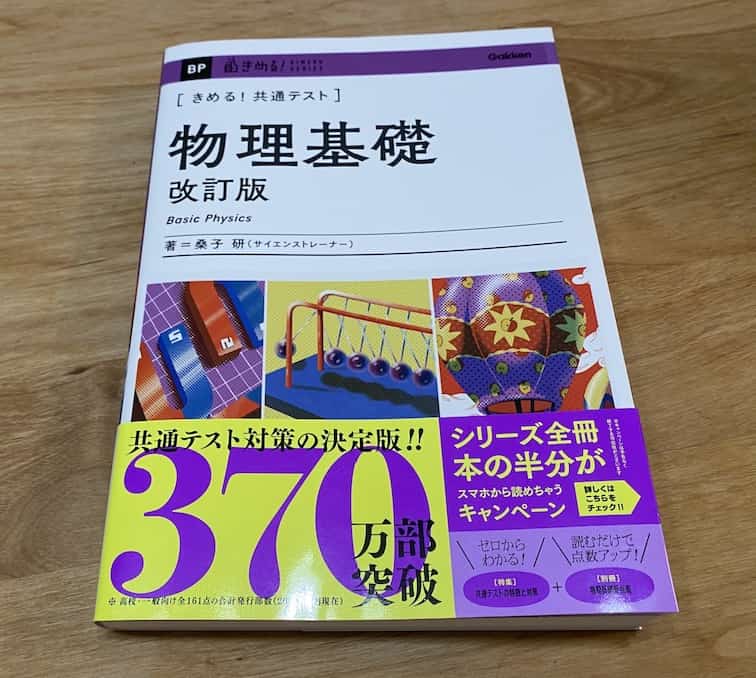
- 『きめる!共通テスト 物理基礎 改訂版』(学研)… 高校物理の参考書です。イラストを多くしてイメージが持てるように描きました。授業についていけない、物理が苦手、そんな生徒におすすめです。特設サイトはこちら。
各種SNS(更新情報をお届け!)
【日本語】X(Twitter)/instagram/Facebook 【英語】BlueSky/Threads
Explore
- 楽しい実験…お子さんと一緒に夢中になれるイチオシの科学実験を多数紹介しています。また、高校物理の理解を深めるための動画教材も用意しました。
- 理科の教材… 理科教師をバックアップ!授業の質を高め、準備を効率化するための選りすぐりの教材を紹介しています。
- Youtube…科学実験等の動画を配信しています。
- 科学ラジオ …科学トピックをほぼ毎日配信中!AI技術を駆使して作成した「耳で楽しむ科学」をお届けします。
- 講演 …全国各地で実験講習会・サイエンスショー等を行っています。
- About …「科学のネタ帳」のコンセプトや、運営者である桑子研のプロフィール・想いをまとめています。
- お問い合わせ …実験教室のご依頼、執筆・講演の相談、科学監修等はこちらのフォームからお寄せください。