How Tall Can 20 Strands of Pasta Go? The 18-Minute Challenge and the 99 cm Record
I’m Ken Kuwako, the Science Trainer. For me, every day is an experiment.
Put a single marshmallow on top of a free-standing tower. Sounds simple, right? And yet even grown-ups who give it everything they’ve got somehow end up watching their towers wobble and collapse. This is the “Marshmallow Challenge.”
I spotted the Marshmallow Challenge at a school
A school was running the Marshmallow Challenge, and it looked like so much fun that I asked if I could take a photo.
http://www.marshmallow-challenge-japan.org/

What You’ll Need and the Rules
Here’s what you need, as listed on the website above:
Dry spaghetti: 20 sticks (1.7 mm thick recommended)
Masking tape: 90 cm
String: 90 cm
Marshmallow: 1
Scissors: 1
Tape measure: 1 (for measuring your tower)
And here are the rules:
Teams of four have 18 minutes total, including planning time.
Build the tallest free-standing tower you can, with the marshmallow on top. (You’re allowed to stick the marshmallow onto a piece of spaghetti.)
You can’t tape the tower down to the table to hold it in place.
You can cut the spaghetti, tape and string, and stick the tape wherever you like. But you can’t cut the marshmallow. Your tower also has to still be standing while it’s being measured, or the attempt doesn’t count.
Why Do the Towers Keep Collapsing? The Science Inside
The materials are just spaghetti, tape and string, but there’s a surprising amount of science packed in there.
First, let’s talk about triangles. Push on a four-sided shape and it squishes into a slanted parallelogram, but a triangle holds its shape. That’s exactly why you see so many triangles in steel bridges and pylons. Join spaghetti sticks into triangles, and even a flimsy material becomes a surprisingly sturdy tower.
Next up is the center of gravity. A marshmallow might seem light, but once it’s perched at the very top, it raises the center of gravity of the whole tower and makes it much easier to tip over. The wider the base and the lower the center of gravity, the more stable the tower. This challenge puts that idea to the test.
And here’s one more thing: dry spaghetti can take a surprising amount of straight-on pushing, but it snaps the moment you bend it. If you think about where the forces are acting as you build, you can make your tower a lot stronger.
Can Kids Actually Beat Adults?
This challenge was popularized by Tom Wujec, an American designer. The most famous story is about how different groups performed very differently. Business school students, who start by planning carefully before they build, were reportedly beaten by kids who just kept building, knocking things down and trying again, and often ended up with taller towers.
A classic way to fail is to place the marshmallow on at the very end, only to watch the whole tower crumple under its weight. The smarter move is to put the marshmallow on early, test it, and rebuild if it doesn’t work. That habit of trial and error might just be the secret to success.
Let’s Beat the Record!
The record is said to be 99 cm, and the goal is to work together as a team and top it. It feels a bit like a Project Adventure activity, doesn’t it? It’s also similar to the egg drop contest, but it needs fewer supplies, so I thought it was much easier to set up.
In a short 18 minutes, including planning, you’ll toss around ideas, split up roles and learn from your failures. It’s a science experiment and a team-building activity rolled into one, and that’s what makes this challenge so great. Give it a try with your family or friends!
Contact and Requests
Making the wonder and fun of science more familiar! This site collects fun science experiments you can do at home, along with tips to help you succeed. Try searching around!
・The content of “Kagaku no Netacho” (Science Idea Notebook) has been turned into a book. Details here
・Learn more about the site’s author, Ken Kuwako, here
・For all kinds of requests (writing, lectures, science workshops, TV supervision and appearances, and more), click here
・Article updates are posted on X!
 Kagaku no Neta Channel (Science Ideas Channel) has experiment videos!
テレビ番組監修・イベント等のお知らせ
- 11/4(水)ZIP(日本テレビ)のコーナー(7:20分ころ放送予定)にて科学監修を担当しました。ゴンチャのストローの差し方に関するウラザワと科学解説についてです。
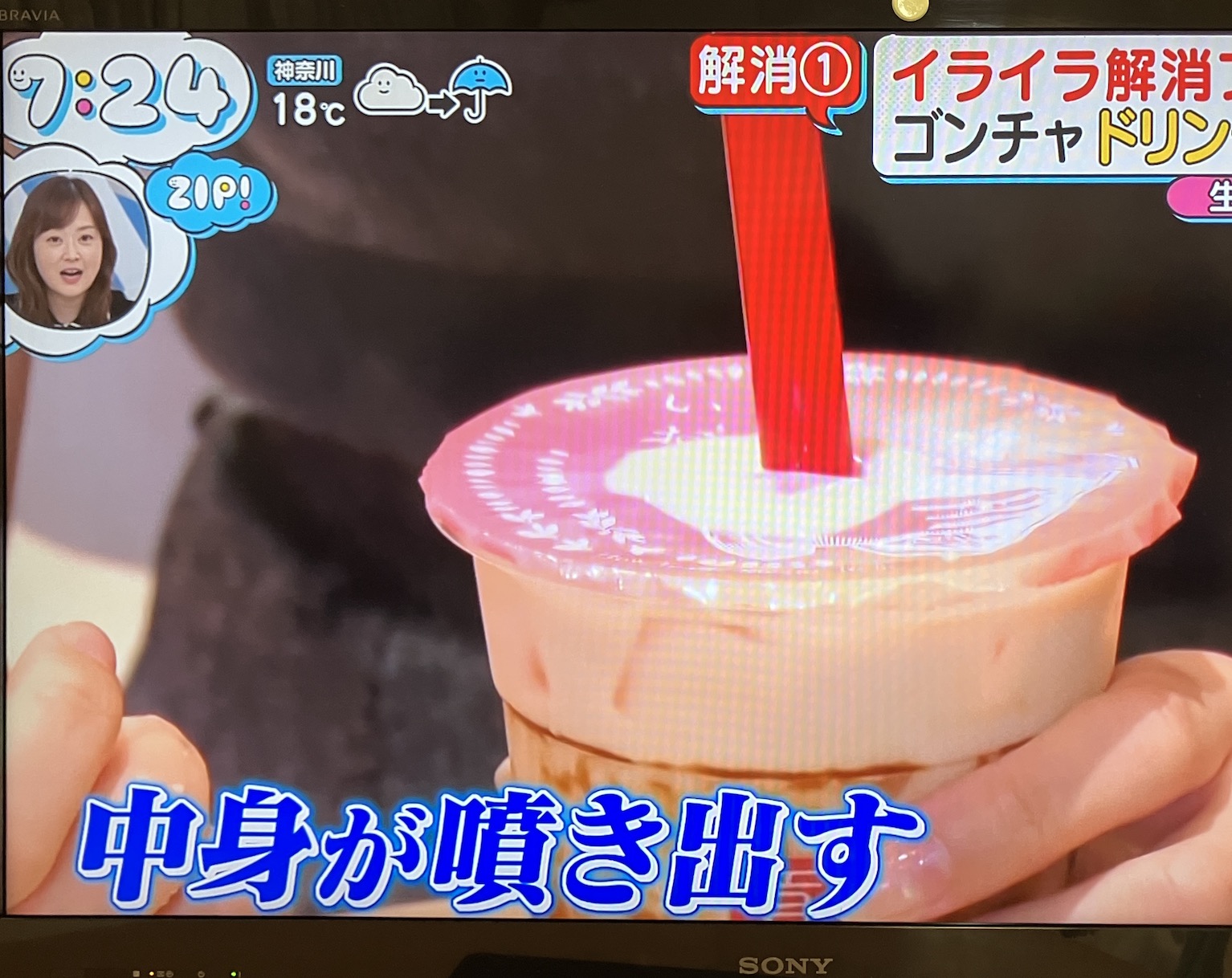
- 11月27日(金) テレビ監修番組放送予定
- 12月26日(土) ナリカサイエンスアカデミー(教員向け実験講習会)開催
11月のイチオシ実験!
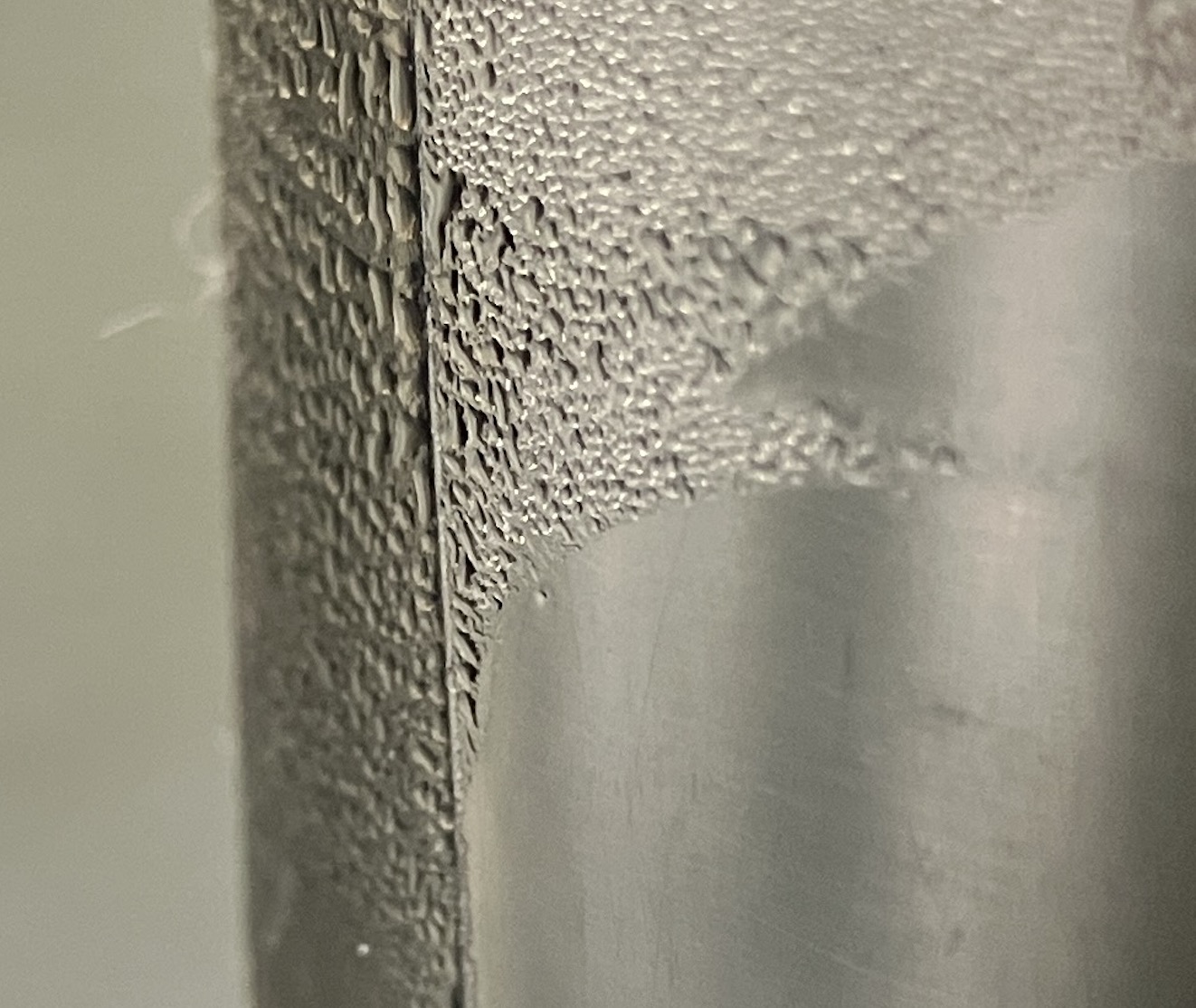
どうして結露は起こるのか?結露を防ぐためには?実験で確かめよう!
書籍のお知らせ
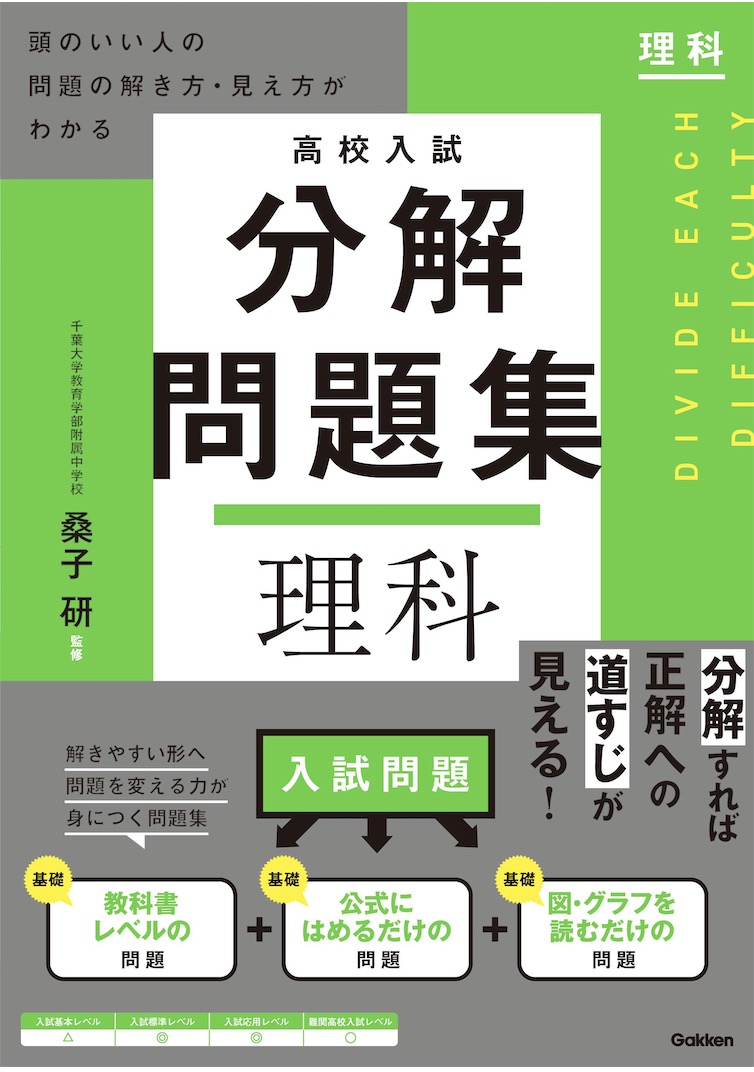
- 『高校入試 分解問題集 理科』(学研)…難しい問題も小さな問題に分解することで、問題を解くことができます。そんな分解の技術が身につくように深く関わりを持って作りました。
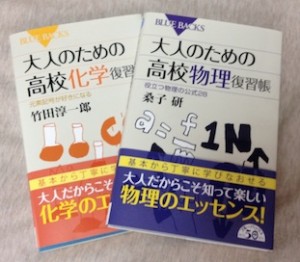
 『大人のための高校物理復習帳』(講談社)…一般向けに日常の物理について公式を元に紐解きました。特設サイトでは実験を多数紹介しています。※増刷がかかり6刷となりました(2026/02/01)
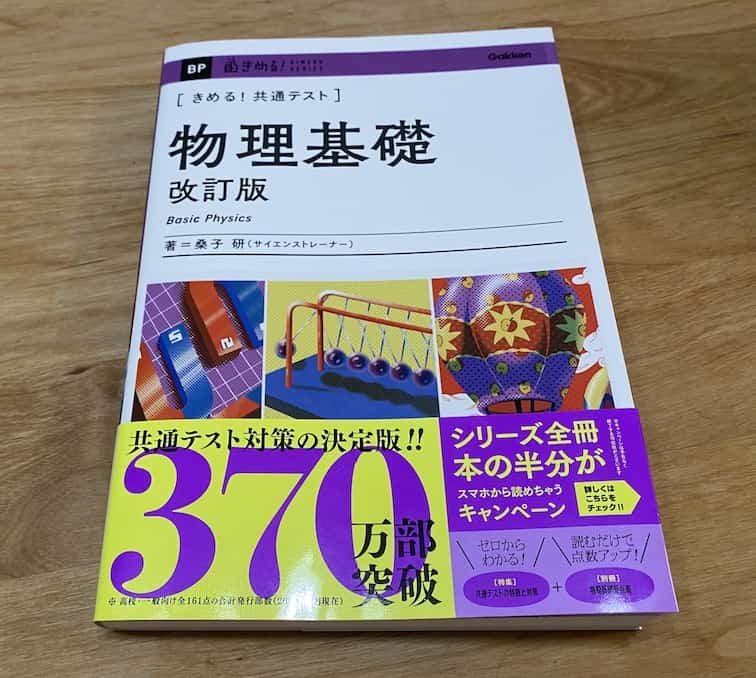
- 『きめる!共通テスト 物理基礎 改訂版』(学研)… 高校物理の参考書です。イラストを多くしてイメージが持てるように描きました。授業についていけない、物理が苦手、そんな生徒におすすめです。特設サイトはこちら。
各種SNS(更新情報をお届け!)
【日本語】X(Twitter)/instagram/Facebook 【英語】BlueSky/Threads
Explore
- 楽しい実験…お子さんと一緒に夢中になれるイチオシの科学実験を多数紹介しています。また、高校物理の理解を深めるための動画教材も用意しました。
- 理科の教材… 理科教師をバックアップ!授業の質を高め、準備を効率化するための選りすぐりの教材を紹介しています。
- Youtube…科学実験等の動画を配信しています。
- 科学ラジオ …科学トピックをほぼ毎日配信中!AI技術を駆使して作成した「耳で楽しむ科学」をお届けします。
- 講演 …全国各地で実験講習会・サイエンスショー等を行っています。
- About …「科学のネタ帳」のコンセプトや、運営者である桑子研のプロフィール・想いをまとめています。
- お問い合わせ …実験教室のご依頼、執筆・講演の相談、科学監修等はこちらのフォームからお寄せください。
 How Tall Can 20 Strands of Pasta Go? The 18-Minute Challenge and the 99 cm Record
 What Happens When You Put Vaseline on the Underside of a Leaf? A Hydrangea Transpiration Experiment
 Look Up from Beneath a Tree! The Secret of the “Hands” That Gather Light
 Human Relay Race Reveals Your Nerve Speed! The Hidden Drama Inside Your Body in Just 0.187 Seconds (Sense of Touch)
 One Point on Your Back, Two on Your Fingertip? The Mystery of Your Skin Sensors, Revealed with Toothpicks
 [Science Supervision] Why Does It Spray Everywhere? The Science Behind Spill-Free Gong Cha Drinks | ZIP (Nippon TV)
 The Flame Turned Green! Is It Really Copper? A Test After Electrolysis of Copper Chloride
 No Wires, Still Glowing! The Magic of Mutual Induction That Flashes an LED for a Split Second
 Just Wipe on Dish Soap and Window Condensation “Disappears”?! The Science of Spreading Water Droplets
