See the Invisible: Making Magnetic Fields Visible with Pascal Wire
I’m Ken Kuwako, a Science Trainer. Every day is an experiment!
How do you teach students about the relationship between electric current and magnetic fields? There are quite a few rules to remember, such as the “right-hand screw rule” and “Fleming’s left-hand rule,” but helping students actually experience the presence of an invisible magnetic field can be quite a challenge.
Today, I’d like to introduce an experiment for observing the magnetic field around a straight current-carrying wire using a Pascal wire. A Pascal wire is a special wire containing 10 wires connected in parallel. Although it appears that only 1 A of current is flowing, it behaves as if a current of 10 A were flowing. This makes it possible to produce a strong magnetic field with a relatively small current, allowing students to observe the magnetic field much more clearly.
Take a look at the video below. Because the wire produces a relatively strong magnetic field, you can easily observe the field by placing compasses around it.
With an ordinary wire, it is difficult to produce a magnetic field this strong, so the experiment does not work nearly as well.
What You’ll Need
- Pascal wire: For observing the magnetic field around a straight current, a 10 m length is ideal.
For more information about Pascal wire, see the link below. Wire suitable for making a Pascal wire is available on Amazon, such as Fuji Electric Wire & Cable VCTF 0.3 sq × 10-core.
- DC power supplies: 2 units
- Thick cardboard: Used to support the Pascal wire. It should be large and thick enough to be secured to the lab table.
- Compasses: Using several compasses at once makes it easier to observe the direction of the magnetic field.
- Iron filings (or Mag Chips): Needed to visualize the shape of the magnetic field.
- Connecting wires: Used to connect the power supply to the Pascal wire.
- Stand and clips: For securing the Pascal wire.
- (If needed) Banana plug cables and alligator clips: To make wiring easier.
Experimental Procedure
Now let’s take a look at how to set up the experiment.
Lay the Pascal wire around the classroom
First, connect the Pascal wire to a DC power supply and run it around the classroom. I have used stands to support it in the past, but they aren’t essential.
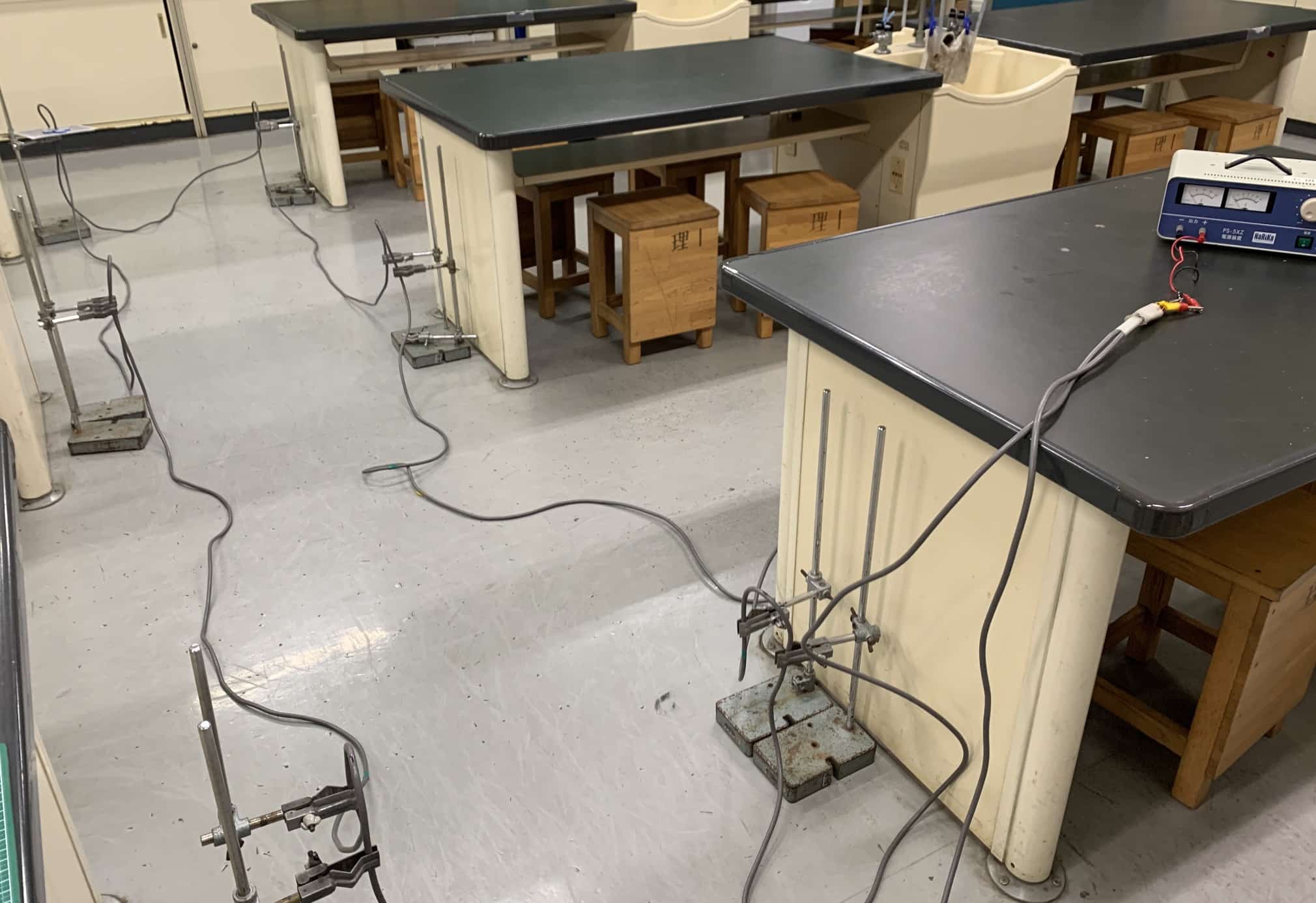
Connecting two power supplies in series allows a larger current to flow, but please do so entirely at your own risk.
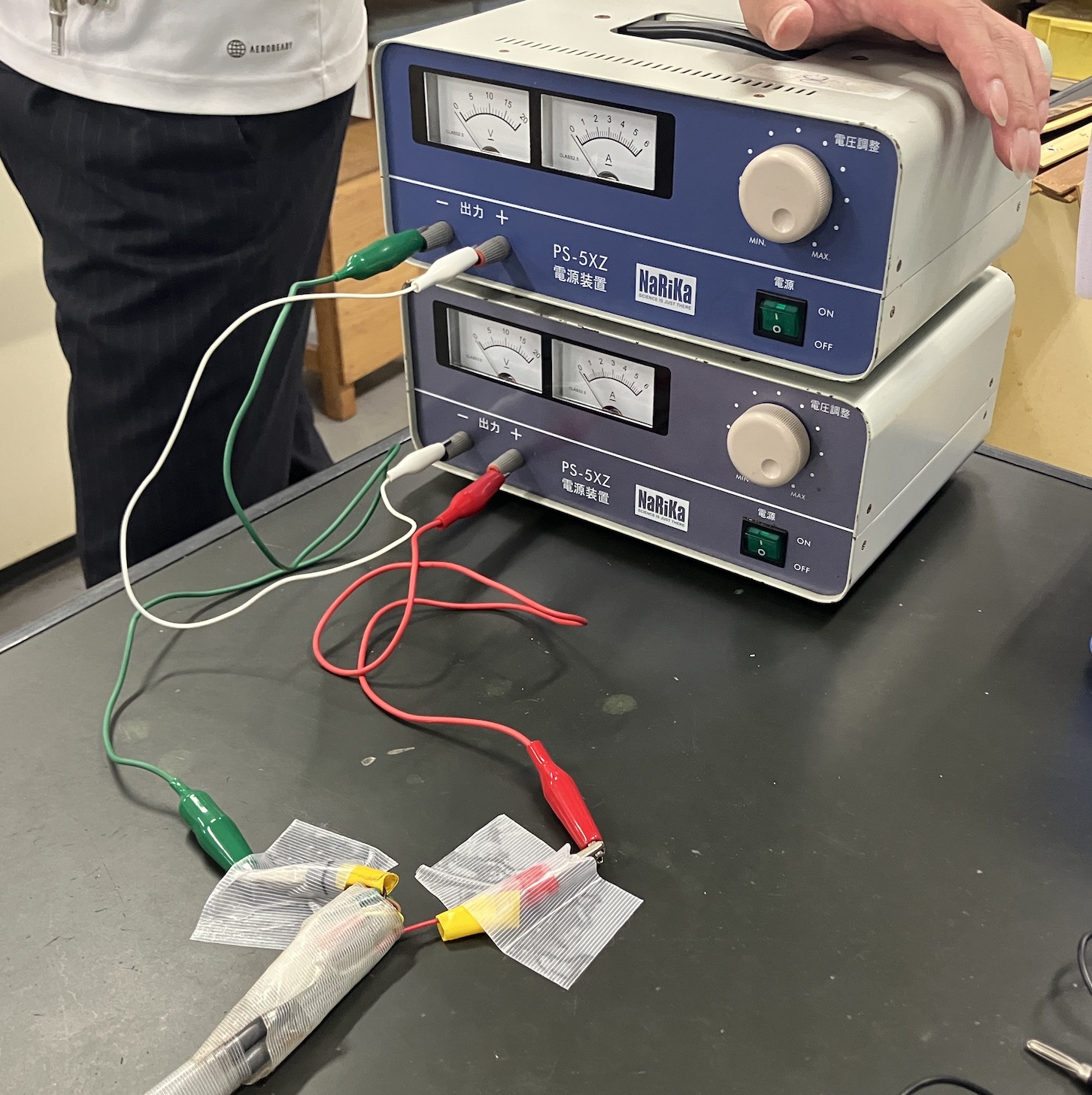
Here is what the actual experiment looks like.
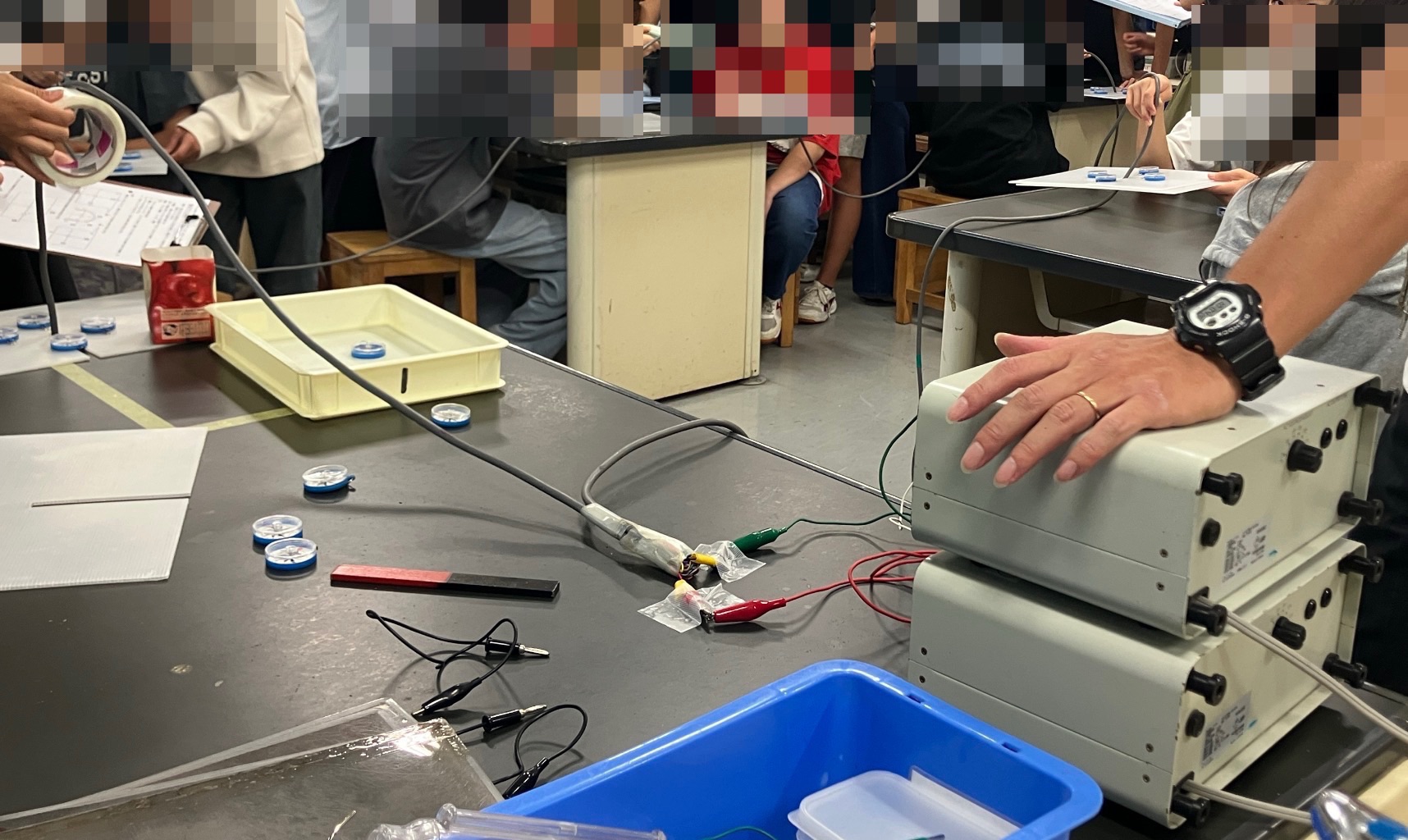
Observing the magnetic field with compasses:
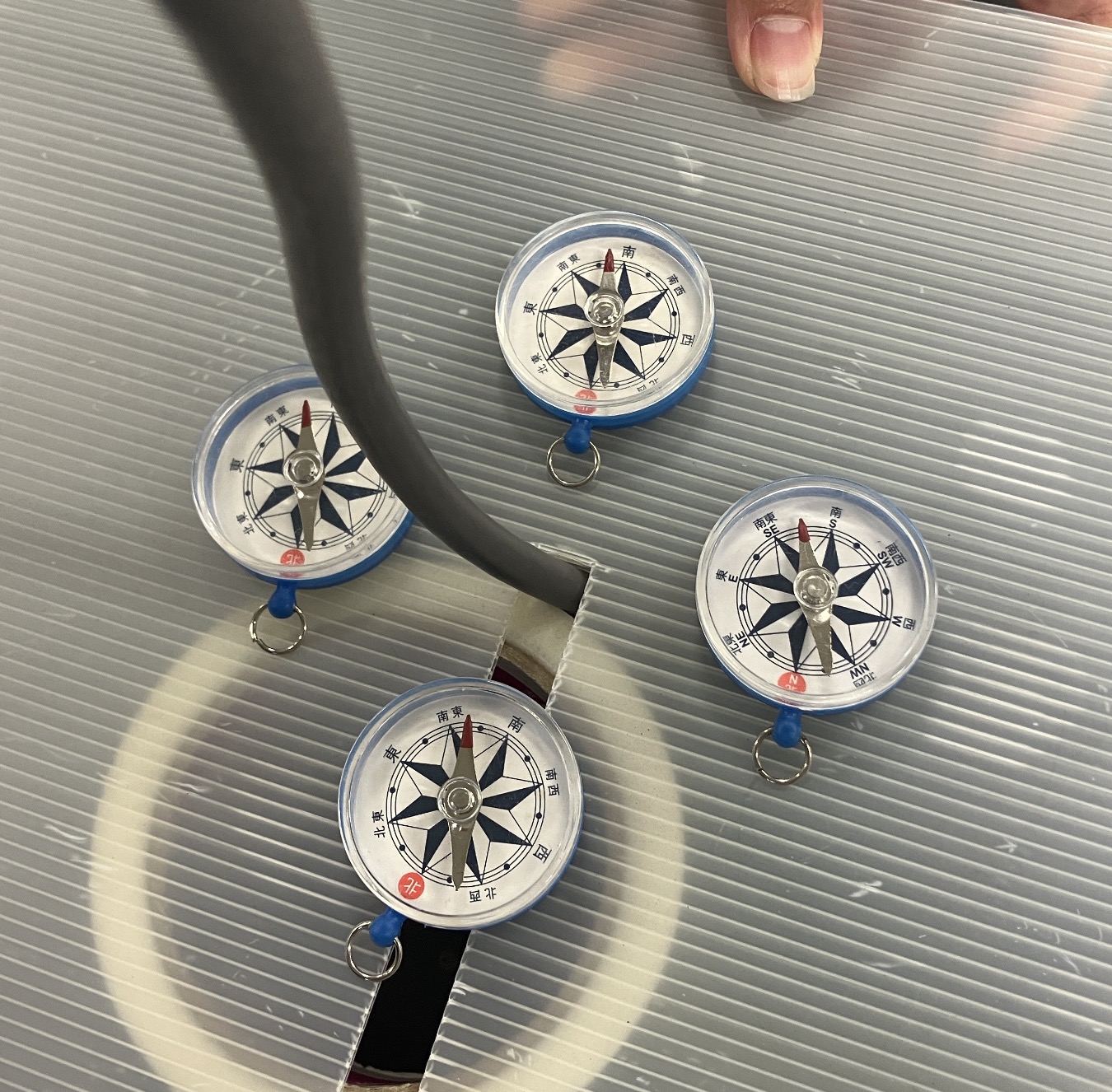
Place several compasses around the cardboard. If you arrange them in a circle centered on the Pascal wire, the direction of the magnetic field becomes much easier to see. Here is what it looks like before switching on the current.
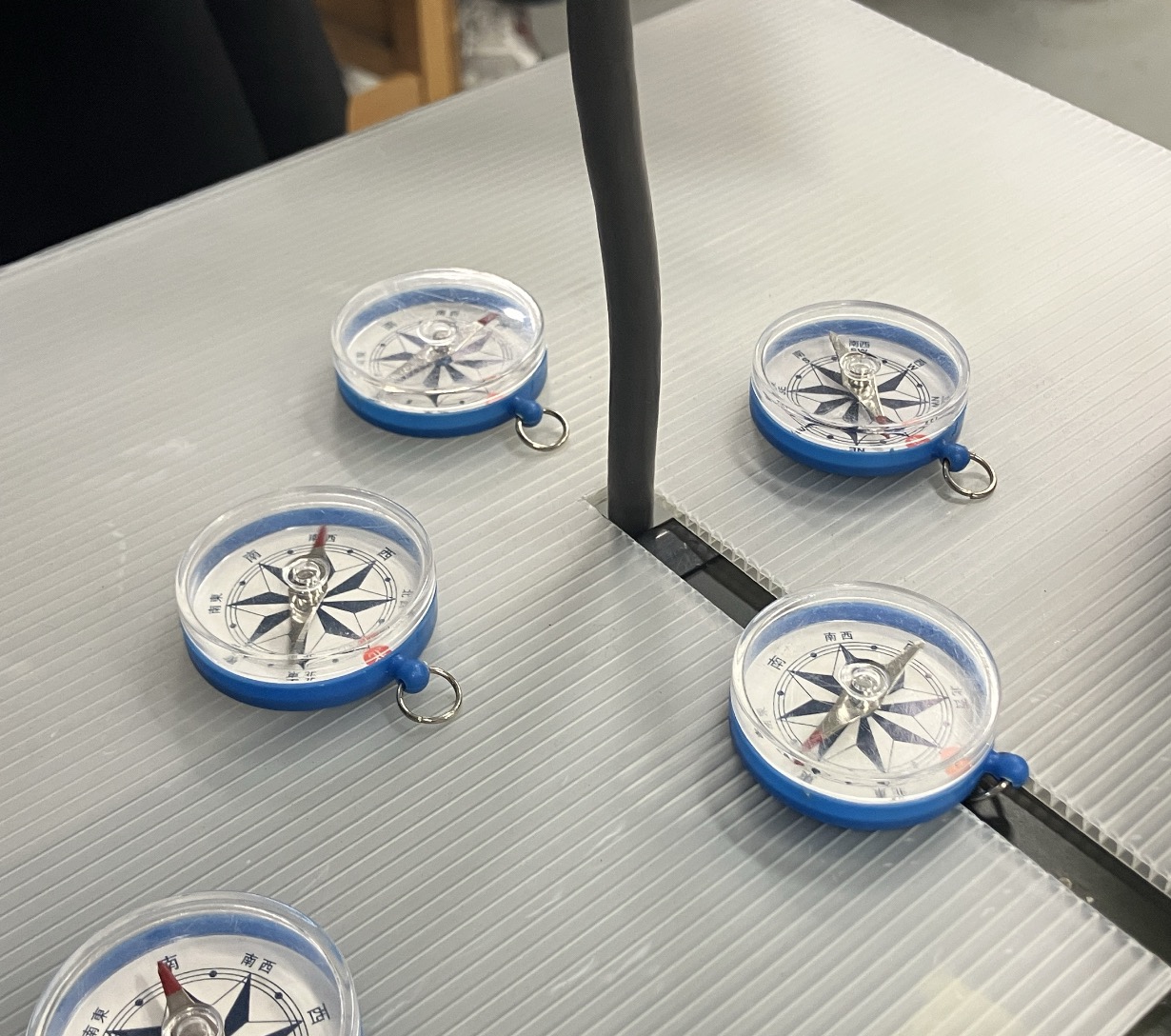
And this is what happens when the current is switched on.
I also arranged the wire in a circle and sprinkled iron filings over it.

After sprinkling the iron filings, gently tap the board.
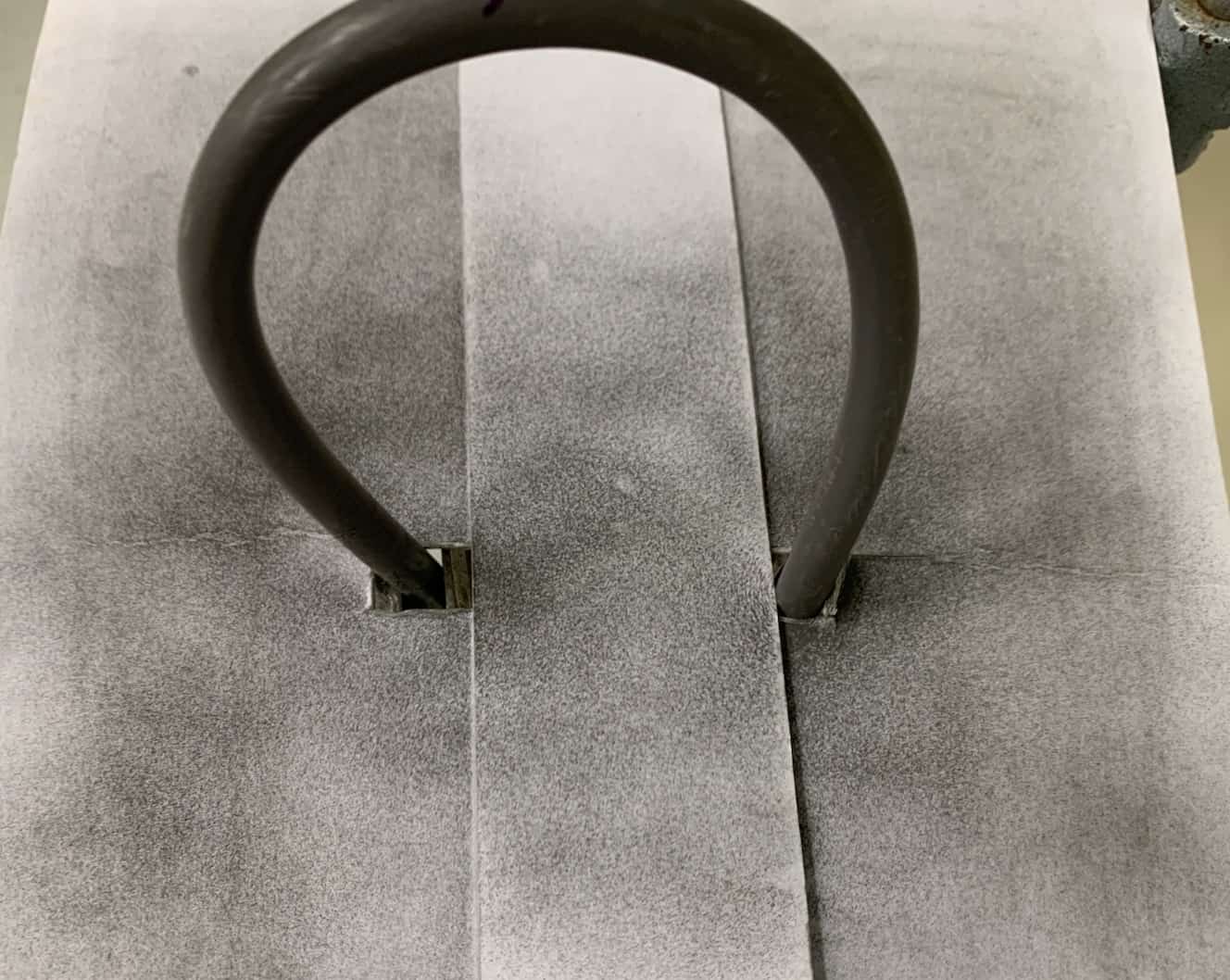
A pattern appears.

When you take a closer look,

the iron filings form a series of circular patterns around the wire.
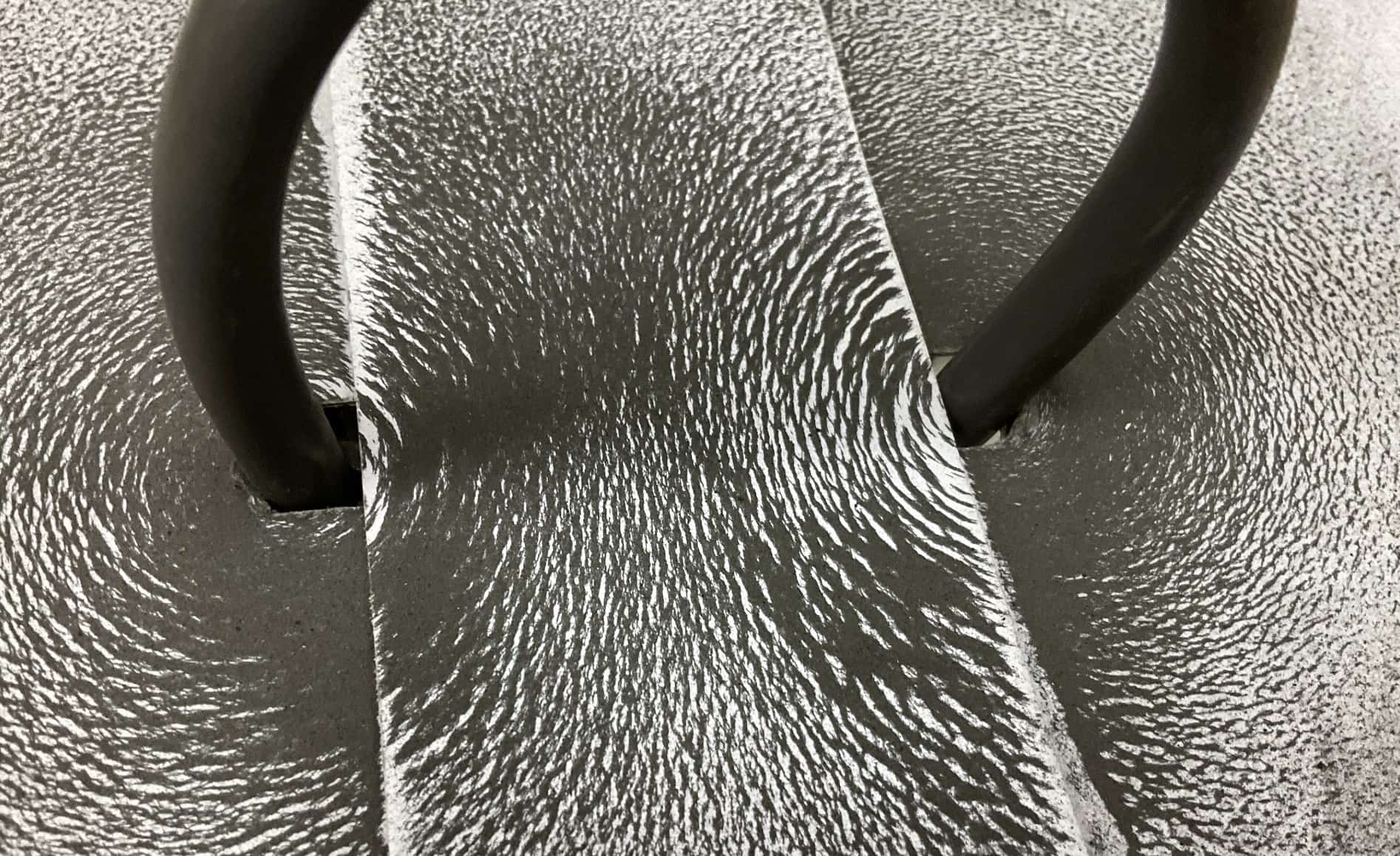
Place a compass nearby, and you can also see which way the magnetic field points.
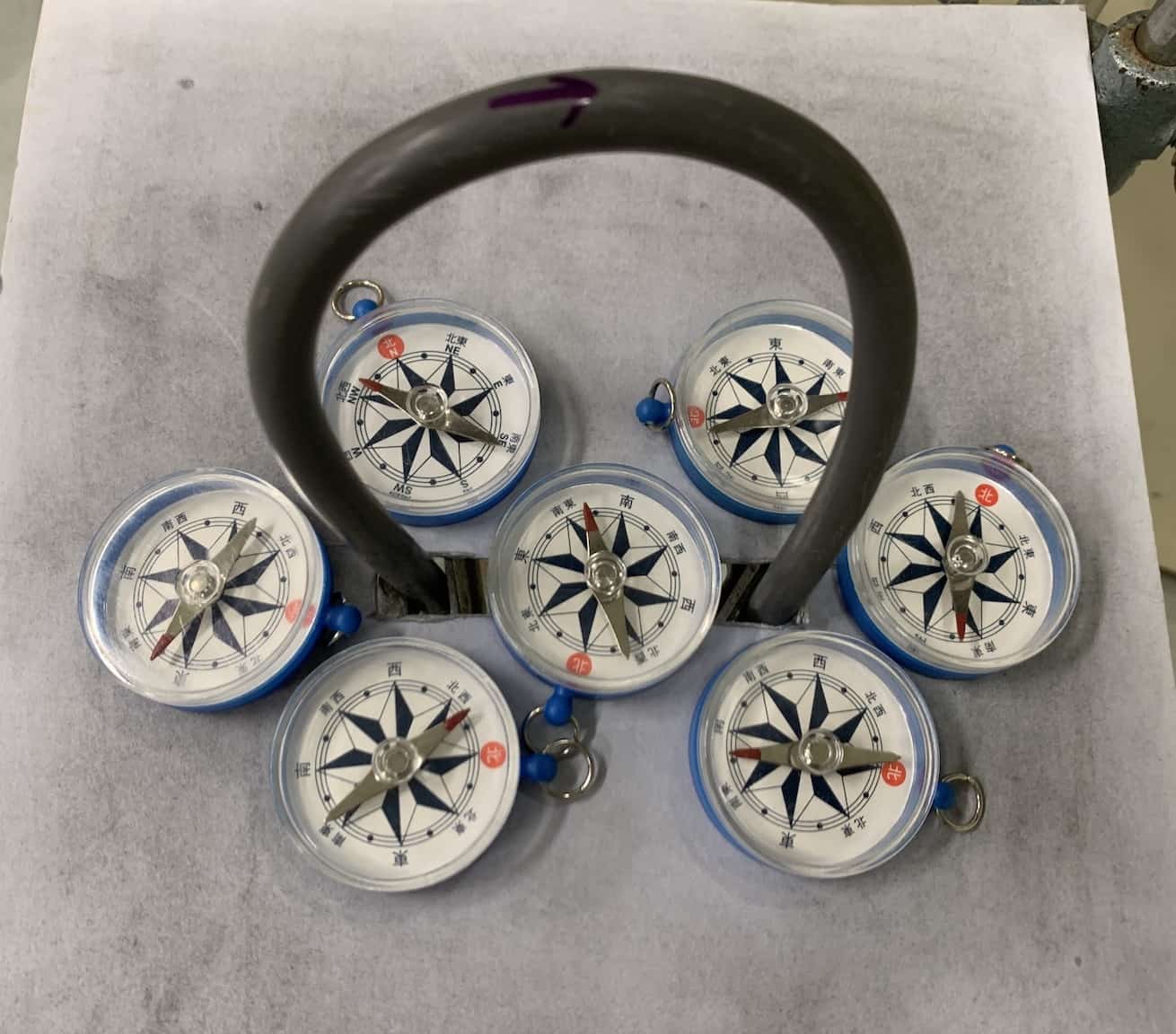
Through this experiment, students can deepen their understanding of several important concepts in science.
The relationship between electric current and magnetic fields: Whenever an electric current flows, a magnetic field is produced around it.
The direction of the magnetic field: The magnetic field around a straight current-carrying wire forms concentric circles according to the right-hand screw rule, with the direction determined by the direction of the current.
The strength of the magnetic field: The greater the current, the stronger the resulting magnetic field. This is one of the advantages of using a Pascal wire.
Magnetic field lines: The patterns formed by the iron filings visualize magnetic field lines. Magnetic field lines emerge from the north pole and enter the south pole, forming continuous closed loops rather than ending in the middle of space.
The magnetic field of a coil: When current flows through a coil, a relatively uniform magnetic field is produced inside the coil, while the field outside the coil resembles that of a bar magnet.
Using a Pascal wire makes it possible to create a dynamic and visually impressive experiment like this, making it a very useful teaching tool. I hope you’ll find lots of opportunities to put it to use!
Contact & Requests
Want to bring the wonders and fun of science a little closer? I share enjoyable science experiments you can try at home, along with easy-to-understand tips and explanations. Have a look around and search for something that catches your eye!
・For more information about the site and Ken Kuwako, click here.
・For inquiries and requests, including writing, lectures, science workshops, TV science supervision, and appearances, click here.
・For updates on new articles, follow me on X!
 Science Tricks Channel features videos of science experiments!
9月のイチオシ実験!
お弁当箱をプラバンがわりにしてキーホルダーを作ろう!
テレビ番組監修・イベント等のお知らせ
- 8月27日(木)科学監修番組放送予定
- 9月20日(日)ダビンチマスターズ出演予定
- 10月10日(土)11:15~12:00 千葉市科学フェスタ2026「桑子先生の回転科学ショー」にてサイエンスショーを行います。
- 12月26日(土) ナリカサイエンスアカデミー(教員向け実験講習会)開催
書籍のお知らせ
- 『高校入試 分解問題集 理科』(学研)…難しい問題も小さな問題に分解することで、問題を解くことができます。そんな分解の技術が身につくように深く関わりを持って作りました。
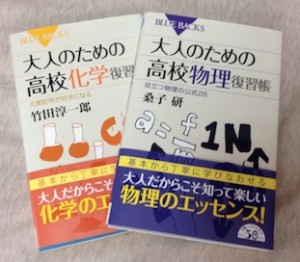
 『大人のための高校物理復習帳』(講談社)…一般向けに日常の物理について公式を元に紐解きました。特設サイトでは実験を多数紹介しています。※増刷がかかり6刷となりました(2026/02/01)
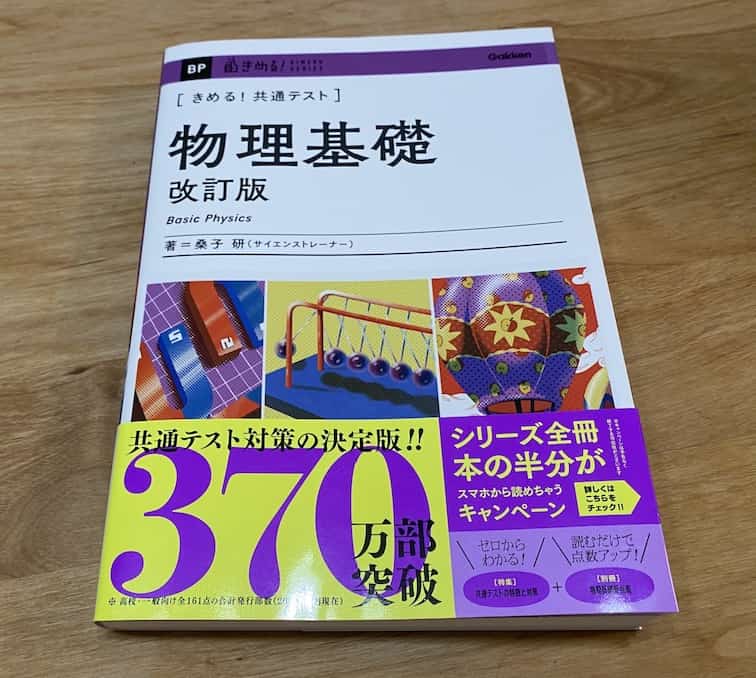
- 『きめる!共通テスト 物理基礎 改訂版』(学研)… 高校物理の参考書です。イラストを多くしてイメージが持てるように描きました。授業についていけない、物理が苦手、そんな生徒におすすめです。特設サイトはこちら。
各種SNS(更新情報をお届け!)
【日本語】X(Twitter)/instagram/Facebook 【英語】BlueSky/Threads
Explore
- 楽しい実験…お子さんと一緒に夢中になれるイチオシの科学実験を多数紹介しています。また、高校物理の理解を深めるための動画教材も用意しました。
- 理科の教材… 理科教師をバックアップ!授業の質を高め、準備を効率化するための選りすぐりの教材を紹介しています。
- Youtube…科学実験等の動画を配信しています。
- 科学ラジオ …科学トピックをほぼ毎日配信中!AI技術を駆使して作成した「耳で楽しむ科学」をお届けします。
- 講演 …全国各地で実験講習会・サイエンスショー等を行っています。
- About …「科学のネタ帳」のコンセプトや、運営者である桑子研のプロフィール・想いをまとめています。
- お問い合わせ …実験教室のご依頼、執筆・講演の相談、科学監修等はこちらのフォームからお寄せください。