The Laminated Sheet That Reveals Acids and Bases! An Easy, Low-Chemical “Ultra-Microplate” Experiment
I’m Ken Kuwako, the Science Trainer. Every day is an experiment!
Drop a little hydrochloric acid onto magnesium, and suddenly it starts to “swim”! Even better, this simple experiment lets you explore the fascinating properties of acids and alkalis all at once.
Today I’d like to share an observation experiment I used with my ninth-grade science students to investigate the properties of acids and alkalis. The setup couldn’t be simpler—just place a single drop of each solution from small squeeze bottles onto a laminated sheet. Using BTB solution, phenolphthalein, litmus paper, and strips of magnesium ribbon, the classroom quickly filled with excited questions of “Why did that happen?”
Only Tiny Amounts of Chemicals, Yet Big Results—A Brilliant Laminated Experiment Sheet
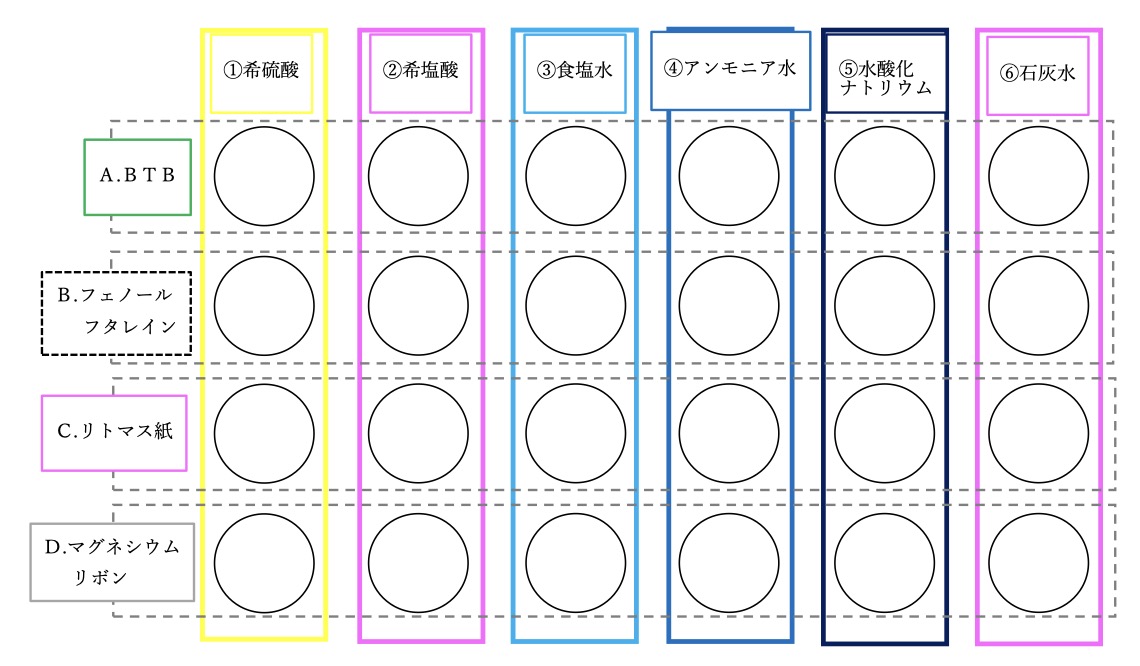
Each group receives a laminated experiment sheet, and students simply add drops of solution from small bottles. It’s easy to prepare, produces very little chemical waste, and cleanup takes only a few minutes. It’s an experiment that checks every box.
You could even think of it as an ultra-microplate experiment—an even smaller version of a traditional microplate activity.
Here’s what the experiment sheet looks like (feel free to download and use it).
Acid and Alkali Experiment Sheet (Laminating PDF) Word Download
Simply print the sheet and laminate it, and you’re ready to go.
The original idea came from a handmade version created by one of our science assistants several years ago. I’ve since refined the design, and this is the version we currently use.
First, arrange the indicators like this.
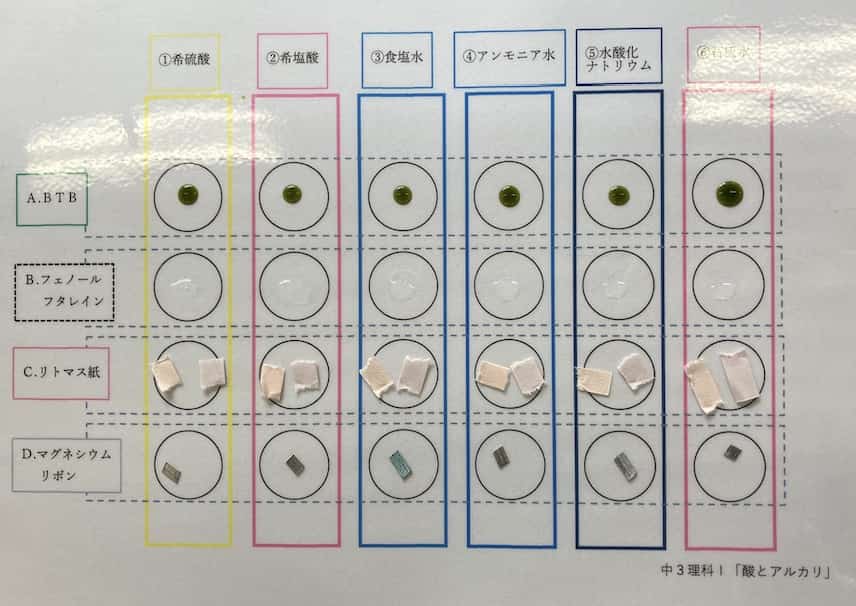
Why Does the Magnesium Ribbon “Swim”?
Next, add hydrochloric acid, sulfuric acid, and the other solutions in vertical rows.
Students are always amazed by the color changes and chemical reactions. But the biggest surprise comes when the magnesium ribbon starts moving through the liquid as if it were alive.
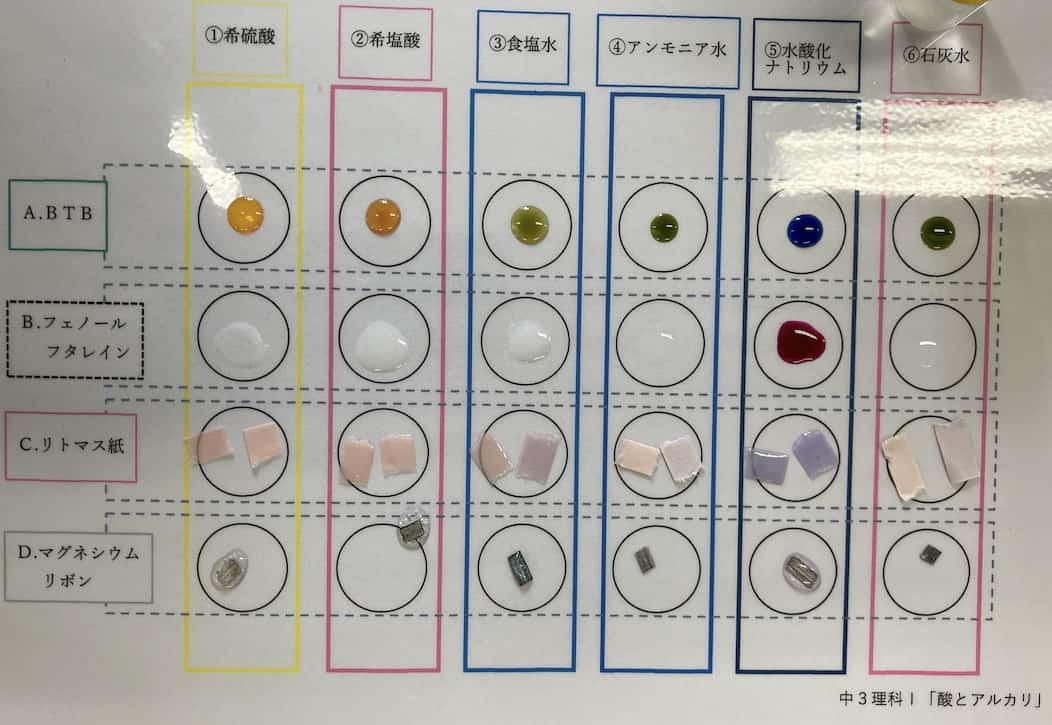
This movement is actually caused by the chemical reaction itself.
When magnesium reacts with hydrochloric acid, hydrogen gas is produced. Tiny bubbles rapidly form all over the surface of the ribbon. As these bubbles grow and detach, they repeatedly lift and release the ribbon, making it bob, float, and sink. The result is a surprisingly lifelike “swimming” motion.
Behind every visible movement is an invisible stream of gas being produced.
It’s a wonderful example of how chemistry can make the invisible visible.
At this point in the experiment, we’ve tested everything up to the saltwater sample. Here’s one important tip:
Always add the ammonia solution last.
Something very interesting is about to happen.
Why Did a Solution Change Color Without Being Touched?
Here’s what the completed experiment looks like.
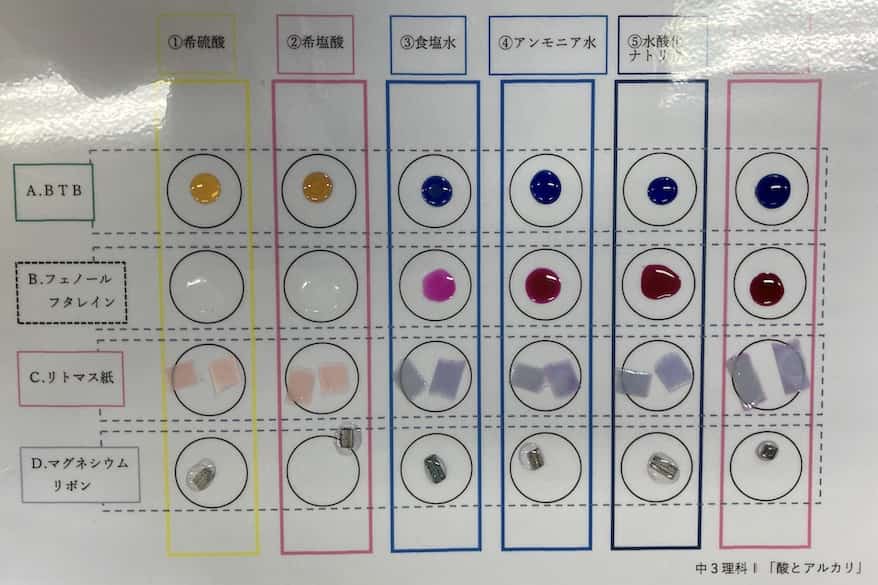
The most surprising part of the experiment came when we added the ammonia solution.
After placing a drop of ammonia, the nearby saltwater sample—which we hadn’t touched at all—also changed color!
The students couldn’t believe their eyes.
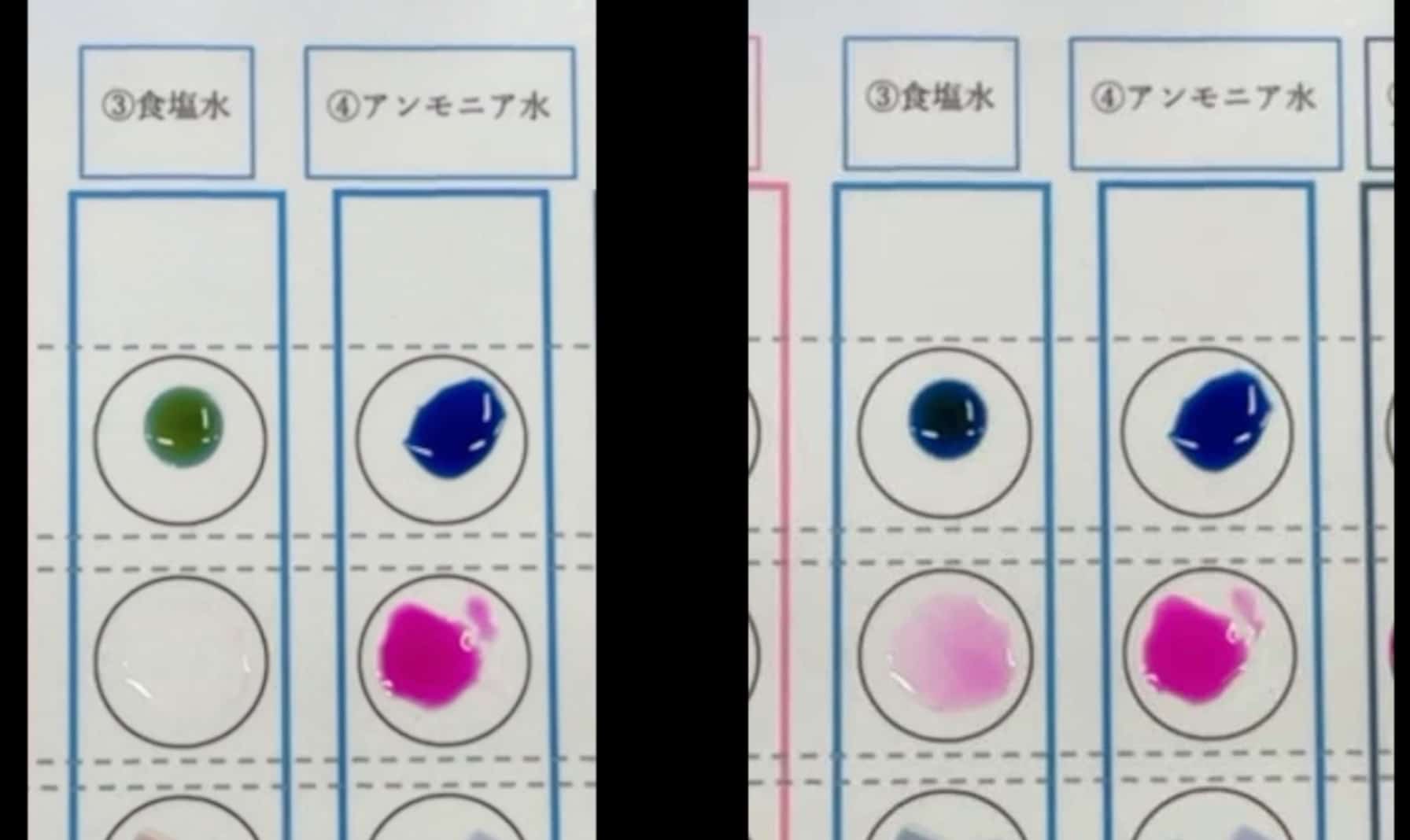
So what happened?
Ammonia is highly volatile, meaning it easily escapes into the air as a gas—even at room temperature. The ammonia molecules drifted through the air and dissolved into the neighboring drop of saltwater, making it alkaline enough to change the indicator’s color.
In other words, the liquids never touched each other, but the gas connected them.
This is exactly the same reason perfume spreads throughout a room or why the smell of freshly baked bread travels through the air. On this tiny experiment sheet, students were actually witnessing the physical process of gas diffusion in real time.
Moments like this are what make science so exciting. Unexpected results spark curiosity, and curiosity leads to discovery.
Why not try this acid-and-alkali experiment yourself? You might uncover a scientific surprise of your own!
Preparing the Reagents
• 3% Hydrochloric Acid → It’s convenient to keep a 10% stock solution and dilute it as needed. For dilution instructions, see the guide below.
• 2% Sodium Hydroxide → Dissolve 2 g of sodium hydroxide and add water to make a total of 100 g.
• 1% Ammonia Solution → Mix 3 mL of commercially available 25% ammonia solution with water to make a total volume of 100 mL.
• 5% Salt Solution → Dissolve 5 g of table salt in water to make a total of 100 g. Saturated salt solution also works well.
• 2.5% Sulfuric Acid → Slowly add 1.5 mL of concentrated sulfuric acid (approximately 95%, density 1.85 g/cm3) to 100 mL of water. Add the acid gradually. Never add water to concentrated sulfuric acid.
It’s convenient to store all of the prepared solutions in small dropper bottles (NARIKA).
Since this experiment only requires observing color changes, you can place the drops directly onto the laminated sheet. Cleanup is incredibly easy—just rinse with water and wipe the sheet clean.
Contact & Collaboration
I love making science fun and approachable for everyone! Here you’ll find easy science experiments you can try at home, along with clear explanations of the science behind them. Feel free to explore the site!
• My science blog has also been published as a book. Learn more here.
• Learn more about Ken Kuwako here.
• For writing projects, lectures, science workshops, TV supervision, or media appearances, click here.
• Follow me on X for the latest articles and science updates!
 Science Note Channel features hands-on experiment videos!
9月のイチオシ実験!
テレビ番組監修・イベント等のお知らせ
- 9月25日(金)21:00〜 かまいたちの瞬間回答!にて、科学監修を行いました。
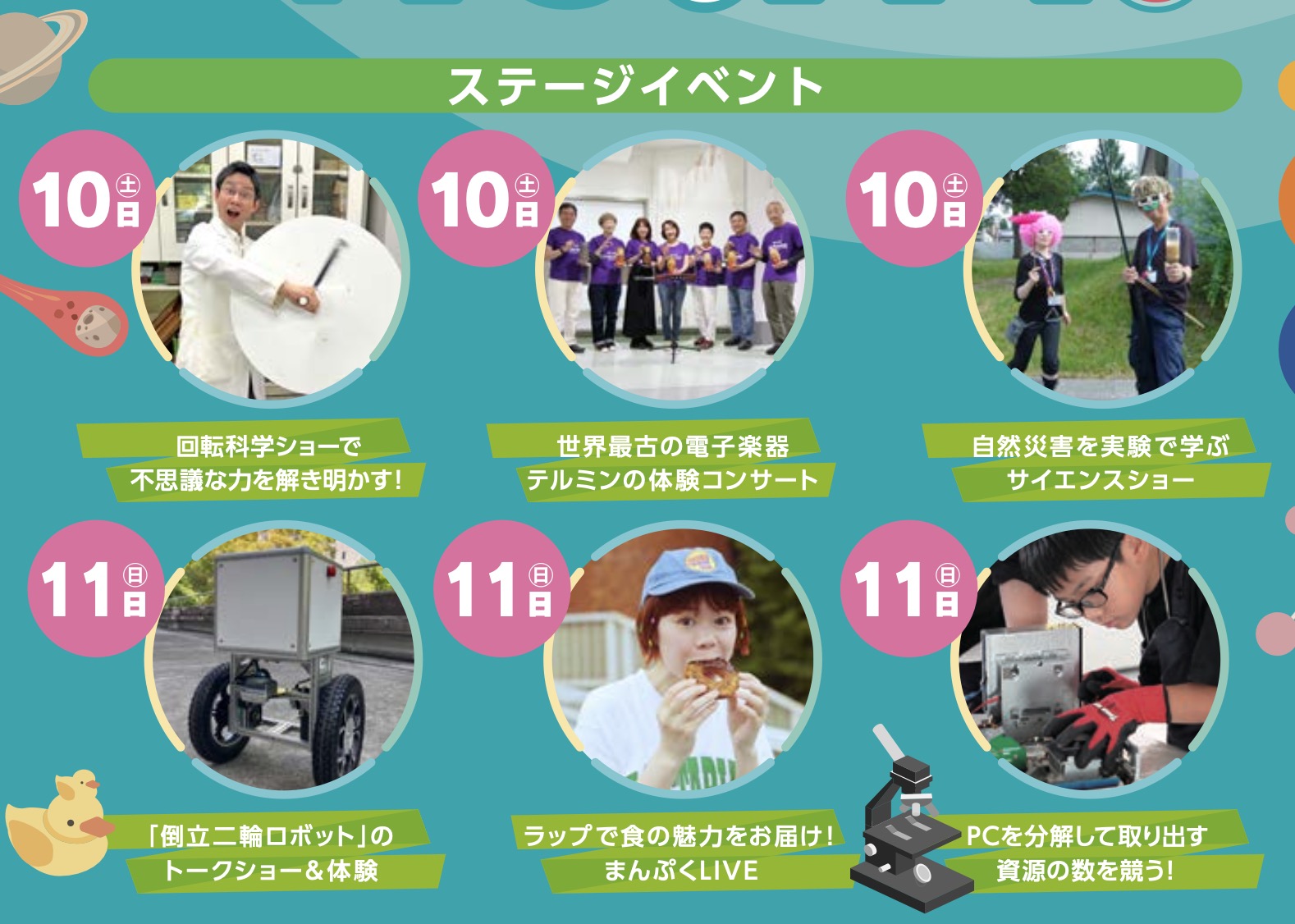
- 10月10日(土)11:15~12:00 千葉市科学フェスタ2026「桑子先生の回転科学ショー」にてサイエンスショーを行います。
- 12月26日(土) ナリカサイエンスアカデミー(教員向け実験講習会)開催
書籍のお知らせ
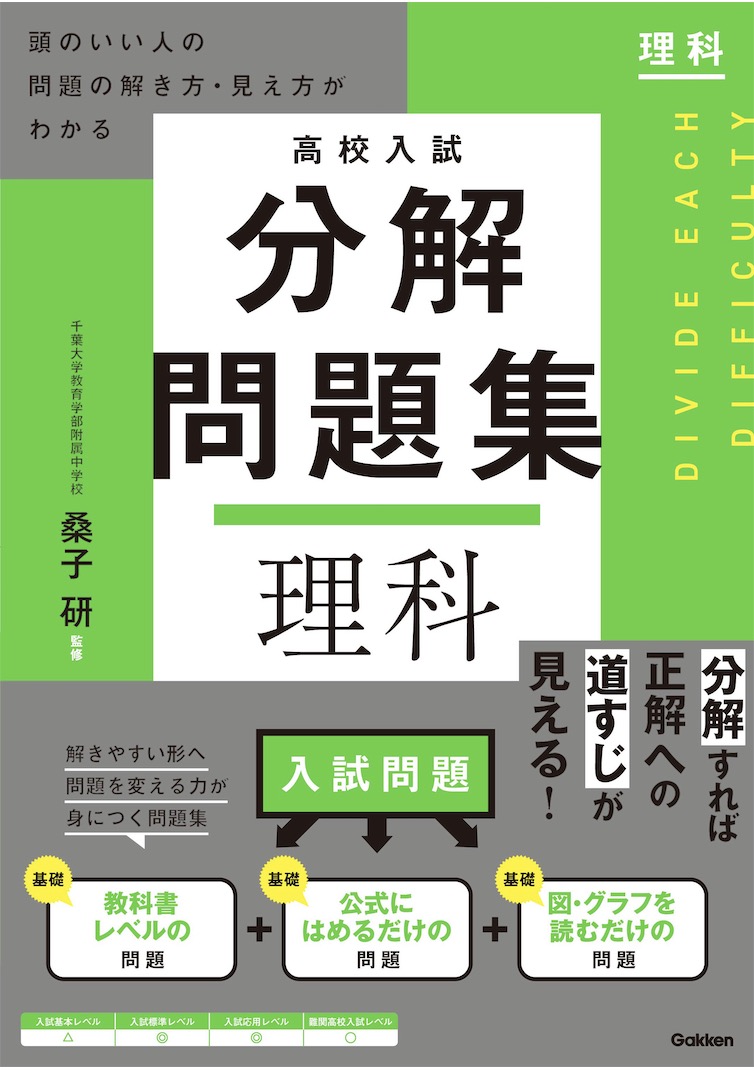
- 『高校入試 分解問題集 理科』(学研)…難しい問題も小さな問題に分解することで、問題を解くことができます。そんな分解の技術が身につくように深く関わりを持って作りました。
 『大人のための高校物理復習帳』(講談社)…一般向けに日常の物理について公式を元に紐解きました。特設サイトでは実験を多数紹介しています。※増刷がかかり6刷となりました(2026/02/01)
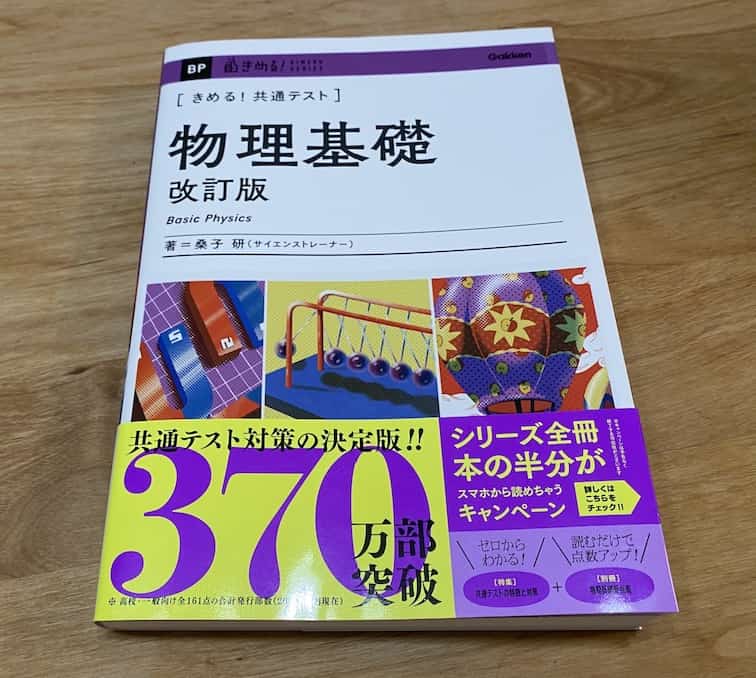
- 『きめる!共通テスト 物理基礎 改訂版』(学研)… 高校物理の参考書です。イラストを多くしてイメージが持てるように描きました。授業についていけない、物理が苦手、そんな生徒におすすめです。特設サイトはこちら。
各種SNS(更新情報をお届け!)
【日本語】X(Twitter)/instagram/Facebook 【英語】BlueSky/Threads
Explore
- 楽しい実験…お子さんと一緒に夢中になれるイチオシの科学実験を多数紹介しています。また、高校物理の理解を深めるための動画教材も用意しました。
- 理科の教材… 理科教師をバックアップ!授業の質を高め、準備を効率化するための選りすぐりの教材を紹介しています。
- Youtube…科学実験等の動画を配信しています。
- 科学ラジオ …科学トピックをほぼ毎日配信中!AI技術を駆使して作成した「耳で楽しむ科学」をお届けします。
- 講演 …全国各地で実験講習会・サイエンスショー等を行っています。
- About …「科学のネタ帳」のコンセプトや、運営者である桑子研のプロフィール・想いをまとめています。
- お問い合わせ …実験教室のご依頼、執筆・講演の相談、科学監修等はこちらのフォームからお寄せください。