
How Buildings Fight Back Against Earthquakes: From Liquefaction to Sloshing Dampers, Fully Explained [Miraikan]
I’m Ken Kuwako, the Science Trainer. Every day is an experiment!
If a major earthquake struck right now, would your home or office building be able to withstand it? In Japan, many buildings are designed with clever engineering tricks that help protect people from powerful earthquakes. During a visit to the National Museum of Emerging Science and Innovation (Miraikan), I came across a fascinating exhibit showcasing how buildings can survive earthquakes. Let me show you what I discovered!
When the Ground Turns to Jelly: The Mystery of Liquefaction
When sandy ground is shaken, the sand grains begin to move freely. Suddenly, the ground behaves almost like a liquid, causing objects sitting on top to slowly sink. This phenomenon is called liquefaction.
Liquefaction is especially likely to occur during earthquakes in reclaimed land or sandy soil containing lots of groundwater. When it happens, buildings may tilt or even sink into the ground.
One clever feature of this exhibit is that a string allows the ground to be reset immediately after each experiment, making it easy for visitors to try again and again. Take a look at the video below!
Base Isolation: Separating Buildings from the Ground
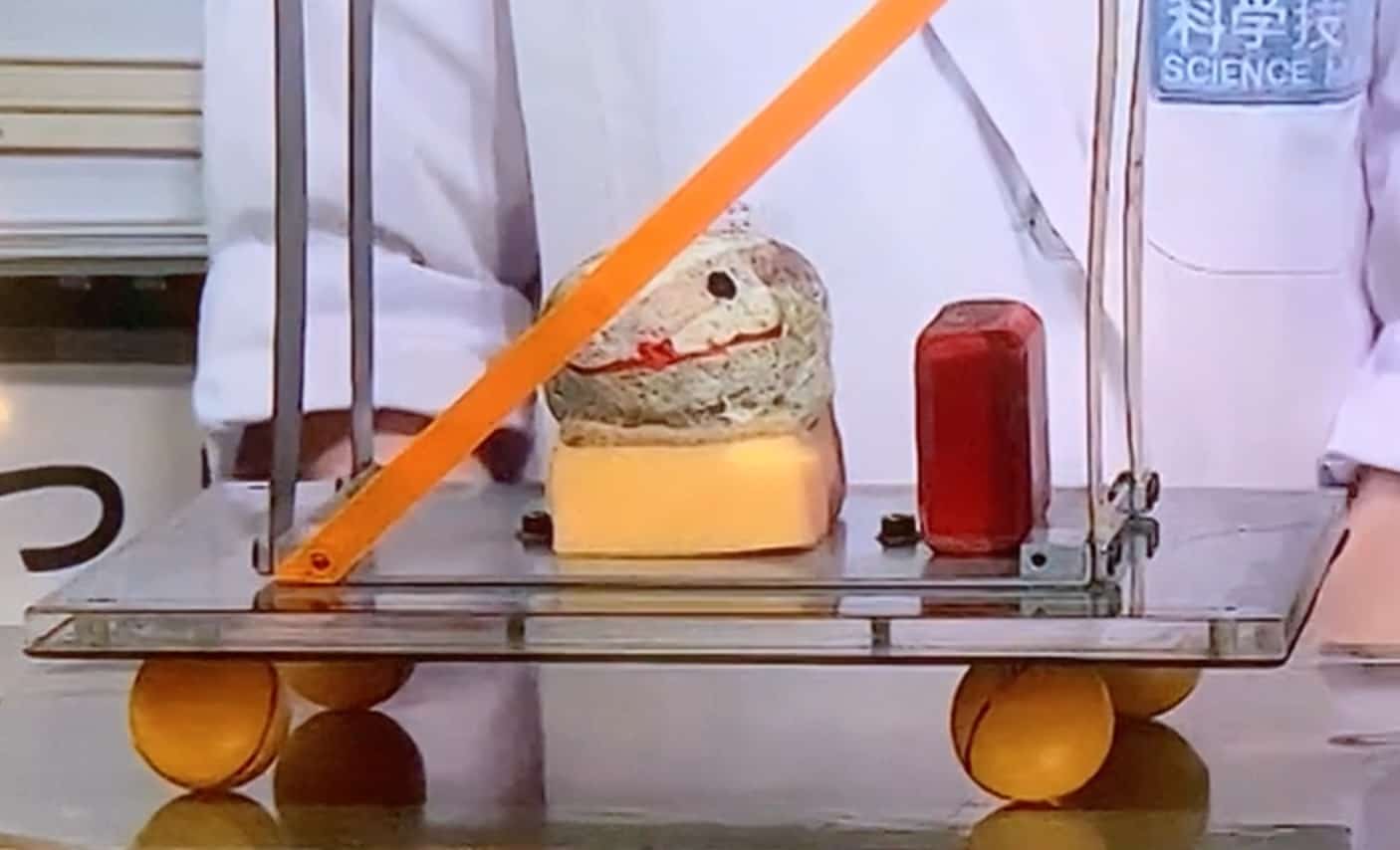
Next, let’s look at three different technologies used to protect buildings from earthquakes. The first is called base isolation.
The basic idea is surprisingly simple: place special rubber bearings between the building and its foundation so that the building is partially separated from the shaking ground.
Even if the ground moves violently, much less of that motion is transferred into the building itself. In the exhibit, ping-pong balls were placed beneath a model building. When the ground was shaken, the building barely moved! In real buildings, these ping-pong balls are replaced by specially engineered devices known as seismic isolation bearings.
Earthquake-Resistant Structures: Standing Strong Against the Shaking
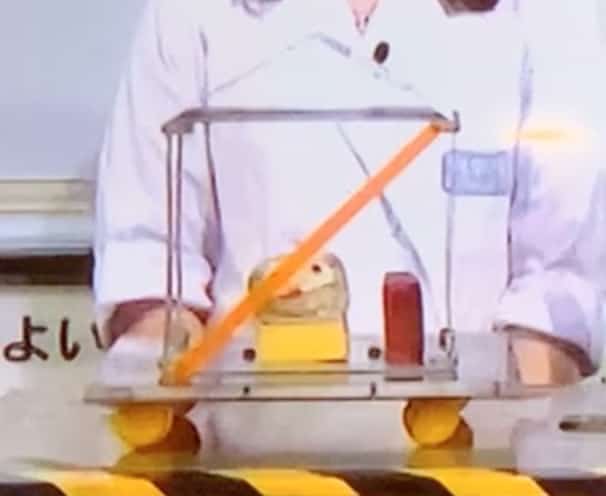
The second approach is earthquake-resistant construction.
Unlike base isolation, this method accepts that the building will shake along with the ground. Instead of avoiding the motion, the structure itself is strengthened so it can survive the forces.
There are two major design philosophies.
One is the rigid structure, built to resist movement as much as possible.
The other is the flexible structure, which bends gracefully like bamboo, allowing earthquake forces to be absorbed instead of resisted head-on.
Both methods often use diagonal braces inside the frame, giving the building greater strength against sideways shaking.
Vibration Control: Slowing the Sway Like a Brake
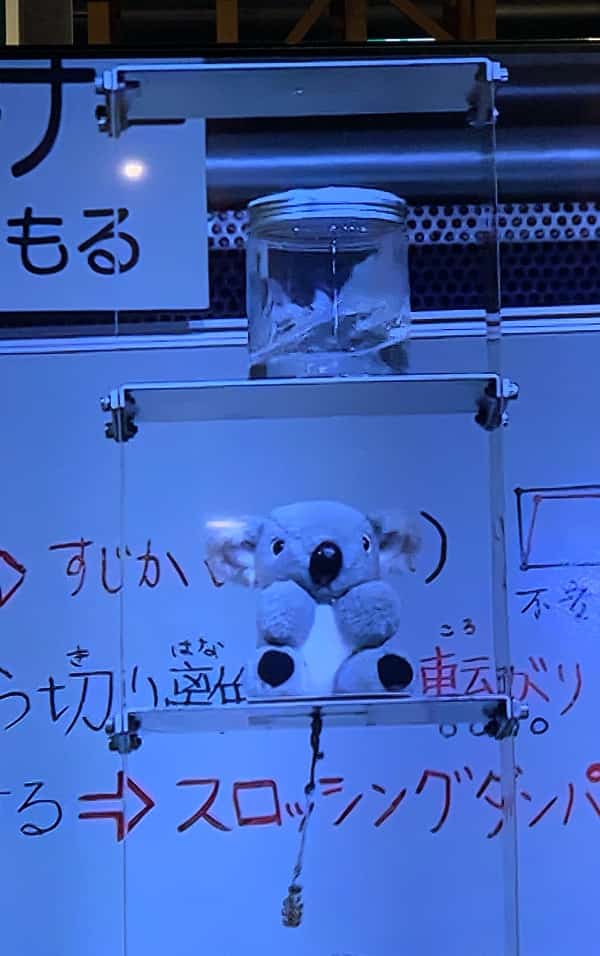
The third technology is called vibration control.
Rather than preventing shaking completely, this method reduces the motion—much like applying the brakes to a moving car.
One famous example is Shimizu Corporation’s Sloshing Damper.
Large water tanks are installed near the tops of skyscrapers. When the building sways during an earthquake, the water moves in the opposite direction. That moving water counteracts the building’s motion, reducing the overall vibration. The same principle can also be achieved using a large pendulum weight.
You may have heard the terms base isolation, earthquake resistance, and vibration control in the news. Although they all help buildings survive earthquakes, each is based on a completely different strategy:
– Base isolation: Keep the shaking from reaching the building.
– Earthquake resistance: Build a structure strong enough to withstand the shaking.
– Vibration control: Reduce the shaking after it begins.
It’s fascinating to see how engineers have developed multiple solutions to the same problem.
The next time you’re walking through a city, take a closer look at the buildings around you. You might just spot some of these ingenious earthquake-resistant designs hidden in plain sight!
Contact & More Science Fun
Want to bring the excitement of science into your everyday life? This site is packed with easy and entertaining science experiments you can try at home, along with clear explanations of the science behind them. Feel free to explore!
– The Science Notebook is now available as a book. Learn more here.
– Learn more about the site’s creator, Ken Kuwako, here.
– For writing, lectures, science workshops, TV supervision, media appearances, and other inquiries, click here.
– Follow the latest article updates on X!
 Science Notebook Channel features exciting science experiment videos!
お知らせ!10/10 サイエンスショー開催(無料イベント!)
10月10日(土)11:15~12:00 千葉市科学フェスタ2026「桑子先生の回転科学ショー」にてサイエンスショーを行います。
10月のイチオシ実験!
テレビ番組監修・イベント等のお知らせ
- 12月26日(土) ナリカサイエンスアカデミー(教員向け実験講習会)開催
書籍のお知らせ
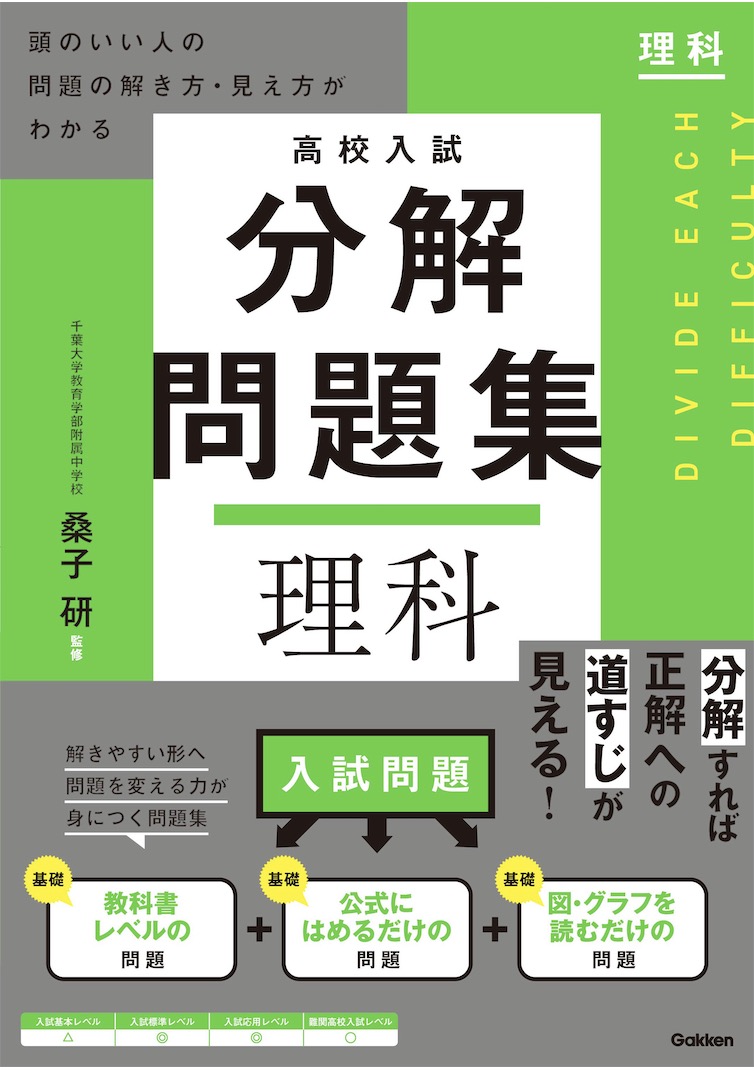
- 『高校入試 分解問題集 理科』(学研)…難しい問題も小さな問題に分解することで、問題を解くことができます。そんな分解の技術が身につくように深く関わりを持って作りました。
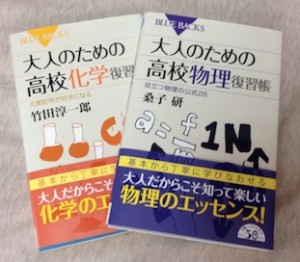
 『大人のための高校物理復習帳』(講談社)…一般向けに日常の物理について公式を元に紐解きました。特設サイトでは実験を多数紹介しています。※増刷がかかり6刷となりました(2026/02/01)
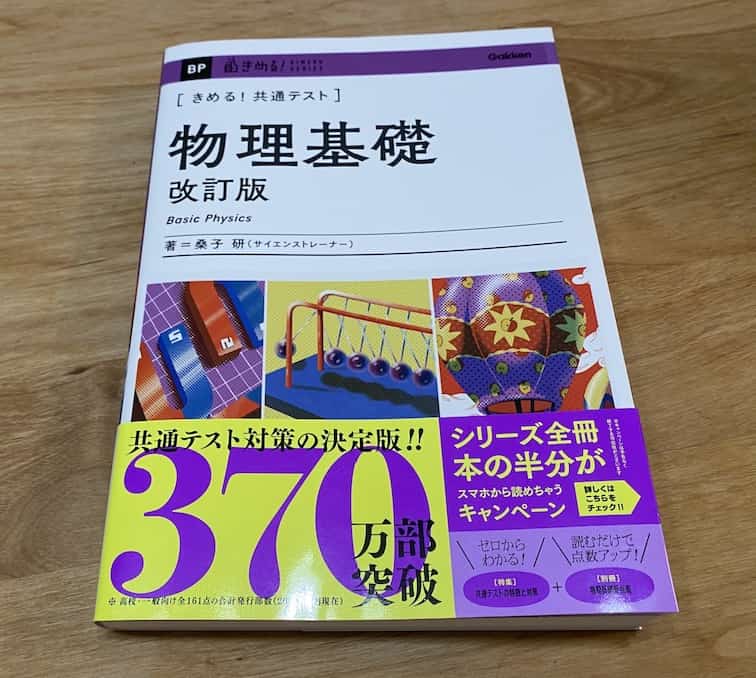
- 『きめる!共通テスト 物理基礎 改訂版』(学研)… 高校物理の参考書です。イラストを多くしてイメージが持てるように描きました。授業についていけない、物理が苦手、そんな生徒におすすめです。特設サイトはこちら。
各種SNS(更新情報をお届け!)
【日本語】X(Twitter)/instagram/Facebook 【英語】BlueSky/Threads
Explore
- 楽しい実験…お子さんと一緒に夢中になれるイチオシの科学実験を多数紹介しています。また、高校物理の理解を深めるための動画教材も用意しました。
- 理科の教材… 理科教師をバックアップ!授業の質を高め、準備を効率化するための選りすぐりの教材を紹介しています。
- Youtube…科学実験等の動画を配信しています。
- 科学ラジオ …科学トピックをほぼ毎日配信中!AI技術を駆使して作成した「耳で楽しむ科学」をお届けします。
- 講演 …全国各地で実験講習会・サイエンスショー等を行っています。
- About …「科学のネタ帳」のコンセプトや、運営者である桑子研のプロフィール・想いをまとめています。
- お問い合わせ …実験教室のご依頼、執筆・講演の相談、科学監修等はこちらのフォームからお寄せください。