Light Made the Electricity Vanish!? Experience Einstein’s Greatest Discovery with a Gold-Leaf Electroscope
I’m Ken Kuwako, the Science Trainer. Every day is an experiment.
“Just shine light on it, and the electricity disappears.”
It sounds like magic, but this strange phenomenon really happens in the lab. Even more fascinating, it’s directly connected to the discovery that earned none other than Albert Einstein a Nobel Prize. Today, let’s explore this mysterious experiment using a gold-leaf electroscope.
What Is a Gold-Leaf Electroscope?
A gold-leaf electroscope is a device used to detect static electricity (electric charge). Inside are two thin metal leaves hanging side by side. When electric charge builds up, the leaves repel each other and spread apart.
In this experiment, we begin with the leaves already open. That means the electroscope is storing electric charge.
What Happens When Ultraviolet Light Hits It?
Next, we shine ultraviolet light onto the metal plate at the top of the charged electroscope.
And then—something incredible happens.
The leaves slowly begin to close!
Take a look at the video below to see it in action.
It almost looks as if the light itself is sucking the electricity away. So what’s really happening?
The Secret Behind the “Photoelectric Effect”
This phenomenon is called the photoelectric effect. When light—especially short-wavelength light like ultraviolet rays—hits a metal surface, electrons can be ejected from the metal.
In this experiment, the electroscope had accumulated negative charge, meaning extra electrons were stored on it. When ultraviolet light struck the metal plate, electrons began flying off the surface one after another. As the stored charge decreased, the leaves gradually closed.
In other words, the light was literally knocking electrons loose from the metal.
The Surprising Link to Einstein’s Nobel Prize
The photoelectric effect turned out to be one of the biggest scientific mysteries of the late 19th century. At the time, scientists couldn’t fully explain it using the idea that light behaved only as a wave.
Then came Albert Einstein.
In 1905, Einstein proposed a revolutionary idea: light is made up of tiny packets of energy called photons. This bold theory perfectly explained the photoelectric effect.
That achievement is exactly why Einstein received the Nobel Prize in Physics in 1921.
Surprisingly, it wasn’t relativity that won him the Nobel Prize—it was his explanation of light itself.
The Photoelectric Effect Powers Modern Technology
The photoelectric effect isn’t just a topic from old physics textbooks. It forms the foundation of many modern technologies we use every day.
For example, solar panels generate electricity by using light energy to move electrons—an application of the photoelectric effect.
The image sensors inside smartphone and digital cameras also rely on this principle, converting light into electrical signals.
Hidden inside that simple experiment—watching thin metal leaves slowly close—is one of the key pieces of physics supporting modern civilization.
By simply shining ultraviolet light onto a gold-leaf electroscope, you can witness a glimpse of Einstein’s groundbreaking realization that “light behaves like particles.”
Watch the video carefully and observe the exact moment the leaves begin to close. You’ll be seeing one of the greatest discoveries in physics unfold right before your eyes.
Contact & Requests
Science should feel exciting and accessible! Here you’ll find fun science experiments you can try at home, along with easy-to-understand explanations and helpful tips. Feel free to explore more!
・The contents of “Science Notebook” have been published as a book. Learn more here
・About the creator, Ken Kuwako: here
・For inquiries, writing requests, lectures, science workshops, TV supervision, appearances, and more: here
・Get updates on new articles on X!
 Science Idea Channel features exciting experiment videos!
10月のイチオシ実験!
テレビ番組監修・イベント等のお知らせ
- 10月27日(火) テレビ監修番組放送予定
- 11月27日(金) テレビ監修番組放送予定
- 12月26日(土) ナリカサイエンスアカデミー(教員向け実験講習会)開催
書籍のお知らせ
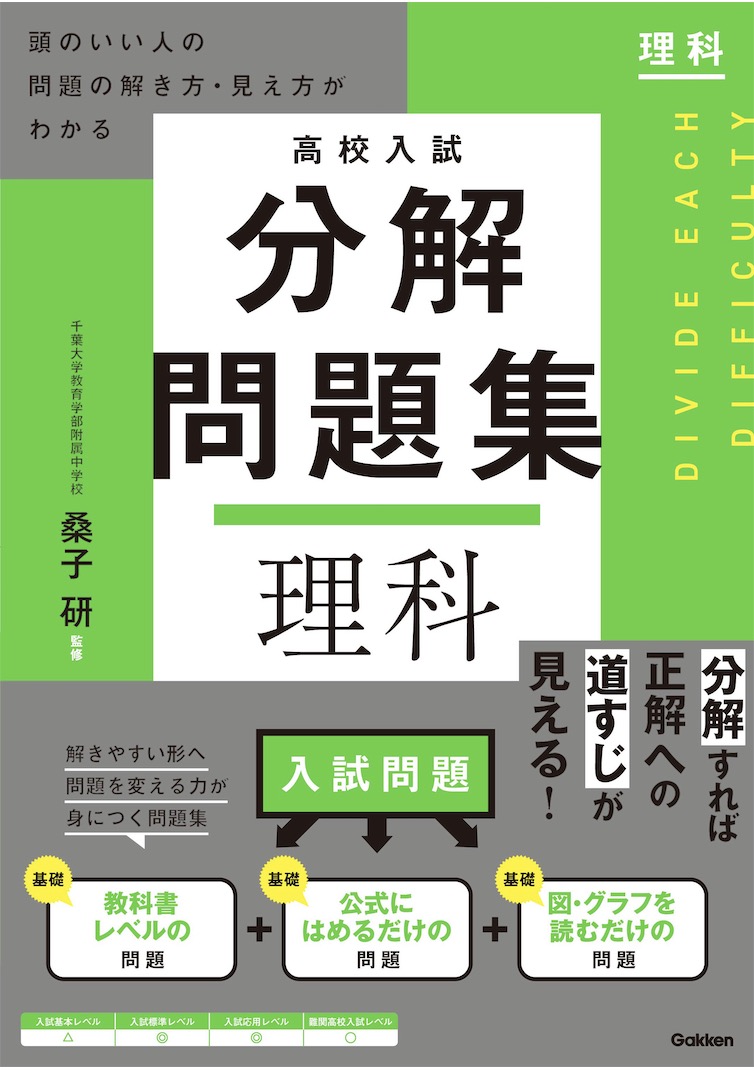
- 『高校入試 分解問題集 理科』(学研)…難しい問題も小さな問題に分解することで、問題を解くことができます。そんな分解の技術が身につくように深く関わりを持って作りました。
 『大人のための高校物理復習帳』(講談社)…一般向けに日常の物理について公式を元に紐解きました。特設サイトでは実験を多数紹介しています。※増刷がかかり6刷となりました(2026/02/01)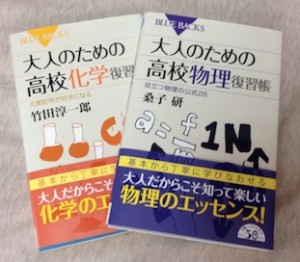
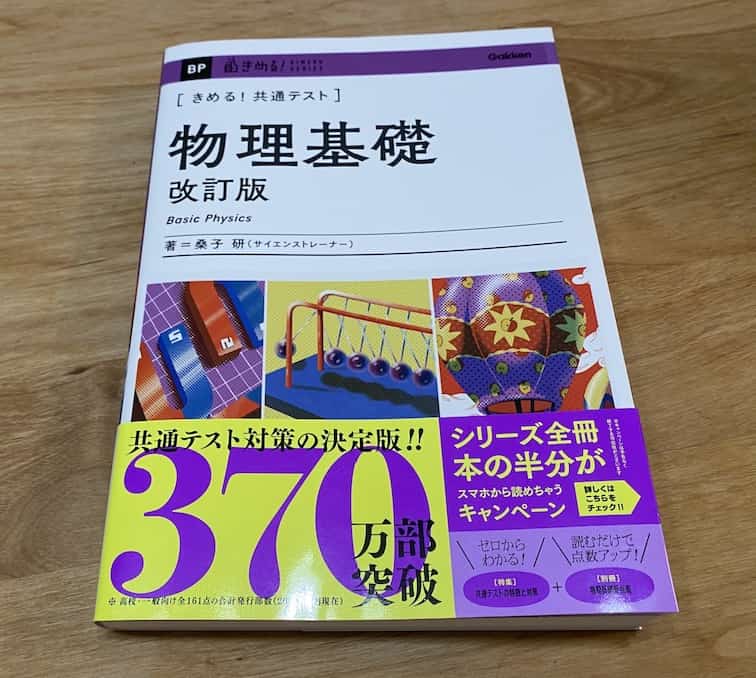
- 『きめる!共通テスト 物理基礎 改訂版』(学研)… 高校物理の参考書です。イラストを多くしてイメージが持てるように描きました。授業についていけない、物理が苦手、そんな生徒におすすめです。特設サイトはこちら。
各種SNS(更新情報をお届け!)
【日本語】X(Twitter)/instagram/Facebook 【英語】BlueSky/Threads
Explore
- 楽しい実験…お子さんと一緒に夢中になれるイチオシの科学実験を多数紹介しています。また、高校物理の理解を深めるための動画教材も用意しました。
- 理科の教材… 理科教師をバックアップ!授業の質を高め、準備を効率化するための選りすぐりの教材を紹介しています。
- Youtube…科学実験等の動画を配信しています。
- 科学ラジオ …科学トピックをほぼ毎日配信中!AI技術を駆使して作成した「耳で楽しむ科学」をお届けします。
- 講演 …全国各地で実験講習会・サイエンスショー等を行っています。
- About …「科学のネタ帳」のコンセプトや、運営者である桑子研のプロフィール・想いをまとめています。
- お問い合わせ …実験教室のご依頼、執筆・講演の相談、科学監修等はこちらのフォームからお寄せください。