Lunch Box Lid to Keychain?! The Toaster Science of Shrink Plastic!
This is Kuwako Lab, your science trainer. Every day is an experiment.
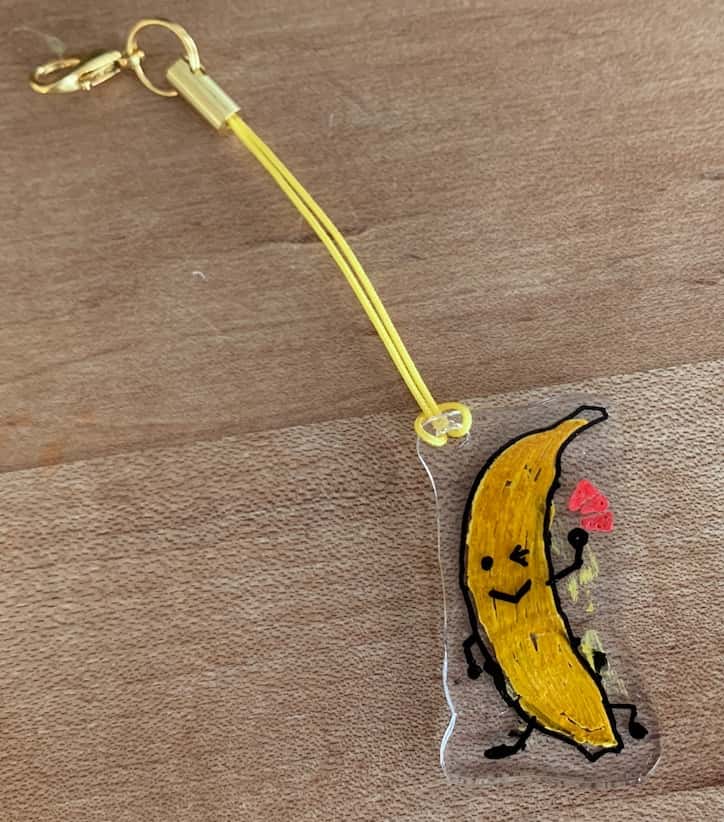
What if I told you that an ordinary bento box lid could transform into an adorable keychain? All you need is a toaster oven and the plastic lid itself. Sounds impossible, right? But behind this simple craft lies some surprisingly fascinating plastic science.
So, What Exactly Is Plastic?
Plastic is a type of synthetic resin — a material made from man-made polymers derived mainly from petroleum. The word “polymer” refers to giant molecules formed when countless smaller molecules link together, almost like hundreds of LEGO bricks snapped into a long chain.
There are many kinds of plastics used in everyday life. Here are some common examples often introduced in Japanese middle school science classes.
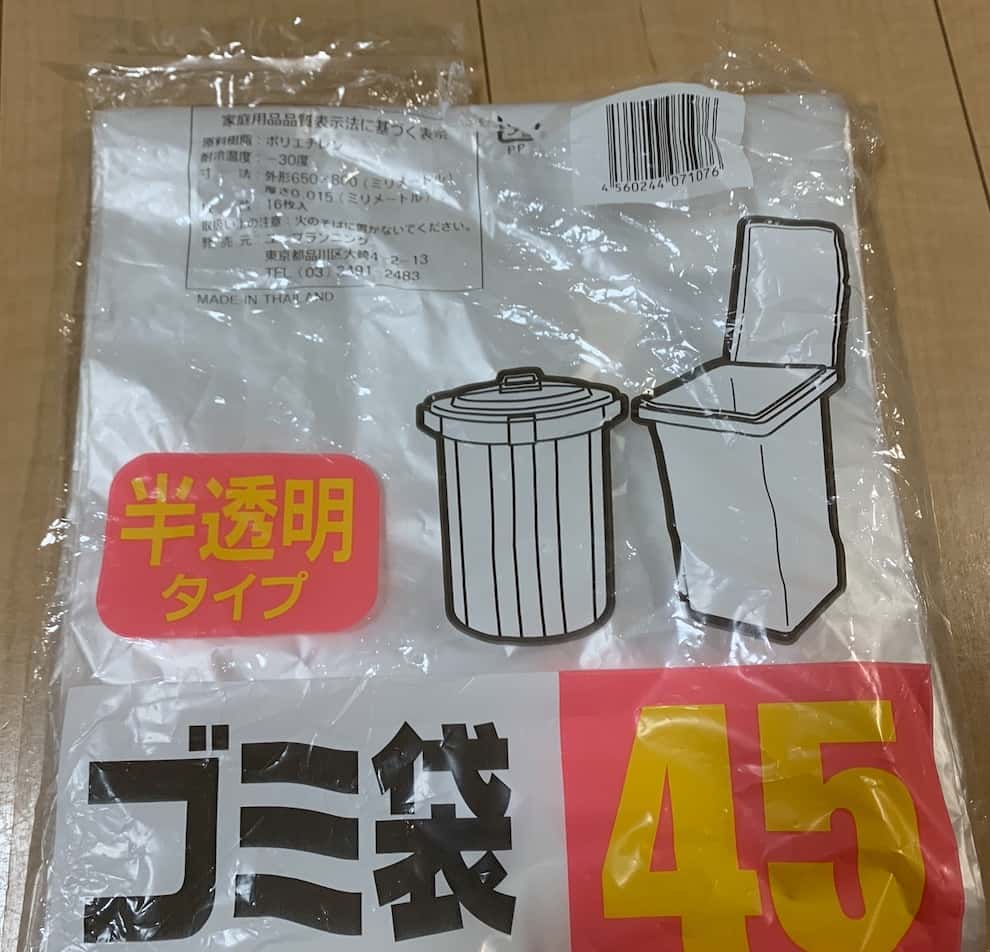
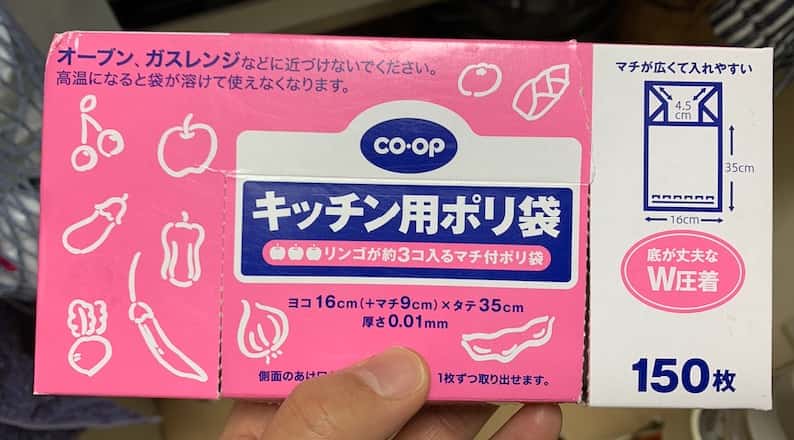
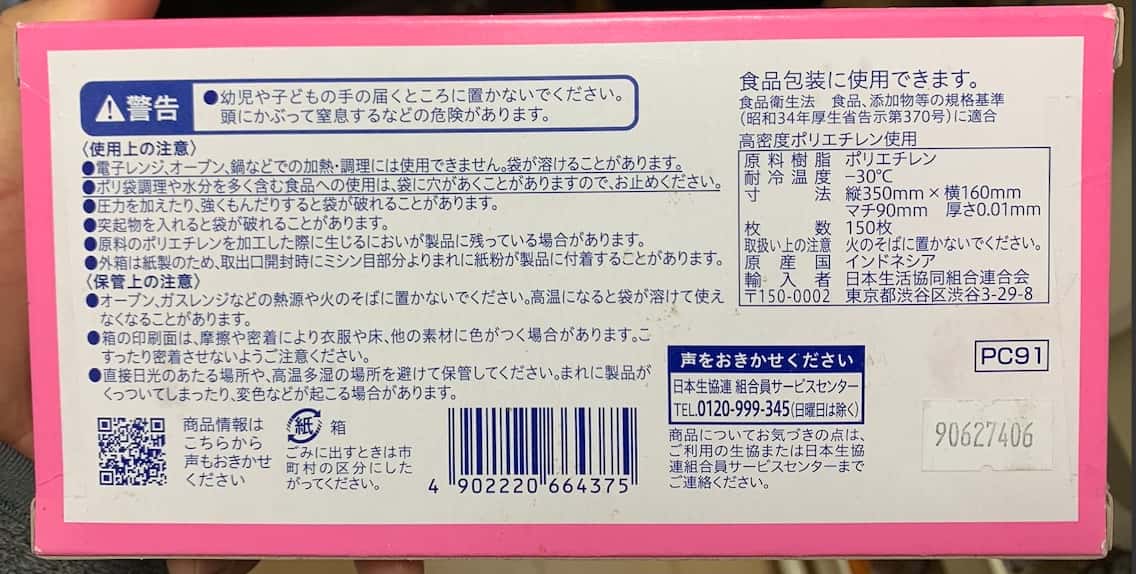
PE (Polyethylene) — Burns Easily — Garbage Bags
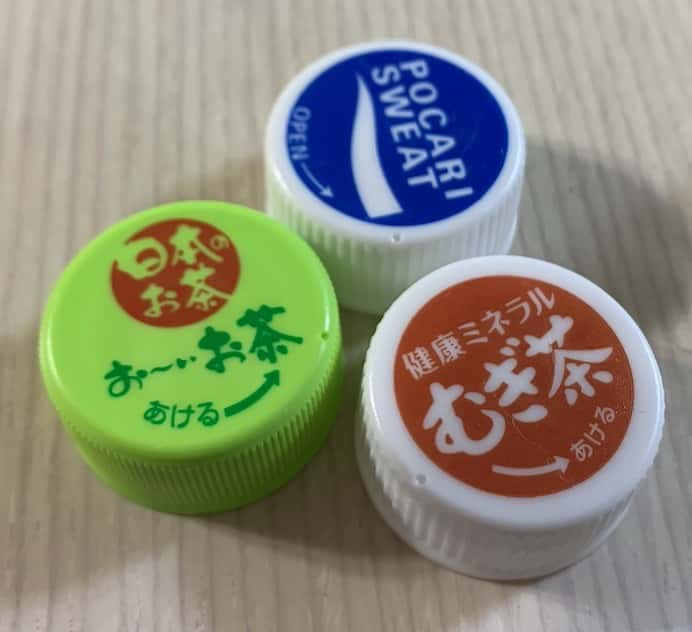
PP (Polypropylene) — Burns Easily — Bottle Caps
PET (Polyethylene Terephthalate) — Harder to Burn — Plastic Bottles
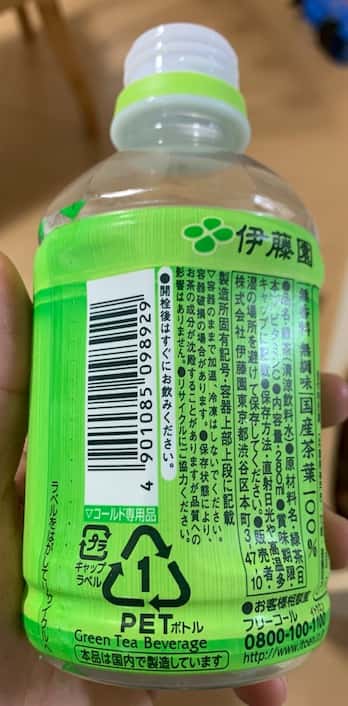
Note: The bottle label is polystyrene, while the cap is polypropylene.
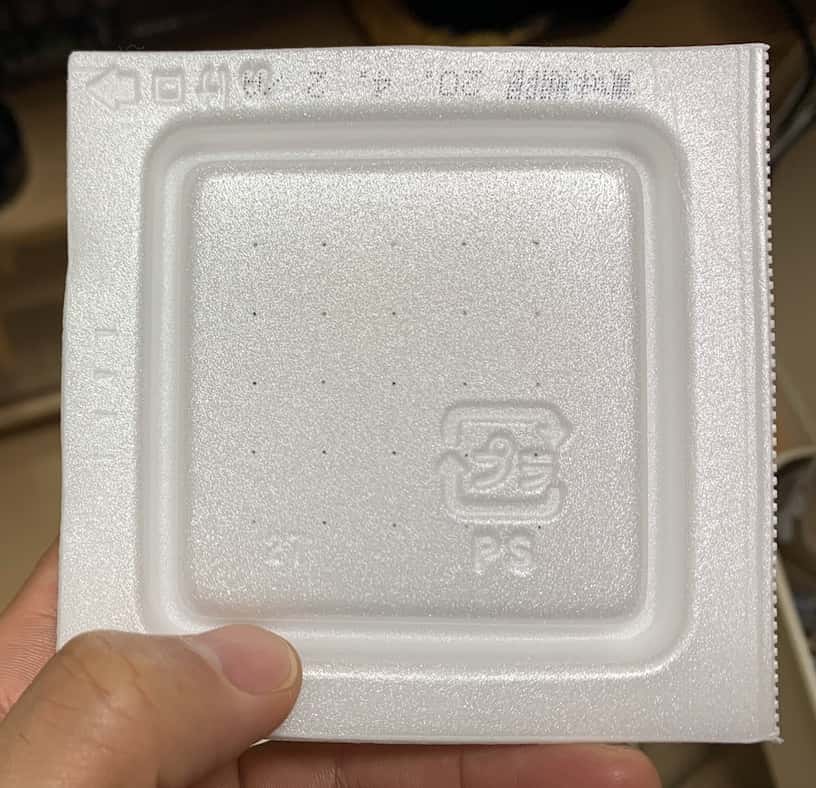
PS (Polystyrene) — Burns Easily — Natto Containers & Bento Lids
PVC (Polyvinyl Chloride) — Harder to Burn — Erasers & Water Pipes
What Does “Poly” Mean?
Have you noticed how many plastic names start with “poly”? The prefix comes from Greek and means “many.” So “polyethylene” literally means “many ethylene units linked together.”
It’s the perfect name for materials made from thousands upon thousands of connected molecules. You’ve probably seen “poly” in other words too, like polygon (“many angles”) or polyphenol (“many phenol groups”).
Why Plastics Became Essential to Modern Life
Plastics spread rapidly throughout the 20th century because they have so many useful properties:
・Easy to shape and mold — Most soften when heated and harden when cooled
・Lightweight
・Resistant to rust
・Slow to decay
・Poor conductors of electricity
・Durable against impact
・Chemically stable and resistant to change
These advantages made plastics incredibly convenient. At the same time, their resistance to decomposition is also what causes environmental problems such as ocean plastic pollution. Today, scientists are developing biodegradable plastics to solve these issues. In other words, the very properties that make plastics useful are also at the heart of modern environmental challenges.
The Curious Properties of Polystyrene (PS)
The star of today’s experiment is polystyrene (PS).
One fascinating feature of polystyrene is that it softens when heated, making it easy to reshape. You can find it in everyday items like bento box lids and shrink plastic sheets (“Shrinky Dinks”).
Shrink plastic sheets are still sold at many 100-yen shops today. When I was a kid, I used to buy them at hobby stores and make all kinds of creations.
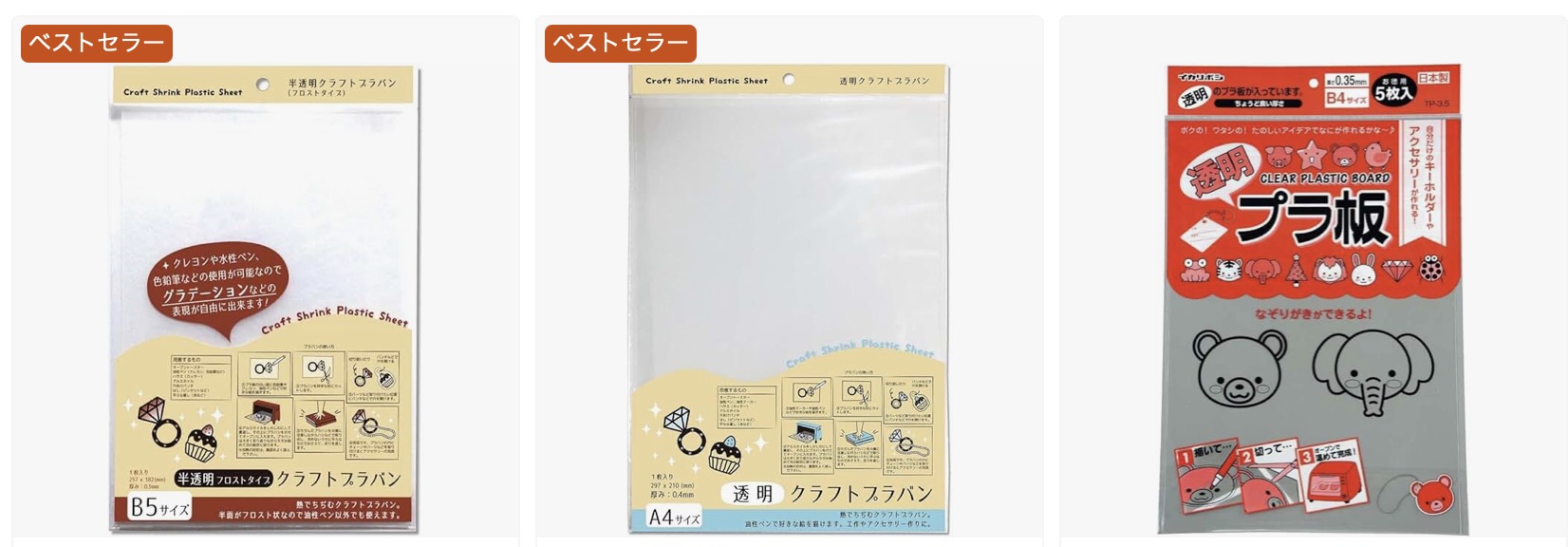
Craft shrink plastic is made by stretching thin sheets of polystyrene during manufacturing. When heated, the molecules try to return to their original arrangement, causing the sheet to shrink. Scientifically speaking, it’s more accurate to say the plastic is “returning to its original size” rather than simply “shrinking.”
Using this property, you can create custom keychains at home. It’s simple enough for young children to enjoy, and it’s a fantastic blend of art and science.
The Science Recipe
Materials:
Toaster oven, polystyrene bento lid, aluminum foil (or parchment paper), two wooden boards
Instructions:
1. Draw a picture on the polystyrene lid and heat it in the toaster oven.
I used a plastic container lid originally designed for rice balls.
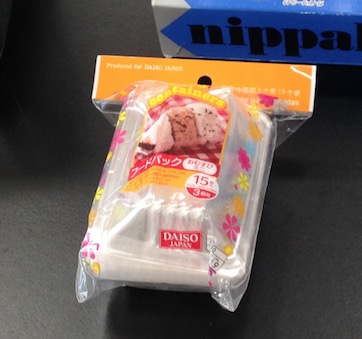
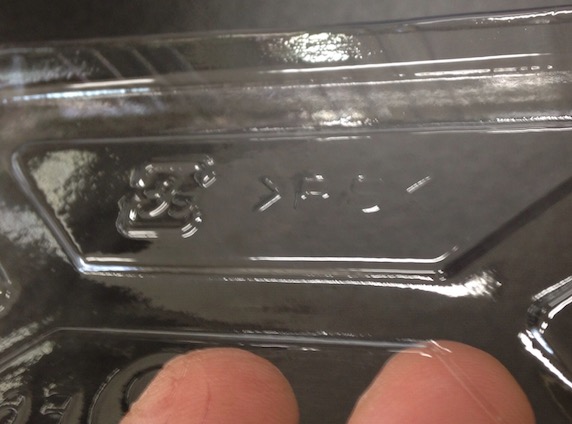
Be sure to use plastic marked “PS.”
Before placing it into the toaster oven, crumple a sheet of aluminum foil once and then flatten it slightly. Put the plastic on top. In a workshop by science educator Eiji Komori, I also learned that parchment paper works very well.
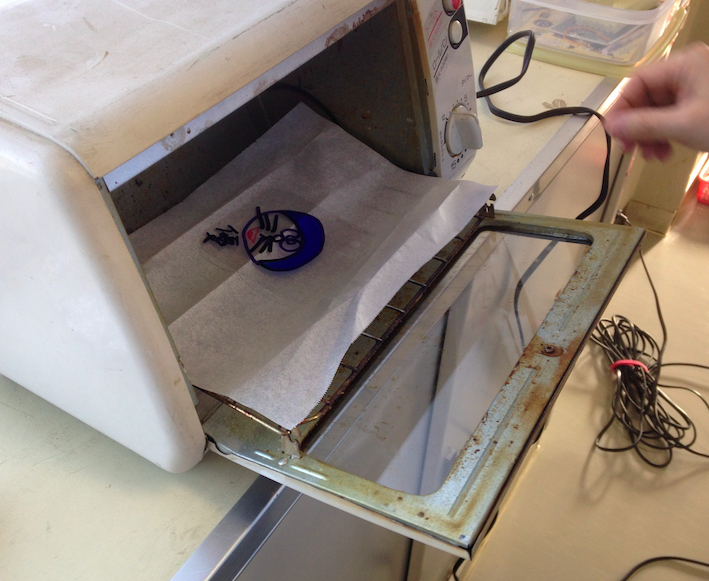
2. As the plastic heats up, it will curl and shrink dramatically.
Once the shrinking slows down, carefully remove it using chopsticks.
With parchment paper, the plastic peeled off very easily because it didn’t stick much. However, the paper can scorch after repeated use, so aluminum foil may be better for classrooms or large groups.
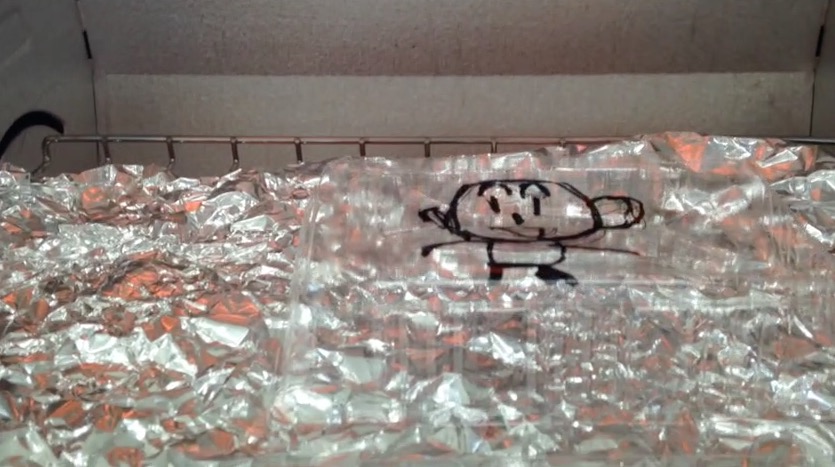
Into the toaster it goes…
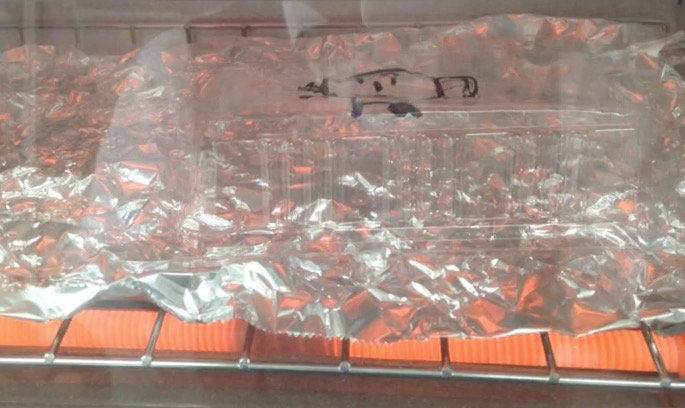
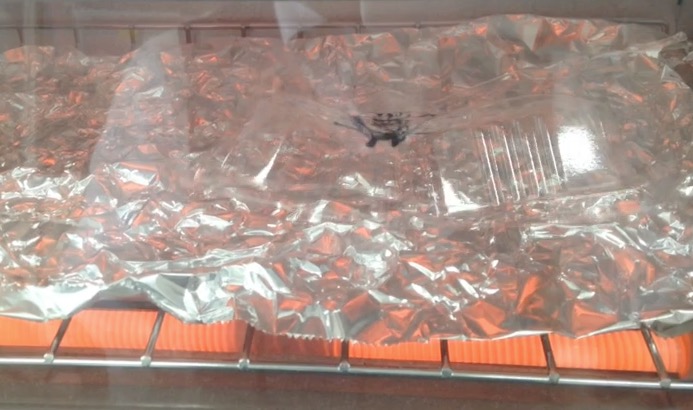
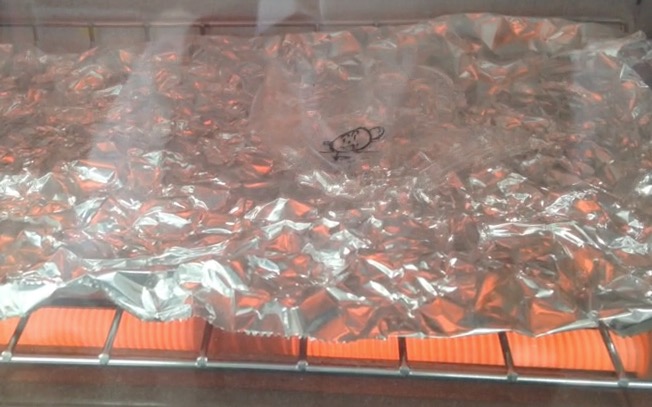
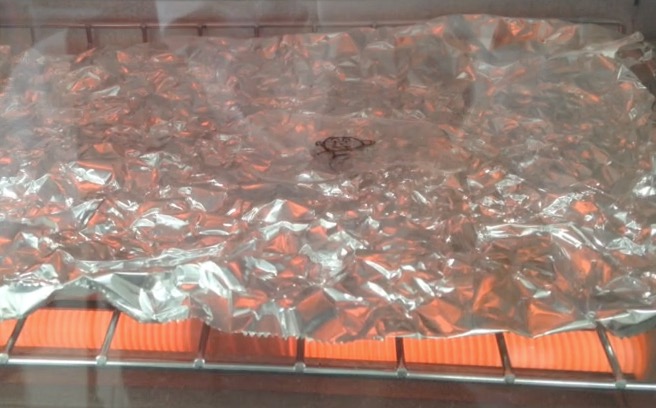
And just like that, it becomes a smooth little plastic charm!
3. While the plastic is still hot, quickly sandwich it between two wooden boards to flatten it.
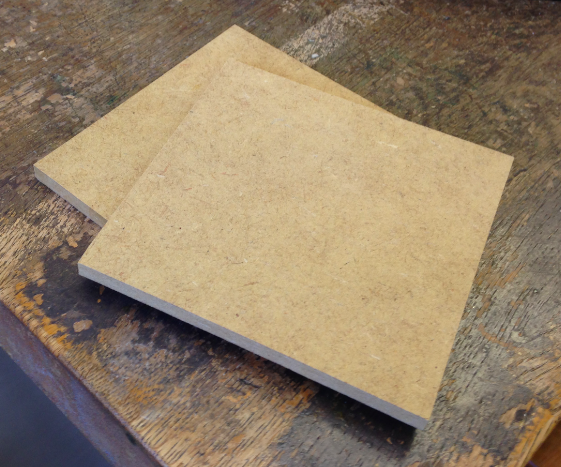
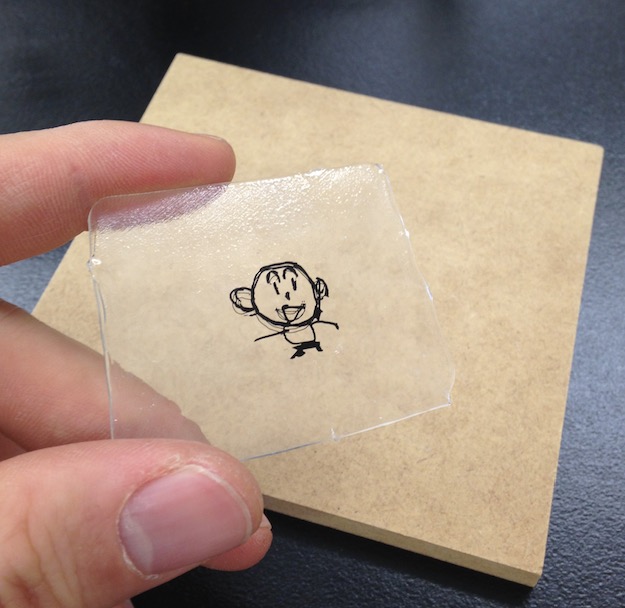
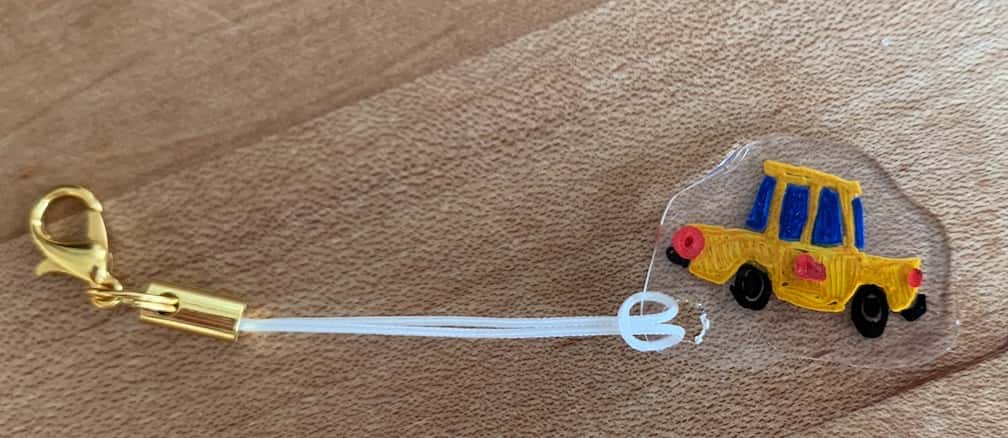
You’ll notice the polystyrene has become much smaller as it returned to its original state. And there you have it — your homemade keychain! It’s pretty amazing that something as ordinary as a lunchbox lid can turn into a fun science craft. Add a string or chain, and you’ve got a custom strap ready to use! (^o^)
After the Experiment, Ask Yourself: Why Did It Shrink?
The reason shrink plastic contracts is because the polystyrene molecules were stretched during manufacturing. Heating gives those molecules enough energy to move freely again, allowing the material to relax back toward its original shape.
This phenomenon is somewhat similar to shape memory materials, which are widely used in modern engineering and manufacturing today.
When you realize that a simple bento lid works using the same scientific principles found in advanced technology, everyday objects suddenly become a lot more interesting. Give it a try at home and experience the science for yourself!
Contact & More Science Fun
Want to explore more fun and surprising science experiments you can try at home? This site is packed with easy-to-understand science activities and ideas for curious minds of all ages.
・The “Science Idea Notebook” series has been published as a book. Learn more here
・About Kuwako Lab here
・For requests such as writing, lectures, workshops, TV supervision, and appearances, click here
・Follow updates on X!
 Science Idea Channel features experiment videos too!
10月のイチオシ実験!
テレビ番組監修・イベント等のお知らせ
- 10月27日(火) テレビ監修番組放送予定
- 11月27日(金) テレビ監修番組放送予定
- 12月26日(土) ナリカサイエンスアカデミー(教員向け実験講習会)開催
書籍のお知らせ
- 『高校入試 分解問題集 理科』(学研)…難しい問題も小さな問題に分解することで、問題を解くことができます。そんな分解の技術が身につくように深く関わりを持って作りました。
 『大人のための高校物理復習帳』(講談社)…一般向けに日常の物理について公式を元に紐解きました。特設サイトでは実験を多数紹介しています。※増刷がかかり6刷となりました(2026/02/01)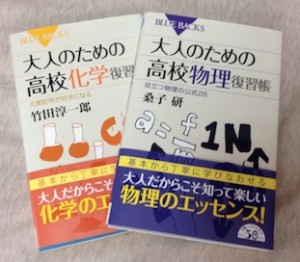
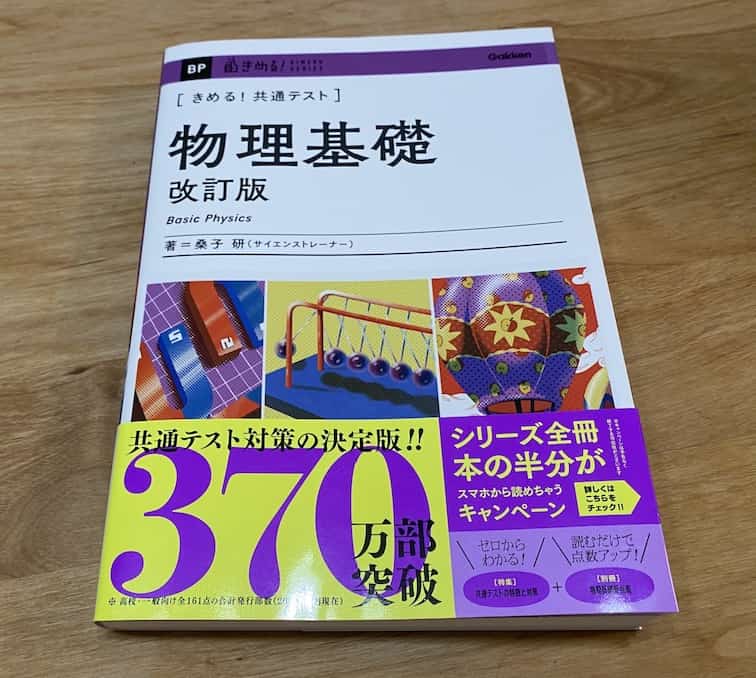
- 『きめる!共通テスト 物理基礎 改訂版』(学研)… 高校物理の参考書です。イラストを多くしてイメージが持てるように描きました。授業についていけない、物理が苦手、そんな生徒におすすめです。特設サイトはこちら。
各種SNS(更新情報をお届け!)
【日本語】X(Twitter)/instagram/Facebook 【英語】BlueSky/Threads
Explore
- 楽しい実験…お子さんと一緒に夢中になれるイチオシの科学実験を多数紹介しています。また、高校物理の理解を深めるための動画教材も用意しました。
- 理科の教材… 理科教師をバックアップ!授業の質を高め、準備を効率化するための選りすぐりの教材を紹介しています。
- Youtube…科学実験等の動画を配信しています。
- 科学ラジオ …科学トピックをほぼ毎日配信中!AI技術を駆使して作成した「耳で楽しむ科学」をお届けします。
- 講演 …全国各地で実験講習会・サイエンスショー等を行っています。
- About …「科学のネタ帳」のコンセプトや、運営者である桑子研のプロフィール・想いをまとめています。
- お問い合わせ …実験教室のご依頼、執筆・講演の相談、科学監修等はこちらのフォームからお寄せください。