Dye, Slice, and Be Amazed: The Secret Water Network Inside Your Celery.
I’m Kuwako Ken, your science trainer. Every day is an experiment.
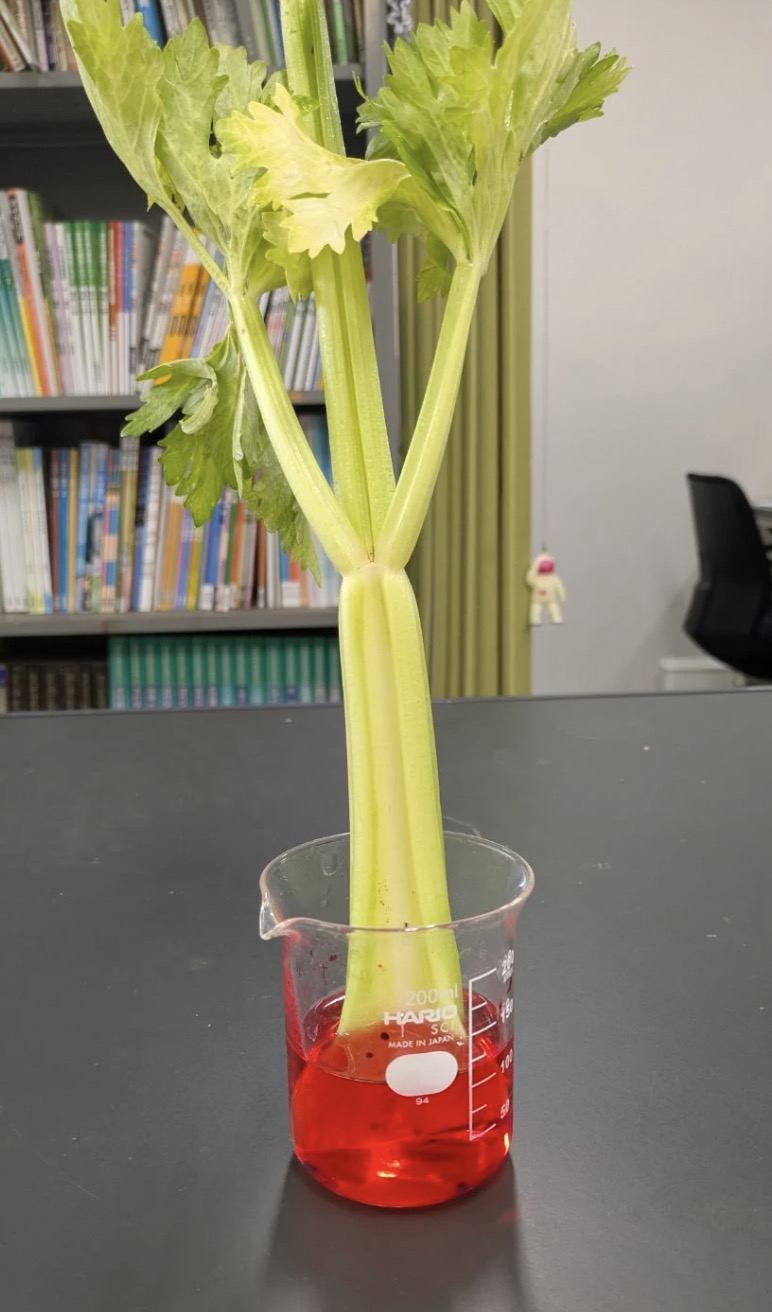
Celery from the supermarket turning into a piece of lab equipment—sounds a bit surprising, doesn’t it? A student teacher, I, asked a simple but intriguing question: “Where exactly are the xylem vessels in celery?” To find out, they carried out an experiment using red ink to reveal them. The materials were minimal: celery, red ink, a cutting mat, and a cutter. Despite the simplicity, what emerged was nothing short of a beautifully engineered blueprint of a plant’s internal structure.
What Are “Xylem Vessels”? The Water Highways Inside Plants
Before diving into the experiment, a quick bit of background. Inside a plant runs a network of tubes that transport water and nutrients. Among them, the xylem is responsible for carrying water and minerals absorbed by the roots up to the leaves.
Interestingly, xylem vessels are made of dead cells stacked together. What remains is essentially a hollow tube formed by cell walls—like tiny pipelines. Even though the cells themselves are no longer alive, they play a crucial role in keeping the plant alive. That alone is pretty fascinating, right? In this experiment, the goal was to make these invisible pipes visible using red dye.
After 5 Hours
Five hours after placing the celery in red ink, parts of the stem and leaves began to turn red. Not uniformly, but along specific خطوط—this is the key observation. When the stem was cut crosswise, the areas that had absorbed water appeared clearly as red dots.
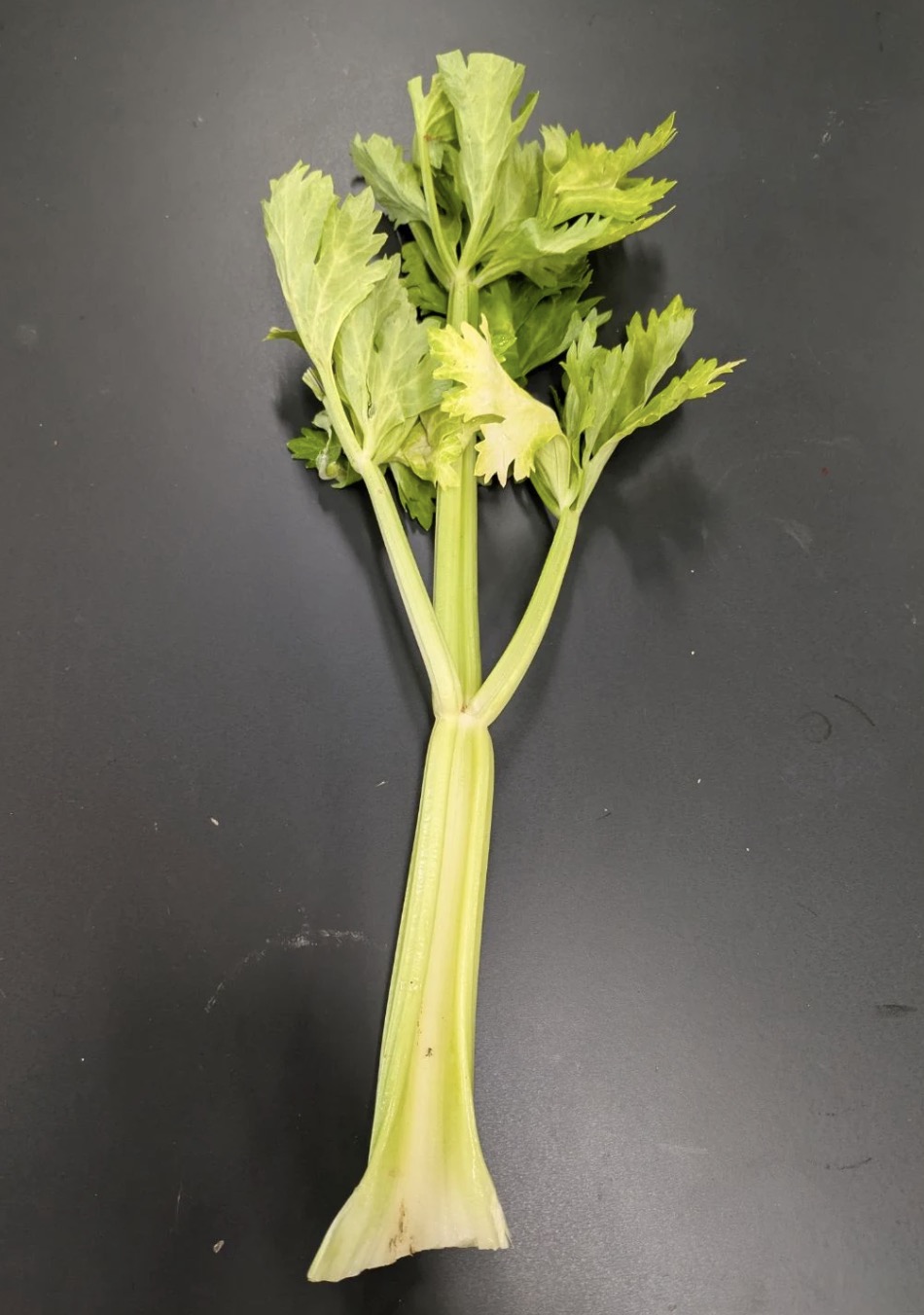
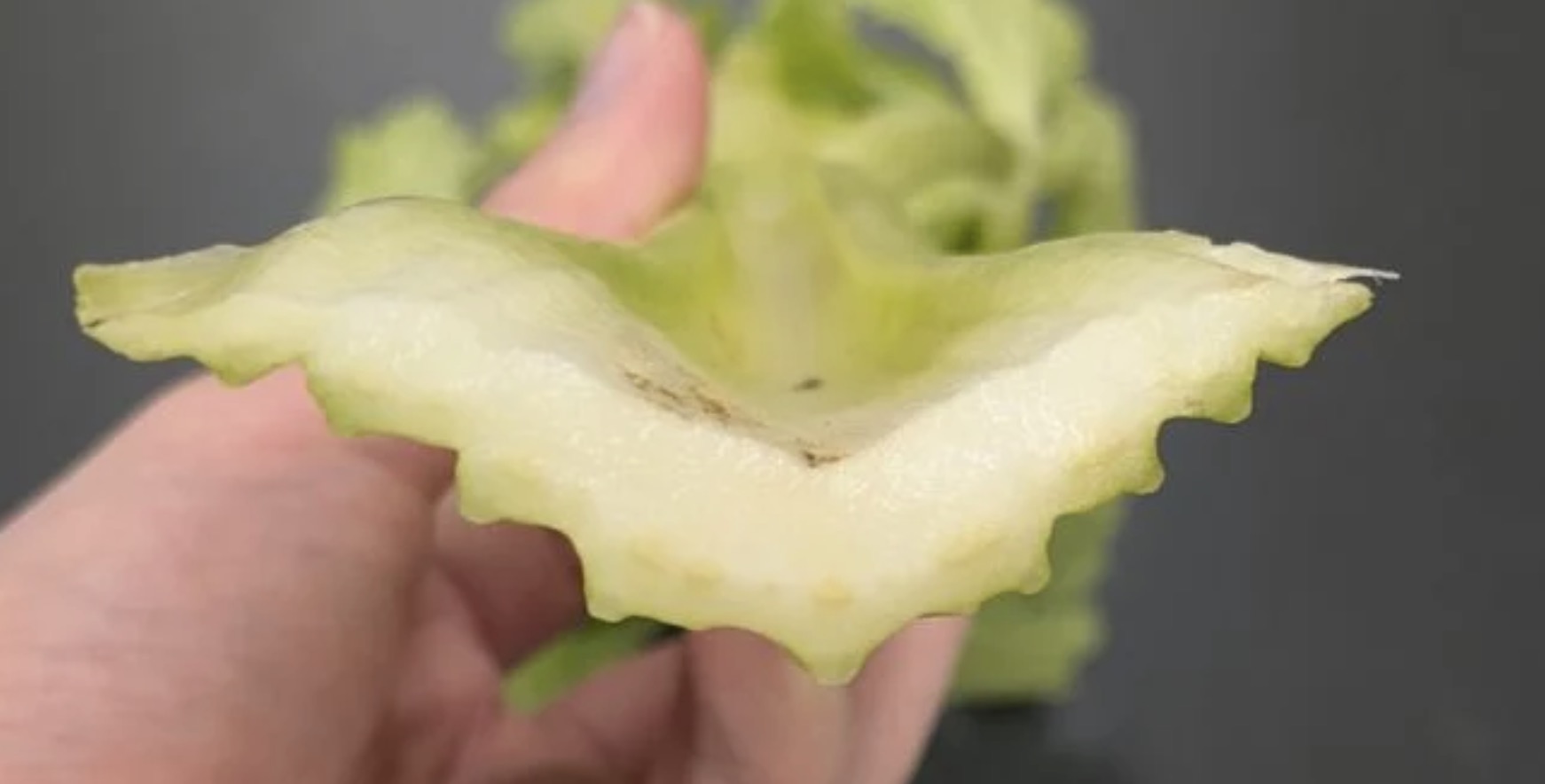
Before staining
After staining
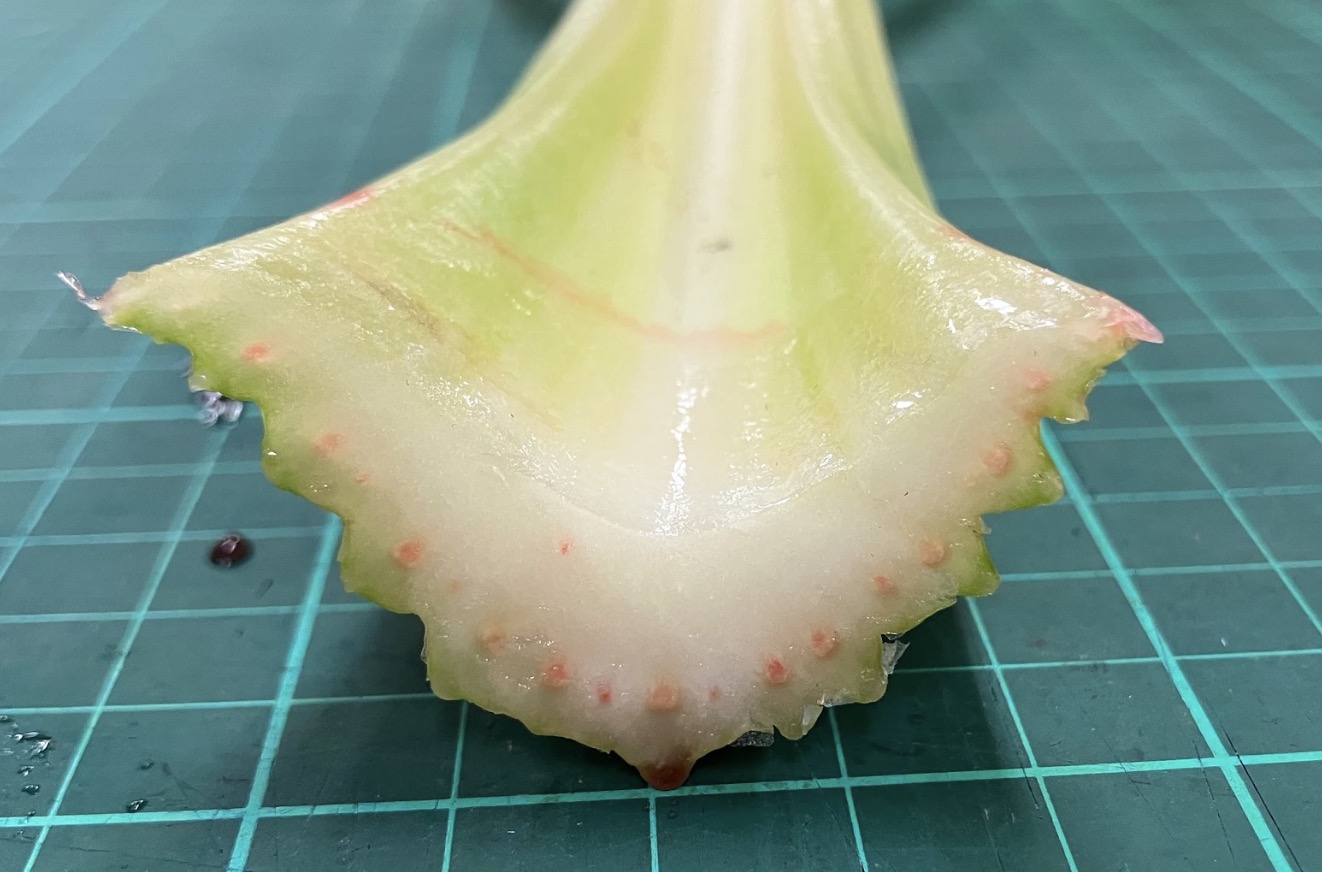
The position of the xylem looked almost like a map. When the stem was sliced lengthwise, those red dots lined up in a straight path. This made it visually clear that xylem vessels aren’t scattered randomly—they form continuous pipelines running from roots to leaves.
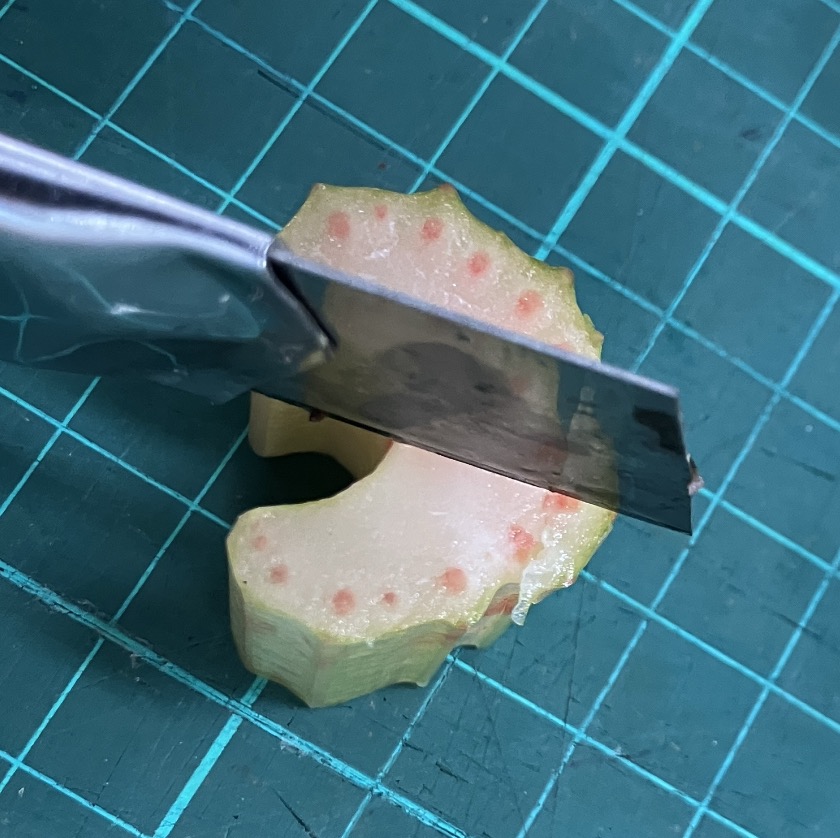
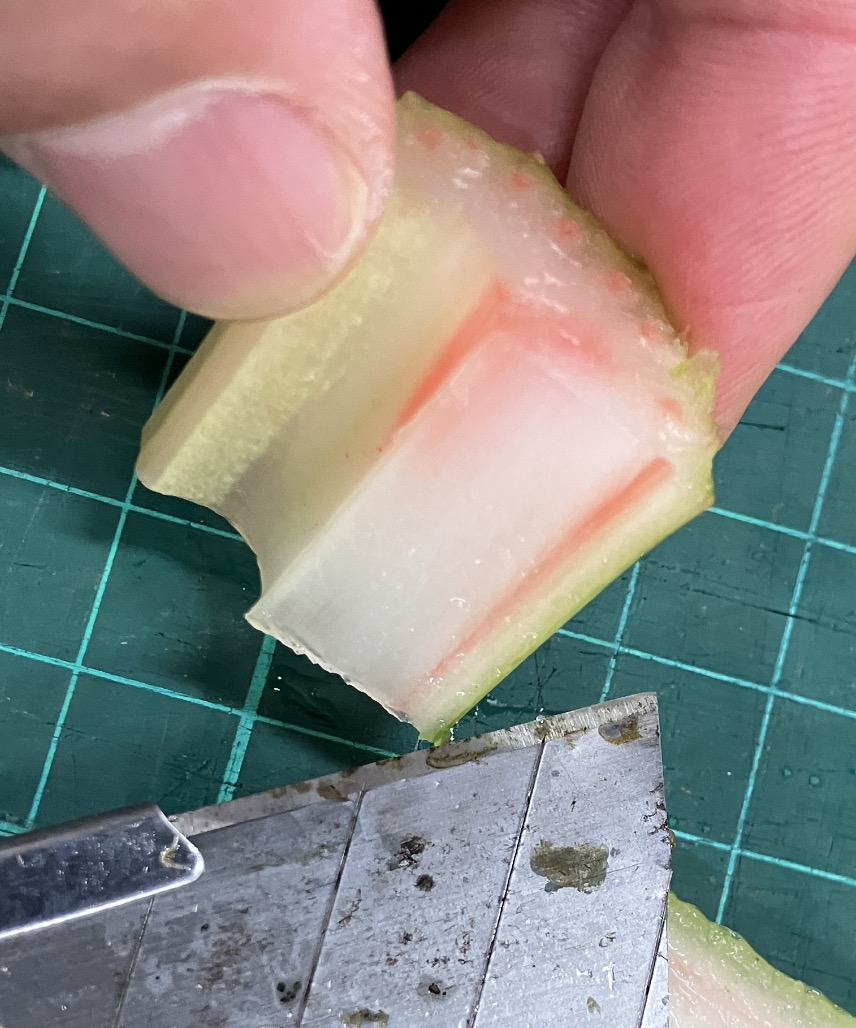
Leaf Veins: A Network of Waterways
Looking at the leaves revealed another interesting pattern. Instead of turning completely red, only the pathways carrying water lit up, spreading out like a شبكة.
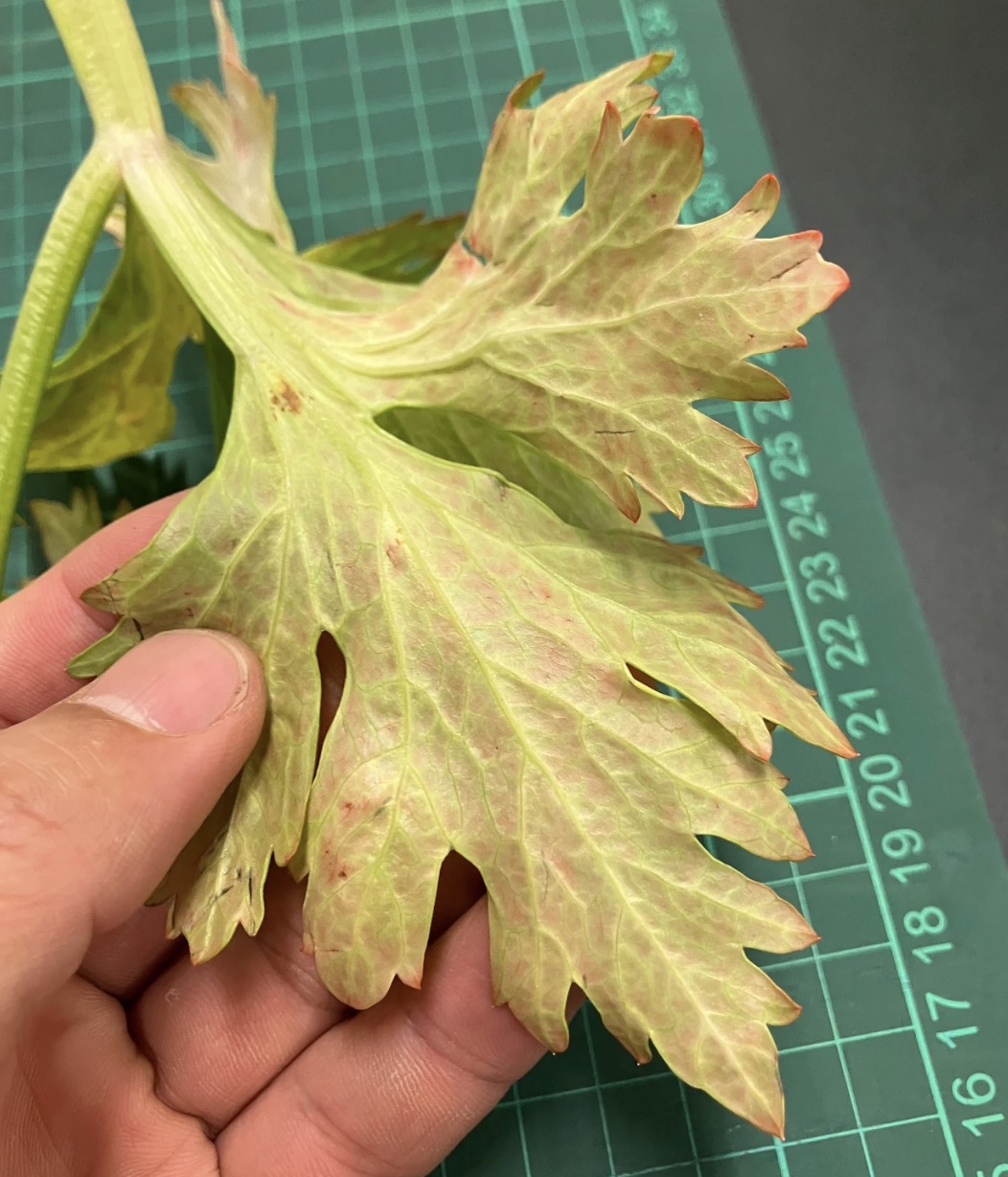
This is the structure of leaf veins. They are bundles of xylem and phloem that distribute water and nutrients throughout the leaf. Much like a city’s water system branching through every street, plants have their own intricate infrastructure delivering resources to every corner of their bodies.
After 1 Day
After a full day, the staining became even more pronounced.
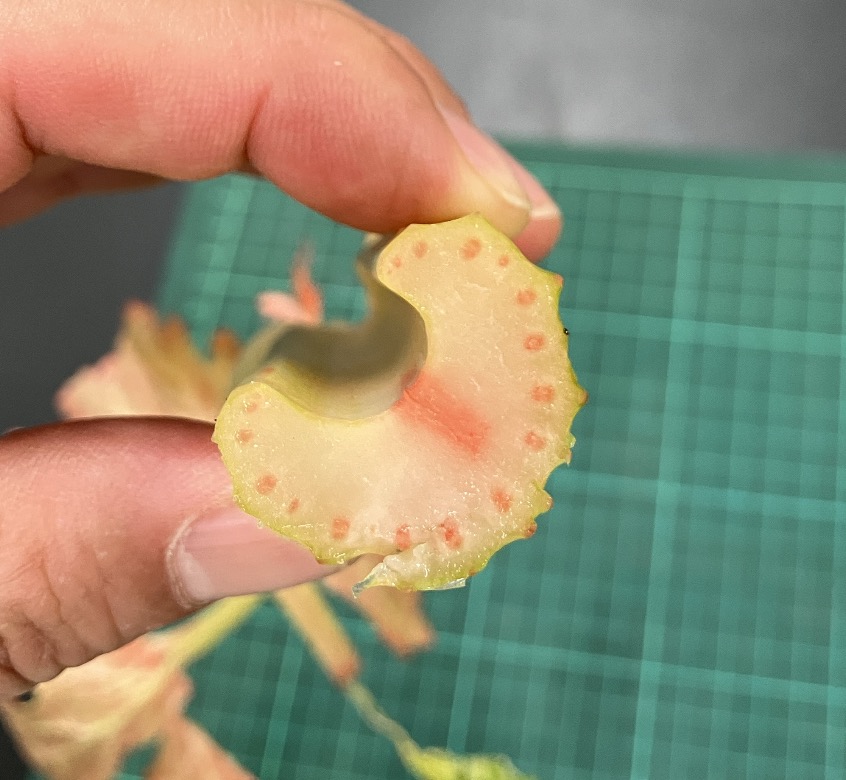
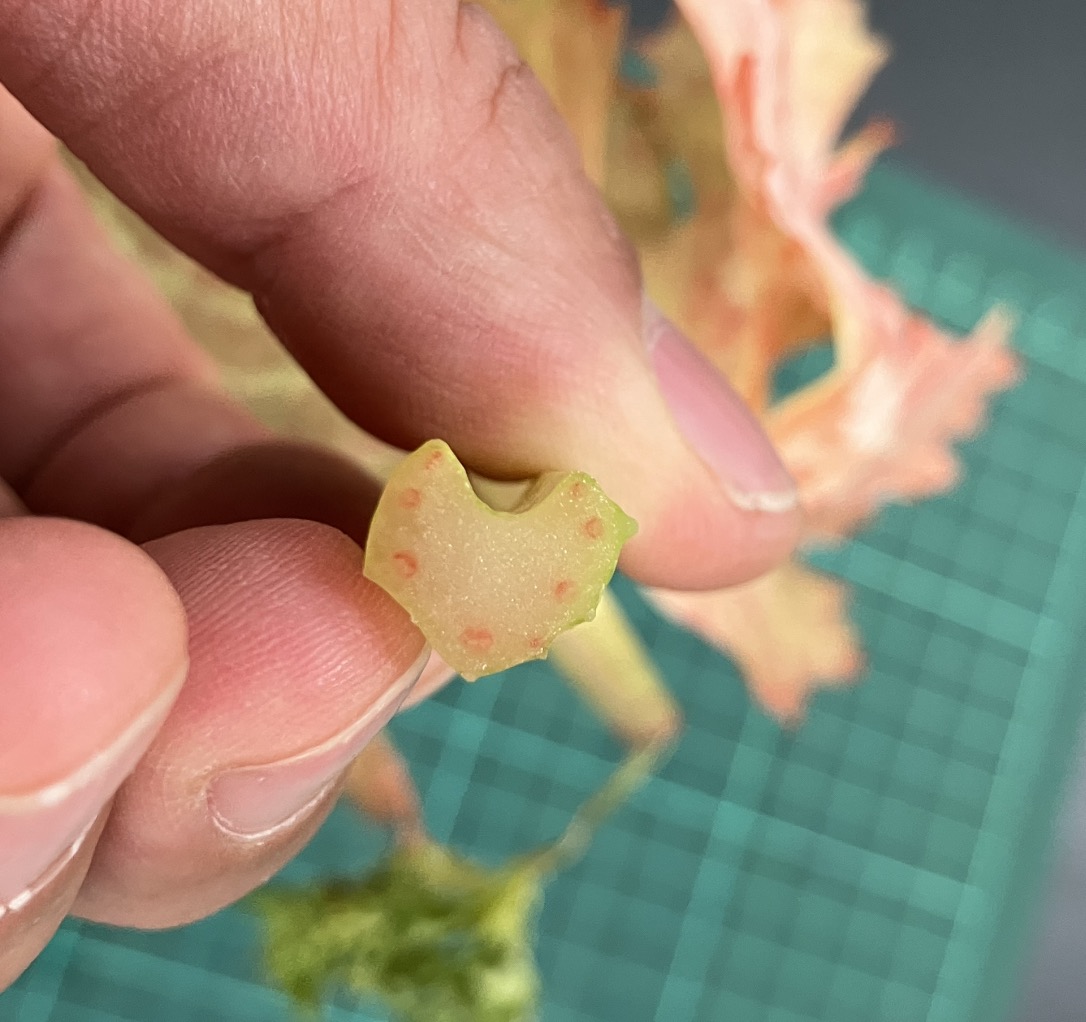
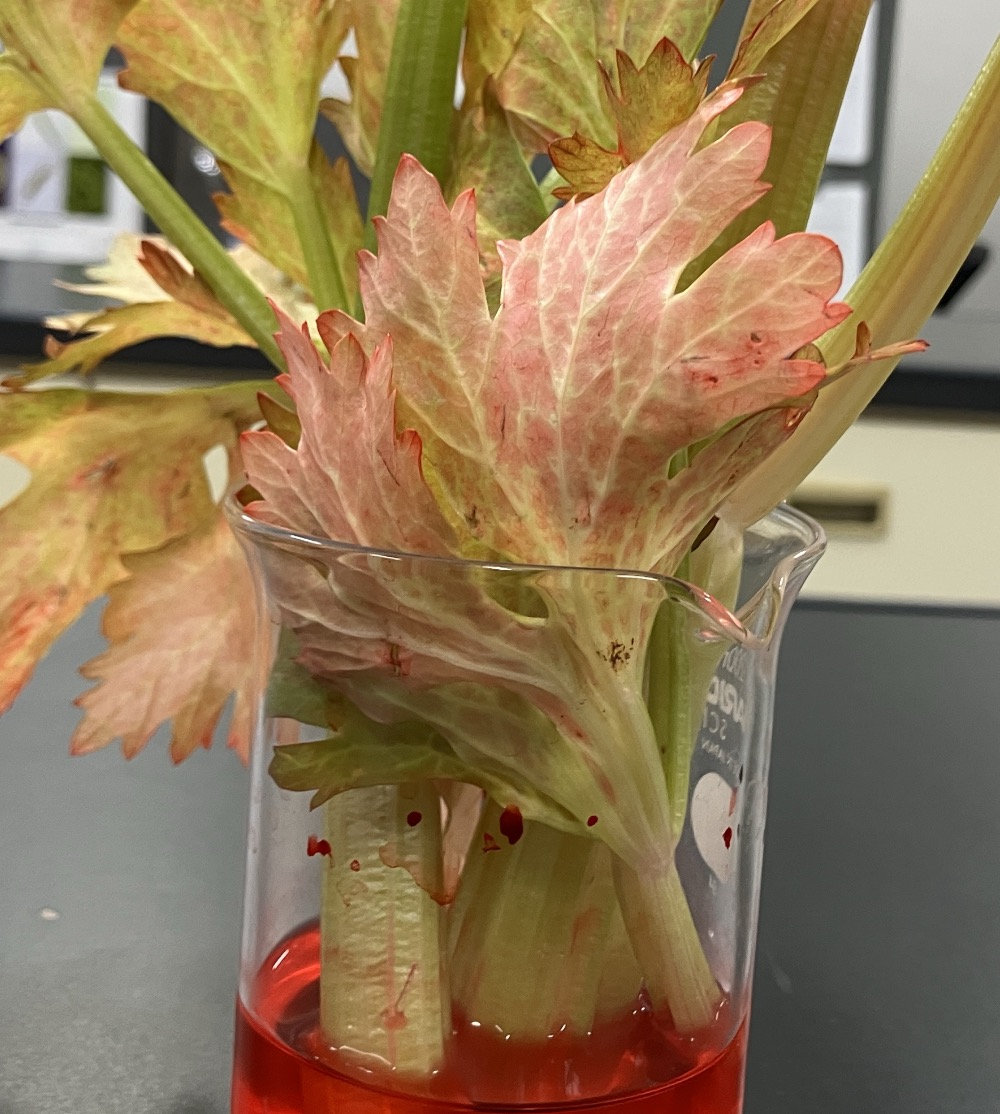
The longer the celery sat in the dye, the clearer the pathways became. Comparing the 5-hour and 24-hour results also highlights something important: plants are continuously pulling water upward.
There’s a good reason celery is used for this experiment. Its stems have large vascular bundles and are thick and sturdy, making them easy to handle and ideal for observing xylem in cross-section. Plus, it’s easy to get and safe to cut—perfect for a classroom or home experiment.
As for how plants pull water from roots to leaves, the key is transpiration. When water evaporates from the surface of the leaves, it creates a pulling force that draws more water upward through the xylem. In a way, the entire plant acts like a pump. The ink reaching the top was powered by the celery itself.
Next Up: Other Vegetables
After finishing the celery experiment, I quickly moved on to a new question: “What about other vegetables?”
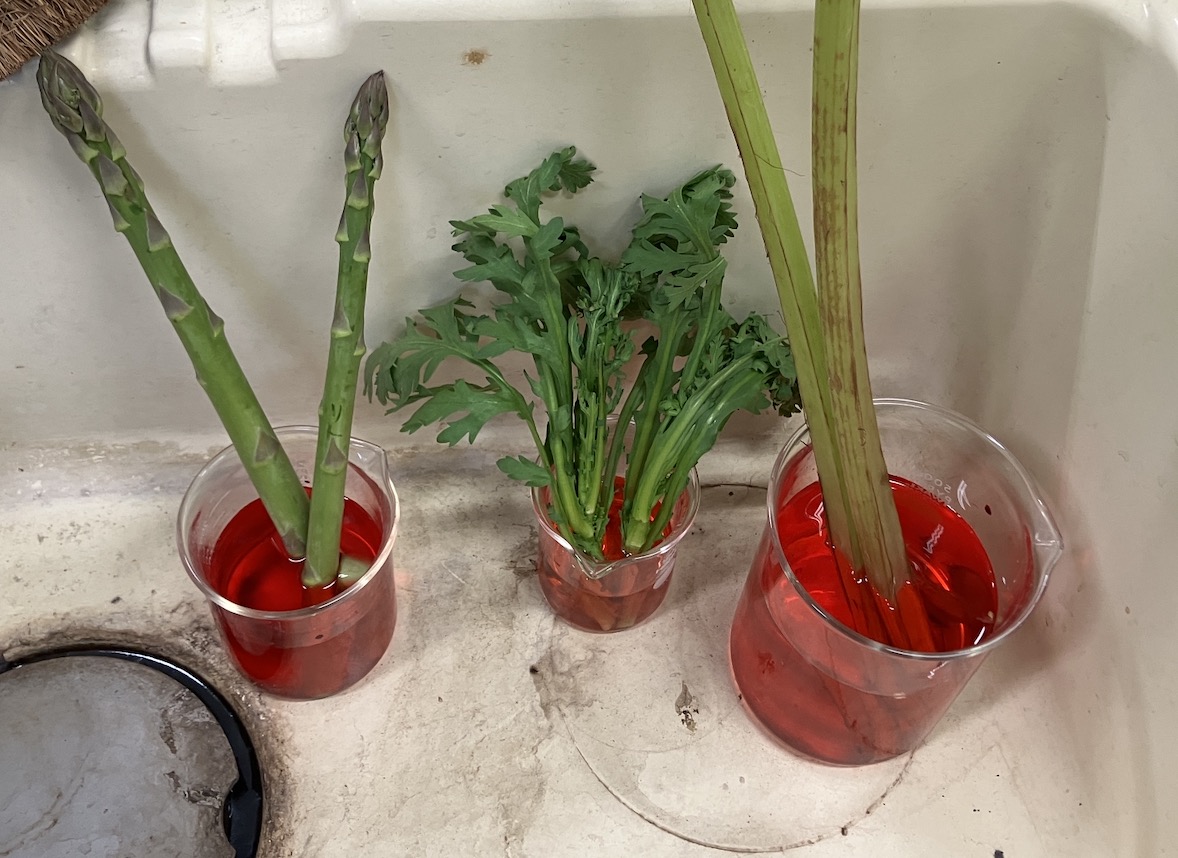
Chinese cabbage, carrots, lettuce—each vegetable has slightly different xylem arrangements and thicknesses. Looking at everyday ingredients through the lens of “Where are the water pathways?” can transform your dinner table into a science lab. It’s an experiment you can easily try at home, so give it a go.
Inquiries & Requests
Let’s bring the wonder of science closer to everyday life. Here you’ll find easy-to-follow guides for fun experiments you can try at home. Feel free to explore!
・The content of “Science Notes” is now available as a book. Learn more here
・About Kuwako Ken here
・For requests (writing, lectures, workshops, TV supervision, appearances, etc.) here
・Stay updated on new articles via X!
 Science Channel features experiment videos!
9月のイチオシ実験!
お弁当箱をプラバンがわりにしてキーホルダーを作ろう!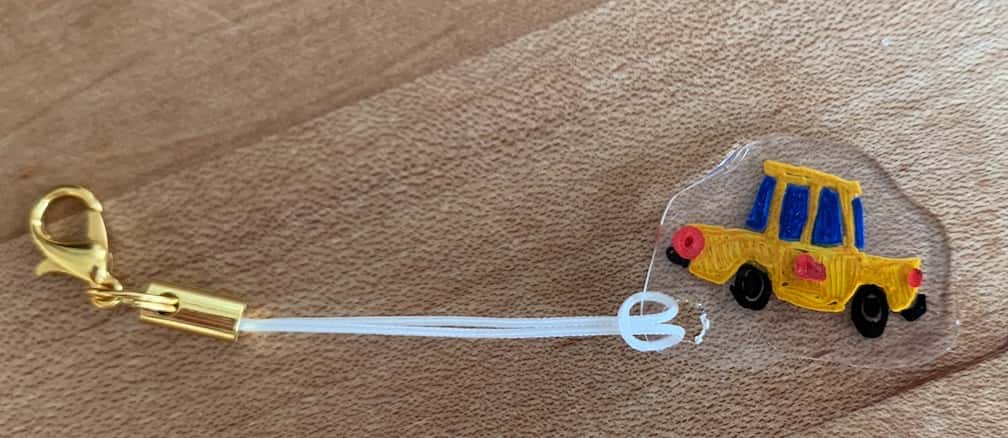
テレビ番組監修・イベント等のお知らせ
- 8月27日(木)科学監修番組放送予定
- 9月20日(日)ダビンチマスターズ出演予定
- 10月10日(土)11:15~12:00 千葉市科学フェスタ2026「桑子先生の回転科学ショー」にてサイエンスショーを行います。
- 12月26日(土) ナリカサイエンスアカデミー(教員向け実験講習会)開催
書籍のお知らせ
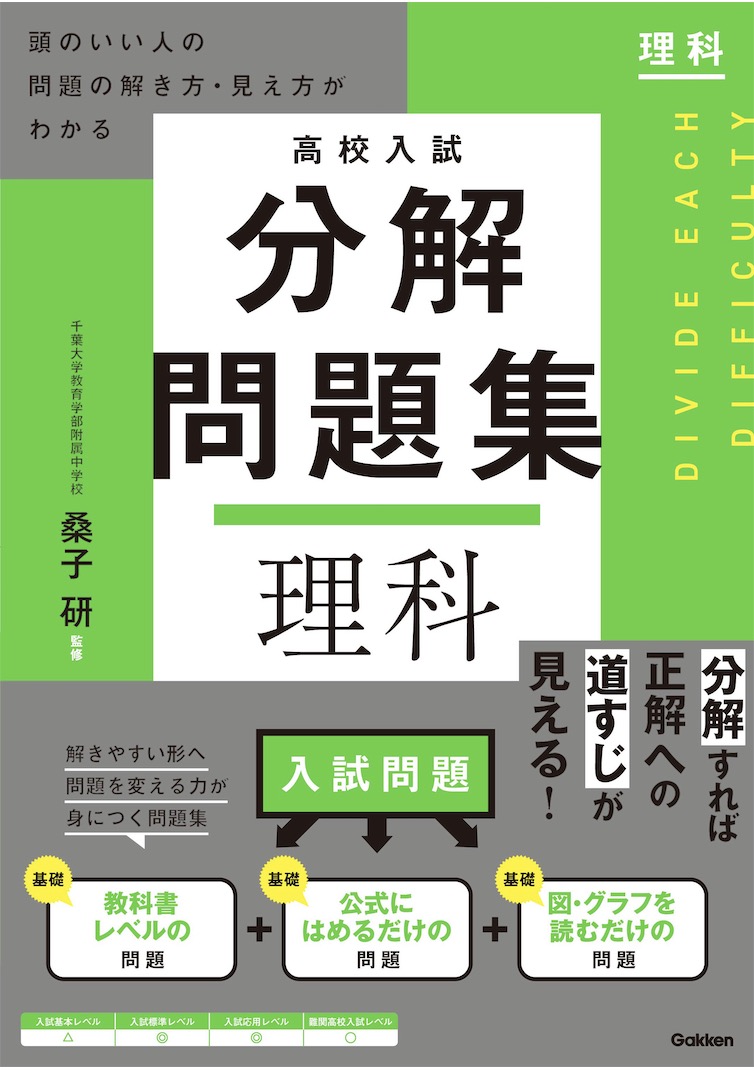
- 『高校入試 分解問題集 理科』(学研)…難しい問題も小さな問題に分解することで、問題を解くことができます。そんな分解の技術が身につくように深く関わりを持って作りました。
 『大人のための高校物理復習帳』(講談社)…一般向けに日常の物理について公式を元に紐解きました。特設サイトでは実験を多数紹介しています。※増刷がかかり6刷となりました(2026/02/01)

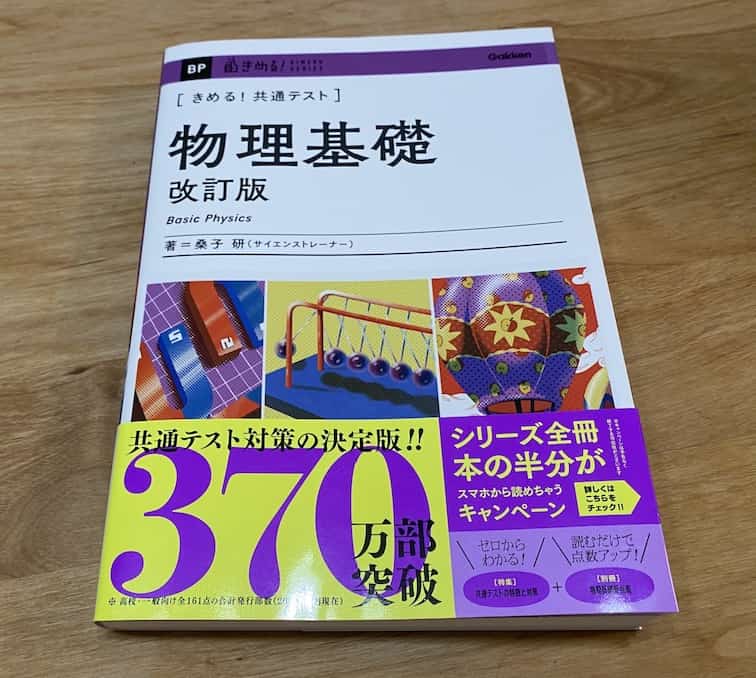
- 『きめる!共通テスト 物理基礎 改訂版』(学研)… 高校物理の参考書です。イラストを多くしてイメージが持てるように描きました。授業についていけない、物理が苦手、そんな生徒におすすめです。特設サイトはこちら。
各種SNS(更新情報をお届け!)
【日本語】X(Twitter)/instagram/Facebook 【英語】BlueSky/Threads
Explore
- 楽しい実験…お子さんと一緒に夢中になれるイチオシの科学実験を多数紹介しています。また、高校物理の理解を深めるための動画教材も用意しました。
- 理科の教材… 理科教師をバックアップ!授業の質を高め、準備を効率化するための選りすぐりの教材を紹介しています。
- Youtube…科学実験等の動画を配信しています。
- 科学ラジオ …科学トピックをほぼ毎日配信中!AI技術を駆使して作成した「耳で楽しむ科学」をお届けします。
- 講演 …全国各地で実験講習会・サイエンスショー等を行っています。
- About …「科学のネタ帳」のコンセプトや、運営者である桑子研のプロフィール・想いをまとめています。
- お問い合わせ …実験教室のご依頼、執筆・講演の相談、科学監修等はこちらのフォームからお寄せください。