Physics in the Park: Finding the Hidden Math in a Water Fountain
This is Ken Kuwako, the Science Trainer. Every day is an experiment!
A walk in the park might seem ordinary. But if you stop and look at it through the eyes of a scientist, it transforms into a laboratory full of wonder and discovery. Take, for example, the water flowing from a drinking fountain. Would you be surprised to learn that the beautiful arc it creates perfectly hides a bit of math you probably learned in middle school?
Today, let’s uncover the secret behind this “mathematical art” found in the park.
The Secret Behind the “Mathematical Art” in the Park
First, take a look at this video. It’s nothing more than a simple water fountain being turned on.
As the water shoots out, it falls in a perfect arc. When I analyzed the trajectory of this water, I found that it aligns incredibly well with the graph of a negative quadratic function—in other words, a clean parabola.
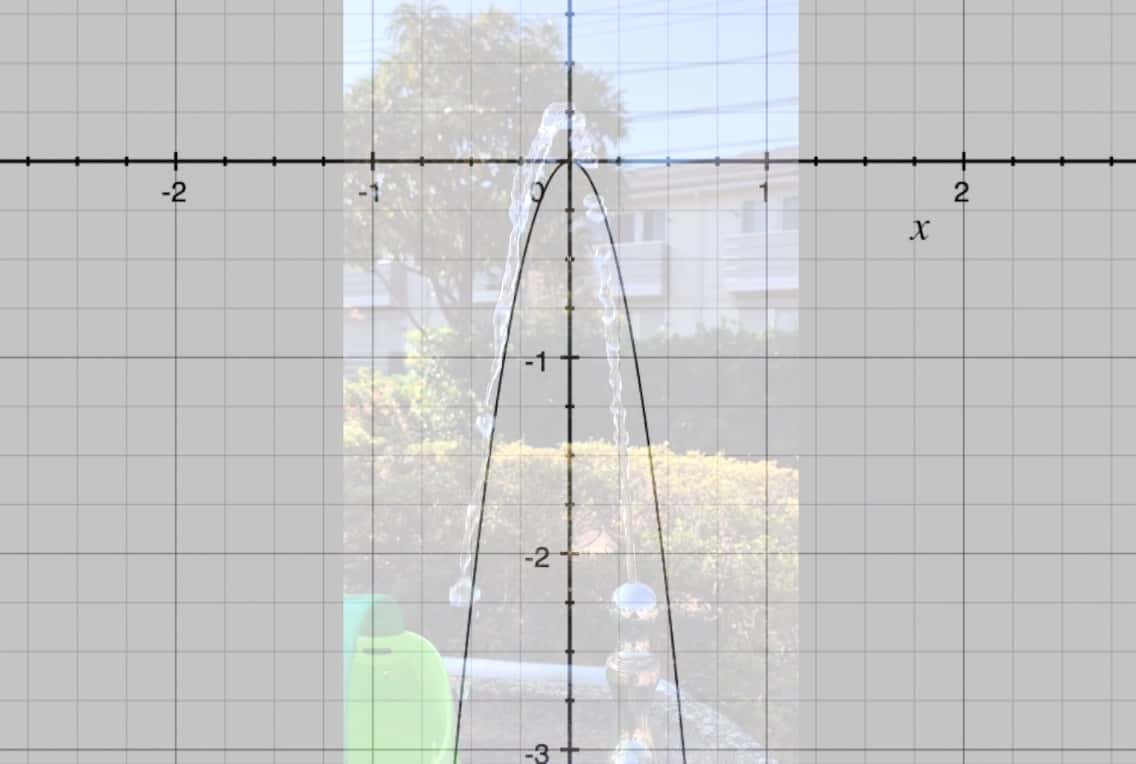
It’s almost as if someone traced a graph from a math textbook with an invisible pen!
Why Does Water Form a Parabola? A Peek into the Laws of Physics
This beautiful curve isn’t a coincidence. It’s drawn by the rules that govern everything in the universe: the laws of physics. Here’s how it works:
Upward Force: Water pushed from the tap has an initial upward momentum (initial velocity).
Constant Gravity: However, as long as it’s on Earth, the water is constantly being pulled straight down by gravity. This force gradually slows the water’s upward momentum until it eventually begins to fall.
The combination of this forward momentum and the downward pull of gravity creates the same beautiful parabolic trajectory you see when you throw a ball. ⚾
Not Quite Perfect? Nature’s Special Ingredient: Surface Tension
However, nature doesn’t always follow the textbook perfectly. If you watch the video closely, you’ll notice moments where the parabola’s shape breaks down slightly, depending on the water’s pressure. The culprit? Surface tension.
This is the force that causes water molecules to “hold hands” and pull together into the smallest possible shape. This force can cause droplets to merge and grow larger, which changes the air resistance and causes the trajectory to deviate slightly from a perfect curve.
Isn’t it fascinating to see both a perfect mathematical model and nature’s own little “imperfections” at play in such a simple phenomenon?
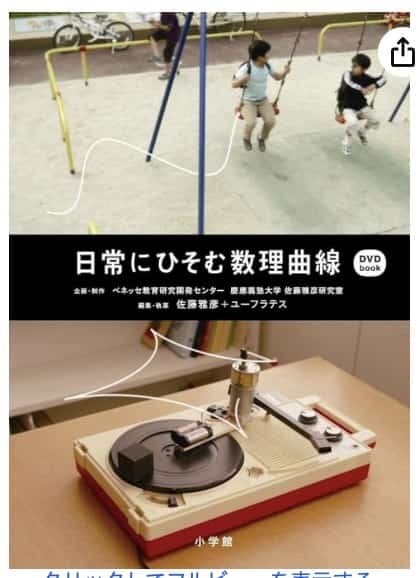
Next time you’re near a park, try to find your own piece of “mathematical art.” By the way, if you enjoy discovering interesting curves hidden in everyday life, this DVD is a lot of fun!
Contact & Inquiries
Bringing the wonder of science closer to you! I create easy-to-understand guides for fun science experiments you can do at home. Feel free to explore!
- The content from my “Science Idea Book” is now a published book! Learn more here.
- About the author, Ken Kuwako, click here.
- For inquiries (writing, lectures, workshops, TV consulting, etc.), click here.
・Follow me on X for the latest updates!
 Check out my experiment videos on the Science Idea Channel!
9月のイチオシ実験!
お弁当箱をプラバンがわりにしてキーホルダーを作ろう!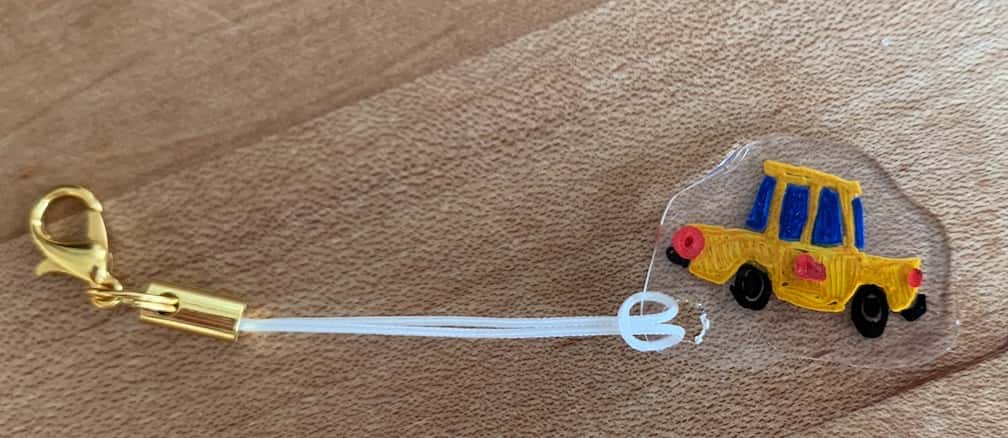
テレビ番組監修・イベント等のお知らせ
- 8月27日(木)科学監修番組放送予定
- 9月20日(日)ダビンチマスターズ出演予定
- 10月10日(土)11:15~12:00 千葉市科学フェスタ2026「桑子先生の回転科学ショー」にてサイエンスショーを行います。
- 12月26日(土) ナリカサイエンスアカデミー(教員向け実験講習会)開催
書籍のお知らせ
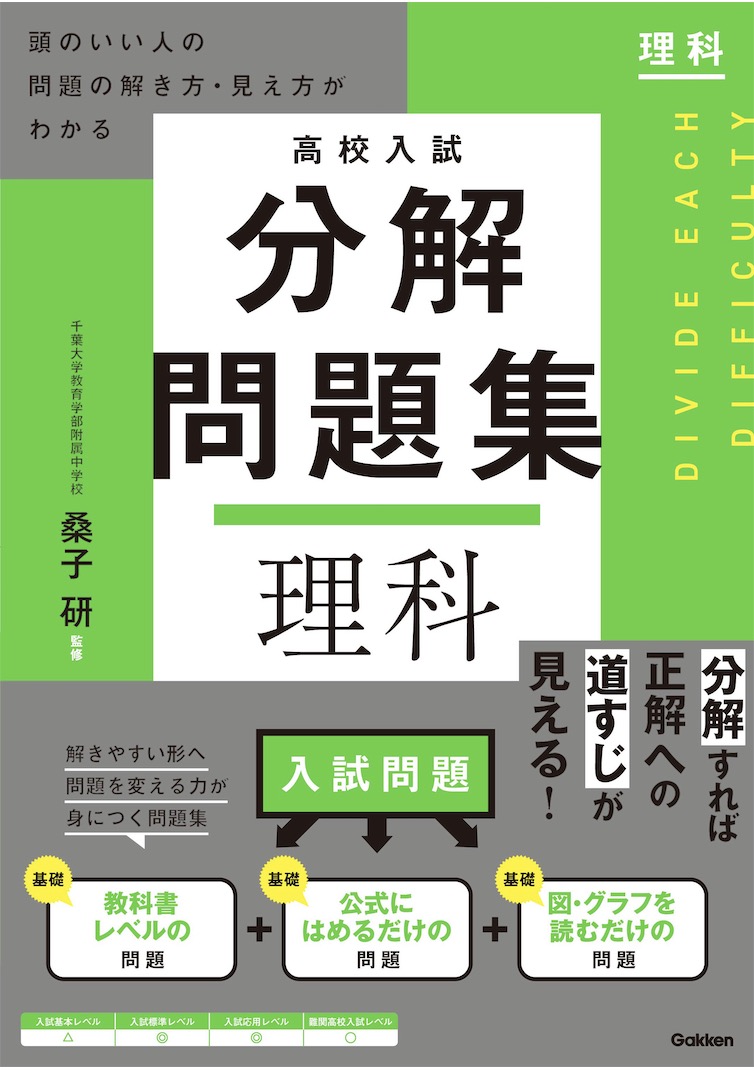
- 『高校入試 分解問題集 理科』(学研)…難しい問題も小さな問題に分解することで、問題を解くことができます。そんな分解の技術が身につくように深く関わりを持って作りました。
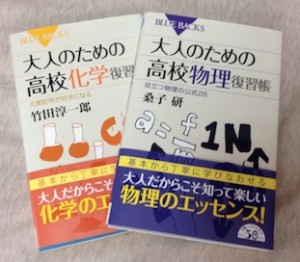
 『大人のための高校物理復習帳』(講談社)…一般向けに日常の物理について公式を元に紐解きました。特設サイトでは実験を多数紹介しています。※増刷がかかり6刷となりました(2026/02/01)
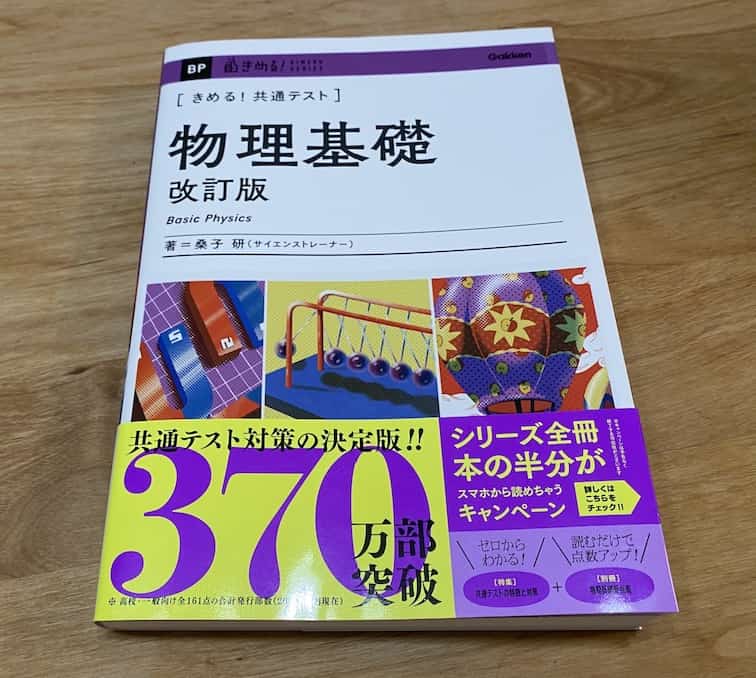
- 『きめる!共通テスト 物理基礎 改訂版』(学研)… 高校物理の参考書です。イラストを多くしてイメージが持てるように描きました。授業についていけない、物理が苦手、そんな生徒におすすめです。特設サイトはこちら。
各種SNS(更新情報をお届け!)
【日本語】X(Twitter)/instagram/Facebook 【英語】BlueSky/Threads
Explore
- 楽しい実験…お子さんと一緒に夢中になれるイチオシの科学実験を多数紹介しています。また、高校物理の理解を深めるための動画教材も用意しました。
- 理科の教材… 理科教師をバックアップ!授業の質を高め、準備を効率化するための選りすぐりの教材を紹介しています。
- Youtube…科学実験等の動画を配信しています。
- 科学ラジオ …科学トピックをほぼ毎日配信中!AI技術を駆使して作成した「耳で楽しむ科学」をお届けします。
- 講演 …全国各地で実験講習会・サイエンスショー等を行っています。
- About …「科学のネタ帳」のコンセプトや、運営者である桑子研のプロフィール・想いをまとめています。
- お問い合わせ …実験教室のご依頼、執筆・講演の相談、科学監修等はこちらのフォームからお寄せください。